menu

Warehouse Flood Restoration in Hartford – Industrial-Grade Recovery That Keeps Your Operations Running

Crestline Water Damage Restoration Hartford delivers rapid warehouse water mitigation and commercial flood remediation with minimal business disruption, protecting inventory, infrastructure, and your bottom line across the Hartford metro.

Slider Image 1
Slider Image 2
Slider Image 3
Slider Image 4
Slider Image 5
Slider Image 7
Slider Image 8
Slider Image 9
Slider Image 10
Slider Image 11

Why Hartford Warehouses Face Critical Flood Risks

Hartford's position along the Connecticut River and its tributaries creates significant flood exposure for industrial facilities. Distribution centers in the North Meadows and the I-91 corridor face dual threats from spring snowmelt runoff and hurricane-driven storm surge. The area's aging infrastructure compounds the problem. Many Hartford warehouses occupy buildings constructed in the 1950s through 1970s, before modern drainage codes required adequate sump systems and sealed floor slabs.

When flooding hits a warehouse, every hour of downtime multiplies your losses. Water infiltration damages inventory, corrupts pallet racking systems, and creates slip hazards that expose you to liability. The Connecticut River's seasonal flooding patterns mean you cannot predict when the next event will occur, but you can predict the consequences of inadequate industrial water damage cleanup.

Hartford's clay-heavy soil retains water, creating hydrostatic pressure against foundation walls. This pressure forces groundwater through cracks and seams in older concrete slabs, particularly in facilities built before 1980. The result is persistent moisture intrusion that standard janitorial services cannot address. You need warehouse water mitigation protocols designed for high-volume commercial spaces.

Climate data shows Hartford experiences an average of 47 inches of precipitation annually, with increasingly intense rainfall events. Your facility's vulnerability depends on elevation, proximity to waterways, and the condition of your building envelope. Commercial flood remediation requires understanding these specific risk factors, not generic solutions.

Why Hartford Warehouses Face Critical Flood Risks
Industrial Water Extraction and Structural Drying Protocols

Industrial Water Extraction and Structural Drying Protocols

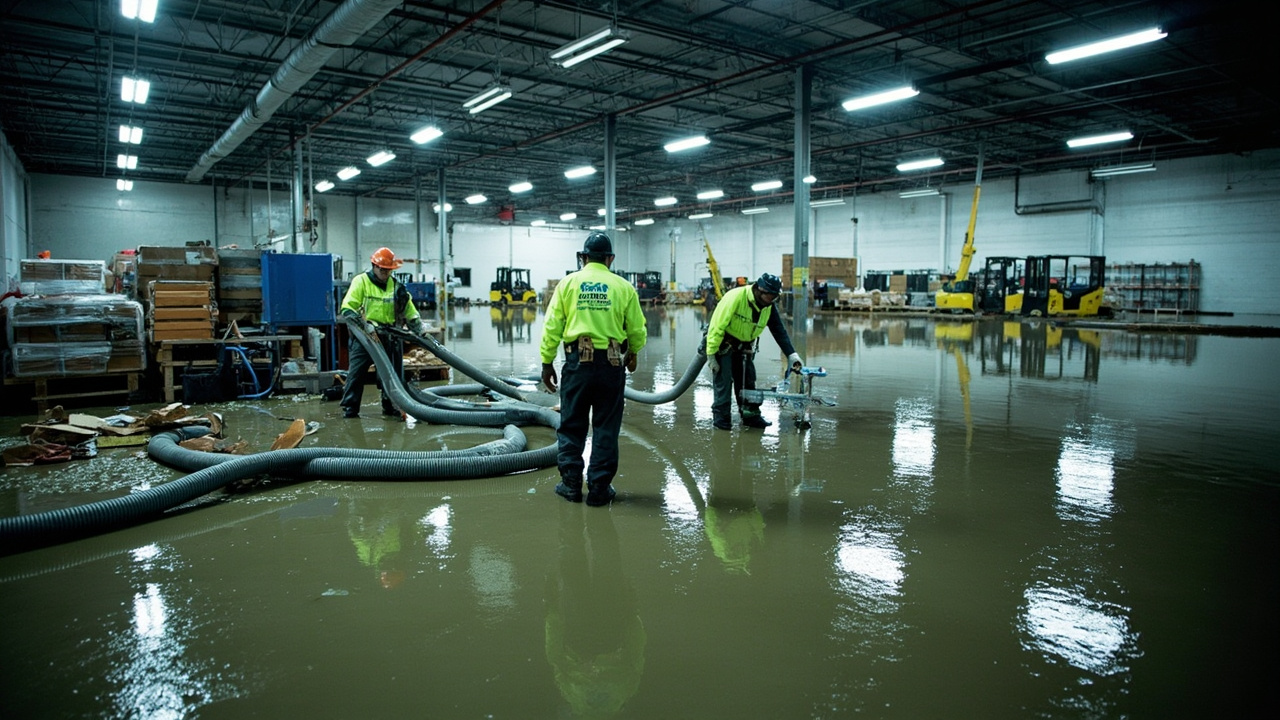
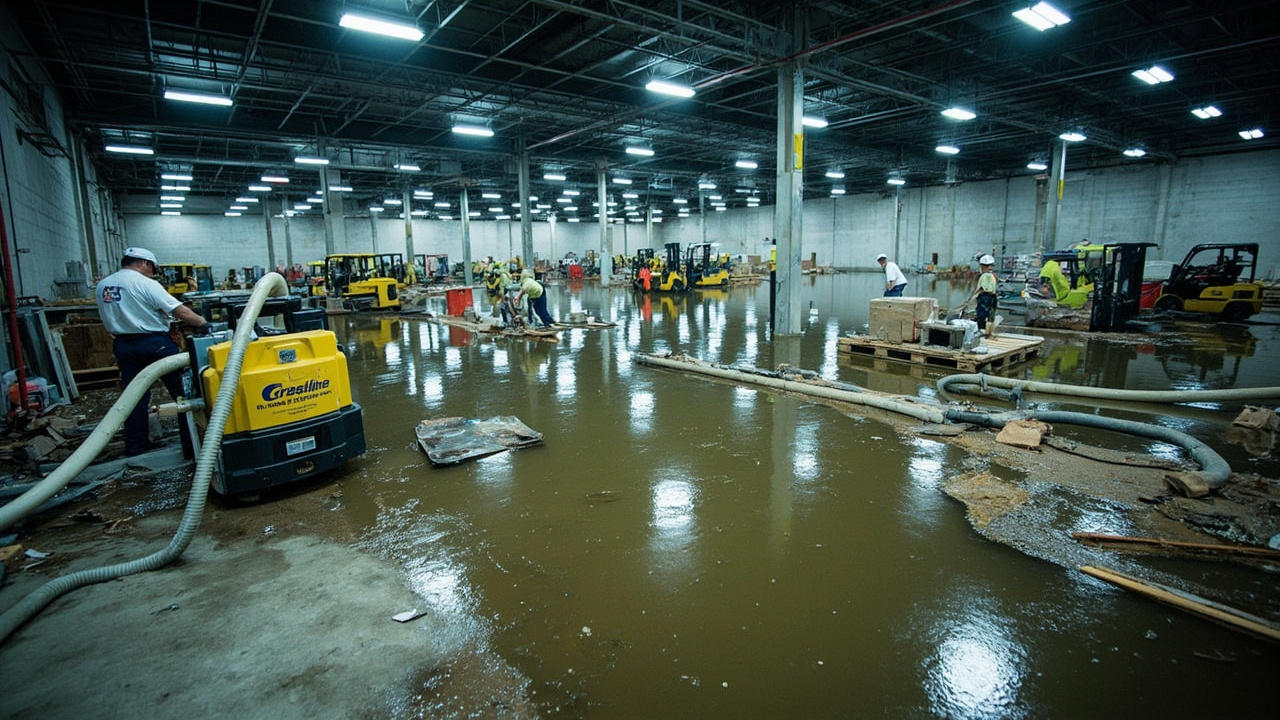
Distribution center water removal starts with rapid assessment of contamination levels. Category 1 water from supply line breaks requires different protocols than Category 3 floodwater containing sewage or chemical contaminants. We deploy truck-mounted extractors capable of removing thousands of gallons per hour, not residential wet vacuums that take days to clear standing water.

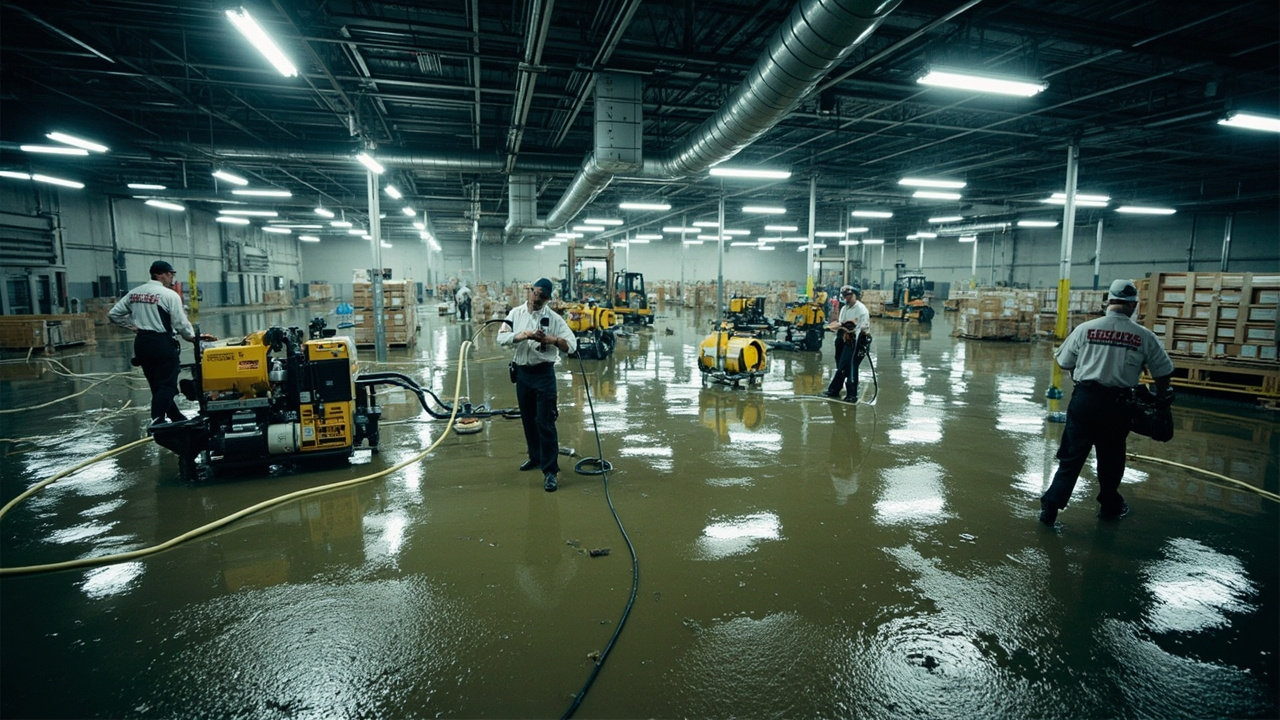
Our warehouse water mitigation process prioritizes salvageable inventory first. We establish triage zones, separating compromised goods from salvageable materials. Temperature-controlled drying chambers protect moisture-sensitive products while industrial dehumidifiers reduce ambient humidity to below 40 percent. This prevents secondary damage to cardboard packaging, which weakens rapidly in humid conditions.

Concrete slab drying requires specialized equipment. We use injectidry systems that force heated air beneath the slab surface, addressing moisture trapped in the substrate. Moisture meters track progress at multiple depths, confirming when subsurface moisture returns to acceptable levels. Skipping this step leads to efflorescence, mold growth beneath floor coatings, and premature failure of any applied sealants.

Hartford's commercial building codes require documentation of drying completion before you can resume normal operations. We provide detailed moisture mapping reports that satisfy insurance adjusters and building inspectors. Our industrial flood recovery process includes antimicrobial treatment of affected surfaces, HEPA vacuuming to remove settled contaminants, and air quality testing to verify safe occupancy conditions.

The goal is not just water removal. The goal is restoring your facility to pre-loss condition while maintaining chain of custody for insurance claims and minimizing revenue disruption.

How Warehouse Flood Recovery Actually Works

Warehouse Flood Restoration in Hartford – Industrial-Grade Recovery That Keeps Your Operations Running
01

Emergency Response Deployment

We dispatch industrial extraction crews within 90 minutes of your call. Our team arrives with truck-mounted pumps, portable generators, and containment barriers to isolate affected zones. We shut off compromised utilities, document pre-existing damage, and establish extraction priorities based on your inventory value. You receive an initial loss assessment before any equipment moves, allowing you to notify insurers and activate business continuity plans immediately.
02

Controlled Environment Drying

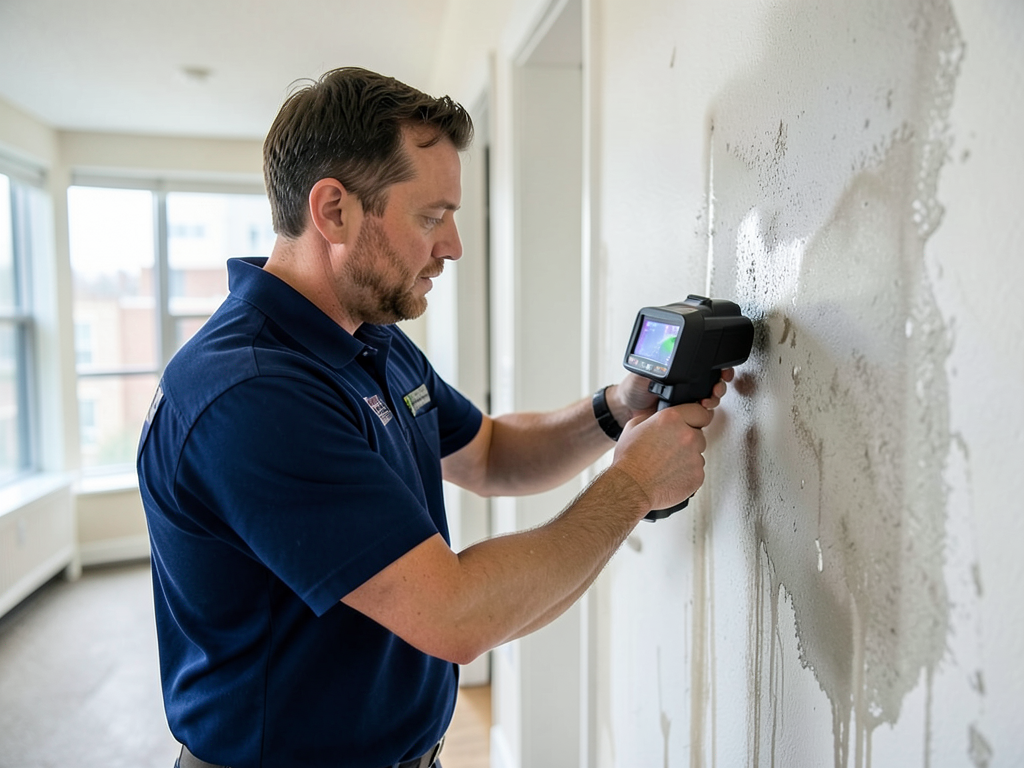
After water extraction, we create negative air pressure zones using commercial air movers and desiccant dehumidifiers. This prevents cross-contamination between damaged and clean areas. We monitor temperature, humidity, and moisture content every four hours, adjusting equipment placement to optimize drying efficiency. Thermal imaging identifies hidden moisture in wall cavities and beneath racking systems. This phase typically requires 72 to 120 hours depending on building materials and saturation levels.
03

Verification and Facility Turnover

We do not call a job complete until moisture readings match industry standards for your specific building materials. You receive a comprehensive drying log with timestamped readings, photographic documentation, and material disposal records. Our final walkthrough includes air quality verification and a written certification that your facility meets Connecticut commercial occupancy standards. We coordinate directly with your insurance adjuster to streamline claims processing and final billing.

Why Hartford Businesses Choose Crestline for Industrial Flood Recovery

Hartford's commercial real estate market includes everything from historic Colt Armory conversions to modern fulfillment centers in the Airport Business Park. Each facility type requires different restoration approaches. We understand the structural differences between timber-framed 19th-century buildings and tilt-up concrete warehouses from the 1990s. This knowledge prevents costly mistakes during water extraction and drying.

Our familiarity with Hartford's commercial insurance landscape matters. We work directly with major carriers that underwrite industrial properties in the Connecticut River Valley. We know what documentation they require, what moisture thresholds they accept, and how to structure estimates that align with policy language. This eliminates the back-and-forth that delays claim approval and extends your downtime.

Connecticut's commercial building codes incorporate specific requirements for flood-prone zones. Hartford facilities near the Connecticut River or Park River must meet elevated standards for mechanical equipment placement and emergency egress. We ensure restoration work complies with these local amendments, not just generic ICC guidelines. This protects you from code violations during post-loss inspections.

Our equipment inventory includes industrial-scale tools you will not find at residential restoration companies. We maintain trailer-mounted desiccant dehumidifiers, diesel-powered extraction pumps, and thermal foggers for large-volume antimicrobial treatment. We can dry 50,000 square feet simultaneously, not 5,000. When you operate a distribution center, that capacity difference determines whether you lose days or weeks of revenue.

We prioritize business continuity over perfect restoration. If you can safely operate in 80 percent of your facility while we finish drying the remaining 20 percent, we configure our work zones to make that possible. Your revenue matters more than our operational convenience.

What to Expect During Commercial Flood Remediation

Response Time and Crew Deployment

Our emergency dispatch operates around the clock. You speak directly with a project manager, not an answering service. We maintain staged equipment in Hartford, allowing rapid deployment to facilities in the North Meadows, Sheldon Charter Oak, and South Meadows districts. Initial crews arrive within 90 minutes with extraction equipment and assessment tools. We scale crew size to match your facility square footage, typically deploying four to eight technicians for warehouse-scale projects. Weekend and holiday response carries no premium charges. Your business does not stop for weekends, and neither do flood emergencies.

Initial Assessment and Scope Development

We conduct a complete moisture survey using thermal imaging, penetrating moisture meters, and thermo-hygrometers. This identifies hidden saturation in wall assemblies, beneath floor coatings, and within insulated panels. You receive a written scope of work within four hours of our arrival, detailing affected materials, recommended removal, and estimated drying timelines. We photograph all damage before beginning work, creating documentation that satisfies insurance requirements and protects against false claims. Our estimates separate emergency mitigation from reconstruction, giving you clear cost breakdowns for immediate decisions.

Drying Completion and Facility Certification

We define completion using measurable standards, not subjective assessment. Concrete slabs must reach below 4.5 percent moisture content by weight. Gypsum assemblies must measure below 1.0 on a moisture meter scale. Wood framing must drop below 15 percent moisture content. We provide daily progress reports tracking these metrics across all affected zones. Once readings stabilize within acceptable ranges for 24 consecutive hours, we conduct final air quality testing. You receive a certificate of completion documenting compliance with IICRC S500 standards, satisfying insurance requirements and building code enforcement.

Post-Restoration Monitoring and Support

We schedule follow-up moisture checks at 30 and 60 days after project completion. This catches any rebound moisture from slow-drying materials before it causes secondary damage. You receive detailed recommendations for preventing future flooding, including sump pump upgrades, drainage improvements, and early warning systems. Our documentation package includes all moisture logs, equipment placement diagrams, and materials disposal records for your facility management files. If insurance questions arise during claims processing, we provide technical support and clarification at no additional charge. This ensures clean claim closure and prevents payment disputes.

Frequently Asked Questions

You Have Questions,
We Have Answers

How much does a water restoration company charge? +

Water restoration costs vary based on damage extent, warehouse square footage, and water category. Most Hartford commercial projects start with an inspection fee, then bill per square foot for extraction, drying, and dehumidification. Structural repairs add cost. Category 3 water (sewage, flood) requires specialized containment and disposal, increasing expense. Large warehouse spaces often qualify for commercial rates lower than residential per-square-foot pricing. Obtain a written scope and itemized estimate before work begins. Factor in potential business interruption costs when budgeting. Insurance may cover portions, but deductibles and policy limits apply.

What's the difference between remediation and restoration? +

Remediation removes the immediate threat. Restoration returns the property to pre-loss condition. In Hartford warehouse flooding, remediation means extracting water, drying the structure, removing contaminated materials, and treating mold. Restoration involves rebuilding walls, replacing flooring, repairing electrical systems, and repainting. You need remediation first to stabilize the environment. Restoration follows once the space is safe and dry. Some contractors handle both phases. Others specialize in emergency remediation only. Clarify scope upfront to avoid gaps in service and prevent delays to your business operations.

How do restoration companies get paid? +

Most restoration companies invoice directly to your insurance carrier after documenting damage and obtaining authorization. They provide detailed estimates with photos and moisture readings. Payment structures vary. Some require upfront deposits for commercial jobs. Others work on assignment of benefits, where you authorize direct payment from your insurer. If you lack coverage or operate outside policy limits, you pay out of pocket via check or financing. Hartford warehouses often negotiate payment terms for large-scale projects. Always confirm billing procedures and get a signed agreement before work starts to avoid disputes.

Is water damage restoration worth it? +

Yes, for Hartford warehouses. Unaddressed water damage leads to structural decay, mold growth, and inventory loss. Concrete slabs crack from moisture intrusion. Steel framing corrodes. Mold spreads through HVAC systems, contaminating stored goods. Professional restoration prevents these cascading failures. It protects liability exposure if employees or clients encounter unsafe conditions. It maintains property value and operational continuity. Delaying restoration magnifies costs and downtime. The investment prevents far greater losses in damaged inventory, lease violations, and interrupted revenue. Restoration is a business continuity decision, not a discretionary expense.

Does insurance pay for water restoration? +

Coverage depends on your policy and the water source. Sudden pipe bursts, roof leaks from storms, and sprinkler malfunctions typically qualify. Flood damage from Hartford's Connecticut River or poor drainage requires separate flood insurance. Gradual leaks, deferred maintenance, and sewer backups often face exclusions. Commercial policies vary widely. Review your declaration page for water damage endorsements and exclusions. File claims immediately with photos and documentation. Adjusters assess coverage based on cause, not just damage. Warehouses often carry higher deductibles, so factor that into your restoration budget.

Do you need a license for water restoration? +

Connecticut does not require a specific water restoration license, but reputable Hartford contractors hold certifications from the Institute of Inspection, Cleaning and Restoration Certification (IICRC). These include Water Damage Restoration Technician and Applied Structural Drying credentials. Contractors need a Connecticut Home Improvement Contractor license for jobs exceeding certain thresholds and proper liability insurance. Verify your contractor carries general liability and workers' compensation coverage. Ask for proof of certification and insurance before signing contracts. Unlicensed operators lack training in Hartford's building codes, mold protocols, and contamination standards.

Why is remediation so expensive? +

Remediation costs reflect specialized labor, equipment, and disposal. Hartford warehouse projects require industrial dehumidifiers, air movers, moisture meters, and thermal imaging cameras. Contaminated materials need proper disposal per Connecticut environmental regulations. Technicians complete costly certifications and ongoing training. Commercial projects demand 24/7 response capability and rapid mobilization to minimize downtime. Liability insurance for large-scale jobs is expensive. Category 3 water requires containment barriers, PPE, and antimicrobial treatments. You pay for expertise that prevents future mold, structural failure, and code violations. Cheap remediation creates bigger problems later.

What are the 4 types of remediation? +

The four remediation categories refer to water types, not remediation methods. Category 1 is clean water from supply lines. Category 2 is gray water from appliances or HVAC condensate. Category 3 is black water from sewage or flooding. Category 4 refers to specialty situations requiring deep drying. Hartford warehouse floods often involve Category 3 due to stormwater intrusion or sewer backups. Each category demands different protocols. Category 3 requires full containment, disposal of porous materials, and antimicrobial treatment. Misidentifying the category leads to incomplete remediation and health risks.

What are the two types of restoration? +

The two types are structural restoration and contents restoration. Structural restoration repairs the building itself: drywall, flooring, framing, electrical, and mechanical systems. Contents restoration salvages and cleans inventory, equipment, and furnishings. Hartford warehouses prioritize structural work to restore operational capacity. Contents restoration depends on item value and contamination level. Category 3 water often requires discarding porous goods rather than cleaning them. Some contractors handle both. Others subcontract contents work. Define which services you need upfront. Inventory losses may fall under separate insurance coverage from structural damage.

What is the 2 year rule for contractors? +

Connecticut's two-year rule limits contractor liability for defects. Under state law, you must file suit for construction defects within two years of substantial completion or discovery of the defect, whichever occurs first. This applies to Hartford warehouse restoration work. It protects contractors from indefinite liability but shortens your window to claim damages. Document completion dates and inspect work thoroughly before final payment. If you discover hidden water damage or mold after restoration, the clock may start from discovery, not completion. Consult legal counsel if defects appear near the two-year mark.

How Connecticut River Flooding Patterns Shape Hartford Warehouse Mitigation

The Connecticut River's 100-year floodplain encompasses significant industrial acreage in Hartford, particularly in the North Meadows area where Interstate 91 intersects with Jennings Road. Spring snowmelt from upstream watersheds combines with April rainfall to create peak flood risk between March and May. Warehouses in this corridor face infiltration through loading dock seals, floor drains connected to overwhelmed stormwater systems, and groundwater intrusion through foundation penetrations. Understanding these seasonal patterns allows proactive preparation, but when flooding occurs, the response window is measured in hours, not days.

Hartford's commercial property insurance market reflects this flood exposure. Facilities within designated floodplains carry mandatory flood coverage with specific claims documentation requirements. We maintain working relationships with major carriers servicing Hartford industrial properties, including those underwriting buildings in the Parkville and Frog Hollow districts. Our estimates align with these carriers' preferred formatting and scope standards, reducing claim processing friction. Local expertise matters because Hartford's building department enforces Connecticut-specific amendments to the International Building Code, particularly regarding flood-resistant construction and substantial improvement thresholds.
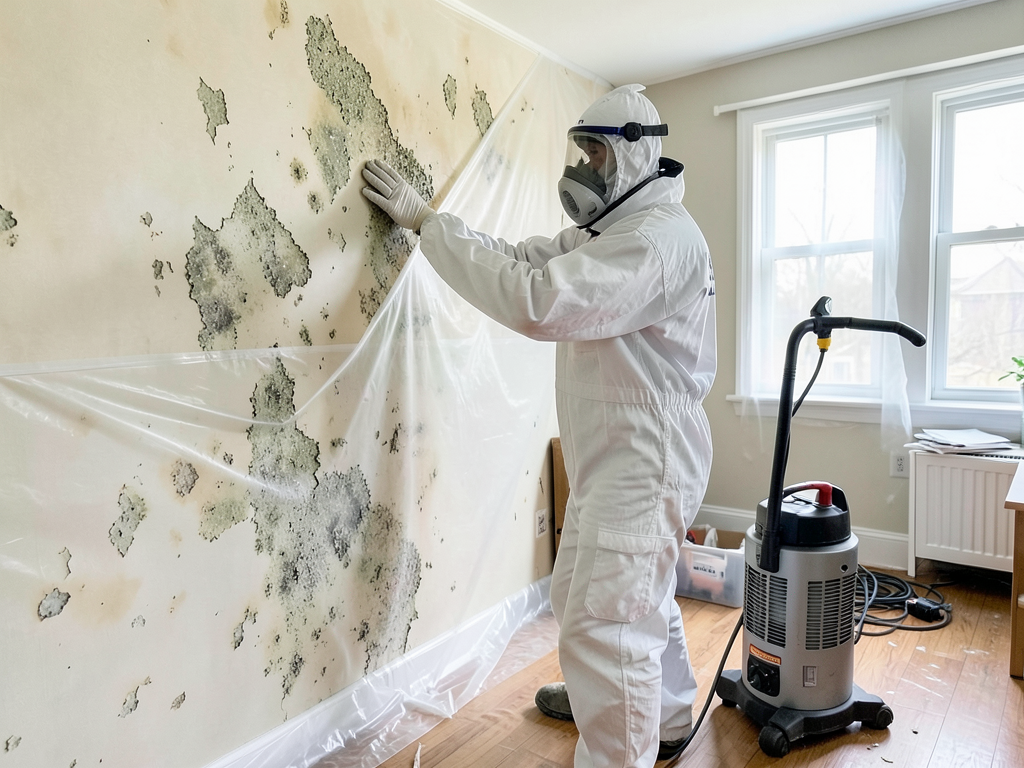
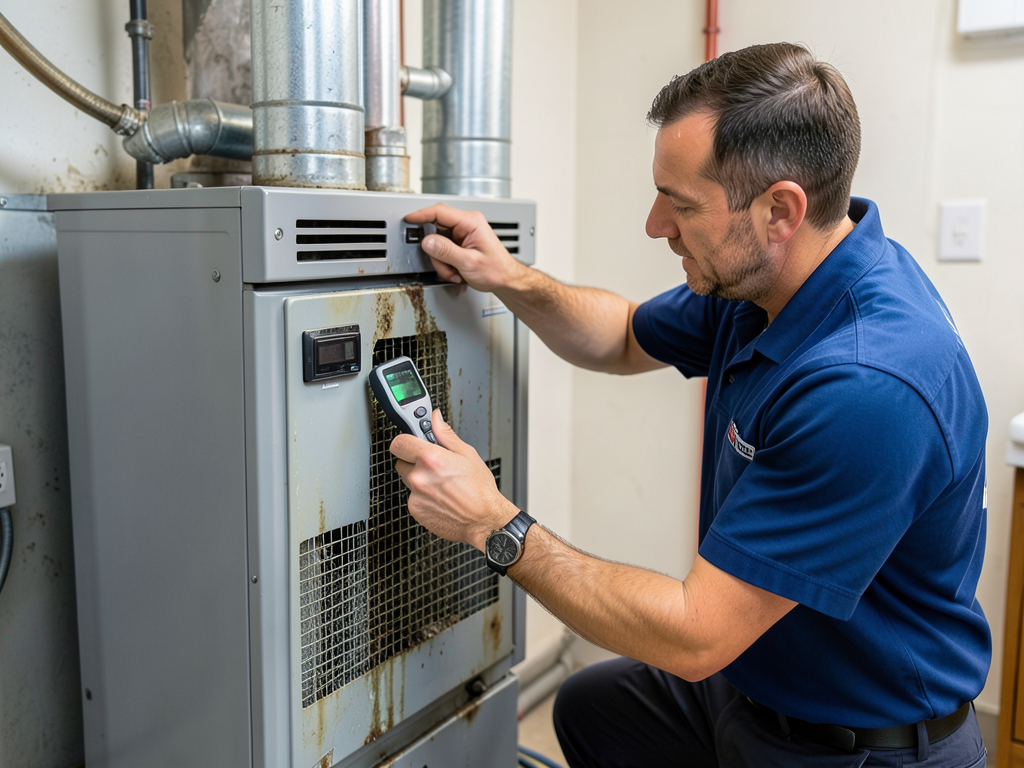
Water Damage Restoration Services in The Hartford Area

Crestline Water Damage Restoration Hartford is strategically located to provide rapid and reliable service across the entire Hartford region and its surrounding communities. We invite you to view our service map to confirm that your property falls within our guaranteed service area, ensuring that a professional water damage expert is never far away when you need us most. We pride ourselves on the capability to reach your location quickly, a crucial factor in successful, timely mitigation and restoration.

Address:
Crestline Water Damage Restoration Hartford, 1916 Broad St, Hartford, CT, 06114

Additional Services We Offer

Our news updates

Latest Articles & News from The Blogs

Managing Winter Window Condensation to Prevent Rot in Your Northeast Hartford Victorian Winter condensation on your Northeast Hartford Victorian windows…

Managing Winter Window Condensation to Prevent Rot in Your Northeast Hartford Victorian

Managing Winter Window Condensation to Prevent Rot in Your Northeast Hartford Victorian Winter condensation on your Northeast Hartford Victorian windows…

Why Replacing Your Carpet Padding is Critical After a Leak in Your Bristol Home

Why Replacing Your Carpet Padding is Critical After a Leak in Your Bristol Home \n\n When water seeps into your…

Dealing with Water Damage in Your Mudroom Caused by Tracked-In Snow in West Hartford

Dealing with Water Damage in Your Mudroom Caused by Tracked-In Snow in West Hartford When melting snow from winter boots…

Contact Us

Every hour your warehouse stays offline costs you revenue and customer confidence. Crestline Water Damage Restoration Hartford responds immediately with the equipment and expertise your facility requires. Call (860) 743-9993 now for rapid deployment and a detailed recovery plan.