menu

Hidden Moisture Detection in Hartford – Expert Diagnosis Before Mold and Structural Damage Take Hold

Crestline Water Damage Restoration Hartford uses thermal imaging and moisture mapping technology to find trapped water behind walls, under floors, and in ceilings before you face costly repairs or health risks.

Slider Image 1
Slider Image 2
Slider Image 3
Slider Image 4
Slider Image 5
Slider Image 7
Slider Image 8
Slider Image 9
Slider Image 10
Slider Image 11

Why Hidden Water Problems Are So Common in Hartford Homes

You notice a musty smell in your basement. Paint bubbles on the ceiling. A water bill that climbed for no clear reason. These are warning signs of hidden moisture, and Hartford's climate makes the problem worse.

Hartford sits in the humid continental zone. Summers average 70 percent humidity. That moisture presses against your home's envelope all season. When your HVAC condenses water or a pipe sweats behind drywall, that trapped dampness does not evaporate. It sits. It spreads. It feeds mold colonies within 48 hours.

The freeze-thaw cycles here add another layer of risk. Water seeps into foundation cracks during fall rains. Winter temperatures drop below freezing an average of 20 nights per year. That water expands as ice, widens the crack, then melts and travels deeper into your structure. By spring, you have concealed water intrusion traveling through block walls or pooling under slab floors.

Many Hartford homes were built before modern vapor barriers became standard. Older homes in neighborhoods like Asylum Hill and West End often have stone foundations or balloon framing. Water migrates easily through these assemblies. You will not see it until the subfloor rots or mold spreads across an interior wall.

Spotting hidden water damage early is not optional. Detecting invisible leaks before they compromise structural integrity saves you from five-figure remediation projects. The longer water sits undetected, the more expensive the fix becomes. That is the reality of living in a humid, freeze-prone region.

Why Hidden Water Problems Are So Common in Hartford Homes
How We Locate Moisture You Cannot See

How We Locate Moisture You Cannot See

Finding trapped water requires more than a visual inspection. Moisture hides in cavities, behind finished surfaces, and within building materials. We use a layered approach combining infrared thermography, pin-type moisture meters, and non-invasive sensors to map the full extent of the problem.

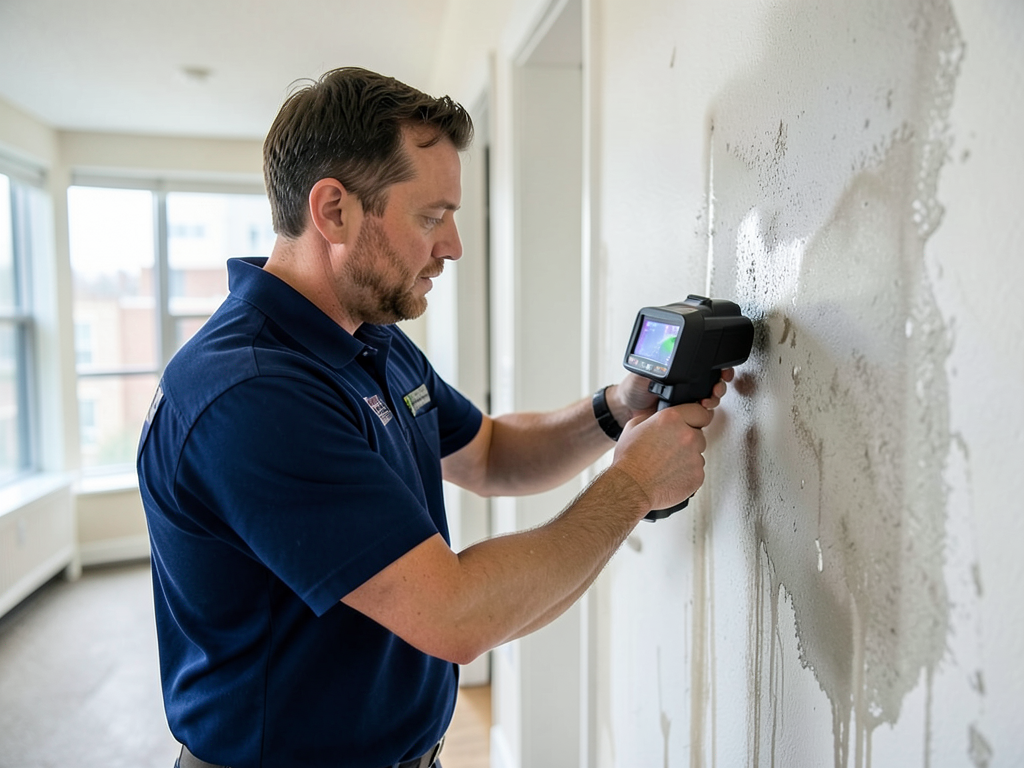
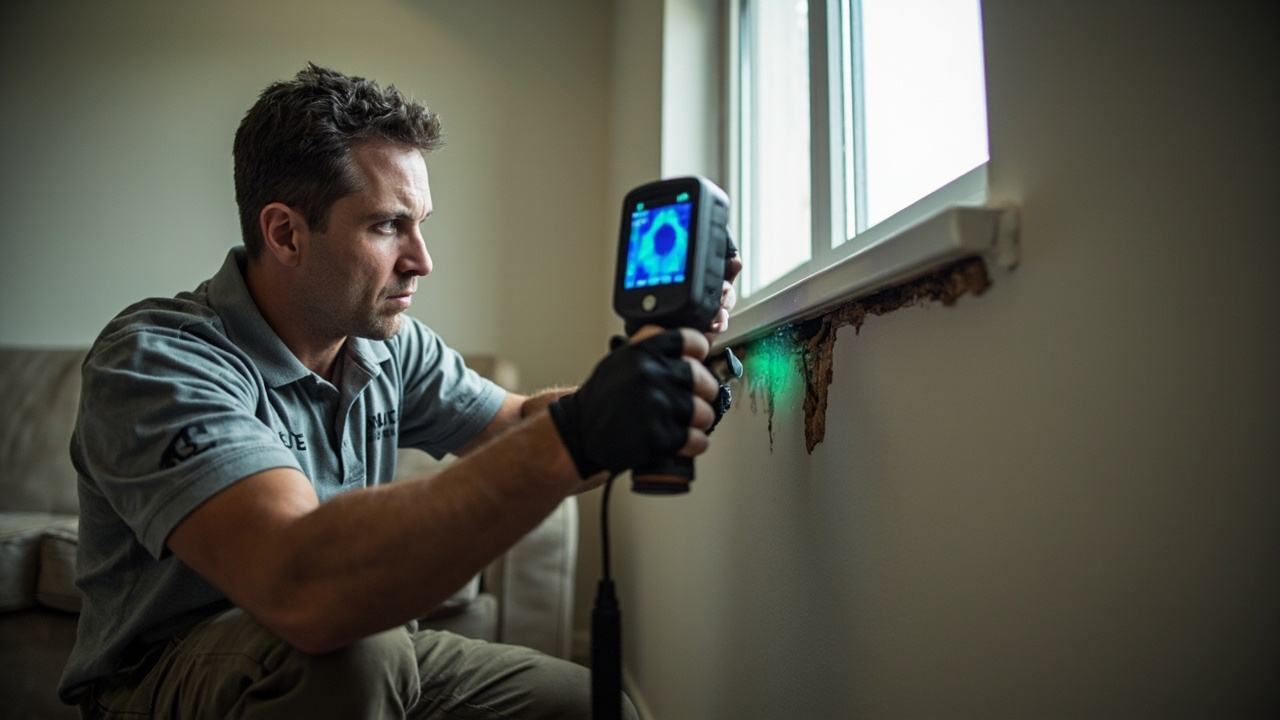
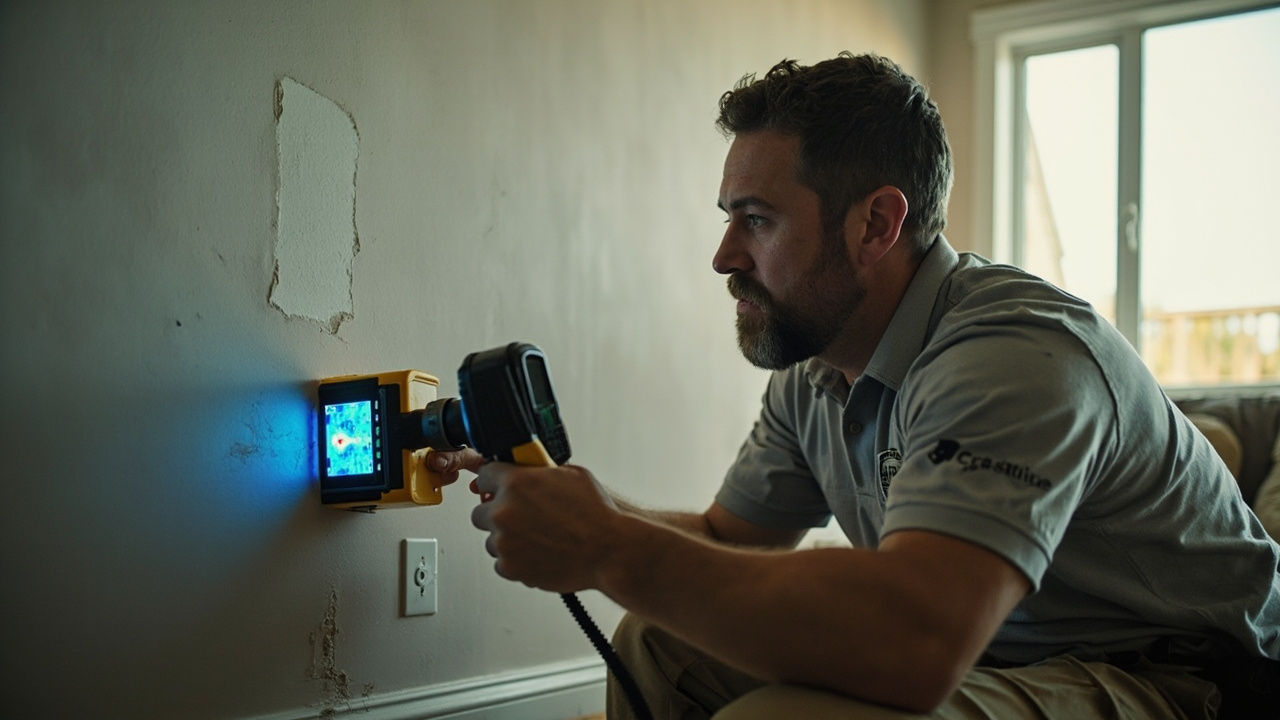
Thermal imaging cameras detect temperature differentials on surfaces. Wet materials hold heat differently than dry materials. When we scan a wall, ceiling, or floor, cooler spots often indicate moisture presence. This technology lets us see through drywall and identify saturated insulation or pooling water without cutting exploratory holes.

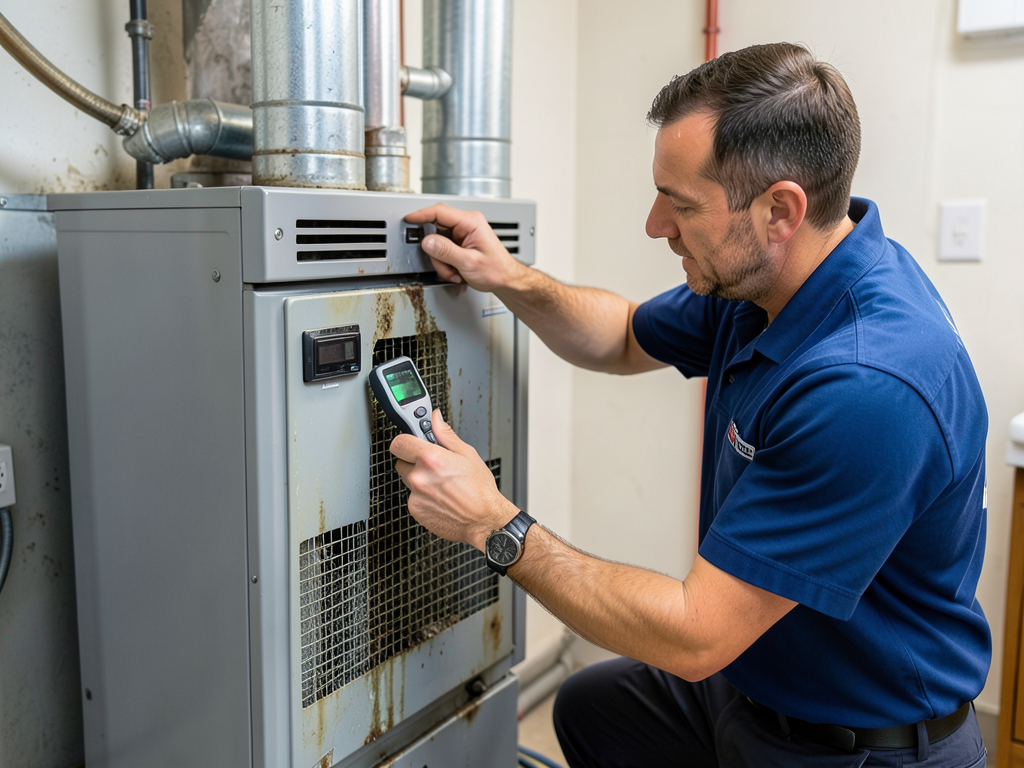
Once we identify a suspect area, we verify it with calibrated moisture meters. Pin-type meters penetrate drywall, wood, or carpet backing to measure electrical resistance. Higher readings confirm elevated moisture content. We log readings in multiple locations to create a moisture map. This map shows where water entered, how far it traveled, and which materials need drying or removal.

We also use non-invasive sensors for materials we cannot puncture. Tile, concrete, and finished hardwood require scanning meters that read moisture through the surface. This prevents unnecessary damage during the diagnostic phase.

Identifying unseen water intrusion is only the first step. We track moisture to its source. A wet ceiling might stem from a roof leak, but it could also result from a second-floor bathroom pan failure or an HVAC condensate line. We trace the path backward until we find the origin. That is how you fix the problem instead of chasing symptoms. Locating concealed dampness accurately means you pay to fix the right issue, not guess and hope.

What Happens During a Moisture Investigation

Hidden Moisture Detection in Hartford – Expert Diagnosis Before Mold and Structural Damage Take Hold
01

Initial Site Assessment

We walk your property and document visible signs like staining, odors, or material swelling. You explain what you noticed and when. We ask about recent weather events, plumbing work, or HVAC performance. This context helps us narrow the search area. We also check humidity levels in each room using a hygrometer to establish baseline conditions before scanning begins.
02

Thermal and Meter Scanning

We deploy infrared cameras to scan walls, ceilings, and floors. Suspect areas get marked and tested with moisture meters. We document readings with photos and notes. If we detect moisture, we trace it directionally to find the source. This might involve checking attic spaces, crawl spaces, or exterior penetrations like windows and vents. The goal is a complete moisture profile of the affected area.
03

Findings and Action Plan

You receive a written report showing moisture levels, affected materials, and the likely water source. We explain what needs drying, what needs removal, and what repairs follow remediation. If mold is present, we outline containment steps. You get a clear scope of work before any demolition begins. This transparency prevents scope creep and surprise costs during the restoration process.

Why Hartford Property Owners Choose Crestline for Moisture Detection

You need someone who understands how water behaves in older New England construction. Hartford's housing stock includes Victorian-era multifamilies, mid-century ranches, and Colonial-style homes. Each design handles moisture differently. Balloon framing allows water to travel vertically between floors. Stone foundations wick groundwater. Flat roofs common in commercial buildings trap water in subtle low spots.

We have worked in every Hartford neighborhood. We know that basements in the South End flood differently than those in Parkville. We know which streets have combined sewer systems that backflow during heavy rain. We know that homes near the Connecticut River face seasonal water table fluctuations. This local knowledge informs our diagnostic approach.

Our technicians hold IICRC certification in water damage restoration and applied structural drying. That training teaches us how to calculate drying times, place equipment for maximum airflow, and monitor progress with objective data. We do not guess. We measure. We adjust. We verify.

When you call Crestline Water Damage Restoration Hartford, you get a team that shows up with professional-grade equipment and a systematic process. We do not perform visual inspections and call it a day. We use technology to confirm what we suspect and document what we find. That documentation matters when you file an insurance claim. Adjusters want proof. We provide it.

You also get honest communication. If we find a small issue that you can fix yourself, we tell you. If we find a major problem that requires a licensed plumber or structural engineer, we refer you to the right professional. We are not here to upsell unnecessary services. We are here to solve the moisture problem correctly.

What to Expect When You Schedule a Moisture Inspection

Response Time and Availability

We schedule inspections within 24 hours of your call. If you have an active leak or visible mold growth, we treat it as urgent and arrive the same day when possible. Most inspections take one to three hours depending on property size and the number of affected areas. We work around your schedule, including evenings and weekends. You do not wait days wondering how bad the damage is. We get you answers fast so you can make informed decisions about next steps.

The Inspection Process

Our technician arrives with thermal cameras, moisture meters, and documentation tools. We explain each step before we begin. You are welcome to follow along and ask questions. We scan suspect areas, take meter readings, and photograph findings. If we need to access a crawl space or attic, we let you know beforehand. The process is non-destructive unless we need to remove a small section of drywall to confirm hidden damage. You receive a digital report with images and moisture readings before we leave the property.

What You Get at the End

You walk away with a clear understanding of where moisture exists, how severe it is, and what caused it. We provide a scope of work that outlines drying procedures, material removal, and any necessary repairs. If insurance is involved, we format documentation to align with adjuster requirements. You also get a frank assessment of cost factors. We will not quote a final price until we know the full scope, but we give you enough information to budget and plan. No surprises. No vague estimates.

Post-Detection Support

After we identify the moisture problem, we stay with you through remediation. If drying equipment is needed, we place it strategically and monitor daily moisture levels. We adjust equipment placement based on real-time data. Once materials reach acceptable moisture content, we remove equipment and verify dryness with final meter readings. If mold remediation or reconstruction is required, we coordinate that work. You have one point of contact from detection through completion. We do not hand you a report and disappear.

Frequently Asked Questions

You Have Questions,
We Have Answers

Why does my phone say moisture detected when there is no moisture? +

Your phone's moisture sensor can trigger false alerts from residual humidity, charging port contamination, or environmental condensation. Hartford's humid summers and rapid freeze-thaw cycles create moisture fluctuations that confuse these sensors. Lint, dust, or corrosion on the charging port contacts can also mimic moisture. Try cleaning the port gently with compressed air and letting your phone dry in a low-humidity environment for 30 minutes. If the alert persists after cleaning, the sensor itself may be malfunctioning. Unlike phone sensors, professional moisture detection equipment used in water damage restoration measures actual moisture levels in building materials, not just surface condensation.

Do moisture detectors really work? +

Professional-grade moisture detectors are highly accurate when used correctly. Pin-type meters penetrate surfaces to measure electrical resistance, while pinless meters use electromagnetic waves to scan deeper without damage. These tools detect moisture you cannot see or feel, preventing mold growth and structural damage. However, accuracy depends on calibration, material type, and operator skill. Hartford's older housing stock requires careful scanning behind plaster walls and in concealed spaces where water migrates. Consumer-grade detectors lack the sensitivity and calibration needed for reliable readings. Professionals cross-reference multiple readings and meter types to verify problem areas before starting remediation work.

How do I find out where my moisture is coming from? +

Identifying moisture sources requires systematic investigation. Start at visible symptoms like stains, peeling paint, or musty odors, then trace upward and outward. Water follows gravity and building cavities. In Hartford homes, common culprits include ice dam leaks from winter freeze-thaw cycles, foundation seepage from clay soil saturation, and plumbing failures in older pipe systems. Check attics after heavy rain, inspect basement walls during spring thaw, and monitor areas below bathrooms. Professional moisture mapping uses thermal imaging and deep-scanning meters to track water migration through walls and floors. This pinpoints the entry point, not just the visible damage.

Is there a tool to detect moisture in walls? +

Yes. Pin-type and pinless moisture meters detect water inside walls without demolition. Pin meters insert small probes through drywall or plaster to measure moisture content at specific depths. Pinless meters scan larger areas using radiofrequency technology, reading 0.75 inches deep without surface penetration. Thermal imaging cameras reveal temperature differentials that indicate wet insulation or trapped moisture. For Hartford's older homes with thick plaster walls and hidden pipe runs, these tools are essential. Professionals use multiple detection methods to map moisture patterns, identify the saturation level, and determine if structural drying or material removal is needed before mold develops.

How do I bypass the moisture detection? +

Do not bypass moisture detection alerts on phones or devices. The warning protects your charging port and circuitry from short-circuit damage. Forcing a charge through wet contacts can cause permanent failure or fire risk. If you need to charge immediately, use wireless charging if available, or dry the port thoroughly with compressed air and wait 30 minutes. For building moisture issues, bypassing detection by ignoring wet readings leads to mold growth, rot, and expensive structural repairs. Hartford's humidity makes moisture problems worse over time. Address the source rather than ignoring the warning. Professional assessment identifies the real issue.

Will the moisture detection go away on its own? +

Phone moisture alerts may clear after the port dries completely, usually within 30 minutes to several hours depending on humidity levels. Hartford's seasonal humidity can extend drying time. However, building moisture does not resolve on its own. Water trapped in walls, insulation, or subflooring worsens daily. Mold can colonize damp materials within 24 to 48 hours. Winter condensation, summer humidity, and plumbing leaks require active drying and source repair. Waiting allows secondary damage to spread through porous materials like drywall and wood framing. Professional drying equipment removes moisture faster than air circulation alone, preventing long-term structural and health issues.

What can throw off a moisture meter? +

Moisture meters can give false readings from several factors. Metal objects like nails, staples, or wire mesh cause interference and artificially high readings. Dense materials like hardwood or concrete require calibration adjustments. Surface moisture from condensation differs from deep saturation and skews results. In Hartford, radiant floor heating, recent painting, or high ambient humidity can affect accuracy. Operator error, uncalibrated equipment, or wrong meter settings for specific materials also cause mistakes. Professionals account for these variables by taking multiple readings, using reference scales for different materials, and cross-checking with thermal imaging to validate moisture patterns before recommending remediation.

How long do moisture sensors last? +

Quality moisture sensors in professional equipment last five to ten years with proper calibration and maintenance. Consumer-grade sensors degrade faster, often losing accuracy within two to three years. Environmental factors like dust, temperature extremes, and moisture exposure affect sensor lifespan. In Hartford's fluctuating climate, sensors used outdoors or in uncontrolled environments fail sooner. Professional restoration companies calibrate meters regularly against known moisture standards to ensure accuracy. Phone moisture sensors are less durable and prone to false triggers from contamination. For building diagnostics, annual calibration checks maintain reliability. Replace sensors when readings drift or fail verification tests against dry reference materials.

How do phones detect moisture? +

Phones use liquid contact indicators and electrical resistance sensors in charging ports. When water bridges the charging pins, resistance drops and triggers the moisture alert. Some devices use capacitive sensors that detect conductivity changes. The system prevents charging to avoid short circuits that damage the battery or port. Hartford's humid air can cause condensation inside ports, especially when moving between air-conditioned buildings and outdoor heat. The sensors are sensitive but not sophisticated. They cannot distinguish between heavy condensation and actual submersion. Unlike professional moisture detection equipment, phone sensors measure surface contact, not material saturation levels.

Can mold grow in 50% humidity? +

Mold can grow at 50% relative humidity if other conditions align. Mold needs moisture, organic material, and temperatures between 60 and 80 degrees. While mold thrives above 60% humidity, it can colonize materials with localized moisture even when ambient humidity reads 50%. Hartford homes with poor ventilation, cold spots causing condensation, or hidden leaks create microenvironments where mold grows despite acceptable room humidity. Porous materials like drywall, wood, and insulation hold moisture longer than air. Relative humidity measures air moisture, not material moisture content. Professional assessment uses material-specific moisture readings to identify hidden mold risks your hygrometer misses.

How Hartford's Aging Infrastructure Contributes to Hidden Water Damage

Hartford has over 400 miles of water mains. Many sections date back to the early 1900s. Cast iron and galvanized pipes corrode from the inside out. Pinhole leaks develop slowly. Water seeps into surrounding soil or travels along the exterior of the pipe into your foundation. You will not see it on your water bill. You will not hear it running. But over months, that slow leak saturates foundation walls and creates hidden moisture problems that only scanning equipment can detect. Older neighborhoods like Frog Hollow and Barry Square face this issue regularly.

Choosing a local provider for moisture detection means working with someone who has seen how Hartford homes fail. We understand how the city's freeze-thaw cycles crack foundation walls. We know that many homes lack proper exterior grading, causing rainwater to pool against foundations. We have worked with Hartford's building department on remediation projects that required permits and inspections. That familiarity with local codes and construction standards ensures your repairs meet compliance requirements. Local expertise is not just about knowing street names. It is about understanding how this city's unique conditions create moisture problems.
Water Damage Restoration Services in The Hartford Area

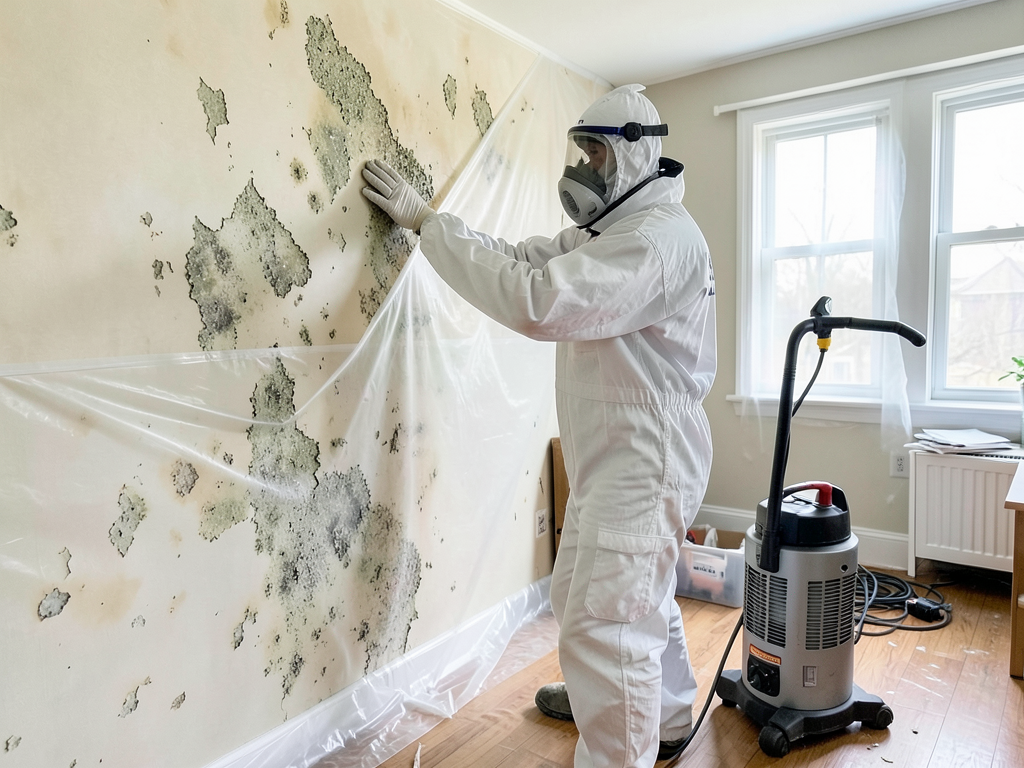
Crestline Water Damage Restoration Hartford is strategically located to provide rapid and reliable service across the entire Hartford region and its surrounding communities. We invite you to view our service map to confirm that your property falls within our guaranteed service area, ensuring that a professional water damage expert is never far away when you need us most. We pride ourselves on the capability to reach your location quickly, a crucial factor in successful, timely mitigation and restoration.

Address:
Crestline Water Damage Restoration Hartford, 1916 Broad St, Hartford, CT, 06114

Additional Services We Offer

Our news updates

Latest Articles & News from The Blogs

Managing Winter Window Condensation to Prevent Rot in Your Northeast Hartford Victorian Winter condensation on your Northeast Hartford Victorian windows…

Managing Winter Window Condensation to Prevent Rot in Your Northeast Hartford Victorian

Managing Winter Window Condensation to Prevent Rot in Your Northeast Hartford Victorian Winter condensation on your Northeast Hartford Victorian windows…

Why Replacing Your Carpet Padding is Critical After a Leak in Your Bristol Home

Why Replacing Your Carpet Padding is Critical After a Leak in Your Bristol Home \n\n When water seeps into your…

Dealing with Water Damage in Your Mudroom Caused by Tracked-In Snow in West Hartford

Dealing with Water Damage in Your Mudroom Caused by Tracked-In Snow in West Hartford When melting snow from winter boots…

Contact Us

Call Crestline Water Damage Restoration Hartford at (860) 743-9993 to schedule a moisture inspection. We will bring professional detection equipment to your property and give you a clear answer about what is happening behind your walls. No guesswork. Just accurate data and a plan to fix it.