menu

Wet Carpet & Padding in Hartford – Expert Diagnosis and Safe Removal Before Mold Takes Hold

Hartford's unpredictable weather and aging infrastructure create perfect conditions for saturated carpet and cushion. We identify hidden moisture, prevent secondary damage, and restore your space safely.

Slider Image 1
Slider Image 2
Slider Image 3
Slider Image 4
Slider Image 5
Slider Image 7
Slider Image 8
Slider Image 9
Slider Image 10
Slider Image 11

Why Wet Carpet Problems Escalate Quickly in Hartford Homes

You step onto your carpet and feel the squish. Maybe it started with a burst pipe in your basement, a leaking water heater, or flash flooding after one of Hartford's sudden storms. The Connecticut River basin topography means water moves fast through neighborhoods like Frog Hollow and Asylum Hill, and when it enters your home, it does not just sit on the surface.

Soaked carpeting and underlay acts like a sponge. The padding beneath your carpet holds moisture against the subfloor, creating the exact environment mold needs to colonize within 24 to 48 hours. Hartford's older housing stock, many built before modern vapor barriers became standard, makes this worse. Water travels along joists, seeps into wall cavities, and spreads far beyond the visible wet spot.

You might think pulling up the corner and aiming a fan at it will solve the problem. It will not. Water damaged carpet and pad requires extraction at the source, not surface drying. The padding compresses and stays saturated even when the carpet surface feels dry to the touch. Meanwhile, bacteria multiply in the trapped moisture, and odors develop as organic material begins to break down.

Hartford's humidity, especially during summer months, slows evaporation and accelerates microbial growth. Flooded carpet and underpad in a basement can affect air quality throughout your entire home as spores become airborne. You are not just dealing with a wet floor. You are dealing with a contamination event that demands fast, methodical intervention before structural damage and health risks compound.

Why Wet Carpet Problems Escalate Quickly in Hartford Homes
How We Remove Wet Carpet Underlayment and Restore Your Space

How We Remove Wet Carpet Underlayment and Restore Your Space

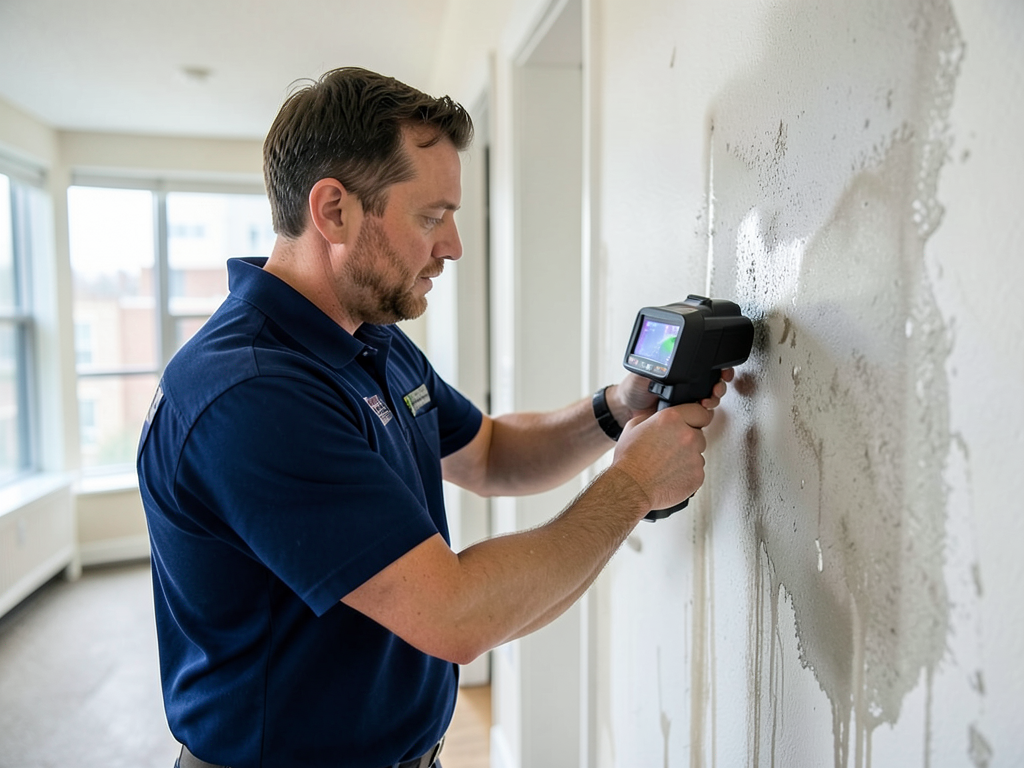
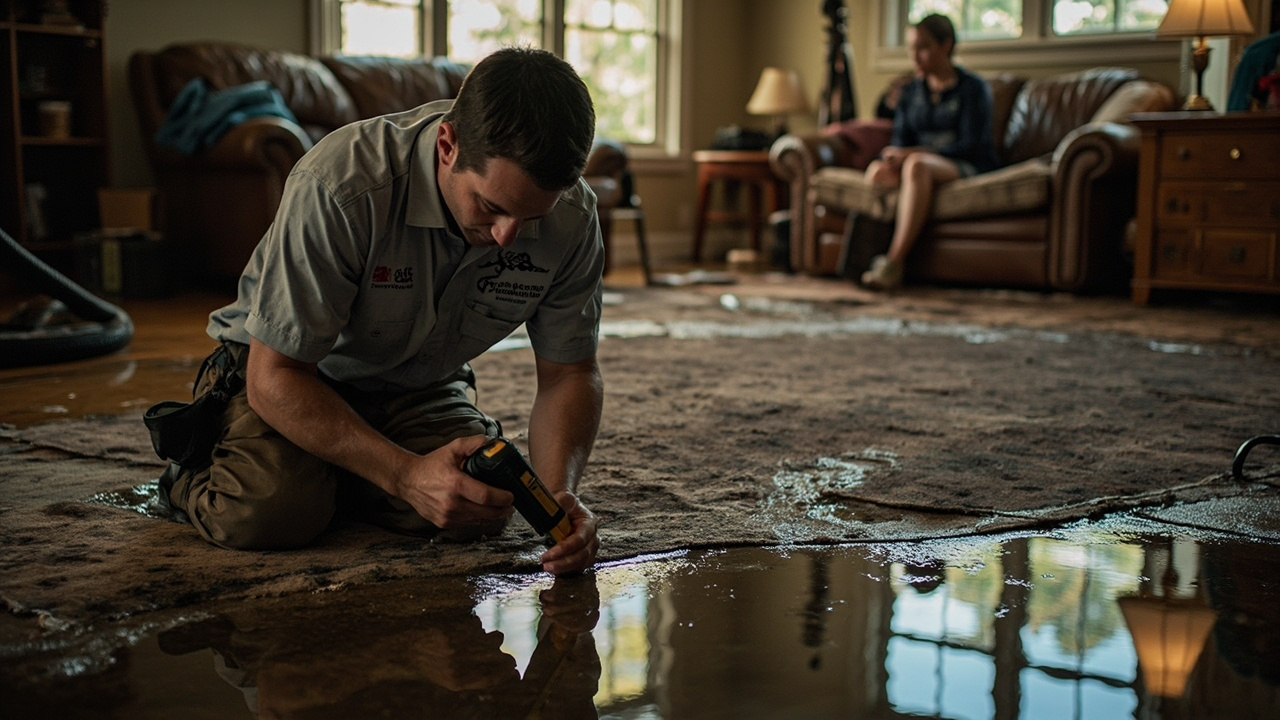
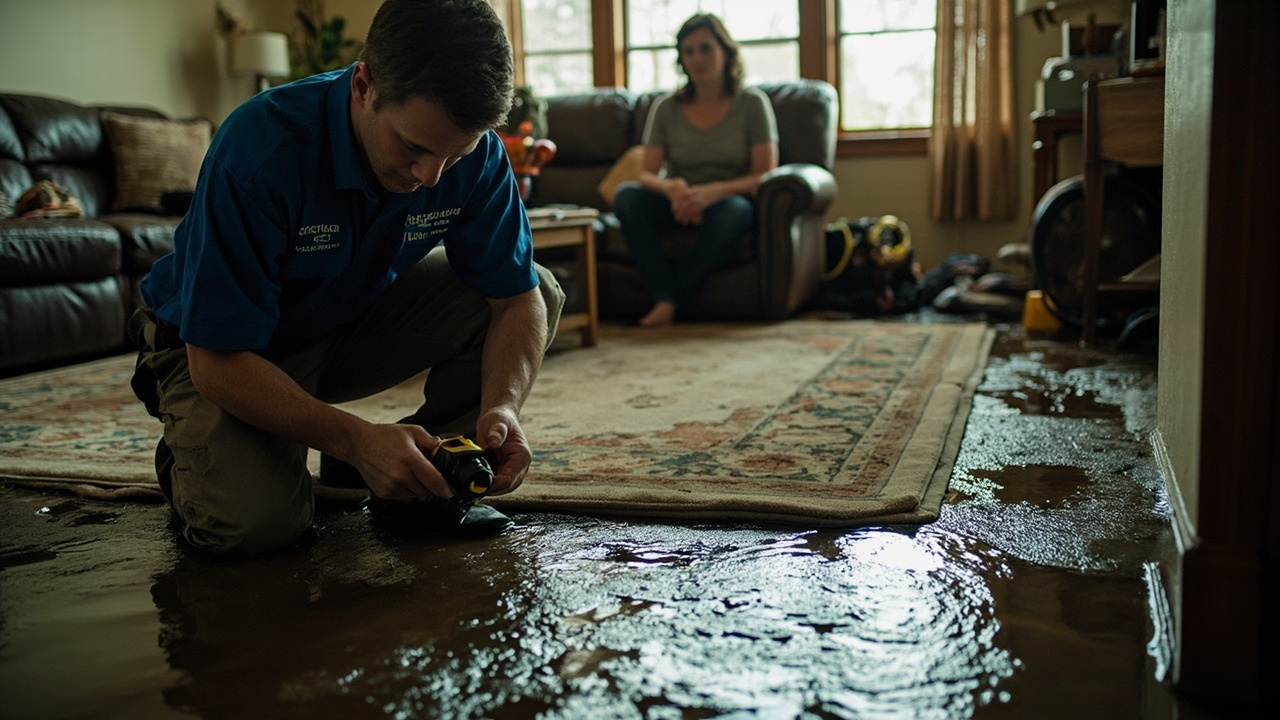
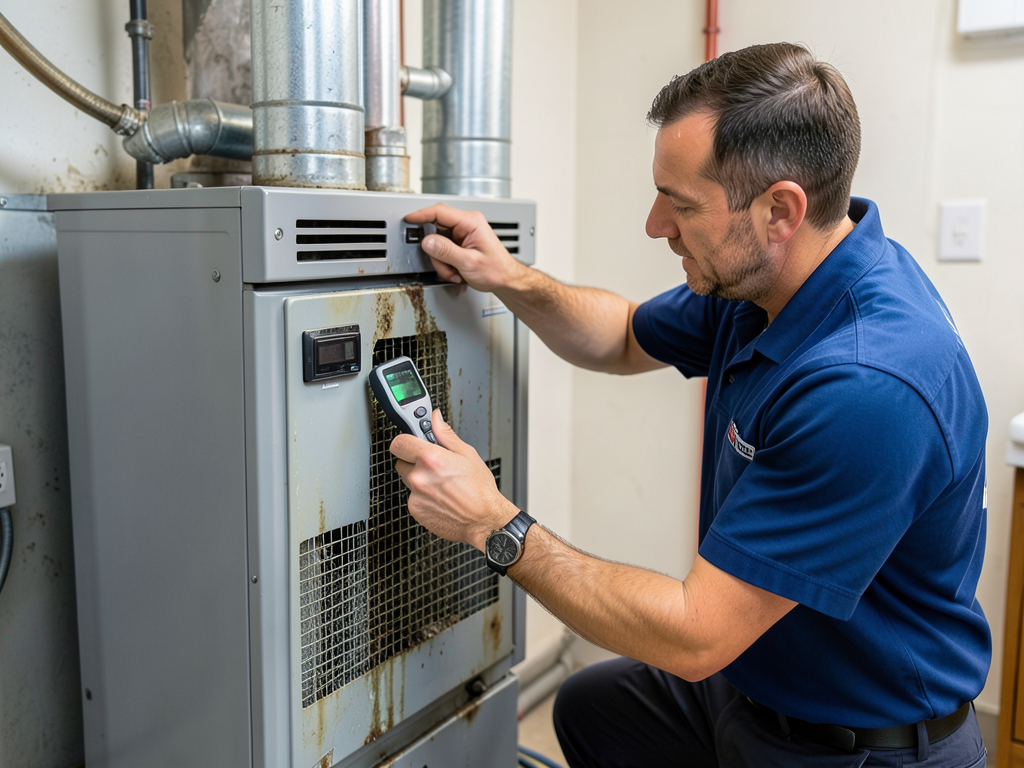
We do not guess. We measure. When we arrive at your Hartford property, we use moisture meters and thermal imaging cameras to map the full extent of saturation. Wet carpet underlayment often extends 3 to 5 feet beyond what you can see or feel. We document moisture levels in the carpet, pad, subfloor, and baseboards to create a drying plan that targets every affected material.

Next, we extract standing water using truck-mounted extraction units that pull moisture from deep within the carpet fibers and padding. This is not a shop vacuum. We are removing gallons of water in minutes, reducing the overall drying time and limiting secondary damage. If the padding is heavily saturated or contaminated, we remove it entirely. Carpet padding is inexpensive to replace. Your subfloor and framing are not.

After extraction, we lift and secure the carpet to allow airflow beneath. We position commercial air movers to create rapid evaporation across the subfloor and remaining materials. Dehumidifiers pull moisture from the air to prevent it from reabsorbing into walls and furniture. We monitor daily with moisture readings until levels return to normal.

If the water source was contaminated, such as sewage backup or river flooding, we apply antimicrobial treatments to affected surfaces. We do not reinstall carpet until the subfloor is verified dry and safe. Crestline Water Damage Restoration Hartford follows IICRC S500 standards for water damage restoration, which means every step is designed to prevent future problems, not just make things look dry.

What Happens During Carpet Water Extraction

Wet Carpet & Padding in Hartford – Expert Diagnosis and Safe Removal Before Mold Takes Hold
01

Water Source Control

We locate and stop the water source before any extraction begins. Whether it is a shut-off valve, a patched pipe, or coordinating with your plumber, no drying work starts until the source is controlled. This prevents ongoing saturation and allows us to assess the full scope of flooded carpet and underpad accurately. We document the source for insurance purposes.
02

Extraction and Material Removal

We use weighted extraction wands to pull water from the carpet fibers and padding. If padding is compromised, we cut and remove it immediately to expose the subfloor. Wet carpet underlayment holds the most moisture and causes the most damage, so removal is often the fastest path to complete drying. We bag and dispose of all contaminated materials according to local Hartford waste regulations.
03

Drying and Verification

We set up air movers and dehumidifiers in a controlled drying chamber configuration. This creates negative pressure and maximizes evaporation. We return daily to take moisture readings until the subfloor, walls, and carpet reach equilibrium moisture content. Only then do we reinstall padding and re-stretch the carpet. You get documentation of every reading for your records and insurer.

Why Hartford Residents Choose Crestline for Carpet Water Damage

Hartford's mix of historic homes and aging infrastructure requires local knowledge. We understand how water behaves in the raised foundations common in neighborhoods along Farmington Avenue. We know the difference between a surface spill and a slow leak from cast iron plumbing that has been corroding for decades. That experience shapes how we approach every job.

We work directly with Hartford homeowners and their insurance carriers. We provide detailed documentation, including photos, moisture logs, and scope notes that meet adjuster requirements. You do not fight your claim alone. We have worked with every major carrier operating in the Hartford metro, and we know what they need to approve your repairs.

When we remove saturated carpet and cushion, we inspect the subfloor for structural concerns. Wood subfloors in older Hartford homes can show early signs of rot or delamination if they have been wet before. We identify these issues early so you can address them before they become expensive problems. We are not just drying your floor. We are protecting your investment.

Our equipment stays on-site until drying is complete. We do not pick up machines after two days and hope for the best. We monitor progress and adjust equipment placement based on real-time moisture data. If drying stalls, we investigate why. Maybe there is a hidden leak. Maybe insulation is trapping moisture. We solve the problem instead of walking away.

Crestline Water Damage Restoration Hartford operates with transparency. You get a written scope of work before we start, daily updates during the job, and a final walkthrough with documentation when we finish. No surprises. No upsells. Just professional water damage restoration done right.

What to Expect When You Call for Wet Carpet Service

Response Time and Availability

We answer emergency calls 24 hours a day because water does not wait for business hours. Most Hartford calls receive a response within 60 to 90 minutes depending on your location and current job load. We prioritize active flooding and contaminated water situations first. When we arrive, we assess the situation, explain what needs to happen, and begin mitigation immediately if you approve. You are not waiting days for someone to show up with a proposal.

Initial Assessment and Moisture Mapping

We use non-invasive moisture meters and infrared cameras to measure saturation levels throughout the affected area. You see exactly where the water is and how far it has spread. We check walls, subfloors, and adjacent rooms to ensure nothing is missed. This assessment determines whether we extract and dry in place or whether materials need removal. We explain the findings in plain terms and provide a written scope before any work begins.

Drying Results and Final Inspection

Drying time varies based on the extent of saturation, but most carpet and subfloor drying projects take 3 to 5 days. We provide daily updates and moisture readings so you can track progress. When moisture levels reach acceptable standards, we document the results and provide you with a completion certificate. If carpet reinstallation or padding replacement is needed, we coordinate that work or connect you with trusted local vendors. Your space is returned to pre-loss condition.

Follow-Up and Ongoing Monitoring

We do not disappear once the equipment is picked up. We call you 7 to 10 days after completion to confirm everything remains dry and odor-free. If you notice any lingering issues, we return to investigate at no additional charge. Water damage can reveal itself slowly, and we want to catch problems early. You also receive guidance on preventing future incidents, including maintenance tips for your specific Hartford property and plumbing configuration.

Frequently Asked Questions

You Have Questions,
We Have Answers

Is carpet padding ruined if it gets wet? +

Yes, most carpet padding is ruined once saturated. Standard foam or rebond padding absorbs water like a sponge and holds moisture against the subfloor. This creates a breeding ground for mold, bacteria, and odors within 24 to 48 hours. Hartford's humidity makes this worse. Even if the carpet surface dries, trapped moisture in the padding continues damaging the subfloor and releasing spores into your home. Padding is cheap compared to remediation costs. If your padding got soaked from a burst pipe, roof leak, or flooding, replacement is the only safe option.

How to dry out wet carpet padding? +

Pull back the carpet immediately and remove the wet padding. Use fans and dehumidifiers to circulate air across the subfloor and carpet backing. In Hartford's humid climate, air movement is critical. Extract standing water first with a wet vacuum. Elevate the carpet off the floor using blocks or PVC pipe to allow airflow underneath. Run equipment for 48 to 72 hours minimum. Check moisture levels with a meter before reinstalling anything. If padding stayed wet longer than 24 hours or smells musty, throw it out and install new padding.

How long can carpet be wet before it is ruined? +

Carpet can survive if dried within 24 to 48 hours, but the clock starts the moment water touches it. After 48 hours, mold spores colonize the fibers and backing. Hartford's summer humidity accelerates this timeline. Category 3 water (sewage, flooding) ruins carpet immediately regardless of drying speed. The carpet type matters too. Synthetic fibers tolerate moisture better than natural wool. If your carpet sat wet for three days after a basement flood, you are looking at replacement. Speed is everything. Hesitation turns a drying job into a demolition job.

Can mold grow under carpet padding? +

Absolutely. Mold thrives under carpet padding because it stays dark, damp, and undisturbed. Padding sits directly against the subfloor where moisture evaporates slowly, especially over concrete slabs common in Hartford basements. You cannot see mold growth happening underneath until you pull the carpet back. By then, colonies have spread across square feet of material. Mold under padding releases spores into your indoor air every time you walk across the carpet. If your padding got wet and was not replaced within 48 hours, assume mold is growing.

How quickly can mold grow under wet carpet? +

Mold can start growing under wet carpet in as little as 24 hours if conditions align. Hartford's warm, humid summers create ideal conditions. Spores are always present in the air. They just need moisture, organic material (carpet fibers, padding, dust), and warmth to colonize. Within 48 to 72 hours, visible mold patches often appear on padding and subfloors. By day five, you may smell the musty odor even if mold is hidden. The longer carpet stays wet, the deeper mold penetrates into flooring materials underneath.

What does moldy carpet padding look like? +

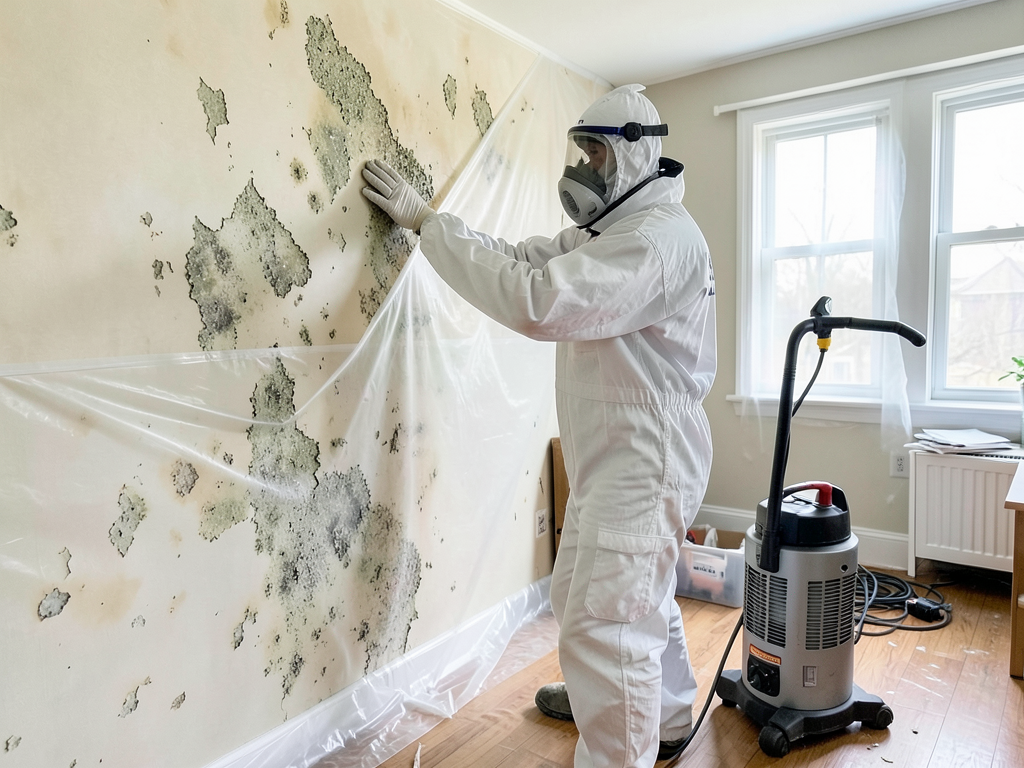
Moldy carpet padding shows black, green, or white fuzzy patches on the surface. It feels slimy or crumbly depending on the mold type and how long it has been growing. The padding may also discolor to brown or yellow and emit a strong musty, earthy smell. In Hartford homes with older padding, mold often appears along seams or near exterior walls where moisture condenses. If you pull back your carpet and see dark staining or smell mildew, that padding must be removed and discarded immediately. Do not try to clean moldy padding.

Will wet carpet dry on its own? +

No. Wet carpet will not dry properly on its own, especially in Hartford's humid climate. Without airflow, extraction, and dehumidification, moisture stays trapped in the padding and backing for weeks. This leads to mold growth, permanent staining, delamination, and subfloor damage. Even if the surface feels dry after a few days, moisture remains underneath. You need professional extraction equipment, air movers, and dehumidifiers running continuously. Hoping carpet dries itself is how small water problems become expensive mold remediation projects. Act within 24 hours or replace the carpet.

What are signs of mold in carpet? +

Watch for a musty, earthy odor that does not go away. You may see visible discoloration, black or green spots on the carpet surface or along baseboards. The carpet may feel damp or spongy underfoot even when it looks dry. Allergy symptoms like sneezing, coughing, or itchy eyes often worsen indoors. In Hartford homes, mold in carpet frequently starts near basement walls, under furniture, or around HVAC vents where condensation occurs. If you suspect mold, pull back a corner and inspect the padding and subfloor. Dark staining confirms growth.

How long to let baking soda sit on wet carpet? +

Baking soda does not fix wet carpet. It absorbs minor surface odors on dry carpet but does nothing for saturated padding or mold growth underneath. Sprinkling baking soda on wet carpet wastes time during the critical 24 to 48 hour window when you can still salvage materials. You need extraction, airflow, and dehumidification, not home remedies. If your carpet is wet from a leak or flood in Hartford, skip the baking soda. Call a water damage professional immediately. Delaying real action allows mold to colonize and forces you into expensive replacement.

What kills mold in wet carpet? +

Nothing kills mold in wet carpet effectively enough to make it safe. Antimicrobial treatments only work on hard, non-porous surfaces. Carpet fibers and padding are porous. Mold roots penetrate deep into the material where sprays cannot reach. Bleach damages carpet dyes and does not kill subsurface mold. If mold is growing in your carpet, removal is the only solution. Professionals extract water, remove contaminated materials, treat subfloors with antimicrobials, and install new padding and carpet. Trying to kill mold with household products just spreads spores and prolongs your exposure.

Why Hartford's Freeze-Thaw Cycles and Plumbing Age Make Carpet Flooding Common

Hartford experiences freeze-thaw cycles throughout late winter and early spring. Pipes that run through uninsulated rim joists or exterior walls are vulnerable to rupture when temperatures swing from 15 degrees overnight to 40 degrees by afternoon. The result is sudden flooding, often discovered when you step onto soaked carpeting and underlay in your finished basement. Older cast iron and galvanized pipes, common in Hartford homes built before 1960, corrode from the inside and fail without warning. These failures dump large volumes of water quickly, saturating padding and subfloors before you even notice the problem.

Hartford's housing density and building code enforcement history also play a role. Many properties in neighborhoods near Elizabeth Park or along Asylum Avenue were built before modern waterproofing standards existed. Basements were not designed to shed water effectively, and foundation drainage systems have degraded over time. When heavy rain overwhelms aging storm drains, water finds its way into basements and saturates flooring. Crestline Water Damage Restoration Hartford understands these local vulnerabilities and tailors our response to address both immediate water removal and underlying risk factors that Hartford homeowners face.
Water Damage Restoration Services in The Hartford Area

Crestline Water Damage Restoration Hartford is strategically located to provide rapid and reliable service across the entire Hartford region and its surrounding communities. We invite you to view our service map to confirm that your property falls within our guaranteed service area, ensuring that a professional water damage expert is never far away when you need us most. We pride ourselves on the capability to reach your location quickly, a crucial factor in successful, timely mitigation and restoration.

Address:
Crestline Water Damage Restoration Hartford, 1916 Broad St, Hartford, CT, 06114

Additional Services We Offer

Our news updates

Latest Articles & News from The Blogs

Managing Winter Window Condensation to Prevent Rot in Your Northeast Hartford Victorian Winter condensation on your Northeast Hartford Victorian windows…

Managing Winter Window Condensation to Prevent Rot in Your Northeast Hartford Victorian

Managing Winter Window Condensation to Prevent Rot in Your Northeast Hartford Victorian Winter condensation on your Northeast Hartford Victorian windows…

Why Replacing Your Carpet Padding is Critical After a Leak in Your Bristol Home

Why Replacing Your Carpet Padding is Critical After a Leak in Your Bristol Home \n\n When water seeps into your…

Dealing with Water Damage in Your Mudroom Caused by Tracked-In Snow in West Hartford

Dealing with Water Damage in Your Mudroom Caused by Tracked-In Snow in West Hartford When melting snow from winter boots…

Contact Us

Do not wait for mold to develop or odors to take over your home. Call Crestline Water Damage Restoration Hartford at (860) 743-9993 right now. We respond fast, document everything, and restore your space safely. Your home deserves expert care.