menu

Sewage Backup Cleanup in Hartford – 24/7 Emergency Response Stops Health Hazards Fast

When raw sewage floods your Hartford property, every minute counts. Crestline Water Damage Restoration Hartford deploys certified technicians within hours to contain contamination, extract hazardous waste, and restore safe conditions before structural damage spreads.

Slider Image 1
Slider Image 2
Slider Image 3
Slider Image 4
Slider Image 5
Slider Image 7
Slider Image 8
Slider Image 9
Slider Image 10
Slider Image 11

Why Hartford Properties Face Critical Sewage Backup Risks

Hartford's aging sewer infrastructure and seasonal freeze-thaw cycles create perfect conditions for sewage backup disasters. When temperatures drop below freezing in January and February, underground pipes contract and crack. Spring thaw brings rapid snowmelt that overwhelms combined sewer systems, forcing raw sewage back through floor drains and basement toilets.

The Connecticut River's proximity to downtown Hartford properties adds another layer of risk. Heavy rainfall events, which have increased 30% in the last decade, push groundwater tables higher. This hydraulic pressure forces sewage laterals to fail at connection points. Properties in Asylum Hill and Frog Hollow face particular vulnerability due to older clay pipe systems installed before 1950.

Raw sewage contains bacteria, viruses, and parasites that contaminate every porous surface they touch. Drywall wicks sewage up to 24 inches above the waterline within hours. Carpet padding becomes a biohazard reservoir. Wood framing absorbs pathogens deep into the grain. Without immediate sewage removal, you face Category 3 water damage, the most dangerous classification.

Sewage remediation cannot wait. The first 24 hours determine whether you need minor cleaning or complete gut renovation. Bacterial colonies double every 20 minutes in organic matter. Black mold spores germinate within 48 hours. The health department can condemn properties where sewage damage restoration gets delayed. You need professional sewer backup cleaning that follows IICRC S500 standards, not a cleanup crew with shop vacuums.

Why Hartford Properties Face Critical Sewage Backup Risks
How Professional Sewage Extraction Protects Your Property

How Professional Sewage Extraction Protects Your Property

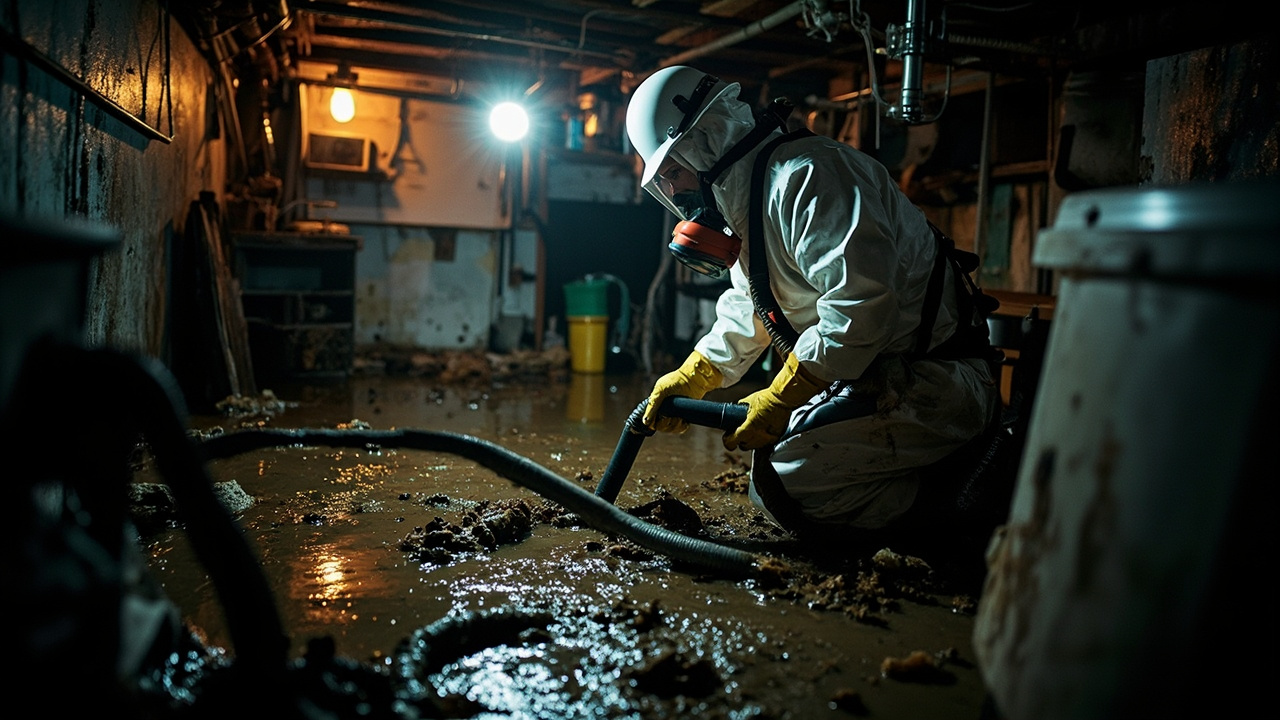
Sewage backup cleanup requires specialized equipment and EPA-registered disinfectants that hardware store products cannot match. We deploy truck-mounted extraction pumps generating 400 CFM suction to remove standing sewage and groundwater. Submersible pumps handle deep basement flooding where standard vacuums fail.

After extraction, we apply antimicrobial agents that kill 99.9% of pathogens, including E. coli, Salmonella, and Hepatitis A. We use hospital-grade quaternary ammonium compounds on non-porous surfaces. Porous materials that absorbed sewage get removed entirely. Your safety is not negotiable. We bag and dispose of contaminated materials following Connecticut DEEP hazardous waste protocols.

Air scrubbers with HEPA filtration run continuously during sewage damage restoration. These machines cycle the entire air volume 6 times per hour, capturing airborne bacteria and sewage odor molecules. Hydroxyl generators break down hydrogen sulfide and methane gases at the molecular level, eliminating smells permanently rather than masking them.

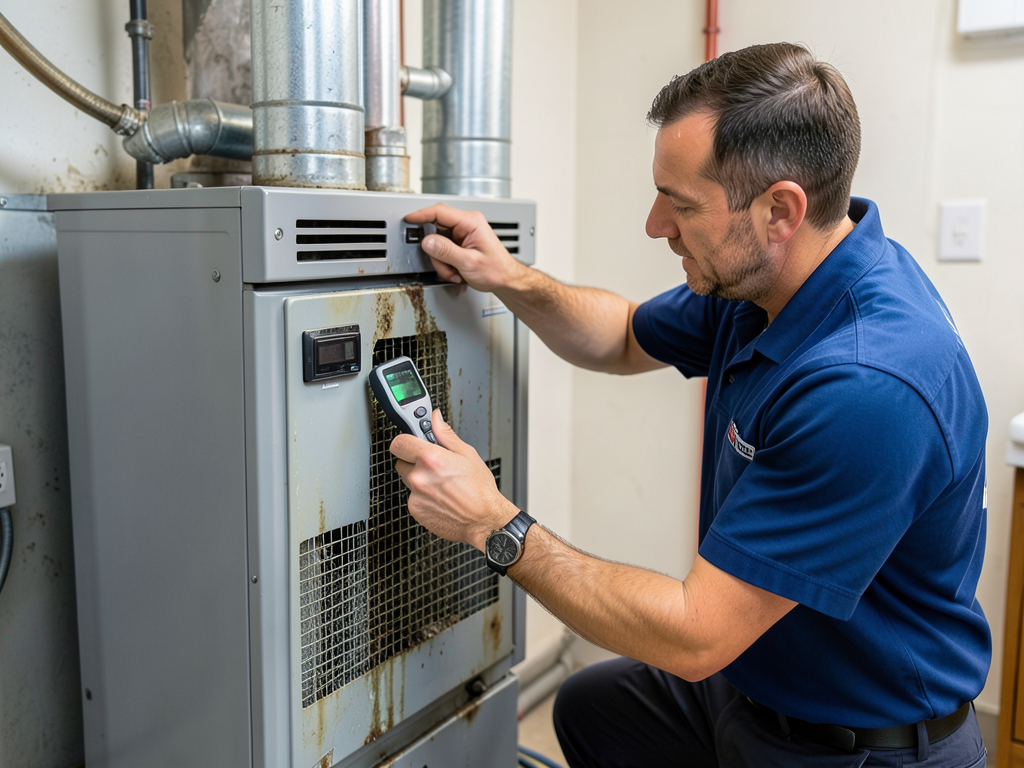
Structural drying comes next. We position commercial dehumidifiers and air movers to create optimal drying conditions. Moisture meters track progress in wall cavities, subfloors, and framing lumber. We document everything for insurance claims. Most sewage remediation projects reach dry standard within 3-5 days when we control temperature and humidity precisely.

We coordinate with plumbers to identify the sewage backup source. Common causes include main line blockages from tree root intrusion, collapsed pipes, or municipal system overflows. Fixing the source prevents recurring disasters. We provide detailed reports documenting pre-loss conditions, our methodology, and final verification testing.

What Happens During Emergency Sewage Response

Sewage Backup Cleanup in Hartford – 24/7 Emergency Response Stops Health Hazards Fast
01

Immediate Containment and Safety

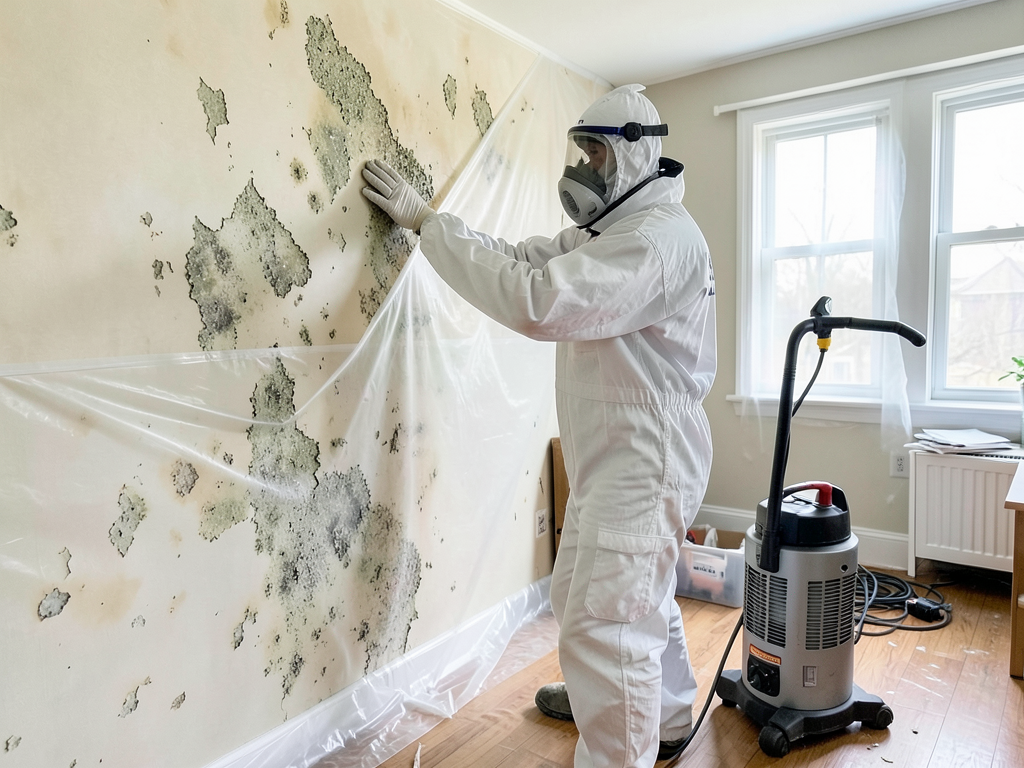
Our technicians arrive in full PPE including respirators, waterproof suits, and nitrile gloves. We establish containment barriers using polyethylene sheeting to prevent cross-contamination to unaffected areas. Power gets shut off in flooded zones to eliminate electrocution risk. We identify the sewage source and stop additional flow when possible. Air quality testing determines if the space is safe to occupy during work.
02

Extraction and Decontamination

High-capacity pumps remove standing sewage within the first hour. We extract water from carpets, concrete, and tile using weighted extraction tools. All contaminated porous materials get documented, photographed, and removed for proper disposal. Non-porous surfaces receive three-stage cleaning with detergent wash, antimicrobial treatment, and final disinfection. We apply EPA-registered biocides that meet OSHA bloodborne pathogen standards for Category 3 contamination.
03

Drying and Verification Testing

Industrial dehumidifiers and air movers run 24/7 until moisture readings return to normal. We monitor progress twice daily using thermal imaging and moisture meters. Once dry, we conduct ATP testing to verify bacterial levels meet safe thresholds. You receive a complete work file including moisture logs, disposal manifests, and clearance documentation. We coordinate with your insurance adjuster throughout the process to maximize your claim settlement.

Why Hartford Property Owners Choose Local Sewage Experts

Crestline Water Damage Restoration Hartford maintains 24/7 emergency response capability for the greater Hartford metro area. When sewage backs up at 2 AM, we answer. Our average response time to Hartford, West Hartford, and East Hartford properties is under 90 minutes. We know which streets flood during heavy rain and where the oldest sewer laterals create recurring problems.

We understand Hartford's unique building stock. Properties in the Charter Oak and Blue Hills neighborhoods often feature stone foundations and limited crawlspace access. Victorian homes downtown have plaster walls that require different handling than modern drywall. We adapt our sewage remediation approach based on your building's construction type and age.

Our technicians hold IICRC Water Restoration Technician and Applied Microbial Remediation certifications. This specialized training covers sewage-specific protocols that general water damage crews often miss. We follow ANSI/IICRC S500 standards for Category 3 water intrusion, which require complete removal of affected porous materials rather than attempted cleaning.

Insurance companies recognize our documentation quality. We photograph every stage of work, maintain detailed moisture logs, and provide itemized estimates that adjusters can approve quickly. This speeds your claim settlement and gets restoration moving faster. We bill insurance directly in most cases, so you avoid large out-of-pocket expenses.

Local relationships matter during sewage emergencies. We work with Hartford plumbers who can diagnose main line issues and municipal public works staff who handle combined sewer overflow problems. This network helps identify root causes quickly, preventing future backups after we complete restoration work.

What to Expect During Sewage Backup Response

Emergency Response Timeline

We dispatch technicians immediately upon your call. Most Hartford properties receive on-site response within 60-90 minutes during normal conditions. Severe weather may extend response time to 2-3 hours, but we always communicate arrival estimates clearly. Our trucks carry extraction equipment, antimicrobials, and PPE to begin work immediately without waiting for additional resources. Initial containment and sewage extraction typically complete within 4-6 hours for residential properties. Commercial spaces require longer depending on square footage affected.

Property Assessment and Documentation

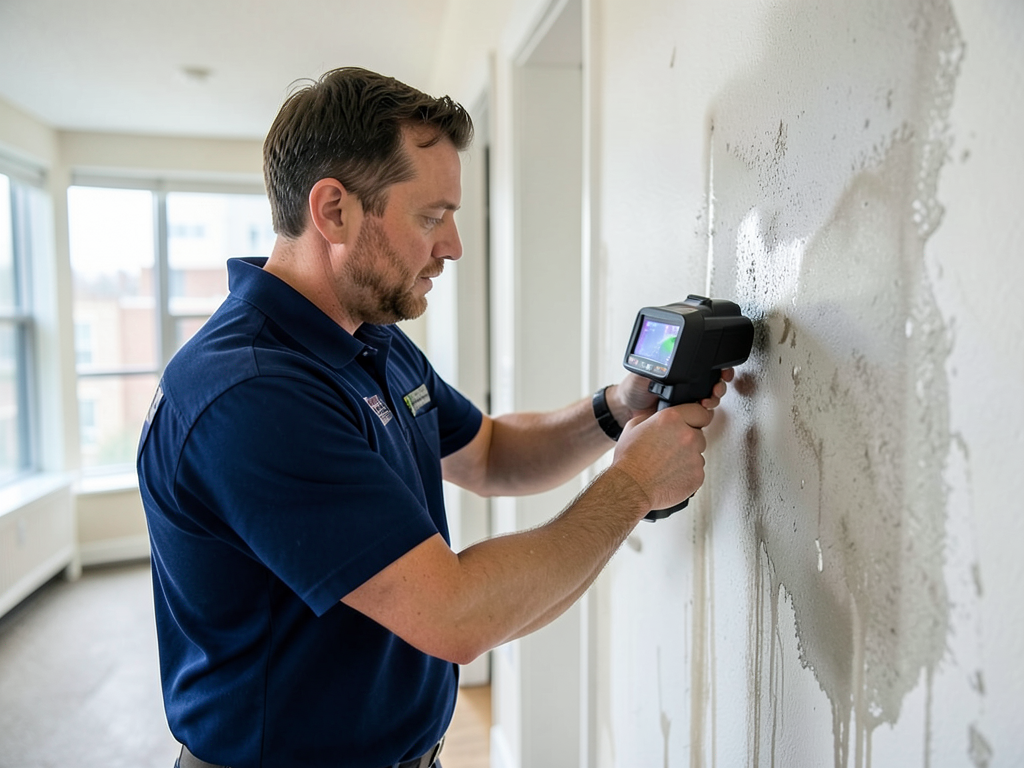
Initial assessment identifies sewage source, contamination extent, and structural impact. We use thermal cameras to detect hidden moisture in wall cavities and under flooring. Moisture meters provide baseline readings that guide drying strategy. You receive a detailed scope of work within 24 hours that outlines required demolition, disinfection protocols, and estimated timeline. We photograph all affected areas before, during, and after restoration. This documentation package supports your insurance claim and provides legal protection if disputes arise later.

Final Restoration Quality

Sewage damage restoration concludes when all surfaces pass microbial testing and moisture readings return to normal ranges. We provide ATP testing results that confirm bacterial contamination has been eliminated to safe levels. Air quality testing verifies no elevated spore counts remain. You receive complete work documentation including disposal records for contaminated materials, antimicrobial product data sheets, and daily moisture logs. Properties return to pre-loss condition without lingering odors or hidden contamination that could cause future health issues.

Post-Restoration Support and Prevention

After completing sewage cleanup, we provide recommendations to prevent future backups. This includes backwater valve installation suggestions, sump pump maintenance schedules, and lateral line inspection intervals. We offer annual preventive inspections that identify potential problems before they cause flooding. If additional sewage issues occur within 30 days of our work, we return for re-evaluation at no charge to ensure our restoration eliminated all contamination sources. Our relationship continues beyond the immediate emergency to help protect your property long-term.

Frequently Asked Questions

You Have Questions,
We Have Answers

How to clean up after sewer back up? +

Do not attempt DIY cleanup. Sewage contains harmful bacteria, viruses, and pathogens that require professional extraction and disinfection. Shut off electricity to affected areas immediately. Avoid contact with contaminated water and materials. Professional sewage cleanup involves industrial-grade pumps to extract water, removal of porous materials like drywall and carpet, antimicrobial treatment of all surfaces, and HEPA filtration to remove airborne contaminants. Hartford's older sewer infrastructure increases backup risk, especially during heavy rain. Certified technicians use PPE and follow IICRC protocols to safely restore your property and prevent disease transmission.

Is it safe to stay in a house with sewage backup? +

No. Evacuate immediately. Sewage backup exposes you to E. coli, hepatitis A, salmonella, and other dangerous pathogens through inhalation or skin contact. Even brief exposure can cause serious illness. Hartford homes with combined sewer systems face higher contamination risk during storm events. The sewage spreads bacteria through air particles and surface contact. Do not sleep, cook, or occupy contaminated spaces until professional remediation is complete. Children, elderly residents, and those with weakened immune systems face severe health risks. Return only after antimicrobial treatment, complete drying, and air quality testing confirm safety.

How much does sewage backup cleanup cost? +

Sewage cleanup costs vary based on contamination extent, affected square footage, and material removal required. Minor backups affecting a single bathroom typically start lower, while basement floods with Category 3 water require extensive remediation. Costs include water extraction, contaminated material removal, antimicrobial treatment, drying equipment, and disposal fees. Hartford's aging sewer lines and basement configurations can increase complexity. Insurance may cover cleanup if you carry sewer backup endorsement. Get multiple quotes from certified restoration companies. Emergency response prevents further damage and reduces total restoration costs compared to delayed cleanup.

How to get rid of sewer smell after a backup? +

Sewer odor persists because bacteria and organic matter penetrate porous surfaces. Professional treatment is necessary. Technicians apply antimicrobial foggers and enzyme treatments that break down organic compounds causing odor. They treat walls, subfloors, and HVAC systems where smell penetrates. Simple air fresheners mask but do not eliminate the source. Hartford's humid climate allows bacteria to thrive in hidden cavities. Thermal foggers reach behind walls and under floors. After disinfection, technicians seal affected surfaces and run hydroxyl generators to neutralize remaining odor molecules. Complete odor removal confirms successful bacteria elimination and prevents health risks.

How long do sewage bacteria last on surfaces? +

Sewage bacteria survive on surfaces for days to months depending on conditions. E. coli and salmonella remain infectious for weeks on porous materials like wood and drywall. Hartford's humidity extends bacterial survival by providing moisture bacteria need. Hard surfaces harbor pathogens for days without proper disinfection. Bacteria form biofilms that protect them from casual cleaning. This is why professional antimicrobial treatment is critical. Technicians use hospital-grade disinfectants proven effective against sewage pathogens. They apply these at specific concentrations and dwell times required to kill bacteria completely. Surface cleaning alone does not eliminate hidden contamination.

Can I clean my sewer line myself? +

Limited DIY maintenance like drain screens helps prevent clogs, but you should not attempt clearing sewage backups yourself. You lack proper equipment, safety gear, and knowledge to handle hazardous waste. Sewage exposes you to dangerous pathogens. Hartford's sewer lines often require professional hydro-jetting or camera inspection to identify blockages, tree root intrusion, or pipe damage. Improper DIY attempts can damage pipes or worsen backups. Licensed plumbers carry insurance and use specialized tools. For prevention, avoid flushing wipes or grease. Schedule professional sewer line inspections every few years, especially in older Hartford neighborhoods with aging infrastructure.

Does homeowners insurance cover sewer back up? +

Standard homeowners insurance typically excludes sewer backup. You need a separate sewer backup endorsement or rider added to your policy. This coverage costs relatively little but protects against expensive cleanup and restoration. Review your policy now before problems occur. Hartford's combined sewer system and aging infrastructure increase backup risk during heavy rainfall. The endorsement covers water damage, cleanup costs, and belongings damaged by sewer or drain backups. Without this coverage, you pay all costs out of pocket. Contact your insurance agent to add this protection. Document any backup immediately and notify your insurer within required timeframes.

How long does it take to get sick from sewage exposure? +

Symptoms can appear within hours to days after sewage exposure. Gastroenteritis symptoms like nausea, vomiting, and diarrhea often develop within 12 to 48 hours. Skin infections appear within days at contact points. Respiratory symptoms from inhaling contaminated air can occur immediately. Severity depends on exposure duration, pathogen type, and your immune system. Children and elderly face faster, more severe reactions. Hartford residents exposed to sewage should monitor for fever, stomach cramps, skin rashes, or breathing difficulty. Seek medical attention immediately if symptoms develop. Inform doctors about sewage exposure so they can test for specific pathogens and prescribe appropriate treatment.

Who is responsible for blocked sewer drains? +

Responsibility depends on blockage location. Homeowners own and maintain the lateral sewer line from their house to the property line or main connection point. The city of Hartford maintains public sewer mains in streets. If the blockage occurs in your lateral line due to tree roots, grease, or debris, you pay for repairs. If the main sewer line backs up into multiple properties, Hartford's Metropolitan District Commission handles it. Determine blockage location through camera inspection. Older Hartford neighborhoods have clay pipes prone to root intrusion and collapse. Maintain your lateral line through regular inspections and prompt tree root removal.

Why is my sewer bill 200 dollars? +

This question involves billing, not sewage backup cleanup. High sewer bills in Hartford result from water consumption charges, not backup issues. The Metropolitan District Commission calculates sewer charges based on water usage. High bills indicate excessive water use, leaks, or billing errors. Check for running toilets, dripping faucets, or underground leaks. Review your bill for calculation errors or estimated readings. Contact MDC customer service to verify meter readings and request usage history. This differs from sewage backup situations, which involve physical wastewater entering your home and requiring emergency cleanup. For backup prevention, maintain your sewer lateral and avoid pouring grease down drains.

How Hartford's Combined Sewer System Creates Sewage Backup Risks

Hartford operates a combined sewer system that handles both sanitary sewage and stormwater runoff in the same pipes. During heavy rainfall, this system quickly reaches capacity. When volume exceeds treatment plant capability, the Metropolitan District Commission diverts overflow directly into the Connecticut River through permitted discharge points. This hydraulic surge forces sewage backward through lateral connections into basements and lower levels. Properties near Park River, which flows through underground conduits beneath the city, face heightened risk during spring snowmelt and summer thunderstorms. The sewage removal challenge intensifies because contamination often contains street runoff chemicals and industrial waste mixed with raw sewage.

Connecticut requires sewage damage restoration contractors to follow Department of Public Health regulations for Category 3 water handling. These protocols mandate specific disposal procedures, worker protection standards, and clearance testing before properties can be reoccupied. Crestline Water Damage Restoration Hartford maintains all required Connecticut contractor registrations and carries pollution liability coverage that protects property owners from environmental claims. Our team understands Hartford building codes for basement waterproofing and backwater valve installation. We coordinate with city inspectors when restoration work requires permits, ensuring your property meets all compliance requirements before we consider the job complete.
Water Damage Restoration Services in The Hartford Area

Crestline Water Damage Restoration Hartford is strategically located to provide rapid and reliable service across the entire Hartford region and its surrounding communities. We invite you to view our service map to confirm that your property falls within our guaranteed service area, ensuring that a professional water damage expert is never far away when you need us most. We pride ourselves on the capability to reach your location quickly, a crucial factor in successful, timely mitigation and restoration.

Address:
Crestline Water Damage Restoration Hartford, 1916 Broad St, Hartford, CT, 06114

Additional Services We Offer

Our news updates

Latest Articles & News from The Blogs

Managing Winter Window Condensation to Prevent Rot in Your Northeast Hartford Victorian Winter condensation on your Northeast Hartford Victorian windows…

Managing Winter Window Condensation to Prevent Rot in Your Northeast Hartford Victorian

Managing Winter Window Condensation to Prevent Rot in Your Northeast Hartford Victorian Winter condensation on your Northeast Hartford Victorian windows…

Why Replacing Your Carpet Padding is Critical After a Leak in Your Bristol Home

Why Replacing Your Carpet Padding is Critical After a Leak in Your Bristol Home \n\n When water seeps into your…

Dealing with Water Damage in Your Mudroom Caused by Tracked-In Snow in West Hartford

Dealing with Water Damage in Your Mudroom Caused by Tracked-In Snow in West Hartford When melting snow from winter boots…

Contact Us

Sewage contamination spreads quickly and threatens your health. Do not wait. Call Crestline Water Damage Restoration Hartford now at (860) 743-9993 for immediate emergency response. Our certified technicians deploy within the hour to stop damage and begin professional sewage remediation that protects your property and family.