menu

Soggy Insulation in Hartford – Fast Detection and Professional Removal Before Mold Spreads

Soggy insulation destroys energy efficiency, fuels mold growth, and threatens structural integrity. Our certified team identifies hidden moisture, removes saturated material, and restores your attic or crawlspace before damage compounds.

Slider Image 1
Slider Image 2
Slider Image 3
Slider Image 4
Slider Image 5
Slider Image 7
Slider Image 8
Slider Image 9
Slider Image 10
Slider Image 11

Why Hartford Homes Suffer from Soggy Insulation More Than You Think

Hartford's freeze-thaw cycles and high humidity create the perfect storm for soggy insulation. When winter ice dams form on older roofs in neighborhoods like West End or Asylum Hill, snowmelt seeps into attic spaces and saturates fiberglass batts. Spring rains compound the issue, driving moisture through compromised flashing and aging shingles common in Hartford's historic housing stock.

You notice the spike in your heating bill first. Then comes the musty odor. By the time you see brown ceiling stains, the water damaged insulation has already been holding moisture for weeks. Wet insulation loses over 40% of its R-value immediately. Damp insulation becomes a breeding ground for mold spores, which spread through your HVAC system and into living spaces.

Hartford's clay-heavy soil causes foundation settlement, creating hairline cracks in basement walls. Groundwater intrusion wets crawlspace insulation from below. You might not see the problem until the floor above feels cold or you spot condensation on basement ductwork. Soaked insulation in rim joists is especially common in homes built before 1980, when building codes were less strict about vapor barriers.

The Connecticut River's proximity raises ambient humidity year-round. Combined with poor attic ventilation in many Hartford Colonials and Cape Cods, this moisture has nowhere to go. It condenses on roof decking, drips onto insulation, and starts the cycle of saturation. Ignoring soggy insulation leads to wood rot, compromised air quality, and structural damage that costs exponentially more to repair.

Why Hartford Homes Suffer from Soggy Insulation More Than You Think
How We Remove Saturated Insulation and Restore Thermal Performance

How We Remove Saturated Insulation and Restore Thermal Performance

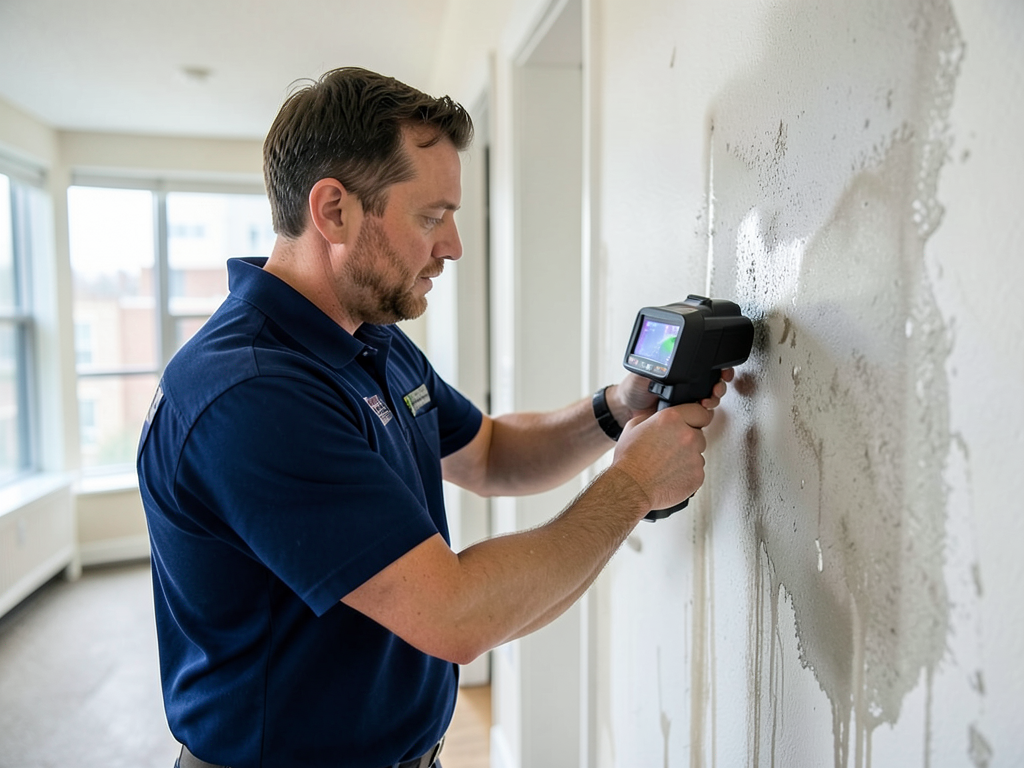
We start with thermal imaging to map moisture intrusion patterns you cannot see. This identifies whether your soggy insulation stems from roof leaks, plumbing failures, or condensation issues. We measure relative humidity levels in your attic or crawlspace using calibrated hygrometers, establishing a baseline for remediation success.

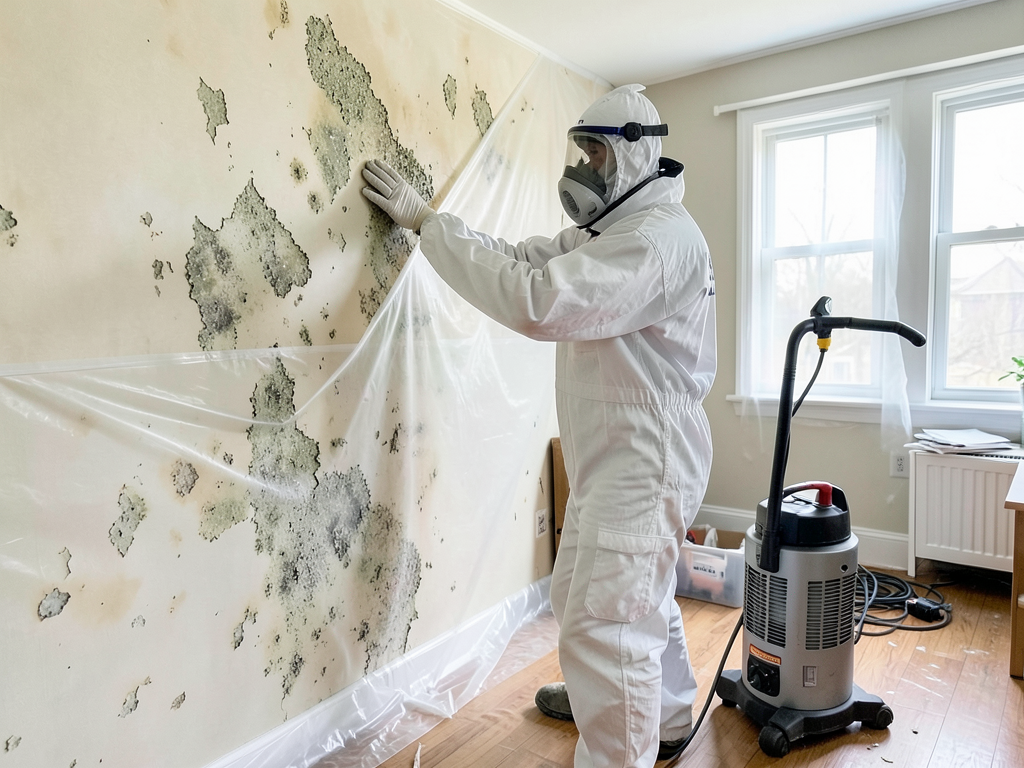
Removal of water damaged insulation requires containment. We seal off affected areas with polyethylene barriers and run negative air machines with HEPA filtration to prevent mold spores from migrating into living spaces. Fiberglass batts are bagged and disposed of according to Connecticut environmental regulations. Cellulose insulation requires vacuum extraction to avoid airborne particulates.

After removal, we address the source. Roof penetrations get sealed with premium flashing. Soffit and ridge vents are evaluated for adequate airflow. In basements, we install vapor barriers over exposed earth and seal foundation cracks with hydraulic cement or polyurethane injection. This prevents future moisture infiltration that leads to damp insulation.

We dry structural cavities using commercial dehumidifiers and air movers, monitoring moisture content in wood framing with pin-type meters. Wood moisture levels must drop below 15% before new insulation is installed. We then apply antimicrobial treatments to framing and sheathing to inhibit mold colonization.

Replacement insulation is selected based on your specific moisture risk. In high-humidity crawlspaces, we install closed-cell spray foam that resists water absorption. Attics receive blown-in fiberglass or cellulose with proper baffling to maintain airflow. We ensure the new installation meets current Connecticut energy code requirements, restoring your thermal envelope and eliminating cold spots.

What Happens When You Call About Soggy Insulation

Soggy Insulation in Hartford – Fast Detection and Professional Removal Before Mold Spreads
01

Moisture Source Investigation

We arrive with thermal cameras and moisture meters to locate the water entry point. You get a diagnostic report showing exactly where moisture entered, how far saturation spread, and which building components are compromised. This prevents guesswork and ensures we fix the cause, not just the symptom. We check roof valleys, plumbing vents, bath fan terminations, and foundation walls based on where your soggy insulation appears.
02

Controlled Insulation Extraction

We contain the work area and extract saturated insulation using HEPA-filtered vacuums or manual bagging, depending on material type. Water damaged insulation gets removed down to bare framing or sheathing. We inspect for hidden mold growth on joists, rafters, and subflooring. Any compromised wood receives treatment or replacement. You see the full scope of damage before restoration begins, with photo documentation for insurance purposes.
03

Structural Drying and Reinstallation

We dry all affected cavities to safe moisture levels, then install new insulation matched to your specific needs. Attics receive proper ventilation baffles and air sealing. Crawlspaces get encapsulation if needed. You receive a final moisture reading report confirming all structural elements are dry and safe. Your energy efficiency returns to normal, cold spots disappear, and the risk of mold recurrence drops to near zero.

Why Hartford Homeowners Trust Local Expertise for Insulation Damage

Hartford's housing stock is unique. The mix of Victorian-era homes in Asylum Hill, mid-century ranches in Blue Hills, and newer construction in Downtown means insulation problems vary wildly by neighborhood. We understand the quirks of balloon-frame construction common in pre-1940 homes, where moisture travels vertically through open wall cavities. We know which Hartford subdivisions used vermiculite insulation that requires specialized handling.

Local building inspectors in Hartford enforce Connecticut's energy code amendments, which differ from national standards. We stay current with these requirements so your replacement insulation passes inspection the first time. Out-of-state contractors often miss these nuances, leading to failed inspections and delayed projects.

We work directly with Hartford-area insurance adjusters who handle water damage claims regularly. They trust our moisture readings and documentation because we follow IICRC S500 standards for water damage restoration. This speeds up your claim approval and reduces out-of-pocket costs. We provide detailed scope-of-work reports that match insurance estimating software, eliminating disputes over coverage.

Our response time matters when you discover soggy insulation. We maintain equipment staging in the Hartford metro area, which means we arrive within hours, not days. Fast response prevents secondary damage. Every day damp insulation sits in your attic or crawlspace, mold colonization accelerates. By the 72-hour mark, remediation costs can double.

Crestline Water Damage Restoration Hartford has removed water damaged insulation from hundreds of local properties. We know which roofers in Hartford do quality flashing work. We know which foundation contractors properly waterproof basements. This network ensures your moisture source gets fixed correctly, not just patched temporarily. You get a complete solution, not a band-aid.

What to Expect When You Schedule Insulation Remediation

Emergency Response and Initial Assessment Timeline

We dispatch a technician within two hours of your call during business hours, and within four hours for after-hours emergencies. The initial assessment takes 45 to 90 minutes, depending on the size of your property and the extent of moisture intrusion. You receive a verbal overview on-site, followed by a written report within 24 hours. This report includes thermal images, moisture readings, and a scope of work. If your insurance requires documentation, we provide it in the format they need. Projects typically begin within 48 to 72 hours of approval.

Comprehensive Moisture and Structural Evaluation

Our assessment goes beyond the obvious wet spots. We use infrared cameras to detect hidden moisture in wall cavities, around chimney chases, and along roof eaves. We probe insulation depth and check for adequate ventilation in attics and crawlspaces. We measure indoor humidity levels and inspect for plumbing leaks, HVAC condensation issues, and exterior drainage problems. You get a full picture of why your insulation became saturated, not just confirmation that it is wet. This diagnostic rigor prevents recurrence and identifies code violations or installation defects from previous contractors.

Complete Restoration and Performance Verification

After removing soaked insulation and drying structural components, we verify wood moisture content is below 15% before reinstalling. New insulation meets or exceeds current Connecticut energy code requirements for R-value in your climate zone. We air-seal penetrations, install ventilation baffles where needed, and ensure proper clearance around recessed lighting. You receive before-and-after photos, final moisture readings, and documentation of materials used. Your home's thermal performance returns to design specifications. You will notice lower energy bills, elimination of cold spots, and improved indoor air quality within the first month.

Post-Remediation Monitoring and Preventive Guidance

We provide a follow-up inspection 30 days after project completion to verify no moisture has returned. You receive maintenance guidance specific to your home's vulnerabilities, including seasonal gutter cleaning schedules, attic ventilation checks, and basement humidity management. If we identified code violations or deferred maintenance during our assessment, we give you a prioritized list of repairs to prevent future water intrusion. While we do not offer formal warranties on insulation performance due to variables outside our control, we stand behind our workmanship and will address any installation defects at no charge.

Frequently Asked Questions

You Have Questions,
We Have Answers

Will wet insulation ever dry out? +

Wet insulation rarely dries properly on its own. Fiberglass and cellulose absorb moisture like a sponge and hold it against framing, creating ideal conditions for rot and mold. Hartford's humid summers make this worse. Even if the surface feels dry, moisture stays trapped inside, degrading R-value and promoting microbial growth. You need professional extraction and airflow to dry structural cavities. If insulation stays wet longer than 48 hours, replacement is usually necessary. Do not wait. Soggy insulation does not perform and creates bigger problems the longer it sits.

Will mold grow in wet insulation? +

Yes. Mold grows in wet insulation within 24 to 48 hours under the right conditions. Cellulose insulation, made from recycled paper, feeds mold directly. Fiberglass does not feed mold, but it traps moisture and dust, which does. Hartford's climate accelerates growth. You might not see visible mold immediately, but spores colonize fast in dark, damp attics or crawlspaces. Once mold starts, it spreads to wood framing and drywall. Wet insulation must be removed quickly and the source fixed to prevent contamination throughout your home.

How to fix wet insulation? +

Stop the water source first. Whether it is a roof leak, burst pipe, or foundation seepage, fix the entry point. Next, remove soaked insulation. It cannot be saved. Wet fiberglass clumps and loses R-value. Wet cellulose turns to mush. Extract standing water, then use air movers and dehumidifiers to dry framing, drywall, and subfloors. Treat affected wood with antimicrobial solution. Finally, install fresh insulation once moisture readings confirm the space is dry. Hartford homes often need vapor barriers addressed during this process to prevent recurrence.

How long does it take for mold to grow on wet insulation? +

Mold can begin growing on wet insulation in as little as 24 hours, especially in Hartford's humid environment. Most mold species colonize within 48 to 72 hours if conditions are right: moisture, warmth, and organic material. Cellulose insulation provides food. Fiberglass traps moisture and dust, which supports growth. You might not see visible mold for a week, but microscopic colonization starts fast. The longer insulation stays wet, the worse contamination becomes. Speed matters. Professionals assess and remove compromised material before mold spreads to structural components.

How long does it take wet insulation to dry an attic? +

Drying time depends on insulation type, water volume, airflow, and humidity. Fiberglass might surface-dry in three to five days with professional equipment, but moisture trapped in framing takes longer. Cellulose holds water longer and often requires removal. Hartford's summer humidity slows natural drying. Without air movers and dehumidifiers, attics stay damp for weeks, promoting mold and rot. Professional water damage teams use moisture meters to confirm dryness before replacing insulation. Do not guess. Incomplete drying guarantees future problems.

Does insulation need to be replaced after water damage? +

Yes, in most cases. Water-damaged insulation loses effectiveness and harbors contaminants. Fiberglass compresses when wet, losing R-value permanently. Cellulose absorbs water and disintegrates. Both trap mold spores, bacteria, and odors you cannot fully remove. If insulation stayed wet longer than 48 hours, replacement is necessary. Hartford homes with older insulation often benefit from upgrading during restoration. Professionals remove compromised material, dry structural cavities, treat framing, and install fresh insulation. Trying to salvage wet insulation costs more long-term through energy loss and health risks.

Why is it hard to sell a house with spray foam insulation? +

Spray foam concerns stem from improper installation, off-gassing issues, and removal difficulty. Buyers fear hidden moisture problems because foam seals cavities completely, trapping leaks inside wall assemblies. Poor application creates voids or over-expansion, damaging framing. Some older formulations released volatile organic compounds. Lenders sometimes flag homes with spray foam due to these risks. In Hartford, where older homes dominate, buyers prefer traditional insulation they can inspect. If selling, provide documentation showing professional installation, proper ventilation, and no moisture history. Transparency reduces buyer hesitation.

What are the symptoms of insulation sickness? +

Insulation sickness happens when contaminated insulation releases airborne irritants. Symptoms include persistent coughing, sore throat, headaches, skin rashes, eye irritation, fatigue, and respiratory issues. Wet or moldy insulation amplifies these effects. Fiberglass particles irritate lungs and skin. Mold spores trigger allergic reactions and asthma. Chemical off-gassing from damaged spray foam causes dizziness and nausea. Hartford's older homes often have deteriorating insulation in attics and crawlspaces. If symptoms worsen at home and improve elsewhere, contaminated insulation might be the cause. Professional testing identifies the source.

What are the 10 warning signs of mold toxicity? +

Mold toxicity warning signs include chronic fatigue, brain fog, difficulty concentrating, memory problems, headaches, sinus congestion, coughing, shortness of breath, skin rashes, joint pain, and mood changes. Wet insulation creates ideal mold conditions. Symptoms worsen over time as exposure continues. Hartford homes with poor attic ventilation or basement moisture amplify risk. Not everyone reacts the same. Children, elderly residents, and people with asthma experience more severe symptoms. If multiple household members feel sick, mold might be the culprit. Testing and professional remediation address the root cause.

What does water damaged insulation look like? +

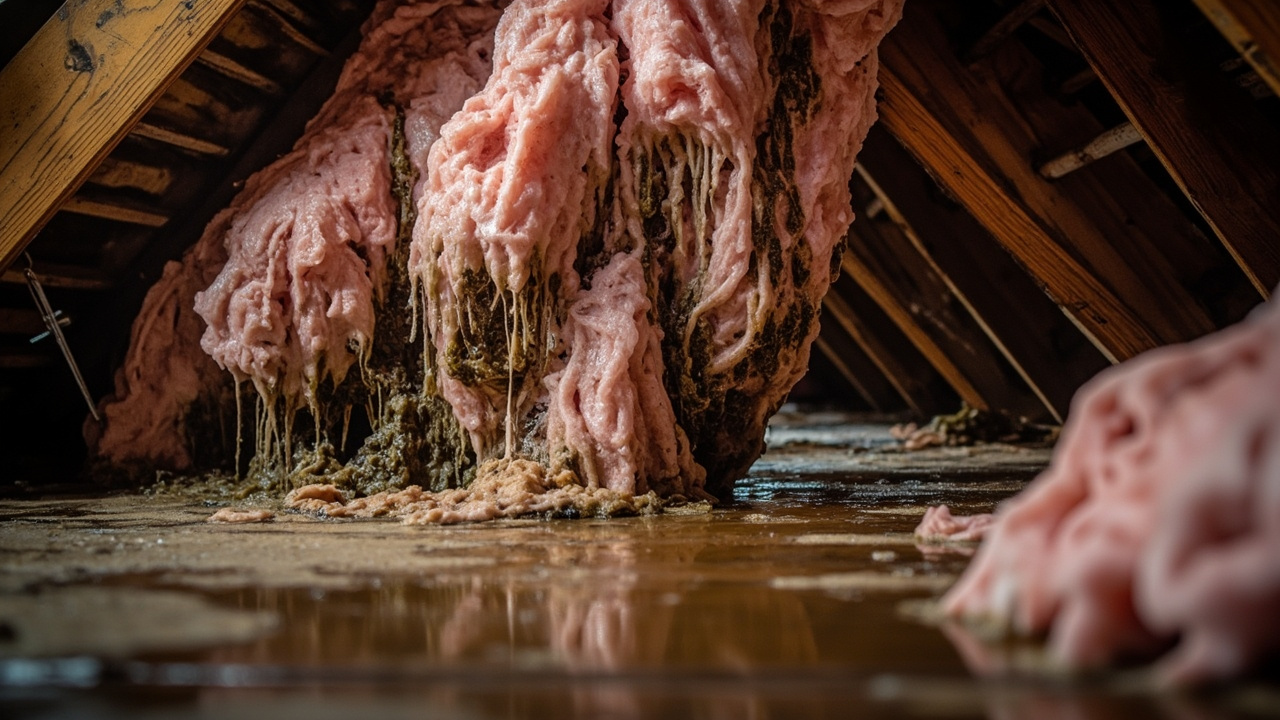
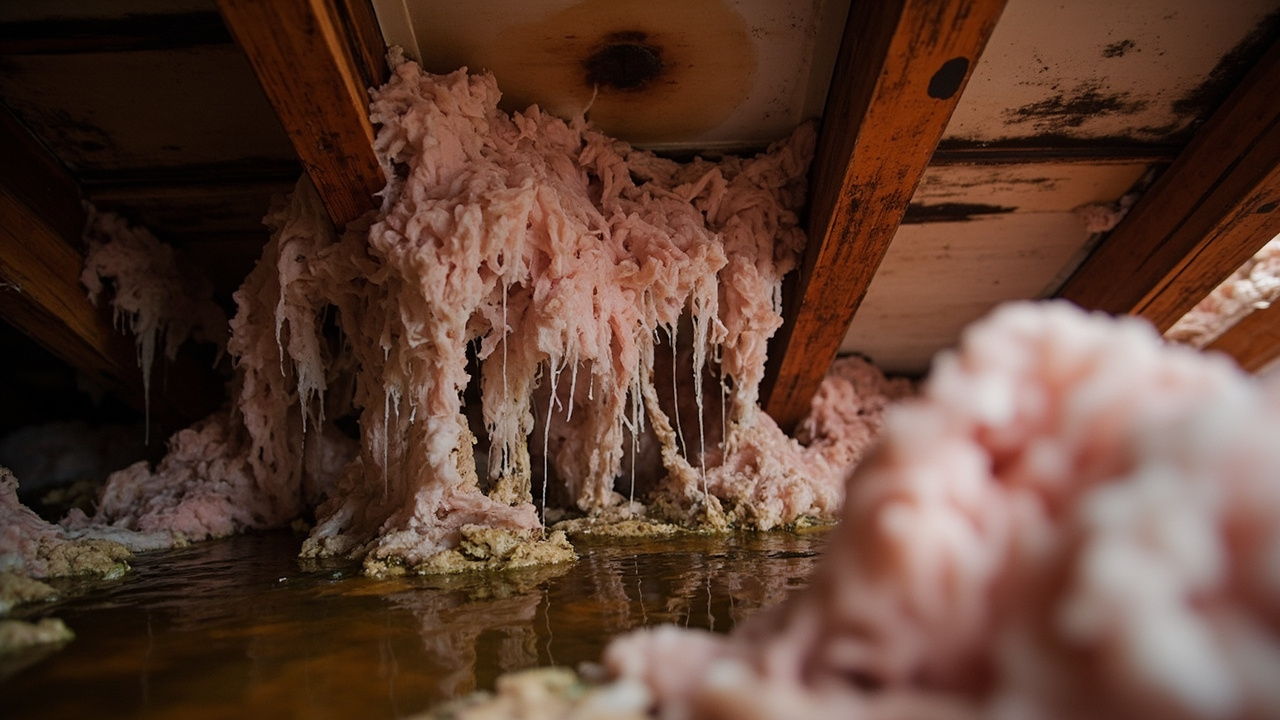
Water-damaged insulation shows visible staining, sagging, clumping, or compression. Fiberglass turns gray or brown and loses its fluffy texture. Cellulose darkens, hardens, or crumbles. You might see mold spots, smell mustiness, or notice rust on nearby nails and framing. Insulation pulls away from joists or falls in chunks. Hartford attics with roof leaks show water trails and discoloration along rafters. If you see any of these signs, do not disturb the material. Call professionals to assess contamination and moisture damage before mold spreads further.

How Hartford's Seasonal Temperature Swings Accelerate Insulation Saturation

Hartford experiences dramatic temperature fluctuations between December and March, with daily highs often above freezing followed by overnight lows in the teens. This freeze-thaw cycle creates ice dams on roofs throughout neighborhoods like Parkville and Frog Hollow. Daytime melting produces water that refreezes at night, forcing moisture under shingles and into attic spaces. Older homes with insufficient attic insulation contribute to the problem by allowing heat loss that melts snow from below. The result is chronic moisture exposure that turns dry fiberglass batts into saturated insulation by mid-winter.

Connecticut's residential building code requires specific vapor barrier installation and ventilation ratios that differ from adjacent states. Many Hartford contractors lack training in proper moisture management for our humid continental climate. Crestline Water Damage Restoration Hartford follows IICRC S500 protocols and Connecticut's amendment to the International Residential Code, ensuring your remediation meets local standards. Our familiarity with Hartford's housing inspector expectations means your project passes final inspection without delays or costly rework that out-of-area contractors often face when they misinterpret local requirements.
Water Damage Restoration Services in The Hartford Area

Crestline Water Damage Restoration Hartford is strategically located to provide rapid and reliable service across the entire Hartford region and its surrounding communities. We invite you to view our service map to confirm that your property falls within our guaranteed service area, ensuring that a professional water damage expert is never far away when you need us most. We pride ourselves on the capability to reach your location quickly, a crucial factor in successful, timely mitigation and restoration.

Address:
Crestline Water Damage Restoration Hartford, 1916 Broad St, Hartford, CT, 06114

Additional Services We Offer

Our news updates

Latest Articles & News from The Blogs

Managing Winter Window Condensation to Prevent Rot in Your Northeast Hartford Victorian Winter condensation on your Northeast Hartford Victorian windows…

Managing Winter Window Condensation to Prevent Rot in Your Northeast Hartford Victorian

Managing Winter Window Condensation to Prevent Rot in Your Northeast Hartford Victorian Winter condensation on your Northeast Hartford Victorian windows…

Why Replacing Your Carpet Padding is Critical After a Leak in Your Bristol Home

Why Replacing Your Carpet Padding is Critical After a Leak in Your Bristol Home \n\n When water seeps into your…

Dealing with Water Damage in Your Mudroom Caused by Tracked-In Snow in West Hartford

Dealing with Water Damage in Your Mudroom Caused by Tracked-In Snow in West Hartford When melting snow from winter boots…

Contact Us

Soggy insulation gets worse by the hour. Call Crestline Water Damage Restoration Hartford at (860) 743-9993 now for same-day assessment and moisture source identification. We document everything for your insurance claim and restore your home's thermal performance fast.