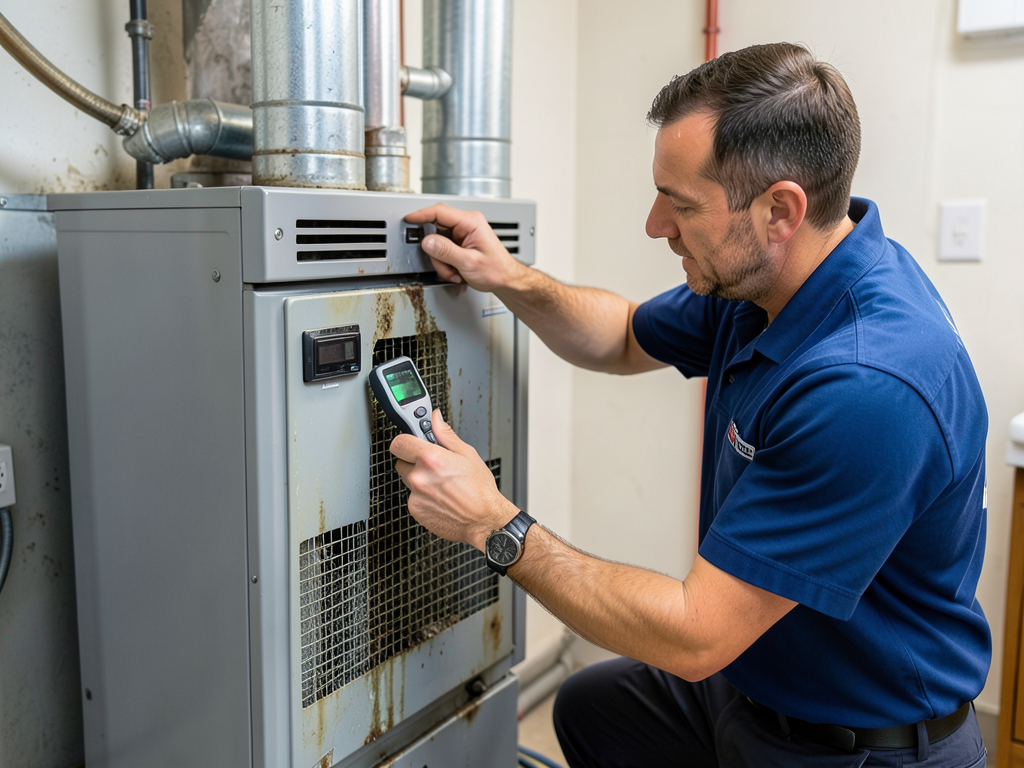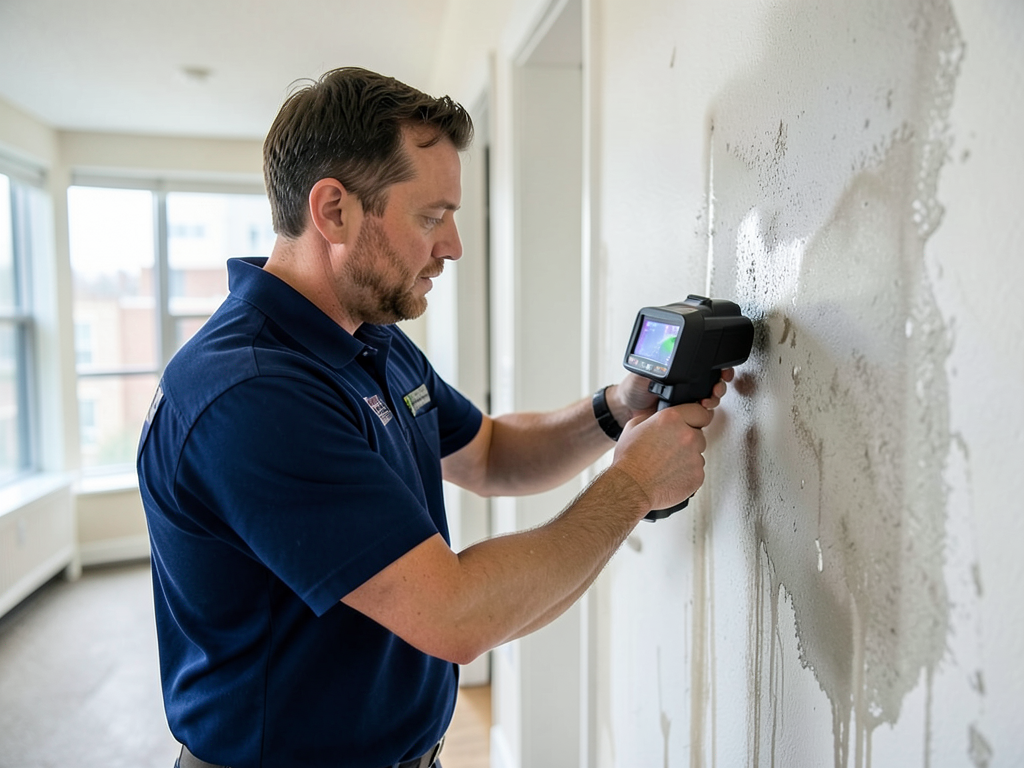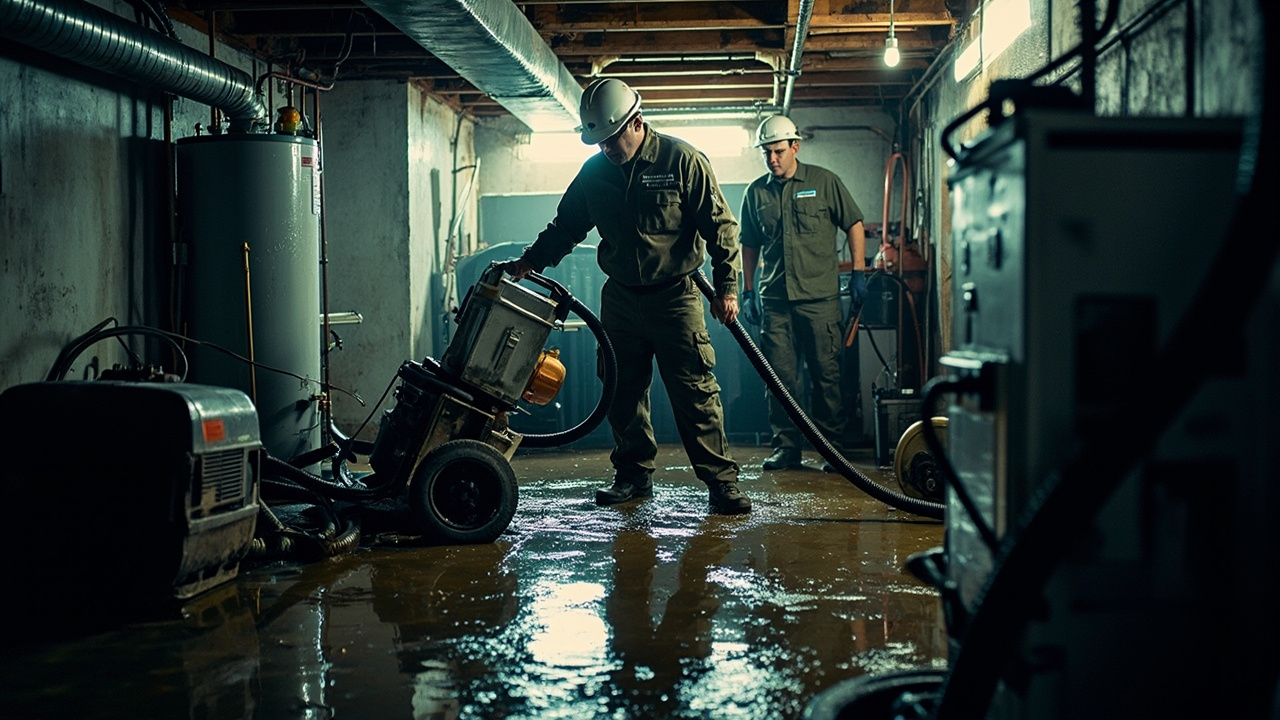
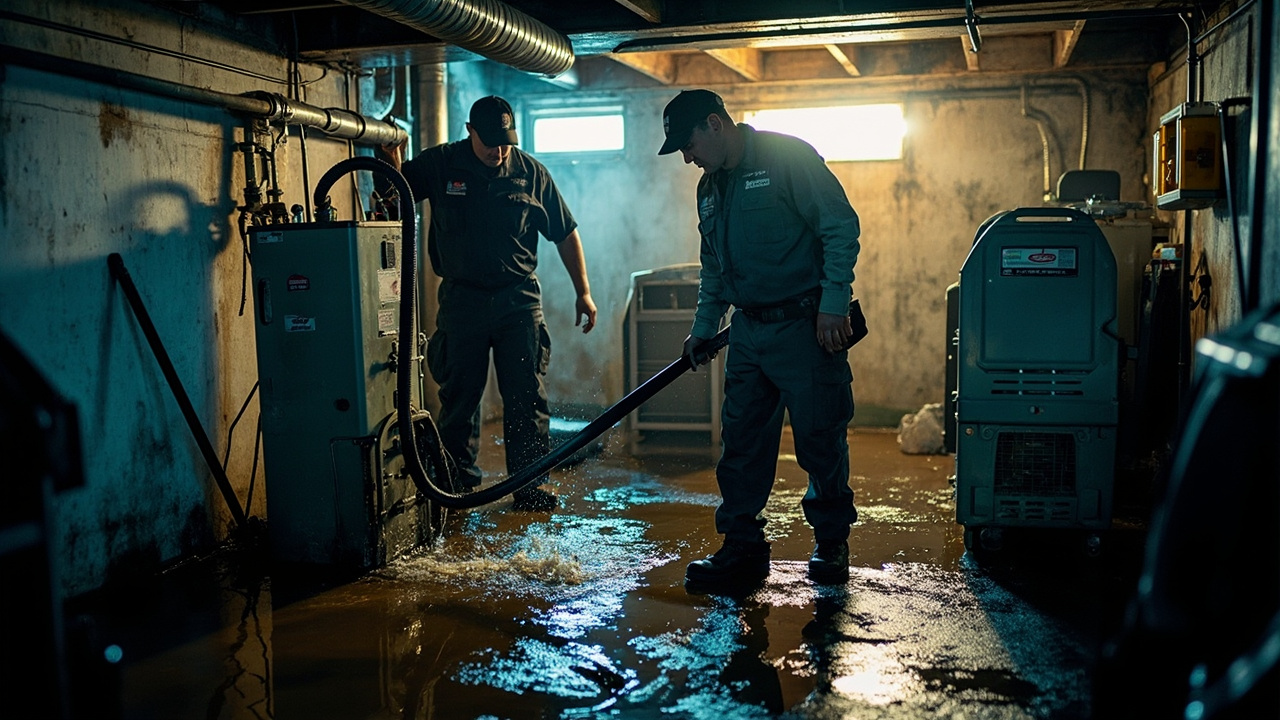

Hartford ranks among Connecticut's oldest cities, with nearly 40% of housing built before 1950. These older homes feature plaster walls, hardwood floors installed directly over joists without subfloor, and limited vapor barriers. When a water heater bursts, water migrates faster and penetrates deeper than in modern construction. Plaster absorbs water like a sponge, often requiring replacement rather than drying. Original hardwood floors cup and buckle when exposed to prolonged moisture. Burst water heater extraction must happen within the first two hours to prevent permanent damage to these irreplaceable materials.
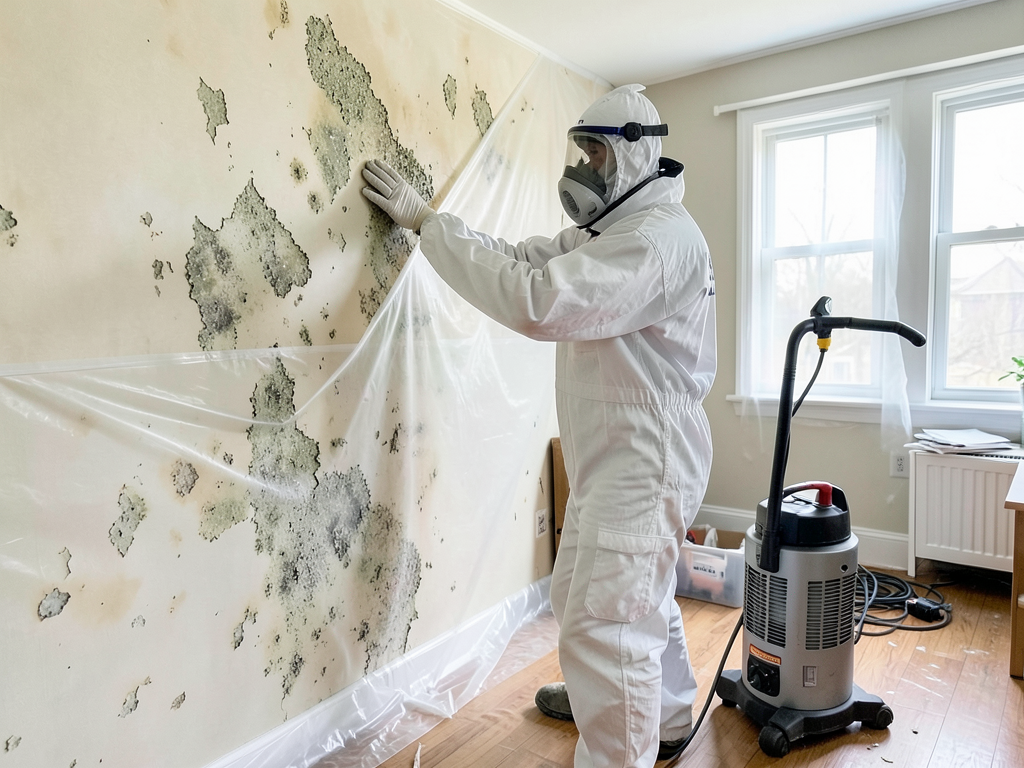
Hartford's position in the Connecticut River Valley creates high humidity conditions from May through September. Outdoor humidity frequently exceeds 70%, which slows natural evaporation and creates ideal conditions for mold growth after water damage. Local restoration companies understand these environmental factors and adjust drying protocols accordingly. We increase dehumidification capacity during humid months and extend monitoring periods to ensure materials reach safe moisture levels despite challenging ambient conditions. This local knowledge prevents the mold problems that plague homeowners who hire restoration companies unfamiliar with Hartford's climate patterns.