menu

Sanitization & Odor Removal in Hartford – Complete Disinfection and Deodorization After Water Damage

Professional antimicrobial treatment and odor control services that eliminate bacteria, mold spores, and persistent smells from your Hartford property after flooding, sewage backups, or contamination events.

Slider Image 1
Slider Image 2
Slider Image 3
Slider Image 4
Slider Image 5
Slider Image 7
Slider Image 8
Slider Image 9
Slider Image 10
Slider Image 11

Why Hartford Water Damage Creates Hidden Health Hazards

Water damage in Hartford creates more than visible destruction. The Connecticut River's proximity to downtown and seasonal flooding in neighborhoods like Frog Hollow and South End introduce Category 2 and Category 3 contamination into basements and ground floors. When floodwater recedes, bacteria, sewage pathogens, and organic matter remain embedded in porous materials.

Hartford's humid summers, with average relative humidity above 70 percent, accelerate microbial growth. Within 48 hours of water intrusion, mold colonies establish in drywall, insulation, and subflooring. You smell the mustiness, but the real threat lives deeper. Aspergillus and Stachybotrys spores become airborne. Bacteria from sewage backups in older neighborhoods with combined sewer systems create biohazard conditions.

Standard water extraction does not address contamination. You need disinfection and deodorization that targets pathogens at the molecular level. Surface cleaning misses what matters. Contaminated air circulates through your HVAC system, spreading spores to unaffected rooms. The odor you detect signals active bacterial colonies releasing volatile organic compounds.

Sanitizing and deodorizing requires antimicrobial treatment of all affected surfaces and air spaces. Hartford properties built before 1950, common in Asylum Hill and West End, have plaster walls and wood lath that absorb contaminated water. These materials hold moisture and bacteria for weeks without proper treatment. Professional odor control services eliminate the source, not just the smell. You need someone who understands how Connecticut construction and climate create specific contamination challenges.

Why Hartford Water Damage Creates Hidden Health Hazards
How Professional Antimicrobial Treatment Eliminates Contamination

How Professional Antimicrobial Treatment Eliminates Contamination

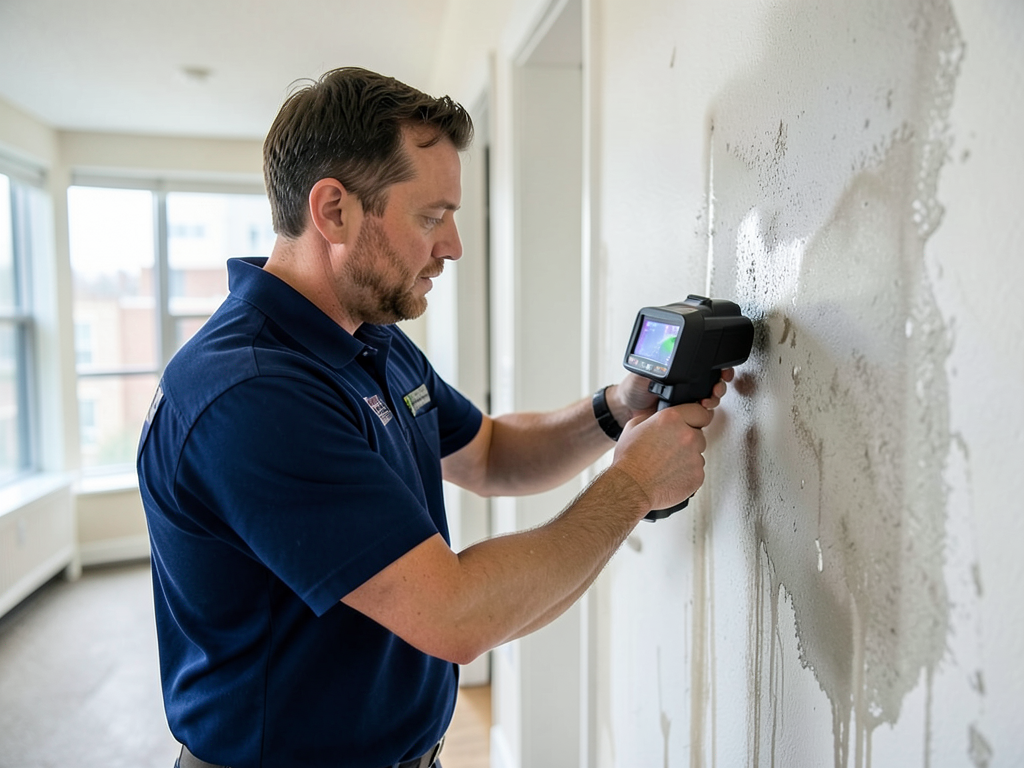
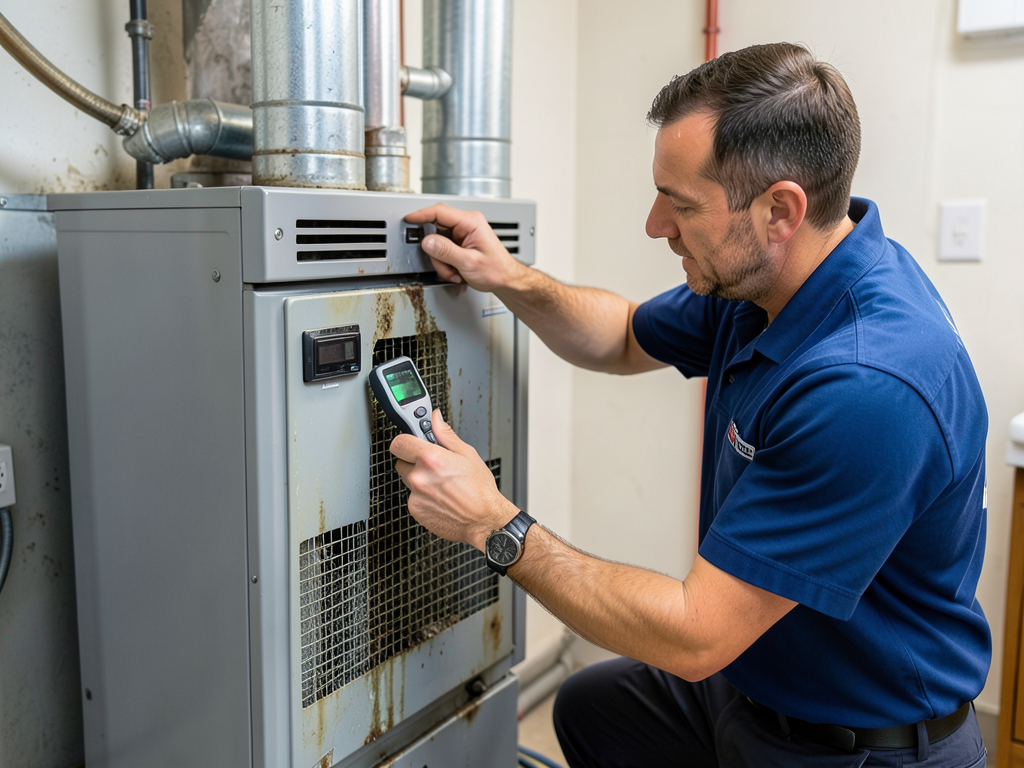
Effective sanitization starts with identifying contamination sources and pathways. We use ATP meters to measure biological load on surfaces. Readings above 300 relative light units indicate active bacterial growth requiring aggressive treatment. Thermal imaging reveals hidden moisture pockets where colonies thrive behind walls and under flooring.

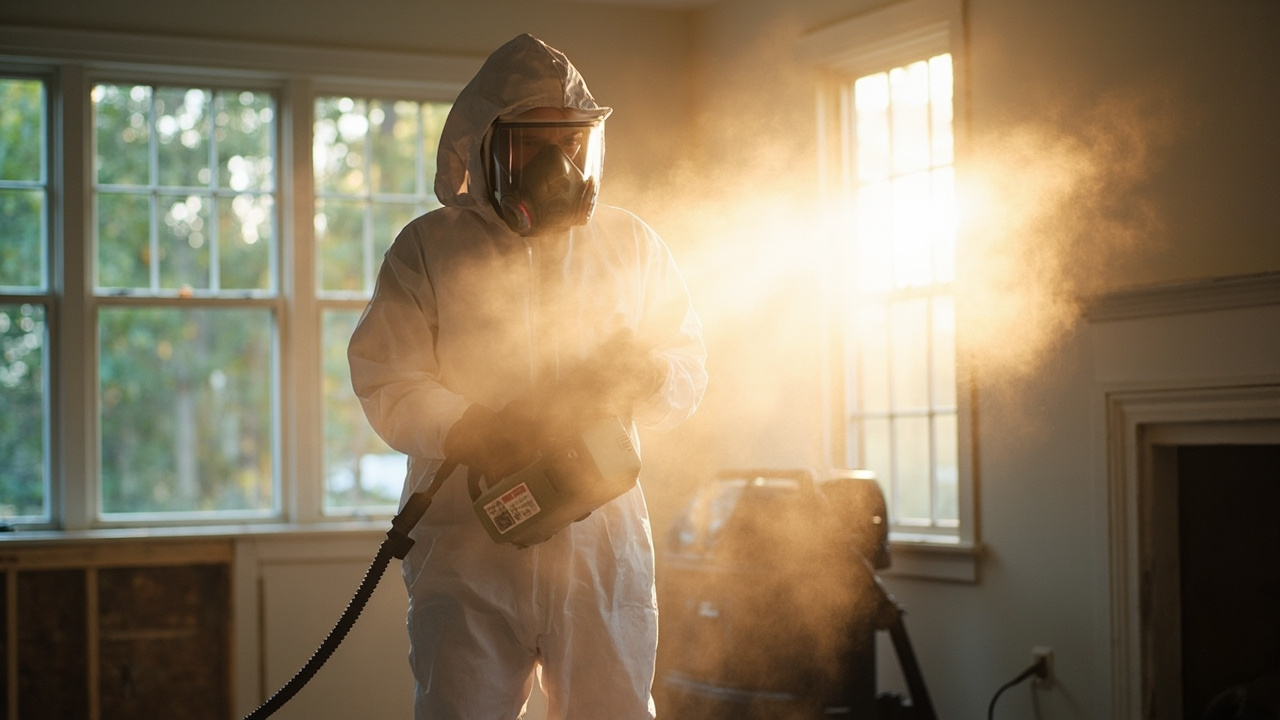
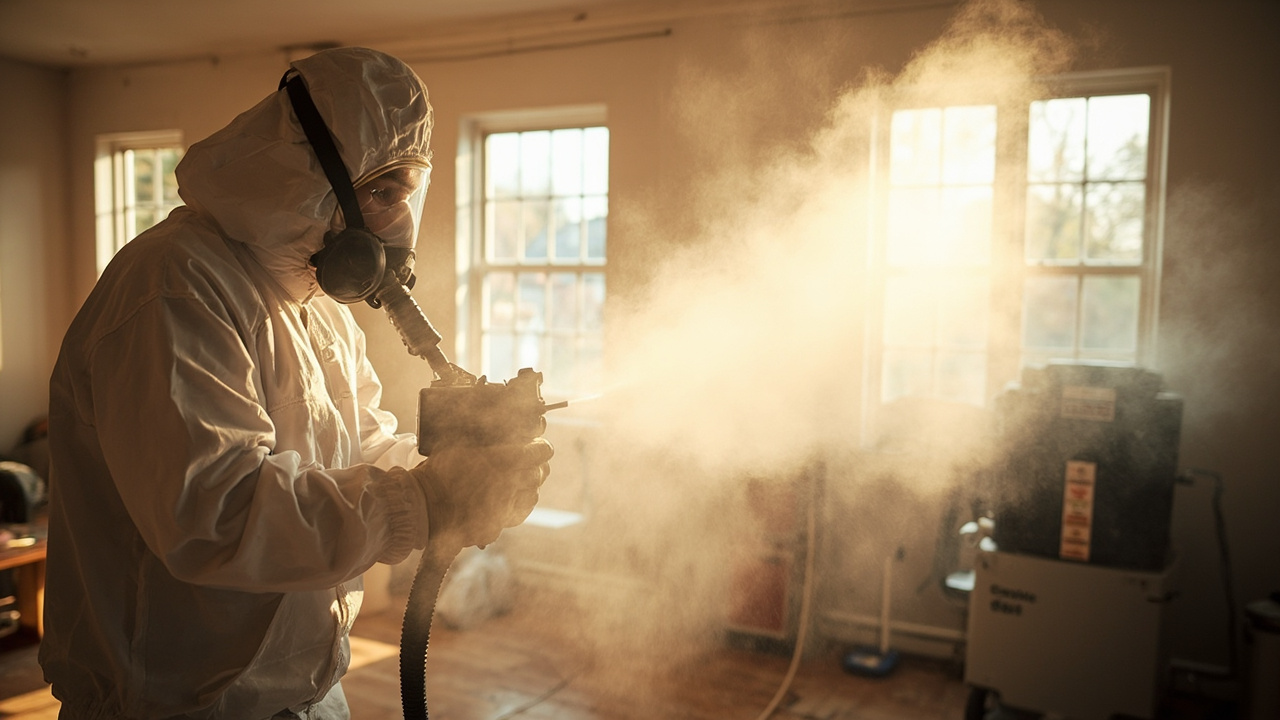
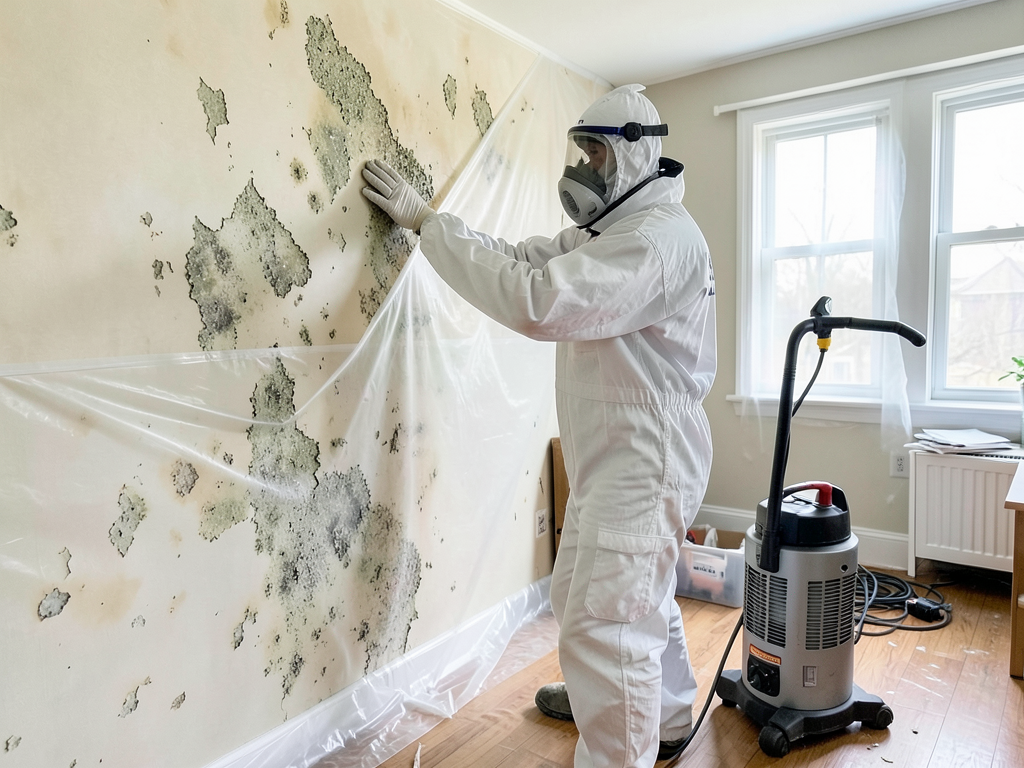
Our antimicrobial application uses EPA-registered quaternary ammonium compounds and hydrogen peroxide solutions. We apply these through electrostatic sprayers that create positively charged particles. The charge makes droplets wrap around surfaces and penetrate porous materials. This reaches bacteria in grout lines, wood grain, and drywall paper that wipe-down methods miss.

For Category 3 contamination from sewage or river flooding, we use hospital-grade disinfectants with proven efficacy against E. coli, Salmonella, and norovirus. Contact time matters. Most antimicrobials require 10 minutes of wet surface time to achieve kill rates above 99.9 percent. We ensure proper dwell time before any removal or rinsing.

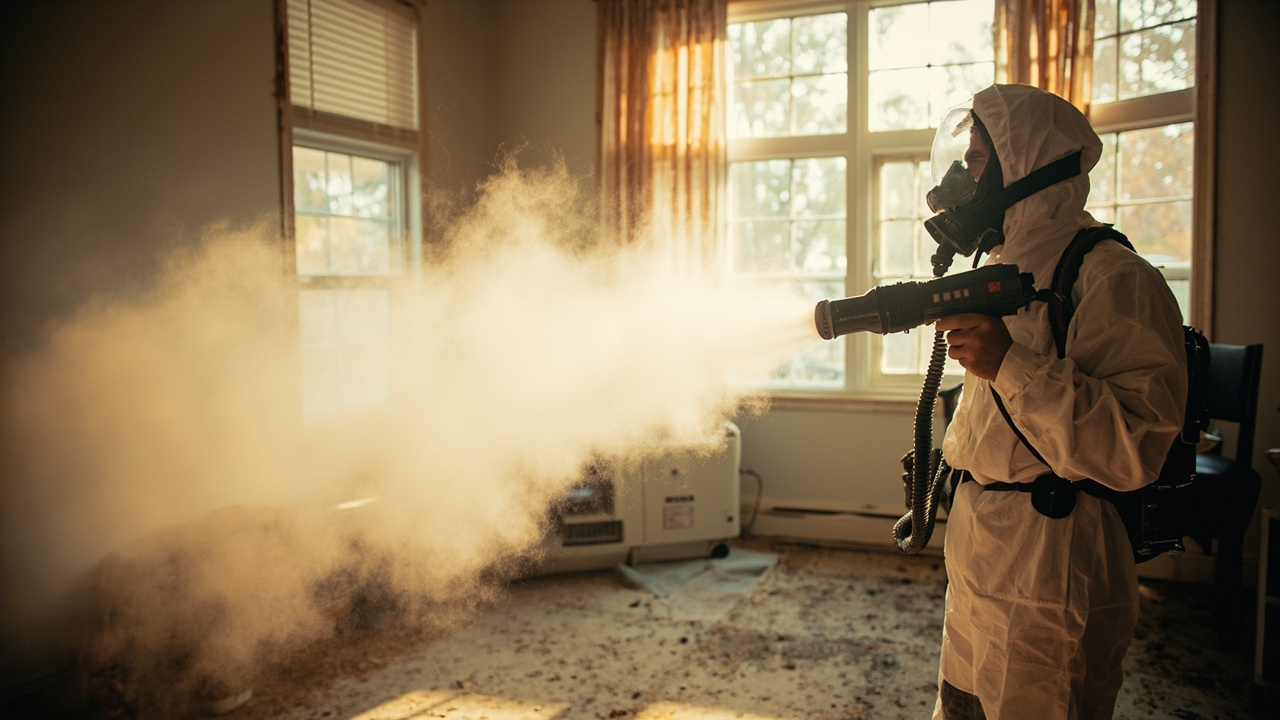
Odor abatement requires destroying the compounds causing the smell. Hydroxyl generators and ozone machines oxidize volatile organic compounds at the molecular level. We seal affected areas and run these systems for 24 to 72 hours depending on contamination severity. Unlike masking agents, oxidation eliminates odor sources permanently.

Air scrubbers with HEPA filters capture airborne spores during treatment. We create negative air pressure to prevent cross-contamination to clean areas. After treatment, we verify results with ATP testing and air quality monitoring. Readings must show bacterial levels consistent with normal indoor environments. Crestline Water Damage Restoration Hartford follows IICRC S500 standards for every sanitization project, ensuring complete pathogen elimination.

What Happens During Your Sanitization Service

Sanitization & Odor Removal in Hartford – Complete Disinfection and Deodorization After Water Damage
01

Contamination Assessment and Mapping

We test all water-affected areas using ATP meters and moisture sensors to identify bacterial contamination levels and hidden moisture pockets. Thermal imaging reveals where water traveled through wall cavities and subflooring. This mapping determines which antimicrobial protocols we need and which materials require removal versus treatment. We document contamination levels with baseline readings for post-treatment verification.
02

Antimicrobial Application and Treatment

We apply EPA-registered disinfectants using electrostatic sprayers that coat all surfaces, including hard-to-reach areas behind fixtures and inside wall cavities. Hospital-grade antimicrobials remain wet on surfaces for required contact time to kill bacteria, viruses, and mold spores. Hydroxyl generators or ozone machines run in sealed spaces to oxidize odor-causing compounds. Air scrubbers with HEPA filtration remove airborne contaminants during treatment.
03

Verification and Air Quality Testing

We conduct post-treatment ATP testing to verify bacterial levels match normal indoor environments. Air quality monitoring confirms spore counts fall within acceptable ranges. We provide documentation showing before and after contamination readings. Your property receives a detailed sanitization report listing all treated areas, products used, and verified results. This documentation helps with insurance claims and provides proof of professional remediation.

Why Hartford Properties Need Local Contamination Expertise

Hartford's specific water contamination risks require local knowledge. Properties near the Connecticut River face flood contamination containing agricultural runoff and industrial pollutants. The combined sewer system in older neighborhoods means sewage backups during heavy rain events. We understand which Hartford areas face elevated contamination risk and adjust our protocols accordingly.

Buildings constructed before 1978 in neighborhoods like Barry Square and Behind the Rocks contain lead paint and asbestos. Improper sanitization methods can disturb these materials and create additional hazards. We follow Connecticut Department of Public Health guidelines for work in older structures, ensuring contamination treatment does not introduce new risks.

Local building codes affect how we approach sanitization in multi-family properties common throughout Hartford. Work in buildings with three or more units requires coordination with the Department of Licenses and Inspections. We know the permitting requirements and documentation standards Hartford officials expect. This prevents project delays and ensures code compliance.

Our familiarity with Hartford's architecture matters during odor removal. Triple-deckers and converted brownstones have interconnected HVAC systems and shared wall cavities where odors migrate between units. We identify these pathways and seal them during treatment. Properties with forced hot water heating systems require different air treatment approaches than forced air systems.

We work with Hartford's major insurance carriers and understand their documentation requirements for contamination claims. Proper antimicrobial treatment reports include specific details insurers need for biohazard remediation approval. Crestline Water Damage Restoration Hartford provides the technical documentation and photographic evidence that satisfies adjusters and protects your claim.

You need someone who responds immediately when contamination occurs. We serve all Hartford neighborhoods within 60 minutes of your call, preventing bacterial growth from advancing to dangerous levels.

What to Expect From Professional Odor Control Services

Rapid Response and Same-Day Treatment

Contamination worsens every hour. Bacterial colonies double in population every 20 minutes under ideal conditions. We arrive at Hartford properties within 60 minutes and begin assessment immediately. Most sanitization treatments start the same day as your call. Emergency situations involving sewage or Category 3 water receive priority scheduling. Our teams work evenings and weekends to prevent contamination from spreading. You get antimicrobial treatment when it matters most, not when it fits a standard schedule. Early intervention reduces treatment time and limits the affected area.

Comprehensive Contamination Testing

We test every affected surface and air space before treatment begins. ATP testing measures bacterial load on floors, walls, and contents. Moisture meters identify hidden water supporting microbial growth. Air quality samples establish baseline spore counts. This assessment determines which antimicrobial protocols we need and whether materials require removal. You receive a detailed contamination map showing exactly where problems exist. Testing continues during treatment to verify kill rates. Final verification ensures bacterial and mold levels match normal indoor environments before we complete the project.

Complete Odor Source Elimination

We eliminate odors by destroying the bacteria and organic compounds causing them. Masking agents and air fresheners hide smells temporarily. Oxidation breaks down odor molecules permanently. Hydroxyl generators run for 24 to 72 hours in sealed spaces, oxidizing volatile organic compounds at the molecular level. We treat air ducts, wall cavities, and subflooring where odors hide. The result is neutral-smelling indoor air, not perfumed or chemically treated air. You smell nothing because nothing remains to smell. Post-treatment air quality testing confirms all odor compounds measure below detection thresholds.

Documentation and Verification Reports

You receive comprehensive documentation of all sanitization work. Reports include before and after ATP readings, air quality test results, and photographs of treated areas. We list every antimicrobial product used with EPA registration numbers and safety data sheets. This documentation satisfies insurance requirements for contamination claims. Hartford landlords need this paperwork to demonstrate habitability compliance after water damage. We provide certificates of sanitization that show your property meets IICRC S500 standards. Keep these records for future property transactions or tenant documentation. Professional verification protects you from liability claims related to contamination.

Frequently Asked Questions

You Have Questions,
We Have Answers

What is the strongest odor eliminator? +

Hydroxyl generators and ozone machines eliminate odors at the molecular level. Hydroxyl technology breaks down odor molecules safely in occupied spaces, making it ideal for homes and businesses in Hartford. Ozone works faster but requires evacuation during treatment. For persistent biological odors like smoke, sewage, or decomposition, thermal fogging penetrates porous materials where smells hide. Enzyme cleaners work well for organic odors but lack the power for severe contamination. Professional restoration companies combine multiple technologies based on odor source and severity. DIY sprays and charcoal bags mask smells temporarily but fail to eliminate the source molecules causing the problem.

What do nursing homes use to get rid of urine smell? +

Nursing homes use enzyme-based cleaners that break down uric acid crystals causing persistent ammonia odors. Professional facilities also apply encapsulant products that seal subfloors and porous surfaces where urine penetrates. Hydroxyl generators run continuously to oxidize airborne odor molecules without disrupting residents. For Hartford nursing homes dealing with humid summers that intensify smells, commercial-grade air scrubbers with activated carbon filters capture odor particles. The key is addressing contamination in subflooring and mattresses, not just surface cleaning. Facilities often replace padding and seal concrete with vapor barriers to prevent recurring odors from deep saturation.

What do morticians use to block smells? +

Morticians use formaldehyde-based embalming fluids to preserve tissue and control decomposition odors. For ambient air, they deploy commercial ozone generators in unoccupied spaces and apply vapor-phase deodorizers that neutralize odor molecules. Mortuary rooms use negative air pressure systems with HEPA and activated carbon filtration to prevent smells from spreading. Surface disinfectants containing quaternary ammonium compounds eliminate bacteria causing odors. For personal protection, mentholated ointment under the nose blocks olfactory receptors. These industrial methods differ from residential odor removal, which prioritizes safe, occupant-friendly technologies like hydroxyls and enzyme treatments for Hartford homes.

How much does odor removal cost? +

Odor removal costs in Hartford range from $500 for minor smoke odor to $5,000 for severe biological contamination requiring subfloor treatment. Factors include odor source, square footage, material penetration depth, and required technology. Cigarette smoke in a single room costs less than sewage backup affecting multiple levels. Hydroxyl treatment runs cheaper than ozone because it allows occupancy during treatment. Insurance often covers odor removal from water damage, fire, or sewage if filed promptly. Get written estimates detailing equipment, labor, and disposal costs. Beware of low bids that skip proper source remediation, leading to recurring smells.

What kills all smells? +

No single product kills all smells because odors have different molecular structures. Hydroxyl radicals oxidize most organic odors, including smoke, mold, and decomposition. Ozone breaks down chemical odors but requires professional application. Enzyme cleaners digest biological matter like urine and vomit. Activated carbon absorbs volatile organic compounds. For comprehensive odor elimination in Hartford properties, professionals use staged approaches. First, remove contaminated materials like padding and drywall. Second, apply enzyme or antimicrobial treatments to remaining surfaces. Third, run hydroxyl generators or ozone to oxidize airborne molecules. Fourth, seal surfaces with encapsulants. Source removal always precedes air treatment.

What do realtors use to make a house smell good? +

Realtors use diffusers with neutral scents like vanilla or citrus to create pleasant first impressions. Baked goods or fresh coffee brewing during showings trigger positive associations. However, strong fragrances alert buyers to hidden odors. Smart realtors address source issues first. For Hartford homes with basement mustiness from humidity, they run dehumidifiers and apply antimicrobial treatments before listing. Professional staging companies use hydroxyl generators to eliminate cooking, pet, or smoke odors without masking chemicals. Clean HVAC ducts and replace filters to prevent stale air circulation. Fresh paint and new carpet padding remove absorbed odors permanently.

What is the old lady's smell called? +

The elderly smell is called nonenal. After age 40, skin produces 2-nonenal, a compound with a greasy, grassy odor that intensifies with age. It results from oxidizing omega-7 unsaturated fatty acids in skin oils. Unlike body odor from sweat, nonenal does not wash away easily. It saturates fabrics, upholstery, and carpet in Hartford homes where elderly residents live. Regular laundering with enzyme detergents helps. Hydroxyl generators oxidize nonenal molecules in air and soft materials. Improving ventilation reduces concentration. The smell intensifies in closed spaces with poor airflow, common in older Hartford homes lacking modern HVAC systems.

How do professionals remove pee smell? +

Professionals extract urine from carpet and padding using truck-mounted equipment, then apply enzyme treatments that digest uric acid crystals. For subflooring penetration common in Hartford's older homes, they remove contaminated materials and seal concrete or wood with shellac-based primers. Hydroxyl generators oxidize remaining airborne ammonia molecules. Black lights identify hidden contamination patterns. Pet urine requires different enzymes than human urine because of protein structure differences. Professionals test moisture levels in underlayment and joists to determine removal scope. Simple surface cleaning fails because urine wicks deep into porous materials, causing recurring smells when humidity rises.

What do nurses use to block bad smells? +

Nurses apply mentholated ointment under their nostrils to block olfactory receptors from detecting foul smells. Vapor rub products containing camphor, menthol, and eucalyptus oil create sensory override. Some use peppermint or lavender oil on surgical masks. These methods provide temporary personal relief but do not eliminate odors. In clinical settings, facilities use negative air pressure, frequent air exchanges, and activated carbon filtration. For Hartford home caregivers dealing with incontinence or wound care odors, combining personal blocking agents with room-level hydroxyl generators and enzyme cleaners offers comprehensive management. Surface disinfectants containing hydrogen peroxide reduce bacterial odor sources.

How to get rid of old person smell on body? +

Reduce nonenal odor by showering with antibacterial soap containing persimmon extract or green tea, which neutralize 2-nonenal compounds. Exfoliate dead skin cells where oils accumulate. Wash clothing and bedding frequently with enzyme detergents. Increase antioxidant intake through vegetables to reduce lipid oxidation in skin. Stay hydrated to dilute sebum concentration. Apply body powders with baking soda to absorb oils. For Hartford residents, humid summers worsen body odor, so air-conditioned environments and moisture-wicking fabrics help. Regular laundering of coats and outerwear prevents nonenal buildup in fabrics. Nonenal is natural and unavoidable but manageable with consistent hygiene.

How Hartford's Combined Sewer System Increases Contamination Risk

Hartford's aging combined sewer system serves approximately 80 percent of the city, mixing stormwater runoff with sewage in the same pipes. Heavy rain events overwhelm system capacity, causing sewage backups into basements throughout downtown, Frog Hollow, and South End neighborhoods. These backups introduce Category 3 contamination containing human waste, bacteria, and pathogens requiring aggressive antimicrobial treatment. The Connecticut River's flood history compounds this risk. Properties in the 100-year floodplain face contamination from both river flooding and sewer backups simultaneously. Professional disinfection and deodorization becomes critical when Hartford's infrastructure allows contaminated water into your property.

Hartford properties need sanitization providers who understand Connecticut Department of Public Health requirements for contamination remediation. Work involving biohazards requires specific protocols and documentation. Our familiarity with local health codes ensures your sanitization meets regulatory standards. We coordinate with Hartford's Department of Licenses and Inspections when work affects multi-family properties or commercial buildings. This local expertise prevents compliance issues that delay occupancy or create liability exposure. Insurance carriers serving Hartford expect specific antimicrobial treatment documentation. We provide the technical reports and verification testing that satisfy local adjusters and protect your claim.
Water Damage Restoration Services in The Hartford Area

Crestline Water Damage Restoration Hartford is strategically located to provide rapid and reliable service across the entire Hartford region and its surrounding communities. We invite you to view our service map to confirm that your property falls within our guaranteed service area, ensuring that a professional water damage expert is never far away when you need us most. We pride ourselves on the capability to reach your location quickly, a crucial factor in successful, timely mitigation and restoration.

Address:
Crestline Water Damage Restoration Hartford, 1916 Broad St, Hartford, CT, 06114

Additional Services We Offer

Our news updates

Latest Articles & News from The Blogs

Managing Winter Window Condensation to Prevent Rot in Your Northeast Hartford Victorian Winter condensation on your Northeast Hartford Victorian windows…

Managing Winter Window Condensation to Prevent Rot in Your Northeast Hartford Victorian

Managing Winter Window Condensation to Prevent Rot in Your Northeast Hartford Victorian Winter condensation on your Northeast Hartford Victorian windows…

Why Replacing Your Carpet Padding is Critical After a Leak in Your Bristol Home

Why Replacing Your Carpet Padding is Critical After a Leak in Your Bristol Home \n\n When water seeps into your…

Dealing with Water Damage in Your Mudroom Caused by Tracked-In Snow in West Hartford

Dealing with Water Damage in Your Mudroom Caused by Tracked-In Snow in West Hartford When melting snow from winter boots…

Contact Us

Contamination worsens every hour you wait. Call Crestline Water Damage Restoration Hartford at (860) 743-9993 for same-day antimicrobial treatment. We serve all Hartford neighborhoods with 60-minute response times. Get your property safe and odor-free now.