menu

Condensation on Windows & Walls in Hartford – Expert Diagnosis and Permanent Moisture Solutions

Stop interior glass condensation and damp drywall patches before they cause mold, rot, and structural damage with professional moisture testing and ventilation solutions designed for Hartford's humid continental climate.

Slider Image 1
Slider Image 2
Slider Image 3
Slider Image 4
Slider Image 5
Slider Image 7
Slider Image 8
Slider Image 9
Slider Image 10
Slider Image 11

Why Hartford Homes Battle Window Sweating and Wall Moisture Year-Round

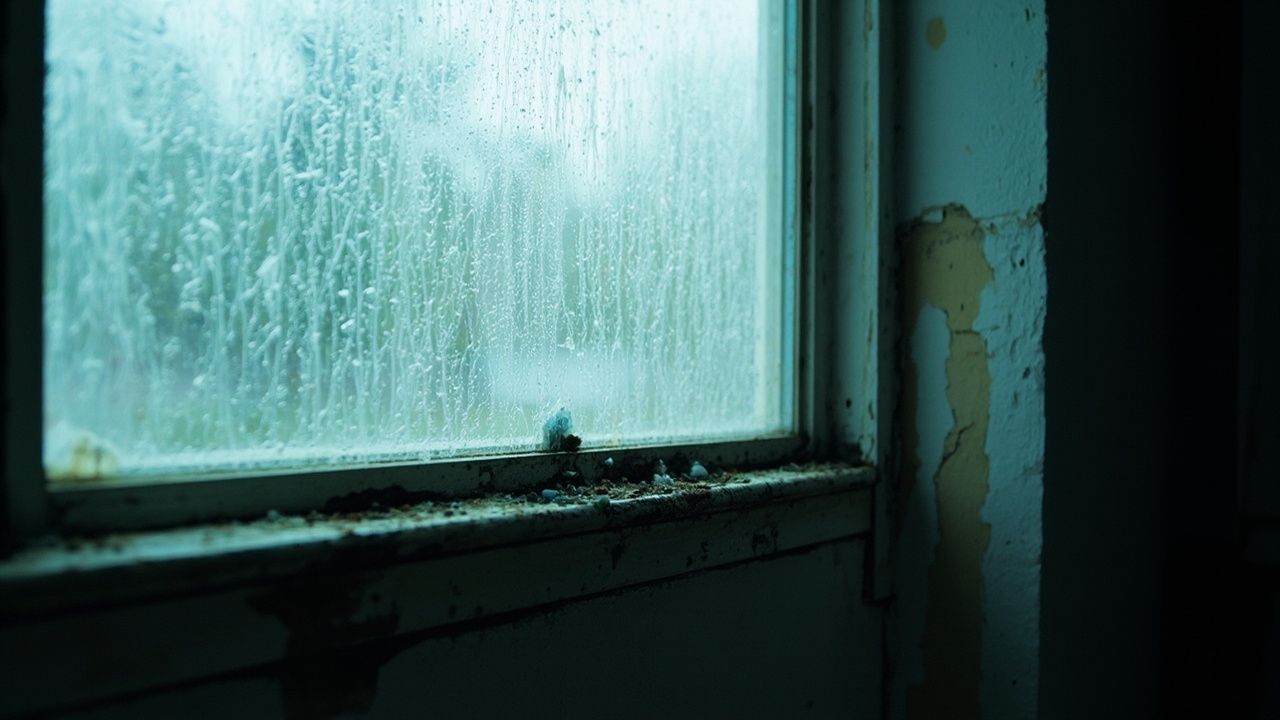
You notice weeping window panes every morning. Dark patches spread across your drywall. The air feels heavy, and a musty smell lingers in corners. This is not normal wear and tear. Hartford's humid continental climate creates perfect conditions for interior condensation problems that most homeowners misdiagnose as minor annoyances.

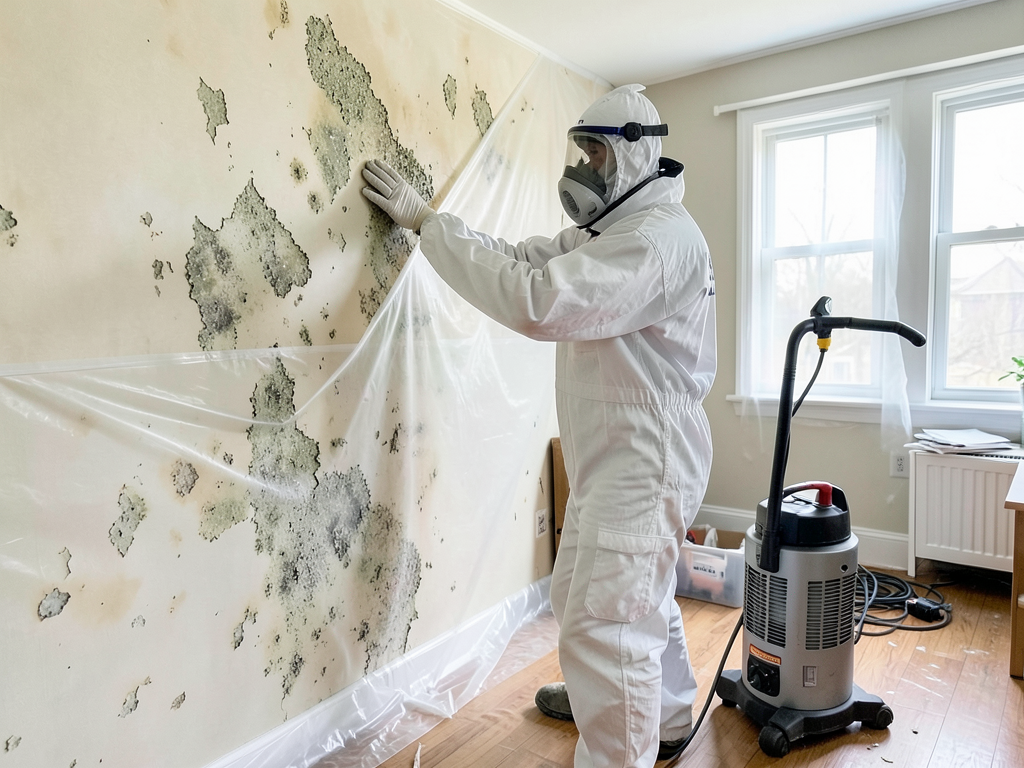
The Connecticut River Valley traps moisture, especially during spring thaw and summer humidity spikes. When warm, humid air contacts cold window glass or exterior walls, water droplets form. This is basic physics, but the consequences are serious. Moisture buildup on walls feeds mold growth within 24 to 48 hours. Window sweating rots wooden frames and sills. Damp drywall patches weaken structural integrity and destroy insulation value.

Many Hartford homeowners blame their windows or assume they need new siding. The real culprit is usually inadequate ventilation, failing vapor barriers, or thermal bridging in older homes built before modern building science. Historic districts like Asylum Hill and Frog Hollow feature beautiful Victorian and Colonial architecture, but these homes were never designed to manage modern indoor humidity levels from cooking, bathing, and HVAC systems.

Interior glass condensation signals a moisture imbalance. When you see it consistently, you are watching the early stages of water damage. The moisture saturates porous materials. Paint bubbles. Wallpaper peels. Wood swells and warps. Left unchecked, this creates conditions for black mold, wood rot, and compromised indoor air quality that affects respiratory health.

The problem accelerates in winter when Hartford temperatures drop below freezing. The temperature differential between indoor air and exterior surfaces intensifies. You are not imagining it getting worse each year. The damage is compounding.

Why Hartford Homes Battle Window Sweating and Wall Moisture Year-Round
How We Identify and Eliminate Condensation Sources Permanently

How We Identify and Eliminate Condensation Sources Permanently

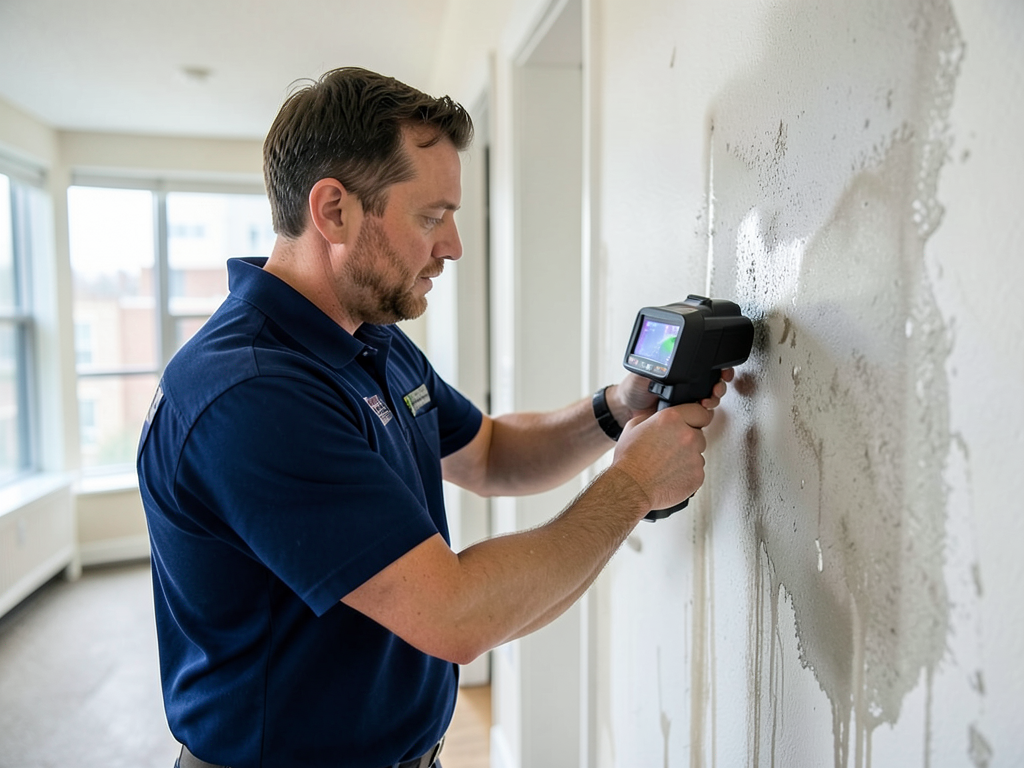
Crestline Water Damage Restoration Hartford does not guess. We measure. Our technicians use thermal imaging cameras to map surface temperatures across your walls and windows. Cold spots reveal thermal bridges where insulation fails. Hot spots indicate air leakage paths. This diagnostic approach identifies the root cause, not just the visible symptom.

We deploy calibrated hygrometers to measure relative humidity levels in each room. Healthy indoor humidity ranges between 30 and 50 percent. When readings exceed 60 percent, condensation becomes inevitable on any surface below the dew point. We measure dewpoint temperatures and compare them against actual surface temperatures on your windows and exterior walls. The data tells us exactly where and why moisture forms.

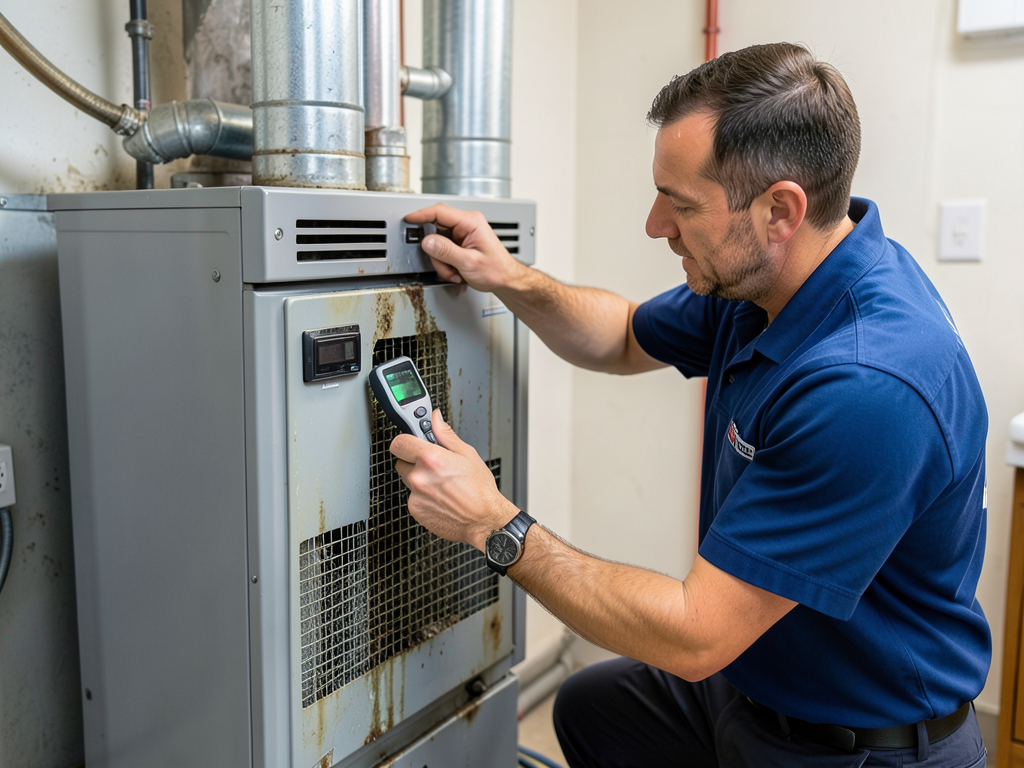
Moisture meters probe your drywall and framing to detect hidden saturation. Surface condensation you can see is one issue. Interstitial condensation trapped inside wall cavities is worse. We check for failed vapor barriers, missing insulation, and air infiltration routes that allow humid indoor air to contact cold sheathing. This type of hidden moisture causes structural rot you will not discover until major damage occurs.

Our assessment includes ventilation analysis. We calculate air exchange rates and identify negative pressure zones where bathroom exhaust fans, kitchen hoods, or dryer vents create imbalances. Poor ventilation traps humid air indoors. Balanced ventilation removes moisture at the source before it condenses on cold surfaces.

Once we identify the causes, we implement targeted solutions. This might include improving attic ventilation to reduce thermal bridging, sealing air leaks around window frames, upgrading vapor barriers in crawl spaces, or installing ERV systems to manage indoor humidity without losing heat. We fix the physics problem creating the condensation, which stops the damage permanently.

What Happens During a Professional Moisture Assessment

Condensation on Windows & Walls in Hartford – Expert Diagnosis and Permanent Moisture Solutions
01

Initial Diagnostic Inspection

We begin with a complete visual inspection of affected areas, documenting every location where you see window sweating, wall moisture, or damp patches. Our technicians photograph conditions, measure ambient temperature and humidity, and interview you about when condensation appears most frequently. This establishes baseline conditions and identifies patterns that point toward specific failure modes in your building envelope or mechanical systems.
02

Advanced Moisture Mapping

Using thermal imaging and moisture meters, we create a detailed map showing temperature gradients and moisture concentrations throughout your home. We check wall cavities, window assemblies, attic spaces, and crawl spaces. This reveals hidden problems like missing insulation, air leakage paths, and failed vapor barriers that contribute to condensation. We also test ventilation system performance to measure actual air exchange rates versus code requirements for your square footage.
03

Solution Design and Implementation

You receive a written report explaining exactly why condensation forms in your home and what fixes will eliminate it. We prioritize solutions by impact and cost effectiveness. Most Hartford homes need a combination of air sealing, ventilation improvement, and insulation upgrades. We handle the remediation work ourselves or coordinate with specialized contractors for HVAC modifications. Post-remediation monitoring confirms humidity levels stabilize and condensation stops forming on your windows and walls.

Why Hartford Homeowners Trust Crestline for Moisture Problems

Condensation issues in Hartford require understanding how this city's specific climate interacts with local building types. We work in Asylum Hill Victorians, West End colonials, and newer construction in Blue Hills every week. Each architectural style presents different condensation vulnerabilities.

Victorian homes built in the 1890s lack vapor barriers entirely. Their balloon framing creates uncontrolled air pathways from basement to attic. Ornate woodwork around windows acts as thermal bridges, pulling heat out of your home and creating cold surfaces where moisture condenses. Colonial Revival homes from the 1920s and 1930s often have insufficient attic insulation and no soffit venting, trapping humid air against roof decking where it condenses and drips back down into wall cavities.

We understand Hartford's freeze-thaw cycles complicate moisture management. When exterior temperatures swing from 15 degrees at night to 35 degrees during the day, your building envelope expands and contracts. This movement cracks caulking, opens gaps in siding, and compromises air sealing. Moisture infiltration paths that were minor in October become major problems by February.

Our familiarity with local building practices matters. Hartford enforces Connecticut's residential building code, which has specific requirements for vapor barriers, ventilation rates, and insulation R-values based on our climate zone. We know what code compliance looks like. We also know that older homes were built to different standards. When we recommend upgrades, they meet current code and actually solve your problem, rather than applying generic fixes that fail in Hartford's specific conditions.

We have worked with every major insurance carrier covering Hartford properties. When condensation damage requires a claim, we document conditions thoroughly, communicate directly with adjusters, and provide detailed scope-of-work estimates that get approved. This speeds your claim and gets remediation started faster.

What to Expect When You Call Crestline for Condensation Issues

Rapid Response Scheduling

Condensation problems worsen daily. We schedule diagnostic inspections within 24 to 48 hours of your call. Most assessments take two to three hours depending on your home's size and the extent of moisture issues. We work evenings and weekends to accommodate your schedule. Emergency situations like active leaks or visible mold growth get same-day response. You will have a written assessment report within 24 hours of our inspection, detailing findings and recommended solutions with timeline estimates for each phase of work.

Comprehensive Moisture Testing

Our technicians arrive with professional-grade diagnostic equipment including thermal imaging cameras, calibrated hygrometers, moisture meters, and blower door testing apparatus when needed. We test every room where you report condensation, plus adjacent spaces where hidden moisture may accumulate. You receive photos showing thermal patterns, humidity readings for each zone, and moisture content percentages in affected materials. This data-driven approach identifies the actual failure points causing your condensation, whether it is air leakage, inadequate ventilation, thermal bridging, or vapor barrier failure.

Permanent Problem Resolution

We do not mask symptoms. Our solutions address root causes. If your condensation stems from poor attic ventilation, we install ridge vents and soffit vents to create proper airflow. If thermal bridging around windows causes weeping panes, we improve insulation and air sealing in those assemblies. If whole-house humidity is too high, we may recommend ERV installation or dehumidification systems. Every solution is specific to your home's construction and Hartford's climate demands. Post-remediation testing confirms humidity levels stabilize and condensation stops forming, giving you measurable proof the problem is solved.

Ongoing Monitoring and Maintenance

After remediation, we provide guidance on maintaining proper indoor humidity levels through seasonal changes. We offer follow-up moisture testing 30 days post-remediation to confirm conditions remain stable. If you have mechanical ventilation upgrades like ERV systems or whole-house dehumidifiers, we explain maintenance schedules and filter replacement intervals. Many Hartford clients schedule annual moisture assessments as preventive maintenance, catching small issues before they become expensive problems. This proactive approach protects your investment and maintains healthy indoor air quality year-round.

Frequently Asked Questions

You Have Questions,
We Have Answers

How to stop condensation on windows and walls? +

Stop condensation by reducing indoor humidity and improving airflow. Run exhaust fans in bathrooms and kitchens during use. Open windows briefly each day to exchange moist air, even in Hartford winters. Use a dehumidifier to maintain humidity between 30-50%. Check that your dryer vents outside and fix any leaks under sinks. Move furniture away from exterior walls to allow air circulation. Consider upgrading to double-pane windows if you have single-pane glass. Hartford's cold winters and humid summers create perfect condensation conditions, so consistent moisture control matters year-round.

Is it normal to have condensation on the inside of house windows? +

Interior condensation is common in Hartford homes during winter months, but it signals excess humidity. When warm, moist indoor air hits cold window glass, water droplets form. Occasional morning condensation that evaporates quickly is normal. However, persistent condensation that pools on sills or drips down walls indicates a moisture problem. Older Hartford homes with single-pane windows see more condensation than newer construction. The issue becomes problematic when it leads to water damage, mold growth, or wood rot. Address the underlying humidity source rather than accepting it as unavoidable.

Does condensation on windows mean the house is too cold? +

Window condensation does not mean your house is too cold. It means your indoor humidity is too high relative to the window surface temperature. Cold outdoor temperatures in Hartford cool window glass, creating a surface where warm indoor moisture condenses. You could raise your thermostat, but that wastes energy without fixing the root cause. The real solution is lowering indoor humidity levels through ventilation and dehumidification. Homes kept at comfortable temperatures still experience condensation if moisture sources like cooking, showering, or drying clothes indoors remain uncontrolled.

Should you wipe condensation off windows? +

Wipe condensation off windows to prevent water damage, but this only addresses the symptom. Use a squeegee or towel to remove moisture before it puddles on sills or seeps into wood frames. Left unchecked, standing water causes rot, paint failure, and mold growth. Hartford's freeze-thaw cycles worsen the damage when trapped moisture expands. However, wiping windows daily means you need to fix the humidity problem. Identify moisture sources, improve ventilation, and use a dehumidifier. Treat the cause, not just the visible water on glass.

Does condensation on windows mean poor insulation? +

Condensation on windows does not always mean poor insulation in walls, but it does indicate thermal bridging at the glass. Single-pane windows or old double-pane units with failed seals allow cold to transfer easily, creating condensation surfaces. Well-insulated walls can still have condensation issues if indoor humidity is excessive. However, if you see condensation on walls themselves, especially exterior walls, that suggests inadequate insulation or air leaks. Hartford homes built before modern energy codes often have both problems. Upgrade windows first, then assess wall insulation if condensation persists.

What to put on walls to stop condensation? +

Do not put anything on walls to stop condensation. Coatings or vapor barriers applied to interior wall surfaces trap moisture inside the wall cavity, causing hidden damage. The correct fix is addressing the humidity source and improving ventilation. If condensation forms on walls, you likely have inadequate insulation or air leaks allowing cold spots. Add insulation to exterior walls and seal air leaks around outlets and baseboards. Use exhaust fans and dehumidifiers to control indoor moisture. Hartford homes with plaster walls on exterior masonry need careful assessment before making changes.

When should I be worried about condensation on windows? +

Worry about condensation when it becomes persistent, causes visible damage, or appears on walls. Occasional morning window fog is manageable. However, if condensation pools on sills, drips down walls, or creates water stains, you have a problem. Watch for peeling paint, soft wood, musty odors, or visible mold growth. Condensation on walls or ceilings indicates serious insulation or ventilation failures. Hartford's cold winters accelerate damage when moisture freezes in wall cavities. Address condensation immediately if it occurs daily or affects multiple rooms.

What are signs of excessive condensation? +

Excessive condensation shows up as persistent window fogging, water pooling on sills, and staining on walls or ceilings. You might notice musty odors, peeling paint, or warped window frames. Mold appears on window tracks, corners, or behind furniture against exterior walls. In Hartford homes, black spots on north-facing walls signal chronic moisture problems. You may also see frost forming on windows during cold snaps. High humidity readings above 60% confirm the issue. Wallpaper bubbling or plaster crumbling on exterior walls indicates moisture penetrating deeply.

How to stop condensation on windows overnight in winter? +

Stop overnight condensation by lowering indoor humidity before bed. Run a dehumidifier in bedrooms and crack a window slightly for air exchange, even in Hartford winters. Do not dry clothes indoors overnight. Keep bedroom doors open to prevent moisture concentration. Pull curtains and blinds away from windows to allow air circulation across glass surfaces. Set your thermostat consistently rather than dropping it at night, which cools windows further. Close bathroom doors when showering in the evening and run exhaust fans. These steps reduce moisture buildup that condenses overnight.

What temperature should I keep my house to prevent condensation? +

Keep your Hartford home between 68-72 degrees with humidity at 30-50% to prevent condensation. Temperature alone does not stop condensation if humidity is high. During Hartford's coldest months, aim for lower humidity levels around 30-35% to account for frigid window surfaces. Use a hygrometer to monitor moisture levels. Raising the thermostat helps slightly by warming window glass, but wastes energy if you ignore humidity control. Consistent temperatures prevent rapid surface cooling that triggers condensation. Balance comfort, energy costs, and moisture management rather than focusing only on thermostat settings.

How Hartford's Humidity and Historic Housing Stock Create Perfect Conditions for Condensation

Hartford sits in the Connecticut River Valley where humid air from Long Island Sound collides with cooler interior New England temperatures. Summer dew points regularly exceed 65 degrees, creating oppressive humidity that infiltrates homes through every air leak. Winter cold snaps drop exterior temperatures into single digits while indoor heating systems pump dry heat into living spaces, creating extreme temperature differentials across your building envelope. This climate whiplash stresses older homes never designed for such extremes. Add Hartford's housing stock, where 60 percent of structures were built before 1950, and you have thousands of homes with zero vapor barriers, minimal insulation, and single-pane windows. These conditions guarantee interior glass condensation and moisture buildup on walls during both heating and cooling seasons.

Crestline Water Damage Restoration Hartford specializes in moisture management for the city's diverse architectural styles. We have remediated condensation damage in Asylum Hill Victorians, South Green triple-deckers, and West End colonials. We understand how Hartford's building inspectors interpret Connecticut's residential code, particularly ventilation requirements and vapor barrier installation standards. Our relationships with local HVAC contractors, insulation specialists, and window restoration experts mean we coordinate multi-trade solutions efficiently. When your condensation problem requires structural modifications or mechanical system upgrades, we manage the entire project, ensuring work meets code and actually solves your moisture issues rather than shifting them to a different location in your home.
Water Damage Restoration Services in The Hartford Area

Crestline Water Damage Restoration Hartford is strategically located to provide rapid and reliable service across the entire Hartford region and its surrounding communities. We invite you to view our service map to confirm that your property falls within our guaranteed service area, ensuring that a professional water damage expert is never far away when you need us most. We pride ourselves on the capability to reach your location quickly, a crucial factor in successful, timely mitigation and restoration.

Address:
Crestline Water Damage Restoration Hartford, 1916 Broad St, Hartford, CT, 06114

Additional Services We Offer

Our news updates

Latest Articles & News from The Blogs

Managing Winter Window Condensation to Prevent Rot in Your Northeast Hartford Victorian Winter condensation on your Northeast Hartford Victorian windows…

Managing Winter Window Condensation to Prevent Rot in Your Northeast Hartford Victorian

Managing Winter Window Condensation to Prevent Rot in Your Northeast Hartford Victorian Winter condensation on your Northeast Hartford Victorian windows…

Why Replacing Your Carpet Padding is Critical After a Leak in Your Bristol Home

Why Replacing Your Carpet Padding is Critical After a Leak in Your Bristol Home \n\n When water seeps into your…

Dealing with Water Damage in Your Mudroom Caused by Tracked-In Snow in West Hartford

Dealing with Water Damage in Your Mudroom Caused by Tracked-In Snow in West Hartford When melting snow from winter boots…

Contact Us

Every day you wait, moisture weakens your structure and feeds mold growth. Call Crestline Water Damage Restoration Hartford at (860) 743-9993 right now. We will schedule a diagnostic inspection within 48 hours and give you a clear action plan to eliminate condensation permanently.