
Who is Responsible for Water Damage Cleanup in an Asylum Hill Rental Property?
Water damage in a rental property creates immediate stress and confusion about who pays for cleanup. In Asylum Hill, Hartford, the answer depends on the cause of the damage and the specific terms of your lease agreement. Connecticut law establishes clear responsibilities for both landlords and tenants, but the details matter when deciding who covers the cost of water damage restoration. Connecticut General Statutes Chapter 420a.
Connecticut General Statutes Section 47a-7 requires landlords to maintain rental properties in a condition suitable for human habitation. This includes keeping plumbing systems in good working order and repairing structural defects that could lead to water damage. Section 47a-11 outlines tenant responsibilities, including using plumbing fixtures properly and promptly reporting maintenance issues. EPA Mold Information.
When water damage occurs, the first step is determining the source. A burst pipe in the wall from normal wear and tear falls under landlord responsibility. A flooded bathroom from leaving a bathtub running becomes tenant responsibility. Insurance coverage also plays a crucial role in who ultimately pays for restoration services. Professional Water Extraction and Drying for Downtown Hartford Office Buildings.
Understanding these distinctions helps Asylum Hill renters and property owners respond quickly and correctly when water emergencies strike. The faster you identify responsibility, the faster you can begin proper cleanup and prevent further damage to the property. Fast Sewage Cleanup Services for East Hartford Residents Facing a Backup.
Connecticut Legal Framework for Water Damage Responsibility
Connecticut’s landlord-tenant laws create a framework for determining water damage responsibility based on negligence and maintenance obligations. The law does not automatically assign blame but examines who had control over the circumstances that caused the damage.. Read more about Dealing with the Water Damage Left Behind After a Fire in Your North End Property.
Under C.G.S. Section 47a-7, landlords must maintain all systems that provide essential services, including plumbing, heating, and electrical systems. This means landlords are responsible for repairing and maintaining pipes, water heaters, and other plumbing infrastructure. When these systems fail due to age, normal wear, or manufacturing defects, the landlord bears financial responsibility for repairs and water damage restoration. What to Do When Your Pipes Freeze and Burst During a Hartford Winter.
Tenants have reciprocal obligations under C.G.S. Section 47a-11. They must use all facilities and systems properly, avoid causing damage through negligence, and promptly report any maintenance issues they discover. A tenant who causes water damage through careless behavior or fails to report a known leak becomes financially responsible for the resulting damage.
The concept of “habitability” is central to Connecticut rental law. A property must remain safe and livable throughout the tenancy. Water damage that creates mold growth, structural instability, or electrical hazards violates this implied warranty and triggers landlord obligations regardless of the initial cause.
Security deposits also factor into water damage disputes. Under Connecticut law, landlords can only withhold deposit funds for documented damage beyond normal wear and tear. Water damage from tenant negligence may justify deposit withholding, but landlords must provide written notice and itemization within 30 days of lease termination.
When the Landlord is Responsible for Water Damage
Landlords bear responsibility for water damage when the cause originates from their maintenance obligations or structural failures. Understanding these scenarios helps tenants know when to expect landlord coverage for restoration services.
Burst pipes from aging infrastructure represent a classic landlord responsibility. Many Asylum Hill properties feature older plumbing systems installed decades ago. When galvanized pipes corrode internally or copper pipes develop pinhole leaks from age, the landlord must pay for both pipe replacement and any resulting water damage. These failures occur regardless of tenant behavior and fall squarely within maintenance obligations.
Roof leaks create another common landlord responsibility scenario. Connecticut’s freeze-thaw cycles and heavy snow loads stress roofing materials over time. A landlord must maintain the roof in watertight condition. When aging shingles fail or flashing deteriorates, allowing water to penetrate the building envelope, the landlord covers repair costs and interior damage restoration.
Foundation and basement water intrusion often falls under landlord responsibility in Asylum Hill’s older housing stock. Many Victorian and Colonial-era homes in the area feature stone or brick foundations that develop cracks over decades. When hydrostatic pressure from Connecticut River Valley clay soils forces water through foundation walls, the landlord must address both the structural issue and resulting damage to finished spaces.
Appliance failures in landlord-owned units also create landlord liability. When a landlord-provided washing machine hose bursts or a water heater develops a leak, the landlord covers both the appliance repair and water damage to surrounding areas. These failures occur without tenant fault and represent normal equipment lifecycle issues.
Common area water damage affects all tenants in multi-unit buildings. When a pipe bursts in a shared wall or ceiling between units, the landlord must coordinate repairs and restoration across affected apartments. This responsibility extends to damage in tenant spaces caused by common area system failures.
When the Tenant is Responsible for Water Damage
Tenants become financially responsible for water damage when their actions or negligence directly cause the problem. Understanding these scenarios helps tenants avoid costly mistakes and know when they might face repair bills.
Negligent use of plumbing fixtures represents the most common tenant liability. Leaving a bathtub running and causing overflow damage, flushing inappropriate items that create clogs and backups, or misusing garbage disposals that lead to sink overflows all constitute tenant negligence. The resulting water damage falls under tenant financial responsibility.
Failure to report known leaks creates liability even when the initial problem wasn’t the tenant’s fault. If a tenant notices a slow leak under the sink but delays reporting it for weeks, allowing the damage to worsen, they become responsible for the escalated repair costs. Connecticut law expects tenants to act reasonably to prevent damage escalation.
Improper installation of tenant-owned appliances creates liability for resulting damage. When a tenant installs their own washing machine without proper connections or places a portable air conditioner that drips water onto floors, they become responsible for any resulting water damage. This includes damage to their own unit and potentially to units below in multi-story buildings.
Vandalism or intentional damage by the tenant or their guests creates clear liability. Deliberately breaking a pipe, damaging fixtures, or causing flooding through malicious acts makes the tenant responsible for all resulting water damage and restoration costs. Security deposits typically cannot cover the full extent of intentional damage.
Neglecting winterization procedures can create tenant liability in Hartford’s cold climate. When tenants leave windows open during freeze warnings, allow pipes to freeze and burst, or fail to maintain adequate heat levels as specified in their lease, they become responsible for resulting water damage. Connecticut winters require proactive tenant behavior to prevent freeze-related failures.
Unauthorized alterations that affect plumbing systems create liability. When tenants remove fixtures, modify plumbing without landlord permission, or make changes that compromise system integrity, they become responsible for any resulting water damage. This includes damage discovered during move-out that traces back to unauthorized modifications.
The Role of Insurance in Water Damage Recovery
Insurance coverage determines how water damage costs get paid in practice, regardless of legal responsibility. Both landlords and tenants need appropriate insurance to protect against water damage losses.
Landlord insurance policies typically cover structural damage to the building itself. These policies pay for repairs to walls, floors, ceilings, and permanent fixtures damaged by covered water events. However, landlord policies rarely cover tenant personal property or damage caused by tenant negligence. Most standard policies exclude coverage for damage resulting from lack of maintenance or tenant misuse.
Tenant insurance (renters insurance) provides crucial protection for personal belongings. A standard HO-4 policy covers furniture, electronics, clothing, and other personal items damaged by covered water events. This insurance also provides liability coverage if the tenant accidentally causes water damage to the landlord’s property or neighboring units. Renters insurance typically costs $15-30 monthly but can save thousands in replacement costs.
The distinction between actual cash value and replacement cost coverage affects insurance payouts. Actual cash value policies pay the depreciated value of damaged items, while replacement cost policies pay to replace items with new equivalents. For water-damaged electronics or furniture, this difference can amount to hundreds or thousands of dollars.
Flood insurance operates separately from standard property insurance. The National Flood Insurance Program (NFIP) provides coverage for surface water flooding, but many Asylum Hill properties fall outside designated flood zones. However, basement flooding from sewer backups or groundwater intrusion may require separate endorsements or specialized coverage.
Business interruption insurance applies to commercial tenants. When water damage forces a business to close temporarily, this coverage replaces lost income and pays for temporary relocation costs. Commercial tenants in Asylum Hill’s retail and office spaces should verify this coverage exists in their lease agreements.
Subrogation allows insurance companies to recover payments from responsible parties. If a tenant’s negligence causes damage covered by the landlord’s insurance, the insurance company may pursue the tenant for reimbursement. This process often occurs without direct involvement from the property owner.
Step-by-Step Guide: What to Do if Your Hartford Apartment Floods
Quick action minimizes water damage and clarifies responsibility when flooding occurs. Following these steps helps Asylum Hill tenants and landlords respond effectively to water emergencies.
Step 1: Ensure Personal Safety
Before addressing property damage, verify that the situation poses no immediate danger. Turn off electricity at the breaker if water threatens electrical outlets or appliances. Avoid standing water if you cannot confirm it lacks electrical current. If sewage is involved, evacuate the area due to contamination risks. Personal safety always takes priority over property protection.
Step 2: Stop the Water Source
Identify and stop the water source if safely possible. For burst pipes, locate the main water shutoff valve, typically found where the water line enters the building or near the water meter. In multi-unit buildings, this valve may be in a basement utility area. For appliance leaks, shut off the specific supply valve. If you cannot stop the water or feel unsafe doing so, immediately contact maintenance or emergency services.
Step 3: Document Everything
Take photos and videos of all damage before any cleanup begins. Document the water source, affected areas, and damaged belongings. This documentation proves crucial for insurance claims and liability determinations. Capture timestamps on photos when possible. Create a written inventory of damaged items including approximate age, value, and replacement cost.
Step 4: Notify the Responsible Party
Report the damage to your landlord or property manager immediately. Provide specific details about the situation and your understanding of the cause. If you are the property owner, contact your insurance company to initiate the claims process. Prompt notification prevents disputes about when damage was discovered and demonstrates reasonable behavior.
Step 5: Begin Emergency Mitigation
Start water removal and drying only after documenting damage and notifying responsible parties. Use wet vacuums, mops, and fans to remove standing water. Move wet items to dry areas. However, avoid disposing of damaged items until insurance adjusters can inspect them. Keep all receipts for emergency services and supplies. The Best Local Mold Removal and Remediation Experts in Glastonbury.
Step 6: Contact Professional Restoration Services
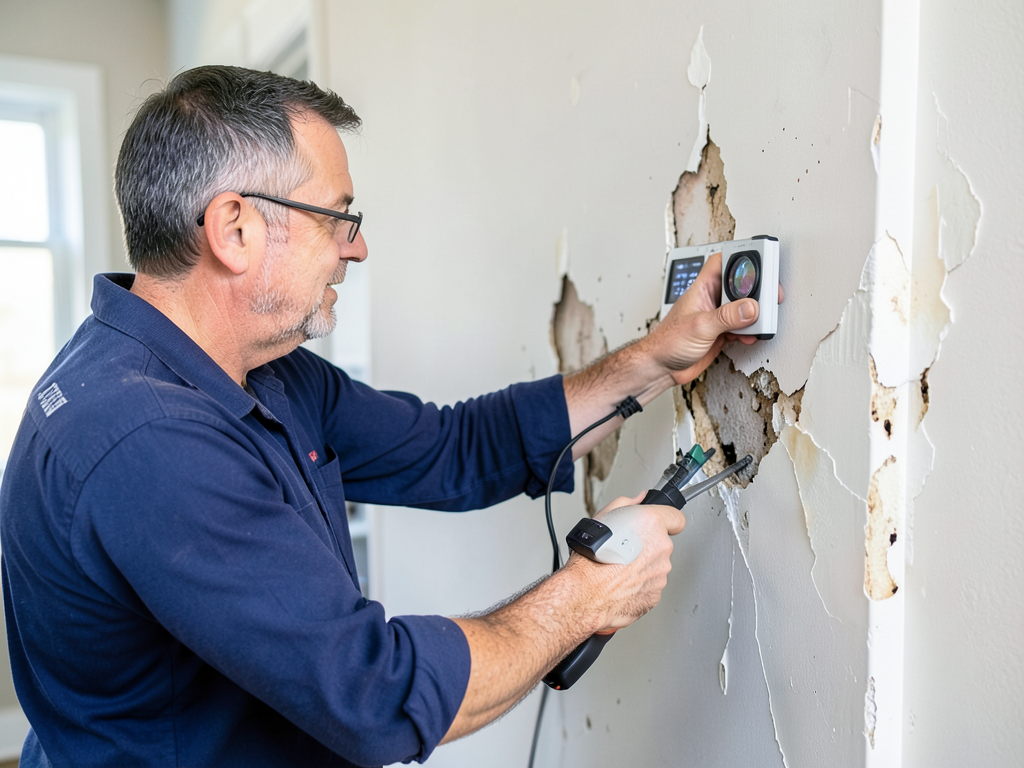
Call a certified water damage restoration company to assess the full extent of damage. Professionals use moisture meters and thermal imaging to detect hidden water in walls and under floors. They also prevent secondary damage like mold growth, which can begin within 24-48 hours of water exposure. Professional services often work directly with insurance companies to streamline claims.
Step 7: Follow Up in Writing
After initial verbal notifications, send written confirmation of the damage and your communications. Email creates a timestamped record of your actions. Include photos and documentation summaries. This written trail proves invaluable if disputes arise about responsibility or timeliness of response.
Step 8: Review Your Insurance Coverage
Verify what your insurance policies cover and initiate claims promptly. Understand your deductible amounts and coverage limits. If you lack appropriate insurance, discuss payment arrangements with the restoration company. Many offer payment plans or can bill insurance directly.
Preventing Water Damage in Asylum Hill Rentals
Prevention saves money and stress compared to dealing with water damage emergencies. Both landlords and tenants can take specific actions to reduce water damage risks in Asylum Hill properties.
Regular plumbing inspections help identify problems before they cause major damage. Landlords should schedule annual inspections of visible pipes, water heaters, and fixtures. Look for corrosion, moisture stains, and early signs of leaks. Early detection often means simple repairs rather than major restoration projects.
Tenant education prevents many common water damage scenarios. Landlords should provide new tenants with information about proper plumbing use, winterization procedures, and emergency contacts. Simple instructions about what not to flush or pour down drains can prevent costly backups and overflows.
Upgrading aging infrastructure reduces failure risks in Asylum Hill’s older housing stock. Replacing galvanized pipes with modern materials, installing water leak detection systems, and upgrading to more reliable water heaters can prevent many common water damage scenarios. These improvements often pay for themselves through avoided damage costs.
Proper drainage maintenance prevents basement and foundation water intrusion. Keep gutters clean and downspouts directed away from foundations. Grade soil to slope away from buildings. These simple measures prevent many water damage scenarios, especially during Connecticut’s heavy rain events and snowmelt periods.
Winter preparation is crucial in Hartford’s climate. Insulate exposed pipes in unheated areas. Keep cabinet doors open during extreme cold to allow warm air circulation around plumbing. Know the location of main water shutoff valves. These steps prevent the costly freeze-related pipe bursts common in Connecticut winters.
Appliance maintenance prevents many water damage incidents. Replace washing machine hoses every five years. Clean refrigerator drip pans regularly. Inspect dishwasher connections periodically. These simple maintenance tasks prevent many common appliance-related water damage scenarios.
Local Resources for Asylum Hill Water Damage Issues
Asylum Hill residents have access to specific local resources for water damage assistance and information. Understanding these resources helps property owners and tenants respond effectively to water emergencies.
The City of Hartford’s Department of Public Works handles municipal water system issues. If you suspect the problem involves city water mains or sewer lines, contact their emergency line at (860) 757-9311. They provide 24/7 response for public utility emergencies that may affect multiple properties. How to Handle a Flooded Basement in Your West Hartford Home Today.
Hartford’s Fair Rent Commission provides mediation services for landlord-tenant disputes, including those involving water damage responsibility. They cannot force repairs but can facilitate communication between parties and provide information about tenant rights. Their office is located at 550 Main Street and can be reached at (860) 757-9441. Fair Housing Resources.
The Connecticut Fair Housing Center offers legal assistance for tenants facing housing issues, including water damage disputes. They provide free consultations for qualifying low-income tenants and can help understand legal rights and options. Their website at ctfairhousing.org provides valuable information about tenant protections.
Local water damage restoration companies familiar with Asylum Hill properties can provide rapid emergency response. Companies like Crestline Water Damage Restoration Hartford understand the specific challenges of older Hartford homes and can coordinate with insurance companies familiar with local building practices.
The Connecticut Insurance Department regulates insurance practices and can assist with claim disputes. If you believe an insurance company has unfairly denied a water damage claim, they can review the situation and facilitate resolution. Their consumer assistance line is (860) 297-3900.
Neighborhood associations in Asylum Hill often maintain lists of recommended service providers and can provide peer advice about handling water damage situations. The Asylum Hill Neighborhood Association can be reached through their Facebook page or at info@asylumhill.org.
Frequently Asked Questions
Who pays for water damage if a pipe bursts in my apartment?
The responsible party depends on the pipe’s location and cause. If it’s a supply pipe within your unit that bursts due to normal wear, your landlord likely pays. If you caused damage through negligence or failed to report a known leak, you may be responsible. Always document the damage and notify your landlord immediately.
Does renters insurance cover water damage from a neighbor’s leak?
Renters insurance typically covers your personal belongings damaged by water, regardless of the source. However, it may not cover damage to the building structure. If a neighbor’s negligence causes damage, their liability insurance might cover repairs to your unit. Document everything and file claims with both your insurance and the neighbor’s if applicable.
How quickly must a landlord respond to water damage reports?
Connecticut law requires landlords to respond promptly to water damage reports. For active leaks causing ongoing damage, response should be immediate or within hours. For less urgent issues, response within 24-48 hours is typically expected. Document all communications and be prepared to follow up in writing if responses are delayed.
Can a landlord withhold my security deposit for water damage?
Yes, but only for damage beyond normal wear and tear. The landlord must provide written notice within 30 days of lease termination, itemizing specific damages and repair costs. They must also provide receipts for repairs if requested. Normal aging or minor wear cannot justify deposit withholding.
What should I do if my landlord refuses to fix water damage?
First, document everything in writing and keep copies. If the damage affects habitability, you may have remedies under Connecticut law, including rent withholding in extreme cases. Contact the Hartford Fair Rent Commission for mediation assistance. As a last resort, consult with a tenants’ rights attorney about legal options.
Take Action Now to Protect Your Property
Water damage doesn’t wait for convenient timing. Whether you’re a tenant dealing with a sudden leak or a landlord managing multiple properties in Asylum Hill, quick professional response prevents minor issues from becoming major disasters.
Crestline Water Damage Restoration Hartford provides 24/7 emergency response for water damage situations throughout the Asylum Hill area. Our certified technicians understand the unique challenges of Hartford’s older housing stock and can respond within hours to begin damage mitigation.
Don’t let water damage escalate while you’re figuring out responsibility. Call (860) 743-9993 today to schedule your inspection or emergency response. Our team will assess the situation, document damage for insurance purposes, and begin immediate mitigation to protect your property and belongings.
Time matters in water damage situations. Every hour allows water to spread deeper into materials, increasing restoration costs and the risk of mold growth. Pick up the phone and call (860) 743-9993 before the next storm hits or the next pipe bursts. Your property deserves professional protection.
Remember, understanding responsibility is important, but preventing further damage is crucial. Whether you’re responsible for the cleanup costs or not, taking immediate action protects your health, your belongings, and your peace of mind. Contact us now to learn more about our water damage restoration services in Asylum Hill and throughout Hartford.
You may also find this helpful. Why Your Sheldon-Charter Oak Brownstone Needs Specialized Water Mitigation Techniques.
You may also find this helpful. Tracking Down a Mystery Leak in a Blue Hills Multi-Story Condo Building.
You may also find this helpful. Why Asbestos Testing is Mandatory Before Restoring an Older West End Hartford Home.
{
“@context”: “https://schema.org”,
“@type”: “BlogPosting”,
“headline”: “Who is Responsible for Water Damage Cleanup in an Asylum Hill Rental Property?”,
“description”: “Learn Connecticut tenant and landlord water damage responsibilities. Find out who pays for cleanup in Asylum Hill rentals and how to handle emergencies fast.”,
“wordCount”: 3121,
“datePublished”: “2026-05-30T13:44:00.000Z”,
“dateModified”: “2026-05-30T13:44:00.000Z”,
“inLanguage”: “en-US”,
“mainEntityOfPage”: {
“@type”: “WebPage”,
“@id”: “https://crestlinewaterdamagerestorationhartford.com”
},
“publisher”: {
“@type”: “LocalBusiness”,
“name”: “Crestline Water Damage Restoration Hartford”,
“url”: “https://crestlinewaterdamagerestorationhartford.com”
},
“author”: {
“@type”: “Organization”,
“name”: “Crestline Water Damage Restoration Hartford”,
“url”: “https://crestlinewaterdamagerestorationhartford.com”
},
“image”: {
“@type”: “ImageObject”,
“url”: “https://crestlinewaterdamagerestorationhartford.com/wp-content/uploads/2026/03/who-is-responsible-for-water-damage-cleanup-in-an-1.png”
}
}
{
“@context”: “https://schema.org”,
“@type”: “LocalBusiness”,
“name”: “Crestline Water Damage Restoration Hartford”,
“url”: “https://crestlinewaterdamagerestorationhartford.com”,
“address”: {
“@type”: “PostalAddress”,
“addressLocality”: “Hartford”
},
“areaServed”: {
“@type”: “City”,
“name”: “Hartford”
}
}
{
“@context”: “https://schema.org”,
“@type”: “FAQPage”,
“mainEntity”: [
{
“@type”: “Question”,
“name”: “Who pays for water damage if a pipe bursts in my apartment?”,
“acceptedAnswer”: {
“@type”: “Answer”,
“text”: “The responsible party depends on the pipe’s location and cause. If it’s a supply pipe within your unit that bursts due to normal wear, your landlord likely pays. If you caused damage through negligence or failed to report a known leak, you may be responsible. Always document the damage and notify your landlord immediately.”
}
},
{
“@type”: “Question”,
“name”: “Does renters insurance cover water damage from a neighbor’s leak?”,
“acceptedAnswer”: {
“@type”: “Answer”,
“text”: “Renters insurance typically covers your personal belongings damaged by water, regardless of the source. However, it may not cover damage to the building structure. If a neighbor’s negligence causes damage, their liability insurance might cover repairs to your unit. Document everything and file claims with both your insurance and the neighbor’s if applicable.”
}
},
{
“@type”: “Question”,
“name”: “How quickly must a landlord respond to water damage reports?”,
“acceptedAnswer”: {
“@type”: “Answer”,
“text”: “Connecticut law requires landlords to respond promptly to water damage reports. For active leaks causing ongoing damage, response should be immediate or within hours. For less urgent issues, response within 24-48 hours is typically expected. Document all communications and be prepared to follow up in writing if responses are delayed.”
}
},
{
“@type”: “Question”,
“name”: “Can a landlord withhold my security deposit for water damage?”,
“acceptedAnswer”: {
“@type”: “Answer”,
“text”: “Yes, but only for damage beyond normal wear and tear. The landlord must provide written notice within 30 days of lease termination, itemizing specific damages and repair costs. They must also provide receipts for repairs if requested. Normal aging or minor wear cannot justify deposit withholding.”
}
},
{
“@type”: “Question”,
“name”: “What should I do if my landlord refuses to fix water damage?”,
“acceptedAnswer”: {
“@type”: “Answer”,
“text”: “First, document everything in writing and keep copies. If the damage affects habitability, you may have remedies under Connecticut law, including rent withholding in extreme cases. Contact the Hartford Fair Rent Commission for mediation assistance. As a last resort, consult with a tenants’ rights attorney about legal options.”
}
}
]
}
{
“@context”: “https://schema.org”,
“@type”: “BreadcrumbList”,
“itemListElement”: [
{
“@type”: “ListItem”,
“position”: 1,
“name”: “Home”,
“item”: “https://crestlinewaterdamagerestorationhartford.com”
},
{
“@type”: “ListItem”,
“position”: 2,
“name”: “Blog”,
“item”: “https://crestlinewaterdamagerestorationhartford.com/blog”
},
{
“@type”: “ListItem”,
“position”: 3,
“name”: “Who is Responsible for Water Damage Cleanup in an Asylum Hill Rental Property?”
}
]
}
{
“@context”: “https://schema.org”,
“@type”: “Service”,
“serviceType”: “Water Damage Restoration”,
“provider”: {
“@type”: “LocalBusiness”,
“name”: “Crestline Water Damage Restoration Hartford”,
“url”: “https://crestlinewaterdamagerestorationhartford.com”
},
“areaServed”: {
“@type”: “City”,
“name”: “Hartford”
},
“description”: “Learn Connecticut tenant and landlord water damage responsibilities. Find out who pays for cleanup in Asylum Hill rentals and how to handle emergencies fast.”
}