menu

Hardwood Floor Water Damage in Hartford | Expert Restoration That Stops Cupping, Warping, and Subfloor Rot

Crestline Water Damage Restoration Hartford specializes in salvaging water damaged wood floors with advanced moisture mapping, controlled drying protocols, and precision refinishing that saves you from complete replacement costs.

Slider Image 1
Slider Image 2
Slider Image 3
Slider Image 4
Slider Image 5
Slider Image 7
Slider Image 8
Slider Image 9
Slider Image 10
Slider Image 11

Why Hartford Homeowners Face Constant Hardwood Floor Water Damage Threats

Hartford sits at the confluence of the Connecticut River and Park River, where groundwater tables run high and basement flooding happens fast. The city's historic housing stock, much of it built before modern vapor barriers existed, creates the perfect storm for wet hardwood flooring disasters. When water intrudes through foundation cracks, failed sump pumps, or overhead pipe bursts, it migrates quickly into wood subflooring and hardwood planks.

You notice it first as dark staining along plank edges. Within 48 hours, hardwood floor cupping starts. The board edges rise higher than the centers, creating a washboard texture underfoot. If the water sits longer, you get crowning, where centers swell higher than edges. Both conditions signal moisture saturation that can destroy your investment.

Hartford's freeze-thaw cycles compound the problem. During winter, ice dams force meltwater under shingles and into walls, where it drips down onto second-floor hardwood. By spring, you see buckling, gaps, and black mold stains between planks. The Connecticut River valley's humidity keeps relative moisture levels high even after the visible water disappears, which is why surface mopping never fixes water damaged wood floors.

The real danger hides beneath the surface. Subfloor plywood delaminates. Floor joists develop rot. Mold spreads through the cavity between floors. You need wood floor water damage repair that addresses moisture at every layer, not just cosmetic fixes that leave structural damage untouched. Drying hardwood floors correctly means extraction, dehumidification, and monitoring moisture content down to 6-9 percent before any refinishing begins.

Why Hartford Homeowners Face Constant Hardwood Floor Water Damage Threats
Our Three-Phase System for Drying Hardwood Floors Without Replacement

Our Three-Phase System for Drying Hardwood Floors Without Replacement

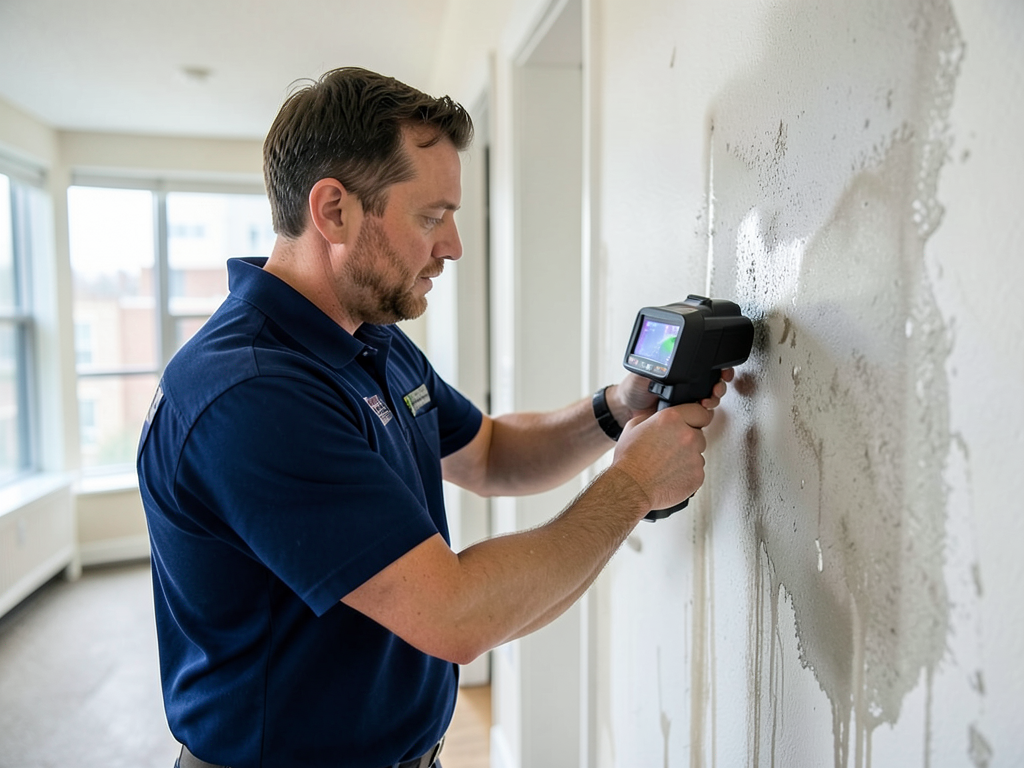
We start with infrared thermal imaging to map moisture migration patterns through your flooring system. A moisture meter only tells you the reading at one point. Thermal imaging shows us where water traveled through seams, under baseboards, and into subfloor cavities. We document moisture content at the surface, mid-thickness, and subfloor level to establish a baseline.

Phase one is water extraction. We use weighted extraction mats that create suction directly against the hardwood surface, pulling water up through the grain rather than forcing it deeper with standard fans. For planks showing severe cupping, we drill small relief holes along the tongue-and-groove joints to allow trapped moisture to escape from between the flooring and subfloor.

Phase two involves controlled dehumidification with low-grain refrigerant units, not box fans that just move humid air around. We target a vapor pressure differential that pulls moisture from dense hardwood without over-drying and cracking the planks. We monitor daily with pin-type and pinless moisture meters, checking the same grid points until readings stabilize below 9 percent.

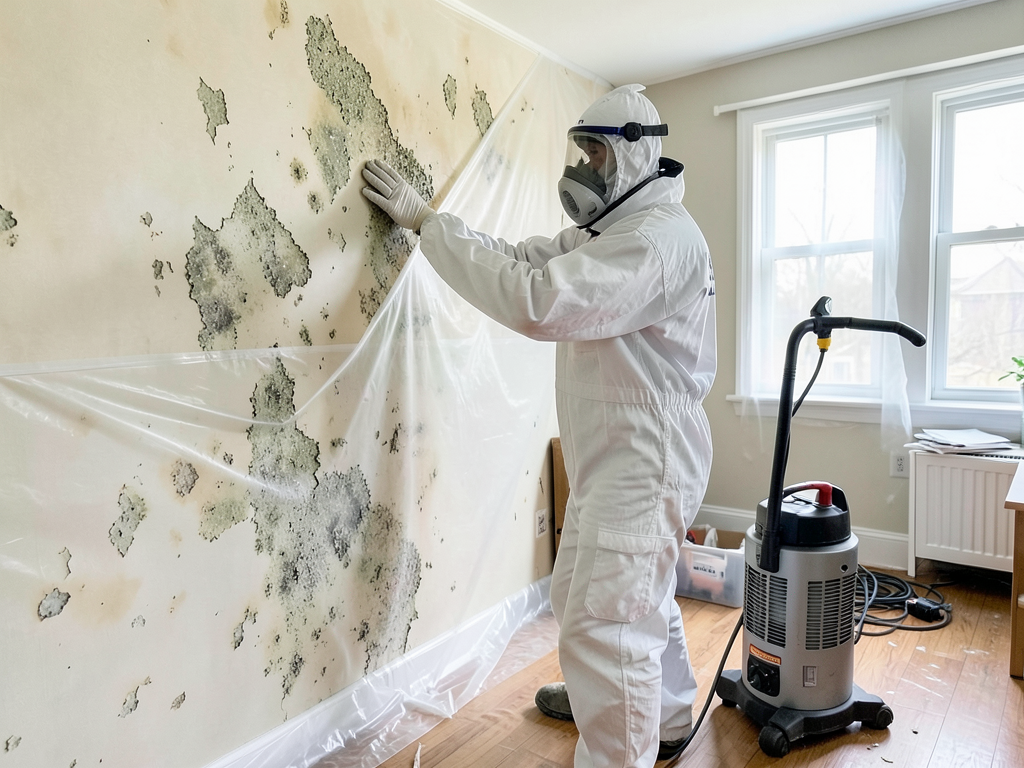
Phase three addresses the subfloor. If plywood shows delamination or mold growth, we remove affected sections and sister in new CDX sheathing treated with fungicide. We inspect floor joists for rot using a probe to check structural integrity. Any compromised joists get reinforced with dimensional lumber fastened alongside the original member.

We do not sand or refinish until moisture levels hold steady for 72 hours. Refinishing wet wood traps moisture under polyurethane, which causes adhesion failure and bubbling within weeks. Our process may take longer, but it prevents the callbacks other companies generate when they rush the work.

What Happens During Your Hardwood Floor Water Damage Restoration

Hardwood Floor Water Damage in Hartford | Expert Restoration That Stops Cupping, Warping, and Subfloor Rot
01

Emergency Water Extraction

We arrive within 90 minutes of your call to stop ongoing damage. Our crew removes standing water with truck-mounted extractors, then places weighted mats directly on the hardwood to pull subsurface moisture up through the wood grain. We document room temperature, relative humidity, and initial moisture content readings at multiple points across the affected area. All furniture gets lifted onto foam blocks to prevent transfer staining and allow airflow underneath.
02

Controlled Drying and Monitoring

We position low-grain dehumidifiers and air movers to create optimal drying conditions without over-stressing the wood. Our technicians return daily to take new moisture readings and adjust equipment placement based on how the wood responds. We track the drying curve to confirm moisture content drops steadily toward the target range of 6-9 percent. This phase typically runs five to ten days depending on saturation depth, wood species, and subfloor conditions.
03

Refinishing and Final Inspection

Once moisture stabilizes, we sand the hardwood to remove water stains and level any minor cupping that remains. We apply stain to match your existing floor color, then seal with commercial-grade polyurethane in three coats. The final inspection includes moisture verification at every location we initially tested, plus a structural check of the subfloor and joists. You receive documentation showing before-and-after moisture levels, which helps with insurance claims and future home sales.

Why Hartford Residents Trust Crestline for Wet Hardwood Flooring Emergencies

Hartford's housing stock spans three centuries, from Colonial-era post-and-beam structures in the South Green Historic District to mid-century ranches in the West End. Each construction type responds differently to water intrusion. We understand that a 1920s bungalow with oak strip flooring over board sheathing needs a different drying approach than a 1990s colonial with engineered hardwood over OSB.

Our technicians know Hartford's microclimates. Properties near Bushnell Park face higher humidity from the pond and mature tree canopy. Homes in the North Meadows deal with seasonal Connecticut River flooding that raises groundwater levels. We adjust our drying protocols based on your specific location and the seasonal humidity patterns that affect how quickly moisture evaporates from wood.

We work directly with Hartford-area insurance adjusters who know our documentation standards. Our moisture mapping reports include thermal images, daily moisture logs, and equipment placement diagrams that meet the evidence requirements for claims processing. We photograph every phase of the work to support your claim for both emergency mitigation and permanent repairs.

You will not get a project manager who visits once then disappears. The same lead technician who performs your initial assessment runs your job from extraction through final refinishing. That continuity means faster decisions when we find hidden damage, and it eliminates the communication gaps that cause delays.

We stock the hardwood species common to Hartford homes, including red oak, white oak, and maple in various widths. When we need to replace individual planks, we match grain pattern, width, and finish so the repair blends invisibly. We do not patch with whatever is cheap and available. We source the correct material even if it takes an extra day.

What to Expect When You Call Crestline for Wood Floor Water Damage Repair

Emergency Response Timeline

We dispatch a crew within 90 minutes for calls received during business hours, and within two hours for after-hours emergencies. Our trucks carry extraction equipment, moisture meters, thermal cameras, and industrial dehumidifiers so we start mitigation immediately rather than scheduling a return visit. The first 24 hours determine whether your hardwood can be saved or needs replacement, which is why we prioritize speed. You get a preliminary damage assessment and moisture map before we leave the first visit, along with a clear timeline for the drying phase.

Moisture Assessment and Monitoring

We take moisture readings at a minimum of 12 points per room using both pin-type meters that penetrate the wood and non-invasive scanners that read through the finish. Thermal imaging identifies moisture migration paths you cannot see, including water trapped between the hardwood and subfloor. We return daily during the drying phase to take fresh readings and adjust dehumidifier placement. You receive a moisture log showing the drying curve, which insurance companies require to approve full restoration costs rather than just depreciated value.

Restoration Quality Standards

Our refinishing work matches the sheen level and color tone of your existing floor. We do not cut corners with single-coat finishes or mismatched stains that make the repair obvious. You get the same three-coat polyurethane system we use on whole-house refinishing jobs, with proper dry time between coats. If we replace individual planks, we weave them into the existing floor pattern and finish them to blend invisibly. The final result should make it impossible to identify where the water damage occurred unless you know exactly where to look.

Post-Restoration Support

We provide a final moisture report showing all test locations returned to normal levels, which protects you if future buyers question whether hidden moisture damage exists. You receive care instructions specific to your finish type and recommendations for maintaining proper indoor humidity levels to prevent future cupping. If you experience any finish adhesion issues or spot moisture reappearance within 30 days, we return to investigate at no charge. We also offer annual moisture checks for properties with recurring groundwater issues or those located in Hartford's flood-prone areas near the rivers.

Frequently Asked Questions

You Have Questions,
We Have Answers

Can hardwood floors be repaired after water damage? +

Yes, hardwood floors can often be repaired after water damage, depending on the severity and how quickly you act. Minor surface water may only require drying and refinishing. Cupped or warped boards sometimes flatten after proper drying with industrial dehumidifiers. Severely buckled or mold-contaminated planks need replacement. Hartford's older homes with solid hardwood respond better to repair than engineered floors. The key is immediate extraction and drying within 24 to 48 hours. A moisture meter assessment determines if the subfloor is compromised. Avoid DIY fixes for major damage. Professional water damage restoration ensures structural integrity and prevents hidden mold growth beneath the surface.

What happens if hardwood flooring gets wet? +

When hardwood flooring gets wet, water penetrates the wood fibers and causes immediate swelling. You will notice cupping, where plank edges lift higher than the center. Within hours, boards begin warping or buckling if water reaches the subfloor. Hartford's humid summers worsen the problem by slowing evaporation. Moisture trapped beneath hardwood creates ideal conditions for mold growth and wood rot. Finishes bubble or peel. The longer water sits, the deeper it soaks into tongue-and-groove joints. Even clean water from broken pipes causes permanent damage if not extracted quickly. Standing water must be removed immediately, followed by professional drying equipment to prevent total floor replacement.

How to flatten a wood floor after water damage? +

Flattening a wood floor after water damage requires controlled drying, not heat or fans alone. First, extract all standing water with pumps or wet vacuums. Then use commercial-grade dehumidifiers and air movers positioned to create continuous airflow across the surface. This process takes days to weeks depending on Hartford's indoor humidity levels. Monitor moisture content with a meter. Cupped boards may flatten as they dry, but crowned boards indicate subfloor moisture and require professional intervention. Never sand warped floors before they are completely dry. Once moisture levels stabilize below 12 percent, assess whether refinishing or board replacement is needed.

Will insurance pay for water damage to a wood floor? +

Insurance coverage for water-damaged wood floors depends on the cause. Sudden, accidental events like burst pipes, appliance malfunctions, or roof leaks during storms are typically covered under standard homeowners policies in Hartford. Gradual damage from slow leaks, poor maintenance, or flooding requires separate flood insurance. Your policy may cover water extraction, drying, and floor replacement but exclude upgrades. Document damage immediately with photos. Hartford insurers often require professional restoration invoices and moisture readings. Review your policy for exclusions and deductibles. Filing promptly improves approval odds. A restoration company familiar with Connecticut insurance standards helps maximize your claim and navigate the process.

How much does it cost to repair a water-damaged hardwood floor? +

Water-damaged hardwood floor repair costs vary widely based on damage extent. Minor drying and refinishing range from moderate to higher pricing. Replacing individual warped boards costs more per square foot than whole-room refinishing. Subfloor damage, mold remediation, and structural repairs increase expenses significantly. Hartford's older homes with thick solid oak floors may cost less to sand and refinish than replacing engineered products. Insurance coverage offsets costs if damage qualifies. Emergency water extraction and drying within 24 hours reduce overall expenses by preventing total replacement. Get multiple estimates. Experienced Hartford restoration contractors provide moisture assessments before quoting final prices to avoid surprises.

Can mold grow under hardwood floors? +

Yes, mold grows aggressively under hardwood floors when moisture becomes trapped between the subfloor and planks. Hartford's humid climate accelerates spore growth within 24 to 48 hours after water exposure. You cannot see subsurface mold, but musty odors and visible cupping indicate hidden contamination. Water from leaks, flooding, or high indoor humidity seeps through gaps and soaks the subfloor. Mold damages structural wood and spreads spores through HVAC systems. Professional inspection with moisture meters and thermal imaging identifies hidden colonies. Remediation requires removing affected planks, treating the subfloor with antimicrobial solutions, and controlling humidity. Ignoring subsurface mold risks respiratory issues and costly structural repairs.

Will a one-time water leak cause mold? +

A one-time water leak can cause mold if conditions are right. Mold spores need moisture, organic material, and warmth to colonize. Hartford's spring and summer humidity provides ideal conditions. If water from a leak soaks into porous surfaces like wood subfloors or drywall and remains wet for 24 to 48 hours, mold begins growing. A small leak under a hardwood floor can spread unnoticed for days. Clean water from a pipe break still feeds mold. The key is rapid drying. Extract water immediately, dry affected areas within 24 hours, and monitor moisture levels. Even minor leaks require professional assessment to prevent hidden mold.

How long does it take for water to dry under hardwood floors? +

Water takes one to three weeks to fully dry under hardwood floors, depending on saturation depth and drying methods. Surface moisture evaporates faster than water trapped in the subfloor or between joists. Hartford's variable indoor humidity slows natural evaporation. Professional restoration uses dehumidifiers and air movers to maintain controlled drying conditions. Moisture meters track progress. Solid hardwood dries slower than engineered products. Rushing the process by sanding or refinishing too soon traps moisture and causes mold. Patience prevents permanent warping. Heavy saturation from flooding may require removing planks for subfloor access. Proper drying takes time but saves your floor from replacement.

What is the rule of 3 flooring? +

The rule of 3 flooring refers to moisture content tolerance. Hardwood flooring should be within 3 percentage points of the subfloor moisture content before installation. For water damage, this rule guides drying decisions. If your hardwood floor reads 15 percent moisture and the subfloor reads 20 percent, continued drying is required before repairs. Hartford's seasonal humidity swings affect these readings. Moisture imbalance causes cupping, gaps, or buckling after restoration. Professional moisture meters measure both layers. This rule prevents premature refinishing or reinstallation. Ignoring it results in recurring damage. Always equilibrate moisture levels before final repairs to ensure long-term stability and prevent costly callbacks.

How to fix swollen hardwood floors? +

Fixing swollen hardwood floors starts with identifying and stopping the water source. Extract standing water immediately, then use dehumidifiers and air movers to dry the area thoroughly. Swollen boards often contract as they dry, but this takes weeks. Do not sand swollen floors prematurely. Hartford's climate requires controlled drying to prevent over-drying and cracking. Once moisture stabilizes below 12 percent, assess the damage. Minor swelling may only need light sanding and refinishing. Severely buckled planks require replacement. Address subfloor moisture to prevent recurrence. Professional restoration ensures proper drying sequences and prevents further structural damage or mold growth beneath the surface.

How Hartford's Historic Foundation Construction Creates Chronic Hardwood Floor Water Damage

Hartford's pre-1950 homes sit on stone foundations with no vapor barrier between the dirt floor and the structure above. Groundwater wicks up through porous stone, creating constant moisture transfer into first-floor joists and hardwood planks. The problem intensifies in neighborhoods near the Connecticut River and Park River, where seasonal flooding raises the water table and saturates foundation walls. Even homes that never see standing water deal with chronic cupping and mold growth because moisture migrates continuously through the foundation. Modern vapor barrier retrofits help, but proper wood floor water damage repair requires addressing the source, not just drying the surface.

Crestline understands Hartford's unique construction challenges because we work exclusively in the Greater Hartford metro. We know which neighborhoods flooded during Tropical Storm Irene and which streets get ice dam damage every winter. Our crews recognize the difference between a balloon-framed Victorian that needs careful joist reinforcement and a platform-framed ranch where subfloor replacement is straightforward. When we estimate your job, we account for the realities of Hartford's aging housing stock rather than quoting based on ideal conditions. That accuracy prevents surprise costs and delays once the work begins.
Water Damage Restoration Services in The Hartford Area

Crestline Water Damage Restoration Hartford is strategically located to provide rapid and reliable service across the entire Hartford region and its surrounding communities. We invite you to view our service map to confirm that your property falls within our guaranteed service area, ensuring that a professional water damage expert is never far away when you need us most. We pride ourselves on the capability to reach your location quickly, a crucial factor in successful, timely mitigation and restoration.

Address:
Crestline Water Damage Restoration Hartford, 1916 Broad St, Hartford, CT, 06114

Additional Services We Offer

Our news updates

Latest Articles & News from The Blogs

Managing Winter Window Condensation to Prevent Rot in Your Northeast Hartford Victorian Winter condensation on your Northeast Hartford Victorian windows…

Managing Winter Window Condensation to Prevent Rot in Your Northeast Hartford Victorian

Managing Winter Window Condensation to Prevent Rot in Your Northeast Hartford Victorian Winter condensation on your Northeast Hartford Victorian windows…

Why Replacing Your Carpet Padding is Critical After a Leak in Your Bristol Home

Why Replacing Your Carpet Padding is Critical After a Leak in Your Bristol Home \n\n When water seeps into your…

Dealing with Water Damage in Your Mudroom Caused by Tracked-In Snow in West Hartford

Dealing with Water Damage in Your Mudroom Caused by Tracked-In Snow in West Hartford When melting snow from winter boots…

Contact Us

Every hour counts when water hits your hardwood floors. Call Crestline Water Damage Restoration Hartford now at (860) 743-9993 for emergency extraction and moisture mapping. We arrive fast, dry correctly, and restore your floors to pre-loss condition.