menu

Water Stains on Drywall in Hartford – Expert Diagnosis and Permanent Moisture Control

When brown water spots on walls or yellow stains on drywall appear in your Hartford home, you need accurate moisture tracking and structural drying, not just cosmetic paint-overs that hide the real damage.

Slider Image 1
Slider Image 2
Slider Image 3
Slider Image 4
Slider Image 5
Slider Image 7
Slider Image 8
Slider Image 9
Slider Image 10
Slider Image 11

Why Water Stains Keep Reappearing on Hartford Drywall

You spot a brown water spot on the ceiling. You paint over it. Three weeks later, the yellow stain bleeds through again. This cycle frustrates Hartford homeowners because the real issue is not the stain. It is the moisture source feeding it.

Hartford sits in a humid continental climate zone where summer humidity regularly exceeds 70 percent. This creates perfect conditions for hidden moisture problems. Your home's building envelope works constantly against exterior humidity, ice dam melt-off in winter, and condensation inside wall cavities. When moisture discoloration on sheetrock appears, the drywall is already saturated. The paper backing on your gypsum board acts like a wick, pulling water laterally across the wall surface.

Most water marks on ceiling panels trace back to roof leaks, attic condensation, or failed flashing around chimneys. But wet patches on plasterboard near windows or exterior walls often signal a different problem. Hartford's freeze-thaw cycles stress window seals and exterior trim. Water infiltrates through microscopic gaps, travels behind the drywall, and emerges as discoloration days or weeks later.

You cannot fix moisture discoloration on sheetrock by repainting. The drywall paper is already compromised. Mold spores colonize damp cellulose within 48 hours. If you see recurring brown water spots on walls, you are looking at active water intrusion. The question is not whether you have a problem. The question is how far the damage extends behind the visible stain.

Why Water Stains Keep Reappearing on Hartford Drywall
How We Locate and Eliminate Hidden Moisture Sources

How We Locate and Eliminate Hidden Moisture Sources

Surface stains tell you where moisture exits the drywall. They do not tell you where it enters. We use a three-layer diagnostic approach to map the full scope of water intrusion before cutting into your walls.

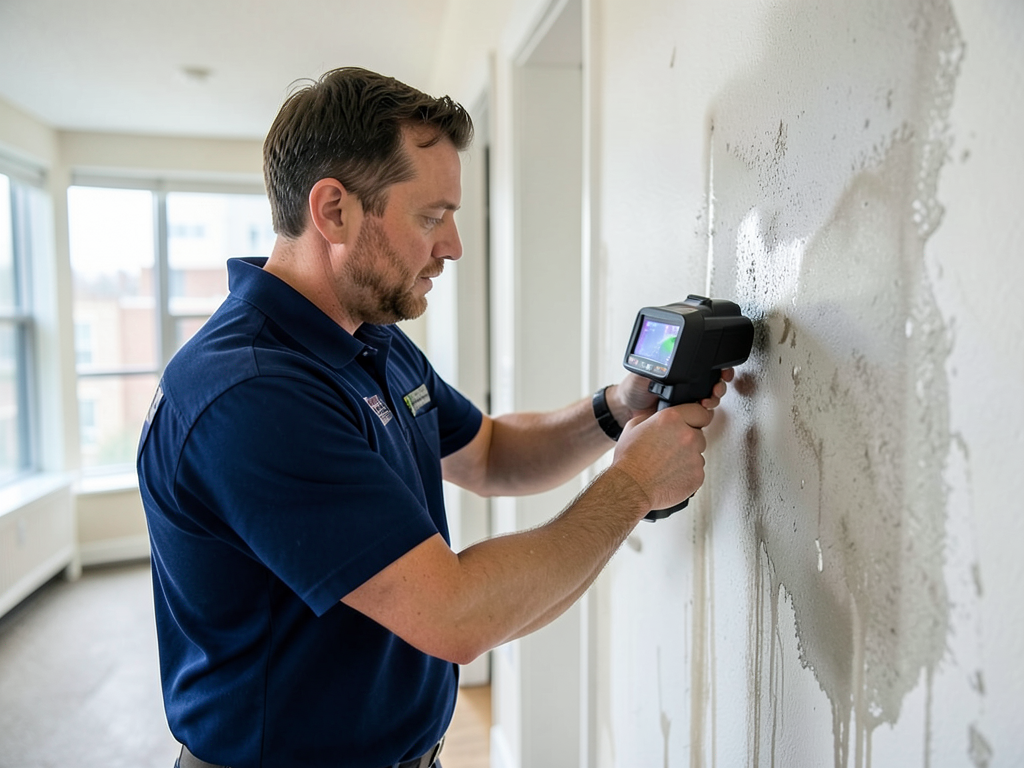
First, we deploy thermal imaging cameras to identify temperature differentials across wall and ceiling surfaces. Wet building materials retain heat differently than dry materials. A thermal signature reveals moisture patterns invisible to the naked eye. This lets us trace yellow stains on drywall back to their origin point without exploratory demolition.

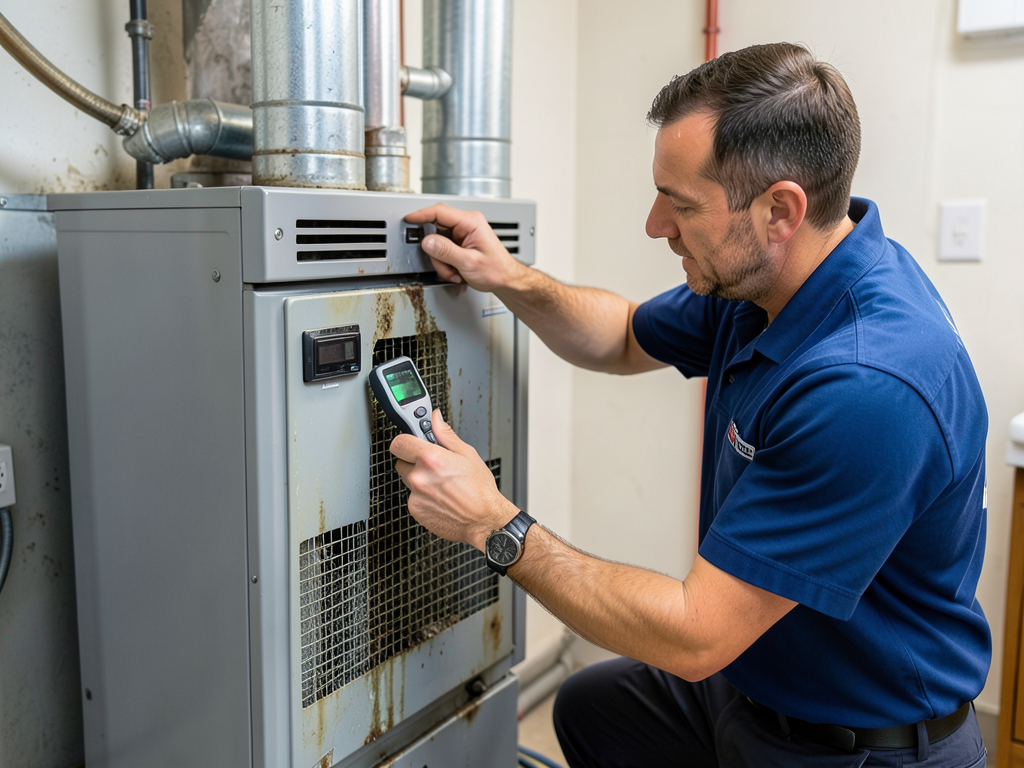
Second, we use capacitance moisture meters to measure water content below the surface. These tools penetrate up to three-quarters of an inch into the substrate. We grid-map the affected area in 12-inch intervals to establish moisture gradients. This data tells us whether the water source is active or residual, and whether the framing lumber behind the drywall is compromised.

Third, we perform pressure diagnostics on the building envelope. We check window weep holes, inspect soffit ventilation, and evaluate attic vapor barriers. Many Hartford homes built before 1980 lack adequate vapor retarders in exterior walls. This allows interior humidity to migrate into wall cavities during winter, where it condenses on cold sheathing and drips down onto the drywall.

Once we isolate the moisture source, we address it before touching the stained drywall. Replacing wet patches on plasterboard without fixing the leak is cosmetic theater. You will see the same brown water spots on walls again within months. We eliminate the cause, remove compromised materials, dry the structure to below 15 percent moisture content, and then rebuild.

What Happens When You Call About Drywall Stains

Water Stains on Drywall in Hartford – Expert Diagnosis and Permanent Moisture Control
01

On-Site Moisture Assessment

We arrive with thermal imaging and moisture detection equipment within 24 hours of your call. You show us the visible stains. We map the hidden moisture. Most Hartford water stain calls reveal damage extending two to three times beyond the visible discoloration. We document everything with photos and moisture readings so you understand the full scope before we start work.
02

Source Elimination and Drying

After isolating the water entry point, we stop the intrusion. This may involve temporary flashing repair, window resealing, or attic ventilation correction. Then we set up desiccant dehumidifiers and air movers to pull moisture from the wall cavity. Structural drying takes 48 to 72 hours depending on material saturation. We monitor moisture levels twice daily until readings stabilize below the threshold for microbial growth.
03

Restoration and Prevention

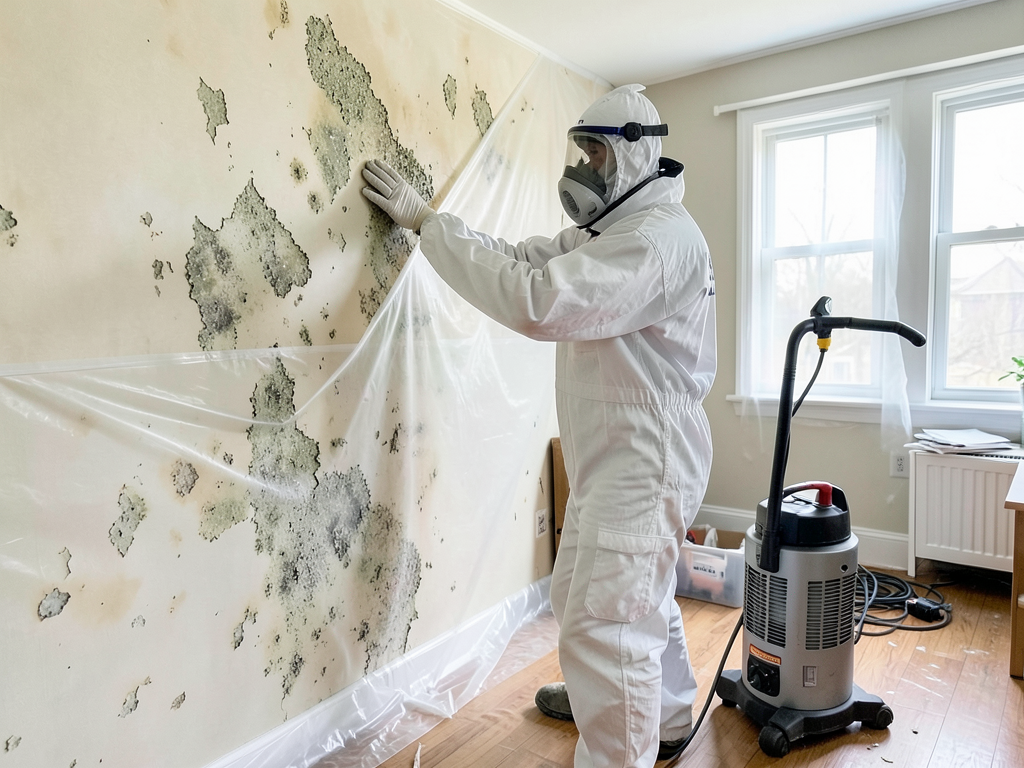
Once the structure is dry, we remove stained drywall and check framing for rot or mold colonization. We treat affected wood with antimicrobial solutions, install new drywall, and finish to match your existing texture. Before we leave, we provide a moisture map showing pre-repair and post-repair readings. You get documentation proving the problem is solved, not just covered up with fresh paint.

Why Hartford Homeowners Choose Local Water Damage Specialists

Generic restoration advice fails in Hartford because it ignores local building practices and climate realities. A contractor from outside the region will not recognize the signs of ice dam damage common in Hartford's older neighborhoods. They will not know that many homes near Bushnell Park were built with horsehair plaster over wood lath, which responds differently to moisture than modern gypsum board.

Crestline Water Damage Restoration Hartford has worked inside hundreds of Hartford homes. We know the construction methods used in different eras. We understand that pre-1950 homes in the West End often have solid brick exterior walls with no vapor barrier. We recognize that 1970s split-levels in the South End frequently have inadequate attic insulation that allows warm, humid air to contact cold roof decking. This local knowledge changes how we approach moisture problems.

We also maintain relationships with Hartford building inspectors and insurance adjusters. When your water damage claim requires third-party verification, we provide documentation that meets local standards. Our moisture readings, thermal images, and scope-of-work reports follow the protocols your insurance carrier expects. This speeds up claims processing and reduces your out-of-pocket exposure.

You need a team that understands Hartford's housing stock, climate patterns, and regulatory environment. Surface-level stain removal is easy. Permanent moisture control requires expertise. We do not guess about moisture sources. We measure, document, and eliminate them. Then we restore your walls to pre-loss condition with materials and methods appropriate for your home's age and construction type. You get a solution that lasts because we address the root cause, not just the symptom.

What to Expect When You Work With Us

Response Time and Availability

We schedule on-site assessments within 24 hours of your call. Emergency situations get same-day response. You will not wait three days while moisture spreads through your walls. Our diagnostic appointment takes 45 to 90 minutes depending on the number of affected areas. We provide verbal findings on-site and follow up with a written assessment within 12 hours. If you approve the scope of work, we typically start structural drying within 48 hours. Most Hartford drywall stain projects from assessment to final paint take seven to ten days.

Initial Evaluation Process

Your assessment begins with a visual inspection of all stained areas. We ask when you first noticed the discoloration and whether it has grown or changed. Then we deploy thermal imaging to map temperature variations across walls and ceilings. Next, we use moisture meters to quantify water content in the drywall and framing. We check attic spaces, crawlspaces, and exterior wall penetrations to identify potential entry points. You receive photos of all findings and a moisture map showing elevated readings. This documentation supports insurance claims and gives you a clear picture of the problem.

Quality of Final Results

We match your existing wall texture and paint sheen so repairs blend seamlessly with surrounding surfaces. If your home has a specialty finish like skip trowel or knockdown texture, we replicate it. Our drywall installers cut and hang panels to minimize visible seams. We use hot mud for first coats and lightweight joint compound for final passes, then sand to a smooth finish. Paint matching happens on-site using color samples from unaffected areas. The goal is invisible repair. When we finish, you should not be able to identify where the damaged section was removed and replaced.

Post-Restoration Monitoring

We provide a final moisture map showing all readings below 12 percent. This establishes a baseline for future comparison. We recommend a follow-up inspection 30 days after project completion to verify moisture levels remain stable. If new discoloration appears within six months, we return to reassess at no charge. This does not cover new water events, but it does ensure the original moisture source was properly eliminated. We also provide maintenance guidance specific to your home's construction type and the nature of the water intrusion we corrected.

Frequently Asked Questions

You Have Questions,
We Have Answers

How do you get water stains out of drywall? +

You cannot remove water stains from drywall without fixing the source first. Stop the leak, then assess the damage. If the drywall is dry and the stain is surface-level, you can prime the area with a stain-blocking primer like Kilz or BIN shellac-based primer, then repaint. This seals the stain and prevents bleed-through. If the drywall feels soft, crumbles, or shows mold, you need to cut out the damaged section and replace it. Hartford homes with older plumbing or ice dam issues often face recurring stains. Professional water damage restoration ensures the source is fixed permanently.

How to tell if water is leaking behind drywall? +

Look for discoloration or brown rings on your drywall, which indicate slow leaks. Feel the wall for dampness or temperature differences. Soft spots or bubbling paint mean water is trapped behind the surface. You might smell musty odors before you see visible damage. In Hartford, freeze-thaw cycles and aging copper pipes in older homes cause hidden leaks. Use a moisture meter to detect hidden moisture levels. If you suspect a leak, turn off the water main and call a plumber immediately. Delaying increases mold risk and structural damage. Professional leak detection prevents costly repairs.

Are water stains on walls bad? +

Yes. Water stains signal active or past leaks that can compromise your home's structure and air quality. Stains mean moisture penetrated the drywall, which creates conditions for mold growth within 24 to 48 hours. Hartford's humid summers accelerate this process. Even if the leak stopped, residual moisture weakens drywall integrity and attracts pests. Stains also reduce home value and raise red flags during inspections. Ignoring stains allows hidden damage to spread to framing, insulation, and electrical systems. Address the source immediately and dry the area completely to prevent long-term problems.

Can I paint over water stained drywall? +

No. Painting over water stains without proper prep will fail. The stain will bleed through standard paint within days. You must first fix the leak and let the drywall dry completely. Test moisture levels with a meter. Once dry, apply a stain-blocking primer designed to seal tannins and water marks. Two coats may be needed for dark stains. Then you can repaint. If the drywall is soft, crumbly, or shows mold, replace the damaged section before painting. Hartford homes with recurring ice dams or roof leaks need professional assessment to avoid repeated staining.

Is drywall ruined once it gets wet? +

Not always, but timing matters. Drywall can survive brief exposure to clean water if dried within 24 to 48 hours. You need industrial fans, dehumidifiers, and proper airflow to prevent mold. If the water is contaminated, like from sewage or flooding, the drywall must be replaced. Prolonged saturation weakens the gypsum core and paper facing, causing sagging and crumbling. Hartford basements and homes near the Connecticut River face higher flood risks. Professional water damage restoration uses moisture meters and thermal imaging to determine if drywall can be salvaged or requires replacement.

Can water stains be removed from walls? +

Surface stains can be removed with primer and paint, but the underlying issue must be fixed first. Stop the leak and dry the area completely. Use a stain-blocking primer to seal the discoloration, then repaint. If the stain persists or the drywall is damaged, you need to replace the affected section. Hartford homes with old roofs or poor attic ventilation often develop ceiling stains from condensation or leaks. Removing the stain without addressing the source guarantees it will return. Professional restoration identifies the root cause and prevents future water intrusion.

How long can drywall be wet before mold? +

Mold can start growing on wet drywall within 24 to 48 hours. Hartford's humid climate and older homes with poor ventilation accelerate this timeline. Once mold colonizes, it spreads quickly through walls and HVAC systems. The type of water matters. Clean water from a pipe burst gives you more time than contaminated floodwater. Temperature also plays a role. Warm, stagnant air speeds up mold growth. You need immediate drying with fans, dehumidifiers, and air movers. Professional water damage teams work fast to extract moisture and prevent mold before it starts.

What are the first signs of water damage on walls? +

Water damage starts with discoloration, usually yellow or brown stains on walls or ceilings. You might notice paint bubbling, peeling, or flaking. Drywall may feel soft or spongy when pressed. Warping or sagging indicates severe saturation. Musty odors often appear before visible damage. Hartford homes with basements or crawl spaces may show water stains near the foundation. Check for water pooling at baseboards or corners. Early detection prevents mold and structural issues. If you spot any signs, locate the source immediately and call a water damage restoration professional to assess the extent.

Does homeowners insurance cover water leaks in walls? +

It depends on the cause. Most homeowners insurance policies cover sudden and accidental water damage, like a burst pipe or appliance malfunction. Gradual leaks from poor maintenance are usually excluded. Flood damage requires separate flood insurance. Hartford homeowners near the Connecticut River or in flood zones should verify their coverage. Document the damage with photos and contact your insurer immediately. A professional water damage restoration company can provide detailed reports and work directly with your adjuster. Review your policy for specific exclusions and coverage limits before filing a claim.

What do water stains on drywall look like? +

Water stains appear as discolored patches, usually yellow, brown, or rust-colored. Fresh stains may look darker and wet, while old stains fade to light tan or gray. You might see concentric rings resembling a target, indicating multiple leak cycles. Stains on ceilings often spread outward from a central point. In Hartford homes with ice dams, you will see stains along exterior walls or near the roofline. Stains may have irregular edges or drip patterns. If the stain feels damp or soft, the leak is active. Professional inspection identifies the source and damage extent.

How Hartford's Humidity and Housing Age Accelerate Drywall Damage

Hartford experiences 60 to 80 percent relative humidity during summer months. This exterior moisture pressure forces water vapor through exterior wall assemblies, especially in homes without proper vapor barriers. Many Hartford properties built before 1970 have minimal wall insulation and no poly sheeting behind interior drywall. When humid outdoor air contacts cool interior surfaces, condensation forms inside wall cavities. This moisture migrates to the drywall, where it appears as brown water spots on walls or yellow stains on drywall. The problem intensifies in winter when heated indoor air carries moisture into cold exterior walls, creating the same condensation effect in reverse.

Crestline Water Damage Restoration Hartford has worked with local insurance adjusters and building officials for years. We understand Connecticut building codes and how they apply to repair work in older Hartford neighborhoods. We know which restoration methods meet local standards and which shortcuts will fail inspection. When we document moisture intrusion for your insurance claim, we provide the specific data your carrier requires to approve the work. This local expertise speeds up the claims process and reduces disputes about coverage. You get repairs done right, on time, and with proper documentation.
Water Damage Restoration Services in The Hartford Area

Crestline Water Damage Restoration Hartford is strategically located to provide rapid and reliable service across the entire Hartford region and its surrounding communities. We invite you to view our service map to confirm that your property falls within our guaranteed service area, ensuring that a professional water damage expert is never far away when you need us most. We pride ourselves on the capability to reach your location quickly, a crucial factor in successful, timely mitigation and restoration.

Address:
Crestline Water Damage Restoration Hartford, 1916 Broad St, Hartford, CT, 06114

Additional Services We Offer

Our news updates

Latest Articles & News from The Blogs

Managing Winter Window Condensation to Prevent Rot in Your Northeast Hartford Victorian Winter condensation on your Northeast Hartford Victorian windows…

Managing Winter Window Condensation to Prevent Rot in Your Northeast Hartford Victorian

Managing Winter Window Condensation to Prevent Rot in Your Northeast Hartford Victorian Winter condensation on your Northeast Hartford Victorian windows…

Why Replacing Your Carpet Padding is Critical After a Leak in Your Bristol Home

Why Replacing Your Carpet Padding is Critical After a Leak in Your Bristol Home \n\n When water seeps into your…

Dealing with Water Damage in Your Mudroom Caused by Tracked-In Snow in West Hartford

Dealing with Water Damage in Your Mudroom Caused by Tracked-In Snow in West Hartford When melting snow from winter boots…

Contact Us

Do not wait for brown water spots to spread or mold to colonize your walls. Call (860) 743-9993 now for same-day assessment scheduling. We will identify the moisture source, eliminate it, and restore your drywall permanently.