menu

Commercial Sewage Cleanup in Hartford | Industrial-Grade Response That Keeps Your Business Operating

When sewage threatens your Hartford facility, you need commercial sewage remediation teams equipped to handle high-volume black water extraction while maintaining business operations and meeting Connecticut's strict commercial building codes.

Slider Image 1
Slider Image 2
Slider Image 3
Slider Image 4
Slider Image 5
Slider Image 7
Slider Image 8
Slider Image 9
Slider Image 10
Slider Image 11

Sewage Contamination in Hartford Commercial Properties Requires Immediate Industrial Response

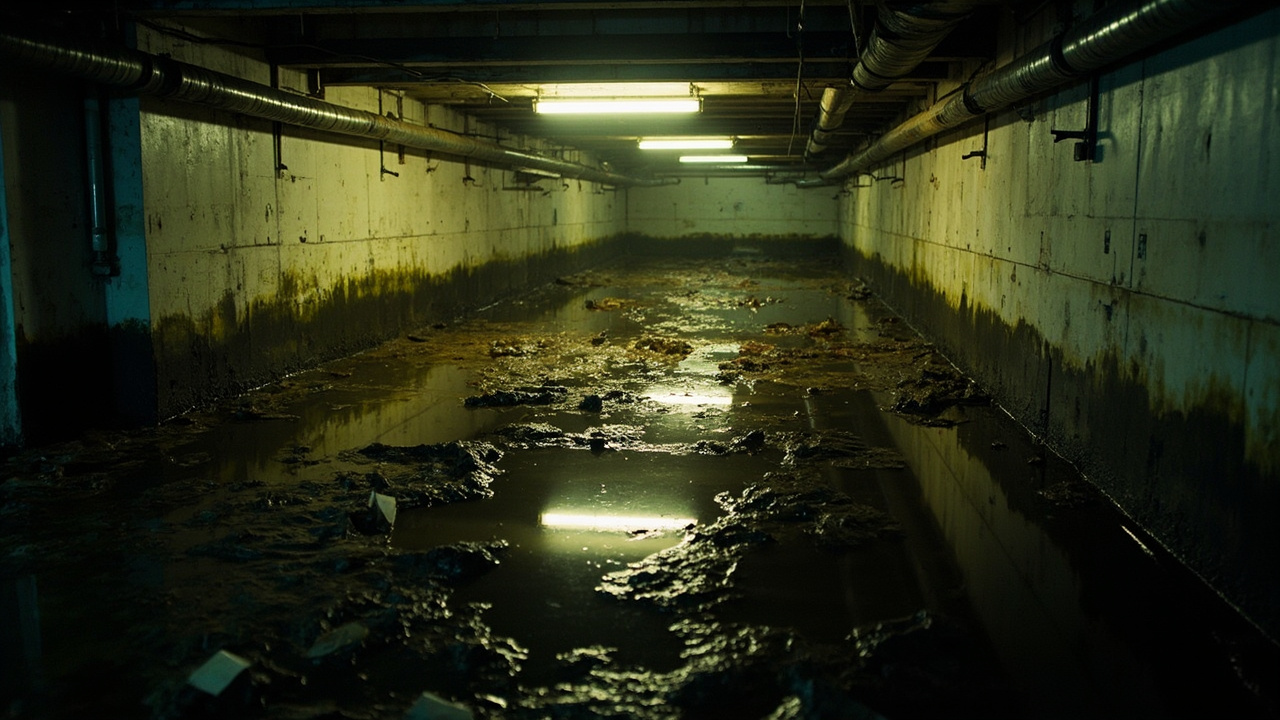
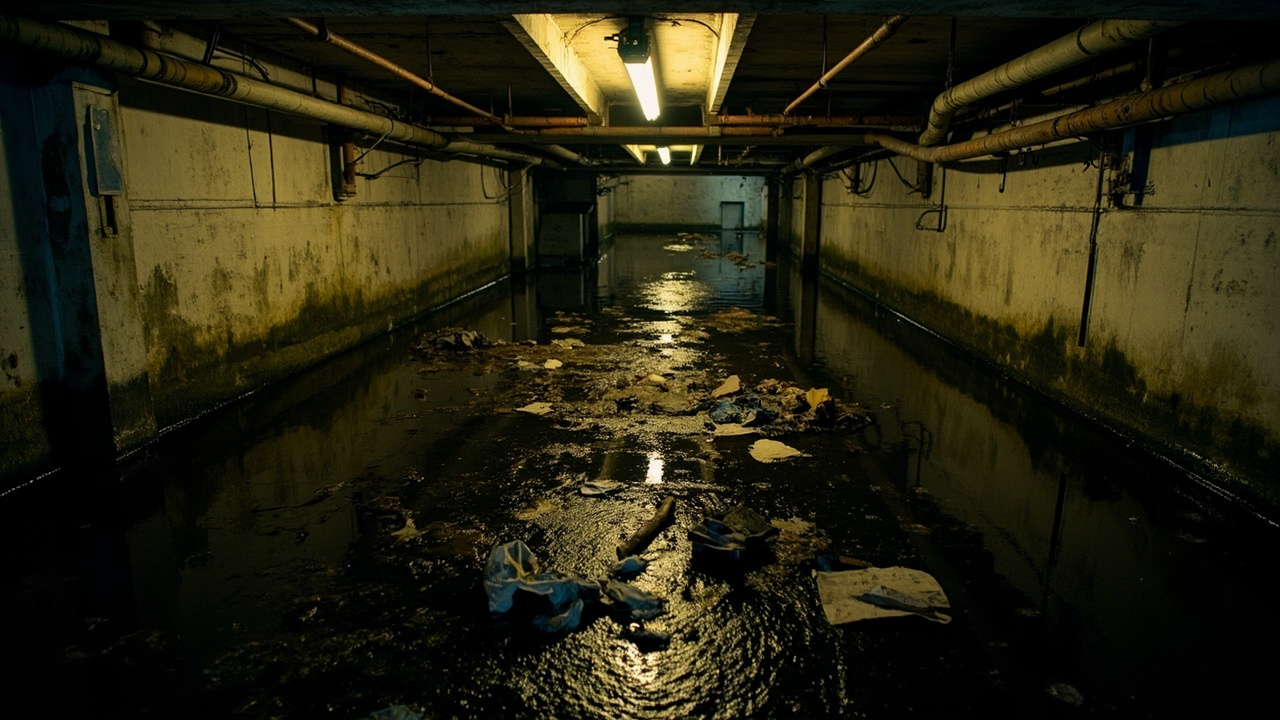
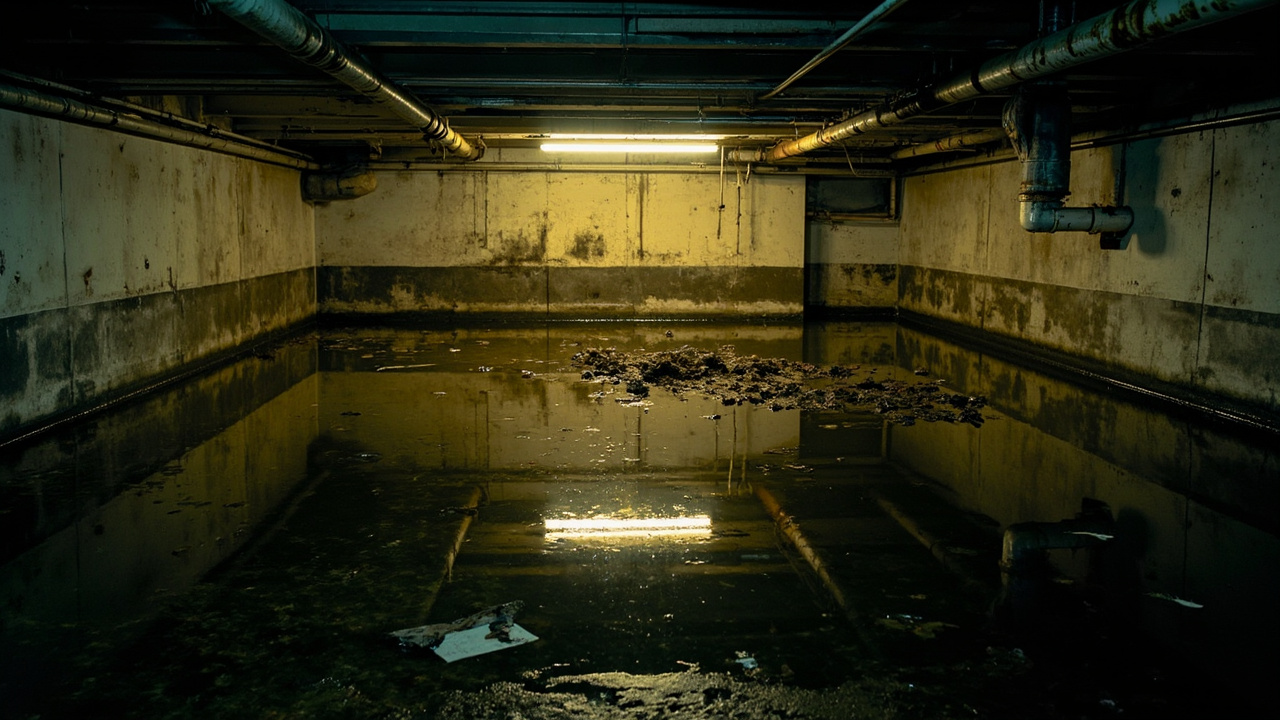
Hartford's aging commercial infrastructure and combined sewer system create a unique vulnerability for businesses throughout the metro area. When heavy rainfall overwhelms the city's drainage capacity, commercial properties in low-lying areas near the Connecticut River and Park River experience catastrophic sewer backups. Your loading dock floods with contaminated water. Your retail floor becomes a biohazard zone. Your manufacturing line stops.

Category 3 water contamination does not wait for business hours. A commercial sewer backup cleaning operation requires specialized equipment that residential crews cannot provide. You need truck-mounted extractors capable of removing thousands of gallons per hour, negative air machines that create proper containment zones, and antimicrobial treatments that meet OSHA standards for employee safety.

The commercial buildings in downtown Hartford face additional challenges. Multi-tenant properties share waste lines. Basement spaces below street level trap sewage. Historic structures on Capitol Avenue or Asylum Street have outdated plumbing that fails without warning. When black water floods your office, warehouse, or retail space, you need industrial sewage cleanup that addresses contamination across multiple zones while your lease obligations continue.

Connecticut commercial building codes require specific remediation protocols. Your business cannot reopen until proper decontamination is documented. Every hour your doors stay closed, you lose revenue, risk lease violations, and face potential liability claims from employees or customers exposed to contaminated conditions. Commercial sewage remediation is not restoration work. It is risk mitigation that protects your business continuity.

Sewage Contamination in Hartford Commercial Properties Requires Immediate Industrial Response
Industrial Black Water Extraction Using Containment Protocols and Commercial-Grade Equipment

Industrial Black Water Extraction Using Containment Protocols and Commercial-Grade Equipment

Commercial sewage removal operates under different parameters than residential extraction. Crestline Water Damage Restoration Hartford deploys truck-mounted vacuum systems that remove standing sewage at rates exceeding 200 gallons per minute. These industrial extractors connect directly to your facility's waste system or discharge into approved holding tanks, preventing additional contamination during removal.

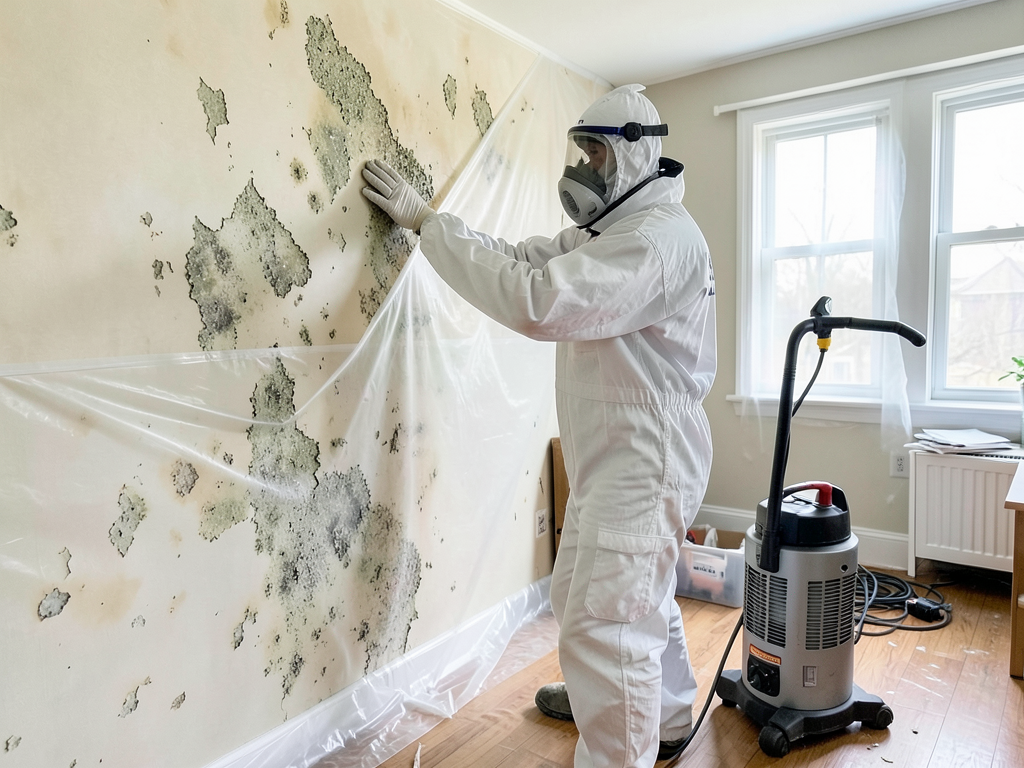
We establish negative air pressure zones using HEPA-filtered air scrubbers that prevent airborne pathogens from migrating into unaffected areas of your building. This containment protocol is critical in multi-use facilities where sewage impacts one tenant but adjacent spaces must remain operational. Physical barriers, sealed doorways, and dedicated exhaust systems maintain separation between contaminated and clean zones.

After extraction, we apply EPA-registered antimicrobial treatments to all affected surfaces. Concrete floors, drywall, and structural materials require different disinfection protocols based on porosity and exposure duration. We document treatment concentrations, contact times, and surface coverage to meet OSHA recordkeeping requirements for commercial properties.

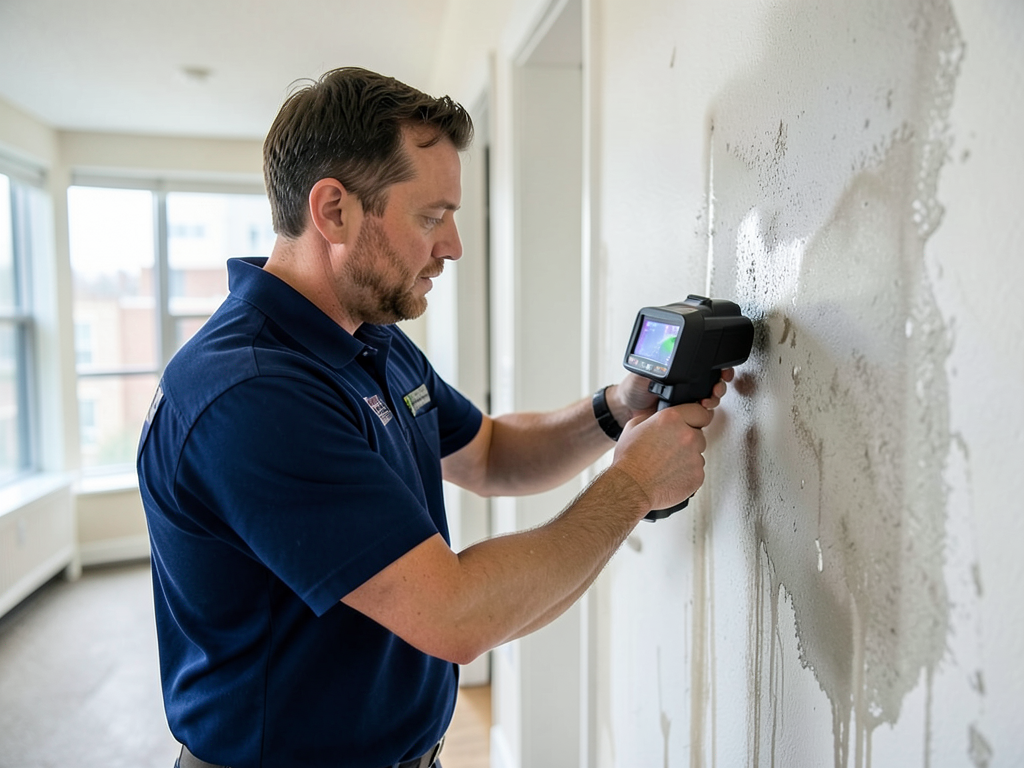
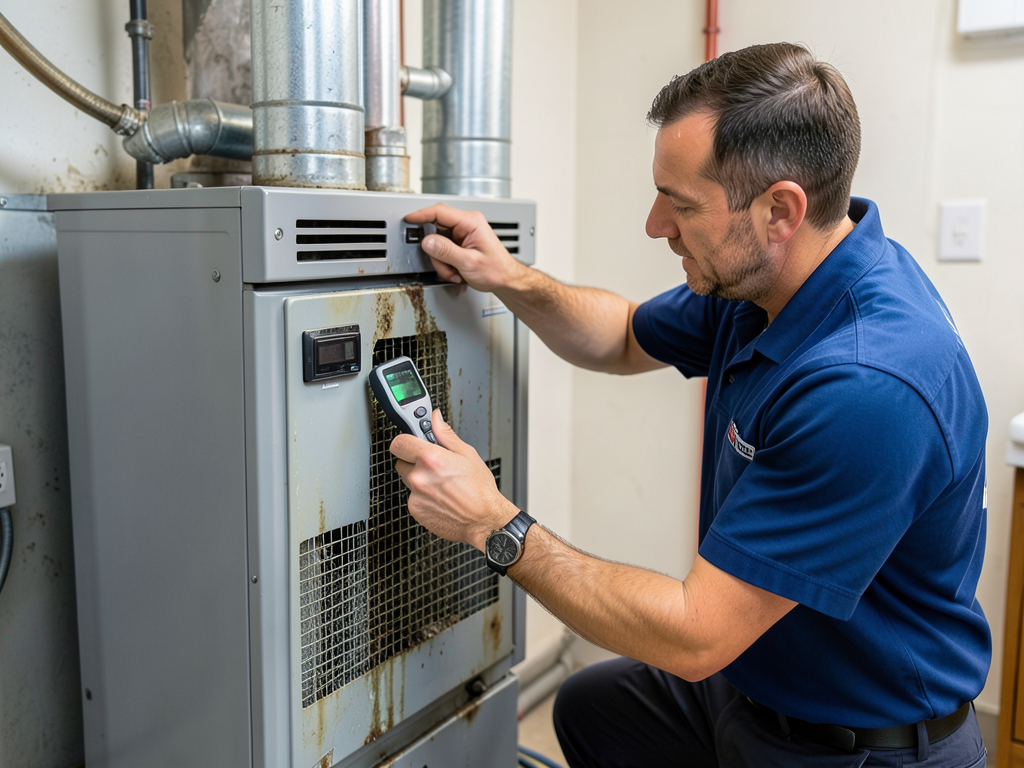
Our commercial sewer backup cleaning process includes comprehensive moisture mapping using thermal imaging and penetrating moisture meters. Hidden water in wall cavities, under flooring systems, or within insulation creates secondary microbial growth that standard visual inspection misses. We verify moisture levels below 15 percent before releasing spaces back to you.

Industrial sewage cleanup requires coordination with your insurance carrier, property management, and local health departments. We provide detailed documentation of contamination extent, remediation activities, and final clearance testing. This paperwork protects you from future liability claims and supports your business interruption insurance claims when facilities remain closed during remediation.

What Happens During Emergency Commercial Sewage Response in Hartford

Commercial Sewage Cleanup in Hartford | Industrial-Grade Response That Keeps Your Business Operating
01

Immediate Containment and Evacuation

Our crew arrives within two hours of your call and immediately establishes safety perimeters around contaminated zones. We evacuate non-essential personnel, shut off HVAC systems to prevent airborne contamination, and deploy physical barriers with posted biohazard warnings. This containment prevents exposure liability and stops sewage migration into unaffected areas of your Hartford facility before extraction begins.
02

High-Volume Extraction and Disposal

Truck-mounted vacuum systems remove all standing sewage and contaminated water from your commercial space. We extract from floor drains, elevator pits, mechanical rooms, and crawl spaces using dedicated hoses that discharge into approved waste handling systems. Simultaneous antimicrobial fogging begins in cleared areas while extraction continues in deeper contamination zones, reducing your total downtime.
03

Decontamination and Documentation

After complete sewage removal, we apply EPA-registered disinfectants to all impacted surfaces and verify effectiveness through ATP testing. Industrial dehumidifiers and air movers dry structural materials to safe moisture levels. You receive a comprehensive remediation report documenting all activities, disposal records, and final clearance testing results required by Hartford health officials and your insurance carrier before reopening.

Why Hartford Businesses Choose Crestline for Commercial Sewage Remediation

Commercial sewage events require crews who understand Connecticut building codes and Hartford's commercial infrastructure challenges. Crestline Water Damage Restoration Hartford maintains relationships with local health inspectors, property managers, and commercial insurance adjusters throughout the metro area. We know which Hartford facilities face recurring sewer backup issues due to the city's combined system limitations and which buildings have been flagged for plumbing upgrades.

Our commercial response capacity exceeds typical residential restoration companies. We maintain dedicated commercial equipment including multiple truck-mounted extractors, industrial-grade negative air machines, and sufficient personnel to staff 24-hour operations during large-scale contamination events. When sewage impacts your warehouse, retail location, or office building, you cannot wait for a crew to finish a residential job first.

We understand business continuity requirements. Our project managers coordinate with your operations team to maintain partial building access when possible, schedule work during off-hours to minimize disruption, and provide realistic timelines based on contamination extent rather than optimistic estimates. You receive daily progress reports with photo documentation that supports your insurance claims and keeps stakeholders informed.

Hartford's commercial districts include everything from historic properties along Pratt Street to modern office towers in the XL Center area. Different building types require different remediation approaches. Older buildings with brick foundations and crawl spaces trap sewage differently than steel-frame structures with concrete slab foundations. Our crews adjust extraction methods, drying protocols, and antimicrobial applications based on your specific building characteristics and materials.

We maintain proper liability coverage for commercial work including pollution liability insurance that many residential-focused companies lack. This coverage protects you when remediation work occurs in occupied buildings where employees or customers might be exposed to residual contamination risks.

What Your Hartford Business Should Expect During Commercial Sewage Cleanup

Rapid Commercial Response Times

Commercial sewage emergencies receive priority dispatch within two hours anywhere in Hartford. Our crews arrive with truck-mounted equipment already loaded, reducing setup time that delays extraction. We maintain 24/7 availability because sewage contamination does not respect business hours. Weekend and holiday response carries no additional fees. Your initial containment and extraction begins the same day you call, preventing contamination spread that extends downtime and increases remediation costs.

Comprehensive Contamination Assessment

Before extraction begins, our project manager conducts a complete facility assessment documenting contamination extent, affected materials, and potential hidden moisture zones. You receive a written scope of work outlining specific remediation activities, estimated timeline, and areas requiring reconstruction after sewage-damaged materials are removed. This assessment includes thermal imaging to identify sewage penetration into wall cavities and insulation that visual inspection cannot detect. We coordinate this evaluation with your insurance adjuster to ensure claim documentation accuracy.

Complete Decontamination and Clearance

Your facility meets all Connecticut health department standards before we release it back to you. We provide third-party verification testing when required by your insurance carrier or lease agreement. All sewage-contaminated porous materials including drywall, insulation, and ceiling tiles are removed and properly disposed. Hard surfaces receive EPA-registered antimicrobial treatment with documented contact times. You receive final moisture readings, ATP test results, and photo documentation proving your space is safe for reoccupancy.

Insurance Coordination and Documentation

We work directly with your commercial insurance carrier throughout the remediation process. Our detailed documentation includes time-stamped photos, moisture readings, equipment logs, and disposal records that support your property damage and business interruption claims. You receive copies of all reports, certificates of disposal for contaminated materials, and clearance documentation required by Hartford health officials. This paperwork package protects you from future liability claims related to the sewage event and provides the evidence your insurer needs for prompt claim settlement.

Frequently Asked Questions

You Have Questions,
We Have Answers

How much does sewage cleanup cost? +

Commercial sewage cleanup costs depend on contamination severity, affected square footage, and structural damage. Expect higher costs for Category 3 water (raw sewage), which requires complete sanitization, disposal of porous materials, and air quality testing. Hartford properties with basement flooding face additional extraction and drying expenses. Multi-story buildings increase labor and equipment costs. Insurance may cover portions, but business interruption costs add up quickly. The faster you address the issue, the lower the total expense. Delayed response leads to secondary damage, mold growth, and extended downtime, which dramatically increases restoration costs and liability exposure.

Does insurance cover sewage cleanup? +

Most commercial property policies cover sudden sewage backups caused by system failures or pipe bursts. Coverage depends on your specific policy language and endorsements. Gradual damage from poor maintenance or aging infrastructure is typically excluded. Hartford businesses should review their policies for sewer backup riders, which often cap at 10,000 to 25,000 dollars. Document everything immediately with photos, videos, and detailed loss inventories. Work with a restoration contractor experienced in commercial insurance claims to maximize reimbursement. Business interruption coverage may offset revenue loss during cleanup, but you must prove the financial impact with documentation.

How long do sewage bacteria last on surfaces? +

Sewage bacteria survive on surfaces for hours to months, depending on conditions. E. coli remains viable for days on hard surfaces and weeks in porous materials. Hepatitis A can persist for months in dried sewage residue. Hartford's humid climate extends bacterial survival, especially in summer months. Temperature, moisture, and organic matter all affect pathogen longevity. This is why professional sanitization is non-negotiable for commercial spaces. Surface wiping does not eliminate biohazards embedded in flooring, drywall, or HVAC systems. EPA-registered disinfectants and proper contact times are required to achieve microbial reduction. Liability for occupant illness makes professional decontamination essential.

What is commercial sewage? +

Commercial sewage refers to wastewater contaminated with human waste, bacteria, viruses, and pathogens from business operations. This includes backups from toilets, floor drains, or municipal sewer lines affecting retail stores, restaurants, offices, or industrial facilities. It is classified as Category 3 water, the most hazardous contamination level. Commercial sewage differs from residential due to volume, regulatory scrutiny, and liability exposure. Hartford businesses face strict health department oversight and potential closure if contamination is not remediated properly. Commercial sewage cleanup requires licensed professionals, proper PPE, biohazard disposal protocols, and third-party verification to meet OSHA and EPA standards.

How long does sewage cleanup take? +

Commercial sewage cleanup takes 3 to 10 days for most properties, depending on contamination extent and building complexity. Small backups affecting a single restroom may resolve in 48 hours. Large-scale incidents impacting multiple floors, HVAC systems, or structural materials require a week or more. Hartford properties with basement flooding need extended drying times due to below-grade moisture retention. Timeline includes extraction, disposal of contaminated materials, antimicrobial treatment, drying, air scrubbing, and post-remediation testing. Business continuity demands speed, but rushing compromises safety and creates liability. Proper documentation and testing extend timelines but protect against future claims.

Why is my sewer bill 200 dollars? +

A 200-dollar sewer bill for commercial properties in Hartford reflects metered water usage, base fees, and Metropolitan District Commission rates. Commercial rates exceed residential due to higher wastewater volume and treatment costs. Restaurants, laundromats, and manufacturing facilities generate significant discharge. Seasonal variations, leaks, or inefficient fixtures drive costs higher. Hartford's aging sewer infrastructure also factors into rate structures. If your bill spiked suddenly, check for leaks, running toilets, or faulty equipment. The MDC bills quarterly, so a 200-dollar charge may cover three months. Review your water audit and compare usage patterns to identify cost drivers and operational inefficiencies.

What is the average lifespan of a sewer line? +

Commercial sewer lines last 40 to 100 years, depending on material and maintenance. Cast iron pipes, common in older Hartford buildings, corrode and fail after 50 to 75 years. PVC lines installed since the 1970s often exceed 100 years. Clay pipes in historic districts deteriorate faster due to root intrusion and ground shifting. Hartford's freeze-thaw cycles accelerate joint separation and cracking. High-volume commercial use shortens lifespan through grease buildup and chemical exposure. Regular video inspections and hydro-jetting extend longevity. Replace aging lines proactively to avoid catastrophic failures during business hours, which trigger emergency costs and revenue loss.

How much does sewage insurance cost? +

Sewage backup insurance for commercial properties costs 300 to 1,500 dollars annually, depending on building size, location, and coverage limits. Hartford businesses in flood-prone areas or with aging infrastructure pay higher premiums. Coverage typically caps at 25,000 to 50,000 dollars per incident. Standalone sewer backup endorsements add 10 to 20 percent to base commercial property premiums. Restaurants and healthcare facilities face higher rates due to sanitation liability. Insurers assess building age, sewer line condition, and claims history. Investing in preventive maintenance, backflow valves, and regular inspections can reduce premiums and demonstrate risk mitigation to underwriters.

Are trenchless sewer repairs worth it? +

Trenchless sewer repairs deliver strong ROI for Hartford commercial properties by eliminating excavation costs, minimizing business disruption, and reducing restoration expenses. Pipe bursting or cured-in-place pipe lining costs 80 to 250 dollars per linear foot, versus 150 to 350 dollars for traditional dig-and-replace. The real savings come from avoiding parking lot demolition, landscape restoration, or sidewalk replacement. Hartford's dense commercial corridors make excavation logistically challenging and expensive. Trenchless methods finish in days, not weeks, reducing revenue loss. If your sewer line has isolated damage or root intrusion, trenchless repairs make financial sense. However, fully collapsed or severely corroded lines may still require full replacement.

Is human feces a biohazard? +

Yes, human feces is a Class B biohazard containing dangerous pathogens like E. coli, Salmonella, Hepatitis A, and parasitic organisms. OSHA categorizes sewage as a bloodborne pathogen risk due to potential cross-contamination. Commercial spaces exposed to fecal matter require professional decontamination to eliminate liability. Hartford health codes mandate proper disposal, PPE use, and sanitization protocols. Employees cannot clean sewage without training and equipment. Porous materials like carpet, drywall, and insulation must be removed and disposed of as regulated waste. Surface cleaning does not eliminate subsurface contamination. Professional remediation protects occupants, meets regulatory standards, and shields your business from negligence claims.

How Hartford's Combined Sewer System Creates Commercial Sewage Backup Risks

Hartford operates a combined sewer system serving downtown and older commercial districts where storm runoff and sanitary waste share the same pipes. When heavy rainfall overwhelms system capacity, sewage backs up through floor drains in basement commercial spaces throughout the metro area. Properties in low-lying areas near the Park River and Connecticut River face the highest risk. The Metropolitan District Commission has documented dozens of overflow events annually, making commercial sewage backup cleaning a recurring need for Hartford businesses in vulnerable locations.

Connecticut commercial building codes require specific remediation protocols after Category 3 water contamination events. Hartford health officials may require third-party clearance testing before allowing business reoccupancy in facilities where employees or customers were potentially exposed to sewage. Working with a commercial sewage remediation provider familiar with local inspection requirements prevents reopening delays. Crestline maintains working relationships with Hartford building inspectors and understands documentation standards that satisfy both local health departments and commercial insurance carriers operating in Connecticut.
Water Damage Restoration Services in The Hartford Area

Crestline Water Damage Restoration Hartford is strategically located to provide rapid and reliable service across the entire Hartford region and its surrounding communities. We invite you to view our service map to confirm that your property falls within our guaranteed service area, ensuring that a professional water damage expert is never far away when you need us most. We pride ourselves on the capability to reach your location quickly, a crucial factor in successful, timely mitigation and restoration.

Address:
Crestline Water Damage Restoration Hartford, 1916 Broad St, Hartford, CT, 06114

Additional Services We Offer

Our news updates

Latest Articles & News from The Blogs

Managing Winter Window Condensation to Prevent Rot in Your Northeast Hartford Victorian Winter condensation on your Northeast Hartford Victorian windows…

Managing Winter Window Condensation to Prevent Rot in Your Northeast Hartford Victorian

Managing Winter Window Condensation to Prevent Rot in Your Northeast Hartford Victorian Winter condensation on your Northeast Hartford Victorian windows…

Why Replacing Your Carpet Padding is Critical After a Leak in Your Bristol Home

Why Replacing Your Carpet Padding is Critical After a Leak in Your Bristol Home \n\n When water seeps into your…

Dealing with Water Damage in Your Mudroom Caused by Tracked-In Snow in West Hartford

Dealing with Water Damage in Your Mudroom Caused by Tracked-In Snow in West Hartford When melting snow from winter boots…

Contact Us

Sewage contamination in your Hartford facility requires immediate industrial response. Call Crestline Water Damage Restoration Hartford at (860) 743-9993 for 24/7 commercial sewage removal. Our crews arrive within two hours with truck-mounted equipment ready to contain contamination and begin extraction.