menu

Frozen Pipe Burst Cleanup in Hartford – 24/7 Emergency Response With On-Site Teams in Under 60 Minutes

When frozen pipes rupture and water floods your property, every minute counts. Crestline Water Damage Restoration Hartford deploys certified technicians around the clock to stop water damage, extract standing water, and begin structural drying before mold takes hold.

Slider Image 1
Slider Image 2
Slider Image 3
Slider Image 4
Slider Image 5
Slider Image 7
Slider Image 8
Slider Image 9
Slider Image 10
Slider Image 11

Hartford's Winter Freeze-Thaw Cycles Turn Pipe Bursts Into Property Catastrophes

Hartford sits in USDA Hardiness Zone 6a, where winter temperatures regularly drop below 20 degrees for extended stretches. Your home's plumbing system expands when water inside freezes. When temperatures spike back up, the ice melts and pressure builds until the weakest joint or seam ruptures.

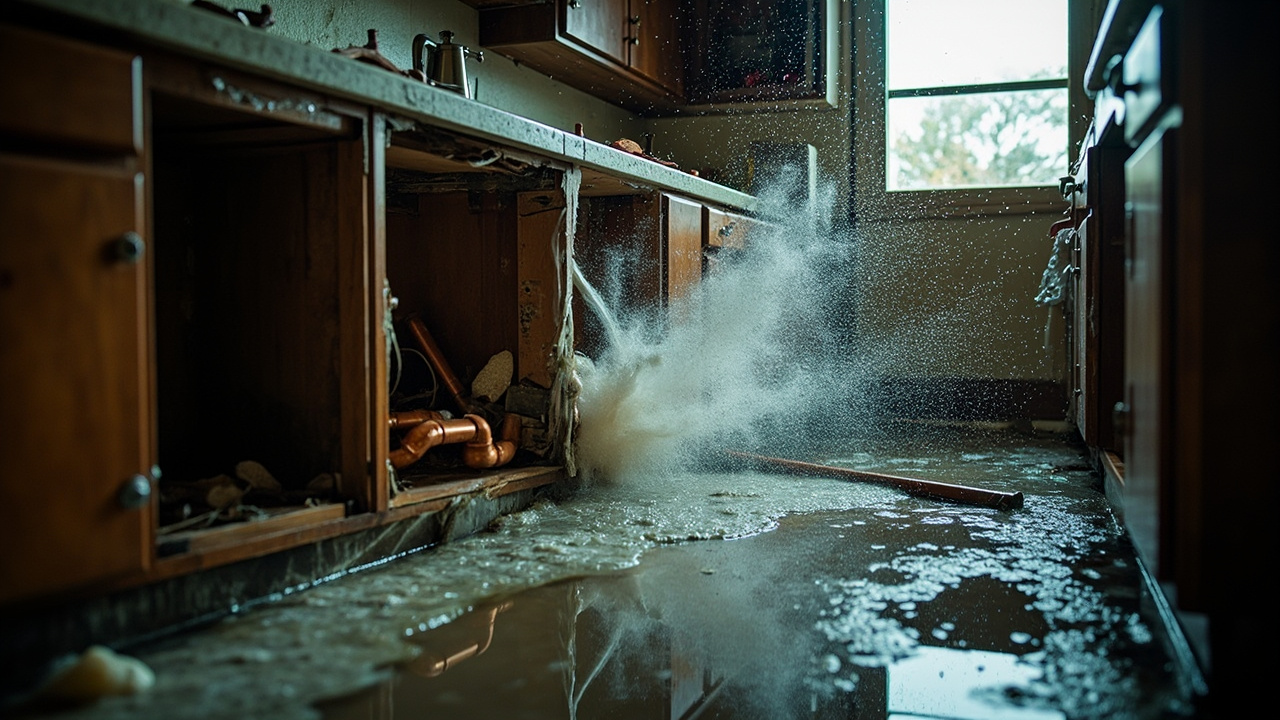
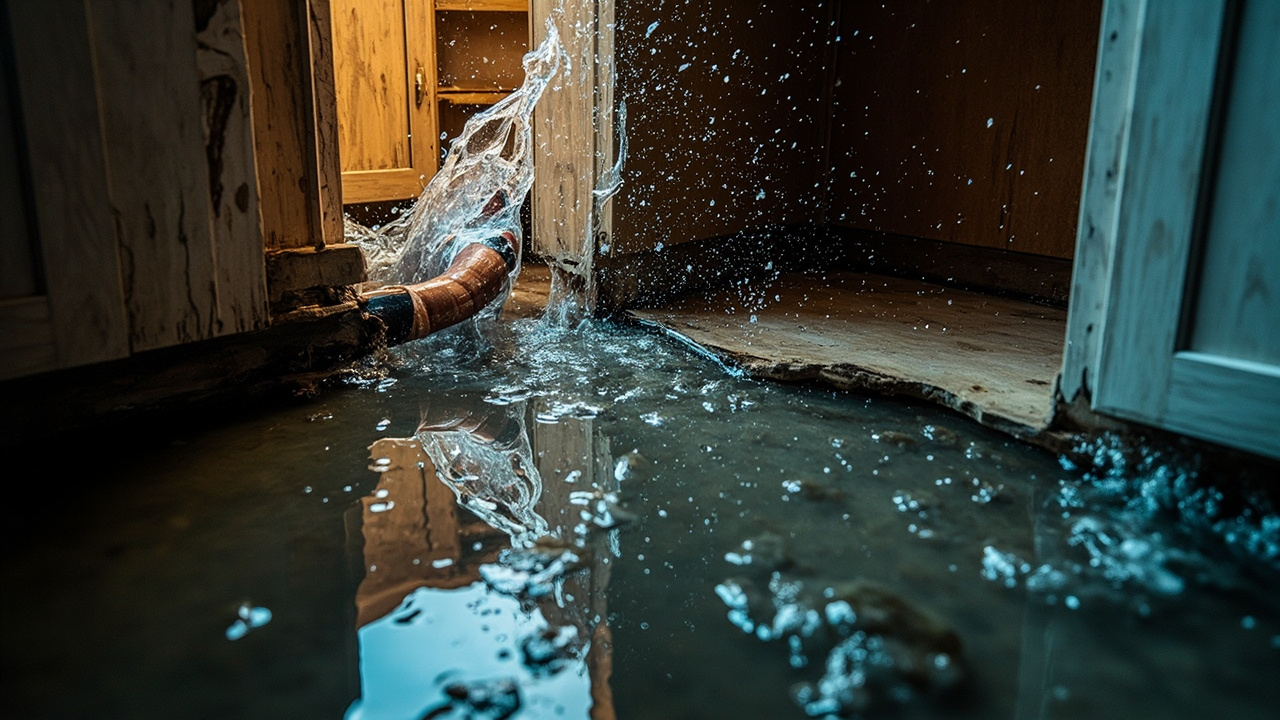
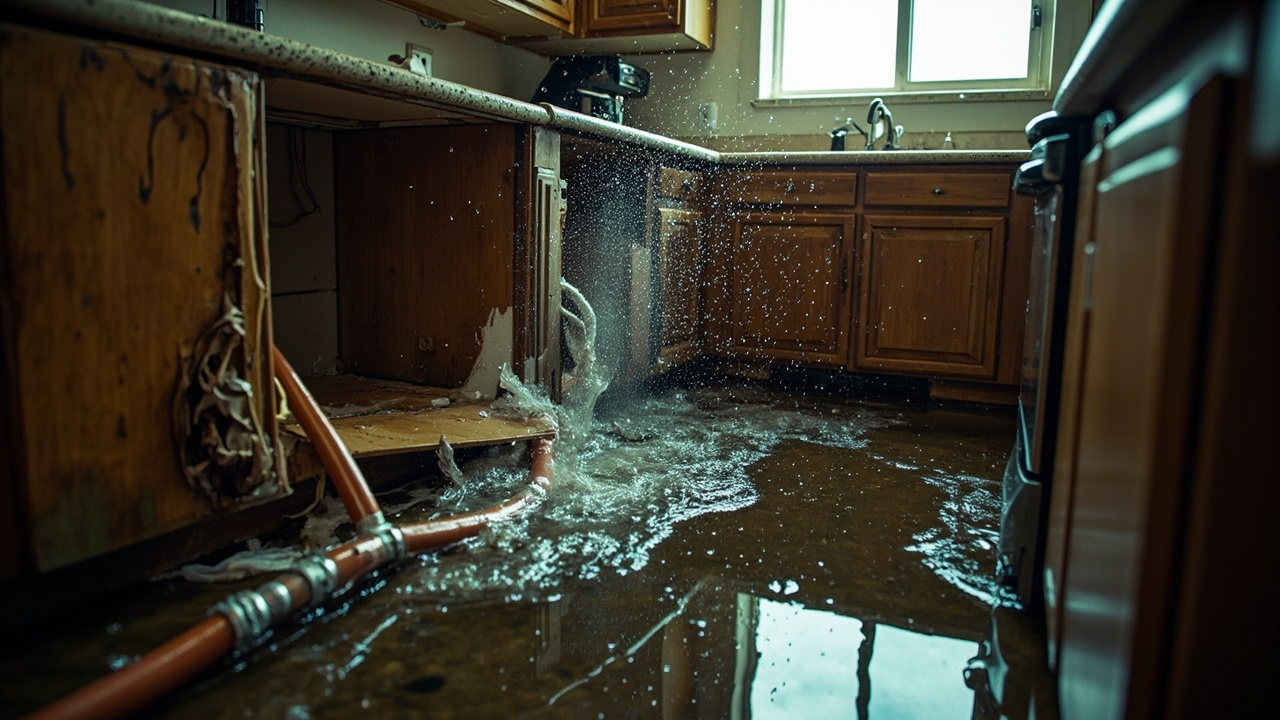
The result is catastrophic. A single burst pipe releases up to 400 gallons per hour. Water floods through walls, saturates insulation, buckles hardwood floors, and seeps into basements. In neighborhoods like West End and Asylum Hill, older homes with cast iron and galvanized steel pipes face even higher burst risk during January and February cold snaps.

You need emergency burst pipe water removal the moment you discover the flood. Standing water penetrates drywall within minutes. Within 24 hours, mold spores colonize wet surfaces. Within 48 hours, structural wood begins to warp and rot.

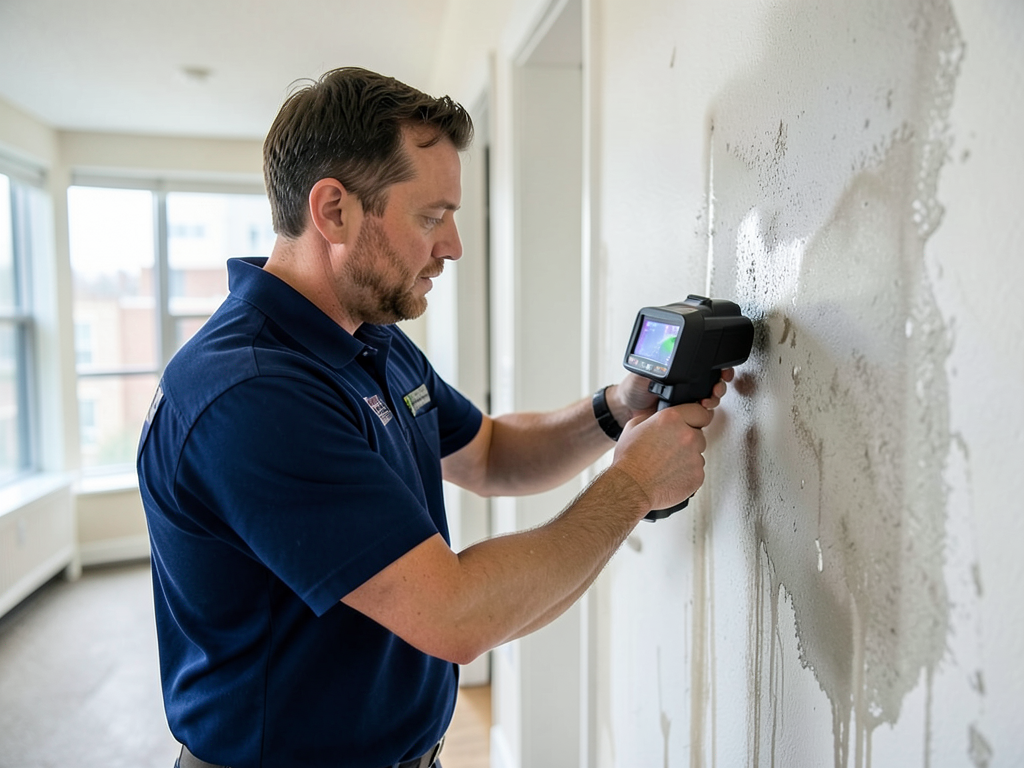
Frozen pipe flood cleanup is not a DIY project. Professional water extraction for frozen pipes requires industrial pumps, thermal imaging to locate hidden moisture pockets, and commercial dehumidifiers to prevent secondary damage. Delaying emergency burst pipe water removal turns a plumbing failure into a total loss claim.

If your pipe just burst, you are facing thousands of gallons of water with nowhere to go. The clock is running.

Hartford's Winter Freeze-Thaw Cycles Turn Pipe Bursts Into Property Catastrophes
Our Burst Pipe Water Damage Restoration Protocol Stops Losses Fast

Our Burst Pipe Water Damage Restoration Protocol Stops Losses Fast

Crestline Water Damage Restoration Hartford follows IICRC S500 water damage restoration standards, modified for the unique challenges of frozen pipe burst remediation in New England construction.

We start with immediate water shutoff at the main valve or curb stop. Many homeowners waste critical minutes searching for shutoff points. Our technicians carry valve keys and know where Hartford Water Department curb boxes are located in older neighborhoods.

Next comes rapid water extraction. We deploy truck-mounted extractors capable of removing 200 gallons per minute. Portable submersible pumps handle basement flooding. For crawl spaces and tight areas, we use low-profile extractors that fit through 18-inch access panels.

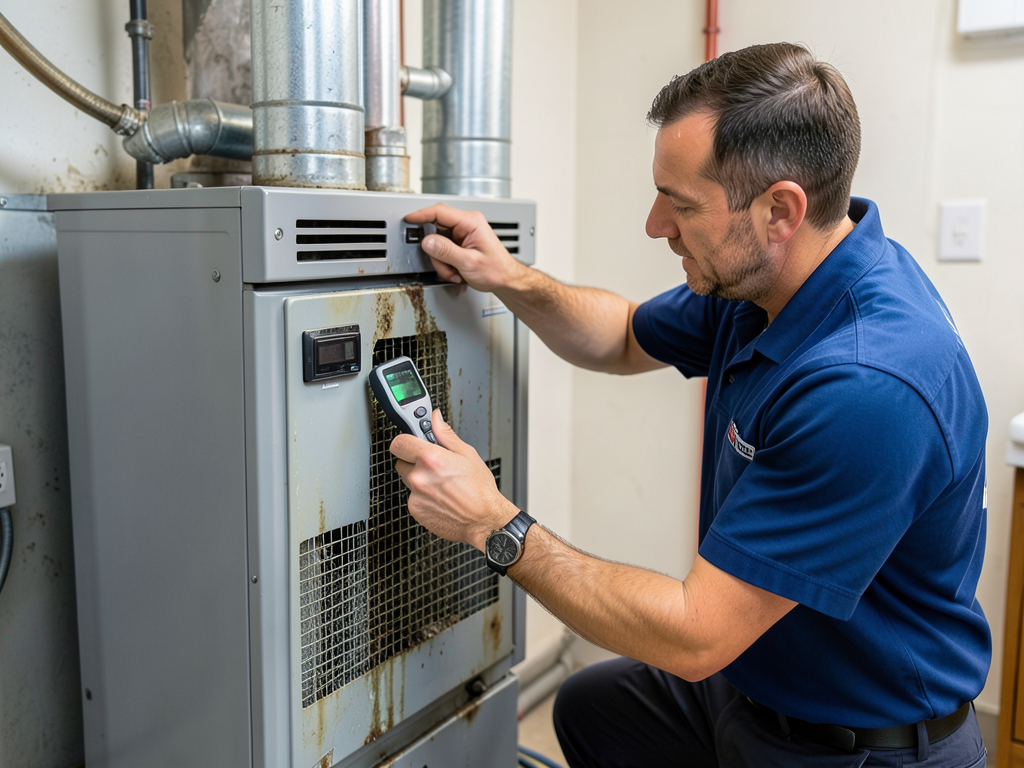
Thermal imaging identifies hidden saturation. Water migrates through wall cavities, under flooring, and into ceiling voids. Our FLIR cameras detect temperature differentials that reveal moisture you cannot see. We document everything for your insurance adjuster.

Structural drying begins immediately. We position commercial air movers to create airflow across wet surfaces at 400 CFM per unit. Low-grain refrigerant dehumidifiers pull moisture from the air and building materials. We monitor moisture content in framing lumber, subfloors, and drywall using pin-type and non-invasive meters.

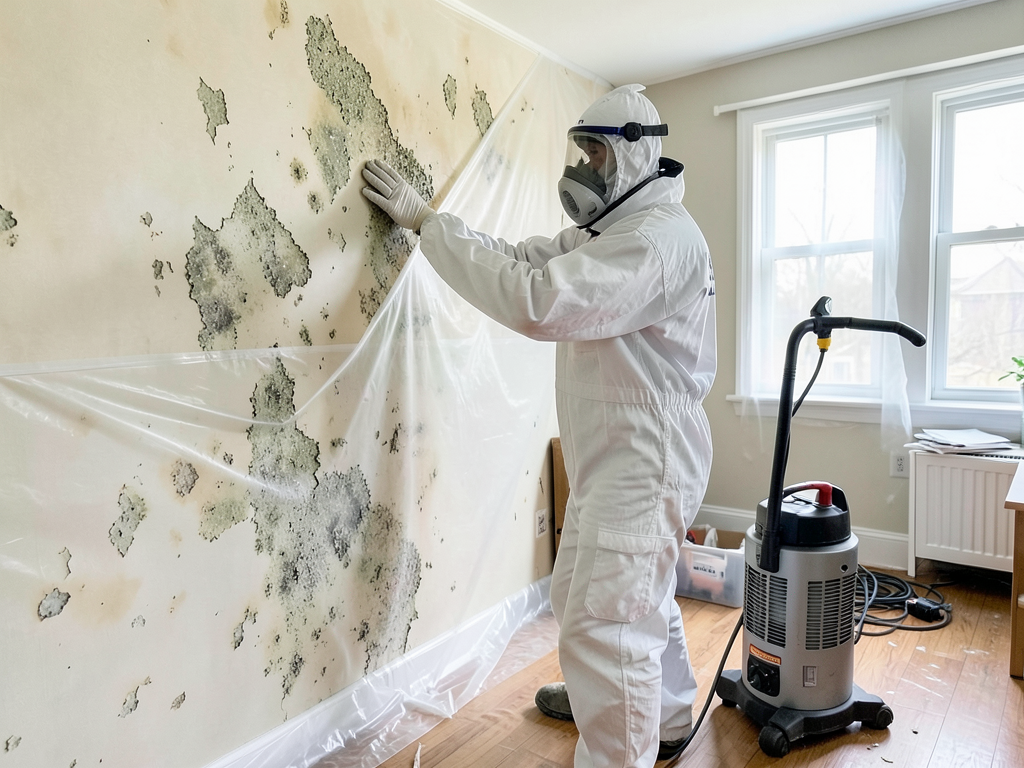
Antimicrobial treatment follows extraction. We apply EPA-registered disinfectants to all affected surfaces to prevent microbial amplification. This is not optional in Hartford's humid climate.

The difference between professional burst pipe water damage restoration and a shop-vac is the difference between recovery and replacement.

What Happens When You Call for Frozen Pipe Burst Cleanup

Frozen Pipe Burst Cleanup in Hartford – 24/7 Emergency Response With On-Site Teams in Under 60 Minutes
01

Immediate Dispatch and Water Shutoff

Our team arrives in under 60 minutes, locates your main water shutoff, and stops the flood. We carry valve keys for outdoor curb stops and can shut down individual branch lines if needed. While one technician handles water control, another begins damage assessment and documents conditions for insurance. You get a verbal rundown of what we found and what happens next before we move equipment inside.
02

Water Extraction and Moisture Mapping

We remove standing water using truck-mounted extractors and submersible pumps, then map hidden moisture with thermal imaging and moisture meters. Every wet surface gets documented. We pull baseboards to inspect wall cavities, check subfloors under carpet, and probe ceiling drywall for saturation. Our technicians mark affected areas with tape so you know exactly what needs drying. Dehumidifiers and air movers go into position based on moisture readings, not guesswork.
03

Structural Drying and Verification

Drying takes three to five days depending on materials and saturation depth. We monitor moisture levels twice daily and adjust equipment placement as needed. When moisture content in framing lumber drops below 15 percent and drywall reads under 1.0 on a non-invasive meter, drying is complete. You receive a final moisture report documenting that your property meets IICRC dry standards. Only then do we remove equipment and release the site for repairs.

Why Hartford Property Owners Choose Crestline for Frozen Pipe Burst Remediation

Crestline Water Damage Restoration Hartford operates 24/7 with technicians staged throughout Hartford County. We are not a franchise call center that routes your emergency to the lowest bidder three towns over. Our trucks are parked in Hartford. Our crews know the difference between a 1920s Colonial in Parkville and a 1960s ranch in Blue Hills.

We understand Hartford building construction. Older homes in neighborhoods like Frog Hollow and South Green have plaster walls over wood lath, not drywall. Plaster holds moisture longer and requires different drying strategies. We know which walls can be saved and which need demolition.

We work directly with your insurance carrier. Our estimators use Xactimate software, the same platform your adjuster uses. We document everything with photos, moisture readings, and equipment logs. You get copies of all reports. Many Hartford homeowners do not realize their policy covers emergency water extraction and drying, not just final repairs. We handle those conversations so you do not leave money on the table.

Local building inspectors know our work. When frozen pipe burst remediation involves structural repairs, you need permits from Hartford's Building Department. We coordinate inspections and provide documentation that satisfies code officials.

Speed matters in water damage restoration. Mold begins growing within 24 to 48 hours. A Hartford company with local crews gets to you faster than a regional outfit dispatching from New Haven or Springfield. That time difference is the difference between drying and demolition.

You need frozen pipe burst cleanup done right the first time. We have the equipment, training, and local knowledge to make that happen.

What to Expect When We Handle Your Emergency Burst Pipe Water Removal

Response Time and Availability

We answer emergency calls 24 hours a day, 365 days a year. When you call, you talk to a dispatcher who can deploy a crew immediately, not an answering service that takes messages. Our average response time for Hartford addresses is under 60 minutes. Nights, weekends, and holidays make no difference. We maintain on-call teams specifically for frozen pipe emergencies during winter months. When a polar vortex hits Hartford and multiple pipes burst across the city, we bring in additional crews to maintain fast response times. You will not wait until morning while water destroys your property.

Initial Assessment and Damage Documentation

Our technicians perform a complete moisture assessment before moving equipment inside. We use thermal imaging to detect water in wall cavities, moisture meters to measure saturation depth, and photos to document conditions. You receive a verbal explanation of what we found, what needs to happen, and what the timeline looks like. We create a detailed scope of work for your insurance company that includes moisture readings, affected materials, and recommended drying protocol. This documentation protects you if your carrier questions the claim later. The assessment takes 30 to 45 minutes and gives you a clear picture of the damage.

Drying Results and Final Conditions

We do not remove equipment until moisture levels meet IICRC S500 standards. That means framing lumber below 15 percent moisture content, drywall below 1.0 on non-invasive readings, and concrete slabs below 5.5 percent by weight. You get a final moisture report with readings from every affected area. This documentation proves your property is dry and ready for repairs. Most insurance carriers require this verification before authorizing reconstruction. If you skip professional drying and try to patch walls over wet framing, mold grows behind the repairs and you pay for the work twice.

Insurance Coordination and Claims Support

We work directly with your insurance adjuster to document the loss and justify the scope of work. Our estimators provide line-item breakdowns in Xactimate format, the industry standard for insurance claims. We include photos, moisture logs, and equipment schedules. If your adjuster disputes coverage or tries to reduce the claim, we provide technical support and explain why each step of the restoration was necessary. Many Hartford homeowners do not realize their policy covers emergency mitigation costs separately from repairs. We help you understand what is covered and maximize your claim. You should not pay out of pocket for damage your policy covers.

Frequently Asked Questions

You Have Questions,
We Have Answers

What to do when a pipe freezes and bursts? +

Shut off your main water valve immediately to stop flooding. Turn off electricity if water is near outlets or appliances. Move valuables to dry areas and document the damage with photos for your insurance claim. Do not attempt repairs yourself. Hartford's freeze-thaw cycles can cause hidden damage behind walls or under floors. Call a professional water damage restoration company right now. Time matters. Every minute water sits, it spreads deeper into drywall, insulation, and subflooring. Professionals extract standing water, dry structural materials, and prevent mold growth. They also work directly with your insurance company to streamline claims.

How to clean up after a pipe burst? +

Start by removing standing water with pumps or wet vacuums. Pull up soaked carpets, pads, and damaged materials quickly. Hartford's humidity makes drying slower, so use industrial fans and dehumidifiers to circulate air and pull moisture from walls and floors. Disinfect all affected surfaces to prevent bacteria growth. Check hidden spaces like crawl spaces and wall cavities for trapped water. Document everything for insurance. Most homeowners lack the equipment to fully dry structural materials. Professional restoration teams use moisture meters and thermal imaging to find hidden water pockets that cause mold and rot later.

Which faucets to drip during freeze? +

Drip faucets farthest from your water heater or on exterior walls. In Hartford homes, this often means bathrooms or kitchens facing north or areas over unheated basements. Let both hot and cold taps drip at a pencil-thin stream. Moving water resists freezing better than standing water. Focus on pipes in uninsulated spaces, crawl spaces, or attics. Outdoor hose bibs should be shut off from inside and drained completely. Cabinet doors under sinks should stay open to let warm air circulate around pipes. Dripping costs pennies compared to thousands in burst pipe damage and cleanup.

How much do plumbers charge to unfreeze pipes? +

Expect to pay between $200 and $600 for pipe thawing in Hartford, depending on pipe location and access difficulty. Walls or ceilings that need opening increase costs significantly. Emergency calls during nights, weekends, or holidays carry higher rates. If the pipe already burst, you face additional costs for water damage restoration, drywall replacement, and flooring repairs that run into thousands. This is why prevention matters. Insulating exposed pipes costs far less than emergency plumber calls. Get multiple quotes if time allows, but do not delay if water is actively leaking. Speed prevents exponential damage.

Should you leave your faucets open if your pipes are frozen? +

Yes, leave faucets open while pipes thaw. Opening taps relieves pressure buildup inside frozen pipes. Pressure is what causes pipes to rupture. Let both hot and cold sides run at a trickle. As ice melts, water will start flowing again. If you see water coming out, keep the faucet open until full pressure returns. Never use open flames, blowtorches, or high-heat devices to thaw pipes. You risk fire, toxic fumes, or pipe damage. In Hartford's older homes with galvanized or copper plumbing, gentle thawing prevents stress fractures that cause leaks later.

Does homeowners insurance cover frozen pipes? +

Most homeowners insurance policies cover sudden and accidental pipe bursts, including frozen pipe damage. However, coverage depends on whether you took reasonable steps to prevent freezing. If you left your Hartford home unheated during winter or ignored maintenance, insurers may deny claims. Keep your thermostat at 55 degrees minimum if you travel. Document preventive measures like insulation or dripping faucets. Flood damage from external sources requires separate flood insurance. Review your policy now, before disaster strikes. Take photos of damage immediately and contact your insurer within 24 hours to start your claim.

How to dry out a house after burst pipe? +

Remove all standing water immediately using pumps or wet vacuums. Tear out soaked drywall, insulation, and flooring that cannot be saved. Hartford's humidity slows natural drying, so you need industrial dehumidifiers and air movers running continuously for 3 to 7 days. Open windows only if outdoor humidity is lower than indoors. Check wall cavities and subflooring with moisture meters. Hidden moisture causes mold and structural rot. Disinfect all surfaces water touched. Professional restoration companies use thermal imaging to find moisture you cannot see and prevent future problems that cost more than initial cleanup.

How long does it take for a water leak to cause mold? +

Mold begins growing within 24 to 48 hours after water exposure in Hartford's climate. Higher humidity accelerates growth. Once mold starts, it spreads rapidly through drywall, insulation, carpets, and wood. You may not see visible mold for days, but spores are already colonizing. This is why immediate water extraction and drying matter. Mold causes respiratory problems, allergic reactions, and structural damage. It also complicates insurance claims if you waited too long to act. If water sat longer than 48 hours, assume mold is present and call professionals with proper containment and remediation equipment.

How much water should I run to keep pipes from freezing? +

Let faucets drip at a pencil-thin stream, roughly 5 to 10 drips per minute. You do not need a heavy flow. The goal is movement, not volume. Moving water resists freezing. Focus on faucets connected to pipes in unheated areas, exterior walls, or over crawl spaces common in Hartford homes. Both hot and cold lines should drip. Yes, this wastes some water, but it costs far less than repairing burst pipes and water damage. A dripping faucet uses a few gallons overnight. A burst pipe dumps hundreds of gallons into your home in minutes.

Should you drip faucets all day or just at night? +

Drip faucets continuously during freezing weather, day and night. Hartford temperatures can drop suddenly, and pipes freeze faster than you think, especially during windy conditions that pull heat from exterior walls. Nighttime poses higher risk because temperatures drop and homes lose heat faster without sunlight. However, daytime dripping matters if temps stay below freezing. Check weather forecasts. If temperatures will stay below 20 degrees for extended periods, keep faucets dripping until the cold snap ends. The small water cost is negligible compared to thousands in burst pipe damage, emergency plumber fees, and restoration work.

Why Hartford's Freeze-Thaw Cycles Make Frozen Pipe Bursts So Devastating

Hartford averages 22 days per year below 20 degrees, with temperatures often rebounding into the 40s within 48 hours. This freeze-thaw volatility is brutal on residential plumbing. When frozen water expands inside copper or PEX tubing, it weakens joints and fittings. The pipe does not always burst while frozen. It fails when pressure spikes as ice melts and water flow resumes. Homes built before 1980 in neighborhoods like Asylum Hill and Behind the Rocks have pipes routed through exterior walls and uninsulated crawl spaces, making them especially vulnerable. Emergency burst pipe water removal becomes critical because these older homes also have oak and maple flooring, horsehair plaster, and full basements where water migrates quickly.

Crestline Water Damage Restoration Hartford holds certifications from the Institute of Inspection, Cleaning and Restoration Certification and maintains relationships with local plumbers, contractors, and insurance adjusters who work in Hartford daily. We understand how Hartford's Building Department handles permits for water damage repairs and what documentation they require. When frozen pipe burst remediation involves structural work, you need a team that knows local code officials and can navigate the permit process without delays. Choosing a restoration company based outside Hartford means longer response times and crews unfamiliar with local construction methods. That unfamiliarity costs you time and money when drying protocols do not match your home's building materials.
Water Damage Restoration Services in The Hartford Area

Crestline Water Damage Restoration Hartford is strategically located to provide rapid and reliable service across the entire Hartford region and its surrounding communities. We invite you to view our service map to confirm that your property falls within our guaranteed service area, ensuring that a professional water damage expert is never far away when you need us most. We pride ourselves on the capability to reach your location quickly, a crucial factor in successful, timely mitigation and restoration.

Address:
Crestline Water Damage Restoration Hartford, 1916 Broad St, Hartford, CT, 06114

Additional Services We Offer

Our news updates

Latest Articles & News from The Blogs

Managing Winter Window Condensation to Prevent Rot in Your Northeast Hartford Victorian Winter condensation on your Northeast Hartford Victorian windows…

Managing Winter Window Condensation to Prevent Rot in Your Northeast Hartford Victorian

Managing Winter Window Condensation to Prevent Rot in Your Northeast Hartford Victorian Winter condensation on your Northeast Hartford Victorian windows…

Why Replacing Your Carpet Padding is Critical After a Leak in Your Bristol Home

Why Replacing Your Carpet Padding is Critical After a Leak in Your Bristol Home \n\n When water seeps into your…

Dealing with Water Damage in Your Mudroom Caused by Tracked-In Snow in West Hartford

Dealing with Water Damage in Your Mudroom Caused by Tracked-In Snow in West Hartford When melting snow from winter boots…

Contact Us

Water is destroying your property right now. Every minute you wait, the damage spreads. Call Crestline Water Damage Restoration Hartford at (860) 743-9993 for immediate dispatch. Our crews are standing by 24/7 to stop the flood, extract water, and start drying before mold takes hold.