menu

Efflorescence on Concrete in Hartford – Expert Diagnosis and Permanent Moisture Solutions

When white powder or crystalline deposits appear on your concrete, it signals a deeper moisture problem. Crestline Water Damage Restoration Hartford identifies the water source, eliminates efflorescence, and prevents recurrence with proven remediation techniques.

Slider Image 1
Slider Image 2
Slider Image 3
Slider Image 4
Slider Image 5
Slider Image 7
Slider Image 8
Slider Image 9
Slider Image 10
Slider Image 11

Why Concrete in Hartford Develops White Powder and Salt Deposits

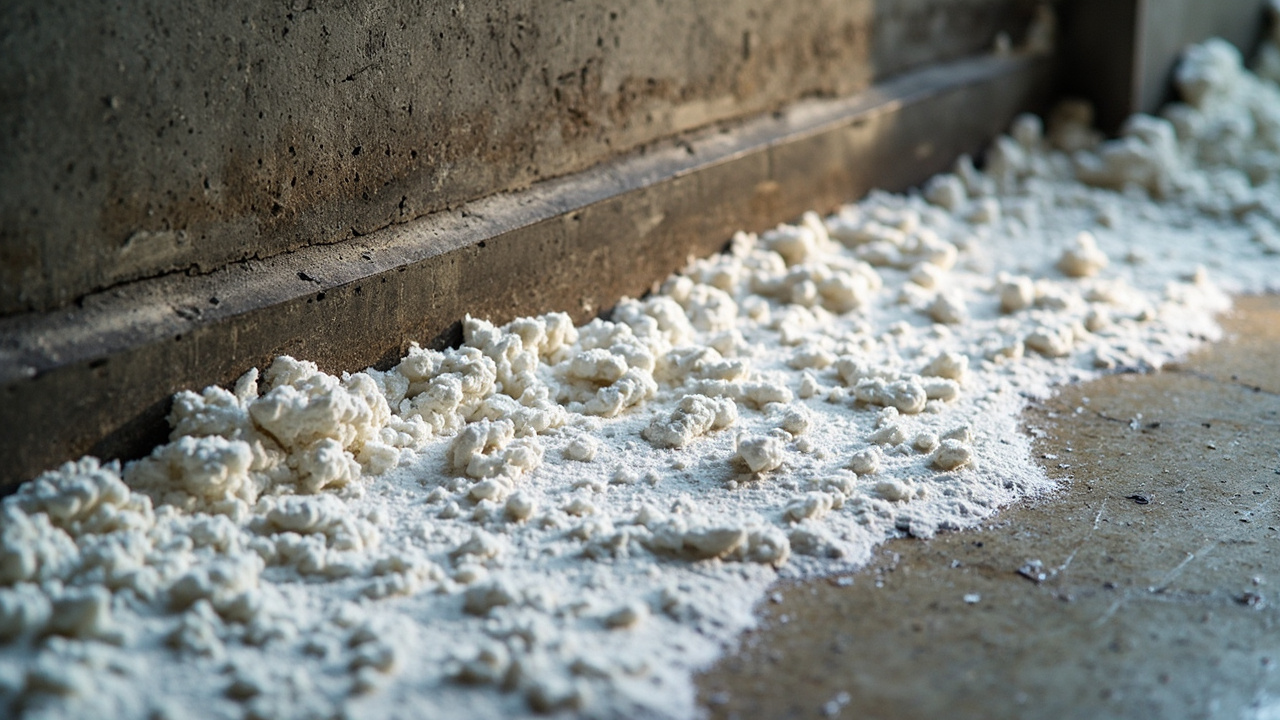
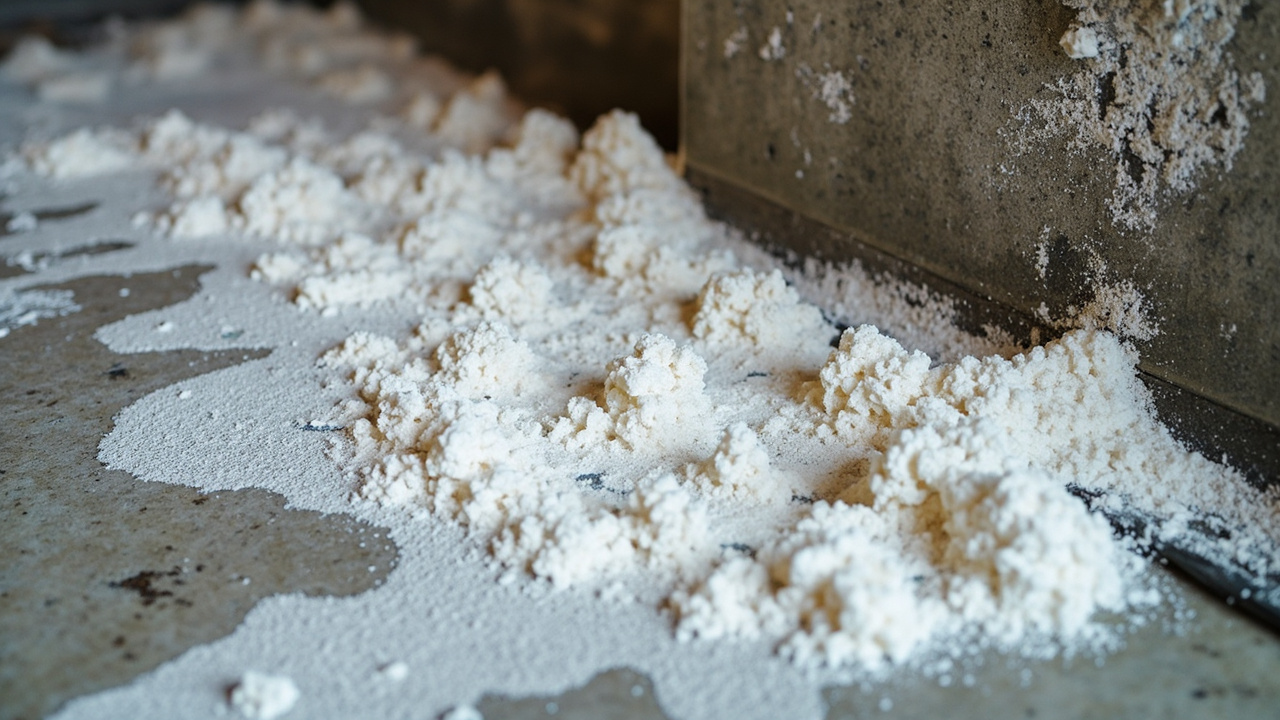
You walk into your basement or garage and notice a chalky white residue on the concrete floor or walls. The white powder on concrete might look harmless, but it tells you water is moving through your foundation.

Efflorescence happens when water penetrates concrete, dissolves mineral salts inside the material, and carries them to the surface. As the water evaporates, it leaves behind crystalline deposits on concrete that look like frost or chalk.

Hartford's climate makes this problem common. Winter freeze-thaw cycles crack concrete and create pathways for groundwater. Spring rains saturate clay-heavy soil around foundations, pushing hydrostatic pressure against basement walls. Summer humidity keeps concrete damp longer, allowing more salts to migrate.

You might see concrete salt deposits along mortar joints, at the base of foundation walls, or across garage floors. The white residue on concrete often appears in the same spots repeatedly because water follows the path of least resistance.

This is not just a cosmetic issue. The presence of mineral salts on concrete means water is actively moving through your foundation. That water can carry mold spores, degrade structural integrity, and create conditions for wood rot in framing.

If you ignore the white powder, the efflorescence will return. The water source must be addressed, or the problem compounds. Basements in older Hartford neighborhoods near the Connecticut River or in areas with high water tables see this issue frequently. The longer you wait, the more expensive the fix becomes.

Why Concrete in Hartford Develops White Powder and Salt Deposits
How We Stop Efflorescence and Fix the Moisture Source

How We Stop Efflorescence and Fix the Moisture Source

Scrubbing off white residue on concrete does nothing if water still penetrates the foundation. We treat efflorescence as a diagnostic tool, not the problem itself.

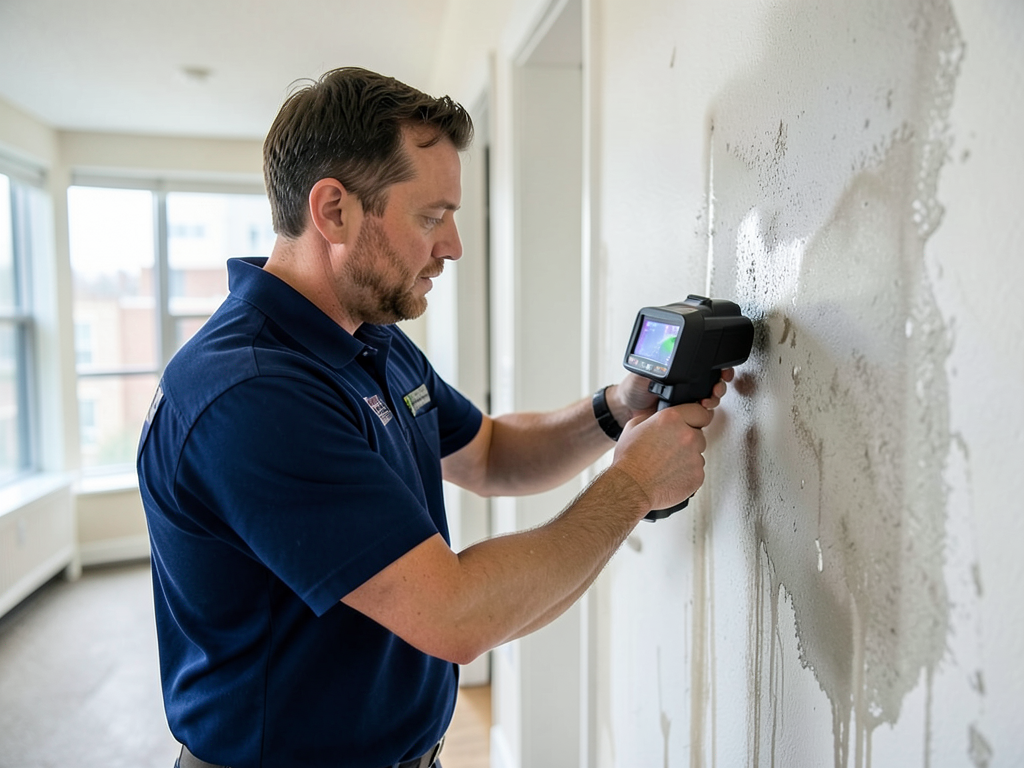
Our process starts with moisture mapping. We use infrared thermal imaging to identify where water enters the concrete. Cold spots on thermal scans reveal active moisture intrusion. We also measure relative humidity levels in the basement to determine if condensation contributes to the issue.

Next, we inspect the exterior grade around your foundation. Hartford properties built before modern drainage codes often lack proper slope. Water pools near the foundation instead of draining away. We identify grading problems, failed gutters, or missing downspout extensions that direct roof runoff toward the basement.

Inside, we examine efflorescence patterns. Vertical streaking indicates water seeping through cracks. Horizontal banding near the floor suggests groundwater wicking up through the slab. Efflorescence concentrated near mortar joints points to porous masonry allowing capillary action.

Once we locate the water source, we eliminate it. This might involve exterior waterproofing, installing or repairing interior drainage systems, applying crystalline waterproofing compounds that chemically seal concrete, or injecting polyurethane foam to fill voids and cracks.

We then remove existing efflorescence using pH-neutral cleaners or mechanical abrasion, depending on the surface. Chemical treatments break down mineral salts without damaging concrete. For severe cases, we apply vapor barriers or sealants to block future salt migration.

We do not guess. We test, measure, and verify the water source before recommending solutions. That approach prevents wasted money on surface treatments that fail in six months.

What Happens When You Call About Efflorescence

Efflorescence on Concrete in Hartford – Expert Diagnosis and Permanent Moisture Solutions
01

On-Site Moisture Assessment

We inspect your property within 24 hours of your call. Our technician uses thermal imaging and moisture meters to map water intrusion patterns. We photograph efflorescence locations, test humidity levels, and inspect exterior drainage. You receive a detailed assessment explaining where water enters, why it happens, and what it damages. This visit typically takes 45 to 90 minutes depending on property size.
02

Source Elimination and Waterproofing

We address the water source using the appropriate method for your situation. This might involve installing French drains, repairing foundation cracks with epoxy or polyurethane injection, applying crystalline waterproofing that penetrates concrete pores, or regrading exterior soil. We use commercial-grade materials designed for Connecticut groundwater conditions. Most waterproofing projects complete in one to three days depending on scope and access.
03

Efflorescence Removal and Protection

After stopping the water source, we remove existing salt deposits using mechanical or chemical methods. We then apply penetrating sealers or vapor barriers to prevent future efflorescence. You receive documentation of all work performed, including before and after moisture readings. We schedule a follow-up inspection after the next major rain event to verify the repair holds under real-world conditions. Your concrete stays dry and clean.

Why Hartford Property Owners Trust Our Efflorescence Solutions

Efflorescence is not a DIY fix. You need someone who understands Hartford's soil composition, water table fluctuations, and how older construction methods affect moisture movement.

Many Hartford homes were built between 1920 and 1960, before modern foundation waterproofing became standard. These properties have porous concrete block or stone foundations that wick water easily. We have worked on hundreds of basements in neighborhoods like Asylum Hill, West End, and South Green. We know the common failure points in these older structures.

We also understand Hartford's clay soil. Clay expands when wet and contracts when dry. This seasonal movement creates hydrostatic pressure against foundation walls, forcing water through microscopic cracks. Properties near the Connecticut River or Park River face elevated groundwater levels that compound the problem.

Our team includes technicians certified in water damage remediation and structural drying. We follow IICRC S500 standards for water intrusion assessment. That means we use calibrated instruments, document moisture levels, and apply proven remediation protocols.

We do not subcontract the work. Our crews handle every phase from assessment to final sealing. That eliminates communication breakdowns and ensures quality control.

We also coordinate with insurance adjusters when water damage causes efflorescence. We provide detailed documentation and moisture readings that support claims. Most Hartford homeowners do not realize their policy might cover foundation water intrusion if it results from a sudden event like a burst pipe or sewer backup.

You get one point of contact throughout the project. No runaround, no upselling services you do not need. We fix the problem correctly the first time.

What to Expect When We Fix Your Efflorescence Problem

Response Time and Scheduling

We schedule on-site assessments within 24 hours of your call. Emergency water intrusion gets same-day response. Most assessments take place in the morning to allow time for same-day project starts if you approve the work. We operate seven days a week because foundation leaks do not wait for business hours. For non-emergency efflorescence issues, we offer flexible scheduling including evenings. Once work begins, most projects complete in one to three days depending on the extent of waterproofing needed. We provide a written timeline before starting any work.

How the Assessment Works

Our technician arrives with thermal imaging equipment, moisture meters, and inspection tools. We scan walls and floors to identify moisture sources. We inspect the exterior for drainage problems, failed waterproofing, or cracks. We measure relative humidity and take photos of all efflorescence locations. You receive a written report explaining what we found, why it happens, and the recommended fix. We break down the scope of work and materials needed. No pressure, no sales pitch. Just facts and options. The assessment itself costs nothing if you proceed with recommended repairs.

The Quality of Our Work

We use commercial-grade materials designed for Connecticut groundwater conditions. Crack injections use flexible polyurethane or rigid epoxy depending on whether the crack is active or dormant. Waterproofing membranes meet or exceed ASTM standards for vapor transmission. Interior drainage systems include proper slope, gravel bedding, and sump pump redundancy. We document moisture levels before and after remediation. You receive photos showing the work at each stage. Our goal is a permanently dry foundation, not a temporary patch. We do not consider the job complete until follow-up moisture readings confirm success.

Post-Remediation Support

We schedule a follow-up inspection after the next significant rain event to verify repairs hold under stress. You receive care instructions for maintaining drainage systems and recognizing early signs of future problems. If efflorescence returns within the first year due to our workmanship, we re-evaluate and fix it at no charge. We also provide referrals for related services like mold remediation or foundation crack repair if your situation requires it. You have direct access to the project manager who handled your job, not a general customer service line. Questions get answered quickly by someone who knows your property.

Frequently Asked Questions

You Have Questions,
We Have Answers

Is efflorescence on concrete a problem? +

Efflorescence itself is not structural damage. It is a symptom. The white, chalky residue forms when water moves through concrete and carries soluble salts to the surface. The problem is not the salt. The problem is the water. In Hartford, freeze-thaw cycles and high water tables worsen moisture infiltration. If you see efflorescence on basement walls or foundation slabs, you have a moisture problem that can lead to mold growth, concrete spalling, and deterioration. Address the water source first. The efflorescence is just telling you where the water is moving.

How do you fix efflorescence on concrete? +

Remove surface efflorescence with a stiff brush and water. For stubborn deposits, use a diluted vinegar solution or a commercial efflorescence cleaner. Scrub and rinse thoroughly. This treats the symptom. The fix requires stopping the moisture source. Check for foundation cracks, poor grading around your Hartford home, or failing perimeter drains. Repair cracks with hydraulic cement or epoxy injection. Improve exterior drainage. Install or repair gutters and downspouts. You may need interior waterproofing or a sump pump if groundwater intrusion persists. Surface cleaning alone will not solve the problem.

Should efflorescence be removed? +

Yes. Remove efflorescence before sealing or coating concrete. The salt crystals prevent proper adhesion. Sealers trap moisture behind the surface, which worsens the problem and causes peeling or blistering. Clean the surface with a brush and appropriate cleaner. Rinse thoroughly and let the concrete dry completely. In Hartford's humid climate, drying can take several days. Use a moisture meter to confirm the slab is dry before applying any sealer. If efflorescence returns quickly after cleaning, you have an active moisture problem that requires professional assessment and waterproofing before cosmetic fixes.

Can you seal concrete over efflorescence? +

No. Sealing over efflorescence traps moisture and salts beneath the coating. The sealer will fail. It will blister, peel, or delaminate as trapped moisture tries to escape. You must remove all visible efflorescence first, then identify and fix the moisture source. After repairs, let the concrete dry completely. Hartford's clay soil and seasonal water table fluctuations mean drying times vary. Test moisture levels with a meter. Once the slab is dry and efflorescence stops returning, you can seal. If moisture persists, sealing is premature and will waste time and money.

How do professionals remove efflorescence? +

Professionals start with surface cleaning using stiff brushes, pressure washers, or chemical cleaners formulated for efflorescence. They identify the moisture source through inspection of foundation walls, slab edges, and exterior grading. Professionals use moisture meters and thermal imaging to trace water paths. They repair foundation cracks with epoxy or polyurethane injection. They improve drainage with exterior excavation, waterproof membranes, or interior drain tile systems. In Hartford, professionals account for freeze-thaw damage and soil movement. They may install sump pumps or vapor barriers. The goal is permanent moisture control, not just cosmetic cleaning.

Should I worry about efflorescence? +

Worry about the water, not the salt. Efflorescence is cosmetic, but it signals active moisture movement. In Hartford, moisture in basements leads to mold, wood rot, and structural issues. Freeze-thaw cycles can crack concrete once water penetrates. If efflorescence appears suddenly or spreads quickly, you have a worsening moisture problem. Check for foundation cracks, wall dampness, or musty odors. If you see recurring efflorescence after cleaning, get a professional water damage assessment. Early intervention prevents expensive foundation repairs, mold remediation, and interior damage. Do not ignore the warning sign.

Does efflorescence indicate water damage? +

Yes. Efflorescence proves water is moving through your concrete. The water dissolves salts in the concrete or soil and deposits them on the surface as it evaporates. This moisture can come from groundwater, surface runoff, plumbing leaks, or condensation. In Hartford, heavy rains and snowmelt increase hydrostatic pressure against foundation walls. If you see efflorescence on basement walls, floors, or crawl space slabs, you have water infiltration. The longer moisture persists, the greater the risk of mold growth, structural damage, and deterioration. Investigate the source immediately.

How do I stop efflorescence from returning? +

Stop the water source. Improve exterior grading so water flows away from your foundation. Clean and extend gutters and downspouts at least six feet from the house. Seal foundation cracks with hydraulic cement or epoxy injection. Apply waterproof coatings or membranes to exterior walls if accessible. Install or repair perimeter drains and sump pumps. In Hartford, clay soil retains water, so proper drainage is critical. Use vapor barriers in crawl spaces. After moisture control measures are in place, monitor the area. If efflorescence returns, you missed a water source and need further assessment.

What is the best efflorescence remover? +

Diluted white vinegar works for light efflorescence. For heavy deposits, use a commercial efflorescence remover containing phosphoric or muriatic acid. Follow manufacturer instructions carefully. Wear gloves and eye protection. Scrub with a stiff brush and rinse thoroughly. Avoid harsh acids on colored or decorative concrete. Test any cleaner on a small area first. In Hartford, repeated efflorescence means you have an ongoing moisture problem. Cleaning is temporary. Focus on fixing the water source. If deposits return quickly after cleaning, skip the cleaner and call a water damage professional to address the root cause.

Does Drylok stop efflorescence? +

Drylok is a masonry waterproofer, not an efflorescence solution. Applying Drylok over efflorescence traps salts and moisture beneath the coating, causing it to fail. You must remove all efflorescence first and fix the moisture source. Drylok works on interior basement walls to resist minor moisture vapor, but it is not a substitute for proper drainage or crack repair. In Hartford, high water tables and freeze-thaw cycles often exceed what surface coatings can handle. If you have active water intrusion or recurring efflorescence, Drylok alone will not solve the problem. Fix the water first.

How Hartford's Clay Soil and Seasonal Rains Drive Concrete Efflorescence

Hartford sits on dense glacial clay soil that holds water longer than sandy or loamy soils. When spring rains saturate the ground, this clay expands and pushes against foundation walls. That hydrostatic pressure forces groundwater through concrete pores and cracks. Summer humidity keeps basements damp, slowing evaporation and extending the time salts have to migrate to the surface. Winter freeze-thaw cycles crack concrete, creating new channels for water infiltration. Properties near the Connecticut River or in low-lying areas near Park River see higher water tables, which increases the frequency and severity of efflorescence. Hartford's older housing stock, much of it built before 1960, often lacks exterior waterproofing or functional interior drainage systems. This combination of soil type, climate, and aging construction makes efflorescence a persistent problem for Hartford homeowners.

Crestline Water Damage Restoration Hartford has worked on foundations across the city, from Victorian-era homes in Asylum Hill to mid-century ranches in the South End. We understand how local building practices affect moisture management. Older Hartford basements often have fieldstone or porous concrete block walls that wick water easily. We know which neighborhoods have high water tables and which soil conditions create the most pressure. We also stay current on Connecticut building codes for foundation repair and waterproofing. That knowledge ensures our work meets regulatory standards and performs reliably in Hartford's climate. When you hire a local company, you get someone who has seen your specific problem hundreds of times and knows the fix that works long-term.

Water Damage Restoration Services in The Hartford Area

Crestline Water Damage Restoration Hartford is strategically located to provide rapid and reliable service across the entire Hartford region and its surrounding communities. We invite you to view our service map to confirm that your property falls within our guaranteed service area, ensuring that a professional water damage expert is never far away when you need us most. We pride ourselves on the capability to reach your location quickly, a crucial factor in successful, timely mitigation and restoration.

Address:
Crestline Water Damage Restoration Hartford, 1916 Broad St, Hartford, CT, 06114

Additional Services We Offer

Our news updates

Latest Articles & News from The Blogs

Managing Winter Window Condensation to Prevent Rot in Your Northeast Hartford Victorian Winter condensation on your Northeast Hartford Victorian windows…

Managing Winter Window Condensation to Prevent Rot in Your Northeast Hartford Victorian

Managing Winter Window Condensation to Prevent Rot in Your Northeast Hartford Victorian Winter condensation on your Northeast Hartford Victorian windows…

Why Replacing Your Carpet Padding is Critical After a Leak in Your Bristol Home

Why Replacing Your Carpet Padding is Critical After a Leak in Your Bristol Home \n\n When water seeps into your…

Dealing with Water Damage in Your Mudroom Caused by Tracked-In Snow in West Hartford

Dealing with Water Damage in Your Mudroom Caused by Tracked-In Snow in West Hartford When melting snow from winter boots…

Contact Us

White powder on your concrete means water is damaging your foundation right now. Call Crestline Water Damage Restoration Hartford at (860) 743-9993 for a free assessment. We identify the water source, eliminate efflorescence, and protect your property from future moisture problems. Available seven days a week.