menu

How Long Does Drying Take? Hartford Water Damage Drying Timelines Explained by Local Experts

Get accurate water damage drying time estimates for Hartford properties. Understand the structural drying duration factors affecting your home or business, from humidity levels to material saturation depth.

Slider Image 1
Slider Image 2
Slider Image 3
Slider Image 4
Slider Image 5
Slider Image 7
Slider Image 8
Slider Image 9
Slider Image 10
Slider Image 11

Hartford's Climate and Construction Affect Your Water Restoration Drying Timeline

You need answers, not vague promises. Water damage drying time depends on specific factors unique to your Hartford property.

Hartford sits at the confluence of the Connecticut River and Park River, creating persistent humidity that extends structural drying duration significantly. Summer dew points regularly hit 65-70 degrees, meaning your walls, floors, and subflooring absorb moisture from both the initial damage and the ambient air. Winter freeze-thaw cycles compound the problem. Water seeps into foundation cracks, then expands when temperatures drop, creating secondary moisture pathways that standard drying equipment misses.

The city's housing stock adds complexity. Historic neighborhoods like Asylum Hill and West End contain homes built between 1880 and 1920 with plaster-and-lath walls, horsehair insulation, and balloon framing. These materials hold water differently than modern drywall. A typical drywall assembly might dry in 3-5 days. Plaster walls saturated to the lath can take 7-14 days, sometimes longer if the exterior brick veneer traps moisture.

Your water restoration drying timeline also depends on saturation class. Class 1 damage (minimal absorption, affecting less than 5% of a room) dries faster than Class 4 (deep saturation in low-evaporation materials like hardwood, concrete, or stone). Hartford's clay-heavy soil means basement slabs often have poor vapor barriers, creating wicking issues that extend the drying process length by days.

Temperature matters. You cannot properly dry a structure below 60 degrees. Hartford winters force us to integrate heating solutions into the drying setup, adding time and equipment.

The answer to "how long" starts with understanding what got wet, how wet it got, and what Hartford's environment is doing to slow or accelerate evaporation.

Hartford's Climate and Construction Affect Your Water Restoration Drying Timeline
The Science Behind Structural Drying Duration and Moisture Removal

The Science Behind Structural Drying Duration and Moisture Removal

Time to dry out water damage is not guesswork. It is psychrometry, material science, and equipment capacity.

We measure three variables: temperature, relative humidity, and moisture content. These determine evaporation rate. Warm air holds more water vapor than cold air. If your Hartford home sits at 68 degrees with 60% relative humidity, the air can only absorb so much moisture before it becomes saturated. At that point, drying stops. We use desiccant dehumidifiers or refrigerant units to pull moisture from the air, lowering relative humidity to 30-40%, which restarts evaporation from wet materials.

Moisture meters give us quantitative data. Drywall should read below 15% moisture content. Wood flooring should drop below 12%. We document readings daily, tracking the drying curve. A steep downward curve means effective drying. A flat curve signals hidden moisture, airflow problems, or secondary water intrusion.

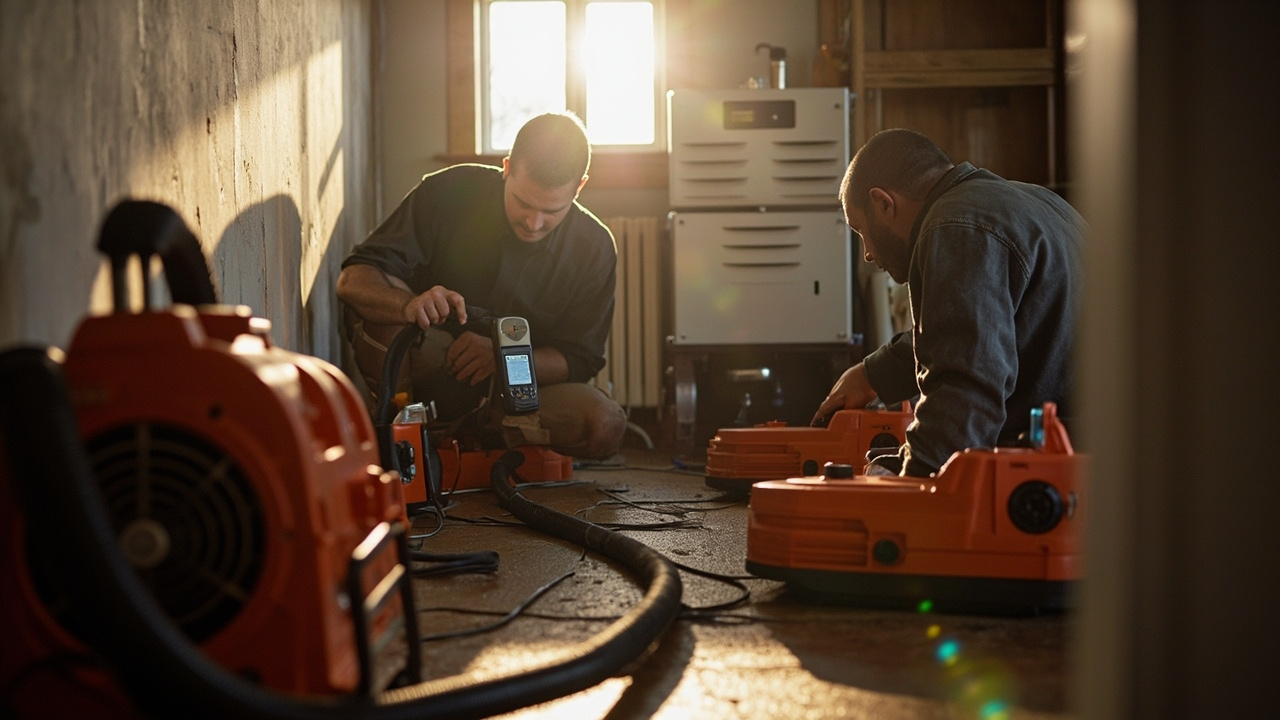
Airflow is non-negotiable. We position air movers to create circulation across all wet surfaces. Stagnant air creates microclimates where humidity spikes and drying stalls. In a typical Hartford colonial with multiple small rooms, we may use 15-20 air movers and 3-4 dehumidifiers to maintain proper conditions across 2,000 square feet.

Material density determines drying process length. Carpet and pad dry in 2-3 days. Engineered hardwood takes 4-7 days. Solid oak flooring can take 10-14 days because moisture penetrates deep into the grain. Concrete slabs are the slowest, sometimes requiring 21-30 days depending on thickness and saturation depth.

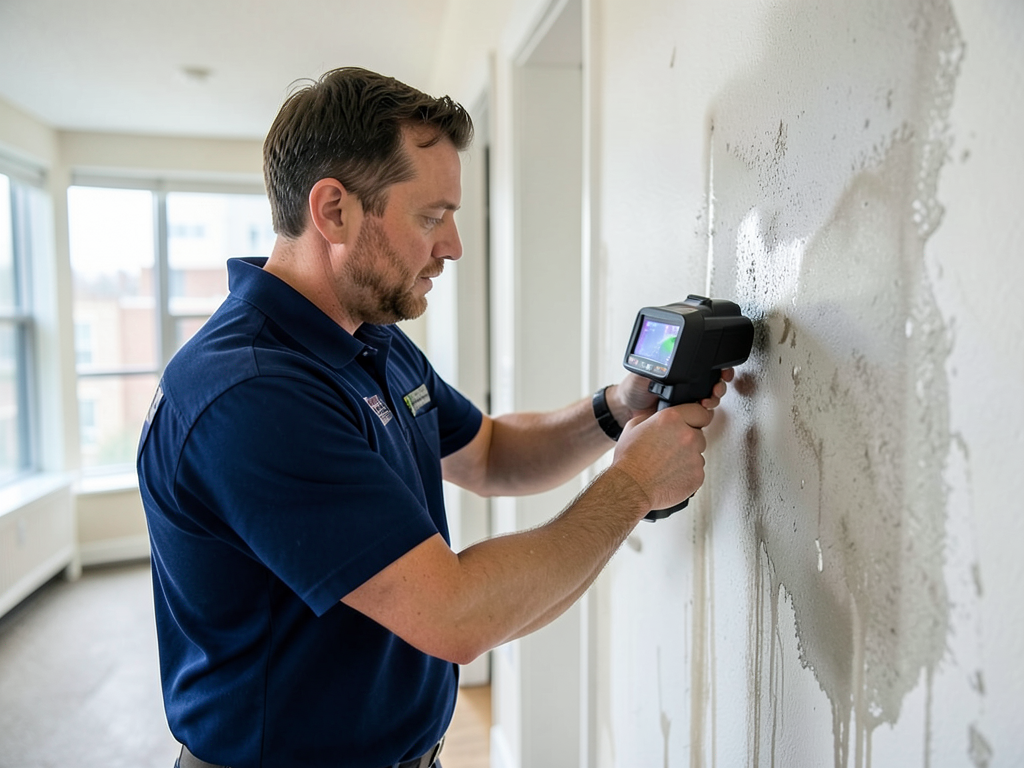
Crestline Water Damage Restoration Hartford uses thermal imaging to identify temperature differentials that indicate trapped moisture. Cold spots on walls or ceilings mean water is still evaporating, pulling heat from the surface. We adjust equipment placement and run times accordingly, ensuring complete drying without leaving hidden moisture that leads to mold growth.

What Happens During Your Water Damage Drying Timeline

How Long Does Drying Take? Hartford Water Damage Drying Timelines Explained by Local Experts
01

Initial Moisture Assessment

We document the full scope of water intrusion within two hours of your call. Our technicians use penetrating and non-invasive moisture meters to map saturation levels in walls, ceilings, and floors. Thermal imaging cameras identify moisture you cannot see. We classify the damage (Class 1-4) and create a room-by-room drying plan. This data establishes your baseline moisture content and dictates equipment type, placement, and estimated water damage drying time for your Hartford property.
02

Equipment Deployment and Monitoring

We install industrial air movers, dehumidifiers, and specialty drying equipment based on your assessment. Air movers create rapid airflow across wet surfaces. Dehumidifiers extract moisture from the air. We check and document moisture levels every 24 hours, adjusting equipment as readings drop. Hartford's humidity means we often run equipment longer than drier climates require. Most residential projects see significant progress within 72 hours, but we do not remove equipment until moisture meters confirm all materials are dry.
03

Final Verification and Clearance

We perform a final moisture inspection across all affected areas before removing equipment. Readings must match or fall below the moisture content of unaffected areas in your home. We provide documentation showing daily moisture readings, equipment logs, and final clearance data. This protects you from mold liability and gives your insurance adjuster the proof they need. Only after verification do we sign off on structural drying duration and move to repairs or reconstruction.

Why Hartford Property Owners Trust Local Structural Drying Expertise

You need a restoration company that understands Hartford's buildings and environment, not a national franchise reading from a generic script.

Hartford's housing mix demands adaptability. The South End has vinyl-sided ranches from the 1950s. The West End has brick Victorians with slate roofs and interior plaster. Downtown condos built in the 2000s use modern materials but suffer from poor HVAC balance. Each construction type dries differently. We have dried water damage in every neighborhood from Blue Hills to Frog Hollow, and we know which materials hold moisture longest and where hidden water collects in Hartford homes.

Local building codes also matter. Hartford adopted updated IRC and IBC provisions in recent years, but older homes were built to different standards. We know when a structure requires additional support during drying, when we need to notify the building department, and how to work within historic district restrictions if your property falls under preservation guidelines.

Insurance adjusters in Hartford know our documentation standards. We provide the moisture logs, psychrometric data, and daily progress photos they need to approve claims quickly. This matters because extended water damage drying time costs you money in equipment rental, utilities, and lost use of your property. Efficient, well-documented drying reduces claims disputes and gets you back to normal faster.

Crestline Water Damage Restoration Hartford also coordinates with local contractors for post-drying repairs. We know which plumbers handle old cast iron stacks, which electricians rewire knob-and-tube systems safely, and which GCs specialize in historic restoration. You get one point of contact managing your entire water restoration drying timeline from emergency response to final walk-through.

We are not just removing water. We are managing a complex process where small mistakes cause big problems. Stopping equipment too early leaves hidden moisture. Running it too long wastes your money. We balance speed with thoroughness because your home's structural integrity depends on getting the drying process length exactly right.

What to Expect During Water Damage Drying in Your Hartford Property

Response and Setup Speed

We arrive within two hours of your call, 24 hours a day. Initial water extraction happens immediately. Air movers and dehumidifiers are operational within four hours of arrival for most residential projects. Larger commercial properties or severe flooding may require 6-8 hours for full equipment deployment. We work through nights and weekends because water damage worsens every hour you wait. Faster setup means shorter overall structural drying duration, less secondary damage, and lower restoration costs. Hartford's humidity makes speed critical. Mold growth begins within 24-48 hours in saturated materials.

Daily Monitoring and Communication

A technician visits your property every 24 hours to check moisture levels, adjust equipment, and document progress. You receive a daily update via text or email showing current readings and projected completion. We explain what the numbers mean in plain language. If drying is slower than expected, we tell you why and what we are doing to address it. Transparency matters because you need to plan. If your water restoration drying timeline extends from four days to seven, you need to know immediately so you can adjust living arrangements, notify your insurance adjuster, or reschedule contractors.

Equipment Noise and Energy Use

Air movers and dehumidifiers run continuously, 24 hours per day. They are loud. A typical setup generates 60-75 decibels, similar to a vacuum cleaner. Most families cannot sleep in rooms with active drying equipment. Expect your electric bill to increase during the drying process length. A standard residential setup draws 3,000-5,000 watts continuously. Over a five-day drying period, you might see a 150-250 kilowatt-hour increase in usage. Insurance typically covers these costs, but confirm with your adjuster. The noise and inconvenience are temporary, but necessary. Cutting corners on airflow or dehumidification extends water damage drying time and increases mold risk.

Post-Drying Verification and Documentation

We provide a final moisture report documenting that all materials have returned to normal moisture content levels. This report includes before-and-after photos, moisture meter readings from every affected area, and psychrometric logs showing temperature and humidity conditions throughout the drying process. You need this documentation for insurance claims and for any future property transactions. Buyers and inspectors will ask about past water damage. Proper documentation proves the damage was dried correctly and eliminates concerns about hidden mold or structural issues. We also recommend follow-up inspections at 30 and 90 days post-drying to confirm no secondary moisture issues have developed.

Frequently Asked Questions

You Have Questions,
We Have Answers

How long does normal drying take? +

Water damage drying in Hartford typically takes 3 to 5 days under ideal conditions. Structural drying time depends on humidity levels, temperature, airflow, and material saturation. Hartford's variable climate, especially during humid summer months, can extend drying time. Hardwood floors may take 5 to 7 days, while drywall and insulation dry faster with proper air movers and dehumidifiers. Basements in older Hartford homes with poor ventilation require longer drying periods. Professional equipment and moisture monitoring ensure complete drying, preventing mold growth and secondary damage. Never assume surfaces are dry based on touch alone.

Is 40 minutes enough for a dryer? +

For water-damaged materials in Hartford, 40 minutes is not enough for structural drying. This question likely refers to laundry dryers, which are irrelevant to water damage restoration. Structural drying requires industrial dehumidifiers and air movers running continuously for days, not minutes. Hartford's high humidity, particularly near the Connecticut River, slows evaporation rates. Small affected areas like a bathroom floor may show progress within hours, but complete drying takes much longer. Professional moisture meters confirm dryness levels. Rushing the drying process leads to trapped moisture, mold, and structural deterioration.

Is it normal for a dryer to take 3 hours? +

Structural drying taking 3 hours is dangerously inadequate for water damage restoration in Hartford. Complete drying requires multiple days of continuous airflow and dehumidification. If you are asking about a clothes dryer taking 3 hours, that indicates a clogged vent or faulty heating element. For water damage, Hartford's older housing stock with plaster walls and dense hardwood floors requires extended drying time. Three hours barely removes surface moisture. Hidden moisture in wall cavities, subflooring, and insulation remains. Professional restoration teams monitor moisture content over days, adjusting equipment placement to ensure thorough drying.

Is 30 minutes enough to dry clothes? +

Thirty minutes is insufficient for drying water-damaged structures in Hartford. This timeframe might dry a small load of laundry, but has no application in restoration work. Water damage affecting flooring, walls, or ceilings requires days of active drying. Hartford homes with thick plaster walls and balloon-frame construction trap moisture in hidden spaces. Surface drying misleads homeowners into thinking damage is resolved. Moisture migrates through porous materials over time. Professional drying equipment must run 24/7 for multiple days. Thirty minutes achieves nothing except minor surface evaporation. Always rely on moisture meter readings, not arbitrary time limits.

How quickly should hair dry? +

Hair drying time is unrelated to water damage restoration in Hartford. However, if you are asking about drying rates for porous building materials, expect 3 to 7 days depending on saturation levels and environmental conditions. Hartford's humidity fluctuates seasonally, affecting evaporation rates. Spring and summer humidity slows drying. Winter heating systems aid faster evaporation but can cause warping if materials dry too quickly. Structural drying is not a quick process. Proper moisture removal prevents mold, rot, and long-term damage. Professional restoration teams balance speed with material preservation to avoid cracking or shrinkage in hardwood and plaster.

Can overloading a dryer cause damage? +

Overloading drying equipment does not directly damage machinery, but it reduces effectiveness in water damage restoration. Cramming too many air movers into a small Hartford basement restricts airflow and creates dead zones where moisture lingers. Equipment placement matters more than quantity. Hartford homes with compartmentalized layouts require strategic air mover positioning to ensure cross-ventilation. Overloading electrical circuits is a real risk in older Hartford properties with outdated wiring. Professional restoration teams calculate electrical loads and equipment spacing. Proper airflow patterns, not equipment volume, drive efficient drying. Balance coverage with circulation for best results.

How to speed up a dryer? +

Speed up structural drying in Hartford by maximizing airflow, reducing humidity, and increasing temperature. Use industrial air movers positioned to create circulation patterns across wet surfaces. Deploy commercial dehumidifiers to pull moisture from the air. Open windows during low-humidity days, but close them when Hartford's humidity rises above 60 percent. Remove wet materials like soaked insulation and padding that slow drying. Increase indoor temperature to 70 to 80 degrees to boost evaporation. Avoid over-drying, which can crack plaster in older Hartford homes. Professional moisture monitoring ensures you dry efficiently without causing secondary damage.

How long is too long in a dryer? +

Leaving drying equipment running too long risks over-drying and material damage in Hartford homes. Most water damage drying completes within 5 to 7 days. Running air movers and dehumidifiers beyond necessary timeframes wastes energy and can shrink hardwood, crack plaster, or warp trim in historic Hartford properties. Monitor moisture levels with professional-grade meters. Once readings reach normal ranges (below 15 percent for wood, below 1 percent for drywall), stop equipment. Extended drying does not improve results. Over-drying stresses materials and creates new problems. Follow data, not arbitrary timelines, to determine when drying is complete.

Does putting a towel in the dryer help? +

Placing a dry towel in a clothes dryer may reduce drying time slightly, but this has no application in water damage restoration. For structural drying in Hartford, absorbent materials like towels cannot replace mechanical drying equipment. Water-damaged buildings require air movement and dehumidification, not passive absorption. Hartford's humid climate limits evaporative drying without active airflow. Laying towels on wet floors provides minimal benefit and creates mold risk if left too long. Professional restoration uses calculated air changes per hour and targeted dehumidification. Towels are useful for initial water extraction, not drying. Rely on equipment, not household tricks.

Why are my clothes still wet after 2 hours in the dryer? +

If structural materials remain wet after 2 hours of drying in Hartford, this is completely normal. Water damage restoration requires days, not hours. Two hours barely initiates the drying process. Hartford's high humidity, particularly in summer, slows evaporation. Thick materials like plaster, hardwood, and subfloor hold significant moisture that takes time to release. If you are asking about a clothes dryer, check for clogged vents or broken heating elements. For water damage, verify air movers and dehumidifiers are positioned correctly and running continuously. Moisture meters track progress. Patience and professional equipment ensure complete drying without rushing and risking mold.

How Hartford's Connecticut River Humidity Extends Water Damage Drying Time

Hartford sits in a river valley where the Connecticut and Park Rivers converge, creating year-round humidity challenges that directly impact structural drying duration. Summer dew points average 65-68 degrees, meaning outdoor air often contains more moisture than we can safely introduce during drying. We must condition makeup air or rely entirely on closed-loop dehumidification, which extends the time to dry out water damage compared to arid climates. Spring and fall see rapid temperature swings, 70 degrees during the day and 45 at night, which stalls evaporation and forces us to add supplemental heating to maintain proper drying conditions.

Crestline Water Damage Restoration Hartford understands these local moisture dynamics because we work exclusively in the greater Hartford metro. We know that basements in the South End flood differently than those in West Hartford due to soil composition and elevation. We know which Hartford neighborhoods have combined sewers that back up during heavy rain, and which have aging cast iron stacks that leak slowly over months. This local knowledge allows us to provide accurate water restoration drying timeline estimates from the start, not vague ranges that get revised daily. When you call a national chain, you get a technician reading from a manual. When you call us, you get someone who has dried hundreds of Hartford properties and knows exactly what your situation requires.
Water Damage Restoration Services in The Hartford Area

Crestline Water Damage Restoration Hartford is strategically located to provide rapid and reliable service across the entire Hartford region and its surrounding communities. We invite you to view our service map to confirm that your property falls within our guaranteed service area, ensuring that a professional water damage expert is never far away when you need us most. We pride ourselves on the capability to reach your location quickly, a crucial factor in successful, timely mitigation and restoration.

Address:
Crestline Water Damage Restoration Hartford, 1916 Broad St, Hartford, CT, 06114

Additional Services We Offer

Our news updates

Latest Articles & News from The Blogs

Managing Winter Window Condensation to Prevent Rot in Your Northeast Hartford Victorian Winter condensation on your Northeast Hartford Victorian windows…

Managing Winter Window Condensation to Prevent Rot in Your Northeast Hartford Victorian

Managing Winter Window Condensation to Prevent Rot in Your Northeast Hartford Victorian Winter condensation on your Northeast Hartford Victorian windows…

Why Replacing Your Carpet Padding is Critical After a Leak in Your Bristol Home

Why Replacing Your Carpet Padding is Critical After a Leak in Your Bristol Home \n\n When water seeps into your…

Dealing with Water Damage in Your Mudroom Caused by Tracked-In Snow in West Hartford

Dealing with Water Damage in Your Mudroom Caused by Tracked-In Snow in West Hartford When melting snow from winter boots…

Contact Us

Stop guessing. Call (860) 743-9993 now for a professional moisture assessment and realistic water damage drying time estimate. We provide transparent timelines based on actual conditions, not sales pitches. Available 24/7 across Hartford.