menu

Burst Pipe Water Damage in Hartford – 24/7 Emergency Response When Seconds Count

Immediate dispatch for burst pipe flooding, broken pipe water damage, and ruptured pipe water cleanup across Hartford neighborhoods. We arrive fast, extract water faster, and prevent secondary damage before it spreads.

Slider Image 1
Slider Image 2
Slider Image 3
Slider Image 4
Slider Image 5
Slider Image 7
Slider Image 8
Slider Image 9
Slider Image 10
Slider Image 11

Why Hartford Homes Face Higher Burst Pipe Risk Year-Round

Hartford sits in a freeze-thaw cycle zone that punishes aging plumbing. When temperatures swing from 15°F in January to 45°F by afternoon, your pipes expand and contract. Do this enough times and weak points fail. That copper line behind the drywall. The galvanized pipe in the basement ceiling. The PEX connection near the exterior wall. They rupture without warning.

Many Hartford homes were built between 1920 and 1960, before modern pipe materials and insulation standards. The older housing stock in neighborhoods near Bushnell Park, Frog Hollow, and the South End often contains original iron or galvanized steel pipes. These corrode from the inside. You see clear water one day. The next morning, you wake to a ceiling stain or standing water in the hallway.

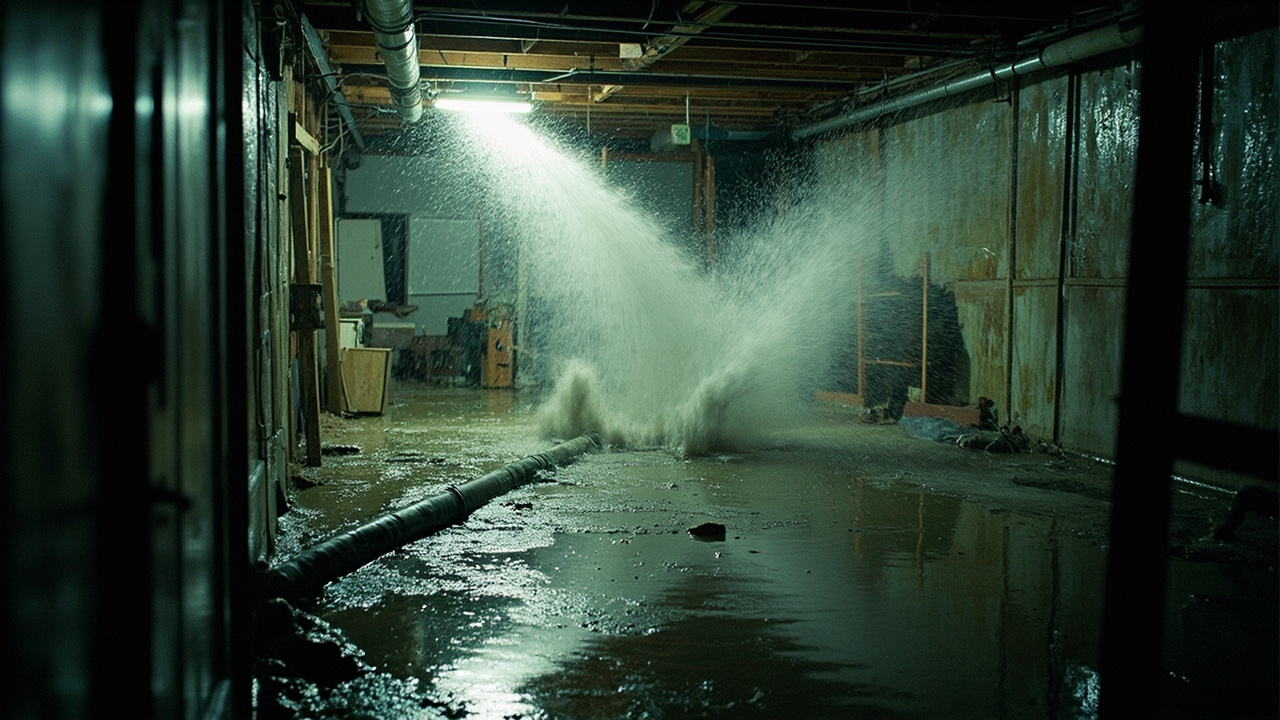
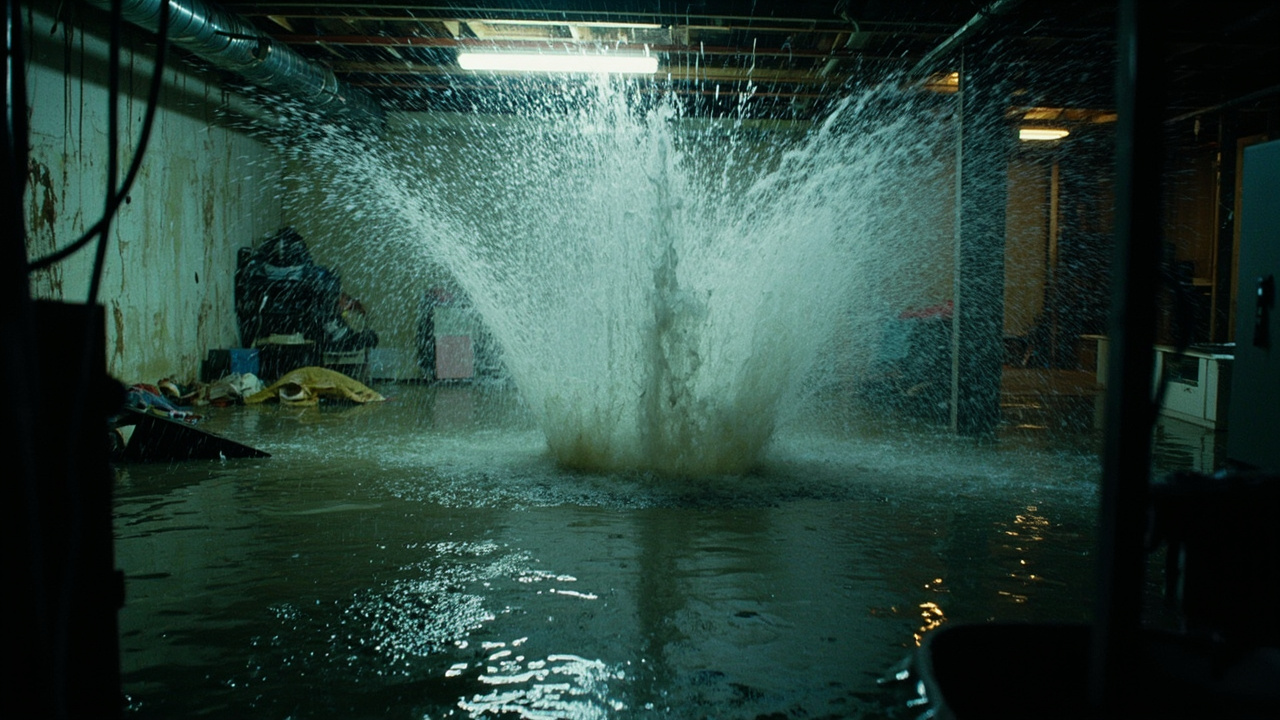
Water damage from burst pipes does not wait for business hours. A ruptured pipe releases 8 to 10 gallons per minute. In 30 minutes, that's 300 gallons flooding your finished basement, warping hardwood, soaking insulation, and seeping into wall cavities. Mold spores colonize damp drywall within 24 to 48 hours. The longer water sits, the worse the microbial growth and structural damage.

Broken pipe water damage also hits hardest during winter vacations. You leave for the weekend. The heat fails or you set the thermostat too low. A pipe freezes, expands, and cracks. By the time you return, burst pipe flooding has destroyed flooring, furniture, and drywall. Insurance adjusters see this every year in Hartford. We see the aftermath and know exactly how to stop the damage from spreading.

Why Hartford Homes Face Higher Burst Pipe Risk Year-Round
How We Stop Burst Pipe Water Damage in Its Tracks

How We Stop Burst Pipe Water Damage in Its Tracks

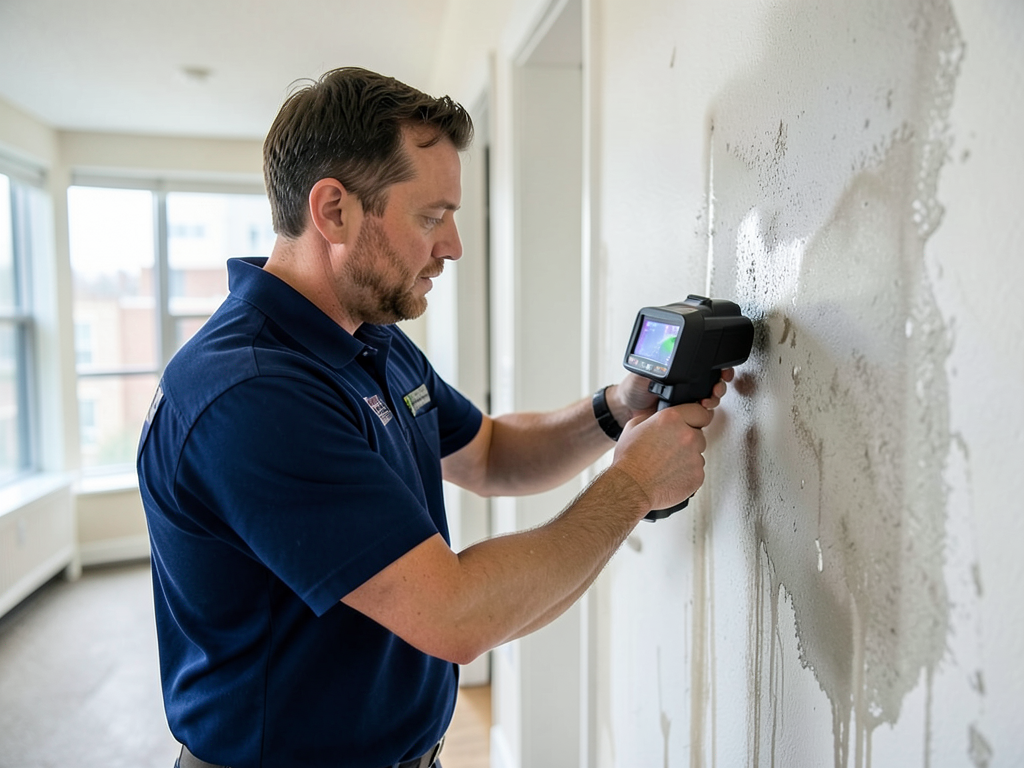
Speed determines the difference between a cleanup and a total gut job. When you call Crestline Water Damage Restoration Hartford, we dispatch a crew within 60 minutes. Our technicians arrive with truck-mounted extraction pumps, industrial air movers, and thermal imaging cameras. We do not guess where water traveled. We map it.

First, we kill the water source. If your plumber has not capped the broken pipe, we coordinate that immediately. Then we extract standing water using high-capacity pumps that pull 100 gallons per minute. We remove soaked carpeting, padding, and baseboards. If water has wicked up drywall more than 18 inches, we cut and remove the contaminated section. This prevents long-term odor and mold.

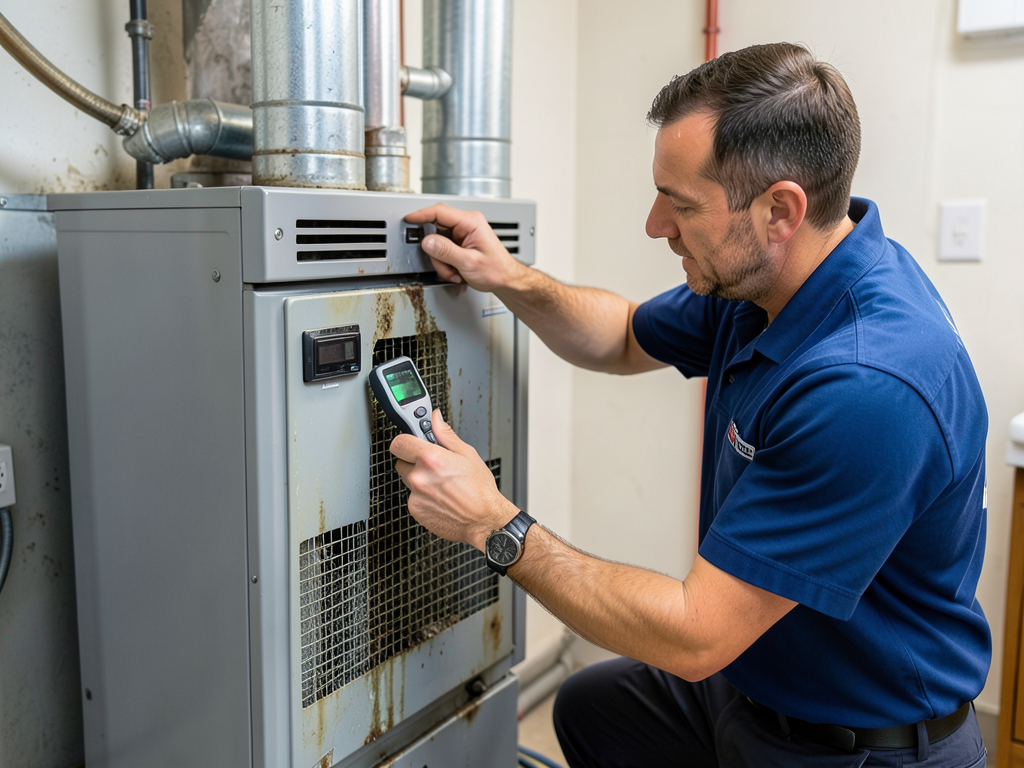
Next, we deploy low-grain refrigerant dehumidifiers and high-velocity air movers. These machines create the airflow and vapor pressure differential needed to pull moisture from subfloors, studs, and ceiling joists. We do not rely on fans alone. We measure moisture content using pin-type and pinless meters. We target readings below 15% moisture content in wood framing and below 1% in drywall before we call the structure dry.

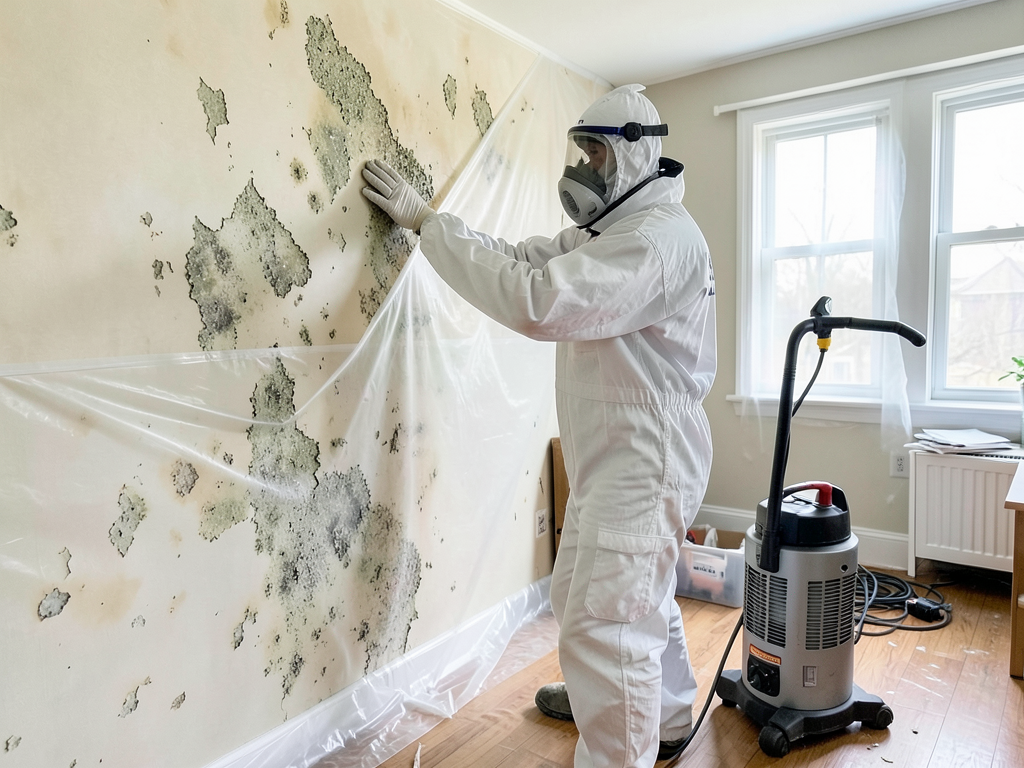
We also treat affected areas with antimicrobial agents to inhibit mold and bacteria growth. If sewage or greywater contamination is present, we follow IICRC S500 protocols for category 2 or category 3 water. That means controlled demolition, HEPA filtration, and proper disposal of porous materials. We do not cut corners. We document every step with photos and moisture logs for your insurance claim. Our process turns a disaster into a manageable, insurable event with a clear timeline.

What Happens When You Call for Ruptured Pipe Water Cleanup

Burst Pipe Water Damage in Hartford – 24/7 Emergency Response When Seconds Count
01

Emergency Water Extraction

We arrive with truck-mounted pumps and portable extractors to remove standing water from all affected rooms. Our technicians pull soaked carpets, padding, and furniture away from walls to prevent wicking. We also check hidden spaces like crawlspaces and wall cavities using moisture meters and thermal imaging. The goal is zero standing water within the first two hours.
02

Structural Drying and Monitoring

We position commercial-grade dehumidifiers and air movers in a controlled drying chamber configuration. This forces moisture out of framing, subfloors, and insulation. We monitor moisture levels daily using pin and pinless meters, adjusting equipment placement as readings drop. Drying typically takes three to five days depending on the extent of saturation and building materials affected.
03

Antimicrobial Treatment and Documentation

Once moisture content reaches acceptable levels, we apply EPA-registered antimicrobial treatments to all affected surfaces. This inhibits mold and bacterial colonization. We photograph the dried structure and provide a final moisture map. You receive a complete damage report with equipment logs, moisture readings, and photos for your insurance adjuster. Your property is now ready for reconstruction.

Why Hartford Homeowners and Property Managers Choose Us for Burst Pipe Flooding

Crestline Water Damage Restoration Hartford operates in a city where weather extremes and aging infrastructure collide. We know Hartford's building stock. Many multi-family properties near Capitol Avenue and Franklin Avenue contain outdated plumbing and cast iron drain lines that fail during freeze events. We have restored properties in nearly every Hartford neighborhood, from the West End to the East Side, and understand the construction styles common to each area.

We also understand Hartford's insurance landscape. Connecticut has strict timelines for filing water damage claims. Adjusters require detailed documentation, moisture logs, and proof of mitigation efforts. We provide itemized reports that meet the standards of major carriers like Travelers, The Hartford, and Allstate. We work directly with your adjuster to ensure your claim is processed without delays or disputes.

Our technicians hold IICRC certifications in water damage restoration and applied structural drying. We do not send undertrained crews with shop vacs and box fans. We bring the equipment and expertise to dry a structure correctly the first time. That means no callback visits for hidden mold. No lingering odors. No warped floors reappearing six months later.

We also respond 24/7, 365 days a year. Burst pipes do not wait for Monday morning. Neither do we. When you call at 2 a.m. on a Saturday because your basement is flooding, we answer. When your tenant calls because a ceiling is dripping, we are on site within the hour. Speed and accountability separate us from competitors who promise fast response but deliver slow results.

What You Can Expect During Ruptured Pipe Water Damage Restoration

Rapid Response and Arrival Time

We dispatch crews within 60 minutes of your call. Our technicians arrive with all necessary extraction and drying equipment loaded. There is no waiting for a second trip or equipment rental. You get immediate water removal and damage assessment. We also provide emergency board-up and tarping if structural integrity is compromised. Our goal is to stop additional damage within the first hour on site. You receive a clear timeline and scope of work before we begin. No surprises. No upselling. Just fast, professional mitigation.

Thorough Damage Assessment and Moisture Mapping

We do not assume water stayed where you see it. We use thermal imaging and moisture meters to trace water migration behind walls, under flooring, and into ceiling cavities. This reveals hidden saturation that leads to mold and rot if ignored. We document all findings with photos and diagrams. You receive a written assessment that outlines affected materials, moisture levels, and recommended actions. This report serves as the foundation for your insurance claim and ensures nothing is missed during restoration.

Complete Structural Drying and Verification

We do not pull equipment until moisture levels meet industry standards. Our technicians take daily readings and adjust dehumidifier and air mover placement based on real-time data. You receive progress updates and moisture logs throughout the drying process. Once readings stabilize below target thresholds, we conduct a final inspection and provide written confirmation that your property is dry. This documentation protects you from future liability and ensures your contractor can begin repairs on a verified dry structure.

Insurance Coordination and Claims Support

We work directly with your insurance adjuster to streamline the claims process. Our detailed reports include itemized costs, moisture logs, equipment schedules, and photographic evidence. We provide the documentation carriers require to approve claims quickly. If disputes arise, we offer expert testimony and technical support. Many Hartford homeowners face claim denials due to insufficient documentation or delayed mitigation. We eliminate that risk by following industry protocols and providing bulletproof records. You get the coverage you paid for without the runaround.

Frequently Asked Questions

You Have Questions,
We Have Answers

Will insurance cover water damage from burst pipe? +

Most homeowners insurance policies cover sudden and accidental water damage from burst pipes. Coverage includes the pipe repair and resulting damage to walls, floors, and belongings. However, insurers deny claims if they find neglect, like failing to heat your home during Hartford's harsh winters or ignoring known leaks. Policies exclude gradual damage from slow leaks or lack of maintenance. Review your policy's water damage exclusions and keep your home heated above 55 degrees when vacant. Document everything immediately after a burst pipe, take photos, and contact your insurer within 24 hours to start the claims process.

How many hours below freezing to freeze pipes? +

Pipes can start freezing when temperatures drop below 20 degrees Fahrenheit for at least six consecutive hours. Hartford typically sees sustained cold snaps in January and February, putting uninsulated pipes at risk. Pipes in exterior walls, crawl spaces, attics, and unheated garages freeze faster than interior plumbing. Wind chill accelerates the process. Even brief exposure to extreme cold below 10 degrees can freeze pipes in under four hours. Your risk increases if you live in older Hartford homes with poor insulation or near the Connecticut River where wind exposure is higher.

What to do immediately after a pipe bursts? +

Shut off your main water valve immediately to stop flooding. Find the valve near your water meter or where the main line enters your home. Open cold water faucets to drain remaining water and relieve pressure. Turn off your water heater to prevent damage. Move furniture and belongings away from standing water. Do not touch electrical outlets or appliances near water. Call a licensed plumber to repair the pipe and contact your insurance company within hours. Document all damage with photos and videos before cleanup begins. In Hartford's older housing stock, burst pipes can flood basements fast.

Who is responsible for burst water pipes? +

Homeowners are responsible for pipes within their property boundaries, from the main shutoff valve inward. You pay for repairs to interior plumbing and resulting water damage. The city of Hartford owns and maintains water mains in the street and the service line up to your property line or meter. If a city main bursts, Hartford Public Works handles it. In multi-family buildings, landlords must repair burst pipes and maintain heat. Tenants should report issues immediately but are not liable for structural repairs. Condo associations typically cover pipes in shared walls while owners handle fixtures inside their units.

What is the average insurance payout for water damage? +

Average insurance payouts for water damage range from $3,000 to $15,000, depending on severity and coverage limits. Minor burst pipe incidents with quick cleanup may settle around $2,500. Major flooding affecting multiple rooms, requiring structural drying, mold remediation, and content replacement can exceed $25,000. Hartford's older homes with finished basements and hardwood floors see higher payouts due to material costs. Your actual payout depends on your deductible, policy limits, coverage type, and how quickly you mitigate damage. Delays in drying increase mold risk and reduce payouts since insurers expect prompt action.

Why would insurance deny a water damage claim? +

Insurers deny water damage claims when they determine the damage resulted from homeowner neglect or gradual deterioration. Common denial reasons include failure to maintain heat in vacant properties during Hartford winters, ignoring visible leaks, delaying repairs, or inadequate home maintenance. Claims get denied if damage occurred before your policy effective date or falls under excluded perils like flooding from external sources. Late reporting, missing documentation, or inconsistent statements raise red flags. Insurers also deny claims for pre-existing conditions like old galvanized pipes showing corrosion. Always document maintenance records and report damage within 24 hours.

At what temperature should you let your faucets drip? +

Let faucets drip when outdoor temperatures fall below 20 degrees Fahrenheit for extended periods, typically overnight during Hartford's coldest winter months. A slow drip, about five drips per minute, keeps water moving through pipes and prevents freezing. Focus on faucets along exterior walls, in unheated areas, or those that froze previously. Open cabinet doors under sinks to allow warm air circulation. Running cold water works better than hot since cold water pipes run along outer walls. This precaution costs pennies in water usage but prevents thousands in burst pipe damage during January and February cold snaps.

What are signs of pipe damage after freezing? +

Signs of frozen pipe damage include reduced water pressure, discolored or rusty water, strange noises like banging or whistling, visible frost on exposed pipes, and musty odors indicating hidden leaks. You may notice water stains on ceilings or walls, bulging drywall, or damp spots on floors. In Hartford's older homes, check basement pipes and crawl spaces after thaw periods. Pipes may not burst immediately but develop hairline cracks that leak slowly. Listen for dripping sounds behind walls. Higher water bills without explanation signal hidden leaks from freeze damage. Professional inspection catches problems before major failure.

What type of pipes burst most easily? +

Copper pipes burst more easily than other materials when frozen because they are rigid and cannot expand. PEX piping resists bursting better due to flexibility but can still fail at connection points. Galvanized steel pipes, common in Hartford's pre-1960 homes, corrode internally and burst under pressure. PVC pipes in crawl spaces crack when temperatures drop. Pipes in exterior walls, unheated attics, and rim joists burst most frequently. Smaller diameter pipes freeze faster than large supply lines. Location matters more than material, older Hartford homes with poor insulation face higher risk regardless of pipe type.

How much does it usually cost to fix a burst pipe? +

Burst pipe repair costs vary from $500 to $4,000 depending on location and damage extent. Accessible pipes under sinks cost less to fix than pipes inside walls requiring drywall removal. Emergency plumbing rates in Hartford run higher during winter storms. Add water extraction, structural drying, and restoration costs which easily exceed the plumbing repair itself. Total restoration averages $2,000 to $10,000 for typical residential burst pipe incidents. Costs increase in finished spaces with hardwood floors or in multi-story homes where water damages multiple levels. Your insurance deductible determines out-of-pocket expenses. Preventive maintenance costs far less than emergency repairs.

How Hartford's Freeze-Thaw Cycles Increase Broken Pipe Water Damage Risk

Hartford experiences an average of 25 freeze-thaw cycles each winter. Daytime temperatures hover near 35°F while nighttime lows drop to 15°F. This constant expansion and contraction weakens pipe joints, solder connections, and corroded sections. Homes in the North End and Blue Hills neighborhoods, where many structures were built before 1950, face the highest risk. These properties often lack modern insulation and contain original galvanized steel or cast iron plumbing. When a cold snap hits, pipes freeze. When they thaw, they rupture. The result is catastrophic water damage that floods basements, ruins finished spaces, and requires immediate professional mitigation to prevent mold and structural decay.

Crestline Water Damage Restoration Hartford maintains relationships with local plumbers, contractors, and insurance adjusters throughout the greater Hartford metro. We understand Connecticut building codes and the specific challenges of restoring older homes while meeting modern standards. Our technicians have worked in historic districts where preservation requirements complicate repairs. We know which materials match original construction and which modern solutions provide better performance without violating local regulations. When you choose a local restoration company, you get a team that understands your neighborhood, your building type, and the fastest path to full recovery.
Water Damage Restoration Services in The Hartford Area

Crestline Water Damage Restoration Hartford is strategically located to provide rapid and reliable service across the entire Hartford region and its surrounding communities. We invite you to view our service map to confirm that your property falls within our guaranteed service area, ensuring that a professional water damage expert is never far away when you need us most. We pride ourselves on the capability to reach your location quickly, a crucial factor in successful, timely mitigation and restoration.

Address:
Crestline Water Damage Restoration Hartford, 1916 Broad St, Hartford, CT, 06114

Additional Services We Offer

Our news updates

Latest Articles & News from The Blogs

Managing Winter Window Condensation to Prevent Rot in Your Northeast Hartford Victorian Winter condensation on your Northeast Hartford Victorian windows…

Managing Winter Window Condensation to Prevent Rot in Your Northeast Hartford Victorian

Managing Winter Window Condensation to Prevent Rot in Your Northeast Hartford Victorian Winter condensation on your Northeast Hartford Victorian windows…

Why Replacing Your Carpet Padding is Critical After a Leak in Your Bristol Home

Why Replacing Your Carpet Padding is Critical After a Leak in Your Bristol Home \n\n When water seeps into your…

Dealing with Water Damage in Your Mudroom Caused by Tracked-In Snow in West Hartford

Dealing with Water Damage in Your Mudroom Caused by Tracked-In Snow in West Hartford When melting snow from winter boots…

Contact Us

Do not wait for water damage to worsen. Every minute counts when dealing with burst pipe flooding. Call Crestline Water Damage Restoration Hartford at (860) 743-9993 for immediate dispatch. We answer 24/7 and arrive fast with the equipment and expertise to stop the damage now.