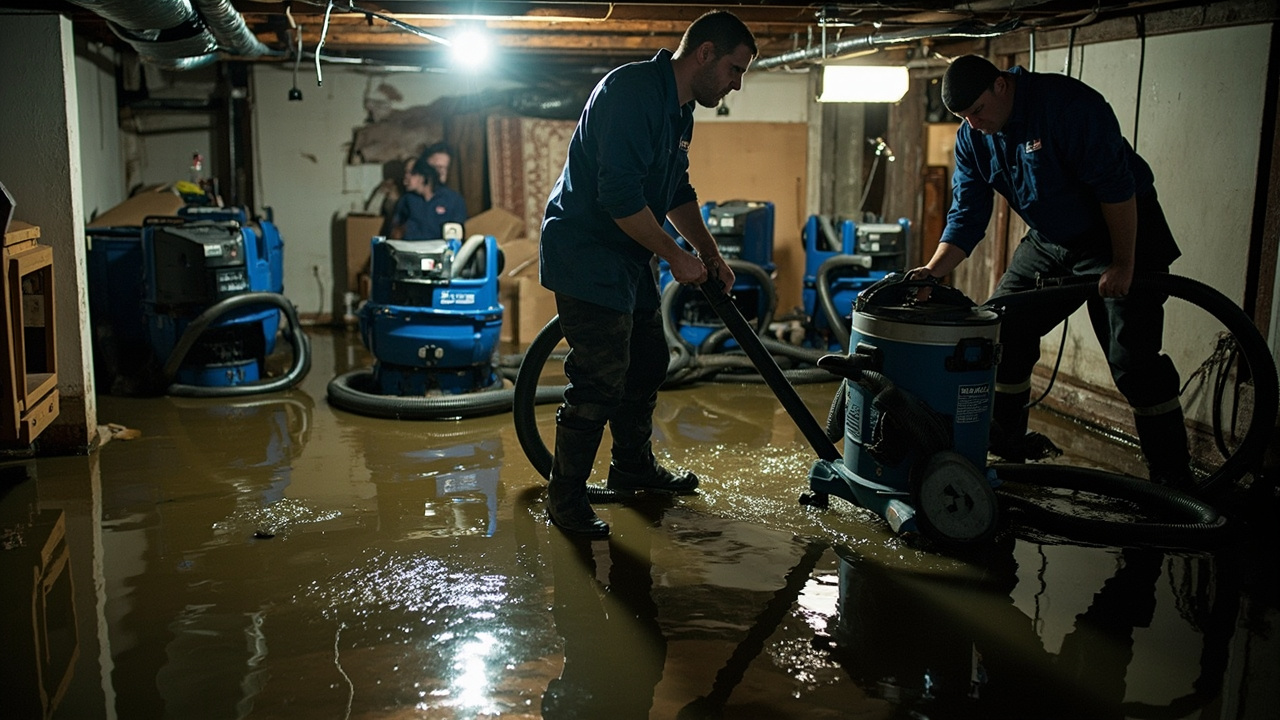
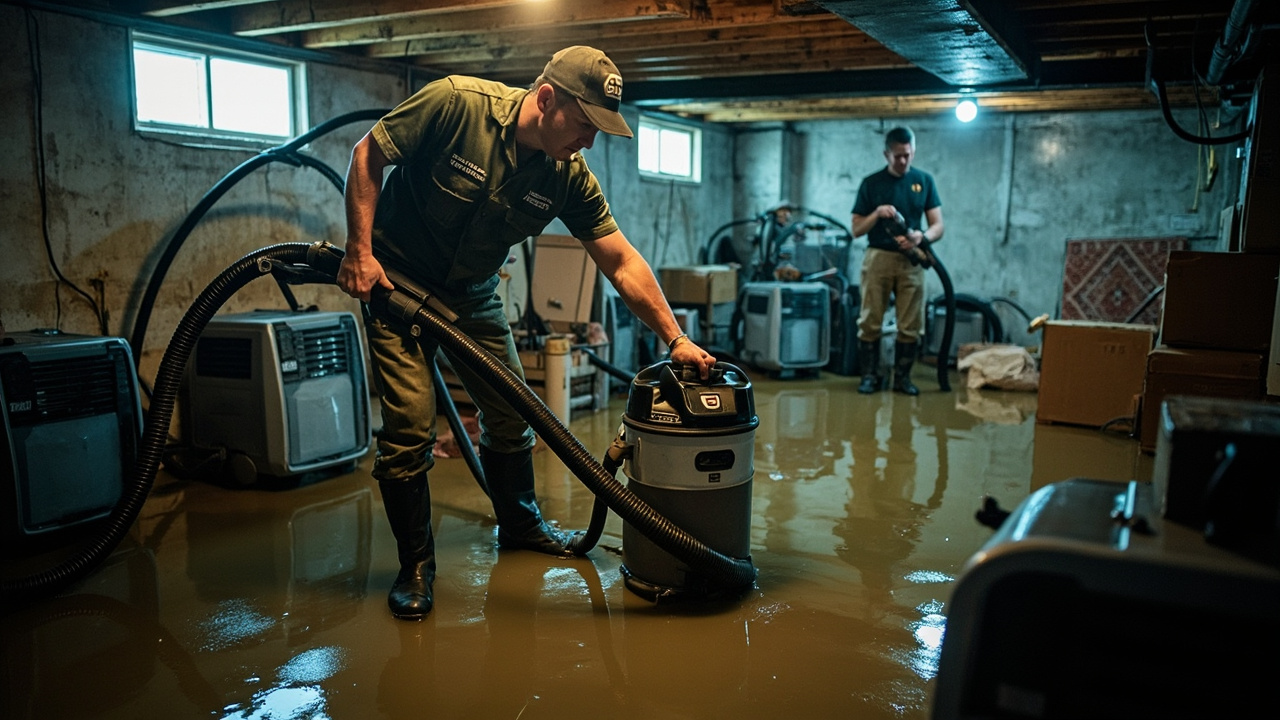

Hartford sits in a river valley with a high seasonal water table. When snow melts in March and April, groundwater levels rise fast. Sump pumps that handle normal seepage suddenly run continuously, burning out motors and overwhelming discharge lines. The clay-heavy soil in neighborhoods like Blue Hills and Upper Albany drains slowly, keeping pumps active for weeks after storms end. This constant cycling causes mechanical failures at the worst possible time. When your pump quits during peak groundwater season, sump pump backup water removal becomes an emergency that requires professional extraction and drying, not a DIY fix.
Hartford homeowners need water damage restoration teams that understand local flooding patterns and basement construction styles. Older homes here have rubble foundations that leak when hydrostatic pressure builds. Newer construction often has shallow sump pits that fill faster than pumps can evacuate water. Crestline Water Damage Restoration Hartford has responded to hundreds of basement floods in every Hartford neighborhood. We know which streets flood first, which soil types drain slowest, and how to dry basements in homes built in 1920 versus 2020. That local knowledge shortens response time and improves drying outcomes.