menu

Musty Smells & Odor Removal in Hartford | Fast Diagnosis and Permanent Source Elimination

Crestline Water Damage Restoration Hartford uses thermal imaging and moisture mapping to identify hidden water sources causing musty smells, then applies targeted antimicrobial treatments and controlled ventilation to eliminate odors at their origin.

Slider Image 1
Slider Image 2
Slider Image 3
Slider Image 4
Slider Image 5
Slider Image 7
Slider Image 8
Slider Image 9
Slider Image 10
Slider Image 11

Why Hartford Homes Develop Persistent Musty Odors

You walk into your basement and immediately smell it. That damp, earthy odor that makes you wonder what is growing behind your walls. Hartford's humidity spikes during summer months create ideal conditions for mold colonization in crawl spaces, attics, and wall cavities. When outdoor humidity reaches 80 percent and you are running air conditioning, condensation forms on cold surfaces inside your home. That moisture feeds mildew growth on organic materials like drywall paper, wood framing, and insulation.

Many Hartford properties built before 1980 lack proper vapor barriers in basements. The Connecticut River's proximity to downtown neighborhoods raises groundwater tables, pushing moisture through foundation walls via capillary action. You might not see standing water, but chronic dampness allows microbial volatile organic compounds to accumulate. These are the gases that create musty odors.

Older homes in the West End and Asylum Hill often have fieldstone foundations with lime mortar joints. Water seeps through these porous materials during spring thaw cycles. By June, you notice damp smell remediation becomes necessary because the odor intensifies with warmer temperatures. The smell is not just unpleasant. It signals active mold metabolism, which means spores are circulating through your HVAC system.

Removing moldy scents requires more than air fresheners or dehumidifiers. You need to locate the moisture source, dry the affected materials properly, and apply antimicrobial treatments that prevent regrowth. Neutralizing musty odors means addressing the biology creating them, not masking the smell.

Why Hartford Homes Develop Persistent Musty Odors
How We Eliminate Odors by Eliminating Moisture Sources

How We Eliminate Odors by Eliminating Moisture Sources

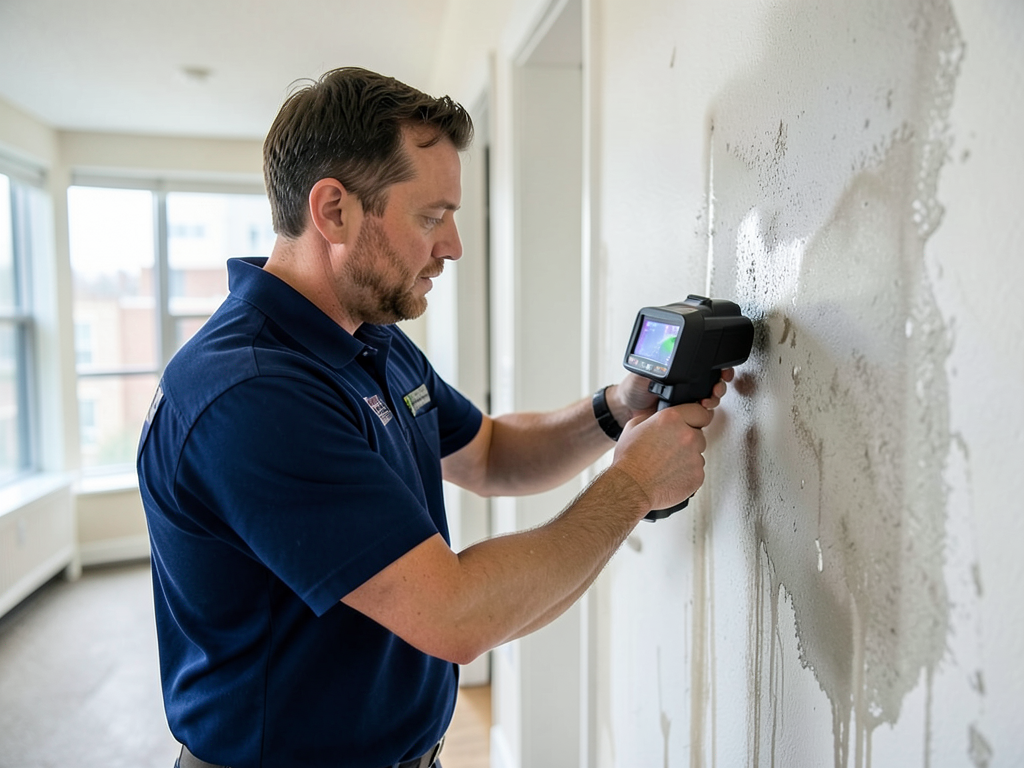
Mildew odor elimination starts with moisture mapping. We use infrared thermal cameras to scan walls, ceilings, and floors for temperature differentials that indicate hidden water intrusion. A cold spot on your basement wall during summer often reveals condensation or a slow plumbing leak inside the wall cavity. We document moisture content using pin and pinless meters, measuring relative humidity in materials down to 0.1 percent accuracy.

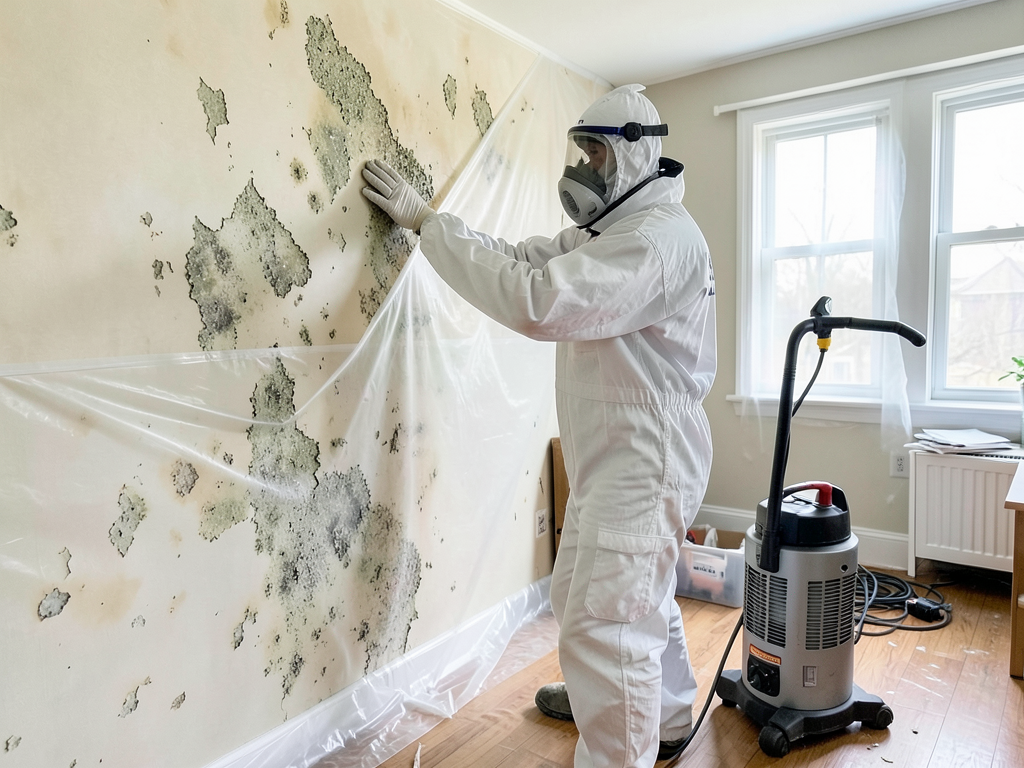
Once we identify the water source, we establish containment if mold colonies exceed ten square feet. This involves creating negative air pressure with HEPA-filtered air scrubbers to prevent cross-contamination during remediation. We remove water-damaged materials that cannot be salvaged, such as soaked insulation or delaminated drywall. Structural wood gets treated differently. If moisture content drops below 20 percent and the wood shows no rot, we can sanitize it in place.

Eradicating water damage smells requires treating surfaces with EPA-registered antimicrobials that kill mold at the hyphae level. We apply these solutions as fine mists using electrostatic sprayers, which wrap charged particles around complex surfaces like floor joists and ductwork. After treatment, we run hydroxyl generators or ozone machines in unoccupied spaces to oxidize remaining odor molecules at the molecular level.

Drying comes next. We position commercial-grade dehumidifiers and axial air movers to create rapid evaporation without over-drying materials, which can cause cracking. We monitor daily until all materials reach equilibrium moisture content for Hartford's climate zone. This controlled process prevents secondary damage while ensuring complete odor removal.

What Happens During Your Odor Investigation

Musty Smells & Odor Removal in Hartford | Fast Diagnosis and Permanent Source Elimination
01

Moisture Source Detection

We arrive with thermal imaging equipment and moisture meters to scan every area where you notice odors. You point out problem zones, and we investigate adjacent spaces because water travels through building cavities. We check behind baseboards, inside closets, and around plumbing penetrations. Most customers are surprised when we find moisture three rooms away from where they smell it. Air currents carry odor molecules through return air vents, making the smell appear in unexpected locations.
02

Containment and Material Removal

If we find active mold growth, we set up polyethylene barriers and negative air machines before removing contaminated materials. You will see us wearing respirators and protective suits because disturbing mold releases spores into the air. We bag materials at the work site and remove them through the closest exterior exit to avoid tracking contamination through your living spaces. We HEPA-vacuum all surfaces twice before breaking containment, ensuring no residual spores remain on studs or concrete.
03

Treatment and Verification

After drying all materials below 15 percent moisture content, we apply antimicrobial coatings to sanitized surfaces. We photograph moisture readings and thermal images as documentation. Before we leave, we run an air quality test using spore trap sampling. This gives you a baseline showing your indoor air quality matches outdoor ambient levels. You receive a report showing exactly what we found, what we removed, and the final moisture readings confirming your home is dry.

Why Hartford Property Owners Choose Local Water Damage Specialists

Hartford's building stock ranges from Victorian-era homes in the South Green Historic District to mid-century ranches in the Blue Hills neighborhood. Each construction type presents different challenges for water intrusion and odor control. We understand how balloon-frame construction in older homes allows odors to migrate vertically through open wall cavities. We know that homes near Bushnell Park often have clay tile drainage systems installed in the 1920s that crack and allow groundwater seepage.

Our familiarity with Connecticut's humid continental climate means we account for seasonal variations in building moisture dynamics. During January, your basement might stay dry because frozen ground prevents water infiltration. By March, snowmelt and rain saturate the soil, pushing hydrostatic pressure against foundation walls. We time our vapor barrier installations and drainage improvements based on these predictable patterns.

We work directly with Hartford-area insurance adjusters who understand local water damage patterns. When you file a claim for mildew odor elimination, we provide documentation formatted to match what your adjuster expects. This includes moisture mapping diagrams, material inventories, and psychrometric calculations showing drying progress. Our familiarity with local claims processes reduces your out-of-pocket expenses and speeds approval timelines.

Crestline Water Damage Restoration Hartford maintains relationships with local plumbers, electricians, and general contractors who understand how our remediation work integrates with their repairs. When we discover a leaking waste line or corroded copper pipe causing your musty smell, we coordinate the plumbing repair while managing the water damage restoration. You get one project manager instead of juggling multiple contractors.

We also understand Hartford's rental property dynamics. If you own multi-family buildings in Frog Hollow or Parkville, you need odor problems resolved quickly to maintain occupancy and comply with housing code enforcement. We provide emergency service that minimizes tenant displacement while meeting the city's habitability standards.

What You Can Expect During Odor Removal Services

Response Time and Availability

We answer calls 24 hours a day because water damage and odor problems do not wait for business hours. For musty smell complaints, we typically schedule initial assessments within four hours of your call during daytime and within eight hours for evening requests. Emergency situations involving sewage backups or sudden flooding receive immediate dispatch. Our techs carry diagnostic equipment in their trucks, so we start moisture mapping during the first visit. You do not wait days for answers about what is causing the smell in your home.

Initial Assessment Process

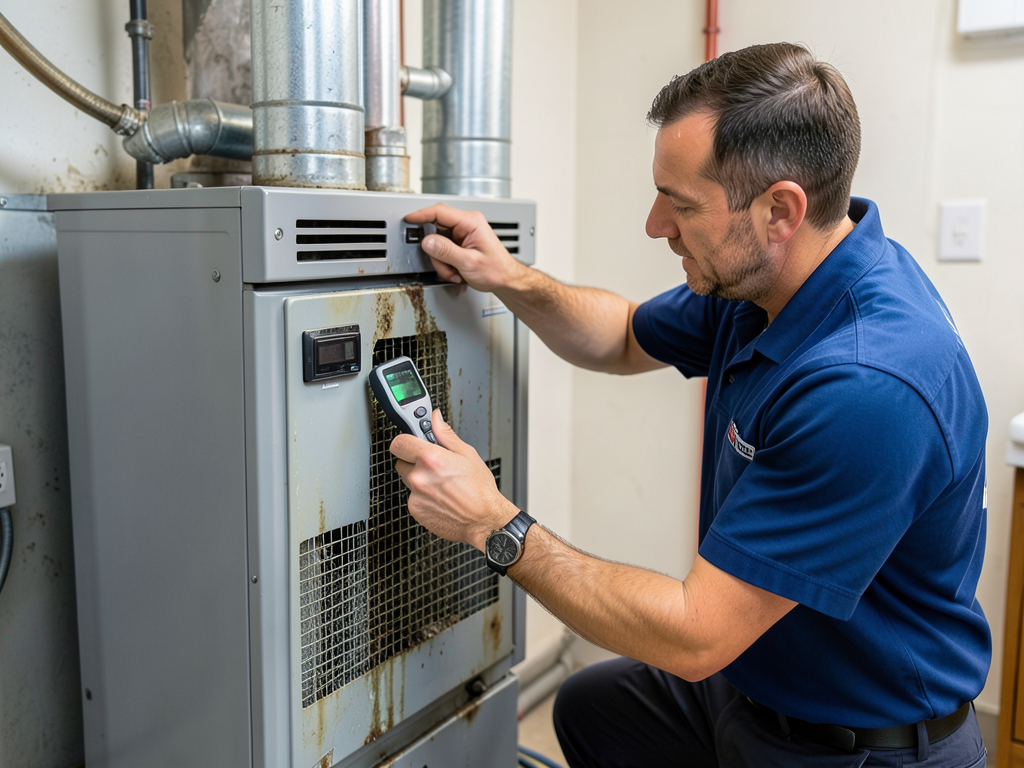
During your consultation, we conduct a room-by-room investigation using thermal cameras and moisture meters. You show us where you notice odors, and we explain what our equipment reveals about hidden moisture. We check attic ventilation, crawl space conditions, and HVAC system operation because these systems affect indoor air quality. You receive a written scope of work detailing what materials need removal, what surfaces require treatment, and how long drying will take. We explain the difference between surface cleaning and full remediation so you understand what the project involves before we start.

The Final Result

When we finish, your home smells clean because we eliminated the biological sources creating odors. You will not detect that characteristic musty smell when you walk into previously affected areas. All materials register below 15 percent moisture content, which prevents future mold growth. We leave surfaces treated with antimicrobial coatings that provide residual protection. You receive documentation including before and after moisture readings, thermal images showing problem areas, and air quality test results. This paperwork satisfies insurance requirements and provides proof the work was completed to industry standards if you sell your property.

Post-Remediation Support

After remediation, we provide guidance on preventing future moisture problems. This includes recommendations for dehumidifier placement, gutter improvements, or grading changes that redirect water away from your foundation. If we treated mold growth, we offer optional follow-up air quality testing 30 days after project completion to verify your indoor environment remains healthy. We stay available to answer questions about unusual smells or moisture concerns that might develop as seasonal conditions change. You have direct phone access to the project manager who handled your remediation, not a generic customer service line.

Frequently Asked Questions

You Have Questions,
We Have Answers

How to get rid of a strong musty smell? +

Find the source first. Check basements, crawl spaces, and attics for water intrusion or dampness. Hartford's humid summers and older housing stock create perfect conditions for musty odors. Remove wet materials like carpets or drywall if damaged. Run dehumidifiers to drop moisture below 50 percent. Clean hard surfaces with antimicrobial solutions. Replace HVAC filters and inspect ductwork for mold growth. Open windows when outdoor humidity is low. If the smell persists after addressing visible moisture, hidden mold behind walls or under flooring may be the culprit. Professional inspection finds sources you cannot see.

What is the hardest smell to get rid of in a house? +

Smoke odor penetrates deeper than any other smell. It embeds in drywall, insulation, ductwork, and subflooring. Fire damage requires thermal fogging and ozone treatment to neutralize molecules at the source. Pet urine ranks second, as it crystallizes and reactivates with humidity changes common in Hartford's climate. Decomposition odors from rodent infestations inside wall cavities are also stubborn. These all require source removal and professional enzymatic treatments. Surface cleaning never works. You need specialized equipment like hydroxyl generators or negative air machines to pull contaminated air through carbon filters and replace it with clean, treated air.

How to get rid of old lady smell in house? +

This smell comes from closed-up spaces with poor ventilation, old fabrics, and dust accumulation. It gets worse in Hartford's older homes with limited airflow. Start by opening windows and running fans to circulate fresh air. Wash all textiles including curtains, upholstery, and bedding. Vacuum carpets with a HEPA filter and clean hard floors with vinegar solutions. Check closets and storage areas for mildew on clothing or linens. Run a dehumidifier to reduce moisture that traps odors. Replace old carpet padding if it holds smells. Air purifiers with activated carbon filters help, but ventilation and deep cleaning solve the root problem.

What causes a house to have a musty smell? +

Excess moisture causes musty smells. Hartford homes face basement seepage from high water tables, roof leaks from freeze-thaw cycles, and condensation in poorly ventilated crawl spaces. Humid summers make it worse. Water intrusion allows mold and mildew to grow on organic materials like wood, drywall, and insulation. Poor drainage around foundations, clogged gutters, and failed sump pumps contribute. Older homes often lack vapor barriers in basements and crawl spaces. Even high indoor humidity from cooking or showering without exhaust fans creates conditions for mold growth. Find and fix the moisture source before treating the smell.

Is a musty smell always mold? +

No. Musty smells often indicate mold, but bacteria, mildew, or trapped moisture alone can create similar odors. Stagnant water in drain traps, damp crawl spaces, or wet insulation smell musty without visible mold growth. Organic dust accumulation in HVAC systems produces similar smells when air circulates. However, if you smell mustiness in Hartford's humid climate, assume moisture problems exist. Prolonged dampness always leads to mold eventually. Do not wait for visible growth. Test air quality and inspect hidden areas like wall cavities and under flooring. Address moisture immediately, whether you see mold or not.

How do you deodorize a house completely? +

Deodorizing requires removing the source, not masking it. Identify and eliminate moisture problems causing bacterial or mold growth. Clean all surfaces with appropriate antimicrobials. Wash or replace soft materials like carpets, curtains, and upholstery. Service HVAC systems and replace filters. Clean ductwork if contaminated. Use hydroxyl generators or ozone machines in unoccupied spaces to neutralize odor molecules. Run air scrubbers with HEPA and carbon filtration. In Hartford's older homes, check basements and crawl spaces for hidden contamination. Seal surfaces like concrete with vapor barriers. Ventilate thoroughly. Professional restoration ensures complete treatment when DIY efforts fail.

What is the old lady's smell called? +

The smell comes from nonenal, a chemical compound produced when skin oils break down with age. It mixes with stale air, old fabrics, dust, and poor ventilation common in homes with limited mobility occupants. Closed windows, infrequent laundering, and accumulated personal care products intensify it. The smell is not harmful but indicates poor air circulation and hygiene challenges. Improve ventilation by opening windows regularly. Wash linens and clothing frequently. Vacuum upholstered furniture and carpets. Replace old carpet padding that traps odors. Clean surfaces and fabrics rather than using air fresheners that mask the problem.

How to get rid of a horrible smell in the house? +

Identify the source before treating. Check for dead rodents in walls or crawl spaces, sewage backups, mold growth, or chemical spills. Hartford's older homes often hide problems inside wall cavities or under flooring. Remove contaminated materials. Clean surfaces with enzymatic cleaners that break down organic odors. Use negative air pressure and air scrubbers to pull contaminated air out while filtering incoming air. Seal porous surfaces like concrete after cleaning. Replace affected insulation or drywall if saturated. Professional restoration equipment like thermal foggers and hydroxyl generators neutralize odors at the molecular level. DIY efforts rarely work for severe contamination.

What does toxic mold smell like in a house? +

Toxic mold smells earthy, musty, or like rotting wood. Some species produce stronger odors than others. Stachybotrys, often called black mold, has a distinctive damp, dirty sock smell. It thrives in Hartford's humid climate and water-damaged buildings. Aspergillus smells sweet and musty. Penicillium has a damp basement odor. The smell intensifies when mold colonies mature and release spores. If you smell strong mustiness with recent water damage, assume mold growth exists. Do not rely on smell alone. Test air quality and inspect hidden areas. Visible growth and smell together indicate widespread contamination requiring professional remediation.

What is the old grandma's smell? +

This refers to the same nonenal odor produced when aging skin oils oxidize. It becomes noticeable in homes with poor air circulation and infrequent cleaning. The smell is not offensive or harmful but signals ventilation issues. Hartford's older housing stock often has limited airflow, making the smell more noticeable. Improve it by opening windows, using exhaust fans, washing fabrics regularly, and vacuuming with HEPA filters. Clean surfaces with mild detergents. Replace old carpeting and padding that trap odors. Air purifiers with activated carbon filters help but do not replace fresh air circulation and regular cleaning.

How Hartford's Seasonal Humidity Swings Complicate Odor Control

Hartford experiences dramatic humidity fluctuations between winter and summer months. January averages 60 percent relative humidity while July climbs above 70 percent. These swings cause building materials to absorb and release moisture cyclically, creating ideal conditions for mold colonization. Homes near the Connecticut River face additional challenges from ground fog that settles in low-lying neighborhoods during spring and fall. This atmospheric moisture condenses on cold basement walls, feeding mildew growth even when you have not experienced obvious water damage. Removing moldy scents requires understanding how seasonal moisture patterns affect your specific neighborhood and building type.

We have worked in Hartford's diverse neighborhoods for years, from the historic brownstones downtown to the post-war suburban developments in the North End. This experience taught us how different foundation types, construction eras, and soil conditions create unique water damage vulnerabilities. A home in the South End with a rubble stone foundation requires different moisture control strategies than a 1970s ranch in Blue Hills with a poured concrete basement. Local knowledge matters because generic solutions fail when applied to Hartford's varied housing stock. When you hire Crestline Water Damage Restoration Hartford, you get technicians who understand your specific building challenges.
Water Damage Restoration Services in The Hartford Area

Crestline Water Damage Restoration Hartford is strategically located to provide rapid and reliable service across the entire Hartford region and its surrounding communities. We invite you to view our service map to confirm that your property falls within our guaranteed service area, ensuring that a professional water damage expert is never far away when you need us most. We pride ourselves on the capability to reach your location quickly, a crucial factor in successful, timely mitigation and restoration.

Address:
Crestline Water Damage Restoration Hartford, 1916 Broad St, Hartford, CT, 06114

Additional Services We Offer

Our news updates

Latest Articles & News from The Blogs

Managing Winter Window Condensation to Prevent Rot in Your Northeast Hartford Victorian Winter condensation on your Northeast Hartford Victorian windows…

Managing Winter Window Condensation to Prevent Rot in Your Northeast Hartford Victorian

Managing Winter Window Condensation to Prevent Rot in Your Northeast Hartford Victorian Winter condensation on your Northeast Hartford Victorian windows…

Why Replacing Your Carpet Padding is Critical After a Leak in Your Bristol Home

Why Replacing Your Carpet Padding is Critical After a Leak in Your Bristol Home \n\n When water seeps into your…

Dealing with Water Damage in Your Mudroom Caused by Tracked-In Snow in West Hartford

Dealing with Water Damage in Your Mudroom Caused by Tracked-In Snow in West Hartford When melting snow from winter boots…

Contact Us

Stop wondering what is growing in your walls. Call Crestline Water Damage Restoration Hartford at (860) 743-9993 for fast moisture detection and permanent odor elimination. We identify the source, remove contaminated materials, and verify complete drying.