menu

Water Damage Restoration in Hartford – 24/7 Emergency Response for Residential and Commercial Properties

Expert water damage repair, water damage cleanup, and water damage mitigation for Hartford properties affected by flooding, burst pipes, or storm damage, with rapid dispatch to prevent mold growth and structural deterioration.

Slider Image 1
Slider Image 2
Slider Image 3
Slider Image 4
Slider Image 5
Slider Image 7
Slider Image 8
Slider Image 9
Slider Image 10
Slider Image 11

Why Hartford Properties Face Constant Water Damage Threats

Hartford sits at the confluence of the Connecticut River and Park River, making flood risk a constant reality for properties in neighborhoods like Frog Hollow, South End, and along the riverfront districts. The city's aging infrastructure compounds the problem. Many buildings in the historic districts still have cast iron pipes and outdated drainage systems that fail during freeze-thaw cycles.

Spring snowmelt overwhelms storm drains. Summer thunderstorms drop inches of rain in minutes. Winter pipe bursts happen when temperatures plunge below freezing for extended stretches. You face water intrusion from above, below, and within the walls.

The real danger starts after the visible water disappears. Hartford's humid summers create perfect conditions for mold colonization within 24 to 48 hours of water exposure. Wooden floor joists in older homes absorb moisture quickly. Drywall wicks water upward through capillary action. Insulation becomes a soggy breeding ground for microbial growth.

Water damage remediation is not just about removing standing water. It requires understanding how water migrates through Hartford's mix of historic brownstones, mid-century ranches, and modern commercial buildings. Each structure type responds differently to water intrusion. The limestone foundations common in older Hartford properties absorb groundwater differently than poured concrete slabs in newer construction.

Delayed water removal services lead to exponential damage costs. What starts as a bathroom leak becomes a structural repair project when floor joists rot. A roof leak in your attic spreads to ceiling drywall, insulation, and eventually electrical systems.

Why Hartford Properties Face Constant Water Damage Threats
Our Water Damage Cleanup and Mitigation Process

Our Water Damage Cleanup and Mitigation Process

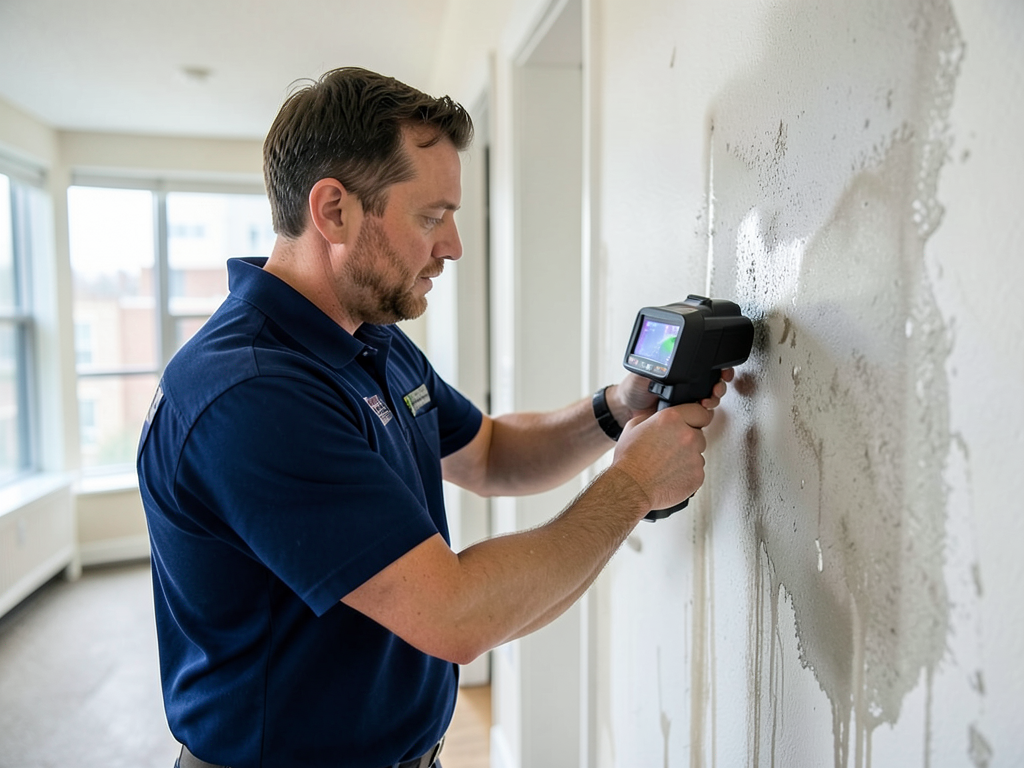
Effective water damage mitigation starts with immediate moisture mapping using thermal imaging cameras and moisture meters. We measure humidity levels in affected rooms and adjacent spaces because water migrates through wall cavities and subfloors into areas you cannot see.

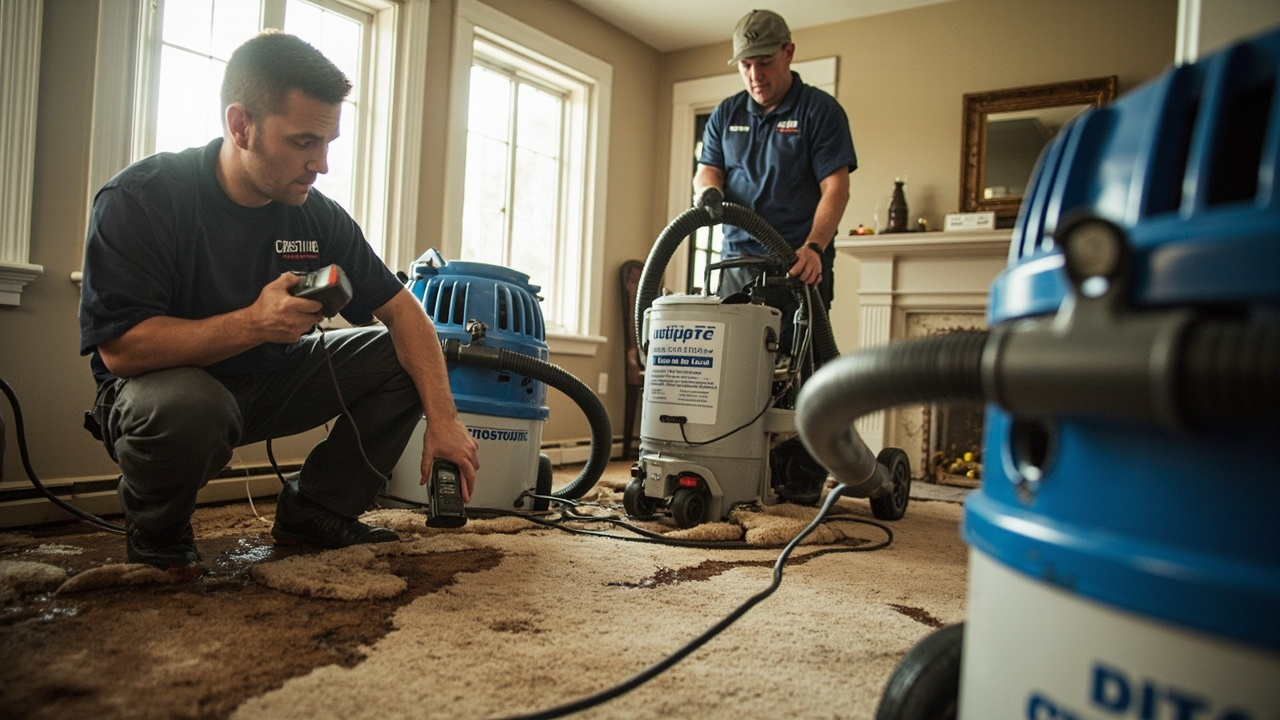
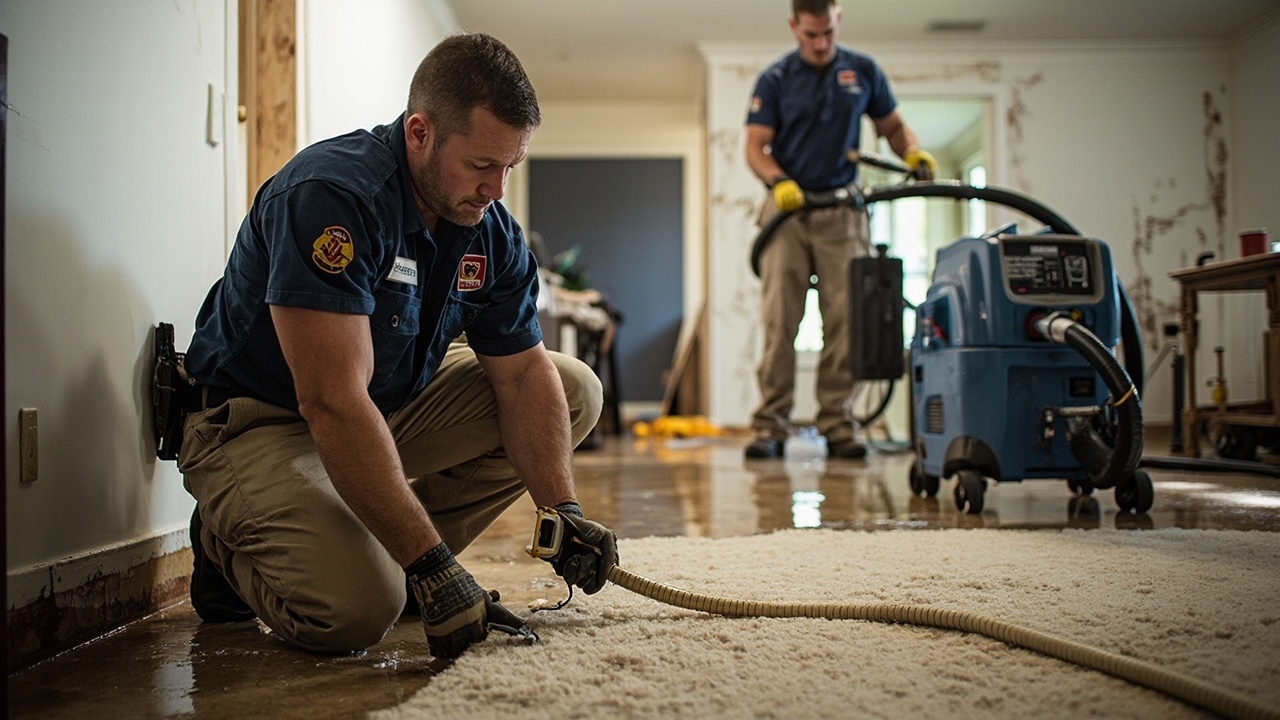
Our extraction equipment includes truck-mounted pumps capable of removing thousands of gallons per hour from flooded basements, plus low-profile extractors for crawlspaces in Hartford's older homes. We do not just vacuum up surface water. We pull moisture from carpet padding, subfloors, and wall cavities using injection and extraction ports.

Air movement is critical. We position axial fans to create directional airflow across wet surfaces, which accelerates evaporation. Desiccant dehumidifiers remove moisture from the air in enclosed spaces. We monitor drying progress with daily moisture readings, adjusting equipment placement as materials dry at different rates.

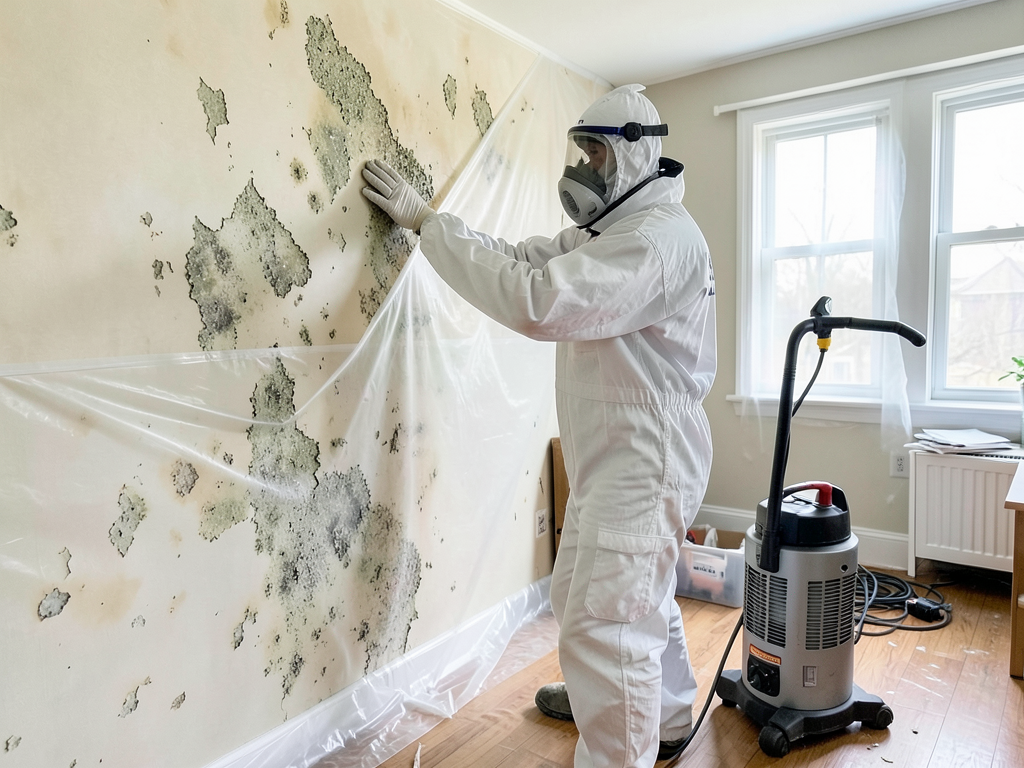
Antimicrobial application happens after extraction but before final drying. We apply EPA-registered products to all affected surfaces to prevent mold spore germination. This step is non-negotiable in Hartford's climate.

Structural drying requires understanding building science. We remove baseboards to dry wall cavities from the bottom up. We create flood cuts in drywall when necessary, removing wet material to the first dry stud above the water line. We document everything with photos and moisture logs for insurance claims.

The final phase involves air quality testing. We use particle counters to verify spore levels have returned to normal background levels before reconstruction begins. This protects you from hidden mold problems that appear months later.

Crestline Water Damage Restoration Hartford follows IICRC S500 standards for water damage restoration, which means every technician understands the science of psychrometry and structural drying.

What Happens When You Call for Emergency Water Damage Repair

Water Damage Restoration in Hartford – 24/7 Emergency Response for Residential and Commercial Properties
01

Immediate Damage Assessment

We arrive within 60 minutes for emergency calls in the Hartford metro area. Our technician identifies the water source, stops active intrusion when possible, and maps the affected area using moisture detection equipment. You receive a preliminary scope of damage and extraction plan before equipment deployment. We document pre-existing conditions and photograph all affected areas for insurance documentation. This initial assessment determines equipment needs and drying strategy.
02

Water Extraction and Drying

Truck-mounted extractors remove standing water from all accessible areas. We pull water from carpet, padding, and subflooring using weighted extraction tools. Air movers and dehumidifiers begin the drying process immediately after extraction. We place equipment strategically to maximize airflow across wet materials and through wall cavities. Moisture levels are recorded on a drying log to track progress. Antimicrobial treatment is applied to all affected surfaces to prevent microbial growth during the drying period.
03

Verification and Clearance

We monitor moisture levels daily until all materials reach dry standard for their type. Final moisture readings are documented and compared to initial measurements. Air quality testing verifies that airborne particle counts have returned to normal levels. You receive a completion certificate with before and after moisture readings, equipment logs, and photo documentation. This documentation package supports your insurance claim and provides proof that remediation was completed according to industry standards. The space is cleared for reconstruction.

Why Hartford Property Owners Choose Local Water Damage Specialists

Hartford properties require restoration contractors who understand local building stock. The city's housing ranges from 19th-century Victorian mansions in Asylum Hill to post-war Cape Cods in the North End. Each construction era used different materials and building techniques that respond uniquely to water exposure.

Older Hartford homes often have horsehair plaster walls, wooden lath, and balloon framing that allows water to travel vertically through multiple floors. These structures cannot be dried using the same methods effective on modern drywall construction. We adjust our drying strategy based on building age and construction type.

Local knowledge extends to understanding Hartford's insurance landscape. We work directly with adjusters from carriers common in the Hartford market. We know what documentation they require and how to present moisture readings and drying logs in formats they expect. This familiarity speeds claim approval and reduces your out-of-pocket costs.

Commercial properties in downtown Hartford face unique challenges. High-rise buildings require specialized equipment to move water extraction gear to upper floors. Retail spaces need after-hours work to minimize business interruption. Medical offices and legal firms cannot tolerate downtime. We schedule our work around your operational needs.

We maintain relationships with Hartford building inspectors and code enforcement officers. We know current requirements for mold remediation disclosure and when permits are required for reconstruction. This local knowledge prevents compliance problems that delay your return to normal operations.

Crestline Water Damage Restoration Hartford keeps equipment staged locally, which means faster response times compared to regional franchises dispatching from outside the metro area. When a pipe bursts at 2 AM on a Saturday, you need a truck on-site within an hour, not a callback on Monday morning.

What to Expect During Water Damage Restoration

Emergency Response Time

We dispatch technicians within 60 minutes for emergency calls throughout Hartford and surrounding towns. Our trucks carry extraction equipment, moisture detection tools, and initial drying equipment to begin mitigation immediately upon arrival. You do not wait for a secondary visit to start water removal. Night and weekend calls receive the same rapid response as weekday emergencies. Time matters in water damage scenarios because mold colonization begins within 24 to 48 hours of initial water exposure. Every hour of delay increases restoration costs and health risks. We answer calls 24/7 and maintain adequate staffing to handle multiple simultaneous emergencies during storm events.

Initial Property Assessment

Our technician performs a room-by-room inspection using thermal imaging cameras and penetrating moisture meters to identify all affected areas. We test moisture levels in flooring, walls, and contents to establish baseline readings. You receive a written scope of work explaining what materials require drying, what needs removal, and the estimated timeline for restoration. We identify the water category—clean water from supply lines, gray water from appliances, or black water from sewage or flooding—which determines treatment protocols. Insurance documentation begins during this initial visit with photo evidence and detailed notes about pre-existing conditions versus new damage.

Restoration Quality Standards

All work follows IICRC S500 standards for water damage restoration, which means materials are dried to manufacturer specifications before reconstruction begins. We do not rely on visual inspection or touch tests. Final moisture readings must match dry standards for each material type—wood flooring, concrete, drywall, and framing lumber all have different target moisture content levels. Air quality testing verifies that particulate counts have returned to normal background levels before we issue a completion certificate. This documentation protects you from future mold claims and provides proof that restoration was completed correctly. Quality control includes supervisor site visits to verify technician work.

Post-Restoration Support

You receive complete documentation packages including all moisture logs, equipment placement records, daily progress photos, and final clearance testing results. This documentation supports your insurance claim and provides a permanent record of work completed. We coordinate with your reconstruction contractor to ensure they understand the scope of structural repairs needed. If moisture issues reappear within 30 days of our final clearance, we return to investigate at no additional charge to verify our drying work was effective. We also provide recommendations for preventing future water damage, including maintenance tips for Hartford's climate and identifying vulnerable areas in your specific property type.

Frequently Asked Questions

You Have Questions,
We Have Answers

How much does water damage remediation cost? +

Water damage restoration costs in Hartford vary based on damage severity, affected square footage, and water category. Typical jobs range from a few hundred dollars for minor leaks to several thousand for flooded basements or sewage backups. Factors include extraction equipment, drying time, antimicrobial treatments, and structural repairs. Hartford's older housing stock and clay soil conditions often complicate foundation water intrusion, affecting final pricing. Most insurance policies cover sudden, accidental water damage. Get a detailed inspection first. Restoration companies provide itemized estimates after assessing moisture levels with thermal imaging and moisture meters. Fast action reduces costs by preventing secondary damage.

What does water damage restoration include? +

Water damage restoration includes immediate water extraction using truck-mounted pumps and portable extractors, followed by moisture detection with infrared cameras and hygrometers. Professional drying uses industrial air movers and commercial dehumidifiers positioned strategically for 3-7 days. Technicians monitor daily moisture readings in walls, subfloors, and cavities. Antimicrobial treatments prevent mold growth in Hartford's humid climate. Restoration also includes removing damaged materials like soaked drywall or insulation, sanitizing affected areas, deodorizing, and documenting the process for insurance claims. Structural repairs and reconstruction complete the service. The goal is returning your property to pre-loss condition while preventing long-term issues.

Can water damage be repaired? +

Yes, water damage can be repaired when addressed quickly. The first 24-48 hours are critical before mold colonization begins, especially in Hartford's summer humidity. Clean water from broken pipes responds well to extraction and drying. Hardwood floors, drywall, and insulation often require replacement if saturated too long. Category 3 sewage water demands more aggressive sanitization and disposal. Structural wood can be saved if dried properly below 15% moisture content. Professional equipment and expertise make the difference between salvaging materials and complete replacement. The key is speed and thorough moisture removal from hidden cavities.

Is water damage restoration worth it? +

Water damage restoration is worth it when you consider the alternatives. Untreated moisture causes structural rot, mold growth within 24-48 hours, and decreased property value. Hartford's older homes with plaster walls and wood framing are especially vulnerable to hidden moisture damage. Professional restoration prevents health hazards from mold spores and bacteria. Insurance typically covers sudden water damage, meaning you pay only the deductible. Skipping restoration leads to compounding problems. Foundation issues, compromised floor joists, and electrical hazards emerge months later, costing far more than initial restoration. Quick professional intervention protects your investment and family health.

Does insurance pay for water restoration? +

Insurance pays for water restoration when damage is sudden and accidental. Covered events include burst pipes, appliance malfunctions, roof leaks from storm damage, and sewer backups if you have the rider. Policies exclude gradual damage from neglect or maintenance issues. Hartford homeowners should review their specific policy limits and deductibles. Most restoration companies work directly with insurers, handling documentation and claims coordination. They photograph damage, extract moisture readings, and provide detailed estimates. File your claim immediately after discovering damage. The adjuster inspects before authorizing work. Keep all receipts and communication records for smooth reimbursement.

Will insurance pay out for water damage? +

Insurance pays out for water damage when it meets policy criteria for sudden, accidental loss. Burst pipes during Hartford's freeze-thaw cycles, storm-related roof leaks, and appliance failures typically qualify. Flood damage requires separate flood insurance through NFIP. Gradual seepage, maintenance neglect, or foundation cracks excluded. Your claim payout depends on coverage limits, deductible, and depreciation factors. Insurance pays actual cash value or replacement cost based on your policy type. Document everything with photos, moisture readings, and professional estimates. Quick response strengthens your claim. Delays suggest pre-existing conditions, which adjusters may deny.

How likely is mold after water damage? +

Mold growth after water damage is highly likely in Hartford's humid climate. Mold spores begin colonizing within 24-48 hours when moisture and organic materials combine. Porous materials like drywall, insulation, and carpet provide ideal breeding grounds. Relative humidity above 60% accelerates growth. Hartford's summer humidity and older homes with poor ventilation increase risk. Category 3 water contains bacteria and nutrients that fuel mold faster. Professional restoration prevents mold by extracting water quickly, using dehumidifiers to maintain below 50% humidity, and applying antimicrobial treatments. Hidden moisture in wall cavities and under flooring demands thermal imaging detection.

What does category 3 damage look like? +

Category 3 water damage involves grossly contaminated water containing harmful bacteria, fungi, and pathogens. This includes sewage backups, toilet overflows with feces, flooding from rivers or streams, and standing water with microbial growth. It appears dark, smells foul, and contains visible contaminants. In Hartford, basement flooding from sewer line backups or Connecticut River overflow creates Category 3 conditions. All porous materials touched by Category 3 water require disposal, including drywall, insulation, and carpeting. Surfaces need aggressive disinfection with EPA-registered antimicrobials. Technicians wear protective gear during remediation. This damage poses serious health risks requiring professional handling.

How to get the most out of a water damage claim? +

Maximize your water damage claim by documenting everything immediately. Take photos and videos of all damage before touching anything. Contact your insurance company within 24 hours to start the claim. Hire a licensed restoration company that works with insurers and provides detailed moisture mapping and estimates. Keep receipts for emergency repairs and temporary housing. Hartford homeowners should request a public adjuster if the insurer undervalues damage. Understand your policy coverage limits and replacement cost provisions. Do not sign any releases until satisfied with the settlement. Professional restoration documentation with moisture readings and thermal images strengthens your claim significantly.

What not to do after water damage? +

After water damage, do not delay calling professionals or your insurer. Do not use household vacuums on standing water, which risks electrocution. Avoid entering rooms with ceiling sag or electrical hazards. Do not leave wet materials sitting, which guarantees mold growth in Hartford's humidity. Skip using fans without proper dehumidification, which spreads moisture into unaffected areas. Do not throw away damaged items before documenting for insurance. Avoid DIY drying for anything beyond surface water. Hidden moisture in wall cavities, under flooring, and in insulation requires professional equipment. Waiting or improper drying turns a manageable situation into structural failure.

How Connecticut River Flooding and Aging Infrastructure Impact Hartford Water Damage Risks

Hartford's position at the confluence of the Connecticut River and Park River creates persistent flood risk for properties in low-lying neighborhoods and near tributary streams. Spring snowmelt combines with rain events to overwhelm storm drains and cause backup flooding in basements throughout the South End and Sheldon-Charter Oak areas. The city's combined sewer system, which handles both stormwater and sewage, reaches capacity during heavy rainfall and causes sewage backups into lower-level properties. Many Hartford buildings predate modern waterproofing standards, with limestone foundations that wick groundwater and lack proper exterior drainage systems.

Water damage restoration in Hartford requires familiarity with local building codes and the city's mix of historic and modern construction. Properties in historic districts face additional permit requirements when replacing damaged materials, and restoration work must maintain architectural integrity while meeting current moisture management standards. We work within Hartford's regulatory framework and maintain relationships with local building officials to ensure restoration projects meet both code requirements and preservation guidelines. This local expertise prevents costly compliance problems and ensures your property is restored correctly the first time.
Water Damage Restoration Services in The Hartford Area

Crestline Water Damage Restoration Hartford is strategically located to provide rapid and reliable service across the entire Hartford region and its surrounding communities. We invite you to view our service map to confirm that your property falls within our guaranteed service area, ensuring that a professional water damage expert is never far away when you need us most. We pride ourselves on the capability to reach your location quickly, a crucial factor in successful, timely mitigation and restoration.

Address:
Crestline Water Damage Restoration Hartford, 1916 Broad St, Hartford, CT, 06114

Our news updates

Latest Articles & News from The Blogs

Managing Winter Window Condensation to Prevent Rot in Your Northeast Hartford Victorian Winter condensation on your Northeast Hartford Victorian windows…

Managing Winter Window Condensation to Prevent Rot in Your Northeast Hartford Victorian

Managing Winter Window Condensation to Prevent Rot in Your Northeast Hartford Victorian Winter condensation on your Northeast Hartford Victorian windows…

Why Replacing Your Carpet Padding is Critical After a Leak in Your Bristol Home

Why Replacing Your Carpet Padding is Critical After a Leak in Your Bristol Home \n\n When water seeps into your…

Dealing with Water Damage in Your Mudroom Caused by Tracked-In Snow in West Hartford

Dealing with Water Damage in Your Mudroom Caused by Tracked-In Snow in West Hartford When melting snow from winter boots…

Contact Us

Water damage worsens every hour you wait. Call (860) 743-9993 now for 24/7 emergency water extraction and drying services. Our technicians dispatch immediately to Hartford properties and begin mitigation on arrival. Stop secondary damage before it starts.