menu

Basement Flood Cleanup in Hartford – 24/7 Emergency Response with Complete Water Extraction and Structural Drying

Crestline Water Damage Restoration Hartford delivers rapid basement flood restoration across the greater Hartford metro, combining industrial-grade pumping equipment with thermal imaging moisture detection to protect your foundation and prevent secondary mold damage.

Slider Image 1
Slider Image 2
Slider Image 3
Slider Image 4
Slider Image 5
Slider Image 7
Slider Image 8
Slider Image 9
Slider Image 10
Slider Image 11

Why Hartford Basements Flood and What Happens If You Wait

Hartford's position in the Connecticut River Valley creates a perfect storm for basement flooding. Spring snowmelt combines with heavy rainfall to overwhelm aging storm sewers in neighborhoods like Frog Hollow and South Green. The city's mix of century-old stone foundations and clay-heavy soil means water finds every crack and seam when the water table rises.

You notice standing water near your sump pump. Within hours, that puddle spreads across your basement floor. The smell hits next, that damp concrete odor that warns of bigger problems. By day two, your drywall wicks moisture three feet up the wall. Your furnace sits in two inches of water. Cardboard boxes dissolve into pulp.

Flooded basement water removal is not a DIY project in Hartford. The freeze-thaw cycles that crack your foundation also create hidden channels where water travels behind finished walls. A shop vacuum cannot extract water from concrete pores or beneath vinyl flooring. Without proper basement water extraction equipment, you are simply moving surface water while trapped moisture feeds mold colonies in your wall cavities.

Every hour of delay increases restoration costs. Water migrates through floor joists into main-level walls. Electrical systems corrode. Insurance adjusters document every day you waited before calling professionals. Basement flood restoration requires truck-mounted extractors, commercial dehumidifiers, and moisture mapping technology to locate every wet zone before structural damage becomes permanent.

Why Hartford Basements Flood and What Happens If You Wait
How We Execute Complete Basement Flood Remediation

How We Execute Complete Basement Flood Remediation

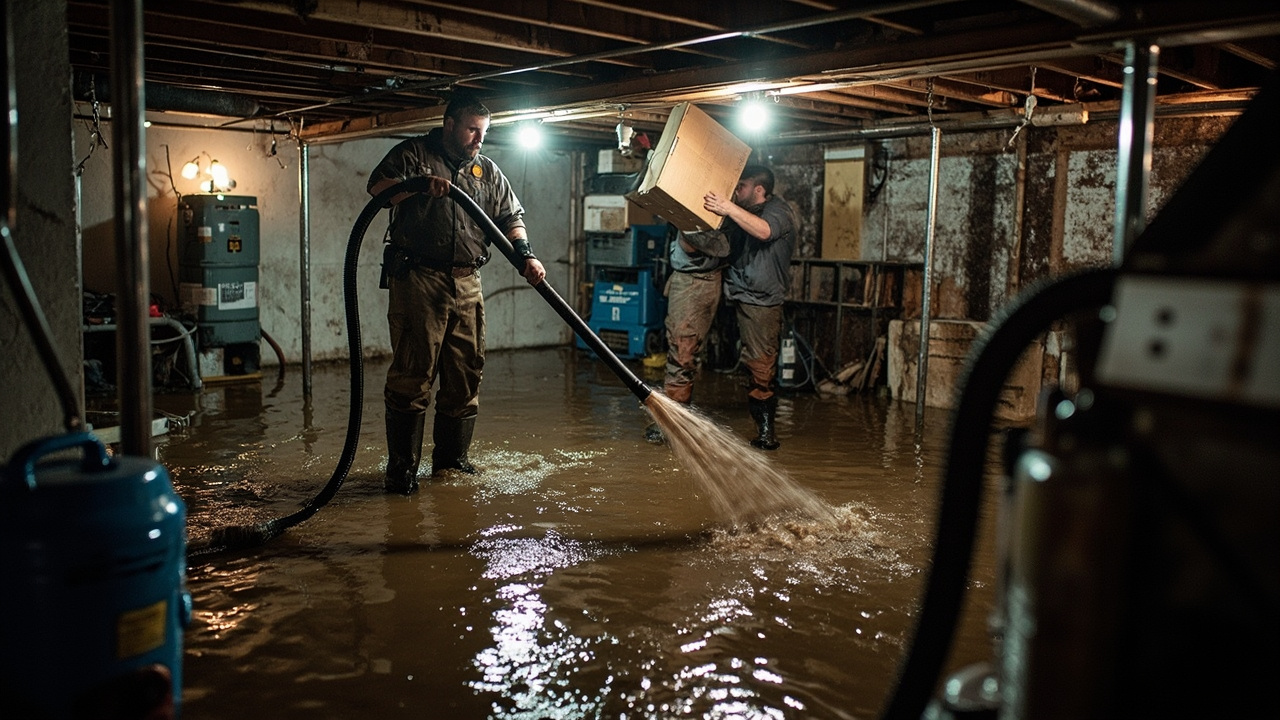
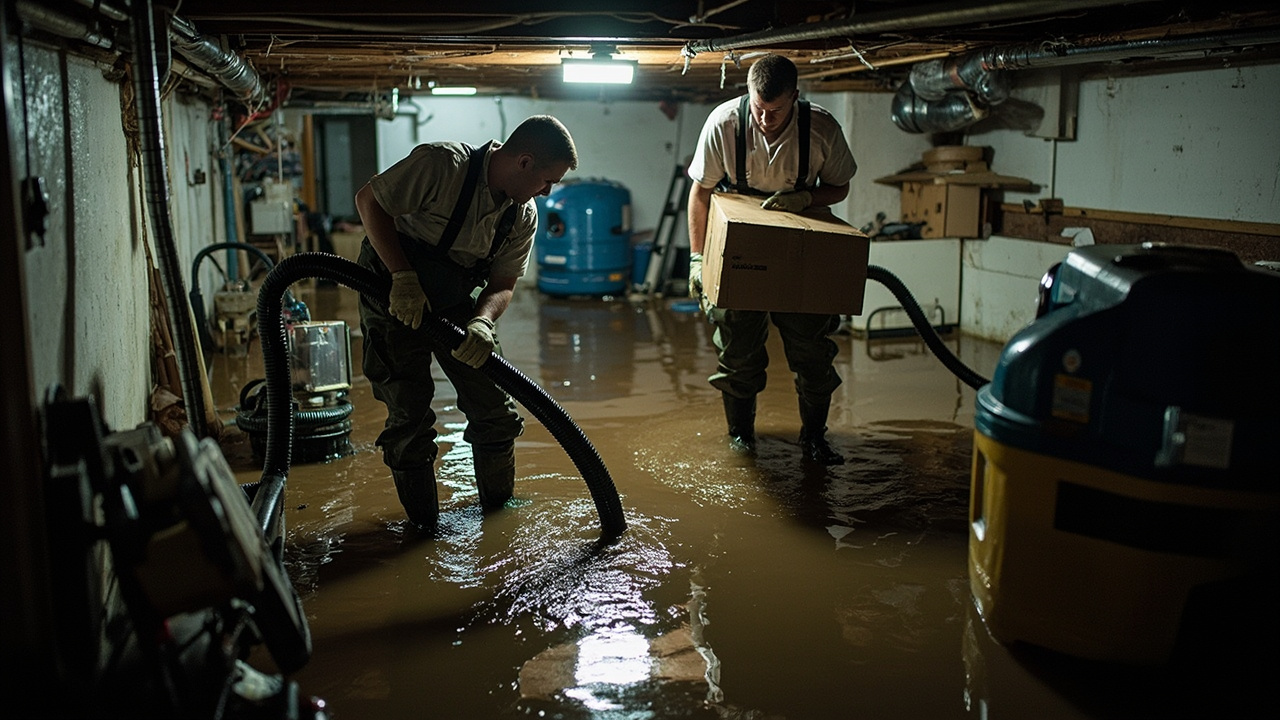
Crestline Water Damage Restoration Hartford approaches flooded basement remediation as a structural preservation project, not just a water removal job. We arrive with gas-powered submersible pumps capable of moving 3,000 gallons per hour. For basements with six inches of standing water, we establish primary and secondary extraction points to prevent hydraulic pressure from damaging your foundation walls during rapid drawdown.

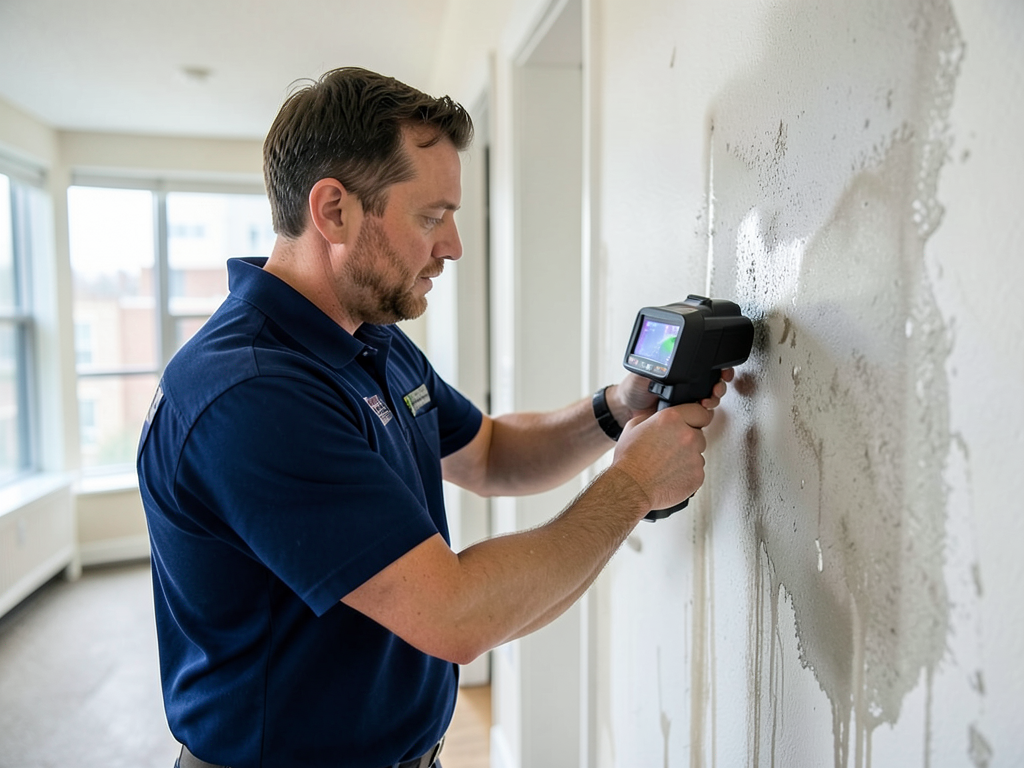
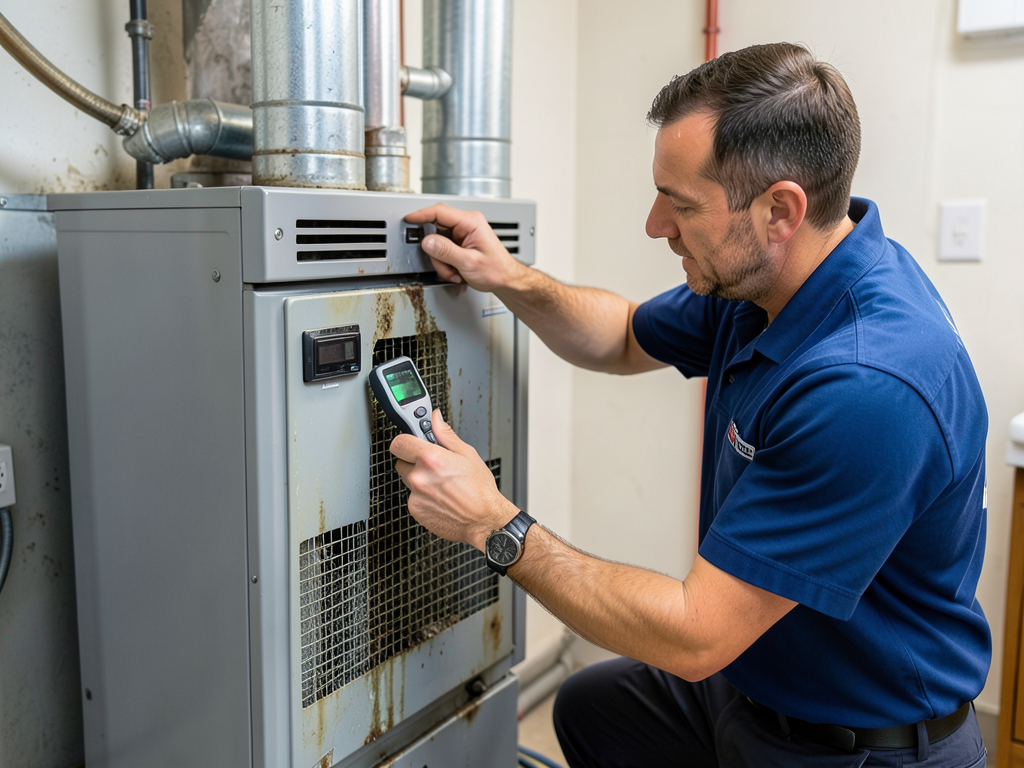
Our technicians map your basement using thermal imaging cameras that detect temperature differentials indicating trapped moisture. We document wet zones in your concrete slab, behind wall assemblies, and inside rim joists where water often pools unnoticed. This data guides our drying strategy and provides documentation for your insurance claim.

We do not just dry the surfaces you can see. Hartford's high humidity means moisture remains trapped in porous materials for weeks without intervention. We position low-grain refrigerant dehumidifiers to pull moisture from the air while axial air movers create circulation patterns that force water vapor from wall cavities and subfloors. We monitor moisture content using pin-type and non-invasive meters, testing wood framing and concrete until readings match dry standards.

Flooded basement pumping removes the visible water. Complete basement flood restoration requires controlled drying that prevents secondary damage. We calculate grain depression and vapor pressure to determine equipment placement. We seal off your HVAC system to prevent contaminated air from spreading through your home. We remove wet insulation, compromised drywall, and carpeting that cannot be salvaged. Every material gets evaluated against IICRC S500 standards for water damage restoration before we make removal decisions.

What Happens During Your Basement Flood Emergency

Basement Flood Cleanup in Hartford – 24/7 Emergency Response with Complete Water Extraction and Structural Drying
01

Emergency Water Extraction

We arrive with truck-mounted pumps and portable extractors to remove standing water from your basement within the first hour. Our team identifies the water source, whether it is a failed sump pump, sewer backup, or foundation breach, and stops active flooding before beginning extraction. We photograph all damage for insurance documentation while pumps run continuously.
02

Moisture Detection and Mapping

After extracting visible water, we use thermal cameras and moisture meters to map hidden wetness in your walls, floors, and structural framing. This reveals water migration patterns and trapped moisture that standard inspection misses. We mark affected zones and document moisture levels to establish a drying baseline that guides equipment placement and lets us track progress daily.
03

Controlled Structural Drying

We deploy industrial dehumidifiers and air movers in calculated positions to dry your basement's structure without causing warping or cracking. Our technicians monitor temperature, humidity, and material moisture content twice daily, adjusting equipment as conditions change. Drying continues until moisture readings in your concrete, wood framing, and walls return to normal ranges, preventing mold growth and structural compromise.

Why Hartford Property Owners Choose Local Flood Restoration Experts

Hartford's mixed housing stock demands specialized knowledge. A Victorian home in Asylum Hill has different foundation construction than a ranch house in the South End. Stone foundations common in pre-1920 buildings absorb water differently than poured concrete. We understand how Hartford's building patterns affect water intrusion and structural drying.

We work daily with Hartford-area insurance adjusters who know our documentation standards. When you file a flood claim, your adjuster needs psychrometric calculations, moisture readings, and equipment logs that justify restoration costs. We provide detailed reports that match Xactimate estimating software, eliminating disputes over covered work. Our familiarity with local claim processes speeds your reimbursement.

Crestline Water Damage Restoration Hartford maintains relationships with local plumbers, electricians, and foundation specialists you will need after major flooding. We coordinate trades to restore your basement systems without delays. If your flood damaged your electrical panel or corroded supply lines, we connect you with licensed contractors who understand emergency restoration timelines.

Our response time matters in a city where basement flooding peaks during spring storms. We stage equipment throughout Hartford County to reach your property within 90 minutes of your call. We do not dispatch from distant warehouses or subcontract to unknown crews. You get our trained technicians with our equipment, every time.

We know Hartford's municipal requirements for flood restoration work. Some neighborhoods require permits for structural repairs or electrical work following water damage. We navigate those requirements while focusing on the urgent work of protecting your property from additional damage. Local expertise means fewer surprises and faster restoration.

What to Expect When You Call for Basement Flood Cleanup

Immediate Response and Arrival Time

We answer emergency calls 24 hours a day, seven days a week, including holidays. When you call about basement flooding, you speak directly with our dispatch team who deploys the nearest crew to your Hartford property. We typically arrive within 90 minutes with extraction equipment already loaded. For severe flooding with more than four inches of standing water, we bring multiple pumps and additional technicians to accelerate water removal. Your emergency does not wait for business hours, and neither do we.

Comprehensive Damage Assessment

Our initial assessment documents every aspect of your flood damage for insurance purposes and restoration planning. We photograph affected areas, test moisture levels in building materials, identify contamination sources if sewage is involved, and evaluate your mechanical systems for water exposure. We provide you with a written scope of work that outlines necessary extraction, drying, and restoration phases. This assessment takes approximately 45 minutes and gives you a clear picture of the work required to return your basement to pre-loss condition.

Complete Drying and Restoration

Your basement drying project typically requires three to seven days depending on water volume, affected materials, and humidity conditions. We leave equipment running continuously and monitor progress with daily moisture readings. You receive updates on drying progress and projected completion dates. Once moisture levels reach acceptable standards, we remove equipment and proceed with any necessary repairs to flooring, walls, or damaged fixtures. The result is a structurally sound, dry basement ready for reconstruction or refinishing without hidden moisture that would cause future problems.

Post-Restoration Monitoring and Prevention

After completing your basement flood restoration, we provide final moisture readings and documentation showing your structure has returned to dry standards. We discuss prevention measures specific to your property, whether that means sump pump upgrades, foundation sealing, or drainage improvements. We remain available if you notice any concerns in the weeks following restoration. If you experience another flood event, you already have an established relationship with a team that knows your property and can respond immediately with appropriate solutions.

Frequently Asked Questions

You Have Questions,
We Have Answers

How to clean up after a flooded basement? +

Stop the water source first, then shut off electricity to the basement. Remove standing water with a pump or wet vac. Pull out soaked items like rugs, furniture, and boxes within 24 hours to prevent mold. Open windows and run fans to increase airflow. In Hartford, basement flooding often results from sump pump failure or heavy rain overwhelming old foundation drains. Document all damage with photos for insurance claims. Professionals use industrial extractors and dehumidifiers to dry structural materials you cannot access. Do not delay. Mold begins growing within 24 to 48 hours in Connecticut's humid climate.

How much does it cost to clean up a flooded basement? +

Basement flood cleanup costs range from a few hundred to several thousand dollars in Hartford. Minor water removal for a small basement runs lower, while severe contamination from sewer backups or structural drying costs more. Factors include water volume, basement size, contamination level, and damage extent. Hartford homes with older stone foundations or cracked concrete often face higher costs due to moisture absorption. Equipment like extractors, dehumidifiers, and air movers drive pricing. Mold remediation adds expense. Most restoration companies offer free inspections to assess your specific situation and provide accurate estimates before starting work.

How much does Servpro cost to clean a basement? +

Servpro pricing varies based on damage severity, basement size, and services required. Expect costs to align with industry averages for water extraction, drying, and cleanup. Hartford-specific factors like basement access, foundation type, and contamination level affect pricing. Servpro is a national franchise, so costs may differ between locations. Request a detailed written estimate before work begins. Compare quotes from local Hartford restoration companies. Many offer competitive pricing with faster response times due to proximity. Focus on finding a company with IICRC-certified technicians and proven experience handling basement flooding in older Connecticut homes with unique structural challenges.

What type of professional fixes flooded basements? +

Water damage restoration specialists handle flooded basements. These professionals hold IICRC certifications in water damage restoration and applied structural drying. In Hartford, you may also need a licensed plumber to fix broken pipes, a sump pump specialist for pump failures, or a foundation contractor for structural issues causing seepage. Restoration technicians use moisture meters, thermal imaging, and commercial-grade drying equipment to eliminate hidden water in walls and subflooring. They coordinate with mold remediation experts if growth occurs. Choose a company familiar with Hartford's older homes, clay soil settlement issues, and the Connecticut River floodplain challenges.

What kills mold after a flood? +

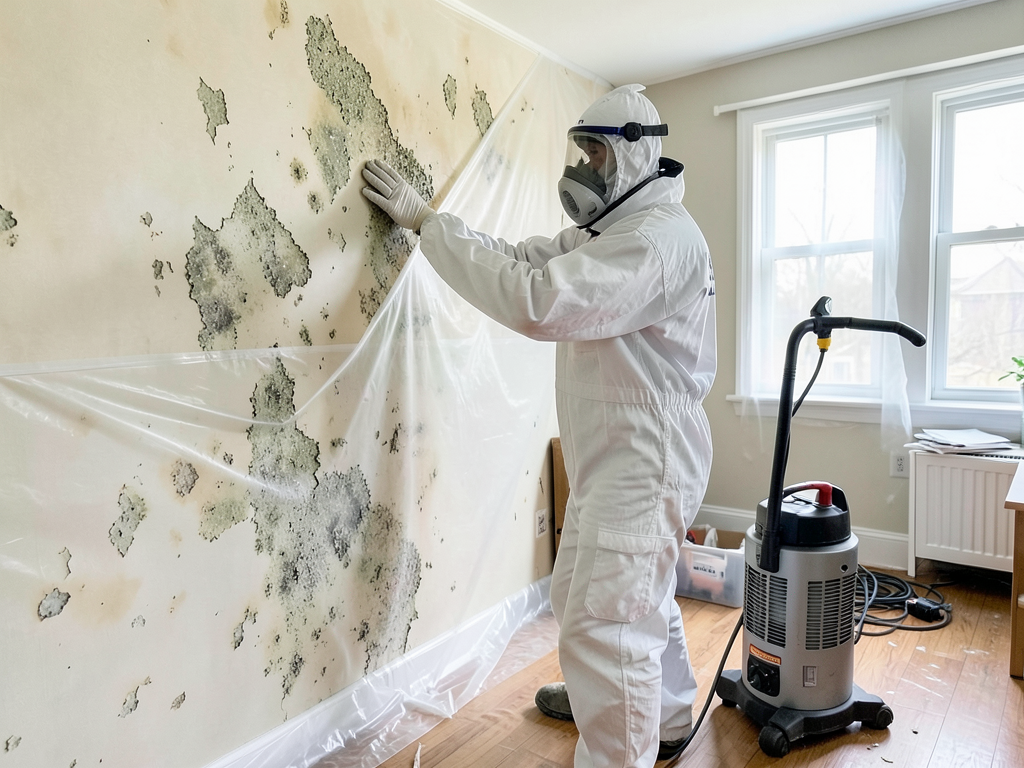
Professional-grade antimicrobial treatments kill mold after flooding. EPA-registered fungicides eliminate active mold colonies on hard surfaces. For porous materials like drywall, insulation, and carpeting, removal is often required because spores penetrate deep where chemicals cannot reach. In Hartford, high humidity demands thorough drying before treatment. HEPA vacuums capture airborne spores during cleanup. Bleach kills surface mold but does not penetrate porous materials and can damage surfaces. Certified mold remediators use containment barriers and negative air pressure to prevent cross-contamination. Do not attempt DIY mold remediation for areas larger than 10 square feet or contaminated water sources.

How long does it take for mold to grow after flooding? +

Mold begins growing within 24 to 48 hours after flooding. Connecticut's humid climate accelerates this timeline, especially during summer months. Spores exist everywhere and only need moisture, oxygen, and organic material to colonize. Hartford basements with poor ventilation, organic materials like wood framing or drywall, and temperatures above 60 degrees create perfect conditions. Visible growth may take three to five days, but microscopic colonization starts much faster. This is why immediate water removal and drying matter. Delays allow mold to spread behind walls, under flooring, and into HVAC systems, multiplying remediation costs and health risks.

Will insurance pay for a flooded basement? +

Insurance coverage depends on the flooding cause. Homeowners policies typically cover sudden, accidental water damage like burst pipes, water heater failures, or appliance leaks. They exclude gradual damage, neglect, or groundwater seepage. Sewer backups require separate endorsement coverage. Flood insurance through NEMA covers rising water from storms or the Connecticut River overflowing. Hartford sits in mixed flood zones, so check your policy. Document everything with photos and videos before cleanup. File claims immediately. Many restoration companies work directly with insurance adjusters and can help navigate the claims process to maximize your coverage.

How long does it take to dry out a basement after a flood? +

Drying a flooded basement takes three to seven days with professional equipment. Small amounts of surface water may dry in two to three days. Extensive saturation, especially in porous concrete, block walls, or wood framing, requires five to seven days. Hartford's humidity slows natural evaporation, making commercial dehumidifiers and air movers essential. Hidden moisture in wall cavities or under tile extends timelines. Restoration technicians use moisture meters to verify complete drying before declaring the job finished. Rushing this process leads to trapped moisture, mold growth, and structural damage. Proper drying prevents long-term problems that cost far more to fix later.

What is the most expensive part of finishing a basement? +

This question addresses basement finishing, not flood cleanup. Water damage restoration focuses on drying, sanitizing, and returning your basement to pre-loss condition. Finishing involves framing, drywall, flooring, and livable space construction. If you need flood cleanup in Hartford, focus on immediate water removal and structural drying first. Once dry and safe, you can consider rebuilding or finishing. Restoration companies do not typically handle finish work. You will need a general contractor or remodeling specialist for that phase. Address water intrusion causes like foundation cracks, poor grading, or sump pump issues before investing in finished basement spaces.

How much does it cost to finish a 2000 sq ft basement? +

This question addresses basement finishing costs, not flood cleanup. A 2000 square foot basement finishing project costs vary widely based on materials, labor, and finishes chosen. However, if your Hartford basement recently flooded, prioritize water damage restoration first. Proper drying, mold remediation, and fixing water entry points must happen before any finishing work. Skipping restoration leads to mold behind new walls, ruined materials, and wasted money. Focus on extracting water, drying structural components, and preventing future flooding. Once your basement is dry and safe, consult a contractor for finishing estimates specific to your Hartford property and design preferences.

How Connecticut River Valley Hydrology Creates Hartford Basement Flooding Risks

Hartford sits at the confluence of the Connecticut River and Park River, with a water table that fluctuates dramatically during spring snowmelt and hurricane season. Neighborhoods in the South Meadows and along Franklin Avenue experience the highest groundwater pressure because they occupy former wetlands and floodplain. The city's combined sewer system, built in the 1800s, overwhelms during heavy rain events, causing backflow into basement drains. Clay soil composition throughout Hartford County prevents rapid water percolation, keeping basements wet longer after flooding events. These conditions make basement water extraction and proper structural drying essential rather than optional.

Hartford's housing density and aging infrastructure create unique challenges for basement flood restoration. Many multi-family buildings in neighborhoods like Barry Square and Behind the Rocks share common foundations where water travels between units. Local building inspectors require proper drying documentation before approving repairs to flood-damaged basements, particularly in historic districts where foundation work requires additional permits. We maintain working relationships with Hartford's building department and understand documentation requirements that allow you to proceed with repairs without delays or compliance issues that affect property values.
Water Damage Restoration Services in The Hartford Area

Crestline Water Damage Restoration Hartford is strategically located to provide rapid and reliable service across the entire Hartford region and its surrounding communities. We invite you to view our service map to confirm that your property falls within our guaranteed service area, ensuring that a professional water damage expert is never far away when you need us most. We pride ourselves on the capability to reach your location quickly, a crucial factor in successful, timely mitigation and restoration.

Address:
Crestline Water Damage Restoration Hartford, 1916 Broad St, Hartford, CT, 06114

Additional Services We Offer

Our news updates

Latest Articles & News from The Blogs

Managing Winter Window Condensation to Prevent Rot in Your Northeast Hartford Victorian Winter condensation on your Northeast Hartford Victorian windows…

Managing Winter Window Condensation to Prevent Rot in Your Northeast Hartford Victorian

Managing Winter Window Condensation to Prevent Rot in Your Northeast Hartford Victorian Winter condensation on your Northeast Hartford Victorian windows…

Why Replacing Your Carpet Padding is Critical After a Leak in Your Bristol Home

Why Replacing Your Carpet Padding is Critical After a Leak in Your Bristol Home \n\n When water seeps into your…

Dealing with Water Damage in Your Mudroom Caused by Tracked-In Snow in West Hartford

Dealing with Water Damage in Your Mudroom Caused by Tracked-In Snow in West Hartford When melting snow from winter boots…

Contact Us

Standing water in your basement causes more damage every hour. Call Crestline Water Damage Restoration Hartford at (860) 743-9993 for immediate dispatch. Our crews are ready 24/7 with professional extraction and drying equipment to protect your property and start your insurance claim documentation.