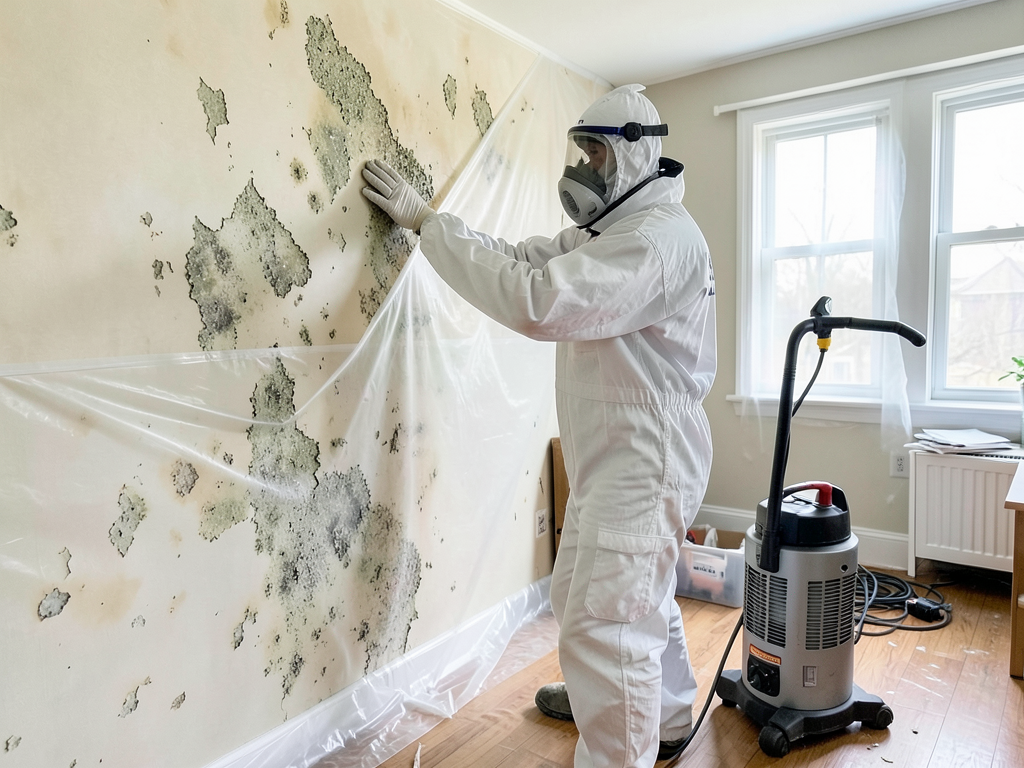


Hartford ranks among Connecticut's oldest cities, with thousands of homes predating modern building codes for moisture control. Properties in historic districts like Asylum Hill feature plaster walls, horsehair insulation, and fieldstone foundations that absorb and retain moisture. These materials create ideal conditions for mold colonization after water intrusion events. The Connecticut River Valley's geography traps humid air during summer months, while winter freeze-thaw cycles cause repeated expansion and contraction that cracks foundations and allows groundwater seepage. Understanding mold toxicity becomes critical when living in these older structures because signs of mold poisoning often go unrecognized until contamination becomes severe. Victorian and Colonial-era homes with closed floor plans lack the air circulation that helps control humidity, allowing mycotoxin illness to develop in isolated rooms and basements.
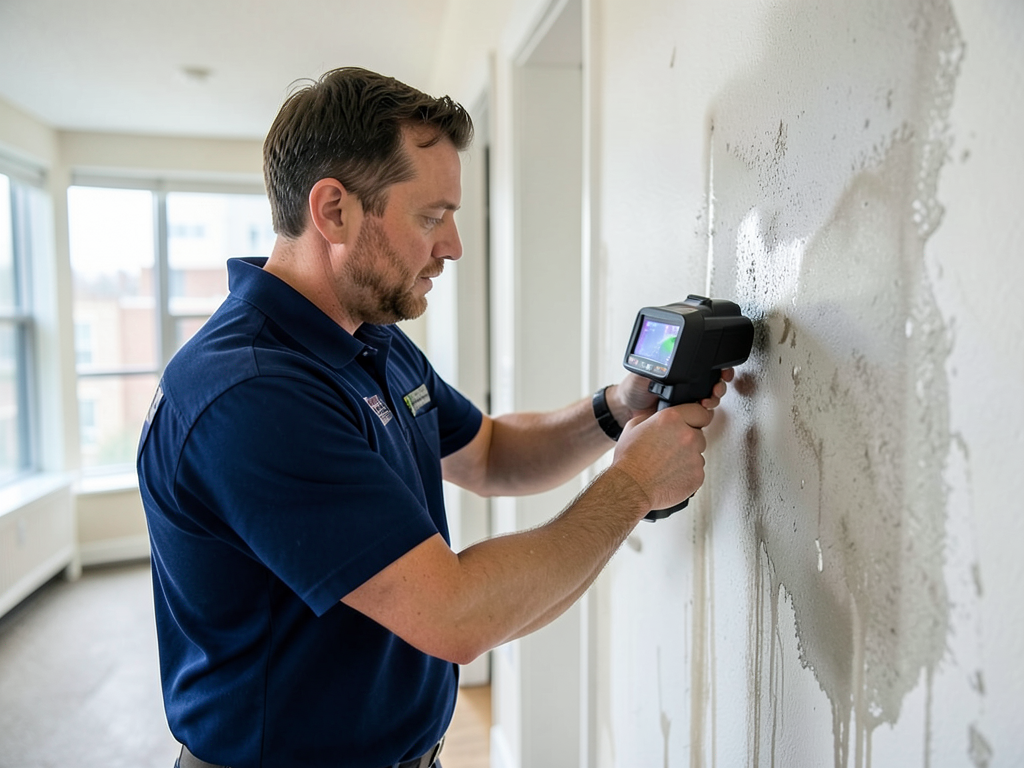
Crestline Water Damage Restoration Hartford specializes in assessing older housing stock while respecting historic preservation requirements. We work within Hartford's historic district guidelines when remediation involves homes with protected architectural features. Our technicians understand how balloon framing in Victorian homes allows mold to spread vertically through wall cavities, and how brick veneer common in Hartford's early 20th-century construction traps moisture against wood framing. This local expertise ensures we identify contamination other companies miss. We maintain relationships with Hartford's building inspectors and understand Connecticut Department of Public Health protocols for mold remediation. When you choose local specialists, you get professionals who know your neighborhood's specific vulnerabilities and can assess black mold health risks in the context of your home's construction era and style.