
The Silent Danger of Leaving Your Garden Hose Attached During a Wethersfield Cold Snap
When temperatures drop below freezing in Wethersfield, that harmless garden hose attached to your outdoor spigot becomes a ticking time bomb. While most homeowners worry about pipes bursting in the basement, the real threat often hides inside your exterior walls, silently causing thousands of dollars in damage before you even know there’s a problem. What to Do When Your Pipes Freeze and Burst During a Hartford Winter.
Wethersfield’s location in the Connecticut River Valley means we experience rapid freeze-thaw cycles that put tremendous stress on plumbing systems. The ice expansion inside a connected hose can create pressure up to 2,000 pounds per square inch—enough to split copper pipes and push water into wall cavities where it remains undetected for months. Professional Water Extraction and Drying for Downtown Hartford Office Buildings.
The danger isn’t the visible spigot leaking outside. It’s the split pipe inside your wall that only shows itself when you turn on the water in spring and discover water pouring into your basement or living room.. Read more about Essential Water Safety Steps for Glastonbury Residents Heading South for the Winter.
How a Simple Hose Can Cause Major Interior Water Damage
Water expands approximately 9% when it freezes. When your garden hose remains connected during a cold snap, water trapped between the hose bib and your home’s shut-off valve has nowhere to expand. The ice formation creates tremendous pressure that typically causes the copper pipe to split inside the wall, not at the exterior spigot.
Most Wethersfield homes built before 2010 use standard sillcocks that lack proper freeze protection. The break usually occurs 4-6 inches inside the wall where the pipe makes a 90-degree turn. When spring arrives and you turn on the spigot, water flows freely through the split, flooding your wall cavity.
According to Connecticut State Building Code Section 305.5, all new construction must install frost-proof sillcocks with integral vacuum breakers. However, thousands of older homes in Wethersfield still have the vulnerable standard models that pose this risk.
Warning Signs of Internal Wall Damage:
- Efflorescence (white mineral deposits) on basement walls near the hose bib location
- Musty odors in rooms adjacent to exterior walls
- Peeling paint or bubbling drywall near floor level
- Damp spots on basement ceilings directly below hose bibs
Immediate Steps to Take When a Spigot Leaks Post-Thaw
If you discover water leaking from your wall after turning on your outdoor spigot for the first time in spring, you need to act fast. Water damage spreads exponentially, and mold can begin growing within 24-48 hours in Connecticut’s humid climate.
- Locate Your Main Shut-Off Valve
Most Wethersfield homes have the main valve in the basement near the front foundation wall. Turn it clockwise until fully closed.
- Identify the Affected Area
Check for water stains, soft drywall, or peeling paint near the exterior wall where the hose bib is located.
- Document the Damage
Take photos of all visible damage before cleanup. This documentation is crucial for insurance claims under Connecticut’s “sudden and accidental” discharge coverage. Fast Sewage Cleanup Services for East Hartford Residents Facing a Backup.
- Call for Professional Assessment
Water can travel along wall studs and pool in unexpected areas. A moisture meter reading is the only way to know the full extent of damage.
Many Wethersfield homeowners make the mistake of thinking they can simply dry the visible water and be done. However, water trapped inside wall cavities creates the perfect environment for mold growth, especially given our region’s average humidity levels of 70-80% during spring months.
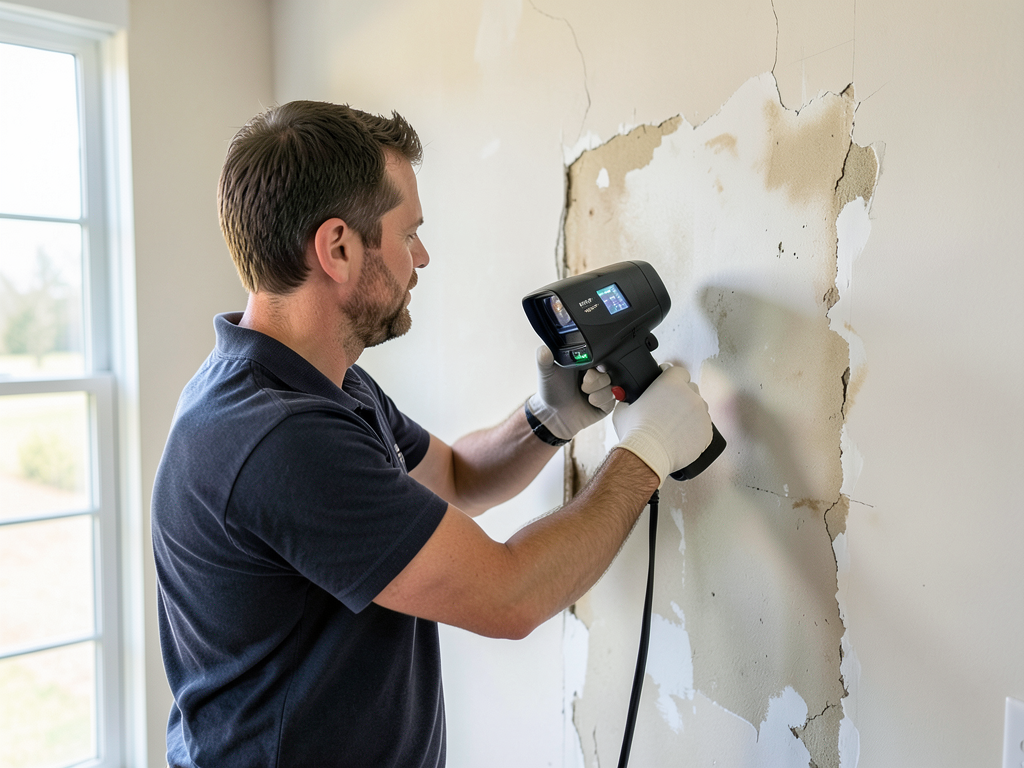
Professional water damage restoration technicians use thermal imaging cameras to detect moisture behind walls and LGR (Low Grain Refrigerant) dehumidifiers to extract water vapor from structural materials. This equipment is essential because standard fans cannot remove moisture trapped in insulation or wall studs.
Our Hartford Water Damage Restoration Process
When water damage strikes your Wethersfield home, you need a restoration team that understands both the technical requirements and the local building environment. Our process follows IICRC S500 standards for water damage restoration, ensuring your home is returned to pre-loss condition safely and efficiently. The Best Local Mold Removal and Remediation Experts in Glastonbury.
Water Extraction and Structural Drying
The first 24 hours are critical. Our team arrives with truck-mounted extraction units capable of removing thousands of gallons per hour. We then deploy industrial air movers and LGR dehumidifiers strategically placed to create a vortex drying pattern that pulls moisture from deep within wall cavities and subfloors.
Mold Prevention and Air Quality Control
Connecticut’s climate creates ideal conditions for mold growth after water damage. We apply EPA-registered antimicrobial treatments to all affected surfaces and use HEPA air scrubbers to remove airborne spores. Our technicians monitor humidity levels continuously, maintaining them below 50% to prevent secondary damage. EPA mold guidelines.
Structural Repair and Reconstruction
Once drying is complete (typically 3-5 days depending on the extent), we repair damaged drywall, replace insulation that has lost its R-value due to moisture, and restore any compromised structural elements. All repairs meet or exceed Connecticut State Building Code requirements.
Navigating Insurance Claims for Pipe Bursts in Connecticut
Most Hartford-area homeowners insurance policies cover “sudden and accidental” water discharge, but the claim process can be complex. Insurance companies often send their own adjusters who may underestimate the extent of damage or the necessary restoration work.. Read more about How to Negotiate with an Independent Adjuster After a Major Pipe Burst in Bristol.
Our team works directly with insurance companies, providing detailed scope-of-work documents, moisture mapping reports, and before/after documentation. We understand Connecticut insurance requirements and can help you navigate the claims process while ensuring all necessary repairs are covered.
Key coverage considerations include:
- “Additional living expenses” if your home becomes uninhabitable
- Coverage for personal property damaged by water
- Separate deductibles for water damage vs. pipe replacement
- Time limitations for filing claims (typically 12-24 months from discovery)
According to FEMA flood maps, much of Wethersfield sits in Zone X, meaning standard homeowners insurance covers these types of internal plumbing failures. However, if you live near the Connecticut River or in a designated floodplain, additional coverage may be required. FEMA flood maps.
Preventing Future Freeze-Ups: Frost-Proof Silcocks & Winterization
The best way to prevent hose bib water damage is to upgrade your exterior faucets before the next cold snap hits. Frost-proof sillcocks feature a valve mechanism that sits 10-12 inches inside your home’s heated space, keeping the actual shut-off point away from freezing temperatures.
Winterization Checklist for Wethersfield Homes:
- Disconnect all garden hoses by mid-October
- Install frost-proof sillcocks (approximately $150-250 per fixture installed)
- Add insulated hose bib covers for additional protection
- Locate and test your interior shut-off valve before the first freeze
- Consider having a plumber install a bleed valve to drain remaining water
For homes with older copper piping, we recommend upgrading to PEX (cross-linked polyethylene) piping, which is more freeze-resistant and less likely to burst under pressure. PEX can expand up to three times its size without breaking, making it ideal for Connecticut’s freeze-thaw cycles.
Cost Comparison: Prevention vs. Restoration
| Service | Average Cost | Time Required |
|---|---|---|
| Frost-proof sillcock installation | $150-250 per fixture | 1-2 hours |
| Complete winterization package | $300-500 | Half day |
| Water damage restoration (average) | $2,500-7,500 | 3-7 days |
| Major structural repairs | $8,000-15,000+ | 1-2 weeks |
The numbers tell the story: spending $300-500 on prevention can save you $5,000-10,000 in restoration costs and weeks of disruption to your home life.
Why Hartford Homeowners Trust Our Emergency Response
When water damage strikes, every minute counts. Our Hartford-based team maintains a 24/7 emergency response fleet strategically positioned throughout the metro area, including Wethersfield, Cromwell, and surrounding communities. We guarantee arrival within 60 minutes of your call, with fully equipped trucks ready to begin mitigation immediately.
We understand the unique challenges of Connecticut’s historic homes, many of which feature balloon-frame construction that allows water to travel between walls rapidly. Our technicians are trained in the specific building techniques used in Wethersfield’s historic districts and can work with preservation guidelines when necessary.
Our commitment to the Hartford community goes beyond emergency response. We partner with local building inspectors to ensure all restoration work meets Connecticut State Building Code requirements and with environmental specialists to handle any mold or air quality concerns that arise during the restoration process. How to Handle a Flooded Basement in Your West Hartford Home Today.
Don’t wait until you discover water damage the hard way. If you live in a home built before 2010 and still have standard hose bibs, now is the time to upgrade. The cost of prevention is minimal compared to the potential damage and disruption of a burst pipe inside your walls.
Call (860) 743-9993 today to schedule your inspection. Our team will evaluate your current plumbing setup, recommend appropriate upgrades, and provide a clear plan for protecting your home from the silent danger of frozen hose bibs. Don’t let next winter’s cold snap catch you unprepared.
Frequently Asked Questions
How can I tell if my hose bib is frost-proof?
Look for a slight downward angle on the spigot (called “pitch”), a vacuum breaker on top, and check if the handle is perpendicular to your house. Frost-proof models also have a longer stem that extends into your wall cavity.
What should I do if I discover water damage from a frozen hose bib?
Immediately shut off your main water valve, document all damage with photos, and call a professional restoration company. Do not attempt to dry the area yourself, as hidden moisture can lead to mold growth within 24-48 hours.
Does homeowners insurance cover damage from frozen hose bibs?
Yes, most Connecticut homeowners policies cover “sudden and accidental” water discharge from plumbing failures. However, damage from lack of maintenance or gradual leaks may not be covered. Always check with your insurance provider about your specific coverage.
How long does the water damage restoration process take?
The drying process typically takes 3-5 days, but complete restoration including repairs can take 1-2 weeks depending on the extent of damage. Emergency mitigation begins within hours of your call.
Can I prevent this problem without replacing my hose bibs?
While replacing with frost-proof models is best, you can reduce risk by disconnecting hoses before freezing weather, installing insulated covers, and shutting off the interior valve to your exterior spigots during winter months.
{
“@context”: “https://schema.org”,
“@type”: “BlogPosting”,
“headline”: “The Silent Danger of Leaving Your Garden Hose Attached During a Wethersfield Cold Snap”,
“description”: “Discover why leaving your garden hose attached in Wethersfield can cause hidden water damage inside your walls. Learn the warning signs and when to call Hartford’s 24/7 emergency restoration team.”,
“wordCount”: 1692,
“datePublished”: “2026-05-29T11:20:00.000Z”,
“dateModified”: “2026-05-29T11:20:00.000Z”,
“inLanguage”: “en-US”,
“mainEntityOfPage”: {
“@type”: “WebPage”,
“@id”: “https://crestlinewaterdamagerestorationhartford.com”
},
“publisher”: {
“@type”: “LocalBusiness”,
“name”: “Crestline Water Damage Restoration Hartford”,
“url”: “https://crestlinewaterdamagerestorationhartford.com”
},
“author”: {
“@type”: “Organization”,
“name”: “Crestline Water Damage Restoration Hartford”,
“url”: “https://crestlinewaterdamagerestorationhartford.com”
},
“image”: {
“@type”: “ImageObject”,
“url”: “https://crestlinewaterdamagerestorationhartford.com/wp-content/uploads/2026/03/the-silent-danger-of-leaving-your-garden-hose-atta-1.png”
}
}
{
“@context”: “https://schema.org”,
“@type”: “LocalBusiness”,
“name”: “Crestline Water Damage Restoration Hartford”,
“url”: “https://crestlinewaterdamagerestorationhartford.com”,
“address”: {
“@type”: “PostalAddress”,
“addressLocality”: “Hartford”
},
“areaServed”: {
“@type”: “City”,
“name”: “Hartford”
}
}
{
“@context”: “https://schema.org”,
“@type”: “FAQPage”,
“mainEntity”: [
{
“@type”: “Question”,
“name”: “How can I tell if my hose bib is frost-proof?”,
“acceptedAnswer”: {
“@type”: “Answer”,
“text”: “Look for a slight downward angle on the spigot (called \”pitch\”), a vacuum breaker on top, and check if the handle is perpendicular to your house. Frost-proof models also have a longer stem that extends into your wall cavity.”
}
},
{
“@type”: “Question”,
“name”: “What should I do if I discover water damage from a frozen hose bib?”,
“acceptedAnswer”: {
“@type”: “Answer”,
“text”: “Immediately shut off your main water valve, document all damage with photos, and call a professional restoration company. Do not attempt to dry the area yourself, as hidden moisture can lead to mold growth within 24-48 hours.”
}
},
{
“@type”: “Question”,
“name”: “Does homeowners insurance cover damage from frozen hose bibs?”,
“acceptedAnswer”: {
“@type”: “Answer”,
“text”: “Yes, most Connecticut homeowners policies cover \”sudden and accidental\” water discharge from plumbing failures. However, damage from lack of maintenance or gradual leaks may not be covered. Always check with your insurance provider about your specific coverage.”
}
},
{
“@type”: “Question”,
“name”: “How long does the water damage restoration process take?”,
“acceptedAnswer”: {
“@type”: “Answer”,
“text”: “The drying process typically takes 3-5 days, but complete restoration including repairs can take 1-2 weeks depending on the extent of damage. Emergency mitigation begins within hours of your call.”
}
}
]
}
{
“@context”: “https://schema.org”,
“@type”: “HowTo”,
“name”: “Emergency Water Shut-Off Procedure”,
“step”: [
{
“@type”: “HowToStep”,
“position”: 1,
“name”: “Locate Your Main Shut-Off Valve”,
“text”: “Most Wethersfield homes have the main valve in the basement near the front foundation wall. Turn it clockwise until fully closed.”
},
{
“@type”: “HowToStep”,
“position”: 2,
“name”: “Identify the Affected Area”,
“text”: “Check for water stains, soft drywall, or peeling paint near the exterior wall where the hose bib is located.”
},
{
“@type”: “HowToStep”,
“position”: 3,
“name”: “Document the Damage”,
“text”: “Take photos of all visible damage before cleanup. This documentation is crucial for insurance claims under Connecticut’s \”sudden and accidental\” discharge coverage. Fast Sewage Cleanup Services for East Hartford Residents Facing a Backup.”
},
{
“@type”: “HowToStep”,
“position”: 4,
“name”: “Call for Professional Assessment”,
“text”: “Water can travel along wall studs and pool in unexpected areas. A moisture meter reading is the only way to know the full extent of damage.”
}
],
“image”: “https://crestlinewaterdamagerestorationhartford.com/wp-content/uploads/2026/03/the-silent-danger-of-leaving-your-garden-hose-atta-1.png”
}
{
“@context”: “https://schema.org”,
“@type”: “BreadcrumbList”,
“itemListElement”: [
{
“@type”: “ListItem”,
“position”: 1,
“name”: “Home”,
“item”: “https://crestlinewaterdamagerestorationhartford.com”
},
{
“@type”: “ListItem”,
“position”: 2,
“name”: “Blog”,
“item”: “https://crestlinewaterdamagerestorationhartford.com/blog”
},
{
“@type”: “ListItem”,
“position”: 3,
“name”: “The Silent Danger of Leaving Your Garden Hose Attached During a Wethersfield Cold Snap”
}
]
}
{
“@context”: “https://schema.org”,
“@type”: “Service”,
“serviceType”: “Water Damage Restoration”,
“provider”: {
“@type”: “LocalBusiness”,
“name”: “Crestline Water Damage Restoration Hartford”,
“url”: “https://crestlinewaterdamagerestorationhartford.com”
},
“areaServed”: {
“@type”: “City”,
“name”: “Hartford”
},
“description”: “Discover why leaving your garden hose attached in Wethersfield can cause hidden water damage inside your walls. Learn the warning signs and when to call Hartford’s 24/7 emergency restoration team.”
}