menu

Crawl Space Cleanup & Encapsulation in Hartford – Complete Moisture Control and Structural Protection for Your Home

Crestline Water Damage Restoration Hartford delivers professional crawl space remediation that eliminates moisture problems, prevents mold growth, and protects your foundation with permanent vapor barrier installation and sealing services.

Slider Image 1
Slider Image 2
Slider Image 3
Slider Image 4
Slider Image 5
Slider Image 7
Slider Image 8
Slider Image 9
Slider Image 10
Slider Image 11

Hartford's Climate Creates Perfect Conditions for Crawl Space Problems

Hartford sits at the confluence of the Connecticut River and Park River, creating elevated groundwater tables and persistent humidity that wreak havoc on crawl spaces. The region's freeze-thaw cycles combined with heavy spring rainfall push moisture into crawl space foundations, creating conditions that damage structural supports and compromise indoor air quality.

You notice musty odors rising through your floorboards. Your energy bills climb as damp insulation loses effectiveness. Wood joists show signs of rot or sagging. These symptoms stem from a crawl space that has become a moisture trap, and the problem accelerates throughout Hartford's humid summers when relative humidity regularly exceeds 70 percent.

The clay-heavy soil common throughout Greater Hartford compounds moisture issues. Clay expands when wet and contracts when dry, creating hydrostatic pressure against foundation walls and allowing water infiltration through cracks and joints. Older homes in neighborhoods like West End and Asylum Hill face additional challenges, as their stone foundations and limited crawl space ventilation were never designed to handle modern moisture loads.

Crawl space waterproofing and proper encapsulation are not optional upgrades in this climate. They are necessary interventions that prevent structural damage, control mold growth, and maintain healthy indoor environments. Without crawl space sealing services, you are allowing 40 to 50 percent of the air in your home to originate from a damp, contaminated crawl space through the stack effect. Crawl space restoration addresses the root cause and creates a controlled environment that protects your investment and your health.

Hartford's Climate Creates Perfect Conditions for Crawl Space Problems
Our Comprehensive Crawl Space Remediation Process

Our Comprehensive Crawl Space Remediation Process

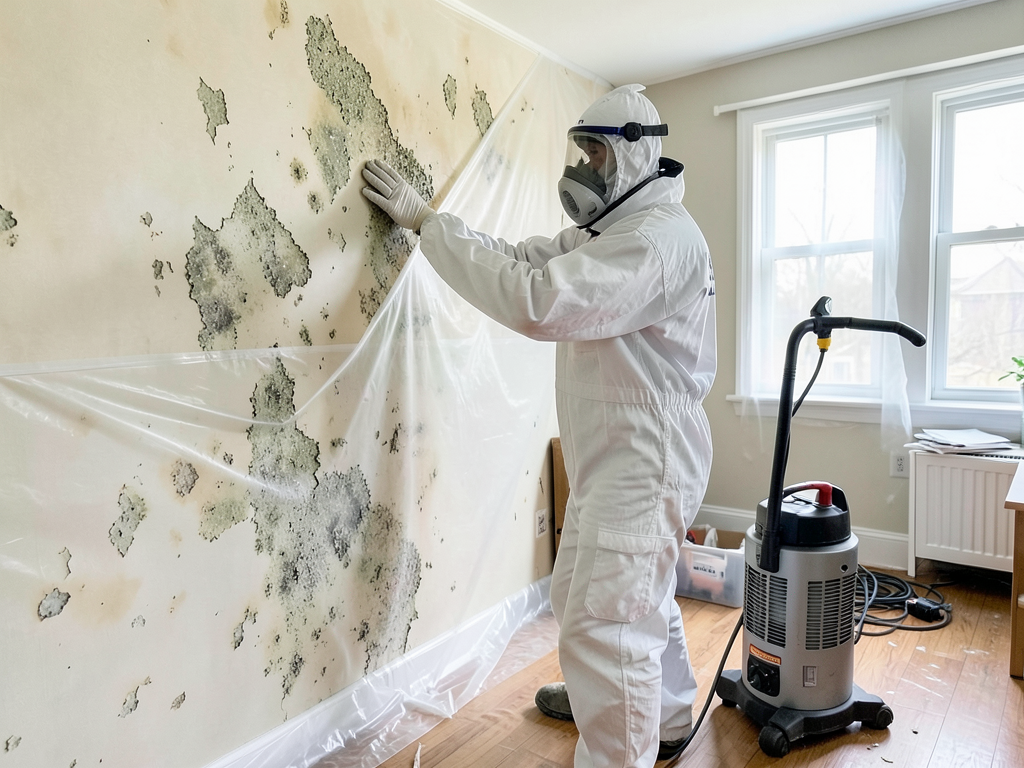
Crestline Water Damage Restoration Hartford approaches crawl space cleanup as a complete system upgrade, not a patchwork fix. We start by removing all contaminated materials, including damaged insulation, debris, and standing water. Our industrial extraction equipment handles water removal, while HEPA filtration systems capture airborne mold spores and particulates during the cleaning phase.

Water intrusion never stops on its own. We identify and address every entry point, including foundation cracks, rim joist gaps, and plumbing penetrations. Our technicians seal these vulnerabilities using hydraulic cement, spray foam insulation, and commercial-grade sealants designed for below-grade applications. This step is critical because crawl space vapor barrier installation only works when you have eliminated active water sources.

The encapsulation itself uses reinforced polyethylene sheeting with minimum 12-mil thickness, far exceeding the minimum standards many contractors use. We install this barrier across the entire crawl space floor, extending it up foundation walls and sealing all seams with specialized tape. The result is a continuous moisture barrier that prevents ground moisture from entering your crawl space environment.

Proper crawl space waterproofing requires controlled ventilation or complete closure, depending on your foundation type and local conditions. We install dehumidification systems sized to your crawl space volume, maintaining relative humidity below 55 percent year-round. In Hartford's climate, mechanical dehumidification is the only reliable method to prevent condensation and mold growth during humid months.

Our crawl space sealing services include insulating foundation walls with closed-cell spray foam or rigid foam boards. This approach moves the thermal boundary to the foundation perimeter, making your crawl space part of the conditioned space and improving whole-home energy efficiency by 15 to 20 percent.

What Happens During Your Crawl Space Encapsulation

Crawl Space Cleanup & Encapsulation in Hartford – Complete Moisture Control and Structural Protection for Your Home
01

Initial Assessment and Water Removal

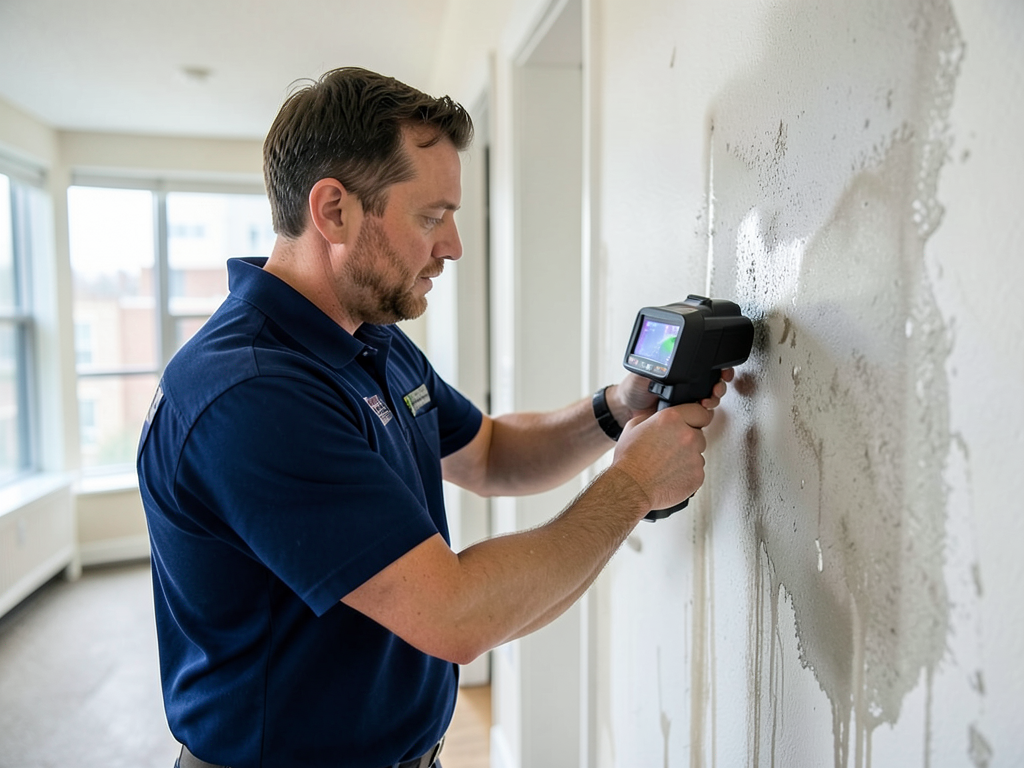
Our technicians conduct a thorough inspection using moisture meters and thermal imaging cameras to map water intrusion patterns and identify structural damage. We document existing conditions, measure humidity levels, and test for mold presence. All standing water is extracted using commercial pumps, and affected materials are removed to create a clean working surface for encapsulation.
02

Barrier Installation and Sealing

We install the reinforced vapor barrier system, carefully fitting it around piers, plumbing, and other obstructions. All seams receive double-sided sealing, and edges are mechanically fastened to foundation walls. Foundation walls receive insulation treatment, and all penetrations are sealed with expanding foam. We install access point covers with airtight gaskets to maintain the encapsulation integrity.
03

Climate Control and Final Inspection

We install and calibrate the dehumidification system, setting controls to maintain optimal humidity levels. Condensate pumps are connected and tested to ensure continuous operation. Our final inspection includes moisture readings throughout the crawl space, verification of all sealed penetrations, and documentation of baseline conditions. You receive a complete report with photos and humidity data for your records.

Why Hartford Homeowners Choose Crestline for Crawl Space Services

Hartford's building stock ranges from 18th-century colonials to modern construction, each presenting unique crawl space challenges. We have worked in every neighborhood from Frog Hollow to Blue Hills, addressing foundation types that include stone rubble, poured concrete, and concrete block. This experience matters because crawl space restoration requires adapting techniques to your specific foundation construction and local soil conditions.

We understand how Hartford's municipal codes intersect with crawl space work. Projects requiring structural modifications need permits from the Department of Development Services. Our familiarity with local requirements means your project proceeds without delays or compliance issues. We coordinate inspections when necessary and provide documentation that satisfies building officials and insurance adjusters.

The Connecticut River flood plain creates elevated groundwater pressure in lower-lying areas throughout the city. Homes near Riverside Park or along the Park River corridor face persistent moisture challenges that demand more than standard encapsulation. We design drainage solutions that work with Hartford's specific topography, incorporating sump pump systems, exterior drainage improvements, and battery backup systems that protect against the power outages common during severe weather events.

Many contractors treat crawl space encapsulation as simple plastic installation. We approach it as building science. Our technicians understand psychrometrics, capillary action, and the stack effect. This knowledge base allows us to solve complex moisture problems that other companies cannot diagnose. When you have visible mold on floor joists or persistent odors despite previous remediation attempts, you need technicians who understand why standard approaches failed and how to implement solutions that address the underlying physics of moisture movement.

Crestline Water Damage Restoration Hartford maintains relationships with structural engineers and mold remediation specialists, allowing us to coordinate comprehensive solutions when crawl space problems have caused significant damage. You get a single point of contact managing all aspects of your project.

What You Can Expect From Your Crawl Space Project

Project Timeline and Scheduling

Most crawl space encapsulation projects take two to four days depending on square footage and existing conditions. We schedule work in consecutive days to minimize disruption and maintain project momentum. Emergency water removal happens within hours of your call, with encapsulation work beginning as soon as the space is dry and clean. We provide daily updates and adjust schedules around your availability. Projects requiring structural repairs or extensive mold remediation may extend beyond this timeframe, but we establish clear timelines during the initial assessment phase.

The Initial Evaluation Process

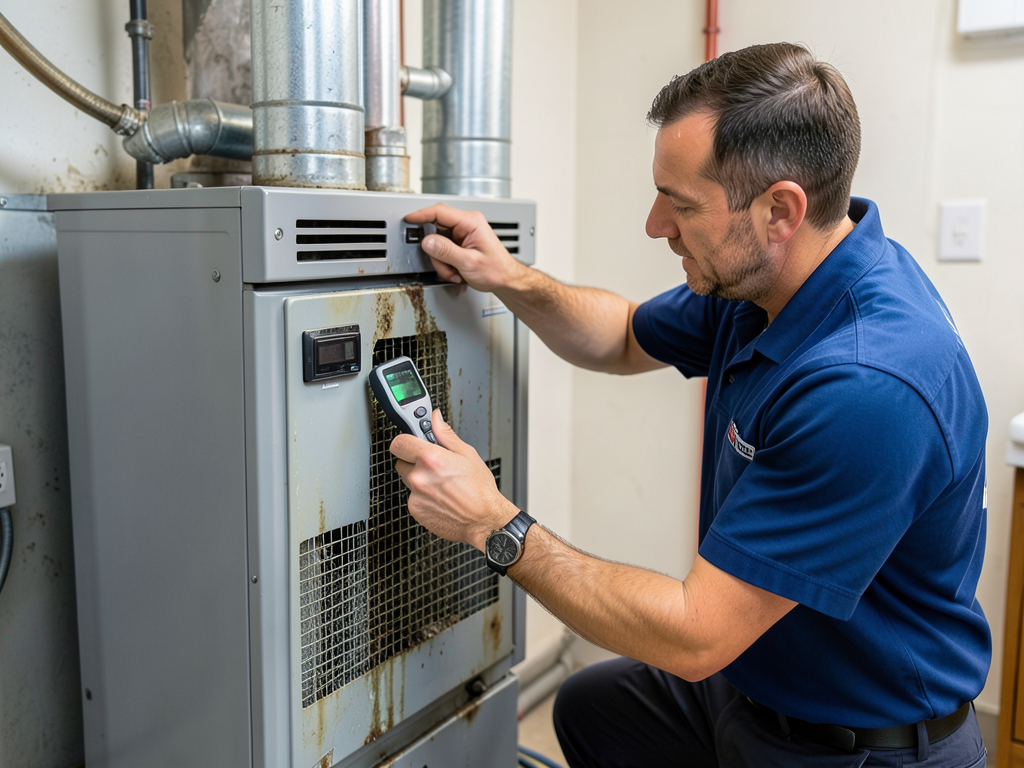
Your project begins with a detailed crawl space inspection that takes 45 to 90 minutes. We measure dimensions, assess structural conditions, identify water sources, and test moisture levels throughout the space. Our technicians check for pest activity, insulation damage, and HVAC system issues. You receive a written assessment explaining all findings in plain language, along with photos documenting current conditions. We provide a detailed scope of work and answer all questions about materials, methodology, and expected outcomes. This evaluation costs nothing and creates no obligation.

The Final Result You Receive

You get a crawl space that stays dry year-round, with relative humidity maintained below 55 percent. The space is clean, bright, and accessible for future maintenance. Floors above the crawl space become warmer in winter and more comfortable overall as the thermal boundary improves. Musty odors disappear within days as the controlled environment eliminates the moisture that feeds mold and mildew. Your energy bills decrease as insulation performs properly and conditioned air stops escaping through an open crawl space. The encapsulation system we install is designed to last decades with minimal maintenance.

Ongoing Support and Maintenance

Dehumidification systems require annual maintenance to ensure continuous operation. We provide maintenance services that include filter replacement, coil cleaning, and calibration checks. You receive guidance on monitoring humidity levels and recognizing signs of system issues. Our technicians remain available to address questions or concerns that arise after project completion. If foundation settling or other events compromise the encapsulation system, we return to assess and repair the affected areas. We maintain detailed records of your installation, including materials used and system specifications, making future service straightforward and efficient.

Frequently Asked Questions

You Have Questions,
We Have Answers

How much does it typically cost to encapsulate a crawl space? +

Encapsulation costs depend on crawl space size, existing moisture damage, accessibility, and materials used. Most Hartford homeowners pay between several thousand dollars for basic vapor barriers to higher amounts for full systems with dehumidifiers and insulation. Factors affecting price include debris removal, mold remediation, drainage installation, and structural repairs. Hartford's clay soil and freeze-thaw cycles often require additional drainage work, which increases total investment. Request site-specific quotes from local contractors who assess your space directly. Prices vary significantly based on condition and scope.

Is it worth it to encapsulate a crawlspace? +

Encapsulation protects your Hartford home from moisture damage, mold growth, and structural decay caused by high humidity. Hartford's humid summers and wet springs create ideal conditions for crawl space moisture problems. Encapsulation reduces energy bills by sealing air leaks, improves indoor air quality by blocking musty odors and allergens, and prevents wood rot in floor joists. For homes with chronic dampness, pest issues, or cold floors, encapsulation delivers measurable value. It also protects your investment by preventing expensive structural repairs down the road.

What does crawl space encapsulation include? +

Crawl space encapsulation includes installing a heavy-duty vapor barrier across floors and walls, sealing vents and openings, adding insulation to rim joists, and often installing a dehumidifier for moisture control. The process starts with debris removal, mold treatment if needed, and drainage improvements. In Hartford, contractors address foundation cracks and grade issues common in older homes. The vapor barrier creates a sealed environment that blocks ground moisture, prevents air infiltration, and stabilizes humidity levels year-round. Complete systems transform damp crawl spaces into dry, controlled environments.

How often should a crawl space be cleaned? +

Clean your crawl space annually to inspect for moisture, pests, mold, and structural issues. Hartford's seasonal weather shifts demand regular monitoring, especially after heavy spring rains or winter thaws when water intrusion peaks. Homes with encapsulation need less frequent deep cleaning but still require yearly checks of dehumidifiers, vapor barriers, and drainage systems. If you notice musty smells, increased pests, or sagging floors, inspect immediately. Older Hartford homes with dirt crawl spaces benefit from professional cleaning every one to two years to remove debris and assess conditions.

What are the negatives of crawl space encapsulation? +

Encapsulation requires upfront investment and ongoing dehumidifier maintenance, including filter changes and electricity costs. Improper installation can trap existing moisture, worsening mold problems instead of solving them. You must address drainage issues and foundation cracks before sealing, or water will accumulate inside. Hartford homes with active groundwater seepage need sump pumps or exterior drainage first. Encapsulation also makes future plumbing or electrical access more difficult since contractors must cut through sealed barriers. Choose experienced installers who assess your specific site conditions before starting work.

Will insurance cover crawl space encapsulation? +

Homeowners insurance rarely covers encapsulation because insurers consider it preventive maintenance, not sudden damage repair. However, if water damage from a covered peril like burst pipes requires crawl space restoration, cleanup costs may be covered. Some Hartford carriers offer limited coverage for mold remediation following covered water events. Review your policy details and document all damage with photos before starting work. If encapsulation prevents future claims, some insurers may offer premium discounts. Consult your agent about specific coverage before assuming reimbursement.

What are the downsides of encapsulation? +

Downsides include upfront costs, dehumidifier maintenance, and potential installation errors that trap moisture instead of eliminating it. Encapsulation requires addressing underlying issues like poor grading, foundation cracks, or plumbing leaks first, or problems persist. Hartford's clay soil can cause settling and foundation movement, potentially damaging sealed barriers over time. You also lose easy access for inspections or repairs once the space is sealed. Choose qualified contractors who understand local soil conditions and drainage patterns to avoid costly mistakes that create bigger problems than you started with.

Can I write off crawl space encapsulation? +

You may deduct encapsulation costs if you use part of your home for business and the work directly benefits that space. Medical necessity deductions apply if a doctor prescribes encapsulation for health conditions worsened by mold or moisture. For most Hartford homeowners, encapsulation is a capital improvement that increases property value but is not immediately deductible. You may recoup costs through increased home value when selling. Consult a tax professional familiar with Connecticut regulations to determine if your situation qualifies for deductions under current tax law.

How much does it cost to insulate a 1000 sq ft crawl space? +

Insulating a 1000 square foot crawl space costs vary based on insulation type, accessibility, existing conditions, and labor rates. Hartford contractors charge different amounts depending on whether you need spray foam, rigid foam boards, or fiberglass batts. Additional factors include mold removal, debris hauling, and rim joist sealing. Homes in historic Hartford neighborhoods with restricted access points cost more due to labor difficulty. Insulation alone differs from full encapsulation, which includes vapor barriers and dehumidifiers. Request multiple local quotes for accurate pricing based on your specific crawl space conditions.

What are the disadvantages of encapsulation? +

Disadvantages include significant upfront costs, ongoing dehumidifier operation and maintenance, and difficulty accessing utilities after sealing. Poor installation traps moisture and creates worse conditions than before encapsulation. You must fix drainage problems, foundation issues, and active leaks first, or moisture accumulates inside the sealed space. Hartford's freeze-thaw cycles and settling clay soil can damage vapor barriers over time, requiring repairs. Encapsulation also makes future plumbing or electrical work more complicated. Choose experienced local contractors who address site-specific conditions before sealing to avoid expensive failures and recurring moisture problems.

How Hartford's Groundwater and Seasonal Flooding Impact Crawl Space Health

Hartford averages 46 inches of precipitation annually, with spring snowmelt and heavy rainfall creating peak groundwater levels that persist through June. The city's position at the Connecticut River confluence means water tables rise quickly during wet periods, pushing moisture through foundation walls and flooding low-lying crawl spaces. Properties in the South Meadows and areas near Wethersfield Avenue face the greatest risk, but even elevated neighborhoods see groundwater infiltration when clay soil becomes saturated. Crawl space waterproofing and permanent vapor barrier installation are essential defenses against this seasonal moisture cycle that damages foundations and promotes mold growth.

Hartford's housing stock includes thousands of homes built before modern building codes addressed moisture control. These older properties lack the drainage systems, vapor barriers, and foundation waterproofing that newer construction incorporates. Crestline Water Damage Restoration Hartford specializes in retrofitting these older crawl spaces with modern moisture control systems that work within the constraints of historic construction methods. Our familiarity with Hartford's architectural patterns, from the masonry foundations common in Parkville to the raised foundations typical in West End, allows us to design crawl space sealing services that respect original construction while providing contemporary performance and protection.
Water Damage Restoration Services in The Hartford Area

Crestline Water Damage Restoration Hartford is strategically located to provide rapid and reliable service across the entire Hartford region and its surrounding communities. We invite you to view our service map to confirm that your property falls within our guaranteed service area, ensuring that a professional water damage expert is never far away when you need us most. We pride ourselves on the capability to reach your location quickly, a crucial factor in successful, timely mitigation and restoration.

Address:
Crestline Water Damage Restoration Hartford, 1916 Broad St, Hartford, CT, 06114

Additional Services We Offer

Our news updates

Latest Articles & News from The Blogs

Managing Winter Window Condensation to Prevent Rot in Your Northeast Hartford Victorian Winter condensation on your Northeast Hartford Victorian windows…

Managing Winter Window Condensation to Prevent Rot in Your Northeast Hartford Victorian

Managing Winter Window Condensation to Prevent Rot in Your Northeast Hartford Victorian Winter condensation on your Northeast Hartford Victorian windows…

Why Replacing Your Carpet Padding is Critical After a Leak in Your Bristol Home

Why Replacing Your Carpet Padding is Critical After a Leak in Your Bristol Home \n\n When water seeps into your…

Dealing with Water Damage in Your Mudroom Caused by Tracked-In Snow in West Hartford

Dealing with Water Damage in Your Mudroom Caused by Tracked-In Snow in West Hartford When melting snow from winter boots…

Contact Us

Stop living with musty odors, high humidity, and crawl space moisture damage. Call Crestline Water Damage Restoration Hartford at (860) 743-9993 for a thorough crawl space evaluation. We provide honest assessments and permanent solutions that protect your home and improve your indoor environment.