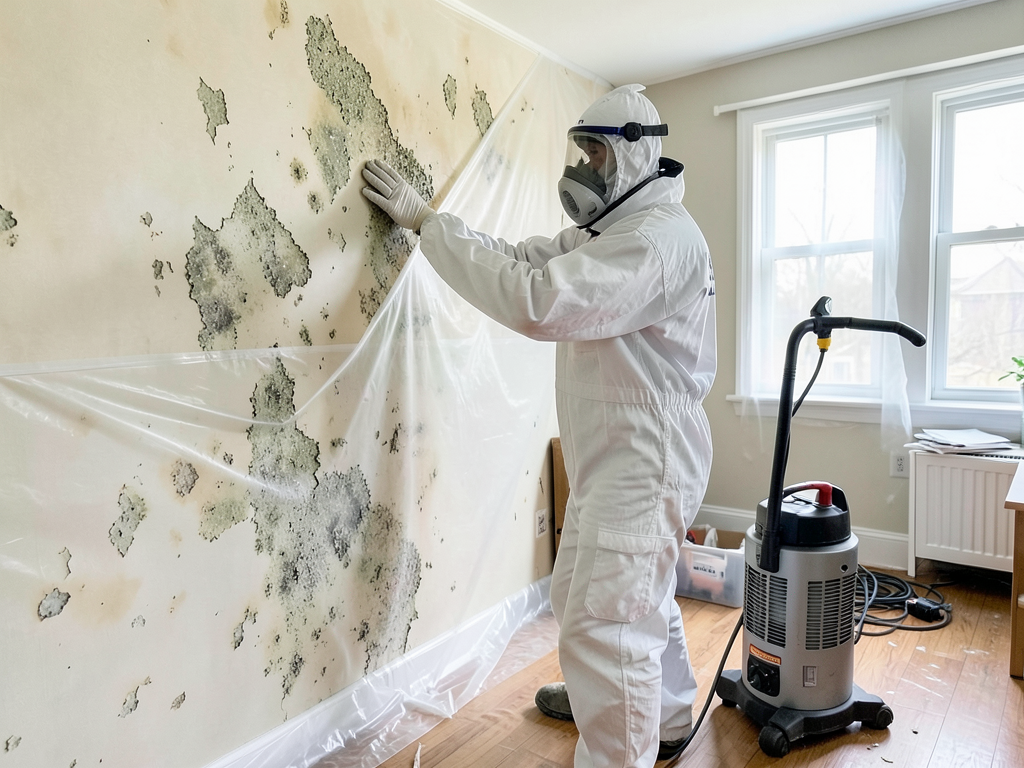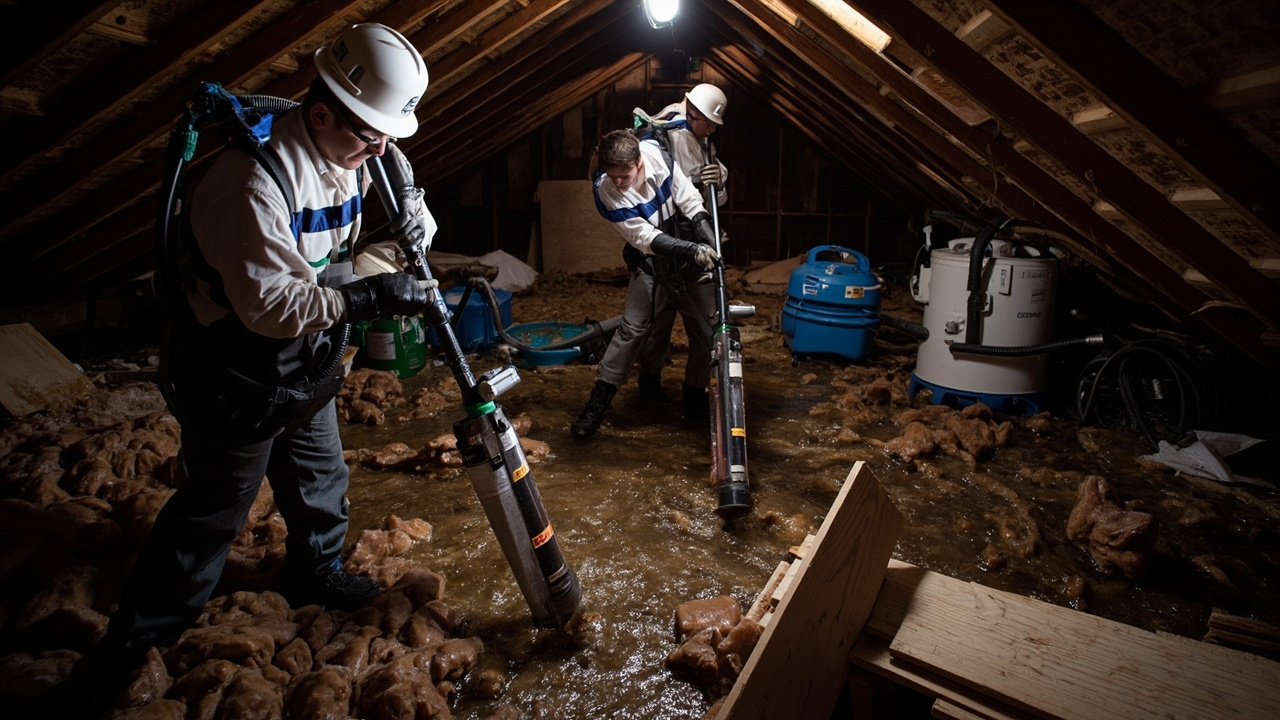
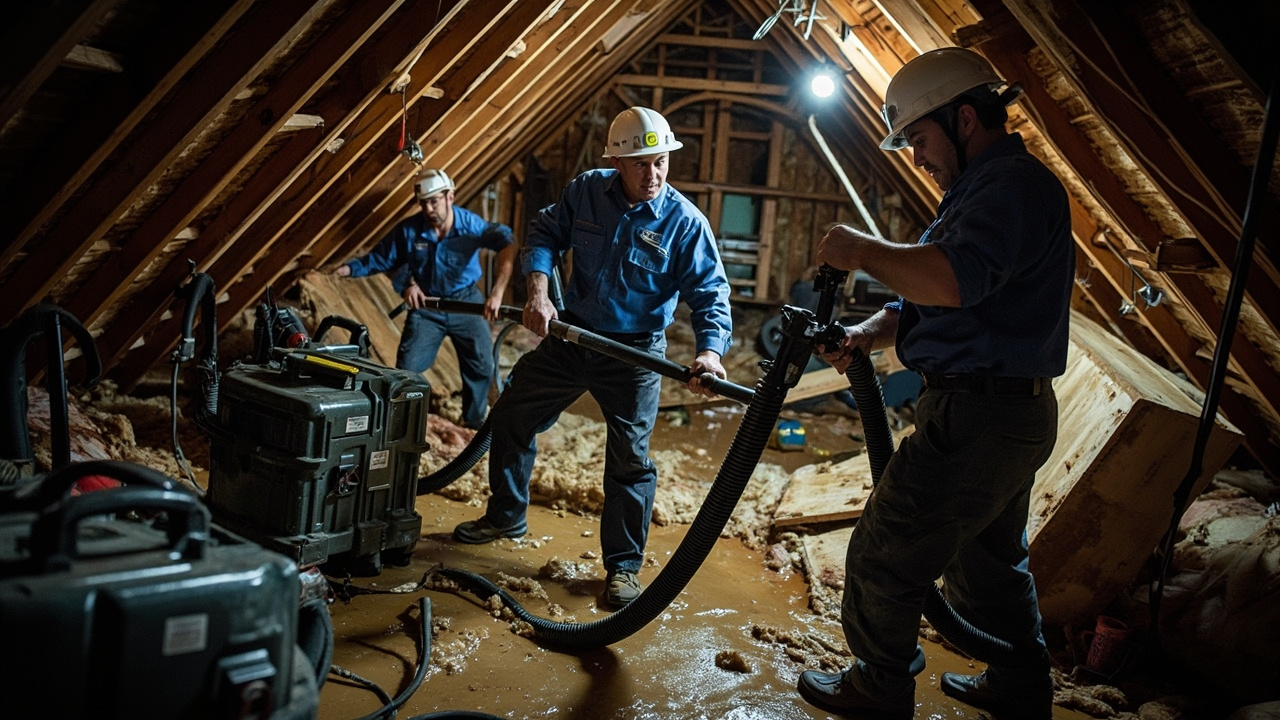
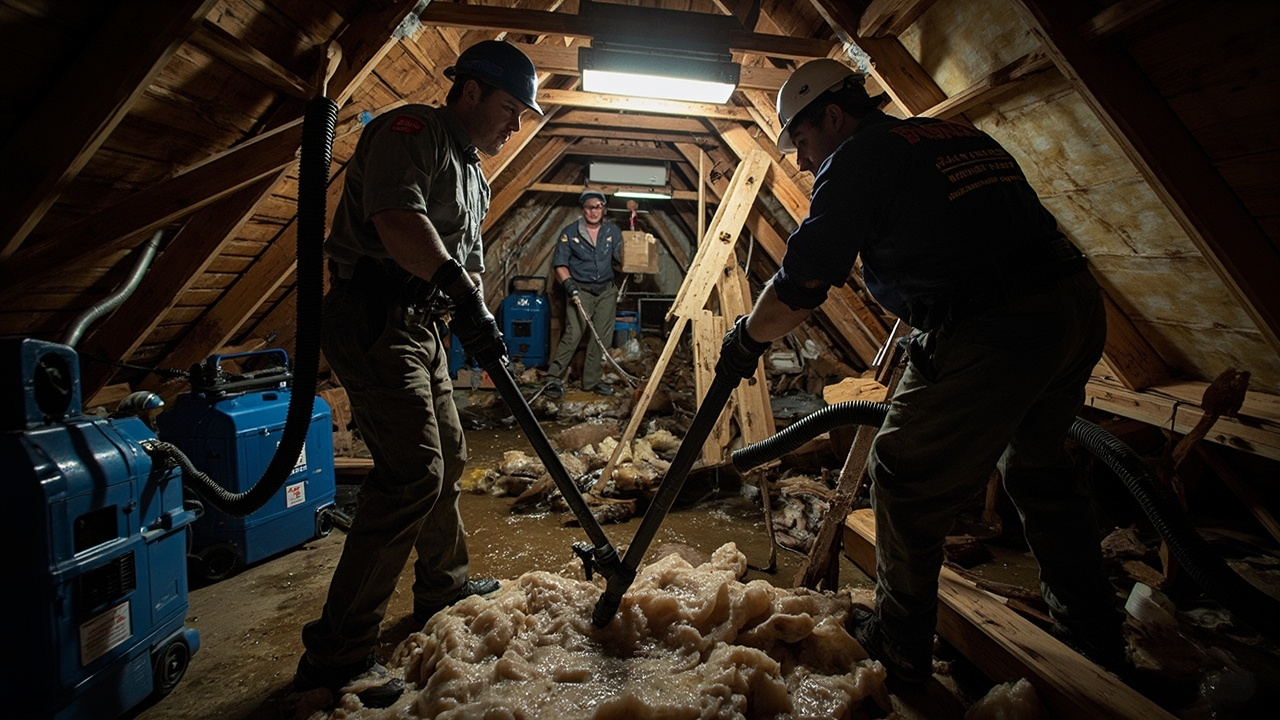
Hartford sits in a climate zone where winter temperatures swing from 15 degrees to 40 degrees in 48 hours. This freeze-thaw cycling creates ice dams along roof eaves. Snow melts on the warm upper roof, flows down to the cold eave, and refreezes. The ice dam blocks drainage, forcing meltwater under shingles and into the attic. Homes in the Asylum Hill Historic District, many built before 1920, have minimal attic insulation and poor ventilation. Heat escapes through the attic floor, warms the roof deck, and accelerates ice dam formation. Summer brings intense thunderstorms off the Connecticut River valley that deliver localized flooding. Gutters clog with tree debris, overflow, and saturate soffit vents. Water enters the attic through rotted fascia boards and compromised flashing.
Hartford building codes require proper attic ventilation for new construction, but older homes were built before modern standards. Crestline Water Damage Restoration Hartford understands the structural quirks of Hartford's housing stock. We know that many attics in the South End and Parkville neighborhoods have inadequate ridge vents and blocked soffit vents. We know that plaster ceilings do not fail the same way drywall fails. We know how to work around knob-and-tube wiring without creating electrical hazards. Local expertise matters when you are trying to save a 100-year-old home from catastrophic water damage. National chains do not train their crews on Hartford-specific construction methods.