menu

Categories of Water in Hartford – Know What You're Dealing With Before It Spreads

Understanding water damage categories and contamination levels helps Hartford property owners make fast, informed decisions when water invades their home or business, protecting health and minimizing structural loss.

Slider Image 1
Slider Image 2
Slider Image 3
Slider Image 4
Slider Image 5
Slider Image 7
Slider Image 8
Slider Image 9
Slider Image 10
Slider Image 11

Why Water Classification Matters in Hartford Properties

Not all water damage is equal. The Connecticut River Valley's seasonal flooding, combined with Hartford's aging infrastructure and freeze-thaw cycles, means property owners face different types of water intrusion throughout the year. A clean supply line break demands a different response than a sewage backup in the South End or floodwater from the Park River overflow.

The IICRC water categories system classifies water by contamination level, not source. Category 1 water starts clean but degrades rapidly in Hartford's humid summers. What begins as a burst pipe in West End can become Category 2 water within 48 hours as it absorbs organic material from drywall, insulation, and flooring. Wait 72 hours and you're dealing with Category 3 grossly contaminated water that poses serious health risks.

Water quality classifications drive restoration strategy. Category 1 clean water from a supply line might need extraction and drying. Category 2 gray water from a washing machine overflow in Asylum Hill requires antimicrobial treatment. Category 3 black water from a sewage backup in Frog Hollow demands full removal of porous materials and professional decontamination.

Hartford's older housing stock, particularly in neighborhoods like Barry Square and Behind the Rocks, complicates water contamination levels. Basements with dirt floors, old clay pipes, and proximity to the floodplain mean water often carries contaminants you cannot see. The types of water contamination multiply when stormwater mixes with urban runoff, carrying petroleum products, heavy metals, and biological waste into your property.

You need to know what category you're facing before you touch anything.

Why Water Classification Matters in Hartford Properties
How We Assess Water Damage Categories

How We Assess Water Damage Categories

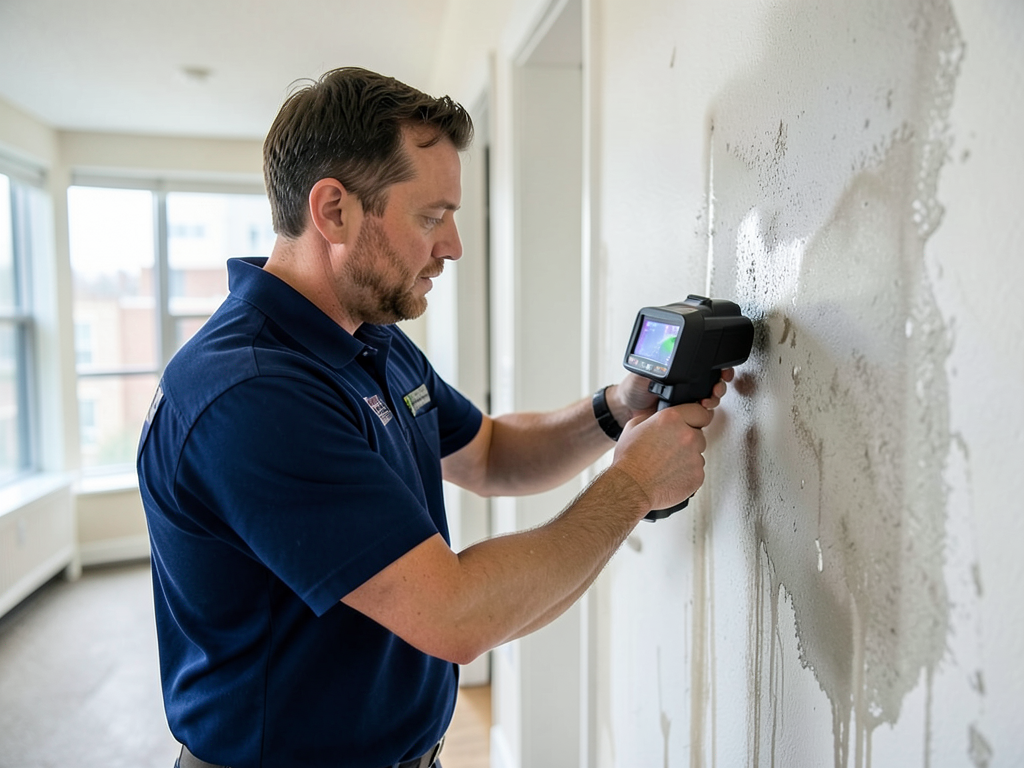
We start every Hartford water damage call with visual assessment and moisture mapping using calibrated hygrometers and infrared cameras. Surface appearance lies. Clear water pooling in your Parkville basement might look clean, but if it originated from a toilet overflow or sump pump failure, you're dealing with Category 2 or 3 contamination from the start.

Our technicians classify water based on source verification and laboratory testing when needed. We trace the water back through Hartford's complex plumbing systems, checking for cross-connections, backflow issues, and contamination points. A supply line break stays Category 1 only if it hasn't contacted building materials for more than 48 hours. After that threshold, microbial growth begins and the classification escalates.

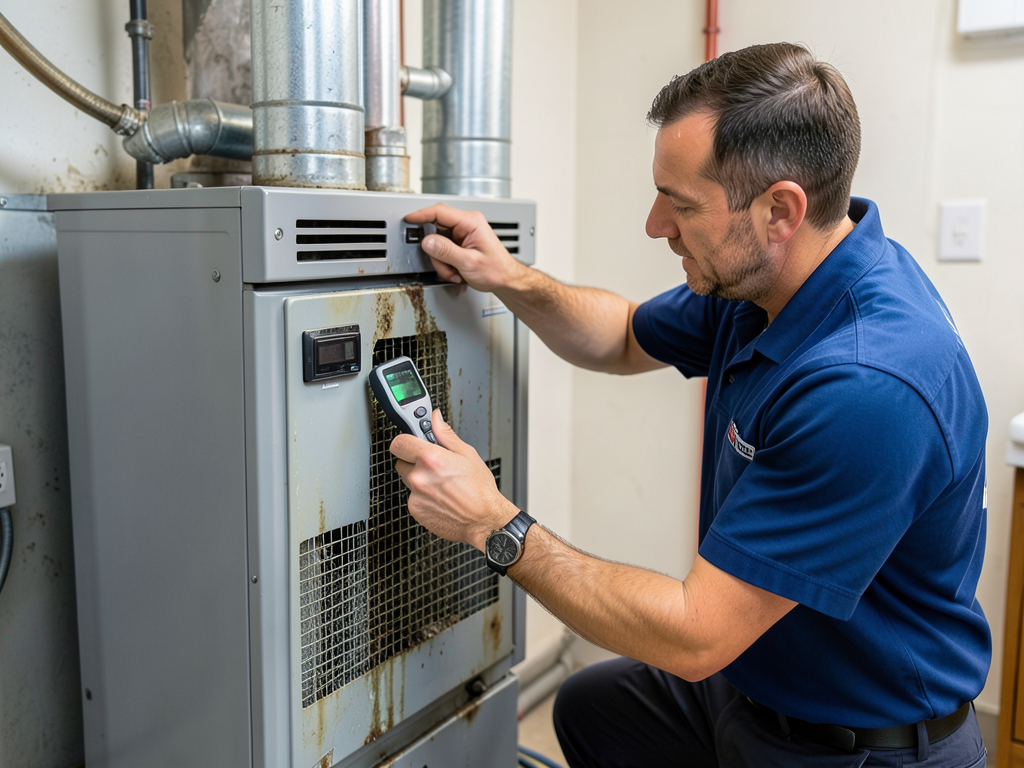
We measure water contamination levels using ATP meters that detect biological activity and pH testing to identify chemical contaminants. Hartford's industrial history means groundwater and floodwater often carry legacy pollutants. Properties near old manufacturing sites in the North End or along the railroad corridors require additional testing for petroleum products and heavy metals.

The IICRC water categories guide our extraction and disposal methods. Category 1 water goes to municipal drains after extraction. Category 2 requires antimicrobial treatment before disposal. Category 3 black water and all contaminated materials get contained, bagged, and disposed of according to Connecticut Department of Energy and Environmental Protection regulations.

We document everything with photos, moisture readings, and written classifications. Your insurance adjuster needs this evidence to process your claim correctly. Misclassifying water contamination costs you money and leaves health hazards behind.

What Happens During Water Category Assessment

Categories of Water in Hartford – Know What You're Dealing With Before It Spreads
01

Source Identification

We locate where the water entered your Hartford property and trace it to the origin point. This determines initial classification before degradation occurs. We check plumbing systems, roof penetrations, foundation cracks, and appliance connections. We also verify whether the source involved sewage lines, which automatically classifies the water as Category 3 regardless of appearance.
02

Contamination Testing

We test water samples using field equipment and laboratory analysis when needed. This includes ATP testing for biological contamination, pH measurement for chemical content, and visual inspection for suspended solids. Hartford properties near industrial zones or in flood-prone areas receive additional testing for petroleum products and heavy metals that affect disposal requirements and health risks.
03

Classification Documentation

We document the final water damage category with photos, written descriptions, and moisture readings. This report drives the scope of work and ensures your insurance claim reflects the actual contamination level. We update classifications if conditions change during restoration, particularly when Category 1 water degrades to Category 2 due to contact time with building materials.

Why Hartford Property Owners Trust Our Water Category Expertise

Crestline Water Damage Restoration Hartford understands how water damage categories function in real Hartford conditions. We know that properties in the Blue Hills neighborhood with combined sewer systems face different contamination risks than newer developments in the West End. We recognize that basement flooding in the Park River watershed often involves Category 3 water even when it looks relatively clear due to sewage overflow during heavy rain events.

Our technicians train annually on IICRC S500 standards for water damage restoration, which includes detailed protocols for classifying water quality and contamination levels. We don't guess at categories based on appearance. We verify sources, test samples, and document findings according to industry standards that insurance companies and health departments recognize.

We have worked with Hartford's municipal water department, local plumbers, and environmental health officials on contamination incidents throughout the city. This network helps us identify unusual contamination sources quickly, particularly in the downtown area where old infrastructure creates complex cross-connection risks. When we classify water at your property, we're drawing on years of Hartford-specific experience with the city's unique challenges.

You need accurate water classification to protect your health and your investment. Underestimating contamination leaves dangerous pathogens behind. Overestimating costs you money on unnecessary demolition. We get it right by following protocols, using calibrated equipment, and applying local knowledge that comes from hundreds of Hartford water damage projects.

We also coordinate with Connecticut licensed industrial hygienists when properties show signs of severe contamination or when occupants report health symptoms. Your safety matters more than speed.

What to Expect When We Classify Your Water Damage

Rapid Initial Assessment

We arrive at your Hartford property within 90 minutes for emergency water damage and begin category assessment immediately. Initial classification happens within the first 30 minutes based on source identification and visual inspection. We provide verbal findings on-site so you understand what you're dealing with before extraction begins. Time matters because water classification can change as contamination increases with exposure time.

Detailed Contamination Analysis

We use moisture meters, infrared cameras, and ATP testing equipment to measure actual contamination levels rather than assuming based on source alone. Hartford properties with old plumbing, basement dampness, or previous water damage often harbor hidden contamination that affects classification. We test multiple zones within the affected area because contamination levels vary based on water travel path and contact materials. You receive written findings with photos.

Category-Specific Restoration Plan

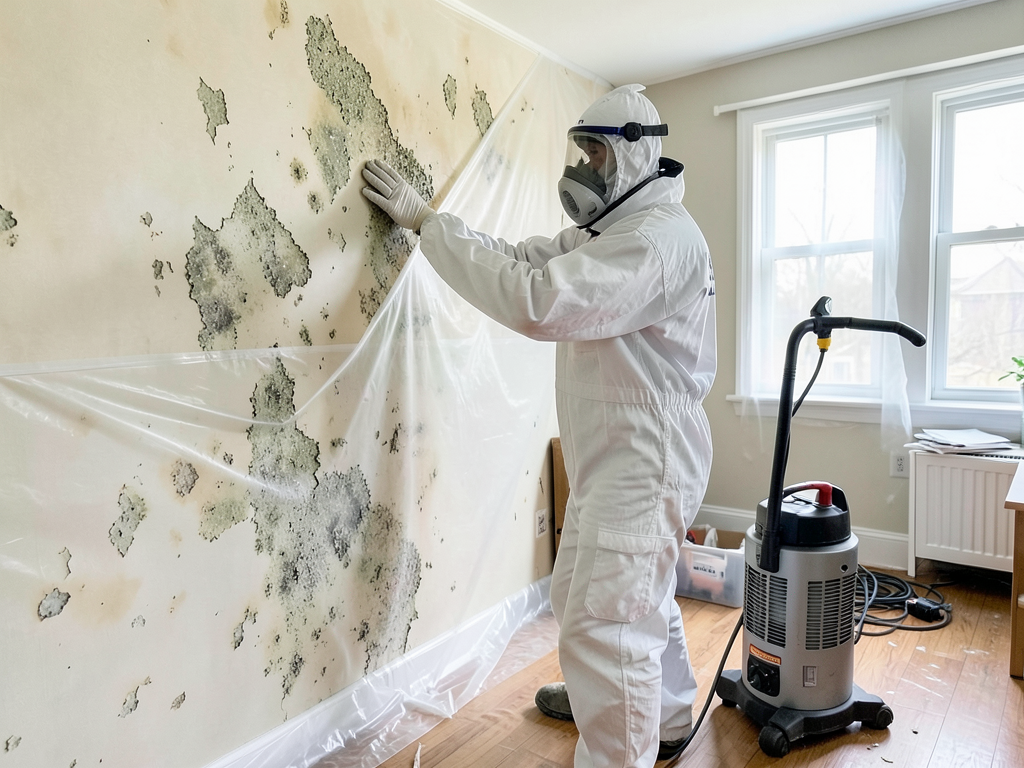
We create a scope of work matched precisely to your water damage category. Category 1 projects focus on rapid extraction and drying. Category 2 adds antimicrobial treatment and selective material removal. Category 3 requires full removal of porous materials, containment barriers, and professional decontamination. Your restoration plan reflects the actual contamination level, which controls both cost and timeline. We adjust the plan if conditions change during work.

Post-Restoration Verification

We verify successful decontamination using the same testing methods applied during initial assessment. Category 2 and 3 projects receive final ATP testing to confirm microbial levels meet safe thresholds before we close the job. We provide documentation showing pre and post-restoration readings. For severe contamination cases, we coordinate third-party industrial hygienist clearance testing. You receive written confirmation that your Hartford property meets safety standards.

Frequently Asked Questions

You Have Questions,
We Have Answers

What are the 5 types of water? +

In water damage restoration, professionals classify water into three categories, not five. Category 1 is clean water from supply lines or rain. Category 2 is grey water containing contaminants from washing machines or dishwashers. Category 3 is black water from sewage or flooding. Hartford homes face all three types due to aging infrastructure and flood-prone areas near the Connecticut River. Understanding these categories helps you communicate with your insurance adjuster and restoration team. The classification determines cleanup procedures, safety protocols, and whether materials can be salvaged or must be removed.

What is category 1, 2, and 3 water? +

Category 1 is clean water from sanitary sources like broken supply lines or rainwater. It poses no immediate health risk but can degrade to Category 2 within 48 hours if left untreated. Category 2 is grey water containing chemical or biological contaminants from appliances or sump pumps. Category 3 is black water from sewage backups, river flooding, or prolonged standing water. In Hartford, Category 3 events spike during spring thaw and heavy rain when combined sewer systems overflow. Each category requires different safety equipment, disposal methods, and drying protocols to protect your family and property.

What are the 7 forms of water? +

The seven forms of water refer to physical states in nature: solid ice, liquid water, water vapor, snow, hail, sleet, and steam. This question relates to chemistry and weather patterns, not water damage restoration. For restoration purposes in Hartford, you need to understand the three contamination categories, not physical forms. What matters during a water emergency is the source and contamination level of the water affecting your property. Whether from a burst pipe, appliance failure, or Connecticut River flooding, the restoration approach depends on contamination category, not the water's physical form before it damaged your home.

What are the three categories of water? +

The three categories are clean, grey, and black water. Category 1 is clean water from supply lines or rain. Category 2 is grey water with contaminants from washing machines, dishwashers, or toilet overflow without feces. Category 3 is black water from sewage, flooding, or any water that contacted soil. Hartford properties face unique risks due to older neighborhoods with combined sewer systems that can cause Category 3 backups during heavy rain. The category determines extraction methods, antimicrobial treatments, what materials get salvaged versus discarded, and how technicians protect themselves during cleanup.

What are the 7 types of water? +

There are not seven types of water in restoration terminology. The industry uses three contamination categories. Category 1 is clean, Category 2 is grey with contaminants, and Category 3 is black water from sewage or flooding. You may be thinking of water sources like supply line breaks, roof leaks, appliance failures, sewer backups, groundwater intrusion, storm flooding, or condensation issues. In Hartford, aging infrastructure and seasonal storms create multiple water intrusion risks. What matters for your property is identifying the contamination level and source to determine proper cleanup protocols, safety measures, and whether insurance covers the specific type of damage.

What are the 8 types of water? +

Restoration professionals categorize water by contamination level, not eight distinct types. The three standard categories are clean, grey, and black water. Confusion arises because water can originate from eight common sources: supply lines, roofs, appliances, sewers, storms, groundwater, HVAC systems, or firefighting efforts. In Hartford, older homes near the Connecticut River face multiple intrusion points due to high water tables and aging infrastructure. Your restoration team assesses both the source and contamination category to create a proper remediation plan. The category drives safety protocols, equipment needs, and disposal requirements, not the specific source of the water.

Why Hartford's Infrastructure Creates Complex Water Contamination Issues

Hartford operates a combined sewer system in older neighborhoods where stormwater and sewage share the same pipes. During heavy rain, this system overflows and sends diluted sewage into basements through floor drains, particularly in Asylum Hill, Frog Hollow, and the South End. What looks like clean stormwater flooding often contains Category 3 contamination from sewer backflow. The Park River, which flows underground through downtown, adds another variable. When it overflows, it brings decades of accumulated sediment and urban runoff contamination into properties. You cannot judge water safety by appearance in Hartford. Source verification and testing determine the real category.

Properties throughout Hartford face unique contamination risks based on age and location. Buildings constructed before 1950 often have lead pipes, asbestos insulation, and coal ash fill that contaminate water when flooding occurs. Neighborhoods near old industrial sites along the railroad corridors carry legacy pollution that enters buildings during groundwater infiltration. We know these Hartford-specific factors because we work here every day. We adjust our water classification protocols based on property age, neighborhood location, and known environmental factors that affect contamination levels. This local knowledge prevents dangerous misclassification.
Water Damage Restoration Services in The Hartford Area

Crestline Water Damage Restoration Hartford is strategically located to provide rapid and reliable service across the entire Hartford region and its surrounding communities. We invite you to view our service map to confirm that your property falls within our guaranteed service area, ensuring that a professional water damage expert is never far away when you need us most. We pride ourselves on the capability to reach your location quickly, a crucial factor in successful, timely mitigation and restoration.

Address:
Crestline Water Damage Restoration Hartford, 1916 Broad St, Hartford, CT, 06114

Additional Services We Offer

Our news updates

Latest Articles & News from The Blogs

Managing Winter Window Condensation to Prevent Rot in Your Northeast Hartford Victorian Winter condensation on your Northeast Hartford Victorian windows…

Managing Winter Window Condensation to Prevent Rot in Your Northeast Hartford Victorian

Managing Winter Window Condensation to Prevent Rot in Your Northeast Hartford Victorian Winter condensation on your Northeast Hartford Victorian windows…

Why Replacing Your Carpet Padding is Critical After a Leak in Your Bristol Home

Why Replacing Your Carpet Padding is Critical After a Leak in Your Bristol Home \n\n When water seeps into your…

Dealing with Water Damage in Your Mudroom Caused by Tracked-In Snow in West Hartford

Dealing with Water Damage in Your Mudroom Caused by Tracked-In Snow in West Hartford When melting snow from winter boots…

Contact Us

Do not guess at water contamination levels. Call Crestline Water Damage Restoration Hartford at (860) 743-9993 right now for professional IICRC water category assessment. We arrive fast, test accurately, and give you clear answers about what you're facing and what it takes to fix it safely.