menu

High Indoor Humidity Levels in Hartford – Expert Diagnosis and Permanent Moisture Control

Crestline Water Damage Restoration Hartford identifies the root causes of elevated home humidity and excess moisture in house conditions, delivering targeted dehumidification and ventilation solutions that protect your property from mold, structural decay, and indoor air quality degradation.

Slider Image 1
Slider Image 2
Slider Image 3
Slider Image 4
Slider Image 5
Slider Image 7
Slider Image 8
Slider Image 9
Slider Image 10
Slider Image 11

Why Hartford Homes Struggle with Excessive Indoor Moisture

Hartford sits in a humid continental climate where summer dew points regularly climb above 65 degrees and winter freeze-thaw cycles drive condensation into crawl spaces and attics. When you combine this with older housing stock built before modern vapor barriers became standard, you get persistent indoor moisture problems that most homeowners mistake for normal seasonal fluctuations.

High relative humidity indoors does more than make your home feel sticky. It creates conditions where mold spores germinate within 48 hours, wood framing absorbs moisture and loses structural integrity, and insulation loses its R-value. The Connecticut River Valley traps humid air during summer months, and Hartford's dense urban canopy prevents adequate airflow around foundations. This creates pockets of elevated home humidity that condensation maps reveal in basements, behind drywall, and inside exterior wall cavities.

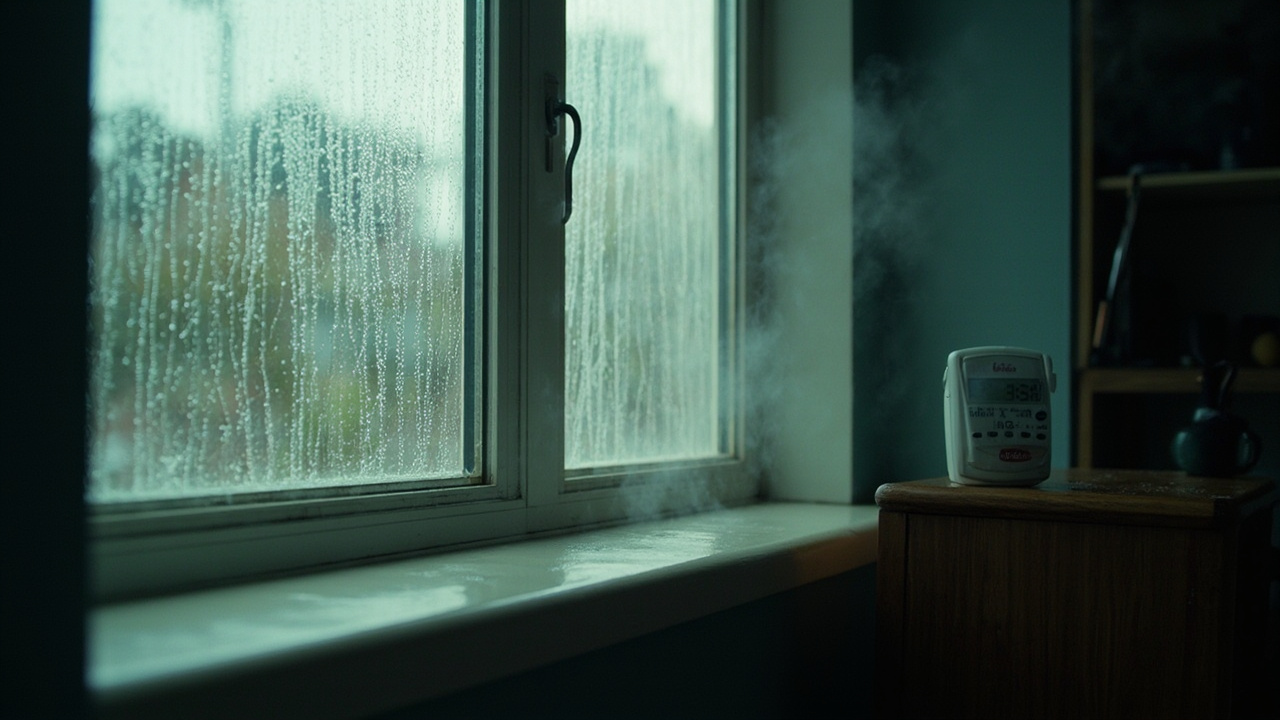
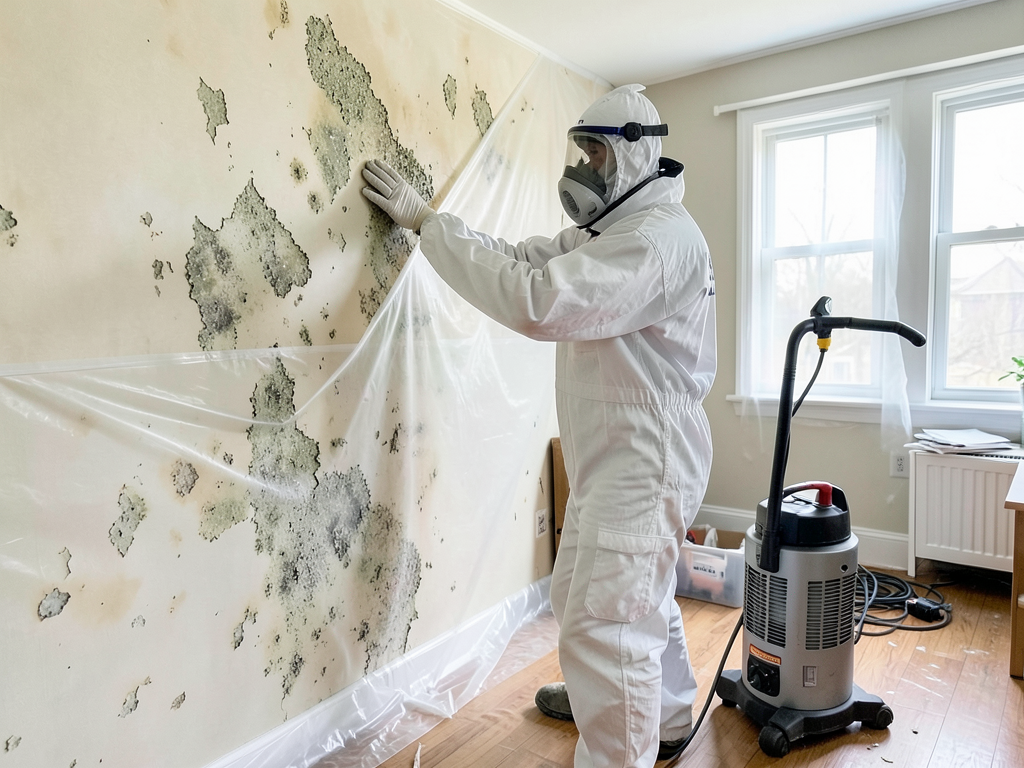
You notice it first as musty odors in the basement or condensation on windows during winter. Then comes peeling paint, warped flooring, or visible mold growth on ceiling corners. These are not cosmetic issues. They signal that excess humidity in house conditions have crossed the threshold from nuisance to structural threat. The longer excessive indoor moisture persists, the more expensive the remediation becomes. Hartford's mix of Victorian-era homes and mid-century construction means most properties lack the continuous air barriers and mechanical ventilation modern codes require. That makes professional moisture assessment critical, not optional.

Why Hartford Homes Struggle with Excessive Indoor Moisture
How We Diagnose and Correct Indoor Moisture Problems

How We Diagnose and Correct Indoor Moisture Problems

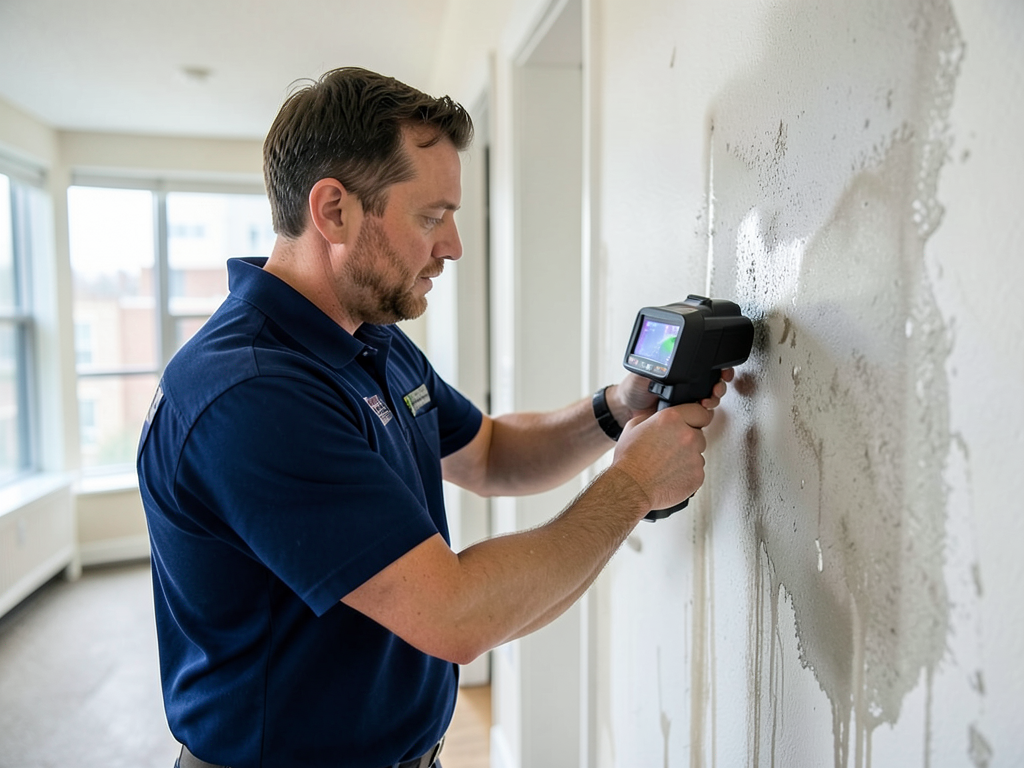
Crestline Water Damage Restoration Hartford does not guess about humidity sources. We deploy calibrated thermo-hygrometers to measure relative humidity in every room and thermal imaging cameras to detect temperature differentials that indicate moisture intrusion pathways. We test crawl space vapor emissions, check attic ventilation rates, and use moisture meters on wall cavities to quantify the saturation levels in building materials.

Most contractors will sell you a dehumidifier and call it fixed. We identify why your home cannot self-regulate moisture. That means inspecting foundation drainage, evaluating HVAC duct leakage, checking bathroom and kitchen exhaust performance, and testing for plumbing leaks hidden inside walls. Hartford homes built on clay soil experience seasonal foundation movement that cracks perimeter drains and allows groundwater infiltration. We locate those compromised drainage planes and restore them.

Our correction protocol addresses mechanical, structural, and behavioral factors. We seal air leaks that allow humid outdoor air to infiltrate during summer and warm interior air to escape during winter. We install vapor barriers in crawl spaces where none exist and upgrade attic ventilation to meet current IRC requirements. When HVAC systems lack adequate latent cooling capacity, we specify supplemental dehumidification equipment sized to your home's moisture load, not generic capacity charts.

We also educate you on occupant behaviors that drive humidity levels up, like running dryers without exterior vents, overwatering indoor plants, or storing wet firewood in basements. Sustainable moisture control requires both engineered solutions and informed occupancy practices. We deliver both.

What Happens During Your Moisture Assessment

High Indoor Humidity Levels in Hartford – Expert Diagnosis and Permanent Moisture Control
01

Initial Humidity Mapping

We measure relative humidity and temperature in every conditioned space, including basements, crawl spaces, and attics. Our technicians use data loggers that record conditions over 48 hours to capture daily humidity swings. This baseline data reveals where moisture concentrations peak and identifies which building assemblies are failing to control water vapor transmission. We document findings with timestamped photos and thermal images.
02

Source Identification Testing

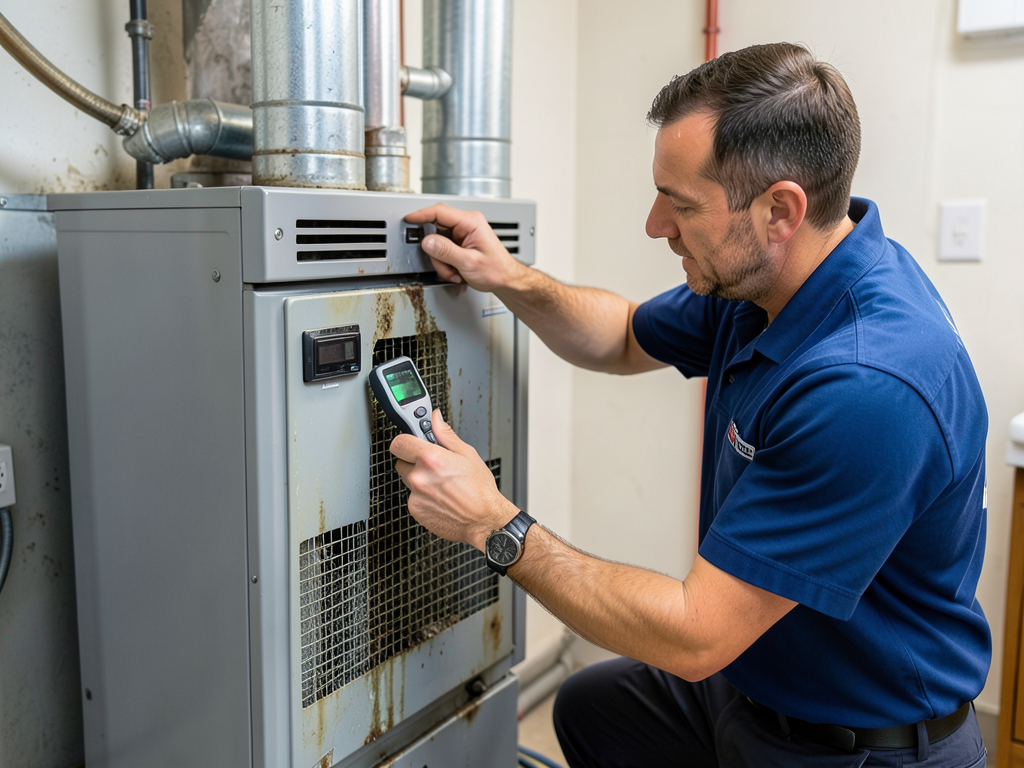
We perform blower door testing to quantify air leakage rates and identify infiltration pathways. Duct leakage testing reveals whether your HVAC system is pulling humid air from unconditioned spaces. We inspect plumbing for hidden leaks, test foundation drainage function, and evaluate mechanical ventilation performance. In Hartford's older housing stock, we often find multiple contributing factors that compound each other. Isolating each source requires systematic testing, not visual inspection alone.
03

Correction Plan Delivery

You receive a prioritized action plan that ranks corrections by impact and urgency. Critical issues like active plumbing leaks or failed sump pumps get addressed immediately. Structural corrections like crawl space encapsulation or drainage upgrades follow. We specify equipment capacities, materials, and installation methods that meet current building codes. You get a clear timeline, scope definition, and explanation of how each correction reduces your indoor moisture load and protects your property value.

Why Hartford Property Owners Choose Crestline for Moisture Control

Hartford's housing diversity requires local expertise. A moisture problem in a 1920s Colonial on Asylum Hill differs fundamentally from the same symptoms in a 1970s ranch in the South End. We know which neighborhoods sit on high water tables, where clay soil causes chronic foundation issues, and which construction eras used building materials that trap moisture. That site-specific knowledge shapes how we diagnose problems and design corrections.

We also understand Connecticut's energy codes and how they interact with moisture management. Adding insulation without addressing air sealing can trap moisture in wall cavities and accelerate rot. Upgrading windows without improving ventilation can spike indoor humidity. We coordinate moisture control with thermal performance so you get an envelope that manages both heat and water vapor effectively.

Our technicians train continuously on building science principles, not just equipment operation. They understand psychrometrics, vapor pressure differentials, and dew point calculations. When they recommend a dehumidifier or ventilation upgrade, it comes with load calculations and performance specifications, not sales brochures. We size equipment correctly the first time because undersized dehumidifiers run constantly without solving the problem, and oversized units short-cycle without removing enough moisture.

You also get transparent communication. We explain what we find, why it matters, and what happens if you delay corrections. We do not use scare tactics, but we will tell you when elevated humidity threatens your home's structural integrity or creates health risks. Hartford homeowners appreciate that directness because it helps them make informed decisions about protecting their largest investment.

What to Expect When You Call Crestline

Rapid Response Scheduling

We schedule most assessments within 48 hours of your call. High indoor humidity levels accelerate mold growth and material degradation, so speed matters. Our technicians arrive with calibrated diagnostic equipment and complete most residential assessments in two to three hours. You receive preliminary findings on-site and a detailed written report within 24 hours. If we identify an urgent issue like active water intrusion or failed mechanical systems, we can often begin corrections the same day. Emergency situations get priority scheduling and after-hours availability.

Comprehensive Moisture Evaluation

Your assessment includes room-by-room humidity readings, thermal imaging of exterior walls and ceilings, moisture meter testing of building materials, and visual inspection of all potential moisture sources. We check plumbing fixtures, HVAC performance, foundation drainage, crawl space conditions, attic ventilation, and occupant behaviors. You get data, not opinions. Our reports include photos, thermal images, humidity charts, and specific findings linked to physical evidence. This documentation helps you understand the scope of the problem and supports insurance claims when moisture damage requires remediation.

Engineered Moisture Solutions

We design correction plans based on building science principles and your home's specific characteristics. Solutions range from simple fixes like repairing exhaust fans to comprehensive projects like crawl space encapsulation or whole-house dehumidification systems. Every recommendation includes the technical rationale, expected performance improvement, and how it integrates with your existing systems. We specify equipment brands and models, installation methods, and quality standards. The result is a durable correction that solves the problem permanently, not a temporary patch that fails within months.

Post-Correction Monitoring

After corrections, we install humidity monitors in critical areas and track performance over the following weeks. You receive guidance on maintaining optimal indoor humidity levels year-round and recognizing early warning signs of new moisture issues. We provide maintenance schedules for dehumidifiers, ventilation systems, and drainage components. If humidity levels do not stabilize as predicted, we return to diagnose secondary factors at no additional charge. Our goal is sustainable moisture control that protects your home's value and your family's health over the long term.

Frequently Asked Questions

You Have Questions,
We Have Answers

Why is my house 75% humidity? +

Your house is likely at 75% humidity because of poor ventilation, active moisture sources, or inadequate dehumidification. Common culprits in Hartford include basement seepage from our clay-heavy soil, cooking steam, shower moisture, or a wet crawl space. In older Hartford homes, especially in neighborhoods like the West End, limited airflow and aging ductwork trap moisture. Check for plumbing leaks, roof damage from recent storms, or gutters dumping water near your foundation. You need professional moisture mapping to identify the source. High humidity above 60% invites mold growth within 48 hours. Fix the source first, then control indoor air with proper equipment.

What indoor humidity is too high? +

Indoor humidity above 60% is too high. The ideal range sits between 30% and 50%. Once you pass 60%, you create conditions for mold spores to colonize surfaces, dust mites to thrive, and wood rot to begin. Hartford homes face unique challenges with our humid summer climate and freeze-thaw cycles that crack foundations. You will notice condensation on windows, musty odors, or peeling paint. Anything above 65% demands immediate action. Use a hygrometer to measure levels in your basement, bathrooms, and main living areas. Address the problem before structural damage or health issues develop.

Is 70% humidity in a room too high? +

Yes, 70% humidity in a room is dangerously high. You are well into mold growth territory. Mold colonies establish within 24 to 48 hours at this level. You will likely see condensation on windows, feel clammy air, and smell mustiness. In Hartford, this often happens in basements with foundation cracks or bathrooms without exhaust fans. The high moisture content also warps wood floors, damages drywall, and corrodes metal fixtures. You need to identify the moisture source immediately. Check for leaks, poor ventilation, or groundwater intrusion. Run a dehumidifier as a temporary fix, but professional moisture remediation addresses the root cause.

Is 64% humidity too high for a house? +

64% humidity is too high for sustained comfort and building health. While not an emergency, this level promotes mold growth, especially on organic materials like wood framing and drywall. Hartford homes with older HVAC systems often struggle to control humidity during our muggy summer months. You are above the 60% threshold where biological growth accelerates. Expect increased dust mite populations, condensation issues, and potential wood damage over time. Your AC may run constantly but fail to dehumidify properly if the system is oversized or the coils are dirty. You need better ventilation, a properly sized HVAC system, or dedicated dehumidification to drop below 50%.

How do you fix high humidity in your house? +

You fix high humidity by identifying the moisture source and removing it. Check for plumbing leaks, foundation cracks, poor grading around your home, or inadequate ventilation. In Hartford, groundwater intrusion through basement walls is common due to our clay soil. Install exhaust fans in bathrooms and kitchens. Run your AC to remove moisture from air. Add a whole-house dehumidifier if your HVAC system cannot keep up during summer. Seal crawl spaces with vapor barriers. Fix roof leaks and clean gutters to prevent water from pooling near your foundation. Professional moisture assessment identifies hidden problems behind walls or under floors.

Does opening a window reduce humidity? +

Opening a window reduces humidity only if outdoor air is drier than indoor air. In Hartford, this rarely works during summer when outside humidity often exceeds 70%. You may actually increase indoor moisture levels. Windows help during spring and fall when outdoor air is cooler and drier. They also provide ventilation to expel cooking steam or shower moisture if you create cross-ventilation. For persistent high humidity, windows are not a solution. You need mechanical dehumidification and proper HVAC operation. Opening windows during humid months just forces your AC to work harder and raises energy costs without solving the moisture problem.

Do dehumidifiers really work for humidity? +

Yes, dehumidifiers work effectively when sized and positioned correctly. They pull moisture from air and collect it in a reservoir or drain line. For Hartford homes, you need capacity matched to your square footage and moisture load. A 30-pint unit handles small spaces, while basements often require 50 to 70-pint models. Dehumidifiers treat the symptom but not the cause. If you have active water intrusion from foundation cracks or plumbing leaks, a dehumidifier cannot keep up. You must fix the source first. Whole-house dehumidifiers integrated with your HVAC system provide better control than portable units for larger homes.

Can mold grow in 50% humidity? +

Mold can grow at 50% humidity if other conditions align, but growth is slower and less likely. The magic number is 60%. Above that threshold, mold spores germinate rapidly on porous surfaces like drywall, wood, and fabric. At 50%, you are in a safer zone, but dust mites still thrive. Hartford basements with poor air circulation may still develop mold at 50% if organic material stays damp from previous water events. The key is surface moisture, not just air humidity. A wet towel or damp wood will mold even at 50%. Keep humidity between 30% and 50% and ensure good airflow.

How to lower humidity in house with AC? +

Your AC lowers humidity by cooling air below its dew point, causing moisture to condense on the evaporator coils and drain outside. Set your thermostat to auto, not fan-only mode, so the system cycles properly. Clean or replace filters monthly. Ensure your unit is correctly sized. Oversized AC systems cool too quickly without removing humidity. In Hartford homes, older systems often lack dehumidification capacity for our muggy summers. Consider adding a whole-house dehumidifier to work alongside your AC. Check that condensate drain lines are clear and sloped properly. If humidity stays above 60%, your system may need professional evaluation.

How often should I run a dehumidifier? +

Run your dehumidifier continuously until indoor humidity drops to 30% to 50%, then let the built-in humidistat cycle it automatically. In Hartford basements during summer, this may mean 24-hour operation. Once levels stabilize, the unit runs intermittently to maintain your target. Empty the reservoir daily or connect a drain hose for continuous drainage. Clean the filter weekly to maintain efficiency. If you run it constantly and humidity stays high, you have an active moisture source that needs professional attention. Dehumidifiers are maintenance tools, not solutions for active water intrusion or structural problems. Address the root cause first.

How Hartford's Connecticut River Valley Climate Drives Indoor Moisture Issues

Hartford's position in the Connecticut River Valley creates a microclimate where humid air masses stagnate during summer months and temperature inversions trap moisture near ground level. The river itself acts as a massive evaporative source that keeps dew points elevated from June through September. When outdoor air hits 75 degrees with 70 percent relative humidity, infiltration through building envelopes brings that moisture indoors faster than most residential HVAC systems can remove it. Hartford's urban heat island effect compounds this by raising nighttime temperatures, which prevents natural ventilative cooling that would otherwise help dry out buildings. Older homes in neighborhoods like Asylum Hill and the West End lack the continuous air barriers and mechanical ventilation that current codes mandate, making them especially vulnerable to excessive indoor moisture accumulation.

Crestline Water Damage Restoration Hartford has worked with property owners throughout the Greater Hartford metro for years, building expertise in how local soil conditions, construction methods, and weather patterns interact to create indoor moisture problems. We understand Connecticut building codes and how recent energy code updates affect moisture management strategies. Our technicians train on the specific challenges Hartford housing stock presents, from balloon-framed Victorians with no vapor barriers to mid-century homes with undersized foundation drainage. That local knowledge means we diagnose problems faster and design corrections that account for Hartford's unique climate stressors. When you choose a local specialist, you get solutions engineered for your specific environment, not generic approaches transplanted from different climates.
Water Damage Restoration Services in The Hartford Area

Crestline Water Damage Restoration Hartford is strategically located to provide rapid and reliable service across the entire Hartford region and its surrounding communities. We invite you to view our service map to confirm that your property falls within our guaranteed service area, ensuring that a professional water damage expert is never far away when you need us most. We pride ourselves on the capability to reach your location quickly, a crucial factor in successful, timely mitigation and restoration.

Address:
Crestline Water Damage Restoration Hartford, 1916 Broad St, Hartford, CT, 06114

Additional Services We Offer

Our news updates

Latest Articles & News from The Blogs

Managing Winter Window Condensation to Prevent Rot in Your Northeast Hartford Victorian Winter condensation on your Northeast Hartford Victorian windows…

Managing Winter Window Condensation to Prevent Rot in Your Northeast Hartford Victorian

Managing Winter Window Condensation to Prevent Rot in Your Northeast Hartford Victorian Winter condensation on your Northeast Hartford Victorian windows…

Why Replacing Your Carpet Padding is Critical After a Leak in Your Bristol Home

Why Replacing Your Carpet Padding is Critical After a Leak in Your Bristol Home \n\n When water seeps into your…

Dealing with Water Damage in Your Mudroom Caused by Tracked-In Snow in West Hartford

Dealing with Water Damage in Your Mudroom Caused by Tracked-In Snow in West Hartford When melting snow from winter boots…

Contact Us

High indoor humidity levels are damaging your home right now. Every day you wait allows mold to spread and wood to rot. Call Crestline Water Damage Restoration Hartford at (860) 743-9993 for a professional moisture assessment. We will identify the sources, quantify the damage, and design a correction plan that protects your property investment.