menu

Storm Damage Mitigation in Hartford – Rapid Response Teams Stop Secondary Damage Before It Spreads

When severe weather strikes Hartford, every hour counts. Our certified storm damage mitigation teams secure your property, extract standing water, and prevent mold growth with 24/7 emergency response across the greater Hartford metro.

Slider Image 1
Slider Image 2
Slider Image 3
Slider Image 4
Slider Image 5
Slider Image 7
Slider Image 8
Slider Image 9
Slider Image 10
Slider Image 11

Why Hartford Properties Face Severe Storm Damage Risks

Hartford sits at the confluence of weather patterns that create perfect conditions for catastrophic storm damage. The Connecticut River Valley funnels severe thunderstorms directly through the city, while nor'easters dump massive rainfall amounts in compressed timeframes. Your property faces wind-driven rain penetration, flash flooding from overwhelmed stormwater systems, and ice dam formation during freeze-thaw cycles.

The city's aging infrastructure compounds these risks. Many Hartford neighborhoods feature homes built between 1890 and 1940, with original roofing systems, compromised flashing, and outdated drainage. When a severe storm hits West End or Asylum Hill, water finds every weakness. Basement flooding occurs within minutes as combined sewer systems back up. Wind tears off architectural shingles weakened by decades of thermal cycling. Tree limbs crash through dormers and puncture roof decking.

Storm damage remediation begins the moment water enters your structure. Standing water migrates through porous materials, saturating drywall, insulation, and subflooring. Within 24 to 48 hours, mold colonization begins in hidden wall cavities. The longer water sits, the more extensive the damage becomes. What starts as a roof leak transforms into a total gut job requiring storm damage restoration across multiple rooms.

Hartford's high humidity levels accelerate this deterioration. Even after visible water disappears, elevated moisture content remains in building materials. Professional storm damage cleanup addresses both surface water and absorbed moisture using industrial dehumidification and targeted air movement. Emergency storm damage services prevent the exponential cost increase that occurs when initial damage spreads unchecked through your property.

Why Hartford Properties Face Severe Storm Damage Risks
Our Technical Approach to Storm Damage Mitigation

Our Technical Approach to Storm Damage Mitigation

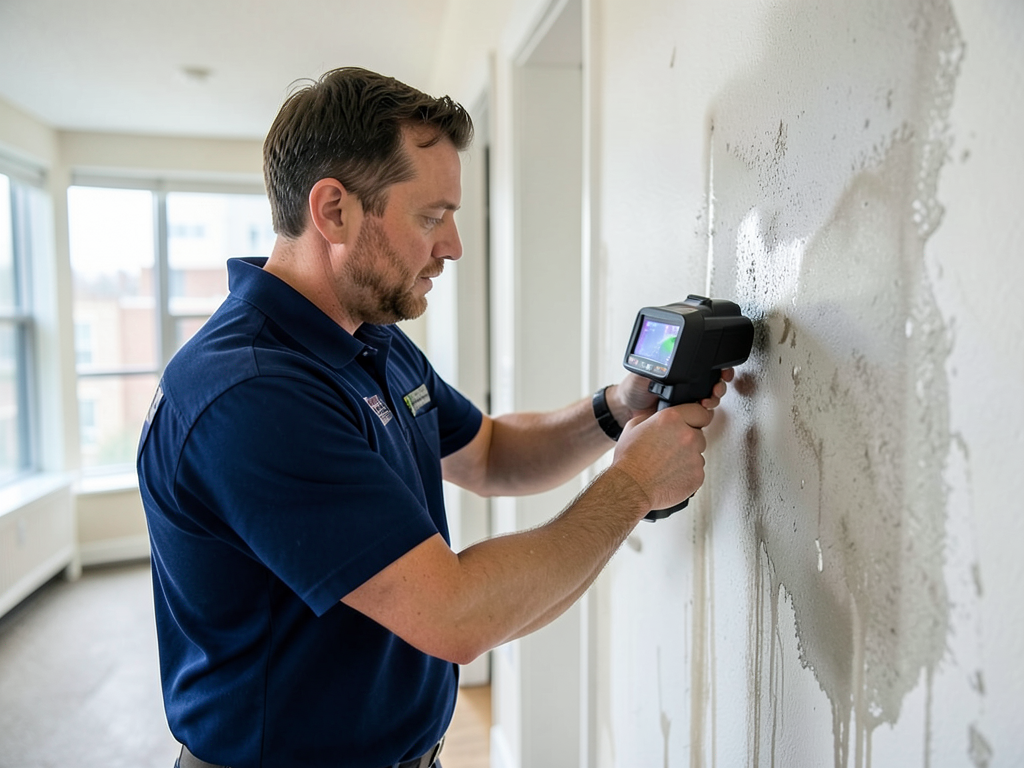
Effective storm damage mitigation requires immediate action and systematic execution. We deploy truck-mounted extraction units capable of removing thousands of gallons per hour from flooded basements and crawl spaces. Our teams use thermal imaging cameras to map moisture intrusion patterns behind walls and under flooring, identifying saturated areas invisible to visual inspection.

Water classification drives our response protocol. Category 1 water from roof leaks receives different treatment than Category 3 water from sewer backups or river flooding. We document moisture readings using penetrating and non-penetrating meters, establishing baseline data for insurance claims and tracking drying progress. Psychrometric calculations determine the precise dehumidification capacity needed for your property's cubic footage and saturation level.

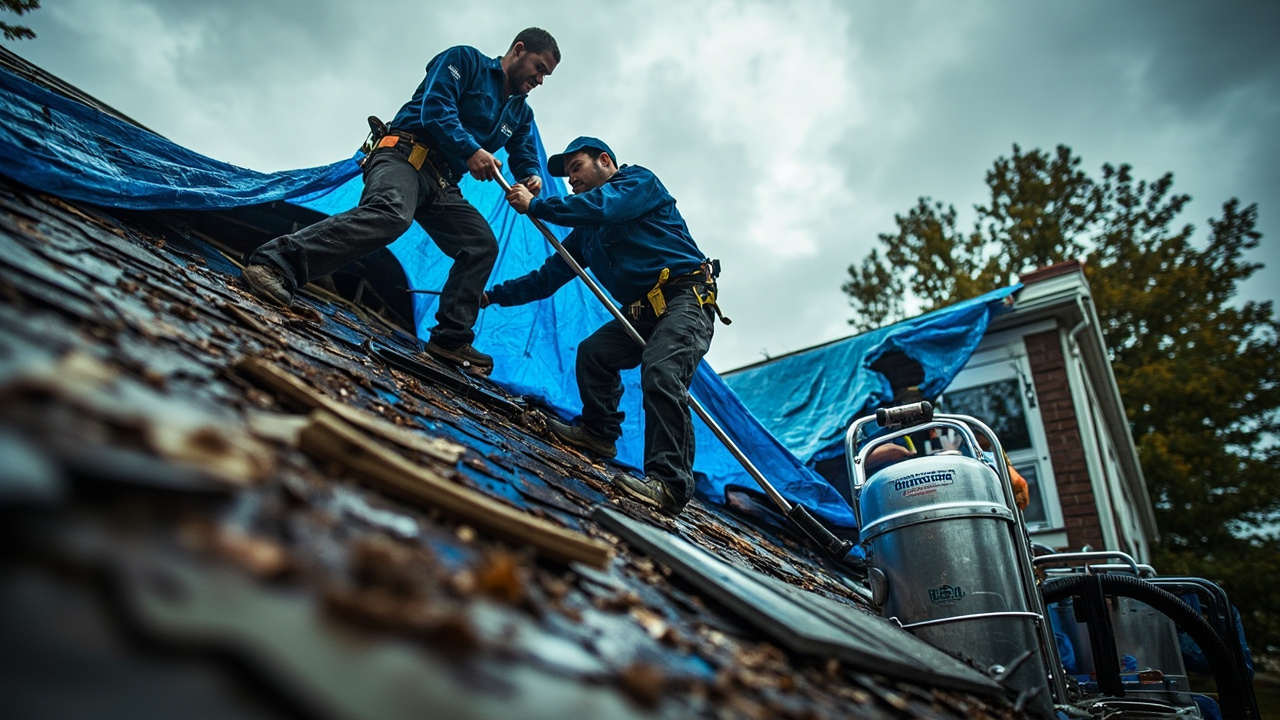
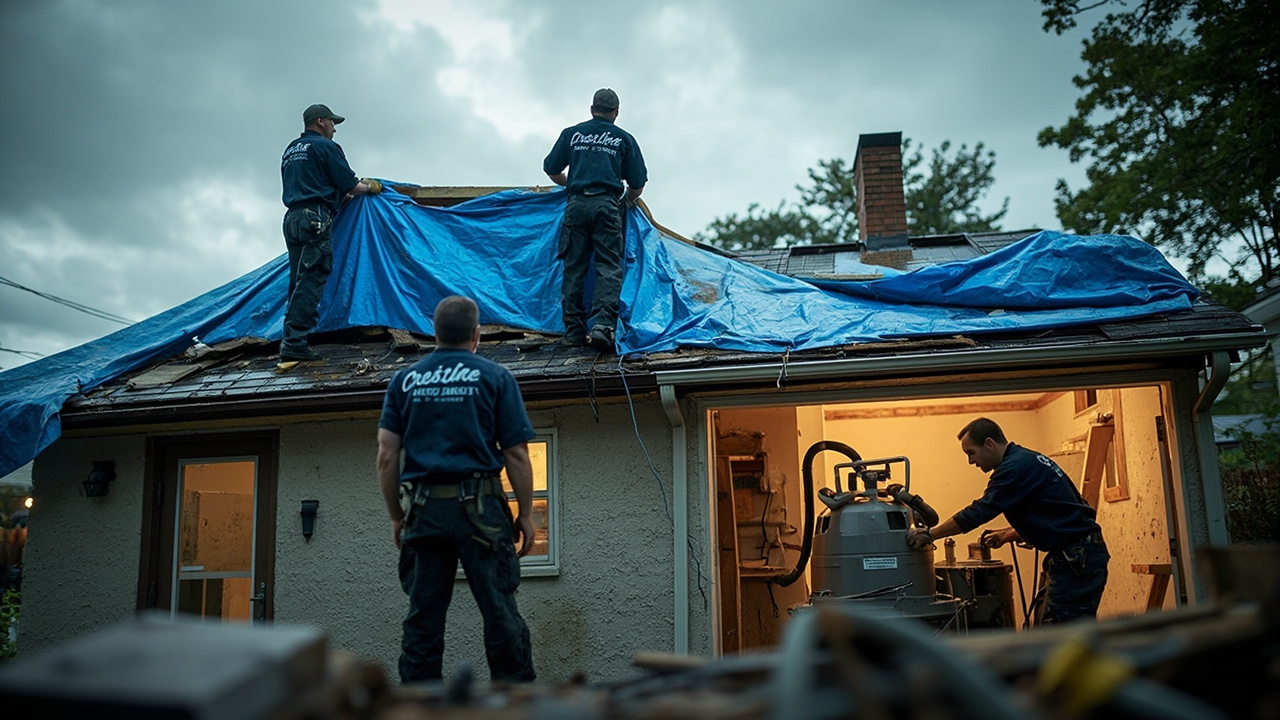
Storm damage repair begins with structural stabilization. We install emergency tarping systems with proper underlayment and secure attachment to prevent further water intrusion. Board-up services protect window and door openings compromised by wind damage. For properties with roof decking damage, we sister in new framing members and install code-compliant sheathing before weather-resistant barriers go down.

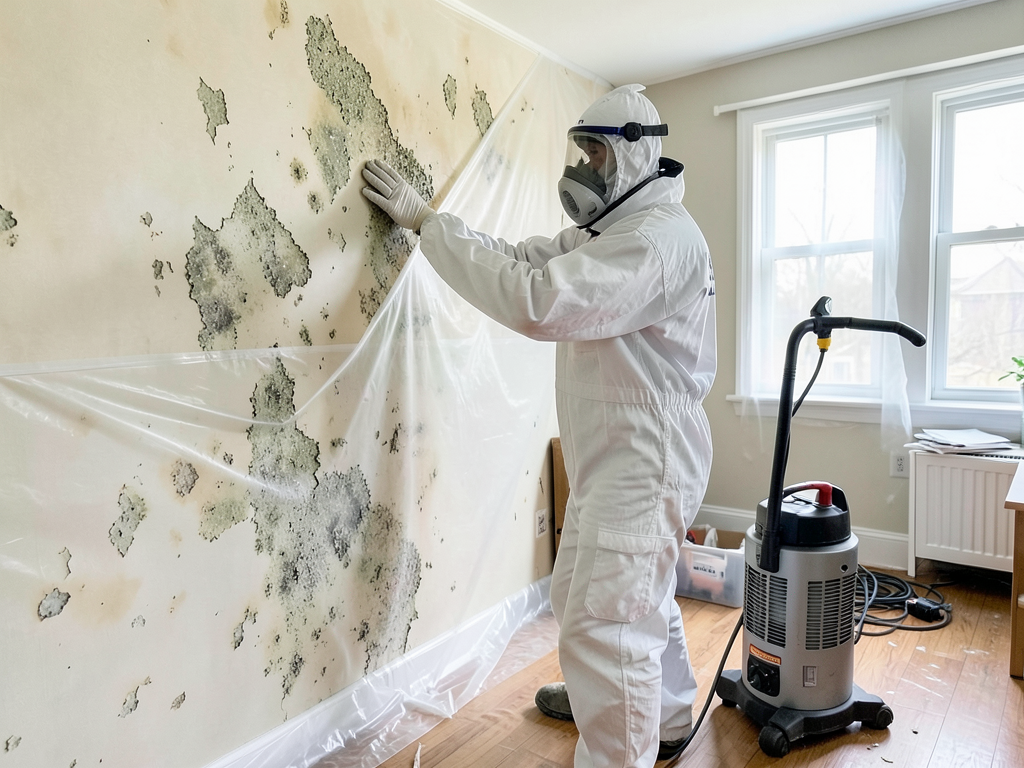
Our antimicrobial application prevents microbial growth on affected surfaces. We remove non-salvageable materials using controlled demolition techniques that contain debris and protect unaffected areas. Structural drying continues until all building materials reach their dry standard, typically 12 to 15 percent moisture content for wood framing. Air scrubbers with HEPA filtration remove airborne particulates throughout the storm damage restoration process.

Crestline Water Damage Restoration Hartford maintains relationships with structural engineers for properties requiring load-bearing assessments after severe storm damage. We coordinate with your insurance adjuster, providing detailed photo documentation and moisture mapping reports that support your claim.

What Happens During Emergency Storm Damage Response

Storm Damage Mitigation in Hartford – Rapid Response Teams Stop Secondary Damage Before It Spreads
01

Immediate Property Assessment

Our team arrives within 60 minutes of your call to conduct a comprehensive damage evaluation. We identify all water entry points, assess structural integrity, and classify water contamination levels. Thermal imaging reveals hidden moisture in wall cavities and ceiling spaces. We document every affected area with photos and moisture readings, creating the foundation for your insurance claim while prioritizing immediate mitigation actions.
02

Water Extraction and Containment

Truck-mounted extractors remove standing water from all affected areas while containment barriers prevent migration to unaffected spaces. We pull saturated carpeting, pad, and baseboards to access trapped water in subfloor systems. Emergency tarping and board-up services stop ongoing water intrusion from compromised roof sections or broken windows. Industrial dehumidifiers and air movers begin the drying process immediately, creating optimal vapor pressure gradients for moisture removal.
03

Structural Drying and Verification

We monitor moisture levels daily using penetrating meters and document drying progress with detailed logs. Antimicrobial treatments prevent mold growth on affected surfaces while controlled demolition removes materials that cannot be salvaged. Once all building components reach their dry standard, we provide verification documentation for your insurance carrier. Your property is ready for reconstruction with confidence that all moisture has been eliminated.

Why Hartford Property Owners Choose Crestline for Storm Damage

Hartford's unique building stock requires specialized knowledge that generic restoration companies lack. We understand the construction methods used in Asylum Hill's Victorian mansions, the basement drainage challenges in Blue Hills properties, and the flat roof vulnerabilities common in Downtown commercial buildings. Our technicians know which Hartford neighborhoods built on fill soil face higher flooding risks and which areas suffer repeated ice dam damage.

We maintain working relationships with Hartford's building inspectors and understand the city's permit requirements for storm damage repairs. When structural repairs require engineering stamps, we coordinate with Connecticut-licensed professionals familiar with local building officials. This local expertise prevents the permit delays and failed inspections that extend your displacement and increase costs.

Our equipment staging facility in the Hartford metro enables rapid response regardless of storm timing. While national chains dispatch from regional centers hours away, our trucks reach West End, Parkville, and Frog Hollow properties within the critical first hour. We stock specialty equipment for the building types common in Hartford, from crawl space vapor barrier materials to flat roof emergency patching systems.

Crestline Water Damage Restoration Hartford operates with full transparency during the claims process. We provide detailed scope documentation that matches insurance industry standards, eliminating the disputes that occur when contractors use vague descriptions or inflate damages. Our estimating follows Xactimate pricing, the same system your adjuster uses, ensuring alignment on repair costs.

You face enough stress after storm damage without wondering whether your restoration contractor will show up or disappear mid-project. We assign a dedicated project manager who remains your single point of contact from emergency response through final reconstruction. Our communication protocol includes daily progress updates and photo documentation so you always know exactly where your project stands.

What to Expect When You Call for Storm Damage Services

Emergency Response Timeline

We answer calls 24 hours a day, seven days a week, including holidays. Our dispatch protocol guarantees a project manager contacts you within 15 minutes to assess your situation and provide immediate guidance on damage control. Emergency crews arrive at your Hartford property within 60 minutes, equipped with extraction equipment, moisture meters, and emergency tarping materials. We begin water removal and structural stabilization immediately upon arrival. For commercial properties requiring after-hours access coordination, we work directly with your property management team or security personnel to ensure seamless entry and minimal business disruption.

Comprehensive Damage Documentation

Your initial assessment includes room-by-room photo documentation, detailed moisture mapping, and a preliminary scope of damage. We use calibrated moisture meters to establish baseline readings in all affected materials, from drywall and insulation to structural framing and subflooring. Thermal imaging identifies moisture intrusion invisible to visual inspection. You receive a written assessment within 24 hours documenting water classification, affected square footage, and recommended mitigation actions. This documentation package includes everything your insurance adjuster needs to begin processing your claim. We communicate directly with your carrier, providing technical data that supports appropriate coverage.

Complete Structural Restoration

Storm damage restoration extends beyond water removal to complete structural repair and reconstruction. Our scope includes replacing damaged roof decking and shingles, rebuilding compromised wall sections, installing new insulation and vapor barriers, and finishing with paint-ready surfaces. We match existing architectural details in Hartford's historic properties, from crown molding profiles to hardwood flooring species. All work meets current Connecticut building codes, including updated energy efficiency requirements. Final walk-throughs ensure every detail meets your standards. You receive documentation of all repairs for your property records and future sale disclosures.

Post-Restoration Monitoring

We provide follow-up moisture verification 30 days after project completion to confirm no residual moisture issues exist. Your project documentation includes moisture reading logs showing the progression from saturated conditions to verified dry standards. We identify and explain any property vulnerabilities discovered during restoration, from inadequate attic ventilation to compromised foundation drainage. This information helps you prevent future storm damage through targeted upgrades. Our team remains available for questions about your restored property and can recommend preventive maintenance schedules for roof systems, gutters, and drainage components. You gain a long-term resource for protecting your Hartford property.

Frequently Asked Questions

You Have Questions,
We Have Answers

What are the 4 types of hazard mitigation actions? +

The four types of hazard mitigation actions are structural, non-structural, emergency services, and land use planning. Structural mitigation includes physical modifications like reinforcing roofs or installing storm shutters. Non-structural actions involve policies, education, or insurance programs. Emergency services focus on evacuation plans and warning systems. Land use planning restricts development in high-risk areas like floodplains. In Hartford, structural measures are critical due to seasonal ice storms and hurricane remnants that threaten older colonial-style homes. Reinforcing roof decking and upgrading attic ventilation help properties withstand Connecticut's freeze-thaw cycles and high winds common to the Connecticut River Valley.

What can be done to mitigate storms? +

Storm mitigation starts with property hardening. Reinforce roof-to-wall connections, install impact-resistant shingles, and secure loose siding or trim. Clean gutters and downspouts to prevent water intrusion. Trim trees near your Hartford home, especially older oaks and maples that shed heavy limbs during nor'easters. Install backflow valves to prevent sewer backup during heavy rain. Seal basement cracks and windows. In Hartford's historic neighborhoods, older brick chimneys need inspection and repointing to prevent collapse. Keep emergency supplies ready and document your property with photos for insurance claims. Proactive steps reduce repair costs and protect your family.

Does storm damage raise insurance rates? +

Storm damage can raise your insurance rates, but it depends on the claim type and your insurer's policies. Filing multiple claims within a short period signals higher risk to carriers, which often triggers premium increases or policy non-renewal. In Hartford, where nor'easters and ice storms are frequent, insurers scrutinize claims closely. Wind and hail damage claims typically have less impact than water damage claims from roof leaks or flooding. To minimize rate increases, consider paying for minor repairs out of pocket and only filing claims for major structural damage. Maintaining a claims-free history keeps your premiums stable.

How many years is wind mitigation good for? +

Wind mitigation inspections are typically valid for five years in most states, though Connecticut does not mandate recertification periods. Insurers may request updated inspections if you make significant structural changes like roof replacement or retrofitting. In Hartford, where wind exposure varies between riverfront properties and inland neighborhoods, recertification makes sense after major storms or renovations. The inspection verifies roof deck attachment, roof-to-wall connections, roof geometry, and secondary water barriers. Keeping your wind mitigation certificate current ensures you receive maximum insurance discounts and proves your property meets current building standards for severe weather events.

What are 5 examples of mitigation? +

Five storm mitigation examples include installing hurricane straps to anchor roofs, upgrading to impact-resistant windows, reinforcing garage doors, elevating mechanical systems above flood levels, and installing whole-house surge protection. In Hartford, where basements flood during spring thaws and heavy rain, elevating HVAC systems and water heaters prevents costly replacements. Reinforcing roof decking with ring-shank nails withstands high winds from coastal storms that push inland. Adding secondary water barriers under shingles stops ice dam infiltration common to Connecticut winters. Tree removal near structures reduces strike risk. Each measure reduces damage severity and lowers insurance costs over time.

How does FEMA define mitigation? +

FEMA defines mitigation as sustained action that reduces or eliminates long-term risk to people and property from natural hazards. It focuses on breaking the cycle of disaster damage, reconstruction, and repeated damage. FEMA emphasizes proactive measures taken before disasters strike, not reactive repairs afterward. This includes structural improvements, policy changes, and community planning. In Hartford, FEMA mitigation grants have funded elevation projects in floodplain areas near the Connecticut River and Park River. The goal is permanent risk reduction through engineering solutions, land use restrictions, and public education. Mitigation saves lives, reduces federal disaster spending, and protects community infrastructure long-term.

How Hartford's Combined Sewer System Increases Storm Damage Severity

Hartford's aging combined sewer system creates unique storm damage risks that modern separated systems avoid. When heavy rainfall overwhelms capacity, the combined system backs up into basement drains, introducing Category 3 contaminated water into properties across neighborhoods like Parkville and Barry Square. This contamination requires complete removal of affected porous materials and intensive antimicrobial treatment. Properties in low-lying areas near Park River face the highest risk during severe weather events. The city's ongoing sewer separation project will eventually reduce these risks, but thousands of Hartford properties remain connected to combined systems vulnerable to backup during major storms.

Effective storm damage mitigation in Hartford requires understanding these infrastructure limitations and the neighborhood-specific vulnerabilities they create. Our technicians know which areas face elevated flooding risks and maintain equipment specifically for contaminated water extraction and decontamination. We work within Hartford's permit requirements for sewer line repairs and coordinate with the Metropolitan District Commission when storm damage involves public infrastructure. This local knowledge prevents the complications that occur when out-of-area contractors attempt restoration without understanding Hartford's unique challenges. Your property deserves expertise that accounts for every local factor affecting storm damage severity and proper remediation.
Water Damage Restoration Services in The Hartford Area

Crestline Water Damage Restoration Hartford is strategically located to provide rapid and reliable service across the entire Hartford region and its surrounding communities. We invite you to view our service map to confirm that your property falls within our guaranteed service area, ensuring that a professional water damage expert is never far away when you need us most. We pride ourselves on the capability to reach your location quickly, a crucial factor in successful, timely mitigation and restoration.

Address:
Crestline Water Damage Restoration Hartford, 1916 Broad St, Hartford, CT, 06114

Additional Services We Offer

Our news updates

Latest Articles & News from The Blogs

Managing Winter Window Condensation to Prevent Rot in Your Northeast Hartford Victorian Winter condensation on your Northeast Hartford Victorian windows…

Managing Winter Window Condensation to Prevent Rot in Your Northeast Hartford Victorian

Managing Winter Window Condensation to Prevent Rot in Your Northeast Hartford Victorian Winter condensation on your Northeast Hartford Victorian windows…

Why Replacing Your Carpet Padding is Critical After a Leak in Your Bristol Home

Why Replacing Your Carpet Padding is Critical After a Leak in Your Bristol Home \n\n When water seeps into your…

Dealing with Water Damage in Your Mudroom Caused by Tracked-In Snow in West Hartford

Dealing with Water Damage in Your Mudroom Caused by Tracked-In Snow in West Hartford When melting snow from winter boots…

Contact Us

Storm damage worsens every hour. Call (860) 743-9993 now for emergency response. Our teams are standing by 24/7 to secure your property, extract water, and begin professional mitigation. Stop secondary damage before it spreads.