


Hartford sits in the Connecticut River Valley where seasonal flooding, rapid snowmelt, and intense summer storms create constant water intrusion threats. The city's aging infrastructure includes homes built between 1890 and 1950 with clay tile drains, cast iron pipes, and stone foundations that crack under freeze-thaw cycles. West End and Asylum Hill properties feature below-grade basements vulnerable to groundwater seepage during spring thaw and heavy rain events.
Winter temperatures that swing from 15 to 40 degrees cause pipes to expand and contract, leading to burst supply lines in walls and attics. Hartford's humid summers, with dew points reaching 70 degrees, create ideal conditions for mold growth within 24 to 48 hours after water exposure. Properties near Bushnell Park and along Park River face additional flood risks during tropical storms and nor'easters that dump 3 to 6 inches of rain in hours.
Connecticut building codes require proper moisture barriers and drainage systems, but many Hartford structures predate modern standards. Clay soil common throughout Hartford County holds water against foundations, creating hydrostatic pressure that pushes moisture through basement walls and floor joints. Quick response to water damage prevents structural decay, electrical hazards, and health risks from contaminated floodwater carrying sewage or chemicals.
Crestline Water Damage Restoration Hartford operates as a local emergency response team that understands how water behaves in Connecticut's climate and building types. Our technicians train on Hartford's specific challenges, from Colonial-era stone foundations to mid-century raised ranch construction. We maintain equipment staging throughout Hartford County to reach Frog Hollow, Downtown, and Blue Hills within one hour of your call, any time day or night.
Water damage restoration requires more than extraction equipment. Our crews assess structural drying needs based on materials present, moisture content readings, and humidity levels specific to your property type. We use thermal imaging to find hidden water in wall cavities and under flooring before it causes rot or mold. Every job follows IICRC S500 water damage standards with documented moisture mapping and daily drying progress reports.
Insurance coordination separates professional restoration from basic cleanup. We photograph damage, prepare detailed scope documents, and communicate directly with adjusters to prevent claim denials or underpayment. Our estimating software matches Xactimate pricing that insurance companies use, eliminating disputes over repair costs. You receive a single point of contact who manages the entire process from emergency response through final repairs.
Hartford properties need restoration teams that recognize the difference between clean water from supply lines, gray water from appliances, and black water contaminated with sewage or chemicals. Our protocols change based on contamination category, protecting your family from exposure while salvaging contents when possible. We hold Connecticut Home Improvement Contractor licenses and carry full liability coverage for your protection.

Water spreads through Hartford homes at alarming speed, wicking into drywall, insulation, and subflooring within minutes. Our dispatch system alerts the closest crew to your location with GPS routing for fastest arrival. Trucks carry truck-mount extraction units, industrial dehumidifiers, and air movers to begin mitigation immediately. Every hour of delay increases damage exponentially and raises restoration costs.

We bill your insurance company directly after verifying coverage, so you avoid paying thousands upfront during an emergency. Our estimators document every damaged material with photos and moisture readings that satisfy adjuster requirements. You pay only your deductible while we handle claim paperwork, supplemental requests, and negotiations. This process removes financial stress when your property needs immediate attention.
Every crew member completes Institute of Inspection Cleaning and Restoration Certification training in water damage restoration, applied structural drying, and mold remediation. These nationally recognized credentials prove competency in moisture science, psychrometry, and proper drying techniques. Insurance companies and property managers trust IICRC certification because it represents standardized best practices that prevent callbacks and liability issues.
Our experience with Hartford's construction types guides restoration decisions that generic franchises miss. We know how balloon-frame houses allow water to travel vertically between floors, how knob-and-tube wiring creates electrical hazards when wet, and how plaster-on-lath walls require different drying approaches than drywall. Local knowledge prevents mistakes that damage historic features or violate preservation requirements.
Water intrusion demands different response protocols based on the source, contamination level, and affected materials. Crestline Water Damage Restoration Hartford provides emergency mitigation to stop ongoing damage, structural drying to restore building materials, and complete reconstruction to return your property to pre-loss condition. Our service range covers everything from burst pipe cleanup in West End apartments to storm flood remediation in Parkville commercial buildings.
We categorize water damage by contamination level because restoration methods change based on health risks. Category 1 clean water from supply lines requires basic extraction and drying. Category 2 gray water from washing machines or dishwashers needs antimicrobial treatment. Category 3 black water from sewage backups or river flooding requires complete removal of porous materials and EPA-registered disinfection. Hartford's aging sewer systems and flood-prone areas create frequent Category 3 events that demand specialized handling.
Equipment selection matters as much as speed. We deploy truck-mount extractors that remove water faster than portable units, reducing drying time from days to hours. Low-grain refrigerant dehumidifiers pull moisture from the air while direct-drive air movers create airflow patterns that dry walls and floors simultaneously. Thermal imaging cameras detect hidden moisture that breeds mold in cavities you cannot see. The combination of proper equipment and trained operators prevents secondary damage that doubles restoration costs.
Emergency mitigation stops water damage from spreading through your Hartford property. Our crews shut off water sources, extract standing water with truck-mount equipment, and remove wet contents to prevent staining and deterioration. We document pre-existing conditions, photograph damage for insurance claims, and establish drying equipment within the first hour. Rapid mitigation prevents secondary damage like warped hardwood, delaminated cabinets, and mold growth that develop when properties sit wet for days.
Structural drying removes moisture from building materials using science-based techniques that prevent warping, cracking, and mold. We measure moisture content in walls, floors, and ceilings with penetrating and non-invasive meters, then position dehumidifiers and air movers to create optimal drying conditions. Daily monitoring tracks progress until all materials reach dry standard per IICRC guidelines. Hartford's humid climate extends drying time compared to arid regions, requiring professional equipment that homeowner rentals cannot match.
Mold grows within 24 to 48 hours after water damage in Hartford's humid environment. Our remediation process follows EPA and Connecticut Department of Public Health guidelines for containment, removal, and air scrubbing. We establish negative air pressure to prevent spore spread, remove contaminated materials, apply antimicrobial treatments, and verify clearance with post-remediation testing. Proper remediation addresses the moisture source to prevent recurrence, unlike surface cleaning that allows mold to return within weeks.
Hartford's combination of aging infrastructure, severe weather, and older housing stock creates predictable water damage patterns throughout the year. Winter brings frozen pipe bursts when temperatures drop below 20 degrees for extended periods. Spring delivers basement flooding from rapid snowmelt and heavy rain that overwhelms French drains and sump pumps. Summer storms drop intense rainfall that backs up Hartford's combined sewer system, pushing sewage into basements through floor drains. Fall sees roof leaks as aging flashing fails around chimneys and dormers common in Hartford's architectural styles.
Properties in Frog Hollow and Behind the Rocks face higher flood risk due to low elevation near Park River and tributary streams. West End homes built on sloped lots experience foundation seepage when groundwater tables rise during wet seasons. Downtown commercial buildings with below-grade parking suffer from poor waterproofing and inadequate drainage systems installed decades ago. Each scenario requires different restoration approaches based on water category, affected materials, and structural access.
Frozen pipes burst in Hartford homes when copper supply lines in exterior walls, attics, or crawl spaces freeze and rupture. Water flows at 10 to 15 gallons per minute until you shut off the main valve, flooding multiple rooms in minutes. Emergency response includes water shutoff, extraction, and drying wall cavities before mold develops. Many Hartford homes lack proper insulation around pipes in balloon-frame construction.
Hartford's high water table and clay soil create basement flooding when sump pumps fail, French drains clog, or groundwater overwhelms foundation waterproofing. Finished basements lose drywall, carpeting, and contents to contaminated water mixed with soil and bacteria. Professional extraction removes hundreds of gallons while dehumidification dries concrete and framing. Many basement floods involve Category 2 or 3 water requiring antimicrobial treatment.
Combined sewer systems in older Hartford neighborhoods back up during heavy rain when stormwater overwhelms capacity. Black water containing sewage enters basements through floor drains, toilets, and shower drains, creating serious health hazards. Restoration requires removal of all porous materials contacted by sewage, EPA-registered disinfection, and proper disposal of contaminated contents. Insurance coverage depends on whether you carry sewer backup endorsements.
Hartford's Victorian and Colonial homes feature complex rooflines with valleys, dormers, and multiple flashing points that fail over time. Heavy rain or ice dams drive water under shingles into attics and wall cavities. Water travels along rafters and studs before appearing as ceiling stains rooms away from the actual leak. Thermal imaging locates moisture paths while extraction and drying prevent insulation damage and mold growth.
Water damage creates panic. You need immediate answers about what happens next, how long restoration takes, and what your insurance covers. Crestline Water Damage Restoration Hartford provides clear communication from first contact through final walkthrough. Our intake specialists gather essential information about your emergency while dispatching crews to your location. You receive the responding technician's name and estimated arrival time within minutes of calling.
We explain every step before it happens so you understand the process and timeline. Emergency mitigation comes first to stop damage progression. Structural drying follows with daily monitoring and progress updates. Reconstruction begins once all materials reach dry standard and insurance approves your claim. You never face surprise charges or unexplained delays. Our project managers remain accessible by phone throughout the process, answering questions as they arise rather than forcing you to leave messages and wait for callbacks.
Your call triggers our dispatch system that alerts the nearest crew with GPS routing to your Hartford address. Technicians arrive within 60 minutes in fully equipped trucks carrying extraction equipment, moisture meters, and documentation tools. They assess damage severity, identify the water source, and begin mitigation immediately. You receive an on-site explanation of necessary services, estimated timeline, and insurance coordination process before any work begins. Our goal is stopping damage progression within the first critical hours.
We photograph all damage, document moisture readings in affected materials, and prepare detailed scope reports that insurance adjusters require. You receive copies of all documentation so you understand exactly what we found and what restoration requires. Daily drying logs track moisture content changes with dated photos showing equipment placement and progress. Your project manager provides phone updates every 24 to 48 hours and responds to questions the same business day. This transparency prevents confusion and claim disputes.
Restoration finishes only when moisture readings confirm all materials meet dry standards and any necessary reconstruction matches pre-loss condition. We conduct a final walkthrough where you inspect completed work and ask questions before signing off. Our warranty covers workmanship issues that emerge after completion, and we provide maintenance recommendations to prevent future water damage. You receive copies of all final invoices, certificates of completion, and warranty documentation for your records and insurance files.
Effective water damage restoration follows a proven sequence that stops damage, removes moisture, and restores your property. Skipping steps or rushing the process leads to callbacks, mold problems, and insurance complications. Our three-phase approach ensures complete restoration while documenting every detail for your claim.
Our technician arrives at your Hartford property within 60 minutes to assess damage extent, identify water category, and develop a mitigation plan. We photograph conditions, measure moisture levels, and document affected areas for insurance purposes. Truck-mount extractors remove standing water while portable pumps handle deep flooding. We move furniture to unaffected areas, remove wet contents, and begin emergency protection like tarping roof leaks. This phase typically completes within 4 to 8 hours depending on property size and damage severity.
Industrial dehumidifiers and air movers run continuously to pull moisture from building materials. We measure wall cavities, flooring, and ceilings daily with penetrating moisture meters, adjusting equipment placement as materials dry. Thermal imaging cameras detect hidden moisture behind walls or under flooring. Hartford's humid climate requires 3 to 7 days for complete structural drying depending on materials and saturation levels. We provide daily logs showing moisture content reductions until all readings meet IICRC dry standards before removing equipment.
Once structures reach dry standard, we begin repairs to return your property to pre-loss condition. This includes replacing drywall, repainting, installing new flooring, and rebuilding damaged framing or cabinets. We coordinate with insurance adjusters to approve all reconstruction scope and pricing before work starts. Our licensed contractors follow Connecticut building codes and match existing finishes as closely as possible. Final walkthrough confirms all work meets your satisfaction before closing out the project and releasing insurance payments.
Professional water damage restoration follows scientific principles of psychrometry, which studies the relationship between air temperature, humidity, and moisture content. Hartford's climate presents specific challenges because ambient humidity averages 65 to 70 percent during summer months. Water-damaged materials only dry when surrounding air can accept moisture, requiring dehumidification that lowers relative humidity below 50 percent to create the vapor pressure differential needed for evaporation.
IICRC S500 Standard and Reference Guide for Professional Water Damage Restoration establishes protocols that insurance companies recognize as industry best practice. This standard defines three categories of water based on contamination level and three classes of water damage based on evaporation rate. Category 1 clean water from supply lines requires basic extraction and drying. Category 2 gray water from appliances or toilet overflow contains contamination requiring antimicrobial treatment. Category 3 black water from sewage or flooding demands removal of porous materials because disinfection cannot penetrate wood, drywall, or insulation.
Class 1 damage affects less than 5 percent of a room with minimal absorption. Class 2 impacts entire rooms with significant moisture wicking 12 to 24 inches up walls. Class 3 involves ceiling leaks or deep flooding that saturates walls, floors, and insulation. Class 4 specialty drying addresses materials like hardwood, plaster, or stone that require longer drying times and specialized equipment. Hartford properties often present Class 3 or 4 damage due to older construction with plaster walls and hardwood floors throughout.
Connecticut does not require state licensing for water damage restoration contractors, but reputable companies carry Home Improvement Contractor licenses and maintain comprehensive liability and workers compensation insurance. Municipalities within Hartford County may require permits for extensive reconstruction work, and properties in historic districts need Hartford Preservation Commission approval for exterior changes. Professional restoration companies navigate these regulatory requirements while ensuring work meets building codes.
Moisture meters measure water content in materials using electrical resistance or electromagnetic frequency. Acceptable dry standards vary by material but generally require wood framing below 15 percent moisture content and drywall below 1 percent. Thermal imaging cameras detect temperature variations that indicate moisture behind surfaces without invasive holes. Direct-reading thermo-hygrometers measure air temperature and relative humidity to calculate grains per pound and dew point, which determine proper dehumidifier sizing and placement.
The Institute of Inspection Cleaning and Restoration Certification sets training standards for water damage restoration technicians. IICRC Water Damage Restoration certification teaches moisture science, proper drying techniques, and documentation requirements. Applied Structural Drying certification advances these skills with psychrometry calculations and complex drying scenarios. Insurance companies and property managers recognize IICRC credentials because they represent standardized competency across the restoration industry.
Water categories define contamination level and required restoration protocols. Category 1 clean water needs basic extraction and drying. Category 2 gray water requires antimicrobial treatment. Category 3 black water demands removal of porous materials. Water classes measure evaporation difficulty, from Class 1 affecting less than 5 percent of a room to Class 4 requiring specialty drying for hardwood and plaster. Proper classification determines equipment needs, drying time, and restoration costs.
Hartford properties typically require 3 to 7 days for complete structural drying depending on building materials, saturation levels, and ambient humidity. Daily moisture readings track drying progress until all materials reach dry standard. Premature equipment removal causes mold growth and warping. Professional monitoring uses penetrating meters that measure moisture deep in materials rather than surface readings from consumer devices. Proper drying prevents callbacks and secondary damage that increase total restoration costs.
Connecticut requires Home Improvement Contractor licenses for restoration companies performing work over $200. Comprehensive liability insurance protects property owners from contractor negligence. Workers compensation coverage ensures you are not liable for injuries during restoration. Reputable companies provide certificates of insurance before starting work. Hartford historic properties may require Preservation Commission approval for exterior repairs. Professional restoration companies handle permit applications and maintain relationships with local building departments.
This video explains the professional water damage restoration process for Hartford CT properties. Learn how certified technicians respond to water emergencies, extract standing water, perform structural drying, and prevent mold growth in homes and businesses. The video covers Hartford-specific challenges including frozen pipes, basement flooding, and storm damage common to Connecticut River Valley properties. Topics include water damage categories, IICRC drying standards, equipment selection, and insurance coordination for Hartford area water damage restoration.
Crestline Water Damage Restoration Hartford maintains rapid response capabilities throughout Hartford County and surrounding areas. Our equipment staging and technician locations ensure 60-minute arrival times to properties in West End, Asylum Hill, Frog Hollow, Blue Hills, Behind the Rocks, Parkville, and Downtown Hartford. We serve residential and commercial properties from the Connecticut River waterfront through upper Albany Avenue neighborhoods and south to the Wethersfield town line.
West End properties near Elizabeth Park and along Prospect Avenue feature Victorian and Colonial homes built between 1890 and 1930 with plaster walls, hardwood floors, and stone foundations that require specialized drying techniques. These neighborhoods experience basement seepage during heavy rain as groundwater moves downslope toward Park River. Asylum Hill properties near Trinity College and Saint Francis Hospital include large multi-family buildings and converted mansions where water damage affects multiple units, requiring coordinated restoration and tenant communication.
Downtown Hartford's commercial corridor along Asylum Street, Main Street, and Pearl Street includes high-rise offices and retail spaces with below-grade parking and mechanical rooms vulnerable to flooding during severe storms. Constitution Plaza and surrounding business district properties need after-hours emergency response to prevent business interruption. Frog Hollow and Behind the Rocks neighborhoods near Interstate 84 and Route 2 interchange face elevated flood risk due to low elevation and proximity to Park River tributaries, particularly during tropical storms and spring snowmelt.
Blue Hills and Upper Albany Avenue areas in north Hartford feature raised ranch and split-level homes built in the 1950s through 1970s with different water damage patterns than older construction. These properties commonly experience sump pump failures, finished basement flooding, and sliding door leaks during wind-driven rain. Parkville along Park Street serves Hartford's diverse immigrant communities where clear communication in multiple languages ensures residents understand restoration processes and insurance rights.
We respond to surrounding towns including West Hartford along Farmington Avenue, Wethersfield properties south of Hartford, East Hartford across the Founder's Bridge, and Bloomfield to the north. Route 84, Route 91, and Route 2 provide quick highway access to properties throughout the greater Hartford metro area. Our familiarity with Hartford County's architectural styles, climate patterns, and municipal requirements ensures efficient restoration that satisfies building departments, insurance adjusters, and property owners across all neighborhoods we serve.
Water damage restoration in Hartford addresses flooding, leaks, and moisture problems in residential and commercial properties. The process includes water extraction, structural drying, dehumidification, and mold prevention. Hartford's older building stock and seasonal weather patterns make properties vulnerable to basement flooding, pipe bursts, and roof leaks. Professional restoration teams use moisture meters, thermal imaging, and industrial drying equipment to prevent secondary damage. Acting fast matters because water spreads quickly through walls, floors, and furnishings. Most restoration projects take three to seven days depending on damage severity. Insurance typically covers sudden water events like burst pipes but excludes gradual leaks or maintenance issues.
Water damage falls into three categories. Category 1 is clean water from supply lines or rain. Category 2 is gray water from appliances or toilet bowls containing some contaminants. Category 3 is black water from sewage or flooding with dangerous bacteria and pathogens. Each category requires different safety protocols and cleaning methods. Hartford properties often face Category 1 damage from frozen pipes and Category 3 damage from sewer backups during heavy storms. Professionals test water sources to determine proper treatment. Never assume water is safe. Gray and black water require specialized disinfection and disposal. Your restoration team will classify the damage and explain required safety measures.
Response time determines restoration success. Water wicks into porous materials within minutes. Drywall absorbs moisture in hours. Mold begins growing within 24 to 48 hours in humid conditions. Hartford's climate creates ideal mold conditions during warm months. Call a restoration company immediately after discovering water damage. Stop the water source if safe to do so. Document damage with photos for insurance. Remove standing water with towels or a wet vacuum if the amount is small. Move furniture and belongings to dry areas. Open windows for ventilation if weather permits. Avoid using household fans, which spread moisture and potential mold spores before proper containment.
Water damage restoration in Hartford addresses flooding, leaks, and moisture problems in residential and commercial properties. The process includes water extraction, structural drying, dehumidification, and mold prevention. Hartford's older building stock and seasonal weather patterns make properties vulnerable to basement flooding, pipe bursts, and roof leaks. Professional restoration teams use moisture meters, thermal imaging, and industrial drying equipment to prevent secondary damage. Acting fast matters because water spreads quickly through walls, floors, and furnishings. Most restoration projects take three to seven days depending on damage severity. Insurance typically covers sudden water events like burst pipes but excludes gradual leaks or maintenance issues.
Water damage falls into three categories. Category 1 is clean water from supply lines or rain. Category 2 is gray water from appliances or toilet bowls containing some contaminants. Category 3 is black water from sewage or flooding with dangerous bacteria and pathogens. Each category requires different safety protocols and cleaning methods. Hartford properties often face Category 1 damage from frozen pipes and Category 3 damage from sewer backups during heavy storms. Professionals test water sources to determine proper treatment. Never assume water is safe. Gray and black water require specialized disinfection and disposal. Your restoration team will classify the damage and explain required safety measures.
Response time determines restoration success. Water wicks into porous materials within minutes. Drywall absorbs moisture in hours. Mold begins growing within 24 to 48 hours in humid conditions. Hartford's climate creates ideal mold conditions during warm months. Call a restoration company immediately after discovering water damage. Stop the water source if safe to do so. Document damage with photos for insurance. Remove standing water with towels or a wet vacuum if the amount is small. Move furniture and belongings to dry areas. Open windows for ventilation if weather permits. Avoid using household fans, which spread moisture and potential mold spores before proper containment.
Professional water damage restoration follows a structured process. Technicians first assess damage extent using moisture meters and thermal cameras. They extract standing water with truck-mounted pumps and portable extractors. Next, they remove saturated materials like carpet padding, baseboards, and damaged drywall. Industrial air movers and dehumidifiers then dry the structure over several days. Teams monitor moisture levels daily until readings reach normal ranges. After drying, they clean and sanitize affected areas. Finally, they apply antimicrobial treatments to prevent mold growth. Some companies offer reconstruction services to rebuild removed materials. The entire process requires specialized equipment and training to prevent incomplete drying and future problems.
Hartford homeowners face specific water damage risks. The city's aging infrastructure means older pipes prone to corrosion and failure. Basement flooding occurs during spring thaw and heavy rainfall. Winter freeze-thaw cycles cause roof ice dams and gutter problems. Many Hartford homes have finished basements vulnerable to sewer backups during storm surges. Historic properties feature plaster walls and hardwood floors requiring specialized drying techniques. Connecticut's humidity levels promote mold growth if moisture lingers. Regular maintenance helps prevent damage. Insulate pipes in unheated areas. Clean gutters twice yearly. Install a sump pump with battery backup. Check washing machine hoses and water heater connections annually. Address small leaks immediately before they worsen.
Most homeowners insurance policies cover sudden and accidental water damage like burst pipes, appliance malfunctions, and storm damage through roofs. Policies typically exclude gradual damage from maintenance neglect, seepage, and flooding from external water sources. Hartford residents near rivers need separate flood insurance through the National Flood Insurance Program. Document all damage with photos and videos before cleanup begins. Contact your insurance company within 24 hours of discovering damage. Keep receipts for emergency repairs and temporary housing. Your restoration company will work directly with insurance adjusters to document losses. Review your policy annually to understand coverage limits, deductibles, and exclusions specific to water damage.
Visible mold appears as black, green, or white patches on walls, ceilings, and floors. You might smell musty, earthy odors even without seeing growth. Watch for water stains, discoloration, or bubbling paint and wallpaper. Warped or buckled flooring indicates trapped moisture. Increased allergy symptoms like sneezing, coughing, or respiratory irritation suggest mold presence. Condensation on windows and pipes creates conditions for growth. Hartford's humid summers accelerate mold development in damp areas. Professional testing identifies mold types and concentration levels. Address moisture problems immediately. Mold spreads through airborne spores to other areas. Small patches need prompt cleaning. Widespread growth requires professional remediation with containment barriers and air filtration.
Restoration companies use specialized equipment unavailable to homeowners. Truck-mounted extractors remove thousands of gallons quickly. Industrial dehumidifiers pull moisture from air and materials. High-velocity air movers create airflow patterns for efficient drying. Moisture meters and thermal cameras detect hidden water in walls and ceilings. HEPA air scrubbers filter airborne contaminants and mold spores. Injection drying systems force warm air into wall cavities. Professionals understand building science and proper drying techniques. They know when to remove materials and when to dry in place. Their training prevents common mistakes like inadequate drying or mold spread. Equipment rental costs often exceed professional service fees when you factor in time and expertise needed.
Choose a water damage restoration company with IICRC certification, which demonstrates training in industry standards. Verify they offer 24/7 emergency response since water damage worsens quickly. Ask about their equipment inventory and drying methods. Check online reviews and request local references. Confirm they handle insurance claims directly and provide detailed documentation. Look for companies with experience in Hartford's specific building types and common damage scenarios. Ask about their mold prevention protocols and testing services. Get written estimates outlining the scope of work. Avoid companies demanding full payment upfront. Reputable firms work with insurance and offer flexible payment options. Local companies understand Connecticut building codes and seasonal challenges affecting restoration work.
Prevent water damage through regular home maintenance. Inspect your roof twice yearly for missing shingles and damaged flashing. Clean gutters and downspouts before spring and fall. Extend downspouts at least six feet from your foundation. Test your sump pump monthly by pouring water into the pit. Replace washing machine hoses every five years with braided steel versions. Insulate pipes in unheated spaces like attics, crawl spaces, and garages. Know where your main water shutoff valve is located and test it annually. Install water leak detectors near appliances and in basements. Check under sinks and around toilets for leaks monthly. Maintain proper grading around your foundation to direct water away from your home.
Professional water damage restoration follows a structured process. Technicians first assess damage extent using moisture meters and thermal cameras. They extract standing water with truck-mounted pumps and portable extractors. Next, they remove saturated materials like carpet padding, baseboards, and damaged drywall. Industrial air movers and dehumidifiers then dry the structure over several days. Teams monitor moisture levels daily until readings reach normal ranges. After drying, they clean and sanitize affected areas. Finally, they apply antimicrobial treatments to prevent mold growth. Some companies offer reconstruction services to rebuild removed materials. The entire process requires specialized equipment and training to prevent incomplete drying and future problems.
Hartford homeowners face specific water damage risks. The city's aging infrastructure means older pipes prone to corrosion and failure. Basement flooding occurs during spring thaw and heavy rainfall. Winter freeze-thaw cycles cause roof ice dams and gutter problems. Many Hartford homes have finished basements vulnerable to sewer backups during storm surges. Historic properties feature plaster walls and hardwood floors requiring specialized drying techniques. Connecticut's humidity levels promote mold growth if moisture lingers. Regular maintenance helps prevent damage. Insulate pipes in unheated areas. Clean gutters twice yearly. Install a sump pump with battery backup. Check washing machine hoses and water heater connections annually. Address small leaks immediately before they worsen.
Most homeowners insurance policies cover sudden and accidental water damage like burst pipes, appliance malfunctions, and storm damage through roofs. Policies typically exclude gradual damage from maintenance neglect, seepage, and flooding from external water sources. Hartford residents near rivers need separate flood insurance through the National Flood Insurance Program. Document all damage with photos and videos before cleanup begins. Contact your insurance company within 24 hours of discovering damage. Keep receipts for emergency repairs and temporary housing. Your restoration company will work directly with insurance adjusters to document losses. Review your policy annually to understand coverage limits, deductibles, and exclusions specific to water damage.
Visible mold appears as black, green, or white patches on walls, ceilings, and floors. You might smell musty, earthy odors even without seeing growth. Watch for water stains, discoloration, or bubbling paint and wallpaper. Warped or buckled flooring indicates trapped moisture. Increased allergy symptoms like sneezing, coughing, or respiratory irritation suggest mold presence. Condensation on windows and pipes creates conditions for growth. Hartford's humid summers accelerate mold development in damp areas. Professional testing identifies mold types and concentration levels. Address moisture problems immediately. Mold spreads through airborne spores to other areas. Small patches need prompt cleaning. Widespread growth requires professional remediation with containment barriers and air filtration.
Restoration companies use specialized equipment unavailable to homeowners. Truck-mounted extractors remove thousands of gallons quickly. Industrial dehumidifiers pull moisture from air and materials. High-velocity air movers create airflow patterns for efficient drying. Moisture meters and thermal cameras detect hidden water in walls and ceilings. HEPA air scrubbers filter airborne contaminants and mold spores. Injection drying systems force warm air into wall cavities. Professionals understand building science and proper drying techniques. They know when to remove materials and when to dry in place. Their training prevents common mistakes like inadequate drying or mold spread. Equipment rental costs often exceed professional service fees when you factor in time and expertise needed.
Choose a water damage restoration company with IICRC certification, which demonstrates training in industry standards. Verify they offer 24/7 emergency response since water damage worsens quickly. Ask about their equipment inventory and drying methods. Check online reviews and request local references. Confirm they handle insurance claims directly and provide detailed documentation. Look for companies with experience in Hartford's specific building types and common damage scenarios. Ask about their mold prevention protocols and testing services. Get written estimates outlining the scope of work. Avoid companies demanding full payment upfront. Reputable firms work with insurance and offer flexible payment options. Local companies understand Connecticut building codes and seasonal challenges affecting restoration work.
Prevent water damage through regular home maintenance. Inspect your roof twice yearly for missing shingles and damaged flashing. Clean gutters and downspouts before spring and fall. Extend downspouts at least six feet from your foundation. Test your sump pump monthly by pouring water into the pit. Replace washing machine hoses every five years with braided steel versions. Insulate pipes in unheated spaces like attics, crawl spaces, and garages. Know where your main water shutoff valve is located and test it annually. Install water leak detectors near appliances and in basements. Check under sinks and around toilets for leaks monthly. Maintain proper grading around your foundation to direct water away from your home.
Crestline Water Damage Restoration Hartford is strategically located to provide rapid and reliable service across the entire Hartford region and its surrounding communities. We invite you to view our service map to confirm that your property falls within our guaranteed service area, ensuring that a professional water damage expert is never far away when you need us most. We pride ourselves on the capability to reach your location quickly, a crucial factor in successful, timely mitigation and restoration.
Address:
Hartford, CT, 6103
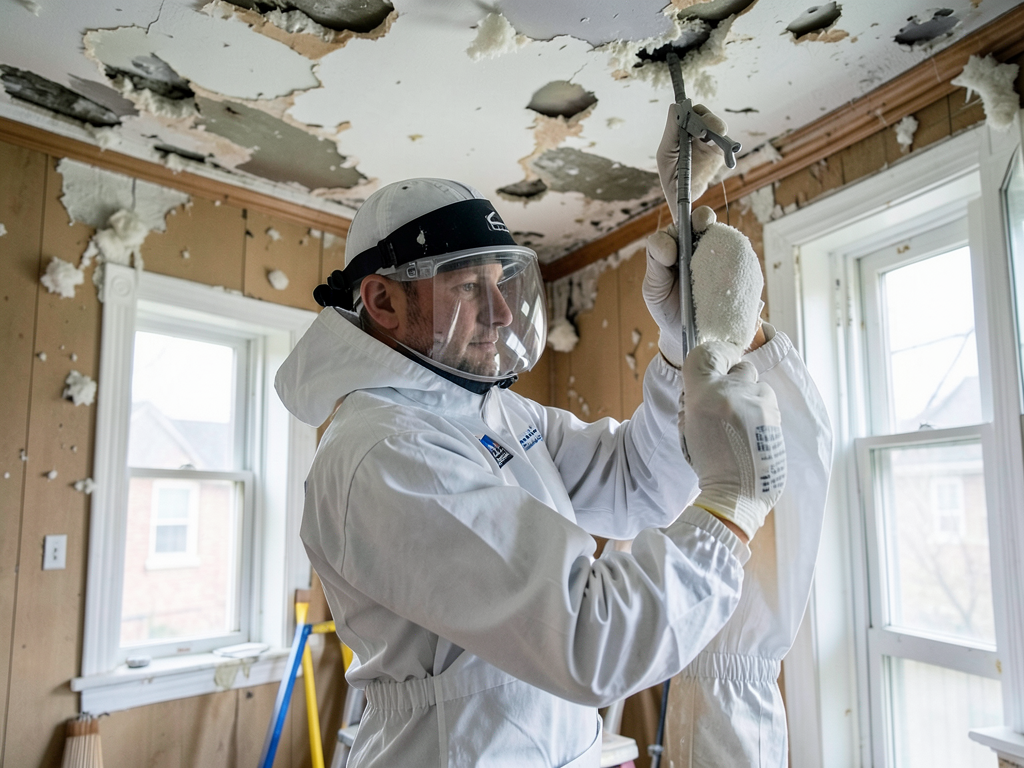
Why Asbestos Testing is Mandatory Before Restoring an Older West End Hartford Home Water damage in your West End Hartford home triggers more than just drying and cleanup. If your property was built before 1980…
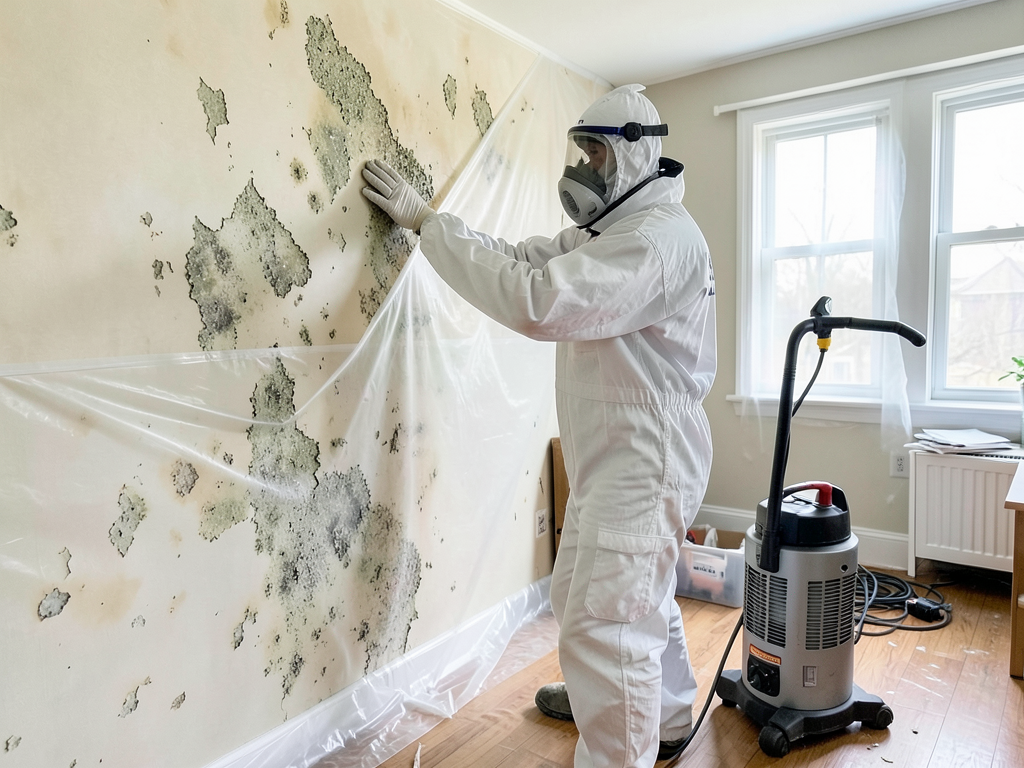
How to Tell if There is Mold Growing Under the Wallpaper in Your Older Newington…
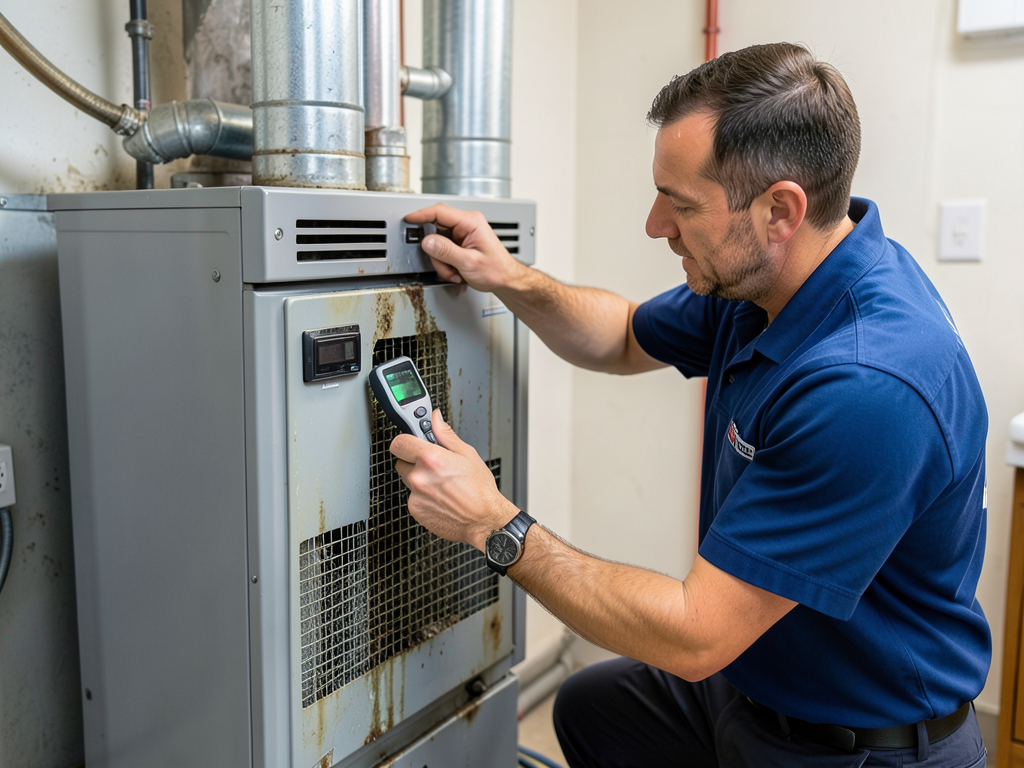
Why Your Whole-House Humidifier is Leaking and Ruining Your Simsbury Utility Room Your whole-house humidifier…
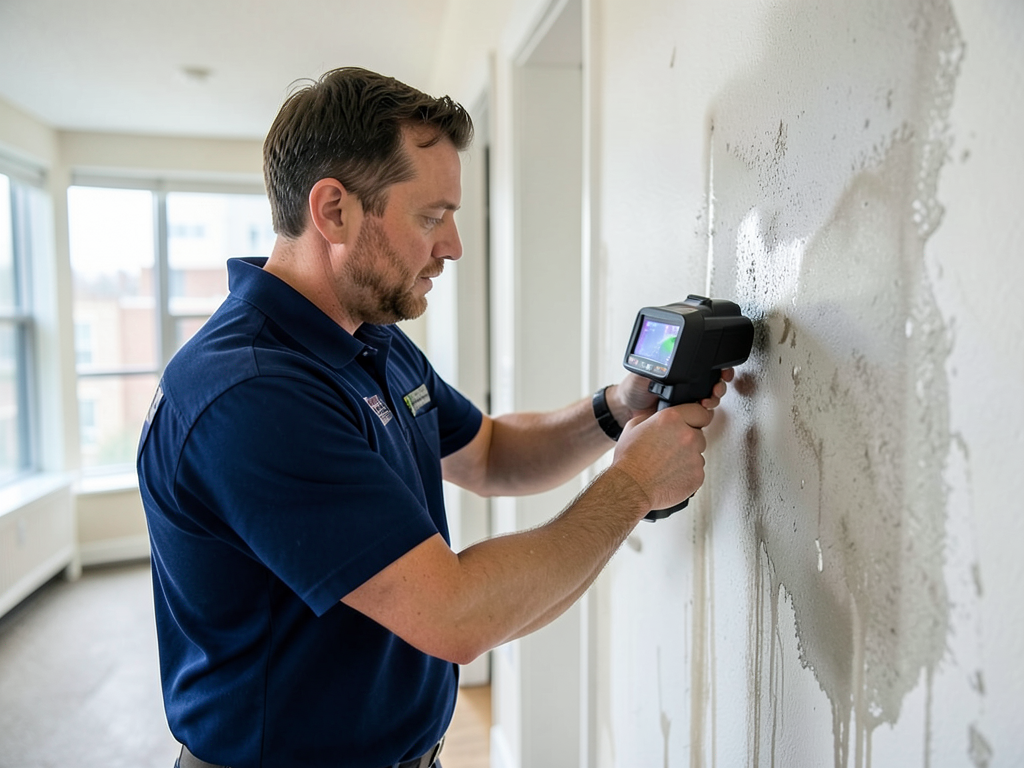
Tracking Down a Mystery Leak in a Blue Hills Multi-Story Condo Building Water damage in…
Water damage worsens every hour you wait. Call Crestline Water Damage Restoration Hartford now at (860) 743-9993 for immediate dispatch. Our crews arrive within 60 minutes to stop damage, extract water, and begin drying your Hartford property. We answer phones 24/7 and work directly with your insurance company.