menu

Peeling Paint & Wallpaper in Hartford – Expert Diagnosis of Hidden Water Damage

When bubbling paint or lifting wallpaper appears in your Hartford home, you need a water damage specialist who can trace the moisture source, stop the damage, and restore your walls correctly the first time.

Slider Image 1
Slider Image 2
Slider Image 3
Slider Image 4
Slider Image 5
Slider Image 7
Slider Image 8
Slider Image 9
Slider Image 10
Slider Image 11

Why Your Hartford Walls Are Failing

Hartford homeowners call us when they notice bubbling paint on exterior walls, blistering wall paint near windows, or lifting wallpaper in basements and bathrooms. These visible failures signal a deeper problem that paint stores cannot fix.

Connecticut's freeze-thaw cycles crack exterior masonry and open gaps in window flashing. When spring rains arrive, water migrates behind siding and saturates wall cavities. You see flaking paint weeks later, long after the leak started. Inside your home, Hartford's humidity swings between summer moisture and winter heating cycles. This creates condensation inside walls, especially in poorly insulated colonial-era homes common throughout the West End and Asylum Hill neighborhoods.

Loose wallpaper in ground-floor rooms often traces to foundation seepage. Hartford sits on glacial till and clay soils that hold water against basement walls during spring snowmelt. Capillary action draws moisture up through concrete block, damaging drywall and adhesive above the visible waterline.

You might also notice a musty smell, dark staining at baseboards, or soft drywall when you press it. These symptoms confirm active moisture intrusion. Repainting over bubbling paint traps water inside the wall assembly, feeding mold growth and rotting studs. The paint will fail again within months because you never addressed the water source.

Water damage does not fix itself. Every day of delay allows moisture to migrate deeper into wall cavities, compromising structural framing and creating conditions for microbial amplification. You need someone who understands building science, not just surface cosmetics.

Why Your Hartford Walls Are Failing
How We Find and Stop the Water Source

How We Find and Stop the Water Source

Crestline Water Damage Restoration Hartford approaches peeling paint and wallpaper as diagnostic problems, not cosmetic ones. We do not patch and paint. We trace moisture to its entry point, remediate the intrusion, dry the assembly, and then restore finishes.

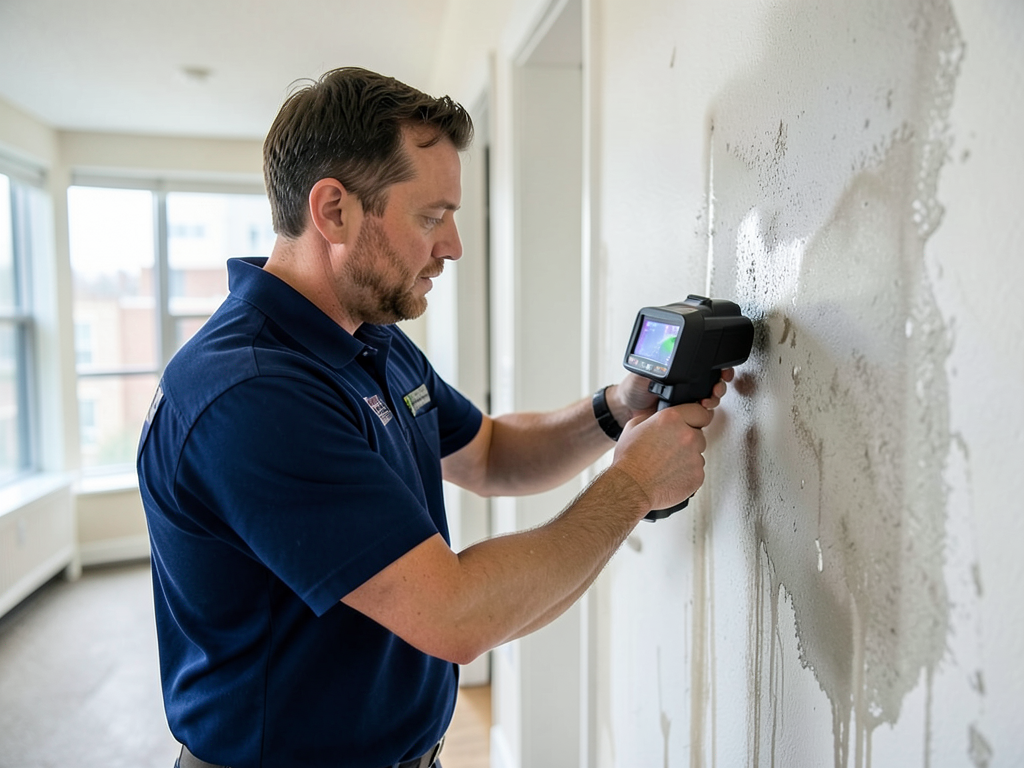
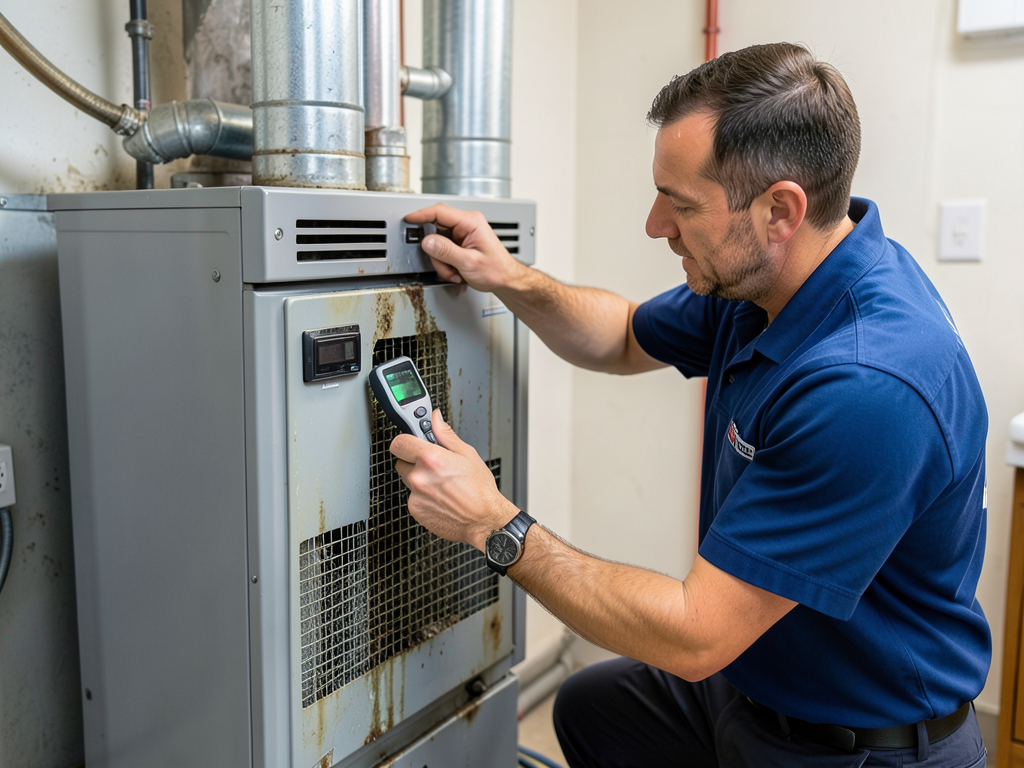
Our technicians use thermal imaging cameras to map temperature differentials behind walls. Wet insulation and drywall show as cool zones because evaporating moisture lowers surface temperature. This non-invasive scan identifies hidden leaks without demolition. We follow up with moisture meters that measure water content in wood framing and gypsum board. Readings above 16 percent indicate active moisture that requires extraction.

Once we map the damage extent, we identify the intrusion pathway. Exterior bubbling paint often traces to failed window flashing, missing kickout flashing at roof-to-wall transitions, or deteriorated caulk joints. Interior blistering wall paint near plumbing walls suggests supply line weeping or drain leaks inside the cavity. Lifting wallpaper in basements points to hydrostatic pressure or condensation from poor vapor barrier installation.

We stop the water first. That might mean resealing window perimeters with proper sill pans, installing diverter flashing, or applying exterior waterproofing membrane to foundation walls. For plumbing leaks, we coordinate with licensed plumbers to repair the source before we begin drying.

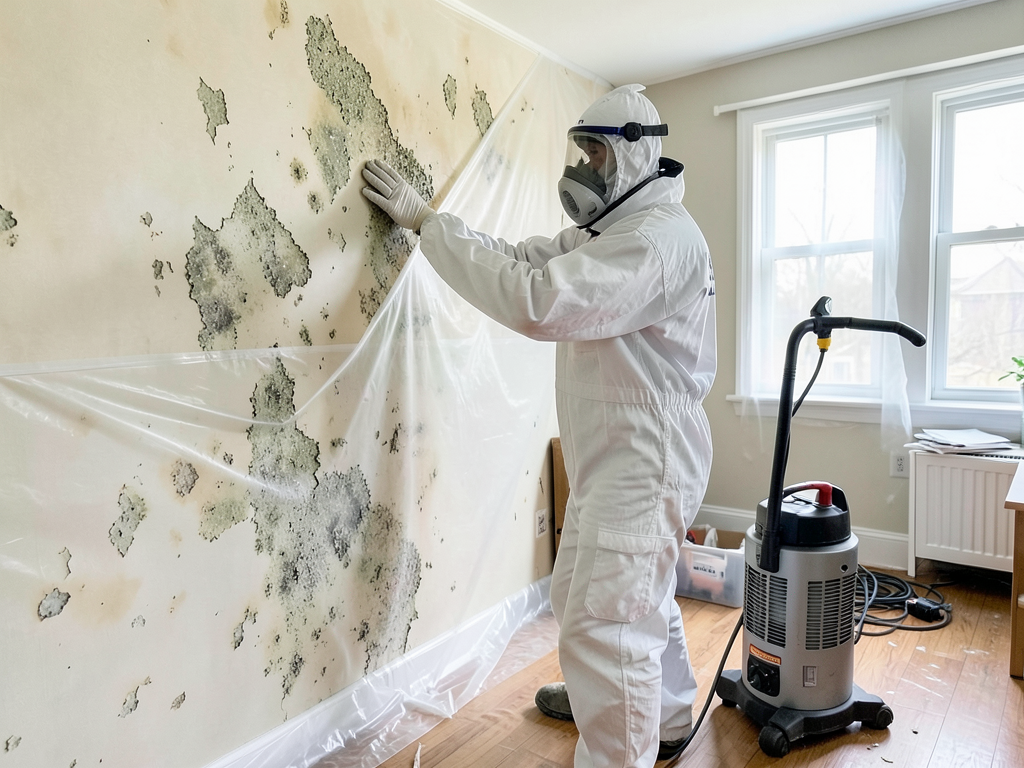
After water control, we extract moisture using commercial dehumidifiers and air movers. We monitor daily moisture readings until all materials drop below 12 percent. Only then do we proceed with selective demolition of unsalvageable materials, mold remediation if necessary, and reconstruction to pre-loss condition.

What Happens After You Call Us

Peeling Paint & Wallpaper in Hartford – Expert Diagnosis of Hidden Water Damage
01

Emergency Assessment

We arrive within two hours of your call to document damage and identify the moisture source. Our technician uses thermal imaging and moisture meters to map the affected area, photographs all damage for your insurance claim, and provides a written scope of work before any demolition begins. You get clarity immediately.
02

Controlled Drying

We install industrial dehumidifiers and air movers to extract moisture from wall cavities, insulation, and framing. Our equipment runs 24/7 with daily moisture readings logged on job charts. We adjust equipment placement based on readings to ensure uniform drying across all affected building assemblies. This phase typically requires three to seven days depending on saturation levels.
03

Restoration and Prevention

Once materials reach equilibrium moisture content, we remove unsalvageable drywall, treat framing with antimicrobial solutions if needed, and rebuild to code. We address the original intrusion point with proper flashing, sealants, or drainage improvements. Your walls get new paint or wallpaper that will last because the underlying moisture problem no longer exists.

Why Hartford Homeowners Choose Crestline for Wall Failures

Hartford's housing stock ranges from Victorian-era multi-families in Parkville to mid-century ranches in the South End. Each construction type presents unique moisture challenges. We understand how balloon-framed walls in 1920s colonials allow water to travel vertically between floors, and why brick veneer homes near Bushnell Park experience efflorescence and spalling from trapped moisture.

Our technicians know Connecticut building codes and Hartford's local amendments. When we reconstruct walls, we meet current energy code requirements for insulation and vapor barriers. This prevents future condensation problems that lead to recurring paint failure.

We also work directly with your insurance carrier. Most Hartford homeowners carry policies through major carriers that require specific documentation protocols. We photograph damage progression, provide detailed moisture logs, and submit estimates in Xactimate format that adjusters recognize. This speeds claim approval and gets you back to normal faster.

You will not get this expertise from a general handyman or painting contractor. They see bubbling paint as a surface problem and apply another coat. When it fails again in six months, you pay twice. We fix it correctly the first time by addressing the root cause.

Our service area covers all Hartford neighborhoods including the North End, Frog Hollow, Downtown, and surrounding towns like West Hartford, East Hartford, and Wethersfield. We respond 24/7 because water damage does not wait for business hours. When a winter pipe bursts at 2 a.m. and soaks your walls, we mobilize immediately to minimize damage and start the drying process before mold takes hold.

What to Expect When You Work With Us

Rapid Response Time

We commit to on-site assessment within two hours of your call during business hours and within four hours for after-hours emergencies. Our trucks carry thermal cameras, moisture meters, and initial drying equipment so we can start mitigation immediately. You do not wait days for an estimate while water continues damaging your home. We provide written scopes within 24 hours of assessment, allowing you to make informed decisions quickly. For insurance claims, we communicate directly with your adjuster to expedite approval and begin restoration without unnecessary delays.

Thorough Moisture Mapping

Our assessment goes beyond the visible damage. We use infrared thermography to scan entire wall planes, identifying moisture migration paths that naked eyes miss. Moisture meters provide quantitative readings at multiple depths within wall assemblies, distinguishing between surface condensation and deep saturation. We map affected areas on floor plans with moisture content percentages and thermal images, creating a clear record of damage extent. This documentation serves your insurance claim and guides our remediation strategy. You get a full picture of the problem before any work begins.

Complete Moisture Removal

We do not stop drying when surfaces feel dry. Our commercial dehumidifiers and air movers run continuously until moisture meters confirm all structural materials have returned to normal equilibrium levels, typically 12 percent or below for wood and 0.5 percent or below for gypsum board. We log readings twice daily and adjust equipment as needed. This ensures no residual moisture remains to support mold growth or cause future paint failure. Your walls are genuinely dry, not just surface dry, before we seal them back up.

Guaranteed Workmanship

We stand behind our water intrusion repairs and restoration work. If the same leak recurs due to our flashing installation or waterproofing application, we return and correct it at no charge. Our reconstruction meets or exceeds current Connecticut building codes, ensuring your home is more resilient than before the damage occurred. We also provide maintenance recommendations to help you prevent future moisture problems, including guidance on gutter maintenance, foundation grading, and interior humidity control during Hartford's humid summers.

Frequently Asked Questions

You Have Questions,
We Have Answers

Why is my paint peeling off the wall like wallpaper? +

Paint peeling in sheets signals moisture trapped behind the surface or poor adhesion between layers. In Hartford homes, this happens when water infiltrates plaster walls through foundation cracks, roof leaks, or high indoor humidity condensing on cold exterior walls during winter. The paint loses its bond with the substrate and lifts like wallpaper. Other causes include painting over dirty or glossy surfaces without proper prep, or applying latex paint directly over old oil-based coatings. Identifying the moisture source is critical before repainting, or the problem will return within months.

What to do if paint is peeling off the wall? +

Remove all loose, flaking paint with a scraper or wire brush until you reach a stable edge. Identify and fix the moisture source, whether it is a leaky pipe, foundation seepage, or poor ventilation. Let the wall dry completely for at least 48 hours. Sand the edges of remaining paint to feather them smooth. Apply a bonding primer to the bare substrate. Once dry, repaint with quality latex paint. Skipping moisture repairs or priming bare spots guarantees the peeling will return. Hartford's humidity swings make proper surface prep non-negotiable.

Is it cheaper to paint or peel and stick wallpaper? +

Peel and stick wallpaper costs more per square foot than paint upfront, but installation is faster and requires less skill. Paint is cheaper per gallon, but labor and prep work add cost. For a single room, paint runs less total. For accent walls or renters needing removable options, peel and stick makes sense. In older Hartford homes with uneven plaster walls, paint often requires more surface prep to hide imperfections, which increases cost. Neither option lasts if applied over moisture-damaged walls without fixing the underlying problem first.

Can I paint over paint that is peeling? +

No. Painting over peeling paint traps the problem underneath and wastes time and money. The new layer will fail within weeks as the old paint continues lifting. You must scrape away all loose material down to a stable surface, address any moisture issues causing the peeling, prime bare spots, and then repaint. Hartford's freeze-thaw cycles and humidity fluctuations stress paint adhesion. Shortcuts like painting over compromised surfaces only delay the inevitable and often make the damage worse by trapping more moisture behind additional coatings.

Will Kilz stop peeling paint? +

Kilz primer helps seal stains and improve adhesion on sound surfaces, but it will not stop paint from peeling if moisture or poor substrate bonding caused the failure. You must remove all loose paint first, fix the moisture source, and let surfaces dry completely. Then Kilz can seal bare patches and create a uniform base for topcoats. In Hartford homes with plaster walls damaged by leaks or condensation, primer alone is not a fix. It is one step in proper surface preparation after addressing root causes like foundation water intrusion or attic ventilation problems.

Should I scrape off all the peeling paint? +

Yes. Remove all loose, flaking paint down to a stable edge where paint still adheres firmly to the substrate. Leaving compromised areas under new coatings guarantees failure. Use a scraper, wire brush, or sanding block to clear unstable material. Feather the edges of remaining paint so transitions are smooth. This prep work takes time but is essential for long-lasting results. In older Hartford homes with multiple paint layers over plaster, you may need to scrape large sections. Once bare spots are exposed, identify and fix moisture problems before priming and repainting.

What is the difference between flaking and peeling paint? +

Flaking paint breaks into small chips or powder, usually from weathering, UV exposure, or chalking of old coatings. Peeling paint lifts in larger sheets or curls, typically caused by moisture problems or poor adhesion between layers. In Hartford, exterior flaking happens on south-facing wood trim exposed to sun, while peeling occurs on north walls where condensation or ice damming forces water behind siding. Interior peeling near bathrooms or basements signals active leaks or humidity issues. Both require removal and prep, but peeling always demands moisture source investigation before repainting.

What do you put on walls to stop paint peeling? +

Fix the moisture source first, then apply a bonding primer designed for problem surfaces after scraping and sanding. Products like Zinsser Peel Stop or Benjamin Moore Fresh Start bind remaining paint edges and seal porous substrates. In Hartford homes, this means repairing leaky roofs, improving attic ventilation, fixing foundation cracks, or adding bathroom exhaust fans before priming. Primer alone will not stop peeling if water keeps infiltrating walls. Once surfaces are dry and primed, use quality latex paint with mildew inhibitors for moisture-prone areas like basements and bathrooms.

Can you put primer over peeling paint? +

No. Primer will not bond to loose, unstable paint and will fail along with the compromised layer underneath. Scrape away all peeling material first, sand edges smooth, and ensure the surface is clean and dry. Primer works only on sound substrates or properly prepared bare spots. In Hartford's older homes, applying primer over peeling paint wastes money and delays the real fix. Address moisture problems causing the failure, remove all loose coatings, and prime only after the wall is stable. Proper prep takes longer but prevents repeated failure and additional repair costs.

What is the cost of painting a 1000 sq ft house? +

Costs vary widely based on wall condition, prep work needed, paint quality, and contractor rates. Expect significant variation depending on whether you have plaster repairs, moisture damage, or extensive scraping required. Hartford's older housing stock often needs more surface prep than newer construction, increasing labor time. One coat over clean walls costs less than multi-coat jobs with primer. Get multiple quotes from local contractors who inspect the property in person. Avoid estimates based only on square footage without assessing wall condition, moisture issues, or necessary repairs before painting.

How Hartford's Seasonal Freeze-Thaw Cycle Damages Exterior Paint

Hartford experiences 90 to 110 freeze-thaw cycles each winter, with temperatures swinging above and below 32 degrees repeatedly from December through March. This expansion and contraction opens microscopic cracks in exterior siding, trim joints, and window casings. Spring rains enter these openings and saturate sheathing and wall cavities. By May, you see bubbling paint and blistering wall paint on south-facing walls where solar heating accelerates moisture evaporation. The paint film lifts because water vapor pressure inside the wall exceeds the adhesion strength of the coating. This is not a paint quality issue. It is a moisture intrusion issue that requires proper flashing and drainage plane installation.

Connecticut building codes adopted in 2018 require enhanced water-resistive barriers and flashing details specifically to address our climate challenges. Many Hartford homes built before these code updates lack proper drainage planes and rely solely on paint for weather protection. When we restore water-damaged walls, we bring your envelope up to current standards with house wrap, self-adhered flashing tape at openings, and proper lapping sequences. This investment protects your home for decades, not just until the next hard winter. Local expertise matters because contractors unfamiliar with Hartford's climate patterns will repeat the same inadequate details that caused your peeling paint in the first place.
Water Damage Restoration Services in The Hartford Area

Crestline Water Damage Restoration Hartford is strategically located to provide rapid and reliable service across the entire Hartford region and its surrounding communities. We invite you to view our service map to confirm that your property falls within our guaranteed service area, ensuring that a professional water damage expert is never far away when you need us most. We pride ourselves on the capability to reach your location quickly, a crucial factor in successful, timely mitigation and restoration.

Address:
Crestline Water Damage Restoration Hartford, 1916 Broad St, Hartford, CT, 06114

Additional Services We Offer

Our news updates

Latest Articles & News from The Blogs

Managing Winter Window Condensation to Prevent Rot in Your Northeast Hartford Victorian Winter condensation on your Northeast Hartford Victorian windows…

Managing Winter Window Condensation to Prevent Rot in Your Northeast Hartford Victorian

Managing Winter Window Condensation to Prevent Rot in Your Northeast Hartford Victorian Winter condensation on your Northeast Hartford Victorian windows…

Why Replacing Your Carpet Padding is Critical After a Leak in Your Bristol Home

Why Replacing Your Carpet Padding is Critical After a Leak in Your Bristol Home \n\n When water seeps into your…

Dealing with Water Damage in Your Mudroom Caused by Tracked-In Snow in West Hartford

Dealing with Water Damage in Your Mudroom Caused by Tracked-In Snow in West Hartford When melting snow from winter boots…

Contact Us

Peeling paint and lifting wallpaper will not resolve on their own. Every day of delay allows moisture to migrate deeper into your wall assembly, compromising framing and creating mold conditions. Call Crestline Water Damage Restoration Hartford now at (860) 743-9993 for same-day assessment and immediate moisture mitigation.