


Manchester sits in the Hockanum River watershed, where spring snowmelt combines with April rainfall to create flooding conditions that threaten basements and crawl spaces across town. Homes near Union Pond and the Hockanum River corridor face seasonal water intrusion, while properties in older neighborhoods like Buckland and Highland Park deal with aging cast iron pipes that burst during freeze-thaw cycles. Connecticut's average humidity hovers around 70 percent year-round, which means water damage that isn't addressed within 48 hours almost always leads to mold colonization in wall cavities and under flooring.
Manchester's housing stock includes thousands of homes built between 1940 and 1970, many with poured concrete foundations that develop cracks as they settle into Connecticut's clay-heavy soil. When groundwater pressure builds during heavy rain events, these cracks allow seepage that saturates insulation and drywall. The town experiences an average of 49 inches of precipitation annually, well above the national average, putting consistent pressure on sump pumps and foundation waterproofing systems. Add in the risk of appliance failures, roof leaks, and HVAC condensation issues, and Manchester homeowners face water damage threats from multiple directions throughout the year.
Crestline Water Damage Restoration Hartford has built our reputation in Manchester by showing up fast and finishing the job right. We're not a franchise sending undertrained crews with rented equipment. Our technicians hold IICRC certifications in water damage restoration and applied structural drying, and they've worked hundreds of Manchester properties from historic colonials on Main Street to split-levels in the Highland Park neighborhood. We know how water behaves in Connecticut homes because we've extracted it from basements, crawl spaces, and living areas across every part of town.
When you call our emergency line, you reach our dispatch center directly, not an answering service three states away. We keep extraction trucks, air movers, and dehumidifiers staged and ready to deploy to Manchester within 60 minutes of your call. Our response time matters because water damage follows a predictable timeline. In the first 24 hours, water soaks into drywall, subflooring, and insulation. By 48 hours, mold spores begin colonizing damp materials. At 72 hours, you're looking at structural damage and potential health hazards. We interrupt that timeline by arriving fast, extracting standing water immediately, and setting up drying equipment that pulls moisture from building materials before permanent damage sets in.
We also handle the insurance coordination that most homeowners dread. Our technicians document water damage with moisture meters and thermal imaging, photograph affected areas, and provide detailed estimates that insurance adjusters accept without endless back-and-forth. We've worked with every major carrier that insures Manchester properties, and we know exactly what documentation they require to process claims quickly. You get your property restored while we handle the paperwork.

We dispatch extraction crews to Manchester properties within one hour of your emergency call, 24 hours a day. Our trucks carry truck-mounted extraction units that remove hundreds of gallons per hour, plus commercial air movers and dehumidifiers to start the drying process immediately. Fast response stops water from spreading and prevents secondary damage that multiplies restoration costs.

Every technician who enters your Manchester home holds current IICRC certifications in water damage restoration and applied structural drying. They use moisture meters, thermal imaging cameras, and humidity monitors to measure water intrusion accurately and track drying progress scientifically. You get trained professionals who follow industry protocols, not helpers guessing at when your property is dry enough to rebuild.
We document water damage with the detailed measurements, photos, and moisture readings that insurance companies require to process claims without delays. Our estimates break down extraction, drying, antimicrobial treatment, and reconstruction costs in formats adjusters recognize and approve. We communicate directly with your insurance company so you can focus on getting your family back to normal instead of fighting claim disputes.
We've restored water damage in homes across every Manchester neighborhood, from Buckland to Highland Park to the Hockanum River corridor. We understand how seasonal flooding affects properties near Union Pond, how older homes respond to water intrusion, and which materials Connecticut builders used in different construction eras. Local knowledge means faster diagnosis and more effective restoration strategies for your specific property type.
Water damage restoration involves multiple specialized services that must happen in the right sequence to save your property and prevent long-term problems. Crestline handles the entire process from emergency water extraction through final reconstruction, using professional equipment and proven techniques at every phase. We start with rapid water removal to stop active damage, then deploy industrial drying systems to eliminate moisture trapped in building materials. Once your property reaches safe moisture levels, we treat affected areas to prevent mold growth and rebuild damaged structures to original condition.
Our approach follows IICRC S500 standards for water damage restoration, which means we measure moisture levels scientifically instead of guessing when materials are dry. We use truck-mounted extraction units that remove water faster than portable equipment, commercial air movers that create airflow patterns optimized for structural drying, and refrigerant dehumidifiers that pull moisture from the air efficiently even in cold weather. Manchester homeowners need this professional-grade equipment because Connecticut's humid climate makes it almost impossible to dry water-damaged buildings adequately with fans and space heaters. We bring the tools that work, and we know how to use them correctly.
When water floods your Manchester home from burst pipes, appliance failures, or storm intrusion, we dispatch extraction crews immediately with truck-mounted pumps that remove standing water in minutes. Our technicians move furniture to dry areas, pull saturated carpeting, and extract water from hardwood floors before it causes cupping and warping. We set up air movers and dehumidifiers the same day to start structural drying while water is still fresh and easier to remove from building materials.
After extracting standing water, we deploy industrial drying equipment strategically to remove moisture trapped in drywall, insulation, subflooring, and framing. Our technicians use moisture meters to track drying progress in wall cavities and under flooring, adjusting equipment placement as readings drop. We monitor humidity levels and create airflow patterns that pull moisture from building materials efficiently. Proper structural drying prevents mold growth, wood rot, and the musty odors that develop when buildings stay damp too long.
Connecticut's humid climate accelerates mold colonization in water-damaged buildings, so we treat affected areas with EPA-registered antimicrobial solutions as soon as extraction and drying are complete. Our technicians apply treatments to wall cavities, subflooring, and any porous materials that contacted contaminated water. We also address category two and three water damage from sewage backups or flooding with proper containment and disposal protocols that protect your family from biological hazards.
Manchester homeowners face water damage threats from multiple sources throughout the year. Spring brings heavy rainfall and snowmelt that overwhelms sump pumps and seeps through foundation cracks. Summer humidity stresses air conditioning systems, causing condensate line clogs and drain pan overflows that dump water into ceilings and walls. Fall storms knock down tree limbs that puncture roofs, while winter freeze-thaw cycles burst pipes and create ice dams that force water under shingles.
Properties near the Hockanum River and Union Pond face seasonal flooding risks when precipitation exceeds normal levels. Older neighborhoods built before modern grading standards sometimes channel stormwater toward foundations instead of away from homes. Homes with finished basements suffer the worst damage because water ruins carpeting, drywall, and stored belongings before homeowners notice the intrusion. Connecticut's aging housing stock also means more frequent failures of water heaters, washing machine hoses, and supply lines that haven't been replaced in decades. These problems require fast professional response to prevent minor leaks from becoming major restoration projects.
Groundwater pressure forces seepage through foundation cracks and floor joints during heavy rain events, flooding Manchester basements with hundreds of gallons that saturate finished living spaces, storage areas, and mechanical systems. Water ruins carpeting, drywall, insulation, and stored belongings while creating conditions for rapid mold growth in wall cavities.
Connecticut winters stress older plumbing with repeated freezing that weakens copper and causes catastrophic failures when pipes thaw. Burst supply lines dump gallons per minute into walls, ceilings, and living spaces, causing extensive damage that requires immediate extraction and drying to prevent structural problems and mold colonization.
Wind-driven rain finds entry points through damaged shingles, failed flashing, and compromised roof penetrations, allowing water to soak insulation and drip into ceilings. Ice dams form along roof edges during winter, forcing meltwater under shingles and into attic spaces where it damages framing and soaks through to living areas below.
Water heaters, washing machines, and dishwashers develop leaks as components age and fail, releasing water slowly over time or catastrophically when tanks rupture. Refrigerator supply lines and HVAC condensate drains also clog or disconnect, dumping water that soaks through flooring and into spaces below before homeowners discover the source.
When water damage strikes your Manchester property, confusion and stress make it hard to know what should happen next. Crestline eliminates that uncertainty by following a clear restoration process that prioritizes stopping damage, protecting your belongings, and getting your home back to normal as quickly as possible. You'll work with the same project manager from emergency call through final walkthrough, so you always know who to contact with questions or concerns.
Our crews arrive with professional equipment ready to deploy immediately, not to assess whether they need to schedule another visit. We explain what we're doing and why, show you moisture readings and thermal images that document damage extent, and provide written estimates before starting work. You'll receive daily updates on drying progress, timeline changes, and any discoveries that affect the scope of restoration. We treat your home like our own, protecting undamaged areas with plastic sheeting, removing shoes before walking on clean floors, and cleaning up completely before leaving each day.
When you call our emergency line, you reach our dispatch center directly, not an answering service or voicemail system. We gather information about your water damage situation, provide immediate guidance on safety concerns and damage mitigation, and dispatch the nearest available crew to your Manchester property. You receive a callback with estimated arrival time within minutes of hanging up, and our technicians contact you directly when they're 10 minutes away so someone can meet them onsite.
Our technicians document water damage extent with moisture meters, thermal imaging cameras, and detailed photographs that show exactly which materials are wet and how far moisture has spread. We provide written estimates that break down extraction, drying, treatment, and reconstruction costs in clear language without hidden fees or surprise charges. You approve the scope of work before we start, and we communicate immediately if we discover additional damage that affects project cost or timeline.
We don't walk away when extraction and drying are complete. Crestline handles the entire restoration process including demolition of damaged materials, reconstruction of walls and ceilings, painting, and flooring replacement. You work with one company from start to finish instead of coordinating multiple contractors. We match existing finishes, use quality materials, and guarantee our workmanship so your restored property looks like water damage never happened.
Crestline follows a systematic approach that addresses water damage in the correct sequence to save your property and minimize disruption. Each phase builds on the previous step to ensure complete restoration.
We dispatch crews to your Manchester property within 60 minutes with extraction equipment ready to deploy. Our technicians assess damage extent using moisture meters and thermal imaging, identify water sources and stop active intrusion, and develop a restoration plan based on what materials are wet and how long water has been present. We extract standing water immediately, move furniture to dry areas, and set up drying equipment the same day to prevent secondary damage.
Our technicians deploy air movers and dehumidifiers strategically to pull moisture from building materials, adjusting equipment placement as moisture readings drop. We monitor drying progress daily with moisture meters, tracking readings in walls, floors, and ceilings until materials reach safe levels. Proper drying takes three to five days depending on how much water intruded and which materials are affected. We don't remove equipment until moisture readings confirm your property is completely dry.
Once drying is complete, we remove damaged materials that can't be saved, treat affected areas with antimicrobial solutions, and rebuild your property to original condition. Our reconstruction crews replace drywall, install new flooring, repaint walls and ceilings, and match existing finishes so restored areas blend seamlessly. We handle final walkthrough with you to confirm every detail meets your expectations before considering the project complete.
Water damage restoration requires specialized knowledge and professional equipment to protect buildings from long-term problems. Crestline follows IICRC S500 standards for water damage restoration, which establish protocols for assessing water intrusion, categorizing contamination levels, and determining appropriate drying techniques based on building materials and moisture extent. These standards exist because improper restoration leads to mold growth, structural damage, and indoor air quality problems that appear months after water intrusion.
We categorize water damage by contamination level before starting work. Category one involves clean water from supply lines or rainwater that hasn't contacted contaminants. Category two includes water from appliance overflows, toilet tanks, or washing machine discharge that contains some contamination. Category three involves sewage backups, flooding, or any water that contacted soil or waste materials. Each category requires different handling procedures, personal protective equipment, and disposal methods to protect occupants and restoration workers from health hazards.
Our equipment includes truck-mounted extraction units that remove hundreds of gallons per hour through high-capacity vacuum systems. These machines pull water from carpeting and concrete far more effectively than portable extractors. We use axial air movers that create focused airflow patterns across wet surfaces, accelerating evaporation by moving saturated air away from damp materials. Low-grain refrigerant dehumidifiers remove moisture from the air efficiently even in cold conditions, pulling water vapor that evaporates from building materials and condensing it for disposal. We also deploy moisture meters that measure water content in wood, drywall, and concrete, plus thermal imaging cameras that show moisture patterns inside wall cavities and under flooring where damage isn't visible to the naked eye.
Connecticut's humid climate makes proper dehumidification critical. Air can only hold so much water vapor before it reaches saturation, at which point evaporation from wet building materials stops completely. Our dehumidifiers pull moisture from the air continuously, maintaining low humidity levels that allow water to keep evaporating from damp materials. Without professional dehumidification, buildings stay damp for weeks and mold colonizes hidden spaces before materials dry naturally. The equipment makes the difference between successful restoration and long-term problems.
The Institute of Inspection Cleaning and Restoration Certification establishes standards that guide proper water damage restoration procedures. IICRC S500 covers assessment techniques, equipment requirements, and drying protocols based on scientific research. Our technicians complete certification training that teaches moisture science, psychrometrics, and structural drying principles. This education ensures we follow proven methods instead of guessing at when materials are dry enough to rebuild safely.
Water damage restoration costs depend on how much water intruded, which building materials are affected, contamination category, and how long water was present before extraction started. Finished basements cost more to restore than unfinished spaces because carpeting, drywall, and insulation must be removed and replaced. Category three water requires extensive antimicrobial treatment and disposal procedures that increase labor costs. Fast response reduces costs significantly by preventing secondary damage.
Structural drying takes three to five days for most water damage situations when professional equipment runs continuously. Extensive flooding that saturates thick materials like hardwood floors or plaster walls may require seven to ten days. Drying time depends on temperature, humidity, airflow, and how much water building materials absorbed. We monitor moisture readings daily and adjust equipment placement to optimize drying efficiency. Rushing the process by removing equipment too early leads to mold growth and material failure.
Most homeowners insurance policies cover sudden and accidental water damage from burst pipes, appliance failures, and storm intrusion. Coverage typically excludes flooding from external water sources, which requires separate flood insurance. Insurance companies require detailed documentation including moisture readings, photographs of damage, and itemized estimates that break down labor and materials costs. We provide the documentation adjusters need to process claims without delays or disputes over covered services.
Crestline Water Damage Restoration Hartford serves residential and commercial properties throughout Manchester and the surrounding Hartford County region. Our central location allows rapid response to water damage emergencies across every Manchester neighborhood, from the historic homes along Main Street and the Buckland area on the west side to the Highland Park neighborhood and properties near Manchester Community College. We respond quickly to calls from residents near Union Pond and homes in the Hockanum River corridor, where seasonal flooding creates recurring water intrusion problems during spring runoff and heavy rain events.
Manchester's diverse housing stock means we work on everything from colonial-era homes with stone foundations to mid-century split-levels and newer construction in developing areas. Properties in older neighborhoods like those near Center Springs Park often have cast iron plumbing that corrodes over time, causing leaks that damage walls and ceilings. Homes built in the post-war building boom between 1950 and 1970 typically have poured concrete foundations that develop cracks as they settle, allowing groundwater seepage during wet seasons. We understand how different construction methods and materials respond to water damage, which helps us develop effective restoration strategies for your specific property type.
Our service area extends beyond Manchester to include South Windsor, East Hartford, Bolton, and Glastonbury, covering the central Hartford County region where we've built strong relationships with homeowners, property managers, and insurance agents. We know the local geography, understand how regional weather patterns affect water damage risks, and maintain fast response times to properties throughout the coverage area. When water threatens your Manchester property, you need a restoration company that knows the area, responds immediately, and has the equipment and expertise to stop damage before it spreads. That's exactly what Crestline delivers.
Properties near major roads like Interstate 84 and Route 384 benefit from our quick access to all parts of Manchester. We reach homes in the Keeney Street area as fast as properties along Spencer Street or Hartford Road. Our familiarity with Manchester neighborhoods means we navigate efficiently even during rush hour traffic, getting extraction equipment to your property when every minute counts. We've worked with homeowners throughout Manchester long enough to understand common water damage scenarios specific to different parts of town, from sump pump failures in low-lying areas to ice dam problems in neighborhoods with mature tree coverage that shades roofs and prevents snow from melting evenly.
Crestline Water Damage Restoration Hartford is strategically located to provide rapid and reliable service across the entire Hartford region and its surrounding communities. We invite you to view our service map to confirm that your property falls within our guaranteed service area, ensuring that a professional water damage expert is never far away when you need us most. We pride ourselves on the capability to reach your location quickly, a crucial factor in successful, timely mitigation and restoration.
Address:
Manchester, CT, 6042
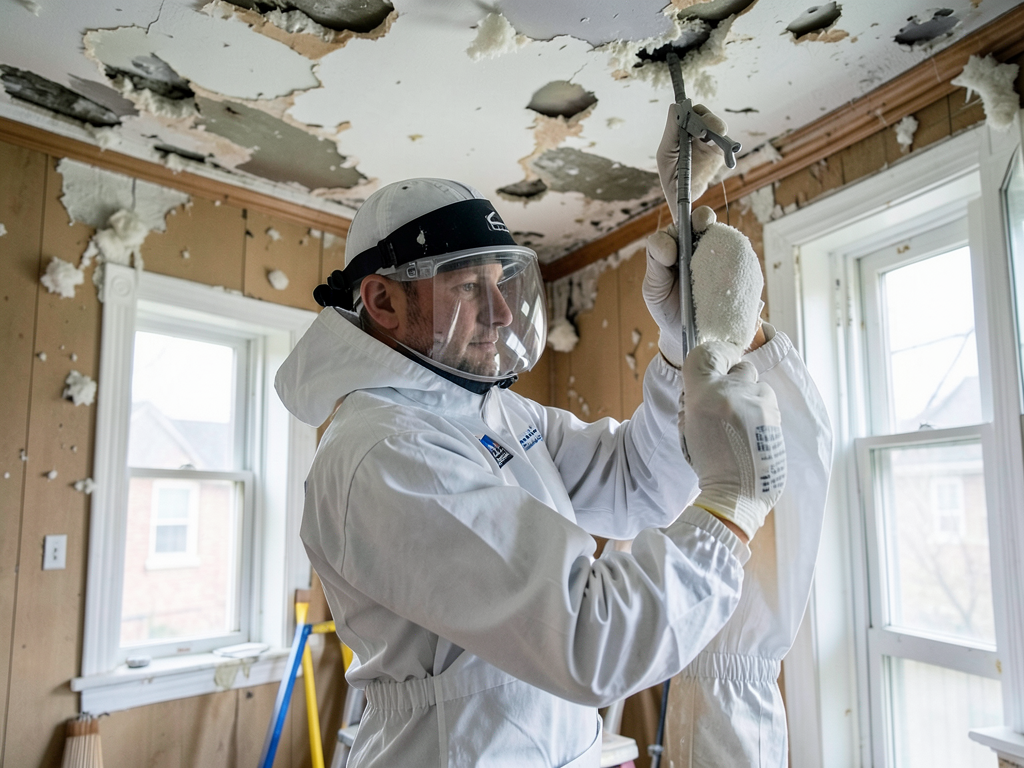
Why Asbestos Testing is Mandatory Before Restoring an Older West End Hartford Home Water damage in your West End Hartford home triggers more than just drying and cleanup. If your property was built before 1980…
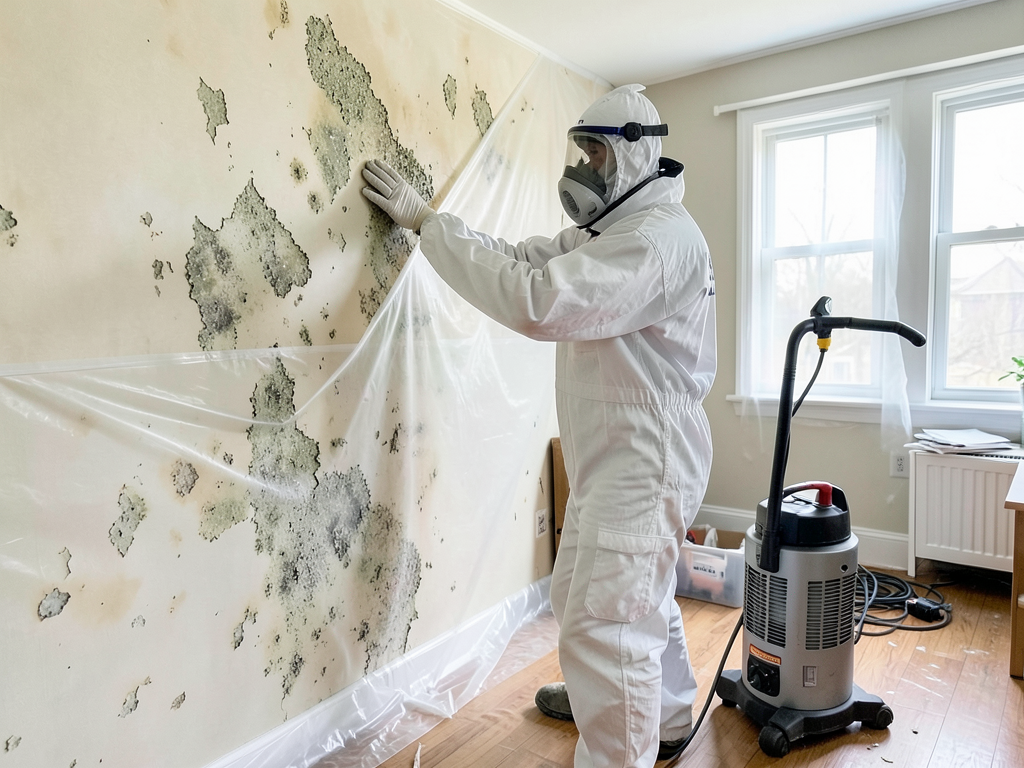
How to Tell if There is Mold Growing Under the Wallpaper in Your Older Newington…
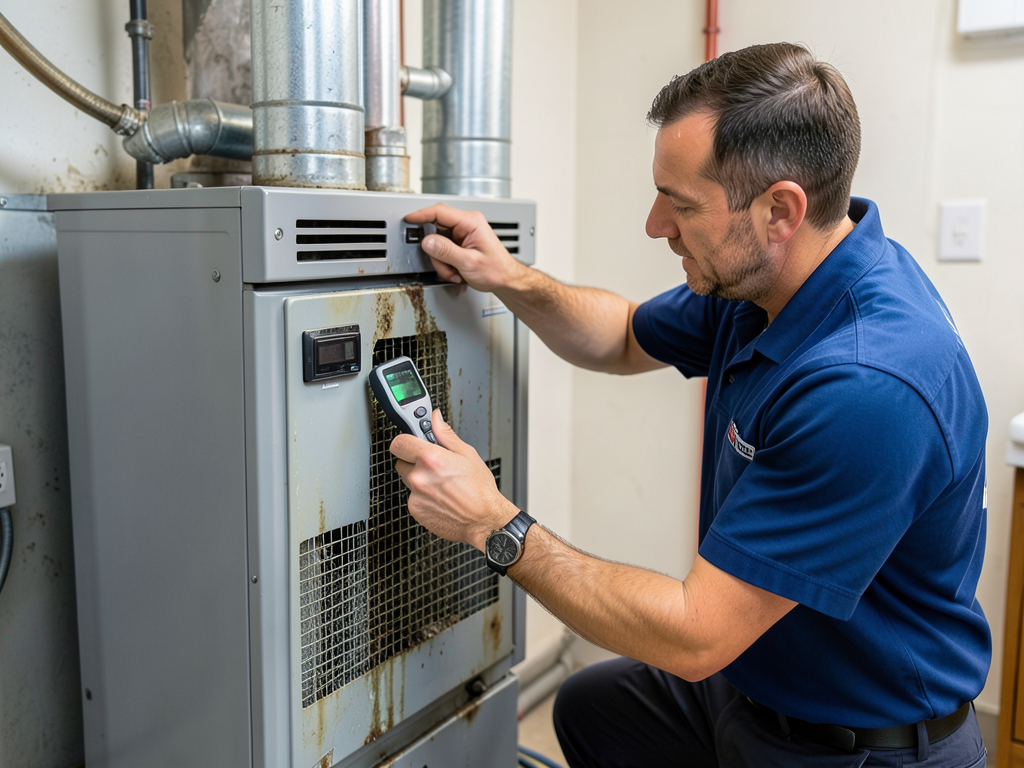
Why Your Whole-House Humidifier is Leaking and Ruining Your Simsbury Utility Room Your whole-house humidifier…
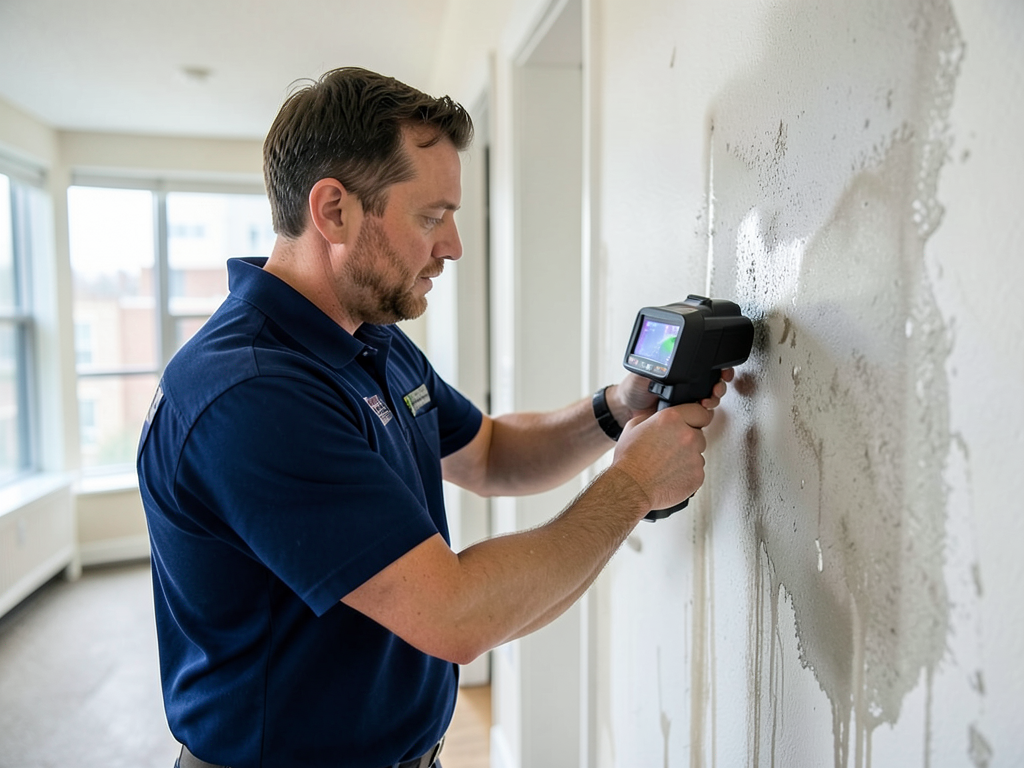
Tracking Down a Mystery Leak in a Blue Hills Multi-Story Condo Building Water damage in…
Water damage gets worse every hour you wait. Call Crestline Water Damage Restoration Hartford now at (860) 743-9993 for immediate dispatch to your Manchester property. Our crews respond 24/7 with professional extraction equipment and certified technicians who stop damage fast.