


Farmington sits in the Farmington River Valley where seasonal flooding and high water tables create persistent moisture problems. Homes near Batterson Park and along the Farmington River see basement seepage during spring snowmelt and heavy rainfall. The town's mix of historic colonial homes and newer construction means varied foundation types, from stone cellars prone to groundwater intrusion to modern basements with failed sump pumps.
Connecticut's freeze-thaw cycles crack pipes in unheated spaces. When temperatures drop below 20 degrees, pipes in crawl spaces and exterior walls burst, flooding finished basements and first floors. Farmington's clay-heavy soil drains poorly, pushing water toward foundations after storms. Homes in Unionville and near Tunxis Mead see standing water that seeps through foundation cracks and window wells.
The area's aging infrastructure means main breaks and sewer backups during heavy rain events. Category 3 water contamination requires specialized cleaning protocols and disposal methods. Every hour water sits, damage spreads. Drywall wicks moisture four feet vertically. Hardwood floors cup and buckle. Mold colonizes within 48 hours. Farmington homeowners need fast water extraction and structural drying to prevent total loss.
Crestline Water Damage Restoration Hartford operates from Hartford with technicians staged to reach Farmington in under an hour. We do not subcontract. Every crew member carries IICRC certification in water damage restoration and applied structural drying. Our trucks stock truck-mounted extraction units, commercial dehumidifiers, air movers, and thermal imaging cameras. We arrive ready to work, not to sell you services you do not need.
We have dried hundreds of Connecticut homes through basement floods, frozen pipe breaks, and storm damage. Our process follows IICRC S500 standards for water damage restoration. We document moisture levels with calibrated meters, photograph damage for insurance claims, and track drying progress daily. Insurance companies know our reports hold up because we follow industry protocols exactly.
You get a project manager assigned to your job from start to certificate of completion. One person handles your insurance adjuster, coordinates trades for repairs, and answers your questions. No phone tree. No waiting for callbacks. We work with every major insurance carrier in Connecticut and handle claims paperwork so you do not fight with adjusters over coverage.
Our pricing is transparent. You see line-item costs for extraction, equipment rental, antimicrobial treatment, and demolition before we start. No surprise bills. No hidden fees. We guarantee our drying work. If moisture returns within 30 days, we come back at no charge. Farmington homeowners choose us because we show up fast, work clean, and finish the job right the first time.

We dispatch from Hartford the moment you call. Trucks are loaded and ready 24 hours a day. Most Farmington homes see our crew within 45 minutes. Faster response means less damage, lower costs, and better outcomes. Water does not sleep, so neither do we.

Every technician holds current certification in water damage restoration and applied structural drying. We follow IICRC S500 standards for every job. That means proper moisture mapping, scientifically validated drying methods, and documentation that insurance companies accept without argument. You get trained professionals, not day laborers.
We work with every major carrier and handle claims documentation from initial loss photos to final invoicing. Your adjuster gets detailed moisture readings, equipment logs, and progress photos. We know what insurance companies require because we submit claims daily. You avoid the paperwork fight and get back to normal faster.
We know Farmington's flood zones, soil conditions, and common foundation types. Homes near the Farmington River need different approaches than houses on the hillside. We have dried basements in Unionville's older homes and new construction near Batterson Park. Local knowledge means faster diagnosis and better solutions for your specific property.
Water damage comes in three categories. Category 1 is clean water from supply lines or rain. Category 2 is gray water from appliances or sump pump failures. Category 3 is black water from sewage backups or flooding. Each requires different extraction methods, drying protocols, and safety equipment. Crestline handles all three categories with certified processes.
Our service range covers emergency water removal, structural drying, content restoration, mold prevention, and reconstruction. We extract standing water with truck-mounted pumps and portable units for tight spaces. Commercial dehumidifiers and air movers create controlled drying environments. Thermal imaging finds hidden moisture in walls and ceilings before it causes secondary damage.
We remove unsalvageable materials like soaked drywall, insulation, and flooring. HEPA filtration captures airborne contaminants during demolition. Antimicrobial treatment prevents mold growth on framing and subfloors. Once structures reach acceptable moisture levels, we rebuild with mold-resistant materials and proper vapor barriers. You get one company for the complete job, from water extraction to final paint.
We deploy truck-mounted extraction units and submersible pumps to remove standing water in minutes, not hours. Our crews contain the spread by isolating affected areas and shutting down HVAC systems. We pull soaked carpet padding, extract water from hardwood floors, and document moisture levels in all building materials. Fast extraction prevents secondary damage to walls, subfloors, and contents. Category 3 contaminated water requires containment barriers and negative air pressure to protect unaffected spaces.
We place commercial dehumidifiers and air movers in configurations based on room size, material types, and moisture readings. Thermal imaging identifies wet areas behind walls and under flooring. We monitor progress with daily moisture meter readings and adjust equipment placement as materials dry. Proper structural drying takes three to seven days depending on building materials and saturation levels. Rushing this process guarantees mold growth and structural failure later.
Once structures reach acceptable moisture levels, we rebuild what water destroyed. Our crews install mold-resistant drywall, replace insulation, refinish floors, and restore basements to pre-loss condition. We handle electrical work, plumbing repairs, and finish carpentry. You deal with one company instead of coordinating multiple contractors. Our reconstruction guarantees match our drying work. Everything gets completed to Connecticut building code with permits pulled for structural modifications.
Farmington's climate and geography create predictable water damage patterns. Spring snowmelt overwhelms sump pumps and foundation drains. Summer thunderstorms dump three inches of rain in an hour, flooding window wells and saturating crawl spaces. Winter freeze-thaw cycles burst pipes in exterior walls and unheated garages. Fall hurricanes and nor'easters drive rain through roof penetrations and window seals.
The town's mix of housing stock means different vulnerabilities. Historic homes have stone foundations with no waterproofing. Ranch houses from the 1960s have undersized sump pumps. New construction uses oriented strand board that delaminates when wet. Every property type needs specific solutions based on how water entered and what materials got saturated. These are the emergencies we handle daily in Farmington and surrounding towns.
Power outages during storms kill sump pumps right when you need them most. Groundwater surges through foundation drains and floods finished basements. We extract water immediately, dry framing and subfloors, and treat all surfaces with antimicrobial solution. Battery backup sump pumps prevent repeat flooding. Every Farmington home with a below-grade space needs reliable water removal before foundation hydrostatic pressure causes structural cracks.
When temperatures drop below 20 degrees, water in uninsulated pipes freezes and expands. The pipe splits, but you do not know until it thaws and floods your home with gallons per minute. We shut off water mains, extract flooding, and open walls to dry insulation and framing. Thermal imaging finds every wet cavity. Proper pipe insulation and heat tape prevent future bursts during cold snaps.
Municipal sewer systems in older Farmington neighborhoods combine storm runoff and sewage. Heavy rain overwhelms capacity and sewage backs up through floor drains into basements. Category 3 contamination requires full PPE, containment barriers, and disposal of all porous materials that contacted sewage. We extract, disinfect, and dry all affected areas following IICRC S500 protocols for gross contamination. Installing a backflow preventer stops future incidents.
High winds tear shingles and drive rain through roof penetrations. Water runs down wall cavities and saturates insulation before you see ceiling stains. We tarp damaged roofs to stop active leaks, then open ceilings and walls to dry hidden moisture. Attic ventilation and proper flashing prevent most roof leaks. Catching damage early prevents mold growth in inaccessible spaces where remediation costs triple.
Water damage creates panic. You see your belongings floating. You worry about mold. You do not know if insurance covers this. We handle hundreds of these calls. Our process removes uncertainty. You get clear communication about what happens next, realistic timelines for drying and repairs, and honest answers about costs before we start work.
From your first call through final walkthrough, one project manager coordinates everything. They meet the insurance adjuster, schedule equipment delivery, and update you on drying progress. You are not bounced between departments or left wondering what is happening. Our goal is simple. Get your home dried properly so you can move forward with repairs and get back to normal life. Here is what that process looks like when you work with Crestline.
We answer your call 24 hours a day. No answering service. A real person takes your information and dispatches a crew immediately. Most Farmington homes see our truck within an hour. The technician walks the entire property with moisture meters and thermal imaging. You get an honest assessment of what is damaged, what can be saved, and what needs replacement. We photograph everything for insurance documentation and explain the drying process before moving equipment into your home.
Our technician returns daily to take moisture readings and adjust equipment placement. You see the numbers dropping as materials dry. We document everything with photos and detailed logs. Your insurance adjuster gets comprehensive reports that justify every piece of equipment and hour of labor. We handle the paperwork battle so you do not spend weeks fighting over coverage. Most jobs dry in three to seven days depending on materials and saturation levels.
Once moisture readings hit acceptable levels, we issue a certificate of drying completion. If you need reconstruction, our crews handle demolition of unsalvageable materials and rebuilding to pre-loss condition. We pull permits for electrical and structural work. The final walkthrough confirms everything matches the scope of work. You get written warranties on our drying work. If moisture returns within 30 days, we fix it at no charge.
Every water damage job follows the same three phases. Extract standing water immediately. Dry all affected materials to acceptable moisture levels. Restore the property to pre-loss condition. Rushing any phase causes problems. Skipping extraction leaves water in subfloors. Inadequate drying grows mold. Poor reconstruction fails inspection.
We arrive with truck-mounted extraction units and portable pumps. Standing water gets removed first. Truck mounts pull hundreds of gallons in minutes. We extract water from carpet, hardwood floors, and concrete. Wet contents move to dry areas or climate-controlled storage. Containment barriers isolate damaged areas from clean spaces. We shut down HVAC systems to prevent spreading contamination. Category 3 water requires full containment with negative air pressure and HEPA filtration.
Commercial dehumidifiers and air movers run continuously for three to seven days. We place equipment based on moisture meter readings and thermal imaging. Wall cavities get dried with injectidry systems that force air behind baseboards. Hardwood floors need slow controlled drying to prevent cracking. We monitor progress daily and adjust equipment placement as readings drop. Drying stops when materials reach equilibrium moisture content for Connecticut's climate.
We remove materials that cannot be saved including soaked drywall, wet insulation, and delaminated subfloors. Framing gets treated with antimicrobial solution. Reconstruction uses mold-resistant materials and follows Connecticut building code. We handle drywall, flooring, painting, and trim work. Electrical and plumbing repairs get permitted and inspected. The final walkthrough confirms everything matches pre-loss condition. You get documentation for insurance closeout and warranty information for all reconstruction work.
Connecticut requires water damage restoration companies to follow IICRC S500 standards for water damage restoration and S520 standards for mold remediation. These are not suggestions. Insurance companies demand documentation proving proper moisture mapping, extraction methods, drying protocols, and final verification. Connecticut general statutes require proper disposal of Category 3 contaminated materials through licensed waste haulers. Antimicrobial treatments must use EPA-registered products.
The IICRC S500 standard defines water damage categories and classes. Category 1 is clean water from supply lines. Category 2 is gray water from washing machines or dishwashers. Category 3 is black water from sewage or flooding. Class 1 affects minimal square footage with low moisture absorption. Class 4 involves specialty drying situations like hardwood floors or plaster walls. Each combination requires specific equipment, drying times, and verification methods.
Structural drying follows psychrometric principles. We measure temperature, relative humidity, and specific humidity to calculate vapor pressure. Dehumidifiers remove moisture from air. Air movers increase evaporation rates on wet surfaces. The relationship between these variables determines drying speed. Insurance adjusters want daily documentation showing moisture content dropping across all affected materials. We use penetrating moisture meters for wood framing and non-penetrating meters for finished surfaces.
Connecticut's climate means different equilibrium moisture content targets than dry western states. Wood framing should dry to 12 to 15 percent moisture content. Concrete slabs should reach calcium chloride test results below 3 pounds per 1000 square feet per 24 hours before installing finished flooring. Missing these targets causes flooring failure and mold growth within months. Proper verification prevents callback costs and ensures insurance companies close claims without disputes.
The Institute of Inspection Cleaning and Restoration Certification sets industry standards for water damage restoration. Technicians must complete Water Damage Restoration certification covering moisture science, extraction methods, and drying protocols. Applied Structural Drying certification adds psychrometric calculations and advanced equipment use. Insurance companies require these certifications because they prove technicians understand proper restoration science, not just equipment operation.
Water category drives cost. Category 1 clean water requires extraction and drying. Category 3 sewage contamination requires containment, disposal of all porous materials, and disinfection of all hard surfaces. Affected square footage determines equipment needs and labor hours. Hardwood floors cost more to dry than carpet. Wall cavity drying requires specialized equipment. Emergency response at 2 AM costs more than scheduled work. Insurance covers most costs if you file immediately.
Most residential water damage dries in three to seven days with proper equipment and monitoring. Concrete basements dry slower than wood-framed spaces. Plaster walls hold more moisture than drywall. Hardwood floors need controlled slow drying to prevent cracking. Companies that promise 24-hour drying either skip proper verification or use excessive heat that damages materials. Trust moisture meter readings, not arbitrary timelines. Insurance pays for necessary drying time based on daily documentation.
Connecticut requires Home Improvement Contractor licenses for restoration work over 200 dollars. Electrical and plumbing work needs separate trade licenses. Farmington building department requires permits for structural repairs, electrical modifications, and plumbing changes. Demolition of load-bearing walls needs engineered drawings. Mold remediation over 32 square feet requires notification to the local health department. Working without proper licenses voids insurance coverage and leaves you liable for substandard work.
Crestline Water Damage Restoration Hartford serves all of Farmington and surrounding Hartford County towns. We respond to homes in Unionville, the historic district along Main Street, and newer developments near Batterson Park. Properties along the Farmington River face different flood risks than homes on the hillsides near Metacomet Ridge. We understand these geographic variations because we work here daily.
Unionville's older housing stock includes stone foundation homes from the 1800s. These properties lack modern waterproofing and need specialized approaches when groundwater seeps through foundation walls. The Main Street corridor has a mix of commercial and residential buildings with finished basements vulnerable to sewer backups during heavy rain. We have dried dozens of these properties and know which materials can be saved versus what needs replacement.
Neighborhoods near Batterson Park and Winding Trails see basement flooding when sump pumps fail during spring snowmelt. The area's clay soil drains poorly, creating hydrostatic pressure against foundations. Homes near Farmington Woods and Tunxis Mead often have crawl spaces instead of full basements. These tight spaces require specialized drying equipment and present different moisture control challenges than open basements.
We also serve Avon to the north, West Hartford to the east, and New Britain to the south. Each town has unique characteristics. Avon's hillside properties have excellent drainage but face frozen pipe risks in exposed walls. West Hartford's dense neighborhoods mean water damage in one townhouse affects adjacent units. New Britain's industrial areas see commercial water damage from failed sprinkler systems and roof leaks.
Our Hartford location puts us within 20 minutes of any Farmington address. We know Route 4, Interstate 84, and back roads through Farmington Valley. When winter storms close highways, we use local roads to reach emergency calls. Geographic knowledge matters when you are racing against water damage. Every hour counts. We get there fast because we work here, live here, and know every street in Farmington and Hartford County.
Crestline Water Damage Restoration Hartford is strategically located to provide rapid and reliable service across the entire Hartford region and its surrounding communities. We invite you to view our service map to confirm that your property falls within our guaranteed service area, ensuring that a professional water damage expert is never far away when you need us most. We pride ourselves on the capability to reach your location quickly, a crucial factor in successful, timely mitigation and restoration.
Address:
Farmington, CT, 6032
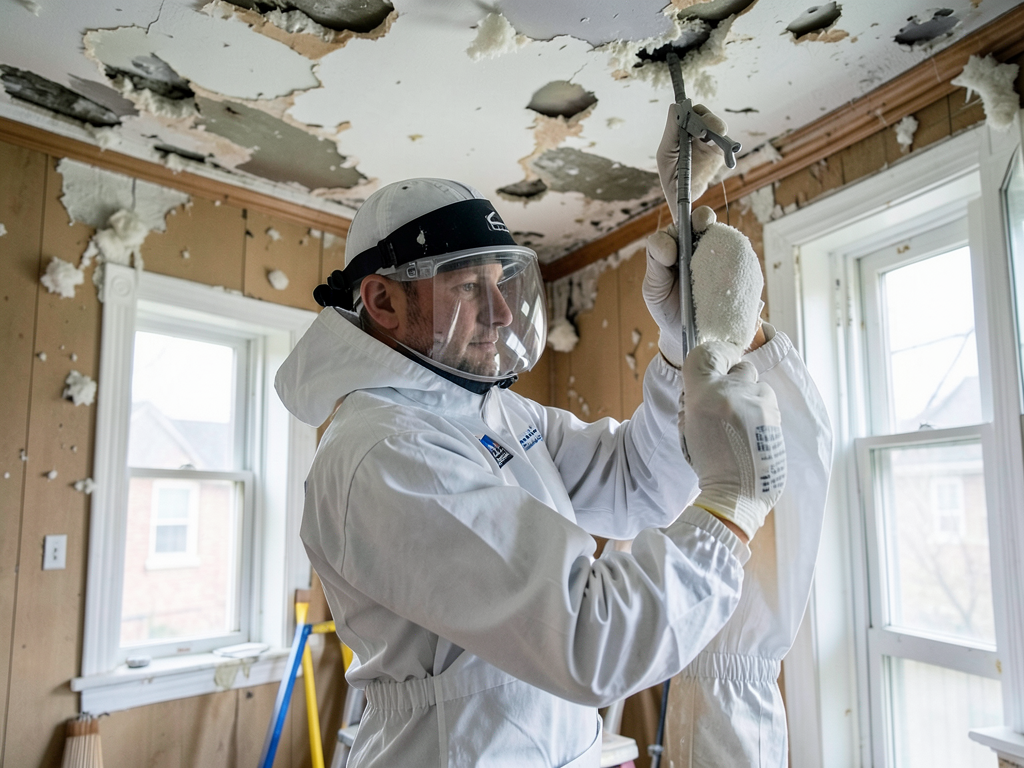
Why Asbestos Testing is Mandatory Before Restoring an Older West End Hartford Home Water damage in your West End Hartford home triggers more than just drying and cleanup. If your property was built before 1980…
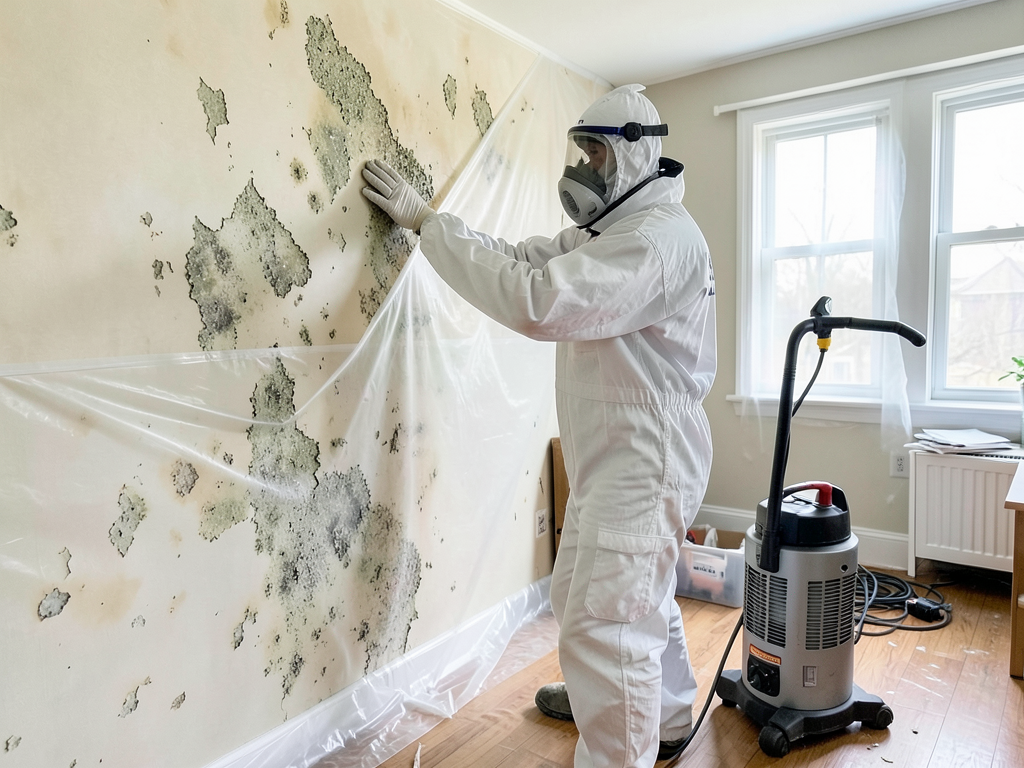
How to Tell if There is Mold Growing Under the Wallpaper in Your Older Newington…
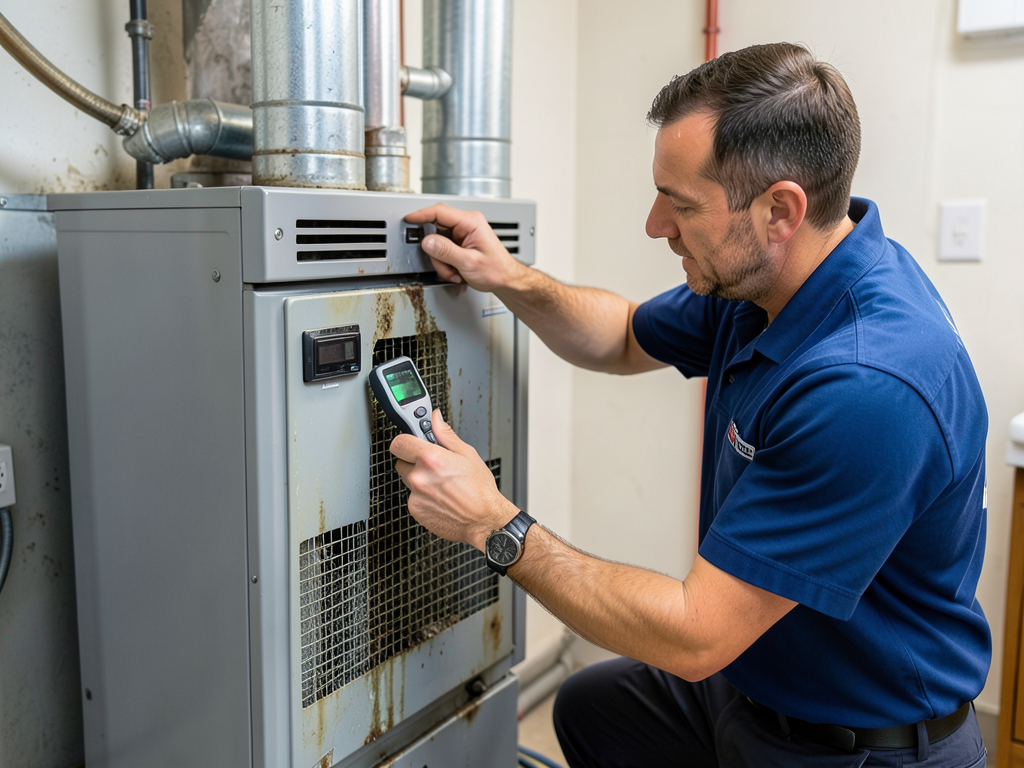
Why Your Whole-House Humidifier is Leaking and Ruining Your Simsbury Utility Room Your whole-house humidifier…
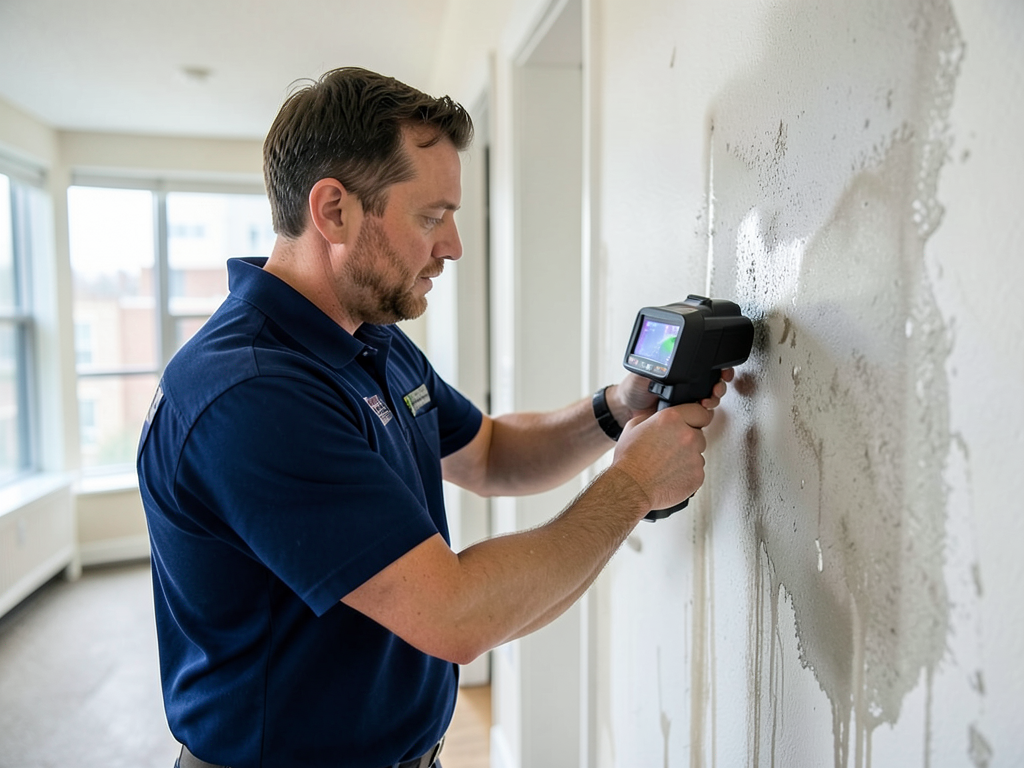
Tracking Down a Mystery Leak in a Blue Hills Multi-Story Condo Building Water damage in…
Do not wait while water spreads through your Farmington home. Call Crestline Water Damage Restoration Hartford now at (860) 743-9993. We answer 24 hours a day and dispatch immediately. Most homes see our crew in under 60 minutes. Fast response saves your property and cuts restoration costs in half.