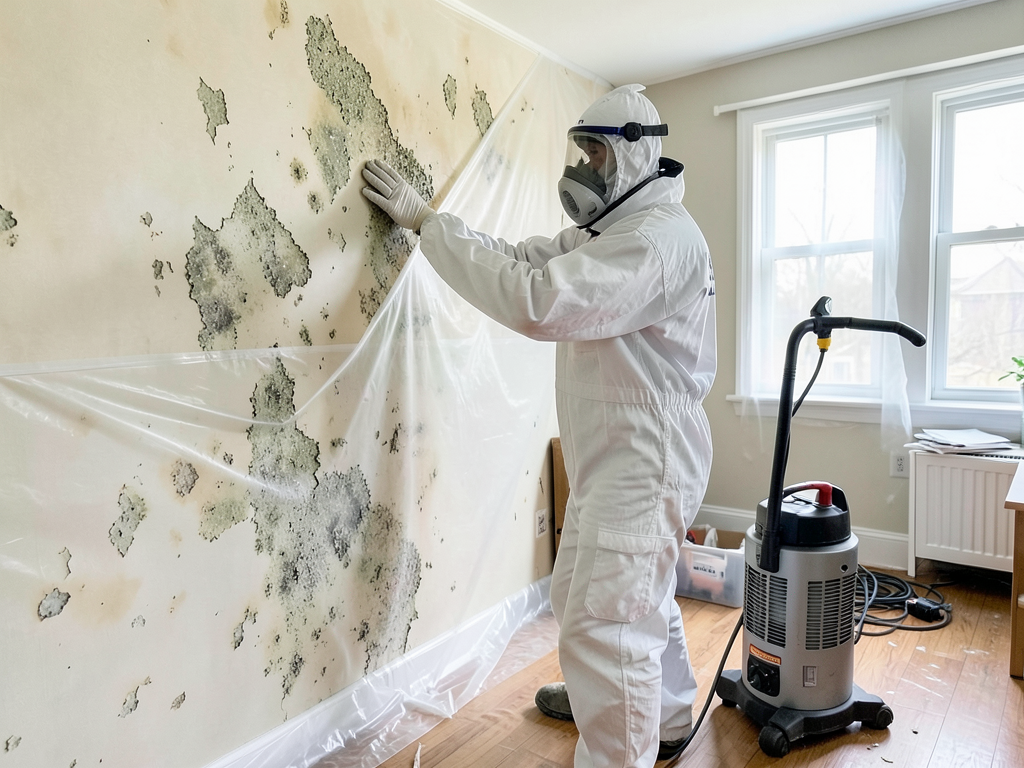


Hartford's position in the Connecticut River Valley creates a humidity trap during warm months. Summer dew points regularly exceed 65 degrees, keeping relative humidity above 70 percent even on sunny days. The city's historic housing stock, much of it built between 1880 and 1940, predates modern moisture barriers and forced-air ventilation systems. These older homes have rubble stone foundations that wick groundwater, uninsulated wall cavities where condensation forms, and attics with inadequate ventilation. When you combine high ambient humidity with poor moisture management in aging structures, black mold growth becomes inevitable after any water intrusion event, no matter how minor.
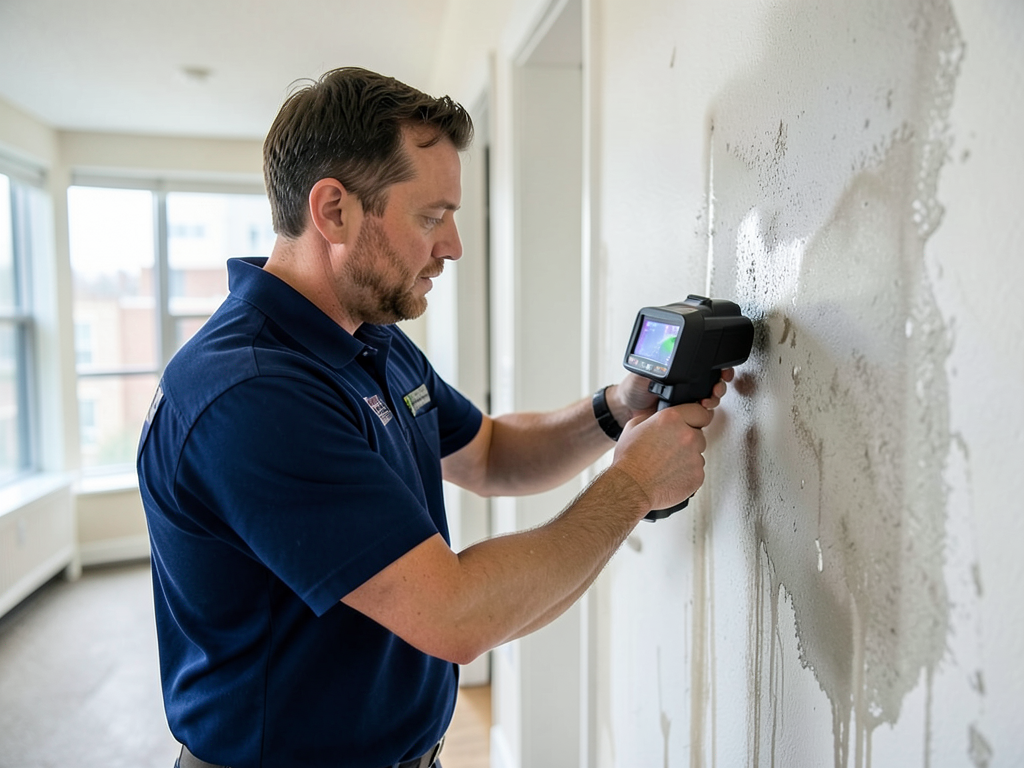
Crestline Water Damage Restoration Hartford has spent years working in the city's diverse neighborhoods, from the grand Victorians of Asylum Hill to the triple-deckers of the North End. We understand the specific vulnerabilities of each housing type and architectural era. We know how to navigate historic preservation requirements when working in designated districts. We maintain working relationships with local building inspectors and code enforcement officials, ensuring all remediation work meets current Connecticut building codes and EPA guidelines. When your family's health is at stake, you need specialists who know Hartford's unique challenges, not a national franchise reading from a generic checklist.