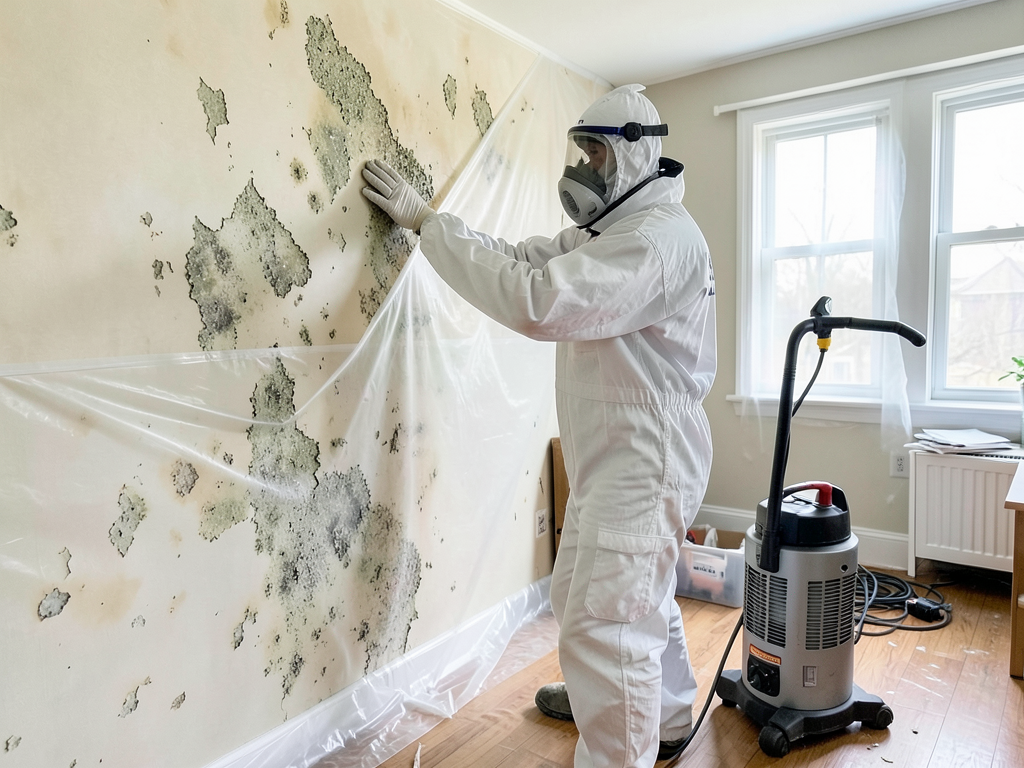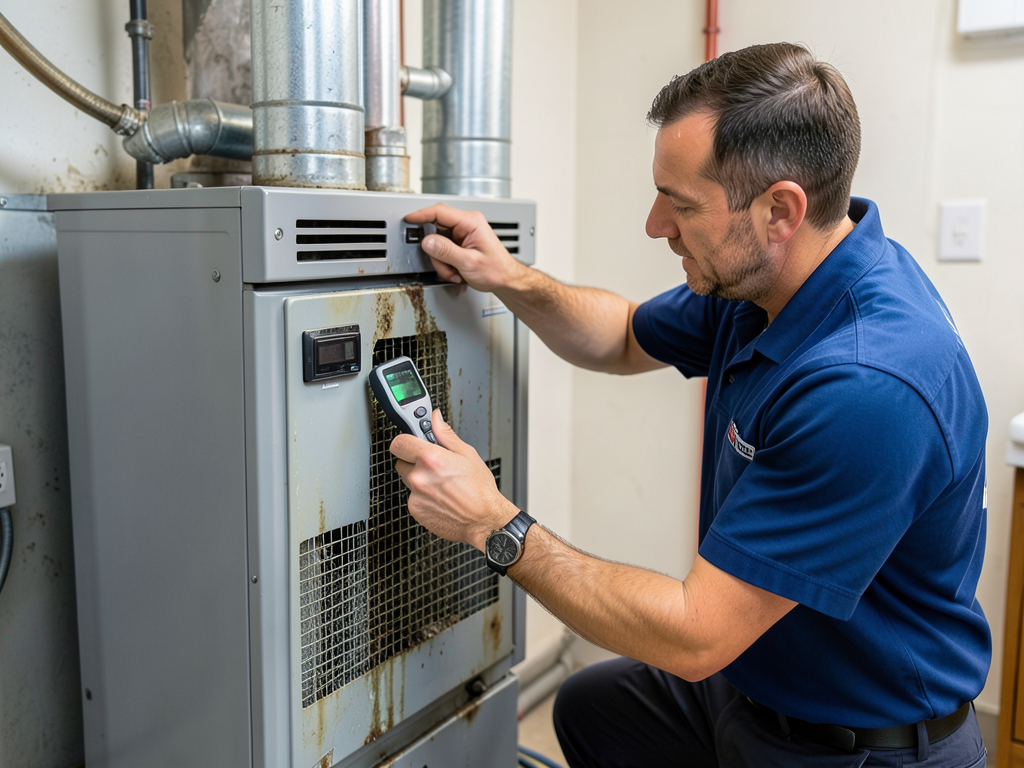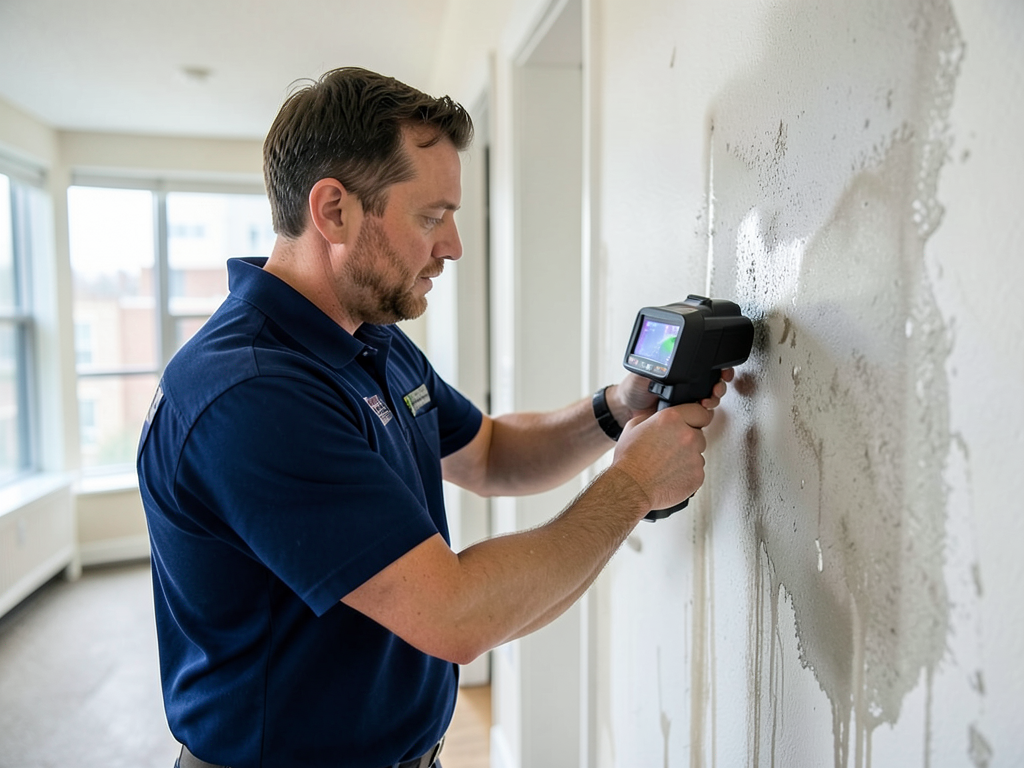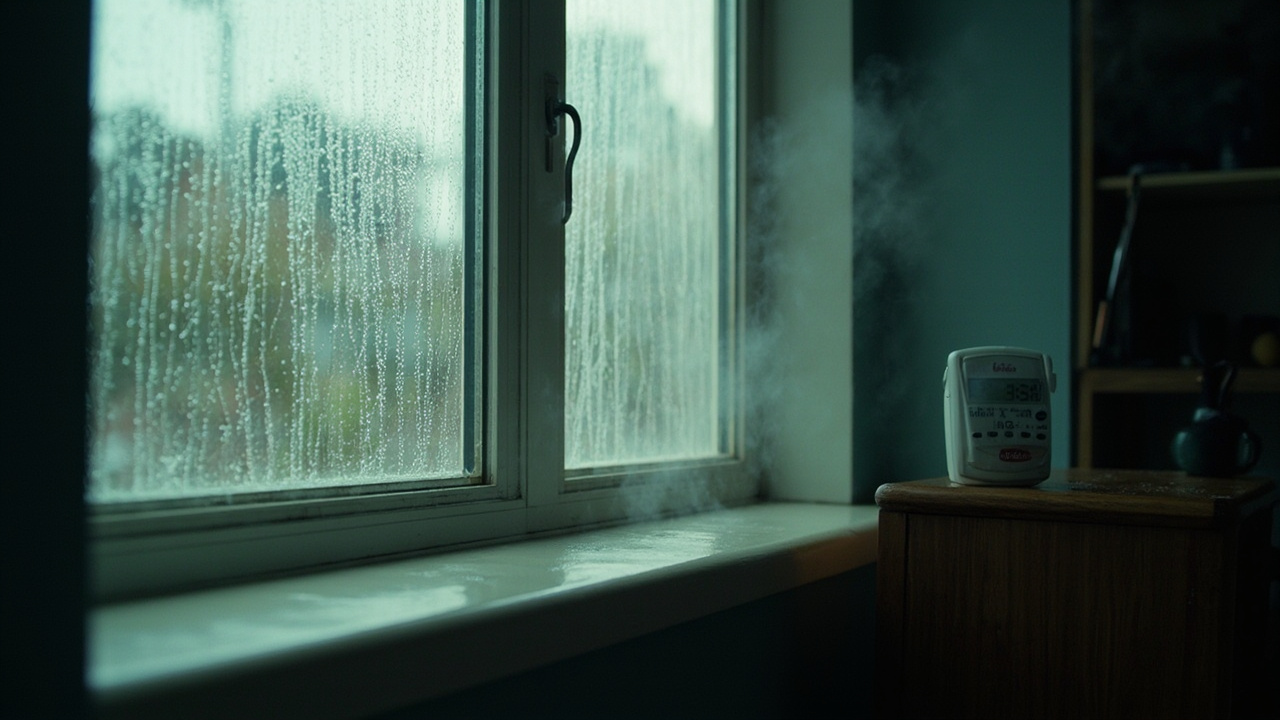


Hartford's position in the Connecticut River Valley creates a microclimate where humid air masses stagnate during summer months and temperature inversions trap moisture near ground level. The river itself acts as a massive evaporative source that keeps dew points elevated from June through September. When outdoor air hits 75 degrees with 70 percent relative humidity, infiltration through building envelopes brings that moisture indoors faster than most residential HVAC systems can remove it. Hartford's urban heat island effect compounds this by raising nighttime temperatures, which prevents natural ventilative cooling that would otherwise help dry out buildings. Older homes in neighborhoods like Asylum Hill and the West End lack the continuous air barriers and mechanical ventilation that current codes mandate, making them especially vulnerable to excessive indoor moisture accumulation.
Crestline Water Damage Restoration Hartford has worked with property owners throughout the Greater Hartford metro for years, building expertise in how local soil conditions, construction methods, and weather patterns interact to create indoor moisture problems. We understand Connecticut building codes and how recent energy code updates affect moisture management strategies. Our technicians train on the specific challenges Hartford housing stock presents, from balloon-framed Victorians with no vapor barriers to mid-century homes with undersized foundation drainage. That local knowledge means we diagnose problems faster and design corrections that account for Hartford's unique climate stressors. When you choose a local specialist, you get solutions engineered for your specific environment, not generic approaches transplanted from different climates.