menu

Basement Waterproofing Guide for Hartford Homeowners – Expert Methods to Protect Your Foundation From Connecticut's Freeze-Thaw Cycles

Learn proven basement sealing techniques and foundation waterproofing methods designed specifically for Hartford's challenging climate, from professionals who understand how Connecticut's seasonal weather patterns threaten your home's structural integrity.

Slider Image 1
Slider Image 2
Slider Image 3
Slider Image 4
Slider Image 5
Slider Image 7
Slider Image 8
Slider Image 9
Slider Image 10
Slider Image 11

Why Hartford Basements Face Unique Waterproofing Challenges

Hartford sits in a climate zone where freeze-thaw cycles wreak havoc on foundation walls. When temperatures drop below freezing in winter, then spike above 40 degrees the next week, groundwater in the soil expands and contracts repeatedly. This creates hydrostatic pressure against your foundation that forces water through microscopic cracks and porous concrete.

The Connecticut River Valley's clay-rich soil makes this worse. Clay holds moisture like a sponge. When spring rains saturate the ground around your foundation, that clay expands and pushes against basement walls with thousands of pounds of lateral force. You will see horizontal cracks, bowing walls, or water seeping through mortar joints between concrete blocks.

Hartford's older housing stock compounds the problem. Many homes in neighborhoods like Asylum Hill and West End were built before modern waterproofing standards existed. The fieldstone foundations common in pre-1950 homes lack proper drainage systems or vapor barriers. These structures were never designed to handle the water management challenges we face today.

Understanding how to waterproof a basement in Hartford means recognizing these specific threats. Generic wet basement solutions do not account for Connecticut's unique combination of freeze-thaw cycles, expansive clay soil, and aging infrastructure. You need foundation waterproofing methods that address the actual conditions your home faces, not cookie-cutter approaches designed for different climates.

The good news is that proper basement sealing techniques can protect your foundation for decades when applied correctly. This guide walks you through the leaky basement repair methods that work in Hartford's challenging environment.

Why Hartford Basements Face Unique Waterproofing Challenges
How Professional Waterproofing Systems Actually Work

How Professional Waterproofing Systems Actually Work

Effective basement waterproofing in Hartford requires a multi-layer approach. The first line of defense is exterior excavation and membrane application. We excavate down to the footer, clean the foundation wall, then apply a rubberized asphalt membrane or spray-on polymer coating. This creates a physical barrier that water cannot penetrate.

Next comes drainage plane installation. We install a dimpled drainage mat over the waterproof membrane. This creates an air gap where water can flow downward instead of sitting against your foundation. Groundwater follows the path of least resistance down to the perimeter drain system.

The perimeter drain, or footer drain, is a perforated pipe installed at the base of your foundation. It collects water from the drainage plane and directs it away from your home through solid pipe to daylight or a sump basin. In Hartford's clay soil, we use filter fabric around the drain pipe to prevent fine soil particles from clogging the perforations.

Interior waterproofing provides secondary protection. We install a sub-floor drainage system around the inside perimeter of your basement. This involves removing a 12-inch strip of concrete along the walls, installing perforated pipe in a gravel bed, then covering it with new concrete. Water that penetrates the wall drains into this system before it reaches your basement floor.

The sump pump is your final defense. In Hartford, we recommend battery backup systems because spring storms frequently cause power outages. A quality sump pump with backup power keeps your basement dry even when the grid goes down.

Crestline Water Damage Restoration Hartford uses this comprehensive approach because partial solutions fail. Applying waterproof paint without fixing drainage issues just traps moisture in your walls, accelerating freeze-thaw damage.

What Happens During Your Basement Waterproofing Project

Basement Waterproofing Guide for Hartford Homeowners – Expert Methods to Protect Your Foundation From Connecticut's Freeze-Thaw Cycles
01

Foundation Assessment

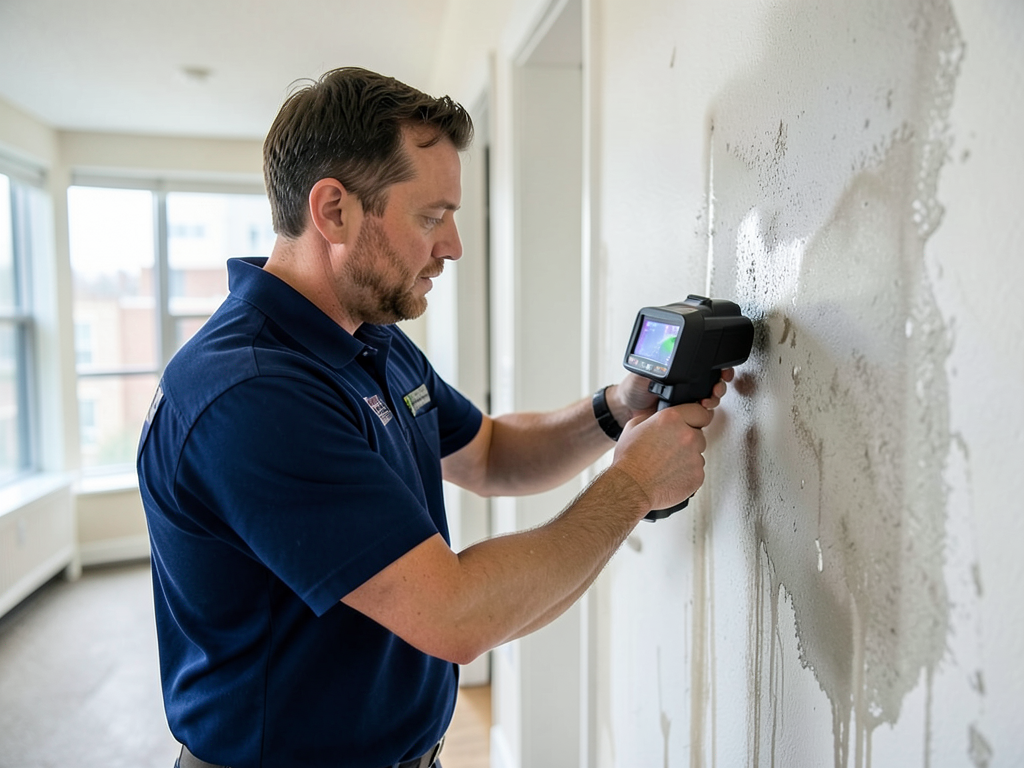
We start with a thorough inspection of your foundation walls, floor, and exterior grading. Using moisture meters and thermal imaging cameras, we identify active water entry points and hidden moisture patterns. We check for structural issues like bowing walls or settlement cracks that require repair before waterproofing. This diagnostic phase determines whether you need exterior excavation, interior drainage, or both. We also evaluate your current sump pump capacity and backup power needs.
02

System Installation

Installation begins with excavation or concrete removal, depending on your system design. We apply waterproof membranes to clean, prepared surfaces and install drainage components according to manufacturer specifications. All perimeter drains slope properly to ensure gravity flow to the sump basin or daylight exit. We test sump pump operation under simulated high-volume conditions. Throughout installation, we protect your landscaping and minimize disruption to your property. Most residential projects take three to five days to complete.
03

Quality Verification

After installation, we perform flood testing to verify system performance before backfilling or restoring concrete. We introduce water at multiple points along the drainage system to confirm proper flow rates and sump pump activation. You receive documentation of all materials installed, including product specifications and maintenance requirements. We walk you through the completed system, explaining how each component functions and what maintenance tasks you should perform annually to keep your basement dry.

Why Hartford Homeowners Trust Local Waterproofing Expertise

Basement waterproofing is not a one-size-fits-all service. The techniques that work in Arizona fail in Connecticut because our climate and soil conditions are completely different. You need contractors who understand Hartford's specific challenges and have solved them repeatedly in neighborhoods throughout the city.

Crestline Water Damage Restoration Hartford has waterproofed basements in every Hartford neighborhood from Downtown to Blue Hills. We know which streets have high water tables due to proximity to the Connecticut River. We understand how the bedrock depth varies across the city and how that affects drainage system design. We have worked on fieldstone foundations in Asylum Hill's Victorian homes and poured concrete foundations in newer West End construction.

This local knowledge matters when problems arise. When we excavate a foundation in Hartford, we expect to encounter certain soil conditions and groundwater patterns. We bring the right equipment and materials to the job because we have done this work hundreds of times in this city. National franchise operations send crews who learn about Connecticut conditions on your dime.

Hartford also has specific building codes for foundation work and drainage systems. Our team knows the permitting requirements and inspection protocols. We handle the paperwork and schedule inspections at the appropriate stages. You do not have to navigate city bureaucracy or worry about compliance issues.

We also maintain relationships with local structural engineers for situations where foundation damage requires professional engineering assessment. Cracks wider than a quarter-inch or walls that have moved more than two inches typically need engineered repair solutions before waterproofing. We coordinate these specialists seamlessly because we work with them regularly on Hartford projects.

Trust matters when someone is excavating around your foundation or cutting into your basement floor. You need contractors who show up when promised, protect your property, and stand behind their work after the job is complete.

What to Expect From Professional Basement Waterproofing

Project Timeline and Scheduling

Most residential basement waterproofing projects in Hartford take three to five days from start to finish. Exterior excavation projects require dry weather and accessible yard conditions. We schedule these jobs during late spring through early fall to avoid frozen ground and minimize landscape damage. Interior drainage systems can be installed year-round since weather does not affect the work. We provide detailed timelines during the estimate phase and coordinate around your schedule. Emergency waterproofing for flooded basements begins within hours of your call, with temporary water removal and damage mitigation starting immediately while we develop the permanent solution.

Initial Inspection and Cost Factors

Our initial assessment identifies all water entry points and determines the appropriate waterproofing strategy for your situation. We measure your foundation perimeter, evaluate soil conditions, check interior drainage options, and inspect structural integrity. This diagnostic process takes 60 to 90 minutes. Cost factors include foundation height, accessibility for excavation equipment, soil type, existing drainage systems, and whether structural repairs are needed before waterproofing. Properties with finished basements require additional work to protect or relocate utilities and remove wall sections. We provide detailed written estimates that break down labor, materials, and site-specific factors affecting your project cost.

Dry Basement Results

Properly installed waterproofing systems eliminate water entry and control humidity levels in your basement. You will notice drier air, no musty odors, and no water stains on walls or floors after heavy rain. The sump pump activates during wet periods, directing water away from your foundation before it enters your basement. Your basement becomes usable space you can finish or use for storage without worry. Dehumidifier operation becomes optional rather than mandatory. Property value increases because buyers recognize that foundation waterproofing protects their investment. Most importantly, you avoid the costly structural damage that results from chronic water exposure and freeze-thaw cycles in basement walls.

System Maintenance Requirements

Basement waterproofing systems require minimal maintenance when installed correctly. Test your sump pump quarterly by pouring water into the basin until the float activates the pump. Replace backup batteries every three to five years. Keep gutters clean and downspouts extended away from your foundation to reduce water volume reaching your drainage system. Inspect visible foundation walls annually for new cracks or water stains. Interior drainage systems rarely require maintenance beyond occasional sump basin cleaning. Exterior membranes and drainage mats last 30 to 50 years with no maintenance required. We provide maintenance checklists and are available for annual inspections if you prefer professional monitoring of your waterproofing system.

Frequently Asked Questions

You Have Questions,
We Have Answers

What is the best waterproofing method for basements? +

The best waterproofing method combines interior and exterior approaches. Exterior waterproofing with a dimpled membrane and proper drainage tile protects the foundation from outside hydrostatic pressure. Interior solutions include a perimeter drain system that channels water to a sump pump. In Hartford, where freeze-thaw cycles and clay soil create constant foundation movement, dual protection works best. French drains paired with vapor barriers address both surface water and humidity. No single method handles Hartford's wet springs and fluctuating water tables alone. A comprehensive system protects your investment long-term.

How much does it cost to waterproof a 1000 sq ft basement? +

Waterproofing a 1000 square foot basement varies widely based on the severity of water intrusion and chosen methods. Factors include soil conditions, existing foundation damage, sump pump installation, and whether exterior excavation is needed. In Hartford, clay soil and old foundation types add complexity. Interior drain systems cost less than full exterior excavation and membrane installation. Dehumidification and vapor barriers add to the total. Request a detailed inspection to identify your specific water entry points. Most Hartford homeowners find that proper diagnosis prevents overspending on unnecessary fixes.

What are common waterproofing mistakes? +

Common waterproofing mistakes include relying solely on interior paint sealers, which trap moisture inside foundation walls and cause spalling. Homeowners often ignore grading issues that direct water toward the foundation. Clogged or missing gutters dump thousands of gallons directly against basement walls. Installing a sump pump without a proper drain tile system just moves water around. In Hartford's older neighborhoods, homeowners patch cracks without addressing the root hydrostatic pressure. Skipping professional inspection means missing hidden issues like failing footer drains or deteriorated mortar joints that need immediate repair.

Why not use Drylok on basement walls? +

Drylok and similar masonry paints trap moisture inside foundation walls rather than stopping water entry. When hydrostatic pressure pushes groundwater through concrete, paint creates a vapor barrier on the wrong side. Trapped moisture causes efflorescence, spalling, and mold growth within the wall cavity. In Hartford, where basements face constant groundwater pressure from clay soil and seasonal water table changes, Drylok fails quickly. The paint peels or blisters as pressure builds. Proper waterproofing addresses water at the source through drainage systems and exterior membranes, not cosmetic interior coatings.

How Hartford's Connecticut River Valley Location Impacts Foundation Waterproofing

Hartford sits in the Connecticut River Valley where groundwater levels fluctuate dramatically between dry summer months and spring snowmelt periods. The valley's clay-heavy glacial till soil expands when saturated, creating lateral pressure against foundation walls that concrete was not designed to withstand. This soil also drains slowly, keeping foundations wet for extended periods after rain events. Properties closer to the Connecticut River or Park River face higher water tables and more aggressive hydrostatic pressure. Homes in the South End and Sheldon Charter Oak neighborhoods deal with these conditions most severely. Foundation waterproofing methods must account for both the volume of water and the soil mechanics specific to river valley locations.

Hartford's building codes require proper foundation drainage for new construction, but thousands of older homes were built before these standards existed. Working in Hartford's historic neighborhoods means understanding fieldstone foundations, brick basement walls, and construction techniques from the 1800s through mid-1900s. Crestline Water Damage Restoration Hartford has waterproofed basements in homes built across this entire timeline. We know which basement sealing techniques work with different foundation types and how to integrate modern drainage systems with period construction. This local expertise prevents the costly mistakes that occur when contractors apply generic solutions to Hartford's unique housing stock and challenging soil conditions.
Water Damage Restoration Services in The Hartford Area

Crestline Water Damage Restoration Hartford is strategically located to provide rapid and reliable service across the entire Hartford region and its surrounding communities. We invite you to view our service map to confirm that your property falls within our guaranteed service area, ensuring that a professional water damage expert is never far away when you need us most. We pride ourselves on the capability to reach your location quickly, a crucial factor in successful, timely mitigation and restoration.

Address:
Crestline Water Damage Restoration Hartford, 1916 Broad St, Hartford, CT, 06114

Additional Services We Offer

Our news updates

Latest Articles & News from The Blogs

Managing Winter Window Condensation to Prevent Rot in Your Northeast Hartford Victorian Winter condensation on your Northeast Hartford Victorian windows…

Managing Winter Window Condensation to Prevent Rot in Your Northeast Hartford Victorian

Managing Winter Window Condensation to Prevent Rot in Your Northeast Hartford Victorian Winter condensation on your Northeast Hartford Victorian windows…

Why Replacing Your Carpet Padding is Critical After a Leak in Your Bristol Home

Why Replacing Your Carpet Padding is Critical After a Leak in Your Bristol Home \n\n When water seeps into your…

Dealing with Water Damage in Your Mudroom Caused by Tracked-In Snow in West Hartford

Dealing with Water Damage in Your Mudroom Caused by Tracked-In Snow in West Hartford When melting snow from winter boots…

Contact Us

Stop water damage before it compromises your foundation. Call (860) 743-9993 now to schedule your comprehensive basement inspection. Crestline Water Damage Restoration Hartford provides detailed assessments and waterproofing solutions designed specifically for Connecticut River Valley conditions.