menu

Risks of DIY Water Cleanup in Hartford – Avoid Costly Mistakes with Expert Guidance

Understanding the dangers of DIY water damage restoration protects your Hartford home from structural failure, mold contamination, and insurance claim denials that cost thousands more than professional remediation.

Slider Image 1
Slider Image 2
Slider Image 3
Slider Image 4
Slider Image 5
Slider Image 7
Slider Image 8
Slider Image 9
Slider Image 10
Slider Image 11

Why DIY Water Cleanup Fails in Hartford Homes

You watched a YouTube video. You rented a wet vac from the hardware store. You think you saved money. Then three weeks later, you smell it. That earthy, musty odor creeping from behind the baseboards.

Hartford's climate creates a perfect storm for failed DIY water cleanup. Our humid summers, with average relative humidity above 70 percent, mean surface drying does not equal structural drying. Water migrates into wall cavities, subfloors, and insulation where you cannot see it. The freeze-thaw cycles we experience from November through March drive moisture deeper into building materials, expanding damage you thought you controlled.

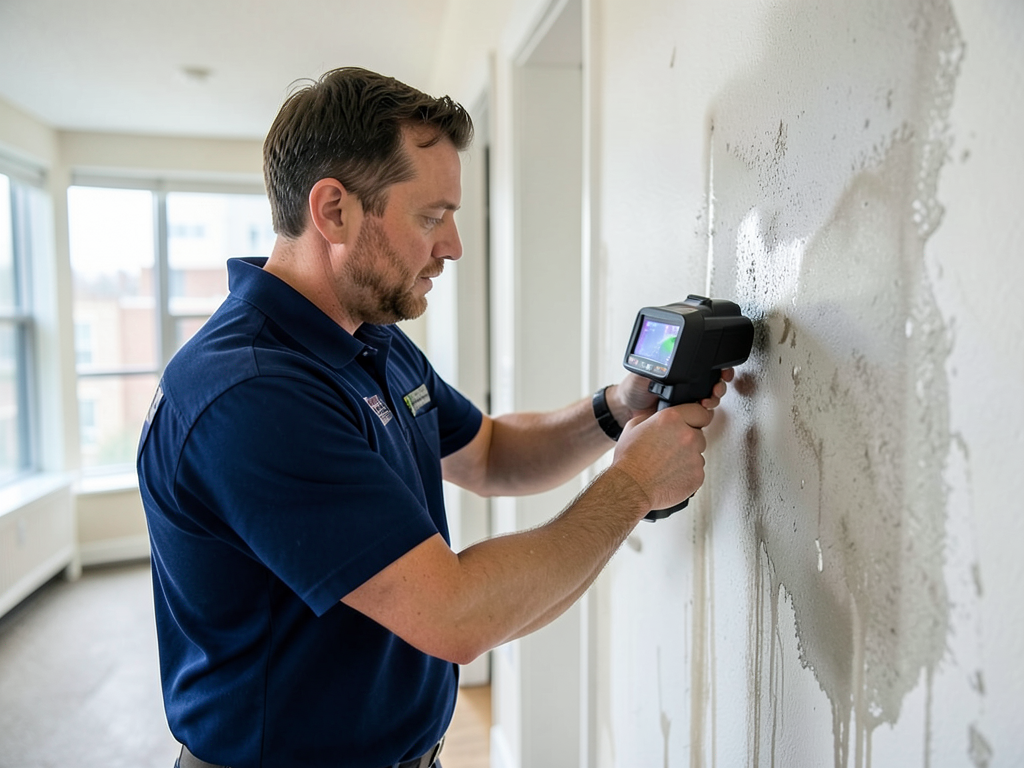
The dangers of DIY water damage restoration become clear when you understand what you cannot measure. Moisture meters detect saturation levels in lumber, drywall, and concrete. Thermal imaging cameras reveal hidden water migration patterns. Hygrometers track vapor pressure differentials that determine drying rates. Without this equipment, you are guessing.

The hazards of do-it-yourself water removal extend beyond equipment. You do not know if that water came from a clean source or a sewage backup. You do not know if your electrical system is safe to operate. You do not know if structural members have lost load-bearing capacity. The consequences of amateur water cleanup include electrocution, structural collapse, and exposure to category 2 or 3 water containing bacteria, viruses, and chemical contaminants.

The hidden risks of self-managed water mitigation show up when you file an insurance claim. Carriers require documentation of proper drying protocols. They want psychrometric charts, moisture mapping, and daily drying logs. Without professional documentation, they deny claims. The pitfalls of DIY water extraction turn a covered loss into an out-of-pocket catastrophe.

Why DIY Water Cleanup Fails in Hartford Homes
How Professional Water Damage Assessment Prevents Long-Term Failure

How Professional Water Damage Assessment Prevents Long-Term Failure

Professional water damage restoration follows IICRC S500 standards, the science-based protocol that insurance companies require for claim approval. This methodology addresses what homeowners miss during DIY attempts.

We start with moisture mapping using penetrating and non-penetrating meters. Pin-type meters measure moisture content in wood framing and subflooring. Non-invasive meters scan drywall and plaster without creating holes. We document readings in a floor plan overlay that shows saturation levels room by room, creating the baseline your insurance adjuster needs.

Thermal imaging reveals what your eyes cannot see. We scan walls, ceilings, and floors to identify temperature differentials that indicate trapped moisture. Cold spots show where water has migrated behind finished surfaces. This technology prevents the scenario where you paint over damp drywall, only to watch mold bloom through six months later.

Psychrometric calculations determine equipment placement and drying time. We measure temperature, relative humidity, and grains per pound to calculate vapor pressure. This tells us if we need refrigerant dehumidifiers, desiccant dehumidifiers, or a combination. We calculate air changes per hour to determine fan placement. We monitor daily to adjust equipment as conditions change.

We classify water by contamination level. Category 1 is clean water from supply lines. Category 2 is gray water from washing machines or dishwashers, containing biological and chemical contaminants. Category 3 is black water from sewage or flooding, requiring antimicrobial treatment and potentially material removal. Misidentifying water category leads to health hazards and incomplete remediation.

Structural drying focuses on building cavities, not just surfaces. We inject air into wall cavities, create negative pressure zones, and use specialized drying mats for hardwood floors. We dry to IICRC standards, not to appearance.

What Happens When You Call for Professional Water Damage Education

Risks of DIY Water Cleanup in Hartford – Avoid Costly Mistakes with Expert Guidance
01

Initial Risk Assessment

We evaluate your specific situation during the first contact. You describe what happened, how long water has been present, and what areas are affected. We ask about water source, electrical hazards, and structural concerns. This conversation determines if you face an emergency requiring immediate professional intervention or if you have time to make an informed decision. We explain the specific risks present in your situation without sales pressure.
02

Education and Documentation

We walk you through what professional remediation involves for your specific scenario. You learn what equipment is required, what industry standards apply, and what your insurance policy likely covers. We explain the difference between surface moisture and structural saturation, between microbial growth and microbial amplification. You receive information about psychrometric drying, antimicrobial protocols, and documentation requirements. This knowledge helps you make decisions that protect your property and your health.
03

Ongoing Resource Access

You gain access to expert guidance throughout your decision process. We answer questions about moisture monitoring, mold prevention, and insurance claim procedures. If you choose to proceed with DIY efforts for minor incidents, we provide realistic expectations about limitations and warning signs that indicate you need professional help. For significant water events, we explain why immediate professional intervention prevents exponentially larger problems. You make informed choices based on facts, not fear.

Why Hartford Homeowners Trust Crestline for Water Damage Expertise

Hartford homes present specific challenges that out-of-town restoration companies do not understand. Our historic neighborhoods feature plaster walls over wood lath, not drywall. These assemblies absorb water differently and require different drying techniques. We know that homes in the South End often have rubble foundations that wick groundwater during heavy rain. We understand that properties near the Connecticut River flood from below, creating hydrostatic pressure that conventional extraction cannot address.

We understand local building construction. Hartford experienced major building booms in the 1920s and post-war 1950s. These homes have balloon framing, knob-and-tube wiring, and cast iron plumbing. Water damage interacts with these systems differently than modern construction. We know which walls are load-bearing, where plumbing runs, and how to access wall cavities without destroying historic millwork.

Our relationship with local adjusters streamlines your insurance claim. We document using the software platforms Hartford-area carriers prefer. We speak the language of Xactimate line items and ESX moisture documentation. We understand Connecticut's insurance regulations and consumer protection statutes. This local knowledge prevents claim delays and denials.

We respond to Hartford's seasonal water damage patterns. Spring brings rapid snowmelt that overwhelms foundation drainage. Summer thunderstorms drop three inches in an hour, backing up sewer lines. Fall nor'easters bring sustained rain that finds every roof vulnerability. Winter freeze-thaw cycles burst pipes in exterior walls. We know what causes water damage in your neighborhood because we have seen it dozens of times before.

Crestline Water Damage Restoration Hartford maintains relationships with local contractors who understand historic restoration. When water damage requires reconstruction, we connect you with tradespeople who can match your original plaster, repair your hardwood floors, and restore your period details.

What Professional Water Damage Restoration Delivers

Immediate Response Capability

Water damage accelerates exponentially during the first 48 hours. Microbial growth begins within 24 to 48 hours under ideal conditions. Hardwood floors cup and buckle. Drywall wicks water upward through capillary action. We dispatch emergency response teams 24 hours a day, seven days a week. You call (860) 743-9993, and we arrive with truck-mounted extraction equipment, industrial dehumidifiers, and air movers. We stop additional damage while you are still deciding what to do. For Hartford residents, this means we reach most properties within 90 minutes of your call, even during overnight emergencies or weekend flooding events.

Comprehensive Damage Evaluation

Our initial assessment creates the roadmap for complete restoration. We document every affected area using moisture meters, thermal cameras, and detailed photography. We test for asbestos and lead paint in older Hartford homes before disturbing materials. We identify safety hazards including electrical risks, structural compromise, and contamination levels. You receive a written scope of work that explains what needs to happen, why it needs to happen, and what standards we follow. This evaluation includes psychrometric readings that establish baseline conditions for insurance documentation. We explain findings in plain language so you understand exactly what your home needs.

Verified Structural Drying

We dry your home to industry standards, not to visual appearance. Daily moisture monitoring tracks progress in all affected materials. We adjust equipment placement and dehumidification strategy based on psychrometric calculations. We create controlled drying environments using containment barriers when necessary. Hardwood floors receive specialized drying mats that extract moisture without causing additional cupping. Wall cavities get injected air circulation through small access points. We continue drying until moisture content reaches equilibrium moisture content for your materials and climate. You receive daily logs and final documentation showing your home meets IICRC standards for complete structural drying.

Insurance Claim Support

Insurance claim approval depends on proper documentation from the start. We photograph all damage before beginning work. We create detailed moisture maps showing affected areas. We document all equipment used, drying progress, and antimicrobial treatments. We provide psychrometric data that proves proper drying protocols. We communicate directly with your adjuster using their preferred documentation platforms. We create line-item estimates using Xactimate software that matches insurance company formatting. If disputes arise, we provide technical support explaining why specific procedures were necessary. This documentation protects you from claim denials based on incomplete remediation or improper methodology. We guide you through the entire claim process.

Frequently Asked Questions

You Have Questions,
We Have Answers

Can you do water remediation yourself? +

You can handle minor surface water from a small spill, but remediation means full structural drying, moisture mapping, and contamination control. Hartford homes with basements face hidden moisture in joists and subfloors that household fans cannot reach. You lack moisture meters, air movers, and dehumidifiers rated for extraction work. Missing hidden moisture creates mold growth within 48 hours. Professional equipment pulls water from wall cavities and beneath flooring. If the water came from a sewer backup, toilet overflow, or flood, contamination requires antimicrobial treatment. DIY work often leads to bigger insurance claims later when mold appears.

Can mold from water damage make you sick? +

Yes. Mold releases spores and mycotoxins that irritate your respiratory system, skin, and eyes. Hartford's humid summers accelerate mold growth after water damage. People with asthma, allergies, or weakened immune systems face severe reactions like breathing difficulty, chronic coughing, and sinus infections. Black mold, specifically Stachybotrys, produces toxins linked to neurological symptoms and lung inflammation. Children and elderly residents are most vulnerable. You cannot see mold growing inside walls or under floors, but you breathe the spores. If you smell musty odors or see discoloration after water damage, assume mold is present and get professional testing.

What is the average insurance payout for water damage? +

Most water damage claims in Connecticut range from $3,000 to $12,000, depending on the source and extent. A burst pipe claim averages $5,000 to $8,000, while basement flooding can exceed $15,000. Your payout depends on your coverage limits, deductible, and whether the damage was sudden or gradual. Hartford homeowners should review their policies annually because many exclude flood damage unless you carry separate NFIP coverage. Insurers reduce payouts if you delay mitigation or attempt DIY cleanup that worsens the damage. Always document everything with photos and get a professional assessment before filing.

How long can drywall be wet before mold? +

Drywall starts growing mold within 24 to 48 hours after saturation, especially in Hartford's humid climate. Paper backing on drywall is organic material that feeds mold spores already present in the air. If the water contained sewage or organic debris, contamination accelerates growth. Temperature matters too. Summer heat and trapped moisture inside walls create ideal conditions in under 36 hours. You cannot visually confirm drywall is dry. Professional moisture meters measure saturation levels behind the surface. Waiting even two days without drying equipment almost guarantees you will cut out and replace contaminated drywall later.

Can a DIY filter remove all contaminants? +

No. DIY filters like pitcher systems or basic carbon blocks remove chlorine taste and some sediments, but they do not eliminate bacteria, viruses, heavy metals, or chemical contaminants from floodwater or sewage backups. After water damage in Hartford, contaminated water can carry E. coli, pesticides from runoff, and industrial chemicals. Reverse osmosis systems handle more, but you need regular maintenance and testing. Boiling kills pathogens but leaves chemicals intact. Certified water restoration professionals test contamination levels and use commercial-grade filtration or recommend bottling until municipal lines flush clean. Never assume filtered water is safe after structural flooding.

Can I safely remove black mold myself? +

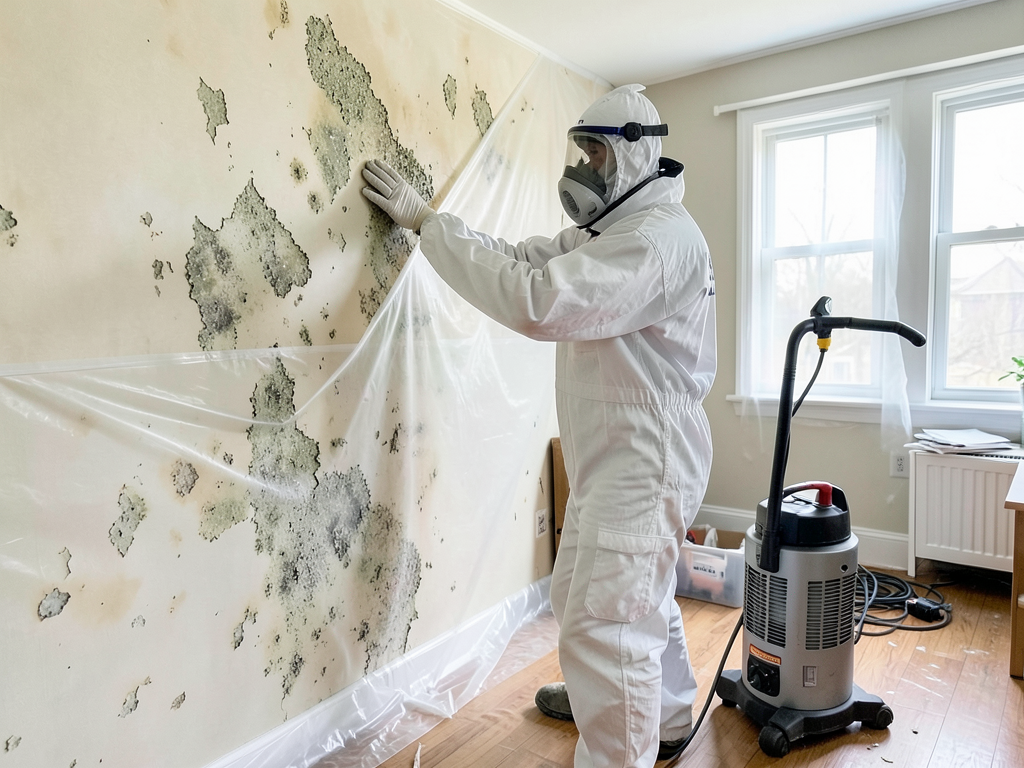
No. Black mold removal requires containment, protective equipment, and proper disposal methods you do not have at home. Scrubbing releases thousands of spores into the air, spreading contamination to other rooms. Hartford homes with older HVAC systems circulate spores throughout the building. You need an N95 respirator at minimum, but professionals use full respirators with HEPA filtration. Black mold often grows inside walls and under flooring where you cannot reach it. Bleach does not kill mold on porous surfaces like wood or drywall. Improper removal increases your health risks and fails to solve the moisture problem causing growth.

What are the 10 warning signs of mold toxicity? +

Watch for chronic fatigue, brain fog, difficulty concentrating, persistent headaches, sinus congestion, chronic coughing, skin rashes, joint pain, digestive issues, and increased sensitivity to light or sound. Hartford residents exposed to mold after water damage often mistake these symptoms for seasonal allergies or stress. Mold toxicity builds over weeks of exposure, especially in poorly ventilated basements common in older homes. Children may show behavioral changes or frequent respiratory infections. If multiple family members feel sick at home but better elsewhere, suspect mold. These symptoms require medical evaluation and professional mold testing, not DIY cleanup attempts.

How long before water damage becomes mold? +

Mold starts growing within 24 to 48 hours after water exposure, but visible colonies take three to five days. Hartford's summer humidity shortens this timeline. Spores are always present in the air, waiting for moisture and organic material like wood, drywall, or carpet padding. Temperature between 60 and 80 degrees accelerates growth. You may smell musty odors before seeing visible mold. Hidden growth inside wall cavities or beneath flooring often goes unnoticed for weeks. Every hour you delay professional drying increases the contaminated area. Once mold spreads beyond ten square feet, Connecticut guidelines recommend professional remediation.

How to test your home for mold? +

Buy a mold test kit from a hardware store or hire a certified mold inspector. DIY kits include swabs or air sampling plates you send to a lab, costing $10 to $50, but they only confirm mold presence, not the type or concentration. Professional inspections in Hartford run $300 to $600 and include moisture mapping, air quality testing, and species identification. Inspectors check hidden areas like crawl spaces, attic insulation, and behind appliances. Look for visible signs first like discoloration, peeling paint, or musty smells. If you recently had water damage, skip the DIY kit and get a full inspection.

What is the 80% rule in homeowners insurance? +

The 80% rule means you must insure your home for at least 80% of its replacement cost to receive full claim payouts. If your Hartford home costs $300,000 to rebuild and you only carry $200,000 coverage, the insurer reduces your payout proportionally, even on partial losses. This penalizes underinsured homeowners during water damage claims. Many Connecticut policies include this coinsurance clause. Your dwelling coverage should reflect current construction costs, not your purchase price. Review your policy annually because lumber, labor, and material costs in Hartford have increased significantly. Underinsuring saves premium dollars but costs thousands during claims.

Hartford's Historic Housing Stock Magnifies DIY Water Cleanup Risks

Hartford ranks among Connecticut's oldest cities, with more than 40 percent of housing stock built before 1950. These homes feature construction methods and materials that respond to water damage differently than modern buildings. Plaster walls absorb water like sponges, often requiring complete removal rather than drying. Balloon framing creates open wall cavities from foundation to attic, allowing water to migrate vertically through multiple floors. Original hardwood floors lack vapor barriers, meaning water penetrates subflooring and floor joists. The pitfalls of DIY water extraction multiply in these older structures because standard consumer equipment cannot address the hidden damage behind historic finishes and within structural cavities designed for a different era.

Connecticut requires water damage restoration contractors to follow specific protocols for lead paint and asbestos disturbance in pre-1978 homes. DIY cleanup in Hartford's older neighborhoods risks creating hazardous material violations that carry significant fines and health risks. Professional restoration companies working in Hartford maintain EPA Lead-Safe certification and understand Connecticut Department of Public Health asbestos regulations. We know which homes require testing before material removal. We understand notification requirements and containment protocols. This regulatory knowledge protects you from environmental violations while ensuring your family's safety during cleanup. Local expertise matters when the consequences of amateur water cleanup include regulatory penalties and long-term health exposure.
Water Damage Restoration Services in The Hartford Area

Crestline Water Damage Restoration Hartford is strategically located to provide rapid and reliable service across the entire Hartford region and its surrounding communities. We invite you to view our service map to confirm that your property falls within our guaranteed service area, ensuring that a professional water damage expert is never far away when you need us most. We pride ourselves on the capability to reach your location quickly, a crucial factor in successful, timely mitigation and restoration.

Address:
Crestline Water Damage Restoration Hartford, 1916 Broad St, Hartford, CT, 06114

Additional Services We Offer

Our news updates

Latest Articles & News from The Blogs

Managing Winter Window Condensation to Prevent Rot in Your Northeast Hartford Victorian Winter condensation on your Northeast Hartford Victorian windows…

Managing Winter Window Condensation to Prevent Rot in Your Northeast Hartford Victorian

Managing Winter Window Condensation to Prevent Rot in Your Northeast Hartford Victorian Winter condensation on your Northeast Hartford Victorian windows…

Why Replacing Your Carpet Padding is Critical After a Leak in Your Bristol Home

Why Replacing Your Carpet Padding is Critical After a Leak in Your Bristol Home \n\n When water seeps into your…

Dealing with Water Damage in Your Mudroom Caused by Tracked-In Snow in West Hartford

Dealing with Water Damage in Your Mudroom Caused by Tracked-In Snow in West Hartford When melting snow from winter boots…

Contact Us

Do not let DIY water cleanup destroy your Hartford home's value and safety. Call (860) 743-9993 now for a professional assessment. We answer your questions, explain your options, and provide the expertise that protects your property and your investment.