menu

Fire Damage Safety Checklist in Hartford – Protect Your Family from Hidden Post-Fire Hazards

Our comprehensive fire damage safety protocol helps Hartford residents identify structural dangers, toxic residue, and water damage risks before re-entering your home after a fire.

Slider Image 1
Slider Image 2
Slider Image 3
Slider Image 4
Slider Image 5
Slider Image 7
Slider Image 8
Slider Image 9
Slider Image 10
Slider Image 11

Why Hartford Homes Face Unique Post-Fire Risks

After the fire trucks leave, your real problems begin. Hartford homeowners face a dangerous combination of post-fire hazards that many overlook in the rush to salvage belongings.

The city's older housing stock, concentrated in neighborhoods like Asylum Hill and Frog Hollow, contains construction materials that release toxic compounds when burned. Asbestos insulation, lead paint, and treated lumber create carcinogenic ash that settles on every surface. You cannot see it, but you can inhale it.

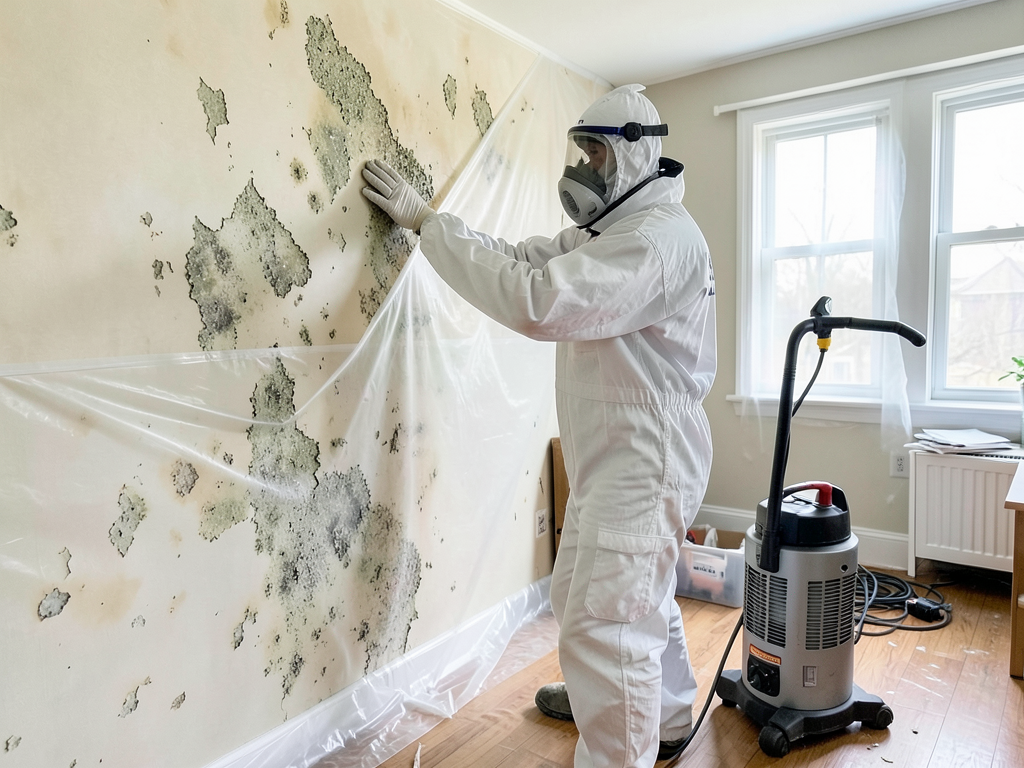
Hartford's proximity to the Connecticut River also means high ambient humidity. Fire suppression water soaks into wood framing, drywall, and insulation. Within 48 hours, mold colonization begins. The same moisture that helped firefighters save your structure now feeds fungal growth in wall cavities and beneath flooring.

Post-fire safety steps must account for structural compromise. Heat weakens floor joists and roof trusses without visible damage. The freeze-thaw cycles common to Hartford winters accelerate deterioration in fire-damaged masonry and foundations. What looks stable today can collapse tomorrow.

After fire safety precautions require professional assessment before re-entry. Soot contains acids that corrode metal, etch glass, and permanently stain porous materials. The longer it sits, the deeper it penetrates. Insurance companies require documentation of all damage before cleanup begins, but waiting too long allows secondary damage to compound your losses.

A post-fire hazard checklist addresses these interconnected risks systematically. You need a fire recovery safety guide specific to Hartford's climate and building codes. Generic advice from national websites does not account for local variables that determine whether your home is safe to enter or destined for demolition.

Why Hartford Homes Face Unique Post-Fire Risks
How Professional Fire Damage Assessment Works

How Professional Fire Damage Assessment Works

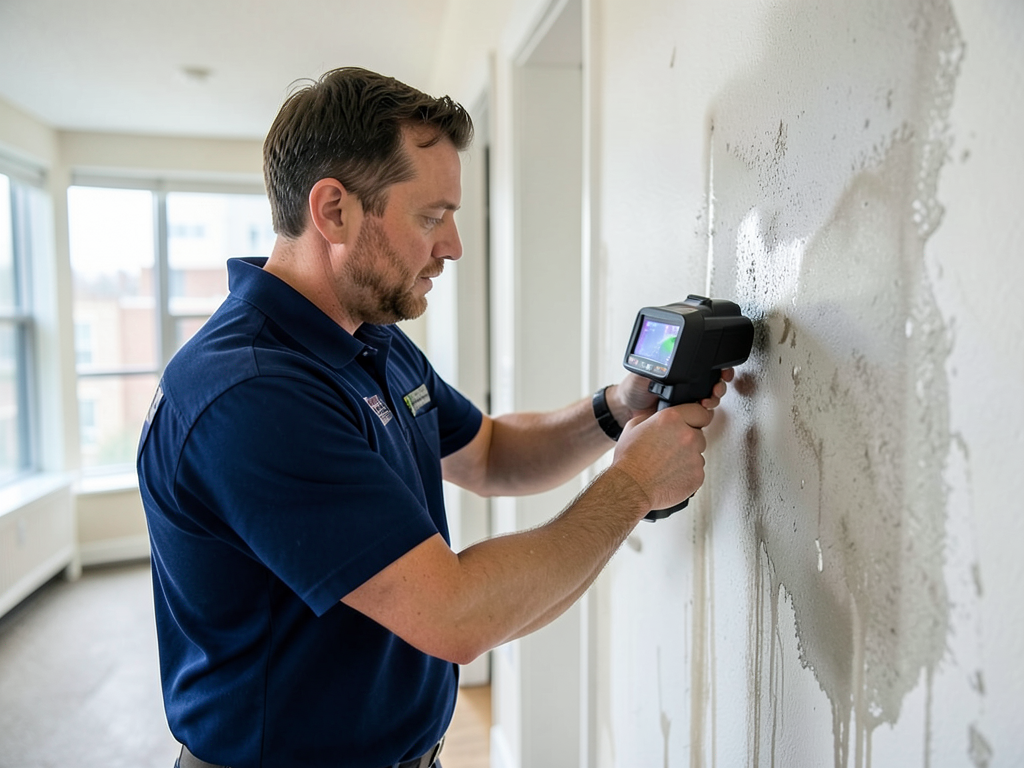
Professional fire damage safety protocol begins with a structural integrity evaluation. We do not enter until we confirm load-bearing members have not been compromised. Thermal imaging cameras identify heat damage hidden behind intact surfaces. Floor joists that appear solid may have lost 60% of their strength.

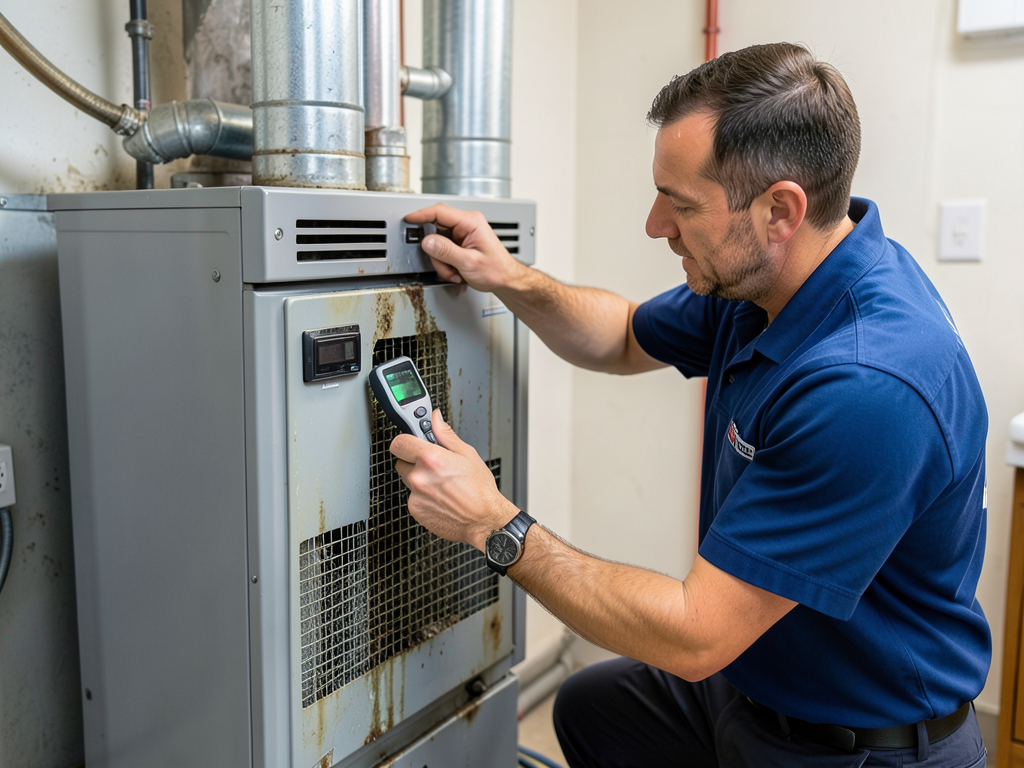
Next comes air quality testing. Particulate matter, volatile organic compounds, and carbon monoxide linger long after visible smoke clears. We use calibrated meters to measure toxicity levels. If readings exceed OSHA workplace exposure limits, the space is not safe for occupancy. This data becomes critical for insurance claims and liability protection.

Water extraction happens simultaneously with safety assessment. Fire suppression can dump hundreds of gallons into your home. Standing water in basements and crawl spaces creates immediate electrical hazards. We map moisture content in framing, insulation, and subflooring using penetrating moisture meters. Anything above 18% moisture content will grow mold.

Soot and ash sampling identifies the specific materials that burned. Synthetic materials create toxic residue requiring hazmat protocols. Natural materials produce different contamination profiles. Testing determines whether surfaces can be cleaned or must be removed entirely. This distinction affects both cost and timeline.

Photographic documentation creates an irrefutable record for insurers and restoration planning. We catalog every room from multiple angles, tag damaged items, and note all safety hazards. This evidence prevents disputes during claims processing.

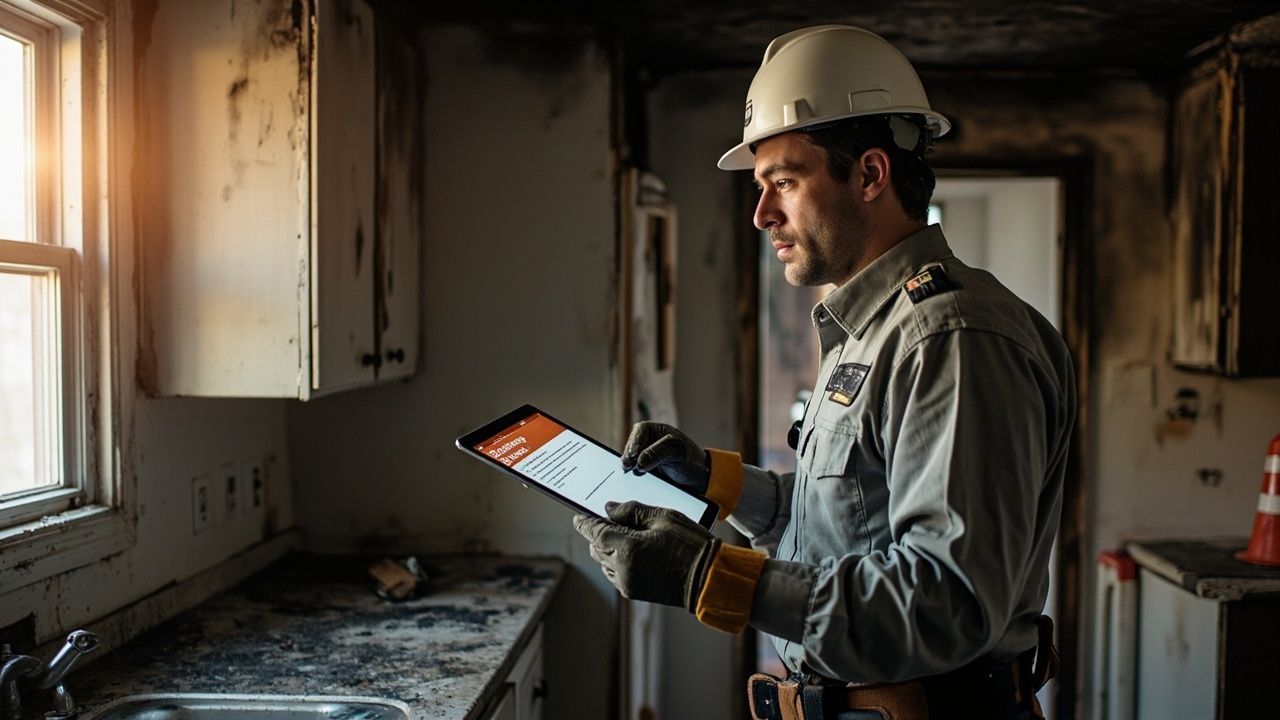
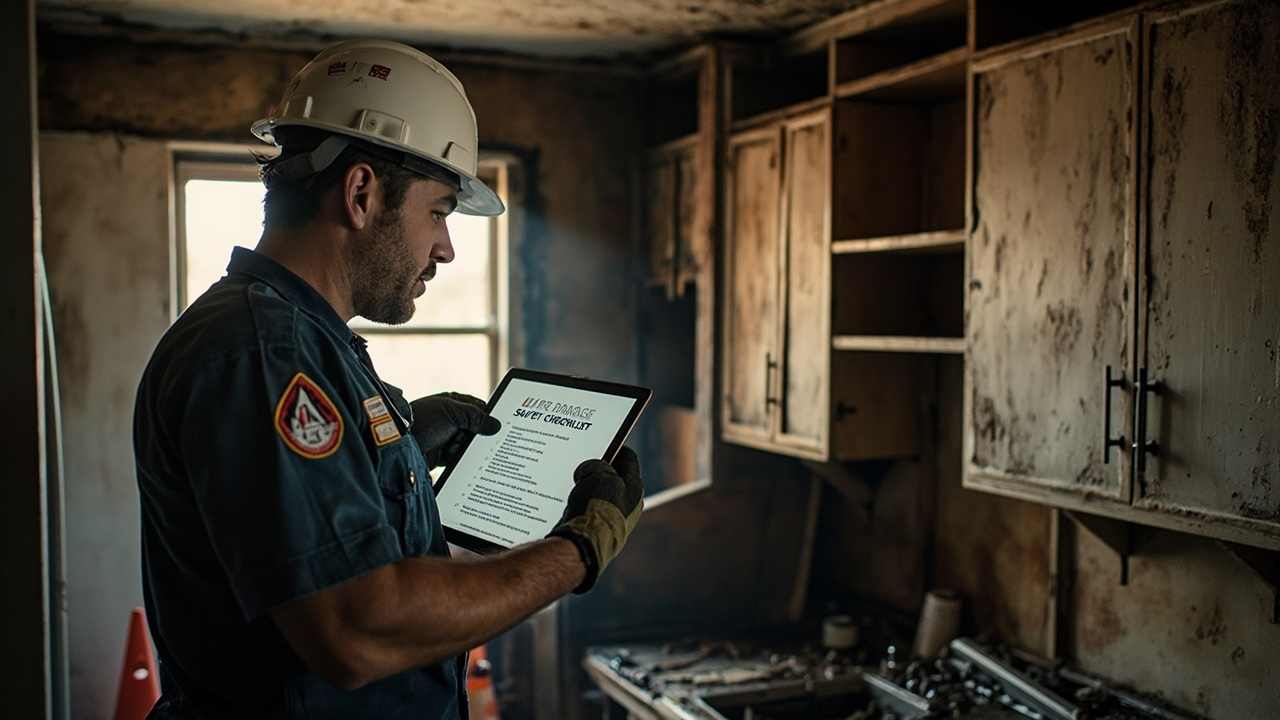
The fire damage safety protocol culminates in a written report ranking hazards by severity. Immediate dangers get flagged for emergency remediation. Secondary concerns receive prioritized timelines. You get a clear roadmap from uninhabitable wreckage to safe occupancy, with no guesswork about what happens next.

Your Post-Fire Safety Assessment Process

Fire Damage Safety Checklist in Hartford – Protect Your Family from Hidden Post-Fire Hazards
01

Emergency Contact and Coordination

You call our emergency line immediately after the fire department clears the scene. We coordinate with Hartford Fire Department incident reports and your insurance adjuster. Within two hours, our certified technician arrives to perform perimeter assessment and document initial conditions. We secure the property against weather intrusion and unauthorized entry while planning safe interior access. You receive preliminary hazard identification before anyone enters the structure.
02

Comprehensive Hazard Mapping

Our team conducts room-by-room evaluation using thermal imaging, moisture detection, and air quality monitoring equipment. We identify structural weak points, water migration paths, and toxic residue concentrations. Every hazard gets photographed, measured, and cataloged in our digital reporting system. You receive real-time updates as we discover risks. This phase typically takes three to five hours depending on home size and damage severity. The resulting hazard map guides all subsequent remediation work.
03

Safety Clearance and Action Plan

We deliver a written fire recovery safety guide specific to your property. The report categorizes hazards as critical, urgent, or routine. Critical items require immediate professional intervention before any occupancy. Urgent concerns need resolution within 72 hours to prevent escalation. Routine issues can wait for scheduled restoration. You get clear timelines, cost factors for each remediation phase, and written safety clearance once all critical hazards are mitigated. This document satisfies insurance requirements and protects your family.

Why Hartford Homeowners Trust Our Fire Safety Expertise

Hartford's building codes present unique challenges after fire damage. The city's Historic District regulations require specialized restoration approaches that preserve architectural integrity while meeting modern safety standards. We understand the difference between what can be salvaged and what must be replaced under local ordinances.

Our technicians train specifically on the hazards common to Hartford's housing stock. Homes built before 1980 contain materials that modern construction no longer uses. We recognize vermiculite insulation that may contain asbestos, identify lead-based paint on trim and doors, and spot knob-and-tube wiring that fire compromises. This expertise prevents costly mistakes that general contractors make when they treat fire damage like routine renovation.

We maintain direct relationships with Hartford building inspectors and fire marshals. When your assessment requires official sign-off before insurance releases funds, we know exactly which documentation satisfies local requirements. This eliminates delays that keep you out of your home longer than necessary.

Insurance companies recognize our reports because we follow IICRC fire restoration standards. Our documentation includes all the data adjusters need to approve claims without endless back-and-forth. You get fair settlements faster when professionals handle the technical assessment.

Response time matters when secondary damage compounds hourly. We dispatch from our Hartford facility, not a regional call center three counties away. You get an actual technician on-site, not a phone estimate or a subcontractor who shows up eventually.

Post-fire hazards demand expertise you cannot improvise. Crestline Water Damage Restoration Hartford combines local building code knowledge with advanced diagnostic equipment. We identify risks that untrained eyes miss, document everything insurers require, and deliver safety clearance you can trust before your family re-enters your home.

What Your Fire Safety Assessment Includes

Emergency Response Timeline

We arrive within two hours of your call, any time of day or night. Initial perimeter assessment takes 30 minutes. Full interior evaluation requires three to five hours depending on home size and fire severity. You receive preliminary findings on-site before we leave. Written reports with photographic documentation arrive within 24 hours. Critical hazards get flagged immediately so you understand what dangers exist before anyone enters. We work around fire marshal investigations and insurance adjuster schedules to minimize delays in your recovery timeline.

Complete Property Evaluation

Our assessment covers structural integrity, air quality, water damage, electrical safety, and toxic residue contamination. We test load-bearing members with non-destructive methods, measure airborne particulates and gases, map moisture content throughout framing and finishes, verify electrical systems are de-energized and safe, and sample soot for hazardous material content. Every room receives individual attention. Attics, crawl spaces, and utility areas get the same scrutiny as living spaces. You receive measured data, not subjective opinions. Our equipment provides objective readings that satisfy insurance requirements and protect your liability.

Detailed Safety Clearance Documentation

Your written report includes room-by-room hazard inventories, prioritized remediation recommendations, photographic evidence of all damage and safety concerns, moisture readings and mold risk assessment, air quality test results, structural integrity evaluation, and insurance claim support documentation. We categorize every issue by urgency so you know what must happen immediately versus what can wait. The report includes vendor recommendations for specialized work like asbestos abatement or structural engineering when needed. You get a complete roadmap from current conditions to safe occupancy, with no ambiguity about next steps.

Ongoing Monitoring and Re-Inspection

Fire damage creates evolving hazards. We provide follow-up inspections as remediation progresses to verify safety improvements. Moisture levels require monitoring for weeks after water extraction to confirm drying is complete. Air quality needs re-testing after soot removal to verify toxins are eliminated. We return for scheduled re-inspections at no additional charge until you receive final safety clearance. If new concerns emerge during restoration work, we assess them immediately. You maintain direct contact with the technician who performed your initial evaluation. This continuity prevents miscommunication and ensures consistent standards throughout your recovery process.

Frequently Asked Questions

You Have Questions,
We Have Answers

How Hartford's Older Housing Stock Complicates Fire Recovery Safety

Hartford's residential areas feature homes built primarily between 1890 and 1960. These structures contain building materials that modern fire codes prohibit. When exposed to fire, asbestos insulation releases microscopic fibers that cause mesothelioma. Lead paint on woodwork vaporizes and settles as toxic dust. Tar-based roofing materials create carcinogenic residue. Your post-fire safety checklist must account for these hazards specific to Hartford's housing age profile. Testing identifies which contaminants are present so remediation follows proper protocols. Skip this step and you expose your family to long-term health risks that do not appear for decades.

Hartford building code enforcement requires permits for structural repairs after fire damage. Inspectors verify that restoration work meets current safety standards even when repairing older construction. Our familiarity with local permitting processes prevents costly delays. We document fire damage in formats that Hartford building officials require for permit approval. Insurance companies will not release full claim payments until you provide proof that repairs comply with local codes. Working with restoration professionals who understand Hartford's specific requirements protects both your safety and your financial recovery. Generic fire damage advice from national websites cannot address the local regulatory environment that determines whether your home passes final inspection.
Water Damage Restoration Services in The Hartford Area

Crestline Water Damage Restoration Hartford is strategically located to provide rapid and reliable service across the entire Hartford region and its surrounding communities. We invite you to view our service map to confirm that your property falls within our guaranteed service area, ensuring that a professional water damage expert is never far away when you need us most. We pride ourselves on the capability to reach your location quickly, a crucial factor in successful, timely mitigation and restoration.

Address:
Crestline Water Damage Restoration Hartford, 1916 Broad St, Hartford, CT, 06114

Additional Services We Offer

Our news updates

Latest Articles & News from The Blogs

Managing Winter Window Condensation to Prevent Rot in Your Northeast Hartford Victorian Winter condensation on your Northeast Hartford Victorian windows…

Managing Winter Window Condensation to Prevent Rot in Your Northeast Hartford Victorian

Managing Winter Window Condensation to Prevent Rot in Your Northeast Hartford Victorian Winter condensation on your Northeast Hartford Victorian windows…

Why Replacing Your Carpet Padding is Critical After a Leak in Your Bristol Home

Why Replacing Your Carpet Padding is Critical After a Leak in Your Bristol Home \n\n When water seeps into your…

Dealing with Water Damage in Your Mudroom Caused by Tracked-In Snow in West Hartford

Dealing with Water Damage in Your Mudroom Caused by Tracked-In Snow in West Hartford When melting snow from winter boots…

Contact Us

Do not risk your family's safety on guesswork. Call Crestline Water Damage Restoration Hartford now at (860) 743-9993 for immediate fire damage assessment. We provide comprehensive hazard evaluation, insurance documentation, and written safety clearance so you know exactly when your home is safe to re-enter.