menu

Swollen Baseboards & Trim in Hartford – Expert Diagnosis and Permanent Repair for Water Damaged Woodwork

Crestline Water Damage Restoration Hartford identifies the hidden moisture source causing your swollen baseboards and replaces damaged trim with precision, preventing mold growth and structural compromise in your Hartford home.

Slider Image 1
Slider Image 2
Slider Image 3
Slider Image 4
Slider Image 5
Slider Image 7
Slider Image 8
Slider Image 9
Slider Image 10
Slider Image 11

Why Hartford Homes Develop Swollen Baseboards and Warped Trim

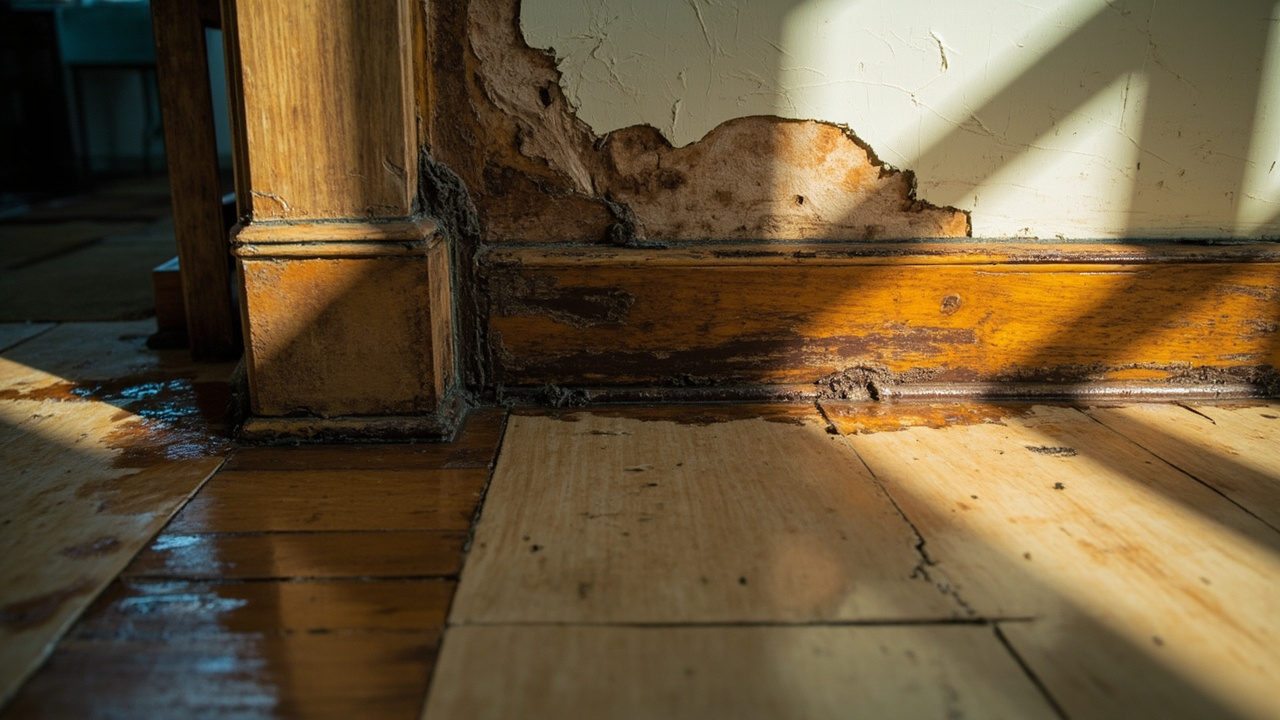
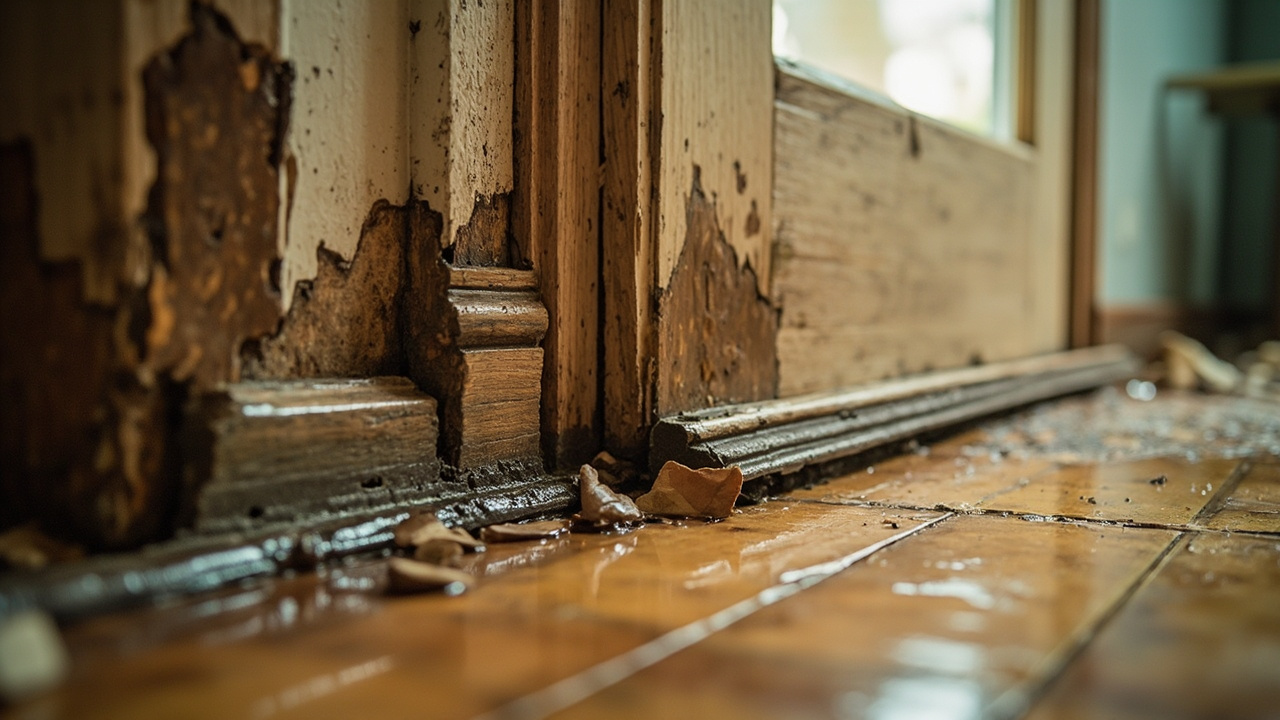
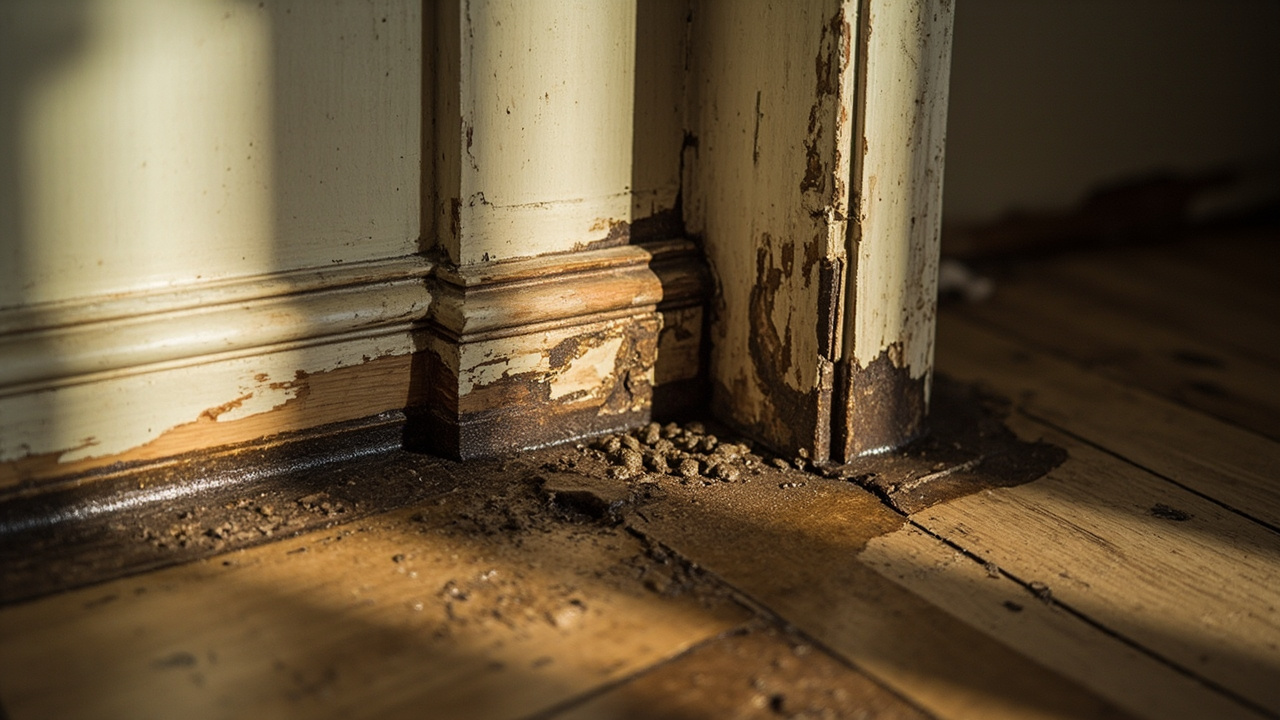
You notice the gap between your baseboard and the wall has widened. The paint is bubbling. The MDF trim feels spongy when you press it. This is not cosmetic damage. This is active moisture intrusion, and in Hartford, it happens fast.

Hartford's climate creates the perfect storm for water damaged baseboards. Winter freeze-thaw cycles stress foundation walls, creating hairline cracks that channel groundwater into finished basements. Spring storms overwhelm aging gutter systems on Colonial-era homes throughout the West End and Asylum Hill neighborhoods. Summer humidity in poorly ventilated crawlspaces condenses against cool foundation walls, wicking moisture up into floor joists and base trim.

Most Hartford homes were built before modern moisture barriers existed. Many still have original plaster walls that hide plumbing leaks for weeks before you see warped baseboard molding in the bathroom or kitchen. By the time you notice expanded MDF trim, the drywall behind it is already saturated.

The real danger is not the bloated wood trim you can see. It is the hidden damage you cannot. Moisture swollen baseboards signal that water has been present long enough to saturate porous materials. That same moisture feeds mold colonies behind walls and rots floor joists where they meet foundation sills.

Hartford homeowners often mistake swollen trim for poor installation or normal settling. They caulk the gaps or repaint the bubbled sections. This traps moisture inside the wall cavity and accelerates decay. The correct response is immediate moisture mapping and source elimination, not cosmetic patches.

Why Hartford Homes Develop Swollen Baseboards and Warped Trim
How We Locate and Eliminate the Moisture Source Before Replacing Trim

How We Locate and Eliminate the Moisture Source Before Replacing Trim

Swollen baseboards are a symptom, not the disease. Replacing warped trim without eliminating the moisture source guarantees the problem returns within months. Our approach addresses both.

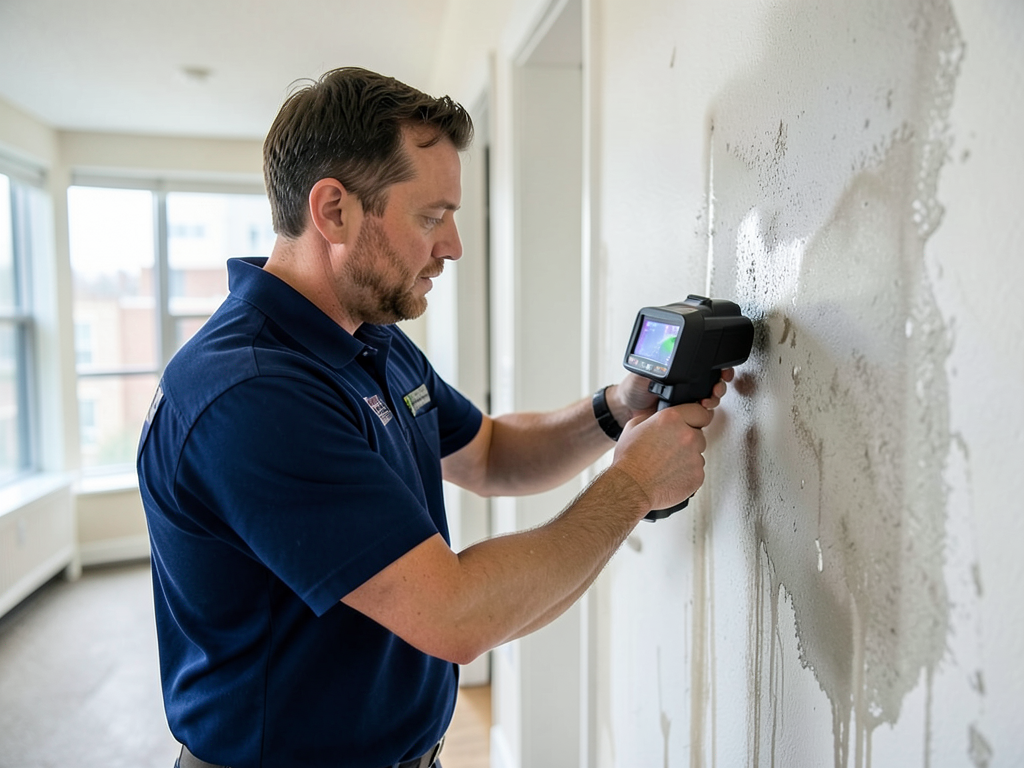
We start with thermal imaging and moisture meters to map the extent of saturation behind your walls. Most contractors only look at the visible damage. We trace the moisture back to its origin, whether that is a foundation crack, a leaking supply line, or condensation from an improperly vented bathroom exhaust fan.

Hartford's housing stock presents unique challenges. Many homes have rubble stone foundations with no interior drainage system. Water seeps through mortar joints during heavy rain and pools against the interior foundation wall. We identify these patterns by measuring moisture gradients at multiple wall heights and correlating them with exterior grading and drainage patterns.

Once we locate the source, we correct it before touching the trim. This might mean sealing foundation cracks with hydraulic cement, rerouting a bathroom vent to exhaust outside rather than into the attic, or installing a perimeter drainage channel in a chronic basement moisture situation.

Only after confirming the wall cavity is drying properly do we remove damaged materials. We cut back drywall and insulation to sound, dry material. We treat exposed framing with antimicrobial solutions if we find mold growth. We verify moisture content in remaining wood framing drops below fifteen percent before closing the wall.

For trim replacement, we use moisture-resistant materials appropriate to the exposure level. Basement installations get PVC or polymer-based trim that will not absorb future moisture. Upper floor installations can use primed finger-joint pine or solid wood, depending on your budget and the home's architectural style.

What Happens During Your Baseboard Damage Assessment and Repair

Swollen Baseboards & Trim in Hartford – Expert Diagnosis and Permanent Repair for Water Damaged Woodwork
01

Moisture Source Investigation

We map moisture levels throughout the affected wall using infrared cameras and pin-type moisture meters. This identifies the entry point and the full extent of saturation behind surfaces. We check adjacent rooms and floors to rule out plumbing leaks or roof drainage issues. You receive a written moisture map showing readings at multiple points and our source diagnosis before any demolition begins.
02

Controlled Material Removal

We remove swollen trim and cut back saturated drywall to expose the wall cavity. We document any mold growth, wood rot, or insulation damage for insurance purposes. Affected framing gets treated with EPA-registered antimicrobial solutions. We place commercial dehumidifiers and air movers to accelerate drying. Daily moisture readings track progress until all materials reach acceptable levels for reconstruction.
03

Moisture-Resistant Reconstruction

After confirming dry conditions, we install new drywall with mold-resistant paper facing in moisture-prone areas. Trim selection depends on exposure risk. High-moisture areas receive PVC or composite trim that will not absorb water. Standard areas get primed wood trim matched to your existing profiles. All seams get proper caulking to prevent future moisture intrusion. You receive documentation of final moisture readings and photos of completed work.

Why Hartford Homeowners Choose Crestline for Baseboard Water Damage

Most handymen and general contractors treat swollen baseboards as a carpentry problem. They replace the trim, repaint, and leave. Six months later, the new baseboard is swelling again because the moisture source was never addressed.

Crestline Water Damage Restoration Hartford approaches this as a moisture control problem that requires carpentry skills, not the reverse. Our technicians carry thermal imaging equipment and moisture meters to every assessment. We do not guess about moisture sources. We measure them.

We understand Hartford's specific housing challenges. We know that homes in the South Green neighborhood often have high water tables that create chronic basement moisture. We know that West End Victorians have complex roof drainage systems where ice dams and gutter overflow cause interior wall saturation. We know that post-war ranches in the North End often have undersized crawlspace vents that trap humidity against floor joists.

This local knowledge shapes our diagnostic approach. When we see swollen baseboards in a 1920s Colonial, we immediately check the foundation sill for rot and the rim joist for condensation staining. When we see the same problem in a 1960s split-level, we look for bathroom exhaust vents terminating in the attic or crawlspace.

We also navigate Hartford's building inspection requirements for water damage repairs. Significant mold remediation requires containment and air filtration that meets Connecticut Department of Public Health standards. We document our work with photos and moisture readings that satisfy insurance adjusters and municipal inspectors.

You get honest assessments. If your moisture problem requires foundation work or plumbing repairs beyond our scope, we tell you before starting demolition. We coordinate with the appropriate trades to ensure the root cause gets fixed, even if we are not the ones fixing it.

What to Expect During Your Baseboard Repair Project

Response Time and Project Duration

We schedule assessments within 24 hours of your call. The investigation and moisture mapping takes two to three hours. Simple repairs where the moisture source is obvious and easily corrected can be completed in two to three days once materials dry. Complex situations involving foundation issues or extensive mold remediation may require one to two weeks. Drying time is the variable we cannot rush. We will not close walls until moisture meters confirm safe levels. You receive daily updates on moisture readings and project timeline adjustments if drying takes longer than expected.

The Initial Assessment Process

Your assessment includes thermal imaging of all affected walls, moisture meter readings at multiple heights and locations, and inspection of potential moisture sources including plumbing fixtures, exterior drainage, and foundation conditions. We test moisture content in baseboards, drywall, and floor surfaces. You receive a written report with thermal images, moisture readings, our diagnosis of the moisture source, and a detailed scope of work for repairs. This documentation is formatted for insurance claims if you choose to file one. We answer your questions about the process and timeline before you commit to the work.

Quality of Materials and Workmanship

We match existing trim profiles or provide upgrade options if you want to improve on original materials. High-moisture areas receive PVC or moisture-resistant composite trim that will not swell if humidity spikes in the future. Standard areas get primed finger-joint pine or solid wood trim depending on your preference and budget. All drywall repairs use mold-resistant products in moisture-prone areas. Seams and joints get proper caulking to create moisture barriers. Paint-grade repairs are left smooth and ready for your painter. Stain-grade work is finish-sanded and ready for stain application. We clean up daily and protect your furnishings throughout the project.

Post-Repair Monitoring and Prevention

You receive final moisture readings for all repaired areas and recommendations for preventing future moisture problems. This might include gutter maintenance, foundation grading corrections, or dehumidifier placement in chronic moisture areas. We provide a written summary of the moisture source we corrected and signs to watch for that might indicate the problem is returning. If you experience any swelling or moisture issues in repaired areas within the first year, we return to investigate at no charge for the assessment. This is not a warranty on materials, but a commitment to verify our moisture source diagnosis was correct and the repair is holding.

Frequently Asked Questions

You Have Questions,
We Have Answers

How to fix swollen baseboards? +

First, identify and stop the water source causing the swelling. Remove the baseboards carefully to prevent further wall damage. Check the drywall behind for moisture or mold. Let everything dry completely for 48 to 72 hours using fans and dehumidifiers. If the baseboard is solid wood, it may shrink back once dry. MDF or particle board baseboards stay swollen and need replacement. Sand any minor warping, prime both sides of new boards, and reinstall with proper caulking. In Hartford's humid summers, seal all gaps to prevent future moisture intrusion.

What is the 7 rule for baseboards? +

The 7 rule means your baseboard height should be roughly 7 percent of your wall height. For standard 8-foot ceilings, that equals about 5 to 7 inches tall. This proportion creates visual balance in your room. Many Hartford homes, especially older colonials and Victorians, feature taller baseboards that match historical design standards. Modern homes often use shorter profiles around 3 to 5 inches. The rule is a guideline, not law. Match your existing trim style and room scale. Taller baseboards work better in rooms with high ceilings or formal spaces.

Why do baseboards swell? +

Baseboards swell when moisture penetrates the material and causes the fibers to expand. Common causes include plumbing leaks, foundation seepage, high indoor humidity, or condensation from temperature differences. MDF and particle board baseboards are particularly vulnerable because they absorb water like a sponge. In Hartford, basement moisture from spring thaw and summer humidity frequently causes baseboard swelling. Poor ventilation in bathrooms and kitchens adds to the problem. Once water enters the porous core, the material swells and loses structural integrity. Prevention requires addressing moisture sources and using water-resistant materials in vulnerable areas.

Can you repair swollen particle board? +

No, you cannot truly repair swollen particle board. Once water penetrates the compressed wood fibers, they expand and lose their bond permanently. The material becomes soft, crumbly, and structurally compromised. Even if it dries out, it stays warped and weakened. Attempting repairs with wood filler or paint just masks the damage temporarily. The only real fix is complete replacement. When replacing baseboards in Hartford homes, especially in basements prone to Connecticut's seasonal moisture, choose solid wood or PVC trim boards. These materials resist water damage far better than particle board or MDF.

What does water damage on baseboards look like? +

Water damage on baseboards shows up as bulging or bubbling along the bottom edge where moisture wicks up from the floor. You will see discoloration, usually brown or yellow stains, spreading upward from the floor line. The paint may crack, peel, or bubble as moisture pushes through. MDF baseboards develop a soft, spongy texture when pressed. Visible mold appears as black or green spots, particularly in corners where air circulation is poor. In Hartford basements, you often see a tideline marking where floodwater or seepage reached. Warping pulls the baseboard away from the wall.

What is the average cost to replace baseboards? +

Baseboard replacement typically costs between $5 and $15 per linear foot installed, depending on material choice and room complexity. Solid wood costs more than MDF or vinyl. Labor adds to the price, especially in Hartford's older homes where walls are uneven or plaster needs repair. Simple ranch homes cost less than Victorian properties with intricate molding profiles. If you need drywall repair behind damaged baseboards, expect additional costs. Water damage remediation before replacement adds more expense. The total project cost depends on how many rooms need work and whether you address underlying moisture problems that caused the original damage.

What are common trim installation mistakes? +

Common trim installation mistakes include not accounting for wall irregularities, leading to gaps between the baseboard and wall surface. Installers often forget to prime both sides of MDF before installation, letting moisture enter from behind. Coping inside corners instead of mitering creates tighter joints but many skip this step. Using too few nails allows boards to pull away over time. Failing to caulk the top edge where trim meets the wall lets moisture in. In Hartford's seasonal climate, not leaving expansion gaps causes buckling when humidity rises. Painting before installation rather than after leaves visible nail holes and gaps.

Should baseboards be flush with the floor? +

Baseboards should sit flush with the floor surface, but in reality, they rarely do perfectly. Most installers leave a small gap, roughly the thickness of a credit card, to account for flooring expansion and contraction. This prevents the baseboard from buckling when hardwood or laminate swells in humid weather. In Hartford, where humidity swings dramatically between winter and summer, this gap matters more. If your floor is uneven, the baseboard follows those contours. Shoe molding or quarter round covers gaps between the baseboard and floor. In older Hartford homes, settling creates larger gaps that need trim solutions.

What is the current trend for baseboards? +

Current baseboard trends favor taller profiles, typically 5 to 7 inches, even in modern homes. Simple, clean lines dominate over ornate Victorian styles. White or off-white painted finishes remain popular, creating contrast with colored walls. Many Hartford homeowners renovating older properties now match historical trim profiles to preserve architectural character. Flat or slightly beveled designs work in contemporary spaces. PVC and moisture-resistant MDF gain popularity for areas prone to water exposure. Darker stained baseboards are making a comeback in upscale renovations. The trend balances clean modern aesthetics with nods to traditional craftsmanship.

Will a swollen wood floor go back to normal? +

A swollen wood floor may return to normal if you catch the water damage quickly and dry it properly within 24 to 48 hours. Solid hardwood has a better chance of recovery than engineered wood or laminate. Remove standing water immediately, run dehumidifiers, and increase air circulation. However, if water sat for days or the subfloor got soaked, permanent cupping or crowning occurs. In Hartford's humid climate, drying takes longer than in dry regions. Even if boards flatten, staining or mold may remain. If swelling persists after thorough drying, replacement is necessary to prevent structural issues and health risks.

How Hartford's Seasonal Freeze-Thaw Cycles Cause Chronic Baseboard Swelling

Hartford experiences an average of 25 freeze-thaw cycles each winter, creating expansion and contraction stress in foundation walls and concrete basement floors. This repetitive stress opens hairline cracks in mortar joints and concrete that channel groundwater and snowmelt directly into finished basement spaces. Spring storms then saturate the soil against these compromised foundations. Many Hartford homes built before 1970 lack exterior waterproofing membranes or interior drainage systems, meaning every heavy rain event drives moisture through foundation walls and into contact with baseboards and lower wall sections. This is why baseboard swelling in Hartford often appears in late winter or early spring, corresponding with peak freeze-thaw activity and snowmelt saturation.

Crestline Water Damage Restoration Hartford has worked with homeowners throughout the greater Hartford metro for years, building relationships with foundation specialists, plumbers, and building inspectors who understand local construction methods and common failure points. We know which Hartford neighborhoods have high water tables, which architectural styles are prone to specific moisture problems, and how to navigate Connecticut's strict mold remediation regulations when baseboard damage reveals larger contamination issues. Our familiarity with local building codes and inspection requirements means your repairs meet municipal standards the first time, avoiding delays and reinspection fees that inexperienced contractors often trigger.

Water Damage Restoration Services in The Hartford Area

Crestline Water Damage Restoration Hartford is strategically located to provide rapid and reliable service across the entire Hartford region and its surrounding communities. We invite you to view our service map to confirm that your property falls within our guaranteed service area, ensuring that a professional water damage expert is never far away when you need us most. We pride ourselves on the capability to reach your location quickly, a crucial factor in successful, timely mitigation and restoration.

Address:
Crestline Water Damage Restoration Hartford, 1916 Broad St, Hartford, CT, 06114

Additional Services We Offer

Our news updates

Latest Articles & News from The Blogs

Understanding the Risks of Using a Shop Vac for Major Water Removal in Your New Britain Home When water floods…

Understanding the Risks of Using a Shop Vac for Major Water Removal in Your New Britain Home

Understanding the Risks of Using a Shop Vac for Major Water Removal in Your New Britain Home When water floods…

Identifying Foundation Wall Cracks vs Hydrostatic Pressure Issues in Your Simsbury Home

Identifying Foundation Wall Cracks vs Hydrostatic Pressure Issues in Your Simsbury Home Foundation problems in Simsbury homes often start with…

The Best Way to Handle Water Damage in a Finished Basement with Radiant Floor Heating in Cheshire

The Best Way to Handle Water Damage in a Finished Basement with Radiant Floor Heating in Cheshire Water damage in…

Contact Us

Swollen baseboards will not fix themselves. The longer moisture remains trapped in your walls, the more expensive the repair becomes. Call Crestline Water Damage Restoration Hartford at (860) 743-9993 for a complete moisture assessment and honest diagnosis within 24 hours.