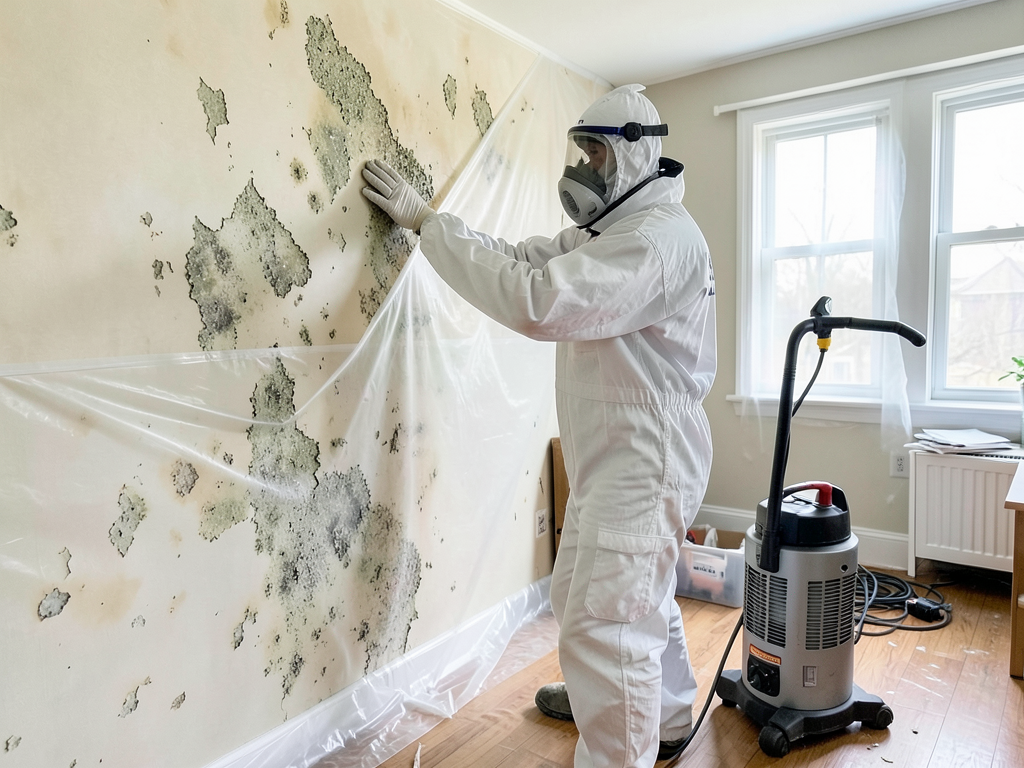
Hartford's average summer humidity hovers between 60 and 75 percent, creating baseline moisture levels that slow natural evaporation. When a washing machine floods a laundry room in July, that water does not dry on its own. The high ambient moisture reduces the air's capacity to absorb additional water vapor, leaving wet subflooring and drywall saturated for days. Many Hartford homes feature uninsulated basement laundry areas with limited ventilation, compounding the problem. Without mechanical dehumidification and forced airflow, mold begins colonizing within 48 hours. Our emergency washer flood remediation accounts for Hartford's climate by deploying low-grain refrigerant dehumidifiers that operate efficiently even in high-humidity conditions.
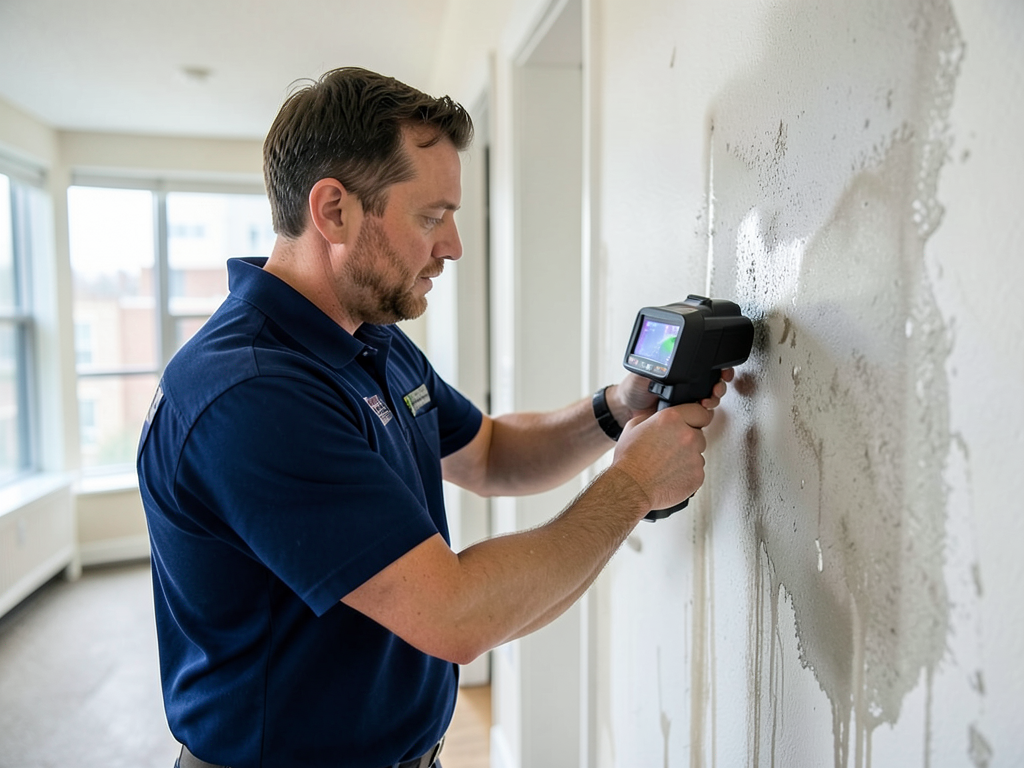
Hartford's housing stock includes thousands of homes built before modern waterproofing standards existed. Balloon-frame construction in properties from the early 1900s allows water to migrate vertically through wall cavities without fire stops. Washing machine overflows in these homes can saturate first-floor walls and ceiling joists in the basement below. Local building codes now require vapor barriers and proper drainage in laundry areas, but older homes were not built to these standards. Crestline Water Damage Restoration Hartford understands these structural nuances. We do not apply generic drying protocols to Hartford's unique building types. Our technicians assess each property individually, accounting for construction era, framing type, and existing moisture barriers to execute effective laundry machine overflow water removal.