menu

Emergency Mold Containment in Hartford – 24/7 Rapid Response Teams Dispatched in Under 60 Minutes

When mold threatens your property, every minute counts. Our emergency mold containment specialists arrive fast, isolate the contamination, and stop spore spread before it escalates into a health crisis or structural disaster.

Slider Image 1
Slider Image 2
Slider Image 3
Slider Image 4
Slider Image 5
Slider Image 7
Slider Image 8
Slider Image 9
Slider Image 10
Slider Image 11

Why Hartford Properties Face Sudden Mold Emergencies

You smell it before you see it. That earthy, musty odor that makes your chest tighten. You pull back a section of drywall or open a basement door, and there it is: a dark, spreading colony that was not there last week.

Hartford's climate creates perfect conditions for rapid mold growth. The Connecticut River Valley traps humidity between 60 and 80 percent for much of the year. Add in freeze-thaw cycles that crack foundation walls, ice dam water intrusion in older neighborhoods like West End and Asylum Hill, and aging cast iron plumbing in pre-1950s homes, and you have a recipe for sudden mold outbreaks.

Mold does not wait. Once conditions align, colonies double in size every 24 to 48 hours. A small patch behind a toilet becomes a wall cavity infestation. A roof leak you thought you dried becomes black mold on ceiling joists. The longer airborne spores circulate, the more surfaces they colonize and the harder remediation becomes.

Urgent mold isolation is not about convenience. It is about stopping cross-contamination before spores migrate through HVAC systems into bedrooms, kitchens, and living spaces. Immediate mold mitigation protects your family from respiratory irritation, allergic reactions, and prolonged exposure to mycotoxins. Emergency mold abatement prevents structural wood rot and insulation destruction that turn a containable problem into a five-figure rebuild.

If you see active growth, smell persistent mustiness, or recently experienced water damage, you are past the prevention stage. You need rapid mold containment services that stop the spread now.

Why Hartford Properties Face Sudden Mold Emergencies
How Professional Mold Containment Stops the Spread

How Professional Mold Containment Stops the Spread

Mold containment is not cleaning. It is controlled isolation using negative air pressure, physical barriers, and microbial suppression to prevent spore migration during remediation.

When you call Crestline Water Damage Restoration Hartford, we do not show up with a spray bottle and paper towels. We arrive with commercial-grade air scrubbers equipped with HEPA filtration, polyethylene sheeting rated for containment barriers, and antimicrobial fogging equipment designed for emergency response.

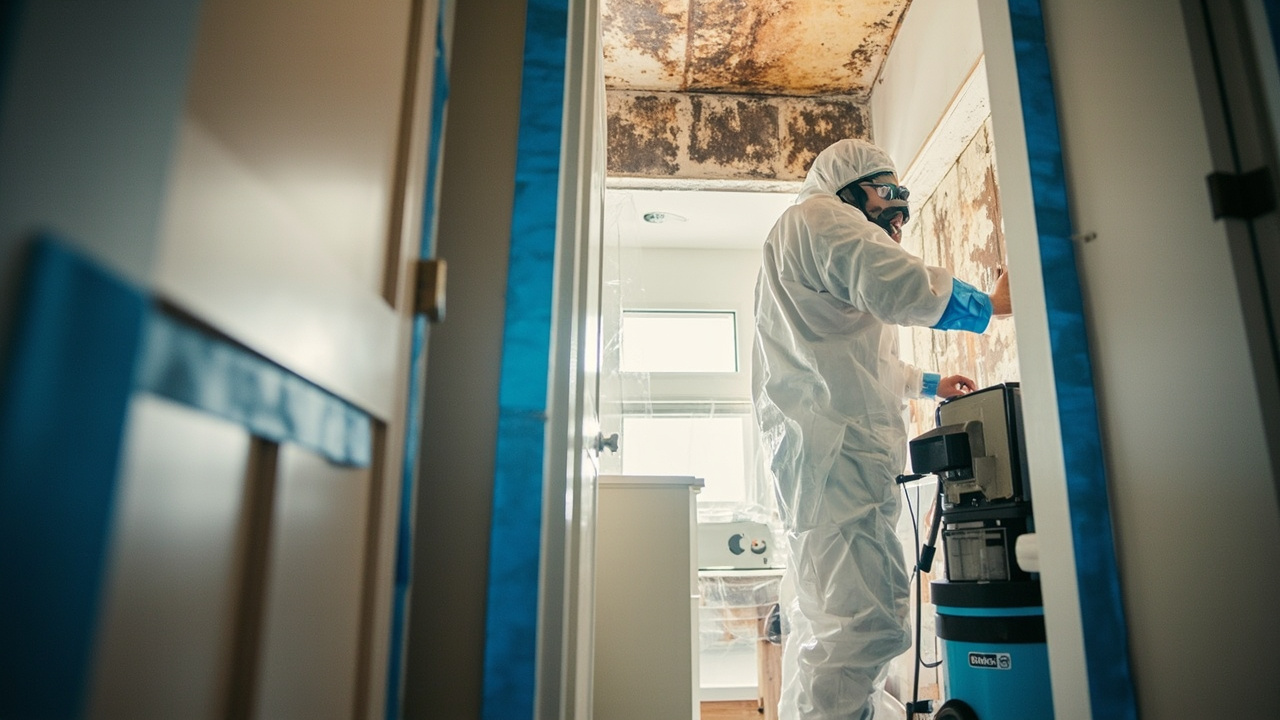
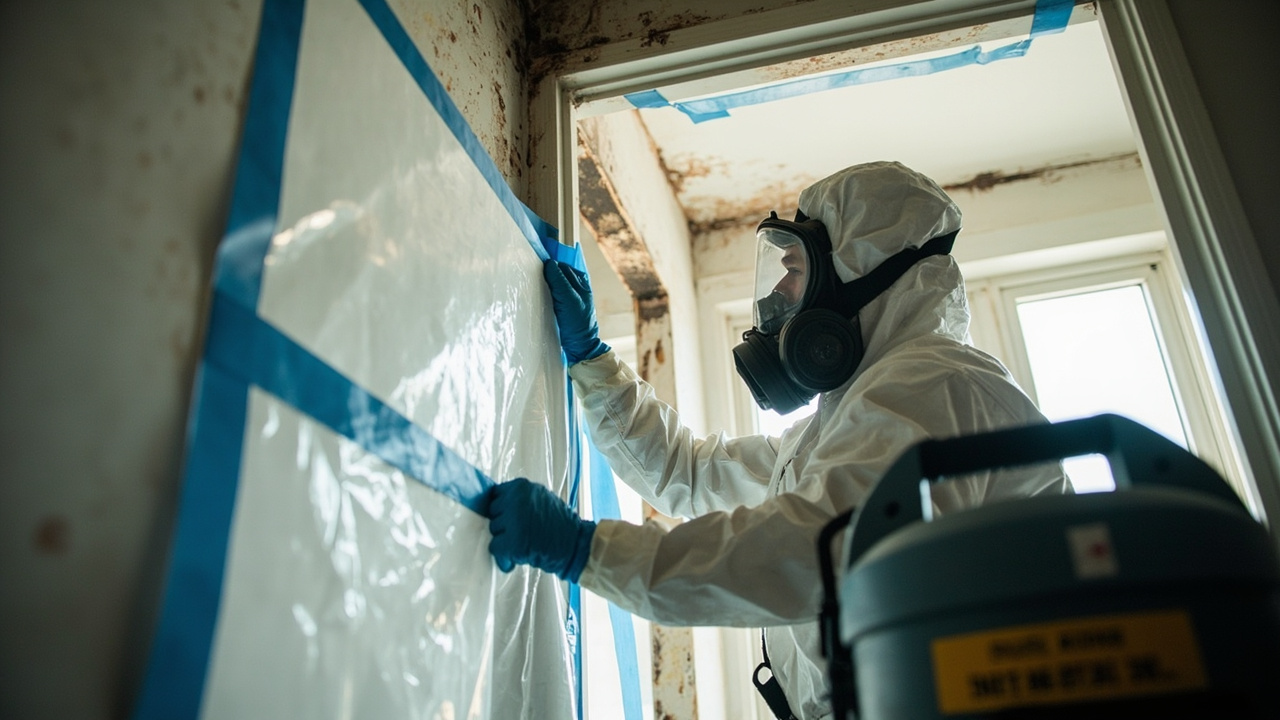
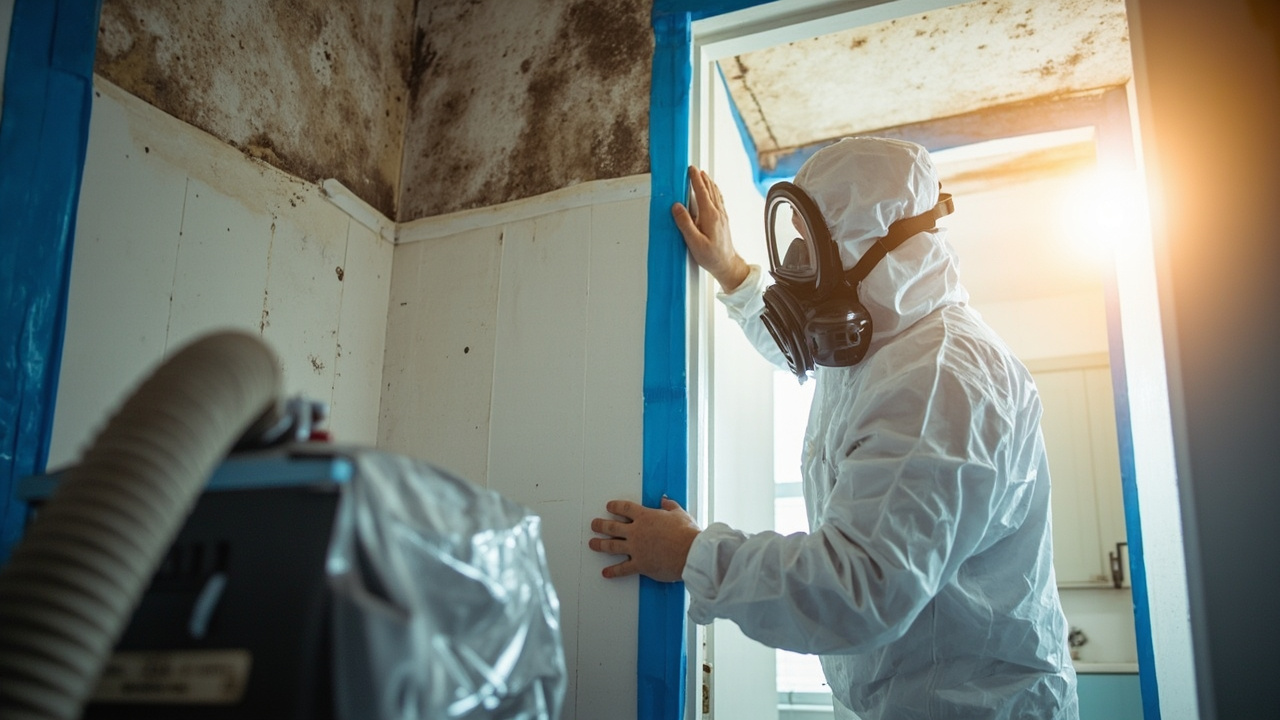
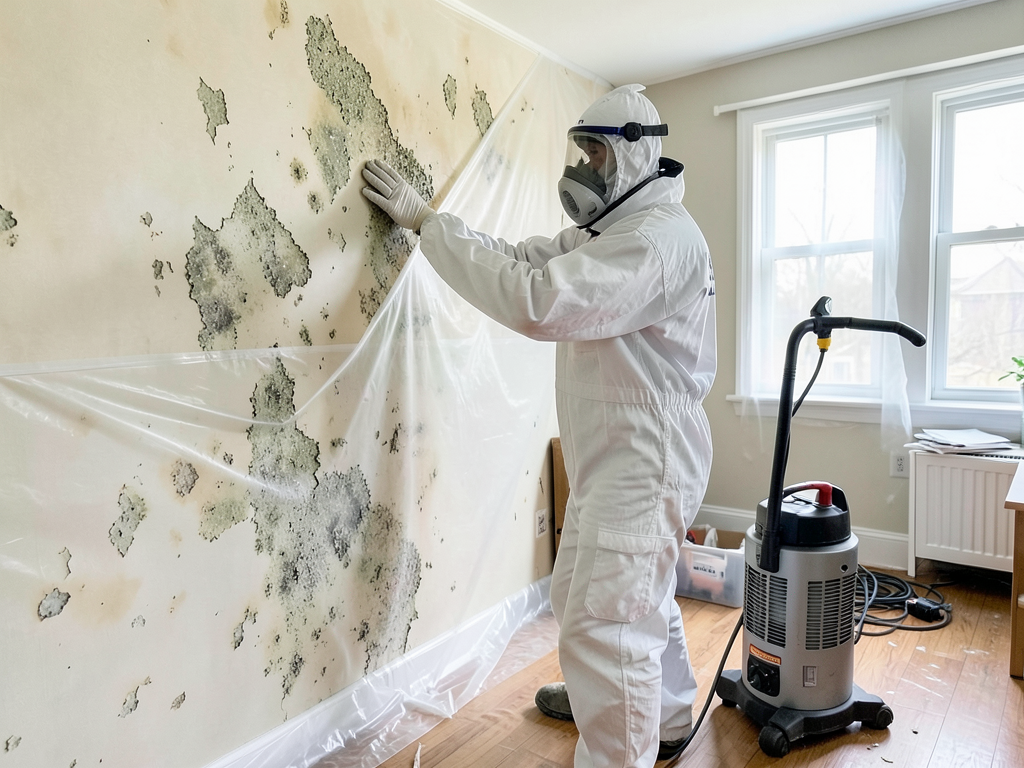
The first priority is containment zone establishment. We seal off the affected area using 6-mil poly sheeting and create an airlock entry to prevent spore escape. Negative air machines pull contaminated air out of the containment zone and exhaust it through HEPA filters, creating lower pressure inside the zone than surrounding areas. This ensures airborne spores cannot drift into clean spaces.

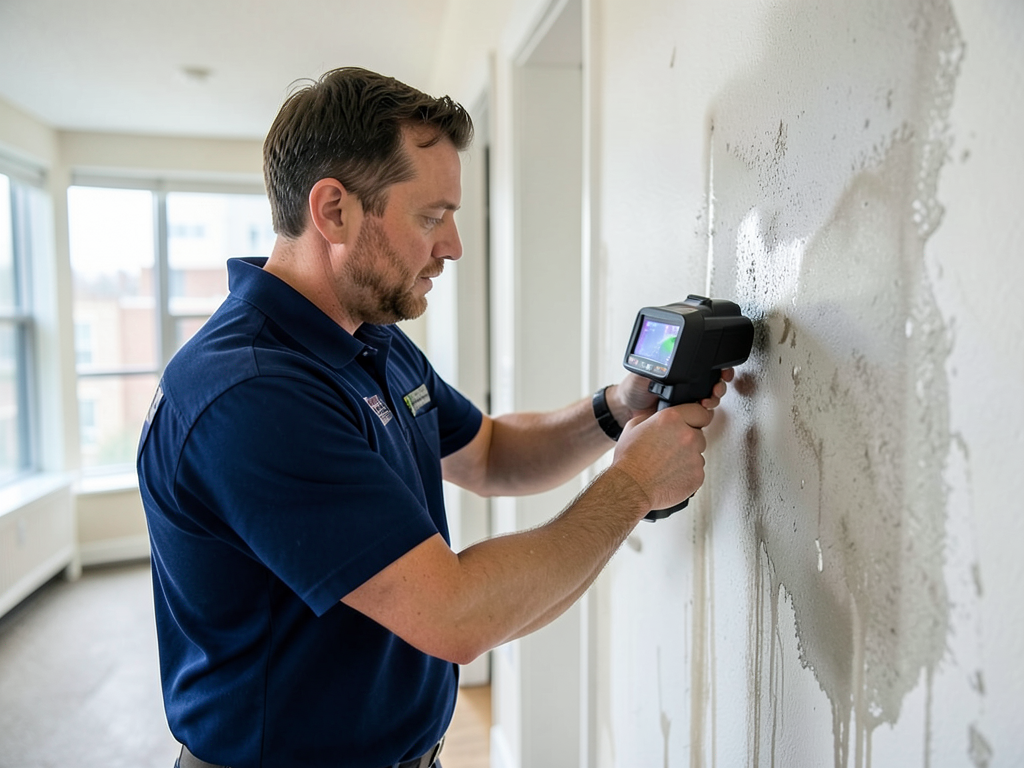
Next, we address the moisture source. Mold cannot grow without water. We use thermal imaging cameras to trace hidden moisture in wall cavities, subfloor voids, and ceiling plenums. We deploy commercial dehumidifiers and air movers to drop relative humidity below 50 percent, the threshold where mold growth stalls.

Material removal happens inside the containment zone. Porous materials like drywall, insulation, and carpet padding that show active growth get bagged in sealed 6-mil bags and removed through the airlock. Non-porous surfaces like framing lumber and concrete get treated with EPA-registered antimicrobials.

Throughout the process, air quality monitoring tracks spore counts inside and outside the containment zone. We do not open barriers until clearance testing confirms spore levels match background outdoor levels. This is 24/7 mold damage containment executed with precision, not guesswork.

What Happens When You Call for Emergency Containment

Emergency Mold Containment in Hartford – 24/7 Rapid Response Teams Dispatched in Under 60 Minutes
01

Immediate Dispatch and Assessment

You call (860) 743-9993 and speak directly with a containment specialist, not an answering service. We dispatch a two-person crew within the hour. On arrival, technicians perform a visual inspection, identify contamination extent using moisture meters and borescopes, and explain the containment protocol before any work begins. You get a verbal scope and timeline within 20 minutes of our arrival.
02

Containment Zone Construction

Technicians build physical barriers using poly sheeting, seal HVAC vents, and install negative air machines to create controlled pressure differentials. Airlock entry systems prevent accidental spore release. We verify negative pressure with manometers before beginning material handling. All contaminated materials move through the airlock in sealed bags. The containment zone remains isolated until clearance testing confirms safe reopening.
03

Post-Containment Verification

After material removal and antimicrobial treatment, we run air scrubbers for 48 to 72 hours while monitoring particle counts. Independent third-party testing verifies spore levels meet clearance standards. Once cleared, we remove containment barriers, document the process with photos, and provide a remediation summary for insurance claims. You receive a detailed report showing before and after spore counts.

Why Hartford Residents Choose Crestline for Mold Emergencies

You do not want a general handyman with a bottle of bleach handling mold containment. You need technicians trained in microbial remediation protocols who understand how Hartford's building stock and climate create unique challenges.

Crestline Water Damage Restoration Hartford specializes in emergency mold abatement for the Hartford metro. We know that homes in Frog Hollow and Behind the Rocks often have knob-and-tube wiring and plaster walls that hide moisture for weeks. We understand that the clay soil throughout Hartford County causes foundation settling and hairline cracks that wick groundwater into basements. We have contained mold in 1920s colonials, mid-century ranches, and modern condos, and each structure requires different containment strategies.

Our technicians hold IICRC certifications in water damage restoration and applied microbial remediation. We follow ANSI/IICRC S520 standards for mold remediation, the industry benchmark for safe containment and removal. We carry full liability coverage and workers' compensation insurance, which matters when contractors are removing contaminated materials from your property.

We also coordinate directly with Hartford-area insurance adjusters. We document every step with timestamped photos, moisture readings, and air quality data. We provide detailed estimates that break down containment costs, material removal, and post-remediation reconstruction. This documentation speeds up claims processing and reduces out-of-pocket expenses.

When you call us, you get a local crew that lives and works in Hartford, not a franchise dispatcher routing calls to the lowest bidder. We have contained mold in homes on your street. We know the building inspectors, the local codes, and the shortcuts that do not work. That local knowledge matters when you need immediate mold mitigation that is done right the first time.

What to Expect During Emergency Mold Containment

Response Time and Availability

We maintain 24/7 emergency dispatch for mold containment calls. When you call (860) 743-9993, you reach a live person who can send a crew immediately, even at 2 a.m. on Sunday. Our average response time for Hartford addresses is under 60 minutes. We stock containment equipment on every truck, so there is no waiting for supply runs. If you have active mold growth and call us before noon, we typically have containment barriers in place by early afternoon. Speed matters because every hour of delay allows more spore dispersal.

Onsite Inspection and Scope

Before we build containment, we assess the full extent of contamination. Technicians use infrared cameras to detect hidden moisture in walls, ceilings, and subfloors. We check HVAC systems for spore contamination. We test humidity levels in adjacent rooms to determine if conditions support secondary growth. You get a verbal explanation of what we found, why containment is necessary, and what materials require removal. We explain the process in plain language, not jargon. If you want written documentation before work begins, we provide it. No surprise discoveries mid-project.

Containment Quality and Air Safety

Our containment zones meet IICRC S520 standards. We use 6-mil poly barriers, not lightweight painter's plastic. We install commercial air scrubbers that process 500 to 2,000 cubic feet per minute through HEPA filters, not consumer-grade air purifiers. We verify negative pressure with calibrated manometers. We run air quality tests before and after remediation. You receive documentation showing spore counts dropped to safe levels. We do not cut corners because we know poor containment leads to cross-contamination and repeat jobs.

Post-Containment Support

After containment and material removal, we provide a detailed summary with photos, air quality test results, and moisture readings. If reconstruction is needed, we coordinate drywall, painting, and flooring repairs. We do not leave you with an open wall cavity and a phone number for a general contractor. We also offer moisture monitoring follow-ups to confirm the source issue is resolved. If you detect musty odors or moisture problems within 30 days, we return to reassess at no additional diagnostic fee. Our goal is complete resolution, not just temporary containment.

Frequently Asked Questions

You Have Questions,
We Have Answers

What is the proper containment for mold? +

Proper mold containment requires physical barriers and negative air pressure. Technicians seal off the affected area with 6-mil polyethylene sheeting, covering doorways, vents, and openings. Negative air machines with HEPA filters pull air out of the containment zone, preventing spores from spreading to clean areas. Critical containment applies to areas over 100 square feet. Hartford's older homes with plaster walls need extra care during setup to avoid cross-contamination. Workers wear PPE including respirators. The goal is to isolate the workspace completely while removing contaminated materials. This protects your family and prevents mold from migrating during removal.

What plant removes 78% of airborne mold? +

The English Ivy plant reportedly removes up to 78% of airborne mold spores in controlled studies. It absorbs mold particles through its leaves, making it useful for prevention in small spaces. But relying on houseplants during an active mold emergency in Hartford is dangerous. Plants cannot contain or remediate existing mold infestations. If you see visible growth or smell musty odors, you need professional assessment and containment immediately. English Ivy works as a passive air filter after remediation is complete, not as a solution during an outbreak. Speed and professional intervention stop mold from spreading through your property.

Does FEMA pay for mold remediation? +

FEMA does not typically cover mold remediation unless it directly results from a federally declared disaster and your property qualifies for Individual Assistance. Even then, coverage is limited. Most mold issues in Hartford stem from chronic leaks, humidity, or flooding that does not meet FEMA thresholds. Your homeowner's insurance is the primary resource if the mold resulted from a covered peril like burst pipes. Document everything immediately. Many Hartford residents assume FEMA will help, but waiting for federal aid delays containment and worsens damage. Act now, then explore reimbursement options. Time is your enemy with mold growth.

Is mold an OSHA violation? +

Yes. OSHA regulates mold exposure for workers under general duty clauses and respiratory protection standards. Employers must provide proper PPE, training, and containment protocols when employees face mold hazards. Connecticut businesses in Hartford must comply with OSHA's guidelines to avoid citations and liability. If your commercial property has visible mold, employees can file complaints. Mold becomes an OSHA violation when employers ignore known hazards or fail to implement safety measures. For business owners, professional containment protects workers and limits legal risk. Residential properties fall outside OSHA jurisdiction, but the health risks remain identical. Containment is non-negotiable.

How do Japanese bathrooms not get mold? +

Japanese bathrooms prevent mold through superior ventilation, rapid drainage, and waterproof materials. Many use exhaust fans that run continuously, eliminating humidity fast. Floors slope toward drains, so water never pools. Walls feature moisture-resistant panels instead of drywall. Hartford's older homes have poor bathroom ventilation by comparison, trapping humidity behind tile and grout. The climate here, with humid summers and freeze-thaw winters, accelerates mold growth when moisture lingers. You cannot retrofit a Japanese system affordably, but you can improve exhaust fans, seal grout, and reduce humidity. If mold already exists, containment comes first.

What kills mold permanently? +

Nothing kills mold permanently if moisture returns. Professional remediation removes mold at the source by eliminating contaminated materials like drywall, insulation, and wood. EPA-registered antimicrobials treat surfaces after removal. The key is fixing the moisture problem. Hartford homes battle humidity from basements, roof leaks, and poor ventilation. Bleach only whitens mold on non-porous surfaces but does not penetrate porous materials. DIY solutions fail because spores remain hidden. Proper containment during removal prevents spread. After remediation, controlling indoor humidity below 60% and repairing leaks stops regrowth. Mold dies without water. Professionals address both removal and prevention.

What pulls mold out of the air? +

HEPA air scrubbers and negative air machines pull mold spores from the air during containment. These industrial units filter particles down to 0.3 microns, trapping spores before they spread. HEPA filters must be rated for mold remediation. Consumer air purifiers lack the power needed for active infestations. During emergency containment in Hartford properties, technicians position negative air machines to create pressure differentials, forcing air through HEPA filters and exhausting it outside. This prevents cross-contamination into clean rooms. After remediation, running HEPA purifiers helps maintain air quality, but they cannot replace physical mold removal. Filtration supports containment, not replacement.

Is it true that English Ivy absorbs mold? +

Yes, English Ivy absorbs airborne mold spores in small amounts, making it useful for passive air filtration. Studies show it reduces mold counts in enclosed spaces over time. But this plant cannot remediate active infestations. If you have visible mold growth in your Hartford home, English Ivy will not stop the outbreak. It works as a prevention tool after professional remediation, not during an emergency. Mold grows faster than any plant can filter, especially in humid Connecticut summers. Do not delay containment hoping houseplants will solve the problem. Use English Ivy as part of long-term air quality maintenance after professionals eliminate the source.

How long do airborne mold spores last? +

Airborne mold spores can remain suspended for hours to days, depending on airflow and humidity. In still air, spores settle onto surfaces within 24 hours. But air movement from HVAC systems, foot traffic, or fans keeps spores circulating longer. Once settled, spores stay dormant until moisture reactivates them. Hartford's humid summers extend airborne survival times. This is why containment with negative air pressure is critical. Without barriers, spores spread through your entire home during remediation. Even after visible mold is removed, spores linger on surfaces and in ducts. Professional air scrubbing and HEPA filtration during containment prevent recontamination.

What to do if I can't afford mold removal? +

If you cannot afford full mold removal, prioritize immediate containment to stop spreading. Seal the affected area with plastic sheeting and avoid disturbing mold. Contact your homeowner's insurance to check coverage if the mold resulted from a covered event like a burst pipe. Some Hartford nonprofits and community health programs offer assistance for low-income residents facing health hazards. Document everything with photos. Small areas under 10 square feet may qualify for DIY removal using proper PPE and disposal. But larger infestations require professional help to avoid health risks and property damage. Delaying containment makes remediation more expensive and dangerous.

How Hartford's Historic Housing Stock Increases Mold Containment Urgency

Hartford has one of the highest concentrations of pre-1950 housing in Connecticut, with entire neighborhoods built before modern vapor barriers and moisture control standards existed. Homes in areas like Parkville and South Green feature horsehair plaster walls, balloon framing, and stone foundations with no waterproofing membranes. When water enters these structures through roof leaks, foundation cracks, or plumbing failures, it spreads rapidly through open wall cavities and porous materials. Urgent mold isolation becomes critical because spores can colonize multiple rooms within days. Immediate mold mitigation prevents the kind of widespread contamination that requires whole-floor remediation instead of targeted containment.

Crestline Water Damage Restoration Hartford understands how to contain mold in historic structures without compromising architectural integrity. We have worked with Hartford's historic preservation guidelines and know which materials can be salvaged and which require removal. We coordinate with local building officials to ensure containment methods meet code for older homes. When you hire a company that specializes in rapid mold containment services for Hartford's unique housing stock, you get technicians who understand that a 1920s colonial requires different containment strategies than a 1990s suburban build. Local expertise reduces mistakes and prevents unnecessary material loss.
Water Damage Restoration Services in The Hartford Area

Crestline Water Damage Restoration Hartford is strategically located to provide rapid and reliable service across the entire Hartford region and its surrounding communities. We invite you to view our service map to confirm that your property falls within our guaranteed service area, ensuring that a professional water damage expert is never far away when you need us most. We pride ourselves on the capability to reach your location quickly, a crucial factor in successful, timely mitigation and restoration.

Address:
Crestline Water Damage Restoration Hartford, 1916 Broad St, Hartford, CT, 06114

Additional Services We Offer

Our news updates

Latest Articles & News from The Blogs

Managing Winter Window Condensation to Prevent Rot in Your Northeast Hartford Victorian Winter condensation on your Northeast Hartford Victorian windows…

Managing Winter Window Condensation to Prevent Rot in Your Northeast Hartford Victorian

Managing Winter Window Condensation to Prevent Rot in Your Northeast Hartford Victorian Winter condensation on your Northeast Hartford Victorian windows…

Why Replacing Your Carpet Padding is Critical After a Leak in Your Bristol Home

Why Replacing Your Carpet Padding is Critical After a Leak in Your Bristol Home \n\n When water seeps into your…

Dealing with Water Damage in Your Mudroom Caused by Tracked-In Snow in West Hartford

Dealing with Water Damage in Your Mudroom Caused by Tracked-In Snow in West Hartford When melting snow from winter boots…

Contact Us

Mold does not wait, and neither should you. Call Crestline Water Damage Restoration Hartford at (860) 743-9993 for immediate dispatch. Our containment crews are standing by 24/7 to isolate contamination, stop spore spread, and protect your property.