menu

Commercial Mold Remediation in Hartford – Minimize Downtime and Protect Your Business Assets

Rapid commercial mold abatement services designed to keep your Hartford facility operational while meeting Connecticut health codes and protecting your bottom line from liability and structural damage.

Slider Image 1
Slider Image 2
Slider Image 3
Slider Image 4
Slider Image 5
Slider Image 7
Slider Image 8
Slider Image 9
Slider Image 10
Slider Image 11

Why Hartford Commercial Properties Face Elevated Mold Risk

Hartford's position in the Connecticut River Valley creates a persistent humidity problem for commercial facilities. Summer dew points regularly exceed 65 degrees, and winter temperature swings cause condensation on metal surfaces and HVAC components. Your warehouse, office building, or retail space faces constant moisture infiltration.

The city's aging commercial infrastructure compounds the problem. Many Hartford buildings were constructed before modern vapor barrier standards. Flat roofs common in the downtown business district trap water. Basement spaces in older brick structures along Asylum Street and Main Street wick groundwater through foundation walls.

Commercial mold growth spreads faster than residential contamination because of HVAC systems. A single contaminated air handler distributes spores throughout your entire facility in hours. You face employee health complaints, customer concerns, and potential liability claims.

Connecticut General Statutes require commercial property owners to maintain safe indoor air quality. Visible mold in customer-facing areas damages your brand reputation. Insurance adjusters scrutinize commercial mold claims closely, looking for maintenance negligence.

Business mold remediation demands different protocols than residential work. You need containment strategies that allow partial operation during cleanup. Commercial mold mitigation must address the entire mechanical system, not just visible growth. The scope includes air handlers, ductwork, ceiling plenums, and structural cavities that residential contractors overlook.

Waiting increases your exposure. Mold colonies double in size every 24 to 48 hours under optimal conditions. Your Hartford facility provides those conditions year-round.

Why Hartford Commercial Properties Face Elevated Mold Risk
How Professional Commercial Mold Abatement Protects Business Continuity

How Professional Commercial Mold Abatement Protects Business Continuity

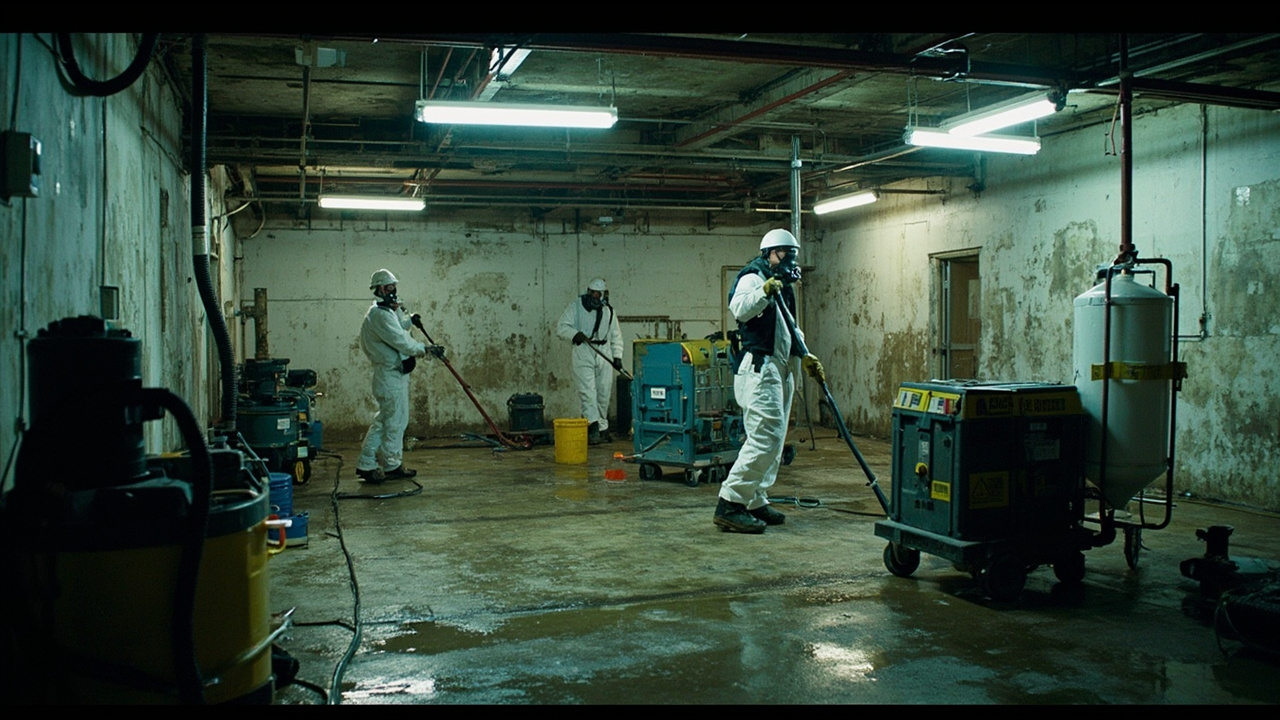
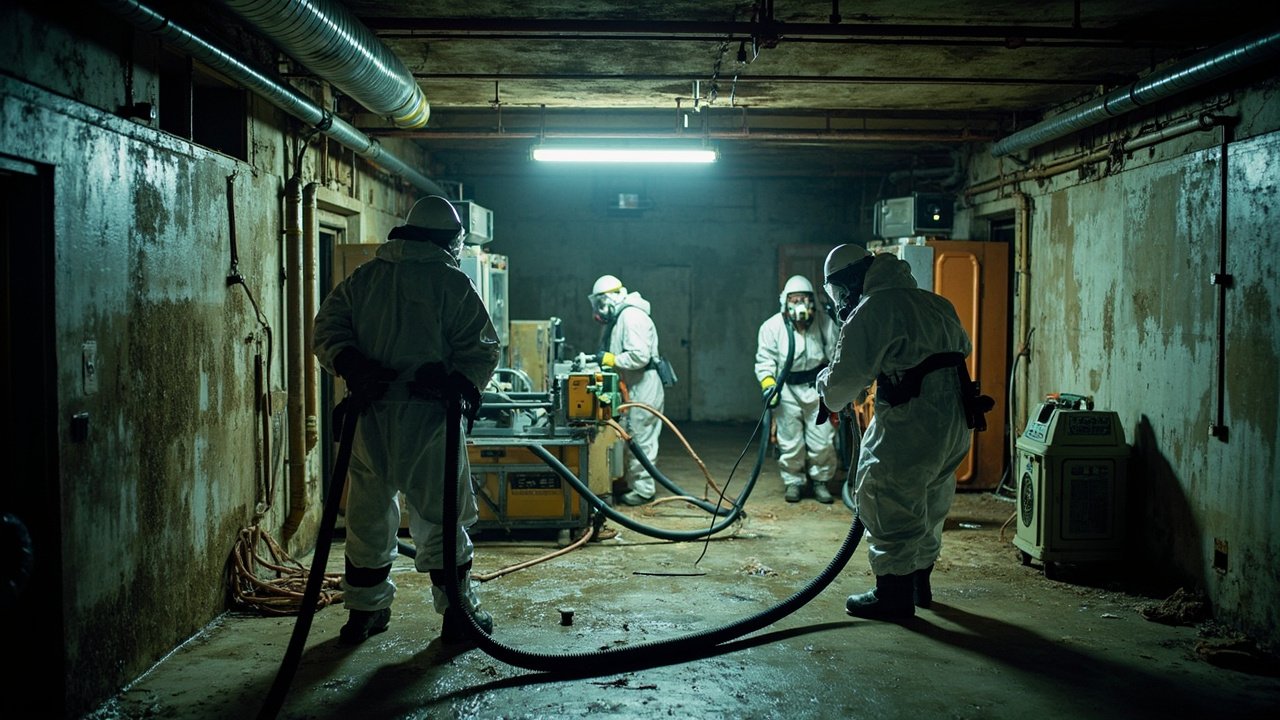
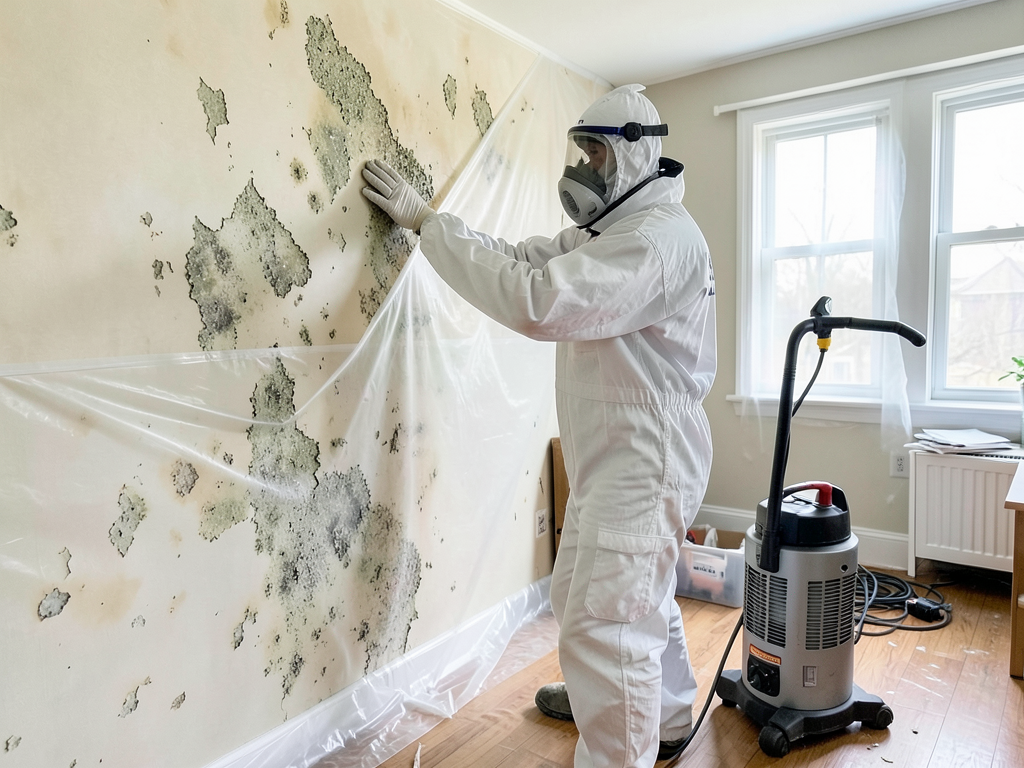
Commercial mold removal starts with containment engineering. We establish negative air pressure zones using HEPA-filtered air scrubbers that prevent cross-contamination to unaffected areas. This allows you to maintain operations in clean sections while we work in contaminated zones.

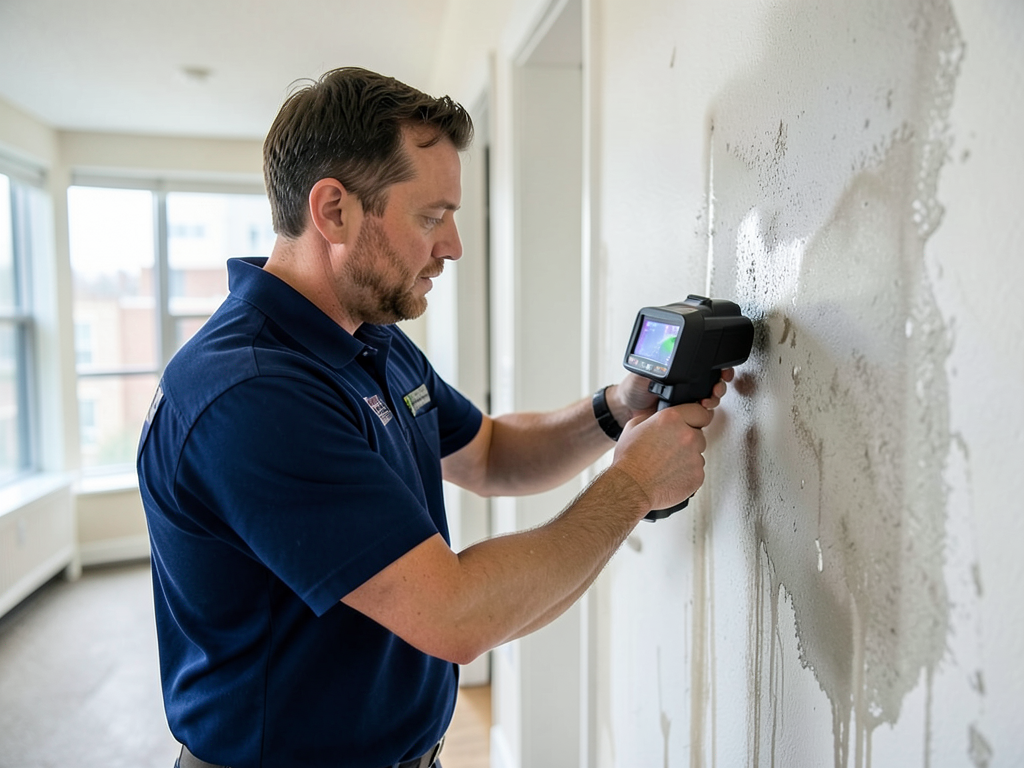
Our protocol begins with moisture mapping using thermal imaging and moisture meters. We identify the source, whether it's roof penetration, plumbing failure, or condensation from undersized dehumidification. Treating surface mold without addressing moisture guarantees recurrence within 90 days.

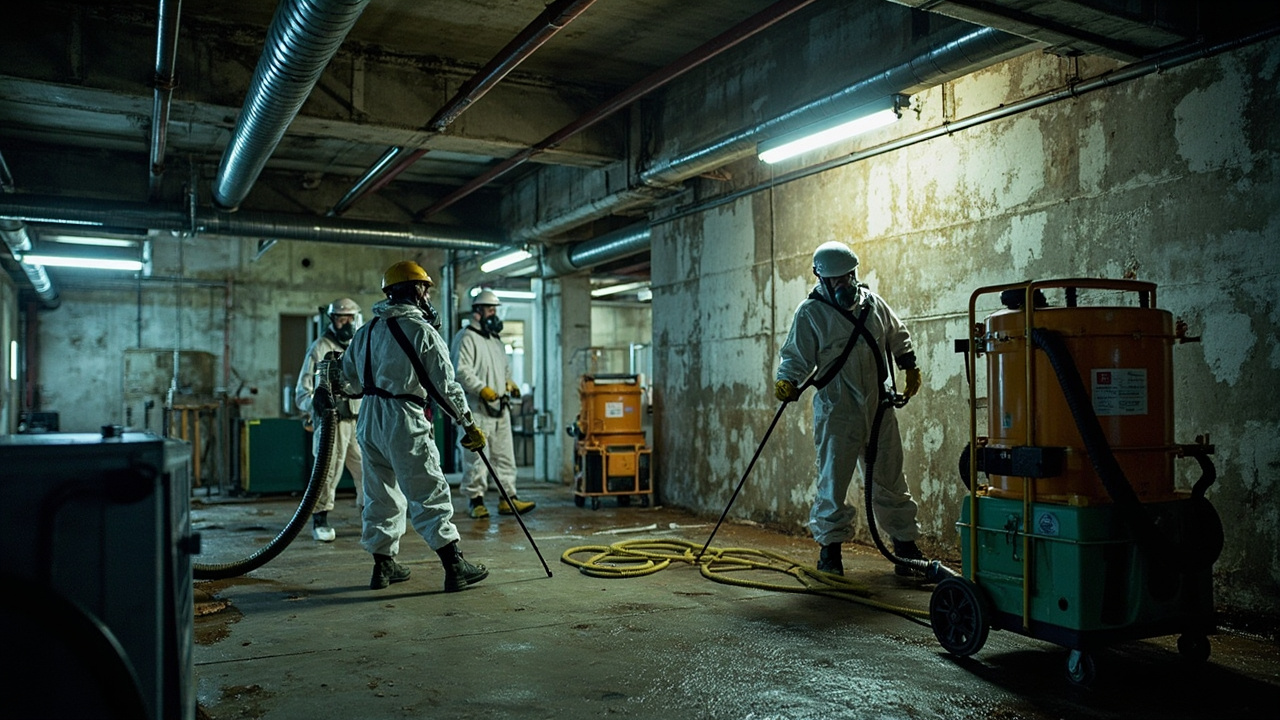
We remove contaminated materials following IICRC S520 standards. Porous materials like ceiling tiles, insulation, and drywall cannot be salvaged once colonized. Non-porous surfaces like metal studs and concrete receive HEPA vacuuming followed by antimicrobial treatment. We document every step for your insurance carrier and legal protection.

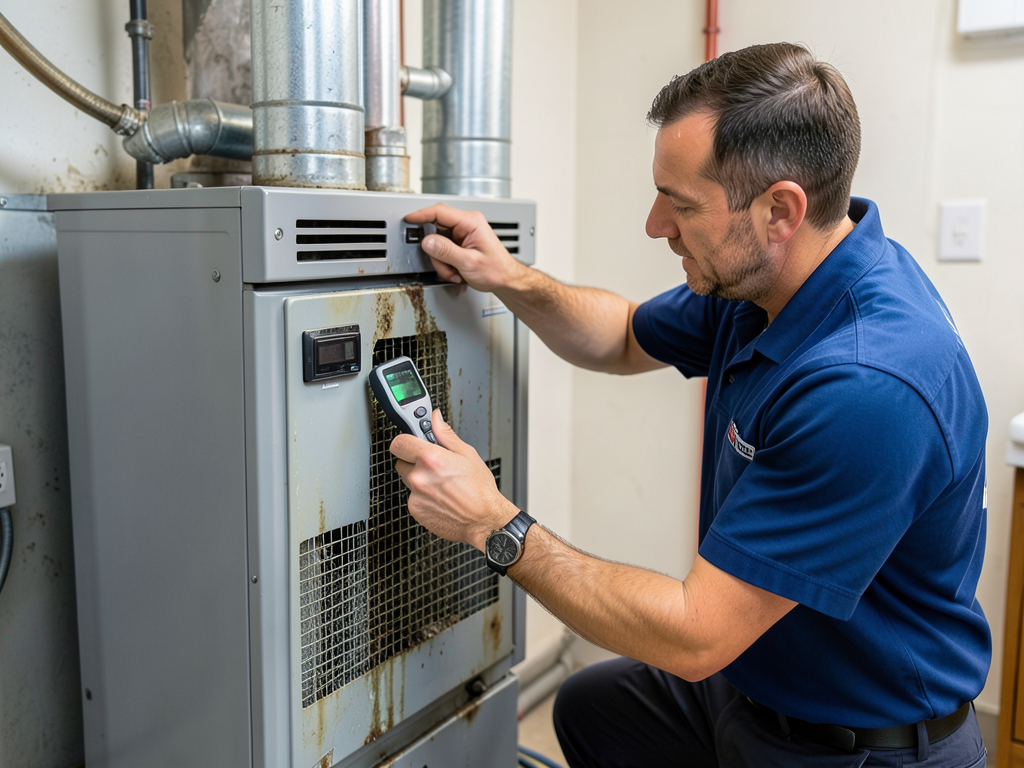
HVAC remediation separates commercial work from residential cleanup. We inspect every air handler, clean coils with specialized detergents, and sanitize ductwork using contact time-verified antimicrobials. Supply and return plenums receive separate treatment because they operate under different pressure conditions.

Air quality verification closes the project. We conduct post-remediation testing comparing spore counts in treated areas against outdoor baseline samples. Connecticut courts recognize this as the standard of care for commercial mold mitigation. You receive lab reports showing your facility meets safe occupancy thresholds.

We coordinate with your facility manager to schedule work during off-hours when possible. Large-scale commercial mold cleanup in Hartford typically requires 3 to 7 days depending on the affected square footage and the extent of HVAC involvement.

What Happens During Your Commercial Mold Assessment

Commercial Mold Remediation in Hartford – Minimize Downtime and Protect Your Business Assets
01

Emergency Facility Inspection

Our team arrives within 2 hours for Hartford commercial properties. We conduct thermal imaging of suspected areas and moisture readings at potential source points. You receive a preliminary scope identifying contaminated zones, affected building systems, and immediate containment needs. We document everything with photos and sensor data for your insurance claim and corporate reporting requirements.
02

Containment and Remediation

We establish physical barriers using polyethylene sheeting and create negative air pressure with HEPA filtration units. Contaminated materials are removed and double-bagged for proper disposal. All non-porous surfaces undergo HEPA vacuuming and antimicrobial application. HVAC components receive specialized cleaning using coil detergents and duct sanitization. We maintain detailed manifests for regulatory compliance and document the entire process with time-stamped photography.
03

Verification and Clearance Testing

Post-remediation air sampling compares treated areas against outdoor control samples and unaffected building zones. Independent laboratories analyze samples for spore counts and species identification. You receive clearance documentation showing your facility meets Connecticut indoor air quality standards. This protects you from employee claims and satisfies insurance requirements. We provide digital documentation packages suitable for corporate compliance files and legal defense.

Why Hartford Businesses Choose Crestline Water Damage Restoration Hartford

Hartford's commercial real estate demands contractors who understand local construction methods and regulatory requirements. We work regularly in the downtown business district, where buildings date to the early 1900s. These structures have concealed HVAC chases, original plaster walls, and plumbing systems that create unique remediation challenges.

We understand Connecticut General Statutes Section 19a-332a regarding mold assessment and remediation in commercial buildings. Our protocols meet Department of Public Health guidelines for licensed contractors. This matters during litigation or insurance disputes, when opposing counsel examines your contractor's qualifications and methodology.

Our equipment capacity handles large commercial projects. We maintain 40 industrial HEPA air scrubbers, commercial dehumidifiers rated for 200-pint daily capacity, and negative air machines sized for warehouse spaces. Residential contractors lack the equipment volume for proper commercial containment.

We coordinate with your insurance adjuster from initial documentation through final billing. Commercial mold claims involve complex coverage questions around business interruption, contents damage, and building systems. We provide the detailed documentation carriers require, including moisture maps, removal manifests, and post-remediation verification reports.

Hartford businesses face tight operational windows. We schedule crews during nights and weekends to minimize disruption. Our project managers maintain daily communication with your facilities team, adjusting work schedules around your business demands.

Time directly affects your liability exposure. Every day employees work in contaminated conditions increases your risk. Connecticut workers' compensation claims involving mold exposure have exceeded six figures when businesses delayed remediation. Speed and thoroughness both matter.

Crestline Water Damage Restoration Hartford maintains relationships with industrial hygienists and environmental engineers for complex projects requiring third-party oversight. This matters for healthcare facilities, food service operations, and buildings with immunocompromised occupants.

What to Expect from Commercial Mold Remediation Services

Rapid Response and Project Timeline

Commercial mold emergencies receive priority dispatch. Our teams arrive within 2 hours for Hartford properties to assess scope and begin immediate containment. Most commercial projects complete within 5 to 7 business days, depending on affected square footage and HVAC system complexity. We provide detailed project schedules showing daily milestones and coordinate with your operations team to minimize business disruption. Large facilities may allow phased remediation, treating one zone at a time while you maintain partial operations. Emergency projects receive extended hours and weekend crews when necessary to meet your timeline demands.

Comprehensive Initial Assessment Protocol

Your assessment begins with thermal imaging to identify moisture sources and hidden water damage behind walls or above ceilings. We conduct moisture readings at 24-inch intervals throughout affected areas and inspect all HVAC components serving contaminated zones. You receive a written scope document within 24 hours detailing contaminated square footage, affected building materials, required demolition, and equipment needs. This scope includes detailed cost breakdown suitable for insurance submission and corporate approval processes. We identify code compliance issues and coordinate with Connecticut-licensed industrial hygienists when third-party oversight is required for medical facilities or sensitive environments.

Verified Results and Documentation

Commercial mold mitigation concludes with third-party air quality testing comparing treated areas against baseline outdoor samples. Independent laboratories provide spore count analysis and species identification reports. You receive comprehensive documentation packages including pre-remediation photos, daily progress images, moisture readings, removal manifests, cleaning logs, and final clearance test results. This documentation satisfies insurance requirements, protects against employee liability claims, and demonstrates due diligence for corporate compliance. All reports are provided in digital format suitable for cloud storage and legal proceedings. We maintain project files for seven years for your long-term liability protection.

Moisture Control and Prevention Planning

Remediation addresses current contamination. Prevention requires ongoing moisture management. We provide detailed recommendations for HVAC modifications, dehumidification upgrades, and building envelope improvements specific to your Hartford facility. Our reports identify chronic moisture sources like inadequate roof drainage, condensation on supply ducts, or groundwater infiltration through foundation walls. You receive actionable recommendations with cost estimates for permanent corrections. We offer ongoing maintenance programs including quarterly HVAC inspections, annual moisture surveys, and priority emergency response for subscribers. This protects your investment and demonstrates proactive risk management to insurance carriers, reducing future premium costs and claim denials.

Frequently Asked Questions

You Have Questions,
We Have Answers

What do professionals use for mold remediation? +

Professionals use HEPA-rated air scrubbers to capture airborne spores, negative air machines to contain contaminated zones, and antimicrobial agents approved by the EPA. Technicians wear PPE including respirators and full-body suits. We remove porous materials like drywall and insulation when contaminated, then apply encapsulants to non-porous surfaces. In Hartford commercial properties, humidity control is critical after removal due to seasonal moisture swings. Industrial dehumidifiers and thermal imaging cameras locate hidden moisture sources. All equipment meets IICRC S520 standards. Documentation includes air quality testing before and after remediation to satisfy property managers and insurance adjusters.

How much does professional mold removal cost? +

Professional mold removal costs vary based on contamination extent, building size, and accessibility. Small contained areas cost less than multi-floor commercial buildings with HVAC involvement. Hartford properties with older infrastructure or basement moisture issues often require more extensive work. Costs include labor, containment materials, disposal fees, air testing, and moisture control equipment. Insurance may cover remediation if linked to a covered water event. Request a detailed scope of work that breaks down labor, materials, and testing. Avoid verbal estimates. Commercial projects require documented protocols to protect liability and maintain business operations during the process.

Is professional mold removal worth it? +

Professional mold removal is worth it for commercial properties due to liability exposure and health code compliance. DIY approaches miss hidden growth behind walls or in HVAC systems, leading to recontamination and potential lawsuits from tenants or employees. Hartford commercial buildings face strict health department oversight. Professionals document the entire process, provide air clearance testing, and ensure the problem is solved completely. This documentation protects you during lease disputes or insurance claims. The cost of professional remediation is minor compared to business interruption, legal fees, or property devaluation from repeated mold issues.

How much does full mold remediation cost? +

Full mold remediation costs depend on square footage, contamination severity, and structural involvement. A small office suite differs drastically from a warehouse with roof leaks affecting multiple zones. Hartford buildings with flat roofs or poor drainage often require roof repairs alongside remediation. Costs include containment setup, material removal, antimicrobial treatment, air scrubbing, disposal, and post-remediation testing. Multi-story buildings or properties requiring after-hours work to avoid business disruption increase labor costs. Always get a written estimate with itemized breakdowns. Full remediation should include moisture source correction, or the mold will return.

What kills mold permanently? +

Nothing kills mold permanently if moisture remains. Mold needs water to grow. Professionals remove contaminated materials, treat surfaces with EPA-registered fungicides, and eliminate the moisture source. In Hartford, this often means fixing roof leaks, improving ventilation, or addressing groundwater intrusion common in older commercial basements. Encapsulants seal treated surfaces to prevent future growth. HEPA vacuuming removes dormant spores. Dehumidifiers maintain indoor humidity below 60 percent. Permanent solutions require both killing existing mold and controlling environmental conditions. Skip the moisture fix, and mold returns within weeks.

How do Japanese bathrooms not get mold? +

Japanese bathrooms resist mold through superior ventilation design and materials. They use sealed, non-porous surfaces, powerful exhaust fans that run continuously, and separate wet zones to control humidity. Quick-drying materials and heated floors reduce moisture accumulation. Hartford commercial properties can adopt similar strategies by upgrading bathroom ventilation, using mold-resistant drywall, and installing commercial-grade exhaust systems. Regular maintenance schedules and humidity monitoring also help. The key is integrated design that removes moisture rapidly rather than relying solely on chemical treatments. Prevention through engineering beats remediation every time.

Can you permanently get rid of black mold? +

You can remove black mold growth, but spores exist everywhere. Permanent removal requires eliminating contaminated materials, treating surfaces, and controlling moisture. Black mold needs consistent water to colonize. Hartford commercial properties with basement seepage or flat roof ponding provide ideal conditions. Professionals remove affected drywall, insulation, and ceiling tiles, then HEPA vacuum and treat framing. Post-remediation air testing confirms clearance. Install dehumidifiers and fix leaks to prevent recurrence. Black mold is not permanently eradicated from the environment, but you can permanently stop it from growing in your building by controlling water intrusion.

What are signs of mold exposure? +

Mold exposure signs include persistent coughing, throat irritation, nasal congestion, eye irritation, and skin rashes. Employees with asthma may experience worsened symptoms. Headaches and fatigue are common in buildings with poor air quality. Hartford commercial properties with visible mold or musty odors warrant immediate investigation. Immunocompromised individuals face greater risk. Document employee complaints and conduct air quality testing if multiple people report symptoms. This protects you from liability and identifies contamination extent. Symptoms alone do not confirm mold, but combined with visible growth or water damage, they indicate a problem requiring professional assessment.

Why is mold remediation so expensive? +

Mold remediation is expensive because it requires specialized equipment, trained labor, containment protocols, and disposal fees. HEPA air scrubbers, negative air machines, and PPE are costly to operate. Technicians need IICRC certification and follow strict safety standards. Hartford commercial projects often involve after-hours work to minimize business disruption, increasing labor costs. Contaminated materials require proper disposal at approved facilities. Air testing before and after adds expense but protects liability. Cutting corners leads to recontamination and lawsuits. The cost reflects the complexity of safely removing a biohazard while protecting building occupants and meeting regulatory requirements.

How hard is it to win a mold lawsuit? +

Winning a mold lawsuit is difficult because you must prove negligence, causation, and damages. Courts require evidence linking mold exposure to specific health problems, which is hard to establish medically. Hartford plaintiffs must show the property owner knew about the mold or should have known and failed to act. Documentation is critical. If you are a commercial property owner, maintain records of inspections, repairs, and tenant complaints. Respond promptly to water damage and mold reports. Winning or losing often hinges on paper trails. Consult an attorney experienced in Connecticut premises liability law before litigation begins.

How Hartford's Connecticut River Valley Climate Creates Year-Round Commercial Mold Pressure

The Connecticut River Valley traps humid air masses throughout summer, with Hartford averaging 65 percent relative humidity from June through September. Your commercial HVAC system battles constant moisture infiltration. Winter temperature swings cause condensation on metal roof decks and uninsulated ductwork. Buildings in the Asylum Hill and downtown districts face additional groundwater pressure from proximity to the Connecticut River and Park River culvert system. Seasonal flooding events saturate soils, driving moisture through foundation walls and basement slabs. This year-round moisture exposure means commercial mold remediation requires more aggressive source control than most Connecticut markets.

Hartford's commercial building stock predates modern construction standards. Structures along Main Street and Asylum Street were built when vapor barriers and mechanical dehumidification were uncommon. Connecticut updated its commercial building codes in 2018, but existing structures operate under grandfather clauses. We understand these legacy systems and know which Hartford buildings require specialized approaches for commercial mold abatement. Our familiarity with local building departments and Connecticut DPH requirements streamlines permitting and inspection processes. This local expertise reduces your project timeline and ensures compliance with state remediation standards that protect you from future liability claims.
Water Damage Restoration Services in The Hartford Area

Crestline Water Damage Restoration Hartford is strategically located to provide rapid and reliable service across the entire Hartford region and its surrounding communities. We invite you to view our service map to confirm that your property falls within our guaranteed service area, ensuring that a professional water damage expert is never far away when you need us most. We pride ourselves on the capability to reach your location quickly, a crucial factor in successful, timely mitigation and restoration.

Address:
Crestline Water Damage Restoration Hartford, 1916 Broad St, Hartford, CT, 06114

Additional Services We Offer

Our news updates

Latest Articles & News from The Blogs

Managing Winter Window Condensation to Prevent Rot in Your Northeast Hartford Victorian Winter condensation on your Northeast Hartford Victorian windows…

Managing Winter Window Condensation to Prevent Rot in Your Northeast Hartford Victorian

Managing Winter Window Condensation to Prevent Rot in Your Northeast Hartford Victorian Winter condensation on your Northeast Hartford Victorian windows…

Why Replacing Your Carpet Padding is Critical After a Leak in Your Bristol Home

Why Replacing Your Carpet Padding is Critical After a Leak in Your Bristol Home \n\n When water seeps into your…

Dealing with Water Damage in Your Mudroom Caused by Tracked-In Snow in West Hartford

Dealing with Water Damage in Your Mudroom Caused by Tracked-In Snow in West Hartford When melting snow from winter boots…

Contact Us

Every day increases your exposure and remediation costs. Call Crestline Water Damage Restoration Hartford now at (860) 743-9993 for immediate commercial mold assessment. Our teams deploy within 2 hours to Hartford properties. Protect your employees, customers, and business reputation.