menu

Fire & Smoke Damage Restoration in Hartford – 24/7 Emergency Response Minimizes Structural Loss

Complete fire damage repair and smoke damage cleanup for Hartford residential and commercial properties, combining thermal imaging assessment with structural drying systems to prevent secondary water damage and restore air quality.

Slider Image 1
Slider Image 2
Slider Image 3
Slider Image 4
Slider Image 5
Slider Image 7
Slider Image 8
Slider Image 9
Slider Image 10
Slider Image 11

Why Hartford Properties Face Dual Fire and Water Damage Threats

Fire creates immediate destruction. The water used to extinguish it causes hidden damage that spreads for weeks.

Hartford homes face a specific challenge. The Connecticut River Valley's high humidity slows evaporation after firefighting efforts. Water sits longer in wall cavities. Mold colonies establish within 48 hours. Wooden structural members in older Hartford neighborhoods absorb moisture differently than modern construction.

The city's historic districts contain plaster walls, hardwood floors, and brick facades that respond poorly to both fire heat and standing water. West End and Asylum Hill properties built before 1950 use materials that require specialized fire restoration services.

Smoke damage extends beyond visible soot. Acidic residue from burned synthetics etches glass, corrodes metal fixtures, and penetrates porous surfaces. The longer you wait, the deeper it goes. What looks like surface damage becomes permanent staining.

Fire and smoke mitigation must address both the burn zone and the saturation zone. Standard cleaning removes visible char. Professional fire cleanup services target invisible threats like compromised air quality, weakened structural support, and trapped moisture that leads to rot.

Hartford's mix of residential density and aging infrastructure means fire spreads faster and affects more units. Multi-family properties in Parkville and Frog Hollow require coordinated restoration across multiple spaces. You cannot treat one unit and ignore moisture migration to adjacent walls.

The clock starts the moment flames go out. Every hour of delay increases restoration costs and decreases salvage rates for contents and finishes.

Why Hartford Properties Face Dual Fire and Water Damage Threats
How Professional Fire Restoration Prevents Secondary Damage

How Professional Fire Restoration Prevents Secondary Damage

Fire restoration starts with assessment, not cleanup.

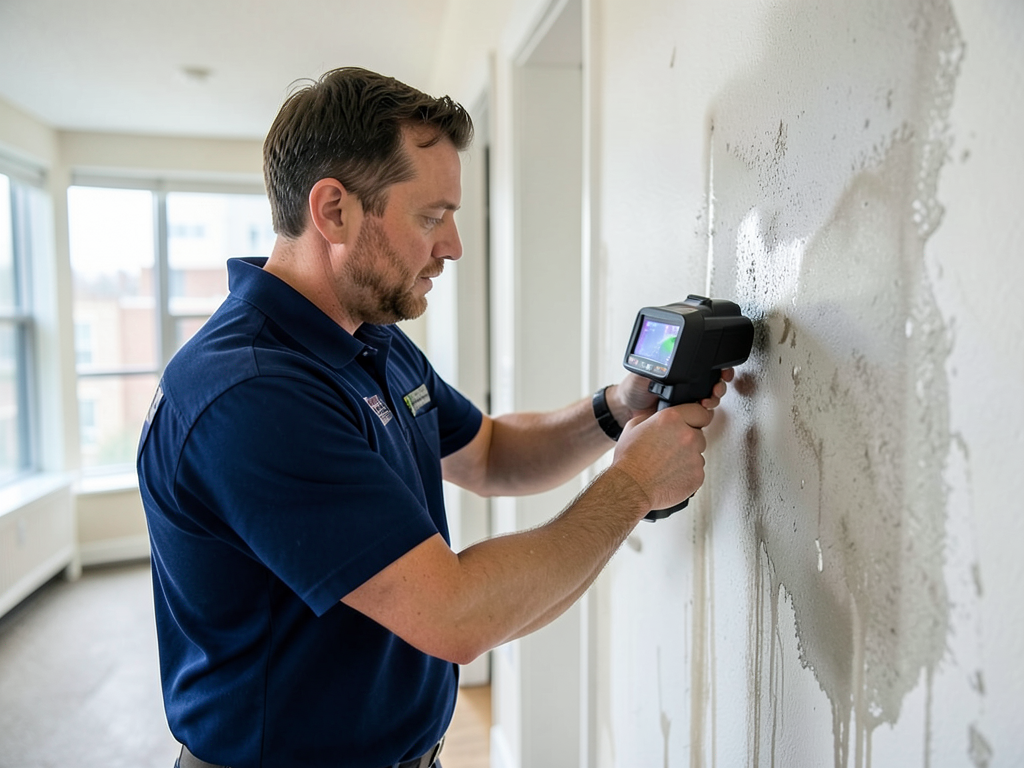
We use thermal imaging cameras to map heat retention in walls and ceilings. Residual heat indicates areas where fire penetrated deeper than visual inspection reveals. Moisture meters identify water saturation levels in structural components. You cannot dry what you cannot measure.

The first 72 hours determine success. We extract standing water using truck-mounted pumps, then deploy industrial dehumidifiers calibrated for Hartford's typical 65-75% relative humidity. Air movers create circulation patterns that pull moisture from enclosed spaces. This prevents microbial growth while structural assessment continues.

Smoke damage cleanup follows a chemistry-based approach. We test residue pH levels to select appropriate cleaning agents. Acidic smoke requires alkaline neutralizers. Protein-based residues need enzyme treatments. Generic all-purpose cleaners spread contamination deeper into porous materials.

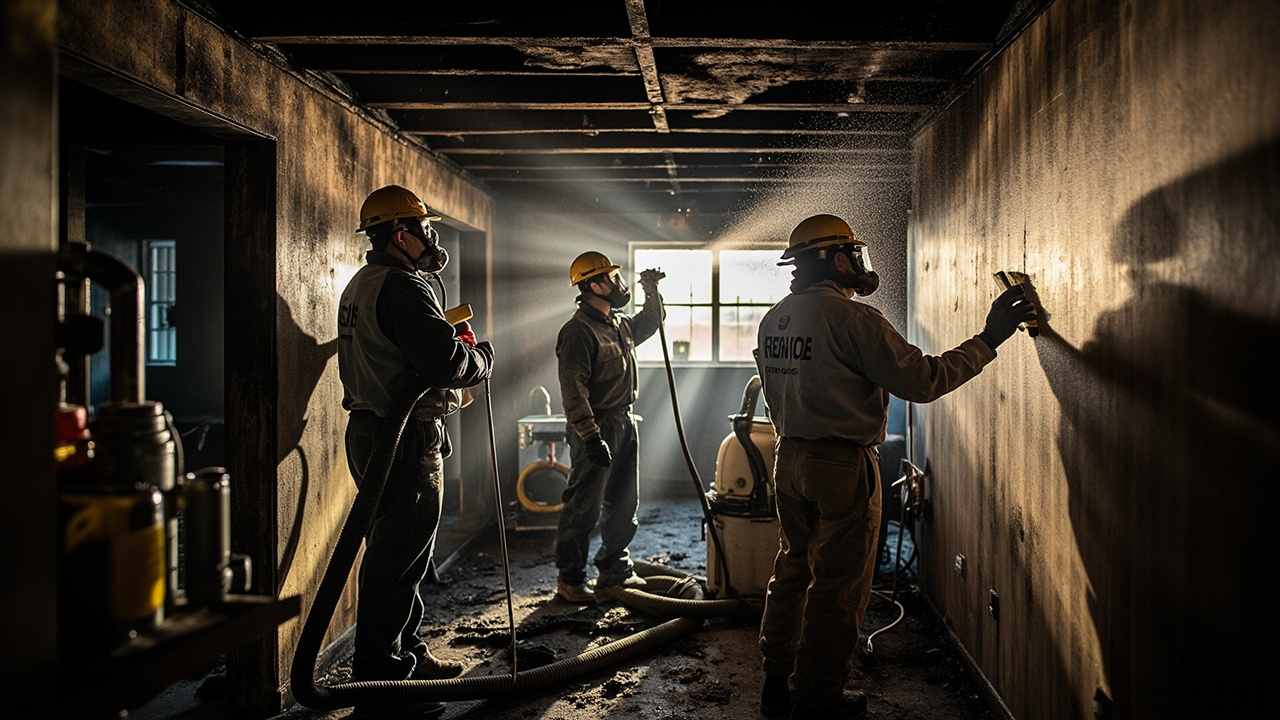
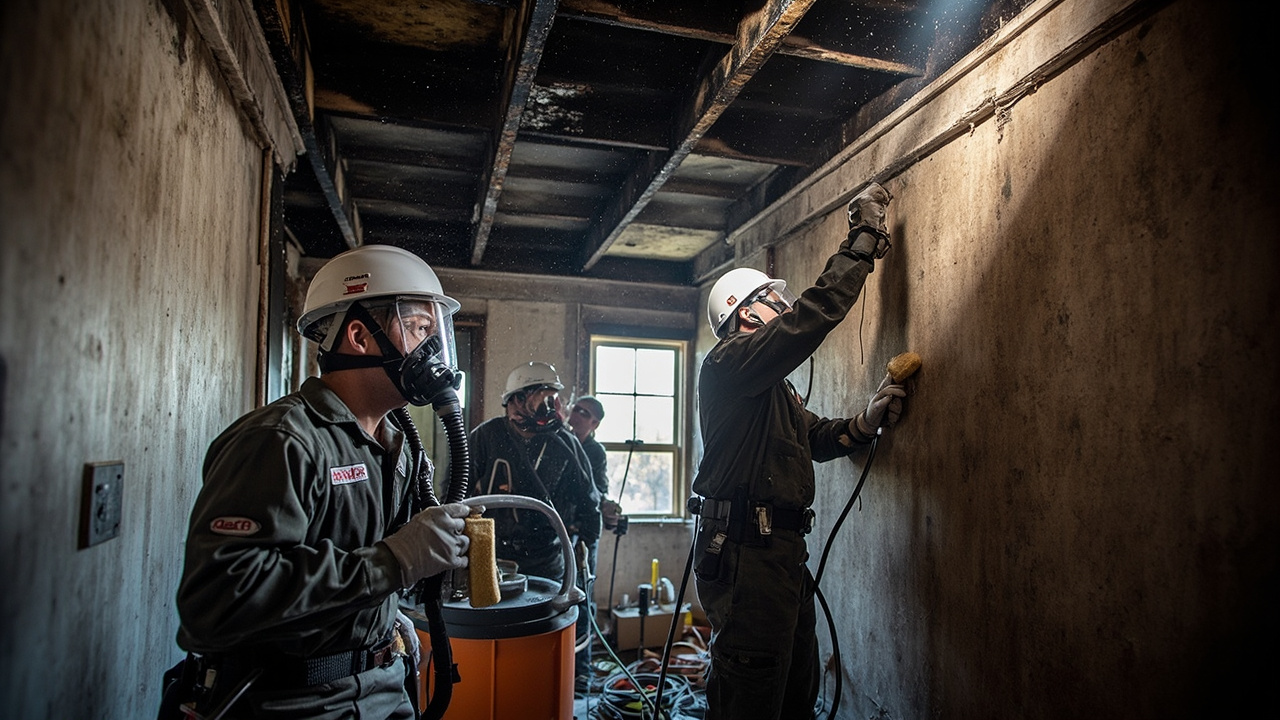
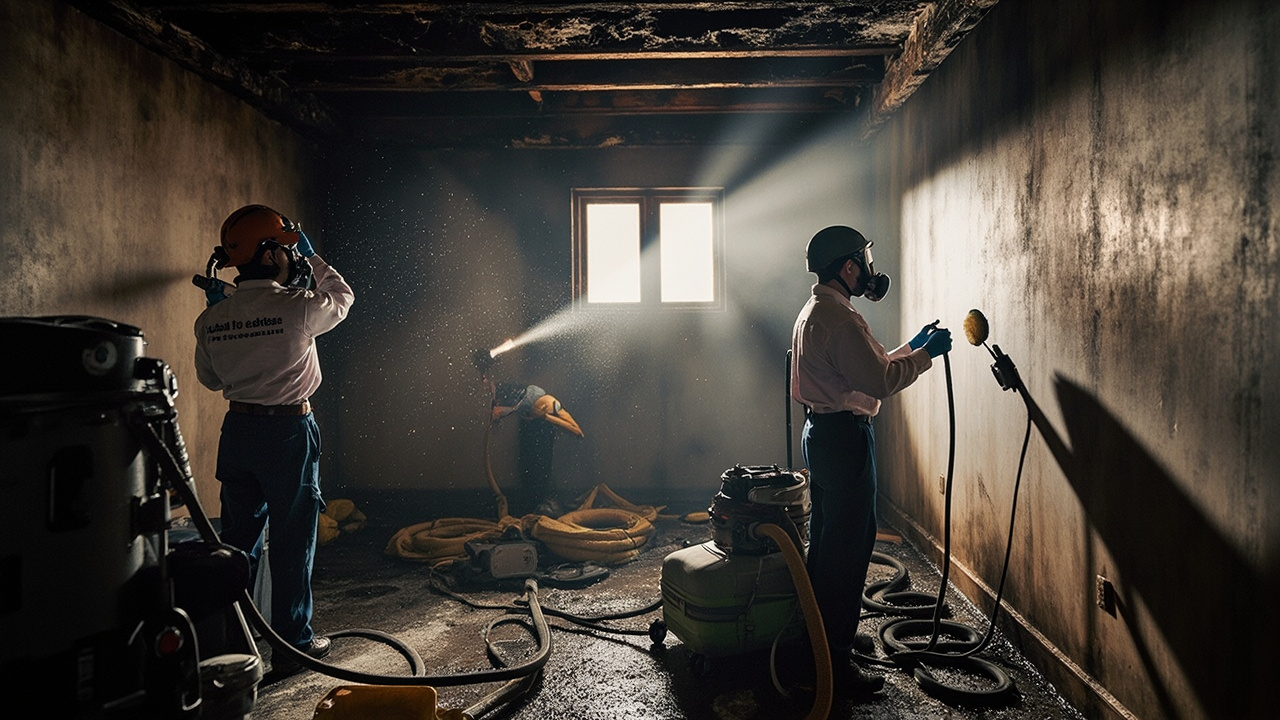
Soot removal from different surfaces requires different methods. HEPA vacuums capture particulates without redistributing them into air. Dry chemical sponges lift residue from painted walls without adding moisture. Abrasive cleaning damages finishes and creates more problems than it solves.

Odor elimination requires source removal, not masking. We strip and dispose of unsalvageable materials. Ozone generators oxidize odor molecules in enclosed spaces. Hydroxyl generators work in occupied areas. Thermal fogging penetrates the same pathways smoke traveled during the fire.

Hartford properties often need concurrent structural drying and fire cleanup services. We coordinate both processes to avoid re-contaminating cleaned areas. Water extraction happens before soot removal. Structural drying continues during content restoration.

The goal is returning your property to pre-loss condition while preventing hidden damage from surfacing months later.

What Happens During Fire and Smoke Restoration

Fire & Smoke Damage Restoration in Hartford – 24/7 Emergency Response Minimizes Structural Loss
01

Emergency Containment

We secure the property within hours of your call. Board-up services protect openings from weather and unauthorized entry. Tarping covers compromised roof sections. We extract standing water to stop additional saturation. Power assessment determines electrical safety. Gas lines get inspected for heat damage. This phase stabilizes the structure and prevents further loss.
02

Damage Documentation

Our team photographs and catalogs all affected areas before restoration begins. Moisture mapping identifies hidden water damage. Thermal imaging reveals heat-affected structural components. We test air quality for particulate levels and chemical residues. This documentation supports insurance claims and guides restoration priorities. You receive detailed reports showing the full scope of fire damage repair needed throughout your property.
03

Restoration and Verification

We remove unsalvageable materials and begin systematic cleaning of affected surfaces. Structural drying equipment runs until moisture levels return to normal ranges. Air scrubbers filter particulates during the entire process. Final clearance testing confirms air quality meets safety standards. We verify humidity levels, check for residual odors, and ensure all surfaces are properly restored before returning your property to you.

Why Hartford Property Owners Choose Local Fire Restoration Experts

Fire damage repair in Hartford requires understanding how local construction responds to thermal stress and water saturation.

Crestline Water Damage Restoration Hartford knows the difference between balloon-frame construction common in South Green and platform framing in newer Sheldon Charter Oak developments. Fire spreads differently through these structures. Water behaves differently in their wall cavities. Generic restoration approaches miss these details.

Connecticut building codes require specific documentation for fire-damaged structures before occupancy permits get reissued. We coordinate with Hartford Building Department inspectors and provide the technical reports they need. This prevents delays in your return to the property.

Insurance claims for fire and smoke mitigation require detailed evidence. We photograph damage progression, document moisture levels throughout the drying process, and provide itemized reports that support your claim. Hartford property owners working with inexperienced contractors often face claim denials due to inadequate documentation.

The Connecticut River Valley's climate affects drying times and restoration methods. Summer humidity requires more aggressive dehumidification than standard protocols recommend. Winter heating system complications need immediate attention to prevent frozen pipes in water-damaged areas. We adjust equipment deployment based on current conditions, not generic checklists.

Hartford's mixed-use neighborhoods mean fire restoration often affects both residential and commercial spaces. A fire in a Blue Hills Avenue storefront impacts apartments above. We coordinate restoration across property types and manage the complexity of multi-occupancy buildings.

Local relationships matter during restoration. We work with Hartford electrical contractors familiar with knob-and-tube wiring in older properties. Our plumbing partners understand the galvanized pipe systems common in pre-1960 construction. Fire damage often reveals underlying issues that require these specialists.

Experience with Hartford properties means faster, more accurate restoration with fewer surprises.

Understanding the Fire Restoration Timeline and Process

Emergency Response Time

We dispatch teams to Hartford properties within two hours of your call, available every day of the year. Fire damage gets worse the longer it sits untreated. Acidic smoke residue continues corroding metal and etching glass. Water from firefighting efforts spreads through building materials. Our emergency response includes immediate water extraction, property security, and damage assessment. You receive a preliminary restoration plan within 24 hours. Speed during the first three days determines whether contents and finishes can be saved or require replacement.

Initial Property Assessment

Our assessment identifies all fire-affected areas, including damage you cannot see. We inspect HVAC systems for smoke contamination, check structural integrity of load-bearing components, and test electrical systems for heat damage. Moisture meters map water saturation in walls, floors, and ceilings. Air quality testing measures particulate levels and identifies chemical residues. You receive a complete scope of work with restoration phases prioritized by urgency. This assessment becomes the foundation for insurance documentation and guides our restoration approach.

Restoration Quality Standards

Fire cleanup services must return your property to pre-loss condition, not just remove visible damage. We use clearance testing to verify air quality meets safety standards before you reoccupy. Moisture levels in structural components must return to normal ranges specific to each material type. Odor elimination requires complete removal, confirmed through independent verification. All surfaces get tested for residue after cleaning. We provide documentation showing your property meets both insurance requirements and Connecticut building codes for fire-damaged structures.

Post-Restoration Support

Fire restoration does not end when equipment leaves your property. We monitor moisture levels during the two weeks following active drying to catch any rebound humidity. You receive detailed documentation of all work completed for your records and future property transactions. Our team provides guidance on preventing secondary issues like residual odors or hidden moisture pockets. If any fire damage repair concerns emerge after project completion, we return to assess and address them. Hartford properties often reveal additional impacts weeks later as materials finish drying and settling.

Frequently Asked Questions

You Have Questions,
We Have Answers

How much does smoke damage restoration cost? +

Smoke damage restoration costs vary based on fire severity, affected square footage, and material damage. Minor smoke odor removal in one room may run less than larger projects requiring soot cleaning, HVAC decontamination, and content restoration. Hartford homes with older construction may face higher costs due to porous materials like plaster that absorb smoke deeply. Insurance typically covers most restoration expenses after fire loss. A professional inspection determines exact scope and pricing. Delaying restoration increases costs as acidic soot continues corroding surfaces and embedding odors into building materials.

How to clean up smoke damage after a fire? +

Stop. Do not attempt DIY smoke cleanup. Soot contains toxic chemicals and acids that corrode surfaces within hours. Open windows for ventilation but avoid touching walls or fabrics. Contact a certified restoration company immediately. Professionals use HEPA vacuums to remove loose soot, apply chemical sponges for surface cleaning, and deploy hydroxyl generators or ozone machines for odor neutralization. Hartford's humidity accelerates smoke damage, making fast professional intervention critical. Your insurance adjuster needs documentation before cleanup begins. Improper cleaning spreads soot deeper into materials and voids coverage.

Can a fire-damaged house be repaired? +

Yes. Most fire-damaged houses can be structurally repaired if the foundation and framing remain sound. Hartford's older homes often feature solid timber framing that withstands fire better than newer construction. A structural engineer assesses beam integrity, while restoration teams remove charred materials, treat smoke damage, and rebuild affected areas. Electrical and plumbing systems require inspection and replacement where heat caused damage. Severe fires may require complete gut renovations, but total loss is rare. Insurance adjusters determine repair feasibility versus replacement cost. Professional restoration preserves your home and maintains property value.

Can you just paint over smoke damage? +

No. Never paint over smoke damage. Soot contains acidic residues that bleed through paint within weeks, causing discoloration and persistent odor. Smoke particles penetrate drywall, requiring proper cleaning with TSP solutions or specialized soot sponges before sealing. Professionals apply shellac-based primers like BIN to encapsulate remaining odors, then finish with quality paint. Hartford's temperature swings cause improper paint jobs to fail faster as substrates expand and contract. Skipping proper prep wastes money and leaves your home smelling like fire. Insurance covers correct restoration methods.

Will insurance cover smoke damage? +

Yes. Standard homeowners insurance policies cover smoke damage from fire, even if flames never touched certain areas. Coverage includes structural cleaning, content restoration, odor removal, and temporary housing during repairs. Hartford residents should document all damage with photos before cleanup begins. Your insurer sends an adjuster to assess loss scope and approve restoration costs. Policies cover actual cash value or replacement cost depending on your coverage type. File your claim immediately. Delays complicate approval. Most insurers require certified restoration companies to perform work for coverage validation.

Are fire restoration companies worth it? +

Absolutely. Fire restoration companies provide specialized equipment and expertise impossible to replicate with DIY methods. They extract water from firefighting efforts, remove hazardous soot, neutralize acidic residues, eliminate smoke odor at the molecular level, and restore salvageable contents. Hartford's older homes contain materials requiring specific cleaning techniques to avoid permanent damage. Professionals work directly with insurance adjusters, documenting every step for claims processing. They prevent secondary damage like mold growth and structural corrosion. Attempting self-restoration often causes more damage, voids insurance coverage, and leaves toxic residues that threaten your family's health.

What is the 30/30/30 rule for fire? +

The 30/30/30 rule is a fire escape safety guideline, not a restoration term. It states you have 30 seconds to detect fire, 30 seconds to alert occupants, and 30 seconds to evacuate before conditions become lethal. Hartford's multi-family homes and older construction make escape planning critical. Interconnected smoke alarms, practiced escape routes, and exterior meeting points save lives. If you experience fire damage, evacuate immediately and call 911. Once safe, contact restoration professionals to handle cleanup. Never reenter a fire-damaged structure without fire department clearance.

How much does it cost to clean up a burned down house? +

Complete fire loss cleanup costs depend on structure size, damage severity, and debris volume. Small residential fires may cost less than major structural losses requiring demolition and hazardous material disposal. Hartford's building codes mandate specific debris handling and site remediation. Insurance covers most expenses after total loss, though deductibles apply. Professionals assess structural stability, disconnect utilities, remove debris, test for asbestos in older homes, and prepare the site for rebuilding. Costs include labor, dumpsters, equipment, and environmental fees. Your adjuster provides detailed cost breakdowns during claims processing.

How long does air quality stay bad after fire? +

Air quality remains hazardous for days to weeks after fire without professional remediation. Smoke particles, carbon monoxide, volatile organic compounds, and toxic gases linger in structures and furnishings. Hartford's humidity slows natural dissipation. Opening windows helps but does not eliminate embedded contamination. Professional air scrubbers with HEPA and carbon filters remove particulates and gases. Ozone or hydroxyl treatments neutralize odor molecules. Never occupy a fire-damaged structure without air quality testing and professional cleaning. Exposure causes respiratory problems, headaches, and long-term health issues, especially for children and those with asthma.

Does homeowners insurance cover housing after a fire? +

Yes. Homeowners insurance includes Additional Living Expenses coverage that pays for temporary housing after fire makes your home uninhabitable. Policies cover hotel costs, apartment rentals, meals, and other reasonable expenses above your normal living costs. Hartford residents typically receive coverage for several months during restoration. Keep all receipts for reimbursement. Coverage limits and duration vary by policy. Contact your insurer immediately after fire loss to activate ALE benefits. Some policies cover fair rental value if you own a rental property. Review your policy declarations for specific limits and exclusions.

How Hartford's Historic Construction Affects Fire and Smoke Damage Restoration

Hartford properties built before 1950 contain construction materials that respond poorly to fire and water exposure. Plaster walls absorb water differently than modern drywall. Hardwood floors swell and cup when saturated by firefighting efforts. Brick facades in West End and Asylum Hill properties retain smoke odors in mortar joints. The city's older neighborhoods use dimensional lumber that weakens significantly after fire exposure. These materials require specialized fire restoration services that account for their unique properties and longer drying times compared to modern construction.

Hartford building codes require specific documentation before reissuing occupancy permits for fire-damaged structures. Properties in historic districts face additional review for restoration methods and materials. Connecticut insurance requirements demand detailed proof of complete smoke damage cleanup and structural drying. Working with restoration teams unfamiliar with local requirements creates delays and potential claim complications. Our experience with Hartford Building Department procedures and Connecticut insurance documentation standards ensures your property moves through restoration and reoccupancy without unnecessary holdups or compliance issues.
Water Damage Restoration Services in The Hartford Area

Crestline Water Damage Restoration Hartford is strategically located to provide rapid and reliable service across the entire Hartford region and its surrounding communities. We invite you to view our service map to confirm that your property falls within our guaranteed service area, ensuring that a professional water damage expert is never far away when you need us most. We pride ourselves on the capability to reach your location quickly, a crucial factor in successful, timely mitigation and restoration.

Address:
Crestline Water Damage Restoration Hartford, 1916 Broad St, Hartford, CT, 06114

Additional Services We Offer

Our news updates

Latest Articles & News from The Blogs

Understanding the Risks of Using a Shop Vac for Major Water Removal in Your New Britain Home When water floods…

Understanding the Risks of Using a Shop Vac for Major Water Removal in Your New Britain Home

Understanding the Risks of Using a Shop Vac for Major Water Removal in Your New Britain Home When water floods…

Identifying Foundation Wall Cracks vs Hydrostatic Pressure Issues in Your Simsbury Home

Identifying Foundation Wall Cracks vs Hydrostatic Pressure Issues in Your Simsbury Home Foundation problems in Simsbury homes often start with…

The Best Way to Handle Water Damage in a Finished Basement with Radiant Floor Heating in Cheshire

The Best Way to Handle Water Damage in a Finished Basement with Radiant Floor Heating in Cheshire Water damage in…

Contact Us

Fire damage gets worse every hour you wait. Call Crestline Water Damage Restoration Hartford now at (860) 743-9993 for immediate assessment and emergency containment. Our teams respond to Hartford properties within two hours, every day of the year.