


Glastonbury sits along the Connecticut River floodplain, where seasonal flooding and high water tables create constant moisture pressure on foundations. Properties near the Roaring Brook watershed and those in lower-lying areas like South Glastonbury face elevated risk during spring thaw and heavy rainfall events. The town's mix of historic homes built before modern waterproofing standards and newer construction on clay-heavy soil means water intrusion happens through basements, crawl spaces, and foundation cracks.
Connecticut's freeze-thaw cycles compound the problem. Winter temperatures drop below freezing, then spike above it, causing pipes to burst inside walls and attics. When a pipe fails at 3 AM, water flows for hours before discovery, saturating insulation, drywall, and subflooring. Homes near Minnechaug Mountain and the eastern hills also deal with ice dam formation, where melting snow refreezes at roof edges and forces water under shingles into living spaces. These conditions demand immediate extraction and drying to prevent mold growth, which starts within 24 to 48 hours in Connecticut's humid climate.
Crestline Water Damage Restoration Hartford operates with one principle: speed and precision determine everything. When you call us for water damage in Glastonbury, we dispatch immediately, not in business hours or next-day windows. Our technicians arrive with truck-mounted extraction units, industrial dehumidifiers, air movers, and moisture detection equipment that maps hidden water behind walls and under flooring. We document every step with photos, moisture readings, and detailed reports your insurance adjuster needs to process claims without delays or disputes.
We work directly with Hartford County adjusters and major insurance carriers, speaking their language and providing the evidence they require. No guessing about coverage, no surprise denials. We coordinate the entire process while you focus on getting your property back. Our team holds IICRC certifications in water damage remediation and applied structural drying, meaning we follow industry protocols for safe, complete restoration, not shortcuts that leave moisture trapped in wall cavities or under flooring.
What separates us from other restoration companies is accountability. We test moisture levels daily until readings confirm complete dryness, not when it looks dry. We use thermal imaging to verify no water remains in ceiling joists or insulation. And we back our work with documentation that protects you if mold or structural issues surface later. Glastonbury property owners choose us because we treat every job like it's our own home flooding. No runaround, no delays, no excuses.

Water doesn't wait for business hours. Our crews respond to Glastonbury emergencies day or night, weekends and holidays. When you call, we answer. When we commit to an arrival time, we meet it. Fast response stops damage from spreading, reduces drying time, and lowers restoration costs. We arrive ready to work, not schedule estimates.

We document every phase of water extraction, drying, and restoration with timestamped photos, moisture meter readings, and detailed scope reports. Our team works directly with your adjuster to ensure accurate claim submission and full coverage. No surprise denials, no missing documentation. We handle the paperwork so you can focus on recovery.
Our restoration specialists hold certifications in water damage remediation and applied structural drying from the Institute of Inspection, Cleaning and Restoration Certification. We follow strict protocols for safe water removal, complete drying, and contamination control. Certification means adherence to industry standards that protect your property and health, not guesswork.
We test moisture levels daily with calibrated meters and thermal imaging cameras until readings confirm complete dryness in walls, floors, and ceilings. Visible drying is not the same as structural dryness. Trapped moisture causes mold, rot, and long-term damage. We verify elimination with data, not assumptions, before closing any job.
Water intrusion takes many forms, and each requires specific response protocols. A burst pipe creates different challenges than a flooded basement or sewage backup. Crestline Water Damage Restoration Hartford provides comprehensive water removal services across all damage categories, from clean water extraction to contaminated water remediation. Our service structure addresses three critical response areas: emergency mitigation to stop active damage, complete structural drying to eliminate hidden moisture, and full restoration to return your property to pre-loss condition.
We mobilize truck-mounted extraction units that remove thousands of gallons per hour, commercial dehumidifiers rated for large spaces, and high-velocity air movers that circulate air through wall cavities and subflooring. Moisture mapping with thermal cameras identifies water migration paths invisible to the eye. Every service includes insurance documentation, daily moisture testing, and antimicrobial treatment to prevent mold colonization. Whether you face a minor leak or catastrophic flooding, our approach stays consistent: extract, dry, verify, restore.
Standing water saturates building materials within hours, causing permanent damage to flooring, drywall, and structural framing. Our emergency extraction service deploys truck-mounted pumps and portable extractors to remove water fast, before it migrates into walls and insulation. We handle basement flooding, burst pipe overflow, appliance failures, and roof leaks with immediate response. Once water is removed, we place air movers and dehumidifiers to begin the drying process. Fast extraction reduces total damage, shortens restoration time, and lowers overall costs.
Visible water removal is only the first step. Moisture trapped in wall cavities, under flooring, and inside ceiling assemblies causes mold growth, wood rot, and structural failure. Our structural drying service uses industrial dehumidifiers, air movers, and moisture detection equipment to eliminate hidden water. We monitor drying progress daily with calibrated meters and thermal imaging, adjusting equipment placement until readings confirm complete dryness. This process protects your property from long-term damage and ensures safe occupancy after water intrusion.
Sewage backups, toilet overflows, and floodwater contain bacteria, viruses, and pathogens that require specialized cleanup protocols. Our contaminated water cleanup service follows strict safety procedures for extraction, disposal, and disinfection of affected materials. We remove contaminated items, sanitize salvageable surfaces with antimicrobial agents, and use air scrubbers to filter airborne contaminants. All work adheres to IICRC S500 standards for category 2 and 3 water damage, protecting occupants from health hazards during and after remediation.
Glastonbury's combination of older housing stock, clay soil, and proximity to water sources creates predictable failure points. Properties built before 1980 often lack proper foundation waterproofing, vapor barriers, and drainage systems that newer homes include as standard. When heavy rain saturates the ground, water pressure forces moisture through foundation walls and floor slabs. Homes in the Minnechaug and Buckingham neighborhoods, where elevation changes create runoff concentration, see frequent basement seepage during spring storms.
Burst pipes from freeze-thaw cycles top the list of emergency calls. Supply lines in exterior walls, unheated garages, and attic spaces freeze when temperatures drop, then rupture when water expands. A single burst pipe releases gallons per minute, flooding finished spaces before anyone notices. Appliance failures, particularly washing machine hoses and water heater tanks, also cause significant damage. These failures happen without warning, often when homeowners are away. The result is water-soaked floors, ruined belongings, and mold risk if response is delayed.
High water tables and clay soil prevent proper drainage around foundations. During heavy rain, water saturates the ground and seeps through cracks, joints, and porous concrete. Sump pump failures compound the problem, allowing water to rise until it floods finished basements. Immediate extraction and dehumidification prevent permanent damage to flooring, drywall, and furnishings.
Connecticut winters cause water inside pipes to freeze and expand. When pipes rupture, water flows unrestricted until someone shuts off the main supply. Burst pipes in walls and ceilings saturate insulation, drywall, and framing before discovery. Quick response limits spread and reduces the need for demolition during repairs. Delayed action leads to extensive structural damage.
Ice dams form when heat escapes through roofs, melting snow that refreezes at eaves. Water backs up under shingles and enters attics and wall cavities. By the time stains appear on ceilings, significant water has already saturated insulation and framing. Roof leaks also occur at flashing failures around chimneys and valleys, allowing rain to penetrate during storms.
Water heaters, washing machines, and dishwashers fail without warning. A corroded tank or burst supply line releases water onto floors, which spreads into adjacent rooms and seeps into subflooring. Toilet supply lines also rupture, flooding bathrooms and hallways. These failures often happen when homes are unoccupied, allowing water to flow for hours before discovery.
From the moment you call Crestline Water Damage Restoration Hartford, our focus is stopping damage and restoring your property. You speak directly with a technician, not an answering service. We ask specific questions about the water source, affected areas, and immediate hazards to prepare the right equipment before arrival. You receive a confirmed arrival time, and we meet it. No vague windows or missed appointments.
When our crew arrives, they conduct a damage assessment, document conditions with photos and moisture readings, and begin water extraction immediately. We explain the scope of work, timeline, and what you can expect each day. If insurance is involved, we provide detailed documentation your carrier requires. Throughout the drying process, we monitor moisture levels daily and adjust equipment as needed. You receive updates on progress, not silence until the job ends. Our goal is complete transparency, so you understand what's happening and why.
When you call, we answer. No phone trees or callbacks hours later. We confirm your location, assess the emergency over the phone, and commit to an arrival time. You receive a call when we're en route and another when we arrive. During the assessment, we explain what happened, what needs to be done, and how long it will take. You get straight answers, not technical jargon or evasive responses. If we uncover additional damage during work, we explain it immediately and adjust the plan.
Water damage restoration is not a set-it-and-forget-it process. Our technicians return daily to check equipment, take moisture readings, and verify drying progress. If readings show slow progress, we adjust dehumidifier placement, add air movers, or increase circulation. You receive updates on what we find and what changes we make. We document every reading so you see measurable progress toward complete dryness, not guesses about when equipment can be removed.
We don't close a job because it looks dry. Final moisture readings must meet industry standards for your building materials and environmental conditions. We use calibrated meters to test walls, floors, and ceilings, and thermal imaging to verify no hidden moisture remains. Once testing confirms complete dryness, you receive a final report with all documentation, moisture logs, and photos. This report protects you if issues surface later and provides proof of proper remediation for insurance or resale.
Water damage restoration follows a structured sequence designed to eliminate water, prevent secondary damage, and restore your property safely. Each phase builds on the previous one, with verification steps to ensure nothing is missed.
Our crew arrives and inspects all affected areas, using moisture meters and thermal imaging to map water migration. We identify the water source, stop active flow if possible, and document conditions with photos. Truck-mounted extractors and portable pumps remove standing water from floors, carpets, and other surfaces. We salvage belongings when possible and move furniture to dry areas. This phase happens fast to minimize absorption into building materials.
Industrial dehumidifiers and air movers run continuously to evaporate moisture from walls, floors, and ceilings. We position equipment based on airflow patterns and moisture readings to maximize efficiency. Technicians return daily to monitor progress, record moisture levels, and adjust equipment placement. This phase continues until moisture readings reach acceptable levels for all affected materials, which takes three to five days on average but varies by damage severity.
Once moisture readings confirm complete dryness, we remove equipment and conduct final testing with thermal imaging to verify no hidden moisture remains. Antimicrobial treatment is applied to prevent mold growth. We provide a detailed report with all documentation, photos, and moisture logs for your records and insurance claim. Any necessary repairs, from drywall replacement to flooring installation, are coordinated to return your property to pre-loss condition.
The Institute of Inspection, Cleaning and Restoration Certification establishes the S500 Standard for water damage restoration, which classifies water into three categories based on contamination level. Category 1 is clean water from supply lines or rain, posing no immediate health risk. Category 2 is gray water from appliances, toilets without feces, or sump pump backups, containing bacteria and chemicals that require caution. Category 3 is black water from sewage, flooding, or standing water with bacterial growth, demanding strict safety protocols and disposal procedures.
Each category requires different handling. Category 1 water can be extracted and dried with standard equipment, but if it sits for more than 48 hours, it degrades to Category 2 as bacteria multiply. Category 2 water requires antimicrobial treatment and protective equipment during cleanup. Category 3 water mandates full protective gear, specialized disinfection, and often disposal of porous materials like carpet, drywall, and insulation that cannot be safely cleaned.
Connecticut regulations require proper licensing for water damage restoration work, including hazardous waste disposal permits for contaminated material removal. Our technicians hold IICRC certifications and follow state environmental protection protocols for contaminated water handling. We document waste manifests, sanitization procedures, and air quality testing when required. This compliance protects property owners from liability if health issues arise after restoration. Insurance companies also require IICRC adherence for claim approval, making certified restoration essential for coverage.
Drying standards demand specific moisture content levels based on material type. Wood framing must reach 15 percent moisture content or less. Concrete slabs require readings below 4 percent. Drywall should test under 1 percent. These thresholds prevent mold growth, which begins at moisture levels above normal equilibrium for each material. We use penetrating moisture meters, not surface readings, to verify internal dryness before closing any job.
Category 1 clean water comes from supply lines and rain. Category 2 gray water contains bacteria from appliances or toilets. Category 3 black water includes sewage and floodwater with dangerous pathogens. Each category requires different safety protocols, extraction methods, and disposal procedures. Misidentifying water type leads to inadequate cleaning and health hazards.
Restoration costs depend on water volume, affected square footage, material saturation depth, and contamination category. Category 3 black water costs more due to disposal and disinfection requirements. Slow response increases costs as water spreads and materials absorb more moisture. Structural drying typically costs less than demolition and reconstruction from delayed mitigation.
Complete structural drying takes three to seven days on average, depending on materials affected, water volume, and environmental conditions. Concrete and dense materials take longer than drywall and wood. High humidity slows evaporation. We monitor daily and adjust timelines based on moisture readings, not arbitrary schedules. Rushing drying leads to trapped moisture and mold growth.
IICRC S500 standards govern proper water damage restoration procedures, including extraction methods, drying protocols, and contamination handling. Insurance companies require IICRC compliance for claim approval. Connecticut regulations mandate licensing and waste disposal permits for contaminated water cleanup. Certified technicians follow protocols that protect health and property value, not shortcuts that leave hidden problems.
Crestline Water Damage Restoration Hartford provides complete water damage response throughout Glastonbury and neighboring Hartford County communities. We serve South Glastonbury near the Connecticut River, where low elevation and proximity to the floodplain create seasonal flooding risk. Properties along Roaring Brook and Blackledge Falls experience water table fluctuations that pressure foundations during wet seasons. Homes in the Minnechaug area face runoff concentration from elevation changes, causing basement seepage during heavy rain.
The historic district near Main Street includes older homes built before modern waterproofing standards, making them vulnerable to foundation leaks and outdated plumbing failures. We respond to emergencies in Buckingham, where dense residential development and clay soil prevent proper drainage after storms. East Glastonbury properties near the Salmon River watershed also see water intrusion during spring thaw when snowmelt saturates the ground. Our service area extends to nearby communities including Marlborough, Hebron, East Hampton, and Colchester, where similar soil conditions and weather patterns create comparable water damage risks.
We maintain rapid response capability across the entire region, with equipment staged for immediate deployment. Whether you face a burst pipe in a century-old home near the town green or basement flooding in a newer subdivision off Route 2, our crew arrives equipped to handle the situation. We understand how Glastonbury's geography, from the river valley to the eastern hills, affects water behavior and building vulnerability. Local knowledge combined with IICRC protocols ensures effective restoration regardless of property age or location. When water damage strikes anywhere in Hartford County, one call brings our full capabilities to your door.
Crestline Water Damage Restoration Hartford is strategically located to provide rapid and reliable service across the entire Hartford region and its surrounding communities. We invite you to view our service map to confirm that your property falls within our guaranteed service area, ensuring that a professional water damage expert is never far away when you need us most. We pride ourselves on the capability to reach your location quickly, a crucial factor in successful, timely mitigation and restoration.
Address:
Glastonbury, CT, 6033
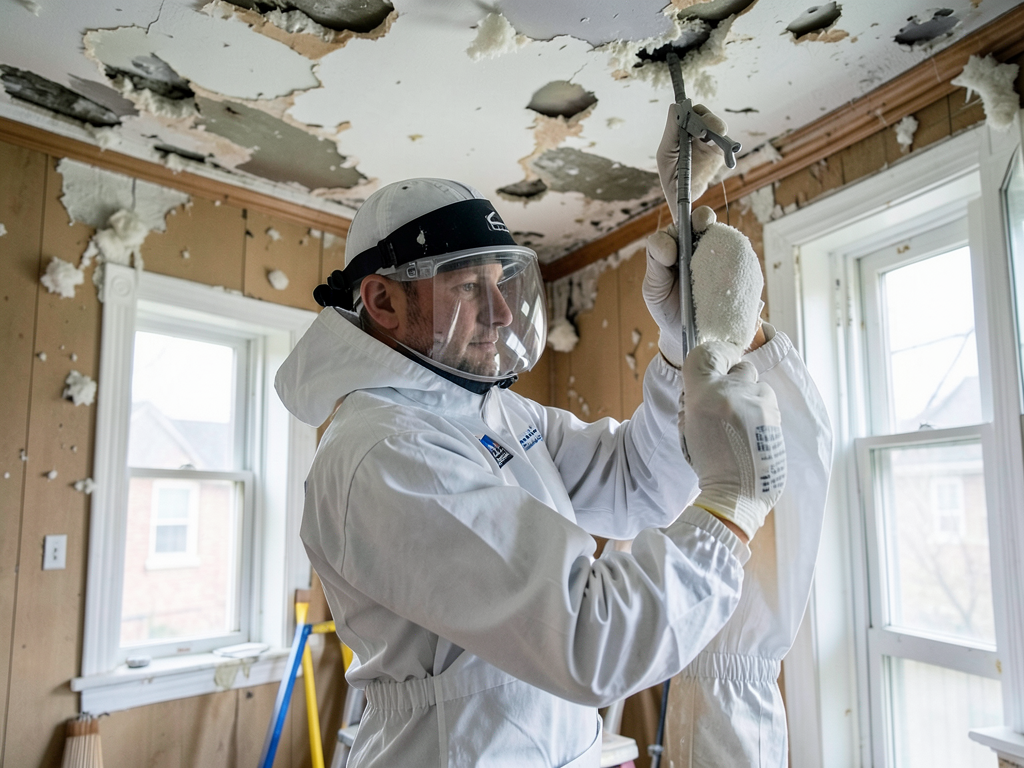
Why Asbestos Testing is Mandatory Before Restoring an Older West End Hartford Home Water damage in your West End Hartford home triggers more than just drying and cleanup. If your property was built before 1980…
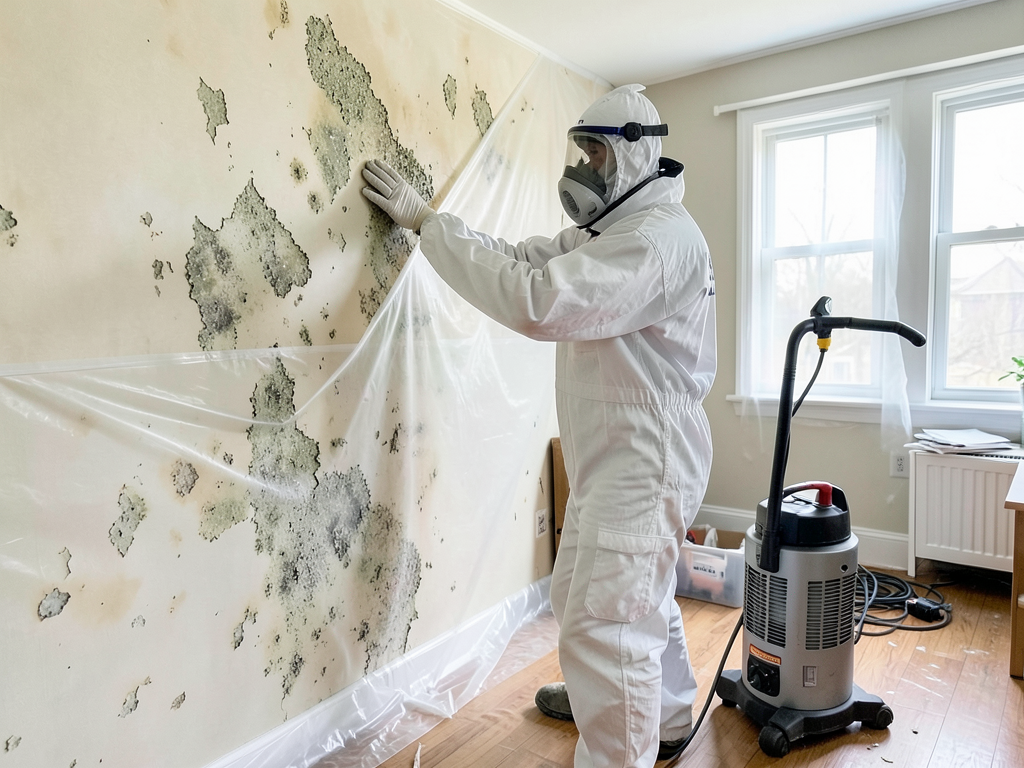
How to Tell if There is Mold Growing Under the Wallpaper in Your Older Newington…
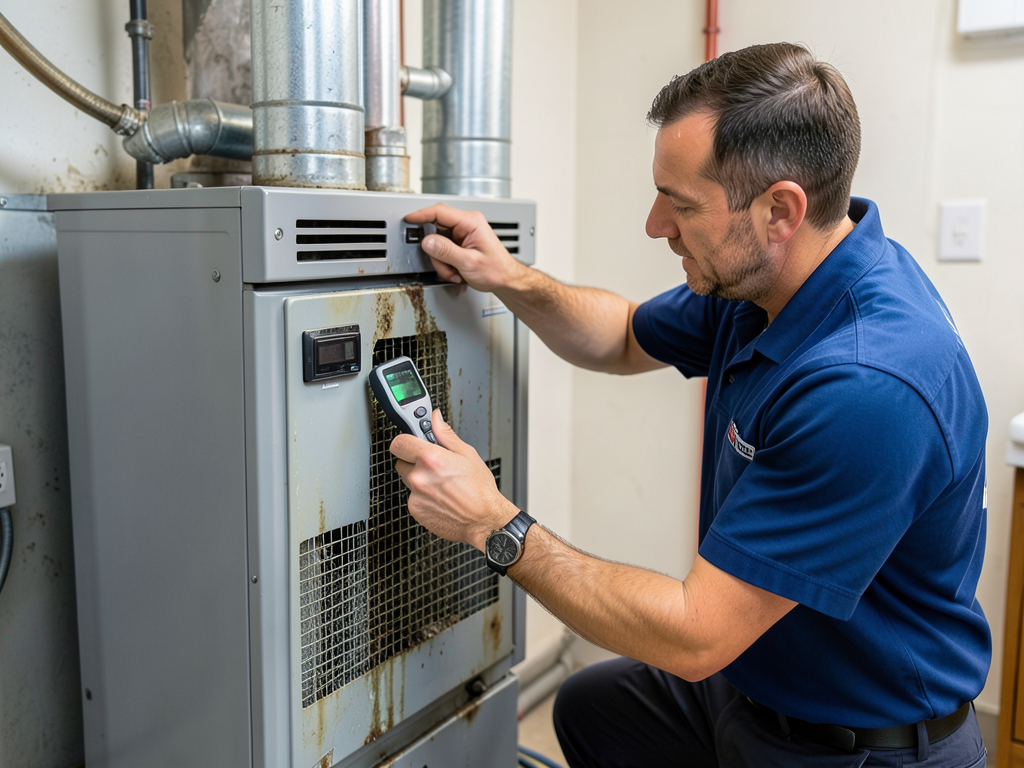
Why Your Whole-House Humidifier is Leaking and Ruining Your Simsbury Utility Room Your whole-house humidifier…
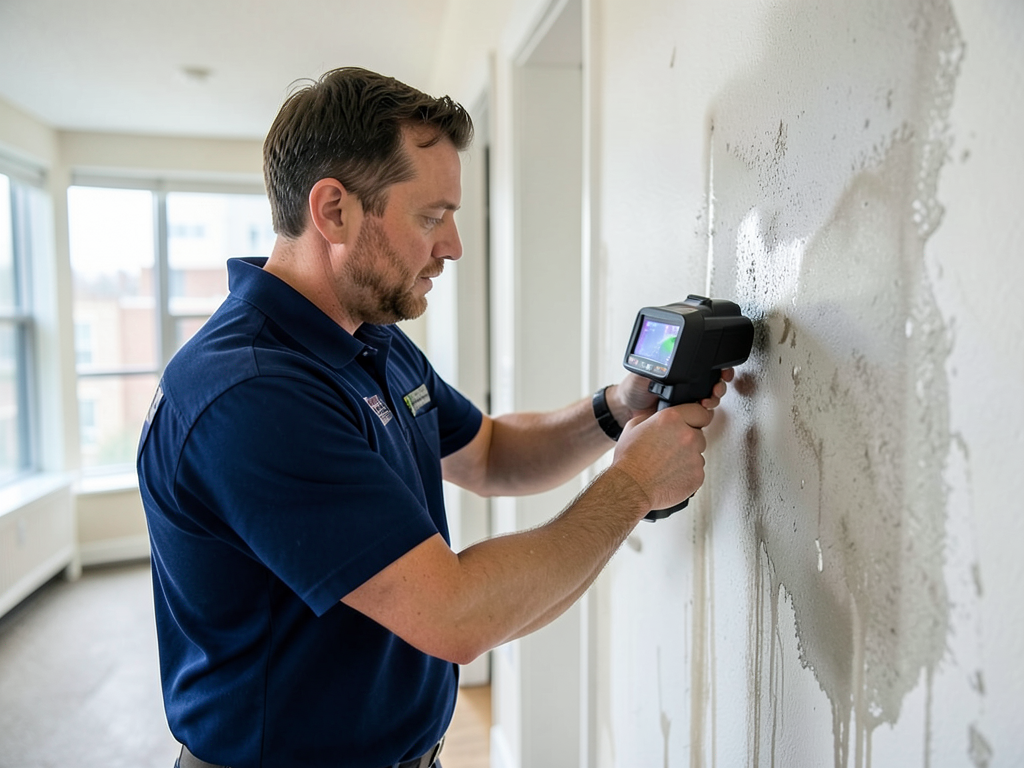
Tracking Down a Mystery Leak in a Blue Hills Multi-Story Condo Building Water damage in…
Water damage spreads fast. Every hour increases restoration costs and mold risk. Call Crestline Water Damage Restoration Hartford now at (860) 743-9993 for immediate dispatch. Our certified technicians arrive ready to extract water, dry your property, and document everything for insurance. Don't wait.