
Managing Humidity and Preventing Mold Growth During a Hot Connecticut Summer
Connecticut summers bring more than just heat. When humidity climbs above 70% and air conditioners struggle to keep up, moisture builds up inside your home. That extra moisture can lead to mold growth within 24 to 48 hours. Understanding how humidity works and what you can do to control it will help protect your home and health.. Read more about Why Your AC Is Leaking Water Inside Your Clay-Arsenal Apartment.
Why Connecticut Homes Face High Humidity Problems
Hartford sits in a humid continental climate zone. Summer air from the Atlantic Ocean moves inland, bringing moisture that gets trapped inside homes. Many houses in the area were built before modern vapor barriers existed. Older construction allows humid air to seep through walls and basements. When warm air meets cool indoor surfaces, condensation forms. That water becomes the perfect breeding ground for mold. Professional Water Extraction and Drying for Downtown Hartford Office Buildings.
New England basements face a unique challenge. Connecticut River Valley soil contains high clay content. Clay holds water and drains slowly. Water pressure builds against basement walls. Without proper drainage or sump pumps, moisture moves inside. Once inside, it raises indoor humidity levels.. Read more about Repairing Water Damaged Drywall vs Plaster in Historic Hartford Homes.
Understanding Relative Humidity and Safe Indoor Levels
Relative humidity measures how much moisture air holds compared to its maximum capacity at that temperature. When relative humidity exceeds 60%, mold spores begin to germinate. The safe indoor range for Connecticut homes is between 30% and 50%. Below 30% causes dry skin and static electricity. Above 50% encourages mold, dust mites, and bacteria growth.. Read more about Essential Moisture Checks Before You Finish Your Manchester Basement.
Many homeowners use inexpensive hygrometers to track indoor humidity. Place one in the basement and another on the main floor. Check readings at different times of day. If levels stay above 60% for more than a few hours, you need to take action.
Common Sources of Indoor Humidity in Hartford Homes
Daily activities add moisture to indoor air. Cooking, showering, and laundry release water vapor. A family of four can produce up to 25 pints of moisture daily through normal activities. Without proper ventilation, that moisture stays trapped inside.. Read more about Why Your Water Pipes are Sweating and How to Stop the Resulting Damage in Southington.
Air conditioning problems contribute significantly. When an AC unit is too large for the space, it cools quickly but runs for short cycles. Short cycling does not remove enough moisture from the air. The result feels cool but clammy. When the unit is too small, it runs constantly but cannot keep up with humidity removal. The Best Local Mold Removal and Remediation Experts in Glastonbury.
Foundation issues create another source. Cracks in basement walls let groundwater seep inside. Even small amounts of water can raise humidity dramatically. Water vapor moves through concrete by capillary action. A damp basement floor can release several gallons of water into the air daily.. Read more about What Happens if You Wait Too Long to Fix a Small Bathroom Leak in New Britain?.
Five Steps to Control Humidity and Prevent Mold
- Install and Maintain Dehumidifiers
Place dehumidifiers in basements and problem areas. Choose units rated for at least 70 pints per day for Connecticut summers. Empty collection buckets regularly or connect to a drain. Clean filters monthly to maintain efficiency.
- Improve Ventilation
Run bathroom exhaust fans during and after showers. Make sure kitchen range hoods vent to the outside. Open windows when outdoor humidity drops below indoor levels. Use attic fans to move air through the home.
- Maintain Your HVAC System
Schedule annual AC maintenance. Technicians check refrigerant levels, clean coils, and test humidity removal capacity. Replace air filters every 30 to 60 days during summer. Consider adding a whole-house dehumidifier to your HVAC system.
- Manage Outdoor Water
Grade soil away from foundation walls. Clean gutters and downspouts regularly. Extend downspouts at least five feet from the house. Repair cracks in foundation walls with hydraulic cement. EPA Mold Information.
- Monitor and Respond Quickly
Check humidity levels weekly. Look for condensation on windows, water stains on walls, or musty odors. If you find mold, clean small areas with detergent and water. For areas larger than ten square feet, call professionals.
Professional Tools for Finding Hidden Moisture
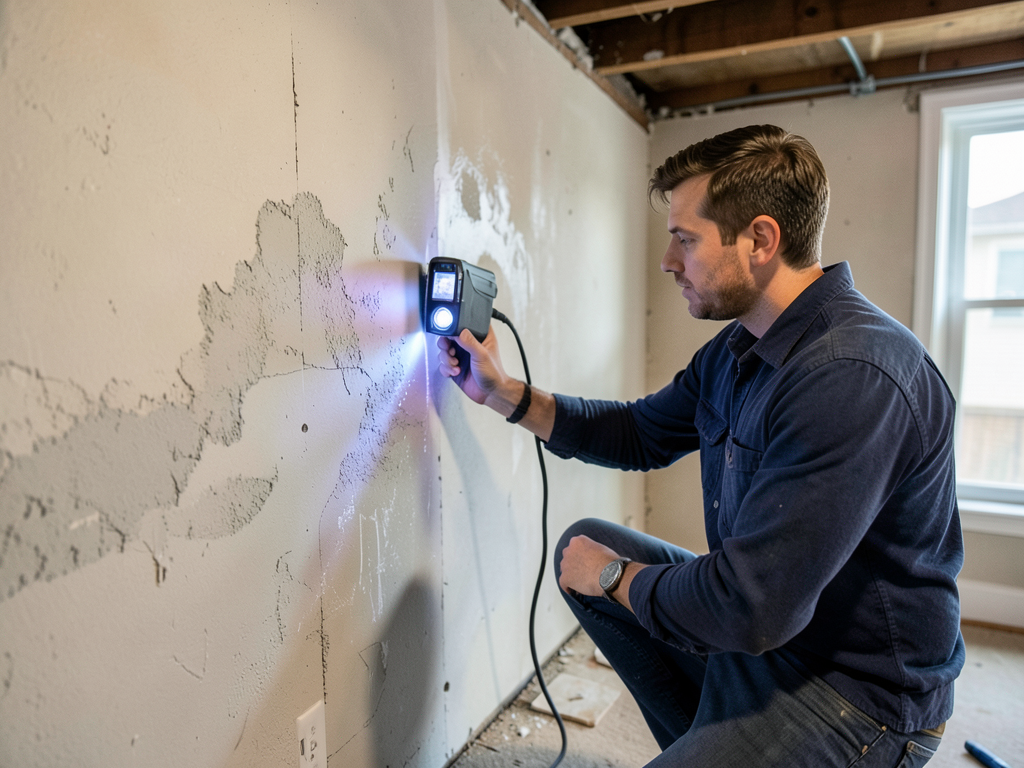
Sometimes humidity problems hide behind walls or under floors. Professionals use specialized tools to find these issues. Infrared cameras detect temperature differences that indicate moisture. A cool spot on a wall might mean water is trapped inside.
Moisture meters measure water content in materials. Pin-type meters poke into wood to check moisture levels. Non-invasive meters use electromagnetic signals to scan walls without damage. Readings above 16% in wood or 20% in drywall indicate moisture problems.
Thermo-hygrometers measure both temperature and humidity. Professionals use them to calculate dew point. The dew point is the temperature at which air becomes saturated and condensation forms. Keeping indoor surfaces above the dew point prevents condensation.
Understanding Mold Growth in Connecticut Homes
Connecticut’s climate creates ideal conditions for several mold species. Aspergillus grows on dust and food particles. Cladosporium appears on fabrics and wood surfaces. Stachybotrys chartarum, often called black mold, needs constant moisture to grow. It appears as dark green or black patches.
Mold reproduces through microscopic spores. These spores float through air and settle on surfaces. When moisture and organic material combine, spores germinate. Germination takes 24 to 48 hours. Full colonization can occur within 72 hours under ideal conditions.
Different materials support mold growth at different rates. Drywall with paper backing provides food for mold. Ceiling tiles, carpet padding, and insulation also support growth. Concrete and metal resist mold but can harbor spores in dust and debris. Soggy Insulation.
Building Code Requirements for Moisture Control
Connecticut State Building Code Section 13-2 requires vapor barriers in basements. These barriers prevent moisture from moving through walls and floors. The code also mandates proper drainage around foundations. Without these systems, water pressure builds against basement walls. Office Building Water Restoration.
International Residential Code Section R408 covers basement insulation and moisture protection. It requires either exterior waterproofing or interior drainage systems. Homes built before these codes may lack proper protection.
Local municipalities often add requirements. Hartford requires backwater valves on sewer lines in flood-prone areas. These valves prevent sewage from backing up into basements during heavy rains. Fast Sewage Cleanup Services for East Hartford Residents Facing a Backup.
When to Call a Hartford Restoration Specialist
Some moisture problems need professional help. Call experts if you find mold covering more than ten square feet. Large areas require containment to prevent spore spread. Professionals use negative air pressure and HEPA filtration during cleanup.
Call for help if you smell musty odors but cannot find the source. Hidden mold behind walls or under floors needs professional detection. Water stains that keep returning indicate ongoing moisture problems that require expert diagnosis.
Insurance often covers sudden water damage but not gradual moisture problems. Review your policy to understand coverage limits. Many policies exclude mold damage unless it results from a covered water loss.
Professional services include moisture mapping, which shows exactly where water travels through your home. This mapping guides repairs and prevents future problems. Restoration specialists also test air quality to ensure mold spores are at safe levels after cleanup.
Don’t wait until you see visible mold. By then, spores may have spread throughout your home. Early intervention saves money and protects your family’s health.
Call (860) 743-9993 today to schedule your inspection. Our Hartford-based team understands Connecticut’s unique humidity challenges and can help you create a dry, healthy home environment.. Read more about Why Your Northeast Hartford Home Smells Like Mildew Even If You Can’t See Mold.
Frequently Asked Questions
How quickly can mold grow in a humid Connecticut home?
Mold can begin growing within 24 to 48 hours when humidity stays above 60%. Under ideal conditions with temperatures between 77°F and 86°F, mold colonies can form within 72 hours.
What humidity level should I maintain to prevent mold growth?
Keep indoor relative humidity between 30% and 50%. Use dehumidifiers when levels exceed 50%, especially during Connecticut’s humid summer months.
Can I clean mold myself or do I need professionals?
Small areas under ten square feet can be cleaned with detergent and water. Larger areas, hidden mold, or recurring problems require professional remediation to prevent spore spread and ensure complete removal. For more information, visit CDC Mold FAQs.
{
“@context”: “https://schema.org”,
“@type”: “BlogPosting”,
“headline”: “Managing Humidity and Preventing Mold Growth During a Hot Connecticut Summer”,
“description”: “Learn how Hartford’s high summer humidity fuels mold growth and discover proven steps to protect your home. Call (860) 743-9993 for expert moisture control.”,
“wordCount”: 1333,
“datePublished”: “2026-03-21T10:25:00.000Z”,
“dateModified”: “2026-03-21T10:25:00.000Z”,
“inLanguage”: “en-US”,
“mainEntityOfPage”: {
“@type”: “WebPage”,
“@id”: “https://crestlinewaterdamagerestorationhartford.com”
},
“publisher”: {
“@type”: “LocalBusiness”,
“name”: “Crestline Water Damage Restoration Hartford”,
“url”: “https://crestlinewaterdamagerestorationhartford.com”
},
“author”: {
“@type”: “Organization”,
“name”: “Crestline Water Damage Restoration Hartford”,
“url”: “https://crestlinewaterdamagerestorationhartford.com”
},
“image”: {
“@type”: “ImageObject”,
“url”: “https://crestlinewaterdamagerestorationhartford.com/wp-content/uploads/2026/03/managing-humidity-and-preventing-mold-growth-durin-1.png”
}
}
{
“@context”: “https://schema.org”,
“@type”: “LocalBusiness”,
“name”: “Crestline Water Damage Restoration Hartford”,
“url”: “https://crestlinewaterdamagerestorationhartford.com”,
“address”: {
“@type”: “PostalAddress”,
“addressLocality”: “Hartford”
},
“areaServed”: {
“@type”: “City”,
“name”: “Hartford”
}
}
{
“@context”: “https://schema.org”,
“@type”: “FAQPage”,
“mainEntity”: [
{
“@type”: “Question”,
“name”: “How quickly can mold grow in a humid Connecticut home?”,
“acceptedAnswer”: {
“@type”: “Answer”,
“text”: “Mold can begin growing within 24 to 48 hours when humidity stays above 60%. Under ideal conditions with temperatures between 77°F and 86°F, mold colonies can form within 72 hours.”
}
},
{
“@type”: “Question”,
“name”: “What humidity level should I maintain to prevent mold growth?”,
“acceptedAnswer”: {
“@type”: “Answer”,
“text”: “Keep indoor relative humidity between 30% and 50%. Use dehumidifiers when levels exceed 50%, especially during Connecticut’s humid summer months.”
}
},
{
“@type”: “Question”,
“name”: “Can I clean mold myself or do I need professionals?”,
“acceptedAnswer”: {
“@type”: “Answer”,
“text”: “Small areas under ten square feet can be cleaned with detergent and water. Larger areas, hidden mold, or recurring problems require professional remediation to prevent spore spread and ensure complete removal. For more information, visit CDC Mold FAQs.”
}
}
]
}
{
“@context”: “https://schema.org”,
“@type”: “HowTo”,
“name”: “How to Control Indoor Humidity”,
“step”: [
{
“@type”: “HowToStep”,
“position”: 1,
“name”: “Install and Maintain Dehumidifiers”,
“text”: “Place dehumidifiers in basements and problem areas. Choose units rated for at least 70 pints per day for Connecticut summers. Empty collection buckets regularly or connect to a drain. Clean filters monthly to maintain efficiency.”
},
{
“@type”: “HowToStep”,
“position”: 2,
“name”: “Improve Ventilation”,
“text”: “Run bathroom exhaust fans during and after showers. Make sure kitchen range hoods vent to the outside. Open windows when outdoor humidity drops below indoor levels. Use attic fans to move air through the home.”
},
{
“@type”: “HowToStep”,
“position”: 3,
“name”: “Maintain Your HVAC System”,
“text”: “Schedule annual AC maintenance. Technicians check refrigerant levels, clean coils, and test humidity removal capacity. Replace air filters every 30 to 60 days during summer. Consider adding a whole-house dehumidifier to your HVAC system.”
},
{
“@type”: “HowToStep”,
“position”: 4,
“name”: “Manage Outdoor Water”,
“text”: “Grade soil away from foundation walls. Clean gutters and downspouts regularly. Extend downspouts at least five feet from the house. Repair cracks in foundation walls with hydraulic cement. EPA Mold Information.”
},
{
“@type”: “HowToStep”,
“position”: 5,
“name”: “Monitor and Respond Quickly”,
“text”: “Check humidity levels weekly. Look for condensation on windows, water stains on walls, or musty odors. If you find mold, clean small areas with detergent and water. For areas larger than ten square feet, call professionals.”
}
],
“image”: “https://crestlinewaterdamagerestorationhartford.com/wp-content/uploads/2026/03/managing-humidity-and-preventing-mold-growth-durin-1.png”
}
{
“@context”: “https://schema.org”,
“@type”: “BreadcrumbList”,
“itemListElement”: [
{
“@type”: “ListItem”,
“position”: 1,
“name”: “Home”,
“item”: “https://crestlinewaterdamagerestorationhartford.com”
},
{
“@type”: “ListItem”,
“position”: 2,
“name”: “Blog”,
“item”: “https://crestlinewaterdamagerestorationhartford.com/blog”
},
{
“@type”: “ListItem”,
“position”: 3,
“name”: “Managing Humidity and Preventing Mold Growth During a Hot Connecticut Summer”
}
]
}
{
“@context”: “https://schema.org”,
“@type”: “Service”,
“serviceType”: “Water Damage Restoration”,
“provider”: {
“@type”: “LocalBusiness”,
“name”: “Crestline Water Damage Restoration Hartford”,
“url”: “https://crestlinewaterdamagerestorationhartford.com”
},
“areaServed”: {
“@type”: “City”,
“name”: “Hartford”
},
“description”: “Learn how Hartford’s high summer humidity fuels mold growth and discover proven steps to protect your home. Call (860) 743-9993 for expert moisture control.”
}