
Is Your Modern West Hartford Home More At Risk for Water Damage Than an Older One?
Water damage does not discriminate by age but it certainly behaves differently in a 1920s Colonial versus a 2020s contemporary. Modern West Hartford homes built with engineered materials and PEX plumbing systems often face unique vulnerabilities that older homes with plaster walls and cast iron pipes do not. Understanding these differences can help you prevent costly repairs and know when to call a professional. This guide breaks down the risks, restoration challenges, and local factors that make your home’s age a critical factor in water damage outcomes. EPA Renovation Repair and Painting Rule.
How Building Materials Shape Water Damage Severity
Older West Hartford homes in neighborhoods like West End and South End typically feature plaster walls and lath construction. Plaster resists water penetration better than modern drywall but once saturated it takes significantly longer to dry. The horsehair or cellulose insulation behind those walls can hold moisture for weeks creating hidden mold risks. Modern homes use gypsum board which absorbs water quickly but also dries faster with professional equipment. Professional Water Extraction and Drying for Downtown Hartford Office Buildings.
Foundation types tell another story. Historic homes along Prospect Avenue often rest on fieldstone or brick foundations common in Connecticut’s river valley. These materials allow slow seepage through mortar joints during heavy rains. Newer homes in Elmwood or near Bishops Corner usually have poured concrete foundations that crack predictably under freeze-thaw cycles creating direct water intrusion paths. Connecticut State Building Code.
Plumbing Systems: The Hidden Risk Factor
Galvanized steel pipes in homes built before 1960 corrode from the inside out. The corrosion creates rough surfaces where debris collects eventually blocking flow or causing pinhole leaks. Cast iron drain lines from the same era can crack and leak under the slab. Modern PEX piping resists corrosion but has its own failure patterns. PEX manifolds in newer developments near Trout Brook Drive can fail at connection points when water pressure fluctuates during Hartford’s seasonal temperature swings. What to Do When Your Pipes Freeze and Burst During a Hartford Winter.
According to the Connecticut State Building Code Section 305.4 modern plumbing installations must use materials rated for the region’s freeze-thaw cycles. Homes that skip these requirements during renovations face burst pipe risks when temperatures drop below 20 degrees Fahrenheit. Office Building Water Restoration.
Modern Floor Plans Accelerate Water Spread
Open concept layouts popular in recent West Hartford construction allow water to travel farther faster. A leak in a second floor bathroom can flow through engineered hardwood floors into the kitchen and living area within minutes. Older homes with separate rooms contain water damage to fewer areas but the materials in those rooms take longer to dry.
Engineered wood flooring common in new builds absorbs moisture at the plank edges causing irreversible swelling. The same leak on hardwood floors in a 1940s home might only affect the finish requiring sanding and refinishing rather than full replacement.. Read more about How to Save Luxury Vinyl Plank Flooring After a Flood in Your West Hartford Home.
Local Climate Factors That Affect Both Eras
West Hartford sits in the Connecticut River Valley where heavy nor’easters and rapid snowmelt create unique water damage patterns. Homes near the MDC water treatment plant face additional risks from the area’s combined sewer system. During extreme storms these systems can back up sending sewage into basements regardless of the home’s age. Fast Sewage Cleanup Services for East Hartford Residents Facing a Backup.
The region’s clay soil common in the Trout Brook valley drains poorly. Water pools around foundations creating hydrostatic pressure that forces moisture through basement walls. Modern waterproofing membranes help but cannot eliminate this risk in areas with high water tables.
Health Hazards Vary by Property Age
Pre-1978 homes in the Westmoor Park area may contain lead paint and asbestos insulation. Water damage that disturbs these materials creates serious health hazards requiring specialized abatement under EPA’s Renovation Repair and Painting Rule. Modern homes avoid these specific toxins but introduce others. Engineered wood products and synthetic insulation release volatile organic compounds when wet creating indoor air quality issues.
The tight building envelopes of new construction trap moisture inside. Without proper ventilation mold can proliferate behind drywall before homeowners notice any signs. Older homes with drafty construction allow some moisture escape but also create cold spots where condensation forms.. Read more about Signs Your Reverse Osmosis System Is Leaking Under Your Sink in Your Avon Kitchen.
Restoration Timeframes and Cost Factors
Plaster walls in historic homes require specialized drying techniques. Standard dehumidifiers cannot extract moisture from dense plaster effectively. Restoration teams must use desiccant dehumidifiers and injectidry systems which extend project timelines by three to five days compared to modern drywall repairs.
Modern materials often mean lower restoration costs per square foot but higher total project costs. Engineered flooring cannot be saved once wet requiring complete replacement. The same leak in a historic home might only need spot repairs to plaster and refinishing of existing hardwood.
Insurance Considerations for Different Eras
Insurance companies rate older homes in historic districts like West End higher for water damage claims due to the cost of specialized restoration. Modern homes may have lower premiums but face different coverage gaps. Many policies exclude damage from frozen pipes if the home was unoccupied and heat was not maintained above 55 degrees.
Replacement cost coverage becomes critical for modern homes with engineered materials. Actual cash value policies depreciate expensive items like wide plank engineered flooring making claims payouts insufficient for full restoration.
Preventive Measures by Home Era
For older homes annual plumbing inspections should focus on galvanized pipe corrosion and cast iron drain line integrity. Installing water leak detection sensors near the water main can prevent catastrophic failures. Modern homes benefit from smart water shutoff valves that automatically stop flow when leaks are detected.. Read more about Why You Should Never Use Bleach to Clean Mold on Drywall in Your Rocky Hill Home.
Both eras need proper gutter maintenance. Connecticut’s heavy leaf fall clogs downspouts causing water to overflow and pool against foundations. Extending downspouts at least six feet from the foundation helps prevent basement seepage in both historic and contemporary structures.
Local Building Code Requirements
The Connecticut State Building Code requires specific waterproofing standards for basements in areas with high water tables. Homes in the Trout Brook watershed must meet additional drainage requirements. Modern renovations in historic districts must comply with both current codes and preservation guidelines from the West Hartford Historic District Commission.
Electrical systems in older homes often lack GFCI protection in areas prone to water exposure. Current code requires these safety devices in bathrooms kitchens and basements. Upgrading during restoration not only meets code but prevents electrical hazards during future water events.. Read more about Why Your South End Triple-Decker is Prone to Vertical Water Damage and How to Stop the Spread.
Professional Assessment: The Critical First Step
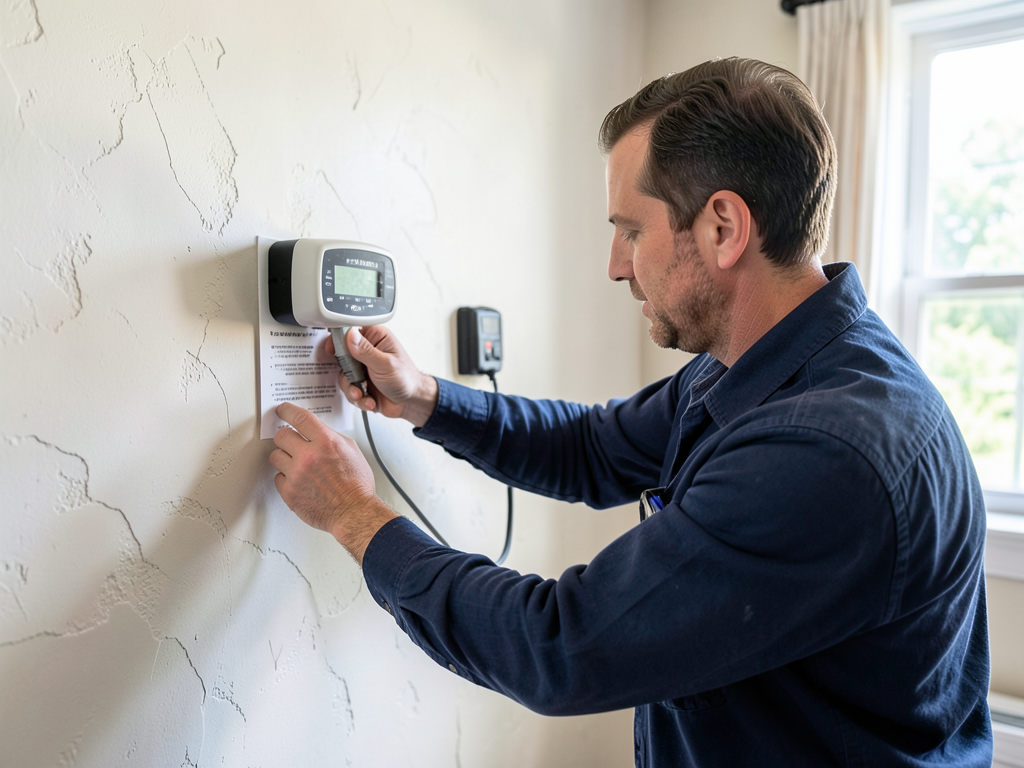
Water damage restoration requires different approaches based on building era. A professional assessment uses moisture meters calibrated for specific materials. Plaster walls need penetrating moisture meters while drywall can be checked with non penetrating sensors. Thermal imaging helps locate hidden moisture in both eras but interprets differently based on wall construction.. Read more about Choosing Between Thermal Imaging and Manual Moisture Probes for Hidden Leaks in West Hartford.
The restoration process also varies. Historic homes may need asbestos and lead testing before demolition. Modern homes require containment to prevent VOCs from contaminating unaffected areas. Both scenarios need professional handling to ensure safety and code compliance.
Why Your Home’s Age Matters for Emergency Response
When water damage strikes response time affects outcomes differently based on construction. Modern open floor plans allow water to spread rapidly requiring immediate containment. Historic homes with separate rooms may show slower initial spread but materials hold moisture longer creating extended drying times.
Emergency response teams must bring appropriate equipment. Restoring a plaster wall in a Westmoor Park Colonial requires different tools than drying engineered flooring in a Bishops Corner contemporary. The right equipment prevents secondary damage like mold growth or structural weakening.
Making the Right Call After Water Damage
Water damage creates stress regardless of your home’s age. The key is recognizing when professional help is needed. Small clean water spills on modern flooring might be handled with household fans. Sewage backups in any era or clean water in older homes with plaster walls require immediate professional intervention. How to Handle a Flooded Basement in Your West Hartford Home Today.
Time matters more than you think. Mold can begin growing within 24 to 48 hours in modern tight homes. Historic homes may take longer but the risk remains significant especially in areas with poor ventilation.
Understanding Your Restoration Options
Restoration approaches differ significantly between home eras. Modern damage often involves removing and replacing materials. Historic restoration focuses on preserving original materials when possible. Both approaches require expertise in the specific materials and building techniques used in your home’s construction era.
The goal remains the same: returning your home to pre loss condition safely and efficiently. Understanding how your home’s age affects this process helps you make informed decisions when disaster strikes.
Frequently Asked Questions
Which type of home suffers more damage from the same water event?
Modern homes often show more visible damage faster due to engineered materials that swell and warp. Historic homes may hide damage longer but suffer more from prolonged moisture exposure in materials like plaster.
Are older homes more expensive to restore after water damage?
Restoration costs vary by damage extent not just home age. Historic homes may need specialized labor and materials. Modern homes might need more total replacement. Both can be expensive depending on the situation.
Does home age affect insurance coverage for water damage?
Insurance companies consider home age when setting rates and determining coverage. Older homes may have higher premiums but better coverage for specialized restoration. Modern homes might have lower rates but coverage gaps for specific failure types.
How can I tell if my home has hidden water damage?
Look for water stains discoloration musty odors or warping in any home. Modern homes might show damage faster. Historic homes can hide problems behind plaster walls. Professional moisture testing reveals hidden issues in both.. Read more about How Damaged Siding Can Lead to Hidden Wall Rot in New Britain Homes.
Should I upgrade plumbing in my older home to prevent water damage?
Upgrading old galvanized or cast iron plumbing prevents many water damage scenarios. Modern PEX resists corrosion but has its own failure patterns. Professional assessment helps determine the best approach for your specific home.
Take Action Before Water Takes Over
Water damage waits for no one. Whether your West Hartford home is a historic Colonial or a modern contemporary understanding its unique vulnerabilities helps you respond faster when disaster strikes. Modern materials may fail differently but historic homes have their own restoration challenges that require specialized knowledge.
Don’t wait until you see water spreading across your floor. Professional assessment identifies risks before they become emergencies. Our team understands the specific challenges of every era of West Hartford home from the plaster walls of the Westmoor Park area to the engineered flooring of newer developments near Bishops Corner.
Call (860) 743-9993 today to schedule your home assessment. We’ll identify your specific risks and create a prevention plan tailored to your home’s unique construction. When water damage happens we respond 24/7 with the right equipment and expertise for your home’s era. Pick up the phone and call (860) 743-9993 before the next storm hits. Your home’s future depends on the actions you take today.
{
“@context”: “https://schema.org”,
“@type”: “BlogPosting”,
“headline”: “Is Your Modern West Hartford Home More At Risk for Water Damage Than an Older One?”,
“description”: “Comparing water damage risks in modern vs. historic West Hartford homes. Learn how building materials, plumbing, and local codes affect restoration needs. Call (860) 743-9993.”,
“wordCount”: 1842,
“datePublished”: “2026-04-28T12:50:00.000Z”,
“dateModified”: “2026-04-28T12:50:00.000Z”,
“inLanguage”: “en-US”,
“mainEntityOfPage”: {
“@type”: “WebPage”,
“@id”: “https://crestlinewaterdamagerestorationhartford.com”
},
“publisher”: {
“@type”: “LocalBusiness”,
“name”: “Crestline Water Damage Restoration Hartford”,
“url”: “https://crestlinewaterdamagerestorationhartford.com”
},
“author”: {
“@type”: “Organization”,
“name”: “Crestline Water Damage Restoration Hartford”,
“url”: “https://crestlinewaterdamagerestorationhartford.com”
},
“image”: {
“@type”: “ImageObject”,
“url”: “https://crestlinewaterdamagerestorationhartford.com/wp-content/uploads/2026/03/is-your-modern-west-hartford-home-more-at-risk-for-1.png”
}
}
{
“@context”: “https://schema.org”,
“@type”: “LocalBusiness”,
“name”: “Crestline Water Damage Restoration Hartford”,
“url”: “https://crestlinewaterdamagerestorationhartford.com”,
“address”: {
“@type”: “PostalAddress”,
“addressLocality”: “Hartford”
},
“areaServed”: {
“@type”: “City”,
“name”: “Hartford”
}
}
{
“@context”: “https://schema.org”,
“@type”: “FAQPage”,
“mainEntity”: [
{
“@type”: “Question”,
“name”: “Which type of home suffers more damage from the same water event?”,
“acceptedAnswer”: {
“@type”: “Answer”,
“text”: “Modern homes often show more visible damage faster due to engineered materials that swell and warp. Historic homes may hide damage longer but suffer more from prolonged moisture exposure in materials like plaster.”
}
},
{
“@type”: “Question”,
“name”: “Are older homes more expensive to restore after water damage?”,
“acceptedAnswer”: {
“@type”: “Answer”,
“text”: “Restoration costs vary by damage extent not just home age. Historic homes may need specialized labor and materials. Modern homes might need more total replacement. Both can be expensive depending on the situation.”
}
},
{
“@type”: “Question”,
“name”: “Does home age affect insurance coverage for water damage?”,
“acceptedAnswer”: {
“@type”: “Answer”,
“text”: “Insurance companies consider home age when setting rates and determining coverage. Older homes may have higher premiums but better coverage for specialized restoration. Modern homes might have lower rates but coverage gaps for specific failure types.”
}
},
{
“@type”: “Question”,
“name”: “How can I tell if my home has hidden water damage?”,
“acceptedAnswer”: {
“@type”: “Answer”,
“text”: “Look for water stains discoloration musty odors or warping in any home. Modern homes might show damage faster. Historic homes can hide problems behind plaster walls. Professional moisture testing reveals hidden issues in both.”
}
},
{
“@type”: “Question”,
“name”: “Should I upgrade plumbing in my older home to prevent water damage?”,
“acceptedAnswer”: {
“@type”: “Answer”,
“text”: “Upgrading old galvanized or cast iron plumbing prevents many water damage scenarios. Modern PEX resists corrosion but has its own failure patterns. Professional assessment helps determine the best approach for your specific home.”
}
}
]
}
{
“@context”: “https://schema.org”,
“@type”: “BreadcrumbList”,
“itemListElement”: [
{
“@type”: “ListItem”,
“position”: 1,
“name”: “Home”,
“item”: “https://crestlinewaterdamagerestorationhartford.com”
},
{
“@type”: “ListItem”,
“position”: 2,
“name”: “Blog”,
“item”: “https://crestlinewaterdamagerestorationhartford.com/blog”
},
{
“@type”: “ListItem”,
“position”: 3,
“name”: “Is Your Modern West Hartford Home More At Risk for Water Damage Than an Older One?”
}
]
}
{
“@context”: “https://schema.org”,
“@type”: “Service”,
“serviceType”: “Water Damage Restoration”,
“provider”: {
“@type”: “LocalBusiness”,
“name”: “Crestline Water Damage Restoration Hartford”,
“url”: “https://crestlinewaterdamagerestorationhartford.com”
},
“areaServed”: {
“@type”: “City”,
“name”: “Hartford”
},
“description”: “Comparing water damage risks in modern vs. historic West Hartford homes. Learn how building materials, plumbing, and local codes affect restoration needs. Call (860) 743-9993.”
}