
Identifying Foundation Wall Cracks vs Hydrostatic Pressure Issues in Your Simsbury Home
Foundation problems in Simsbury homes often start with subtle signs that many homeowners miss. You might notice a hairline crack in your basement wall and wonder if it’s normal settling or a serious water problem. The truth is that foundation wall cracks and hydrostatic pressure are different issues requiring different solutions. Understanding the difference could save your home from costly damage and protect your family’s health. Professional Water Extraction and Drying for Downtown Hartford Office Buildings.
Simsbury’s location in the Connecticut River Valley creates unique challenges for homeowners. The area’s clay-heavy soil expands when wet and contracts when dry, putting constant pressure on foundation walls. When groundwater levels rise during spring thorms or heavy rains, that pressure increases dramatically. This article will help you identify what’s happening in your basement and when to call a professional.. Read more about Why Your West Hartford Basement Window Wells Fill Up Like Tubs During Rainstorms.
Common Signs of Foundation Wall Cracks
Foundation wall cracks often appear as vertical or diagonal lines in basement walls. These cracks typically start small but can widen over time. You might notice them when storing items in your basement or during routine cleaning. The key difference between normal settling cracks and serious foundation problems is their pattern and location.
Vertical cracks usually indicate normal settling and are less concerning than horizontal ones. However, even vertical cracks can allow water infiltration if they extend through the entire wall thickness. Diagonal cracks often point to uneven settling or soil pressure on one side of your home.
Look for these specific signs when examining your foundation walls:
- Hairline cracks that appear suddenly after heavy rainfall
- Cracks that widen at the top or bottom
- Staining or discoloration around crack edges
- Cracks that appear in multiple locations on the same wall
Understanding Hydrostatic Pressure in Simsbury Basements
Hydrostatic pressure occurs when water-saturated soil pushes against your foundation walls. In Simsbury, this pressure builds during spring thaws when melting snow saturates the ground. The Connecticut River Valley’s clay soil holds water like a sponge, creating constant pressure against basement walls.
Think of hydrostatic pressure like pushing on a water balloon. The more water in the balloon, the more pressure you feel. Similarly, the more saturated your soil becomes, the more force pushes against your foundation. This pressure can cause walls to bow inward, crack horizontally, or allow water to seep through even tiny openings.
Simsbury homes built before 1980 are particularly vulnerable because they often lack modern drainage systems. Many older homes have stone or brick foundations that deteriorate over time when exposed to constant moisture. The area’s high water table means groundwater is always present, ready to create problems during heavy rains.. Read more about Why Slab Foundations in East Hartford are Still Susceptible to Hidden Water Intrusion.
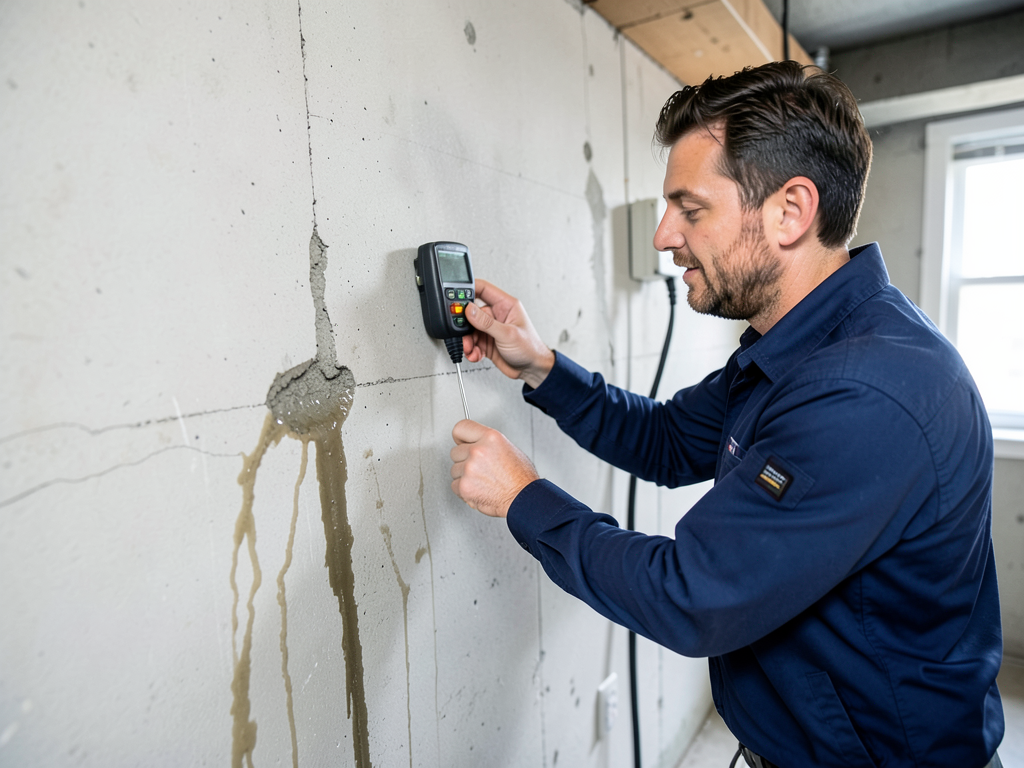
Diagram showing how hydrostatic pressure builds against foundation walls and forces water through cracks
Key Differences Between Cracks and Pressure Problems
Foundation cracks and hydrostatic pressure issues share similar symptoms but have different causes and solutions. Understanding these differences helps you make informed decisions about repairs. EPA mold prevention guidelines.
Cracks are physical breaks in your foundation wall. They can occur from normal settling, soil movement, or freeze-thaw cycles. Most cracks are static once formed and may only leak during heavy rains. Pressure problems involve the constant force of water against your walls, causing them to bow or allowing water to seep through existing cracks. What to Do When Your Pipes Freeze and Burst During a Hartford Winter.
Here’s how to tell them apart:
| Symptom | Foundation Crack | Hydrostatic Pressure |
|---|---|---|
| Crack Pattern | Vertical or diagonal | Horizontal or stair-step |
| Wall Movement | Usually none | Bowing or leaning |
| Water Entry | Only during heavy rain | Constant during wet periods |
| Seasonal Pattern | Year-round | Worse in spring/fall |
Diagnostic Tests for Your Basement
Before calling a professional, you can perform several diagnostic tests to understand your basement’s condition. These tests help you describe the problem accurately when seeking estimates or advice.
The moisture meter test involves using a handheld device to measure moisture levels in your basement walls. Press the meter against different areas of your foundation walls. Higher readings near the floor indicate water seeping up from below, while elevated readings at mid-wall heights suggest lateral water pressure.
The crack width measurement test requires a simple ruler or crack gauge. Measure the width of any visible cracks at the top, middle, and bottom. If the crack is wider at one end, it indicates active movement. Document these measurements over several months to track changes.
The water entry test involves observing your basement during heavy rain. Place paper towels or moisture-sensitive paper near suspected entry points. Check these spots every few hours during storms. This helps identify active leaks versus old water damage.
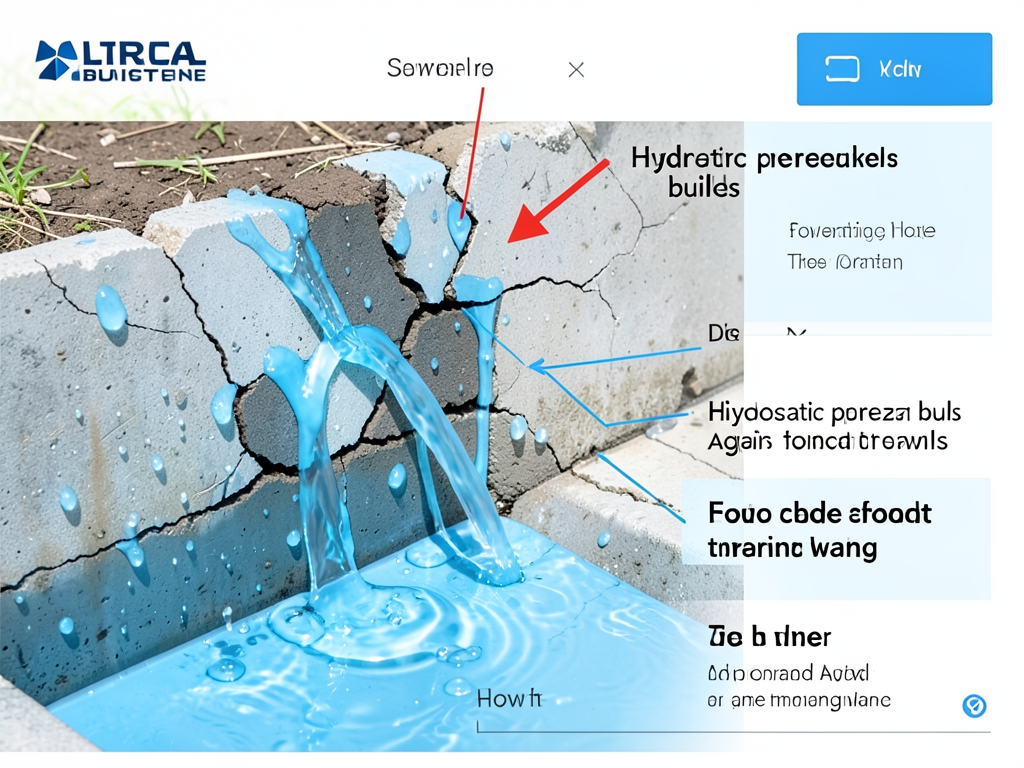
Technician using moisture meter on basement wall to detect hidden water infiltration
Why Simsbury Homes Face Unique Challenges
Simsbury’s geological location creates specific vulnerabilities for homeowners. The Connecticut River Valley’s clay soil has poor drainage characteristics, meaning water stays in the ground longer than in sandy areas. This creates a constant source of hydrostatic pressure against foundation walls.
The area’s seasonal weather patterns compound these problems. Heavy spring rains combine with melting snow to create maximum soil saturation. Summer thunderstorms can overwhelm even well-designed drainage systems. Fall brings leaf-clogged gutters that direct water toward foundations instead of away from homes.
Many Simsbury homes sit on former agricultural land where soil composition varies dramatically. You might have areas of dense clay next to pockets of sand or gravel. This inconsistency creates uneven pressure on different parts of your foundation, leading to cracking and water infiltration.
According to Connecticut State Building Code Section 506.1, all new construction must include proper drainage systems to prevent hydrostatic pressure damage. However, many existing homes were built before these requirements existed, leaving them vulnerable to modern water management challenges. Office Building Water Restoration.
Professional Solutions for Foundation Problems
Professional foundation repair involves different approaches depending on whether you have cracks or pressure issues. Understanding these solutions helps you evaluate contractor proposals and make informed decisions.
For foundation cracks, epoxy injection seals the crack from inside your basement. This method works well for non-structural cracks that only leak during heavy rains. The epoxy creates a waterproof barrier while maintaining the wall’s structural integrity.
Carbon fiber reinforcement strengthens bowed walls without excavation. Strips of carbon fiber are applied to the wall surface and anchored to the floor and ceiling. This method stops further bowing and can sometimes straighten walls that have already moved.
Exterior waterproofing involves excavating around your foundation and applying waterproof membranes. This comprehensive solution addresses both cracks and pressure problems by stopping water before it reaches your foundation walls.
Interior drainage systems collect water that enters your basement and direct it to a sump pump. These systems work well for hydrostatic pressure problems by providing an escape route for water that would otherwise push through your walls.
Before and after photos of carbon fiber reinforcement installation on bowed foundation wall
Cost Factors and Investment Considerations
Foundation repair costs vary significantly based on the extent of damage and chosen solution. Understanding these factors helps you budget appropriately and avoid unexpected expenses.
Minor crack repairs typically cost between $500 and $1,500. These repairs involve epoxy injection or hydraulic cement application. While inexpensive, they may not address underlying pressure problems that caused the cracks.
Carbon fiber reinforcement systems cost $3,000 to $6,000 for an average basement. This solution stabilizes bowed walls and prevents further movement. The investment pays off by preventing more expensive structural repairs later.
Complete exterior waterproofing systems cost $8,000 to $15,000. These comprehensive solutions address both cracks and hydrostatic pressure by stopping water before it reaches your foundation. The higher upfront cost often prevents future damage and increases home value.
Interior drainage systems with sump pumps cost $5,000 to $10,000. These systems provide the best protection against hydrostatic pressure by actively removing water from around your foundation. Many homeowners find this investment worthwhile given the protection it provides.
Prevention Strategies for Simsbury Homeowners
Preventing foundation problems is often more cost-effective than repairing them. Several strategies can reduce your risk of cracks and hydrostatic pressure issues.
Proper grading ensures water flows away from your foundation instead of toward it. Your yard should slope at least six inches over ten feet away from your home. This simple measure can significantly reduce hydrostatic pressure against your foundation walls.
Clean gutters and downspouts prevent water from pooling around your foundation. Clogged gutters overflow and direct water toward your basement walls. Extend downspouts at least five feet from your foundation to ensure proper drainage.
Install window well covers to prevent water from collecting around basement windows. These covers keep rain and debris out while still allowing light to enter your basement. They’re particularly important for homes with below-grade windows.
Consider installing a French drain system even if you don’t have current problems. These systems collect water before it can create hydrostatic pressure against your foundation. Many Simsbury homeowners find them worthwhile given the area’s high water table.
When to Call a Professional
Some foundation problems require immediate professional attention. Knowing when to call for help can prevent minor issues from becoming major structural problems.
Call a professional if you notice horizontal cracks wider than 1/8 inch, walls that are bowing inward, or water entering your basement during normal rainfall. These signs indicate serious structural problems that won’t improve without intervention.
Professional assessment becomes critical when you plan to finish your basement or make significant renovations. Foundation problems discovered during remodeling can derail your project and create safety hazards.
If you’re buying or selling a home in Simsbury, professional foundation inspection provides valuable information about potential problems. Many real estate transactions require foundation certification before closing.
Don’t wait for problems to worsen. Foundation issues typically become more expensive to repair as they progress. Early intervention often means simpler, less costly solutions.
Frequently Asked Questions
Are foundation cracks always a sign of serious problems?
Not all foundation cracks indicate serious structural issues. Hairline vertical cracks often result from normal settling and may not require immediate repair. However, horizontal cracks or those wider than 1/4 inch typically indicate pressure problems that need professional evaluation.. Read more about What Those Strange Sump Pump Noises are Trying to Tell You Before the Next Cheshire Storm.
How can I tell if my basement water problem is from cracks or hydrostatic pressure?
Water from cracks typically enters during heavy rain and appears in specific locations. Hydrostatic pressure causes water to seep through walls during normal rainfall or even when it’s not raining. If you notice water coming up through floor cracks or around the perimeter of your basement, hydrostatic pressure is likely the cause.
What’s the typical lifespan of foundation repairs in Connecticut?
Quality foundation repairs typically last 20-30 years in Connecticut’s climate. However, this varies based on soil conditions, drainage systems, and whether underlying pressure problems are addressed. Exterior waterproofing systems generally last longer than interior repairs because they stop water before it reaches your foundation.
Take Action Before the Next Storm
Foundation problems don’t fix themselves. What starts as a small crack can become a major structural issue that threatens your home’s safety and value. Simsbury’s unique soil conditions and seasonal weather patterns make foundation problems particularly common in our area.
Don’t wait until water damage ruins your belongings or creates mold problems in your basement. Professional assessment can identify the true cause of your foundation issues and recommend the most cost-effective solution. Whether you need crack repair, pressure relief, or complete waterproofing, early intervention saves money and prevents further damage.
Call (860) 743-9993 today to schedule your free foundation inspection. Our experienced technicians will evaluate your basement’s condition and provide clear recommendations for protecting your home. We serve Simsbury and all of Hartford County with 24/7 emergency response for water damage situations. Emergency Board-Up Services.
Don’t let another storm create more damage. Pick up the phone and call (860) 743-9993 before the next heavy rain hits. Your home deserves professional protection from foundation problems that could cost thousands in repairs if left untreated. For more information, visit FEMA flood protection recommendations.
You may also find this helpful. How Excessive Groundwater Can Interfere with Your Avon Home’s Radon Mitigation System.
{
“@context”: “https://schema.org”,
“@type”: “BlogPosting”,
“headline”: “Identifying Foundation Wall Cracks vs Hydrostatic Pressure Issues in Your Simsbury Home”,
“description”: “Learn to identify foundation cracks vs hydrostatic pressure in Simsbury homes. Get expert water damage restoration from Hartford’s trusted local specialists.”,
“wordCount”: 1994,
“datePublished”: “2026-05-20T07:00:00.000Z”,
“dateModified”: “2026-05-20T07:00:00.000Z”,
“inLanguage”: “en-US”,
“mainEntityOfPage”: {
“@type”: “WebPage”,
“@id”: “https://crestlinewaterdamagerestorationhartford.com”
},
“publisher”: {
“@type”: “LocalBusiness”,
“name”: “Crestline Water Damage Restoration Hartford”,
“url”: “https://crestlinewaterdamagerestorationhartford.com”
},
“author”: {
“@type”: “Organization”,
“name”: “Crestline Water Damage Restoration Hartford”,
“url”: “https://crestlinewaterdamagerestorationhartford.com”
},
“image”: {
“@type”: “ImageObject”,
“url”: “https://crestlinewaterdamagerestorationhartford.com/wp-content/uploads/2026/03/identifying-foundation-wall-cracks-vs-hydrostatic-1.png”
}
}
{
“@context”: “https://schema.org”,
“@type”: “LocalBusiness”,
“name”: “Crestline Water Damage Restoration Hartford”,
“url”: “https://crestlinewaterdamagerestorationhartford.com”,
“address”: {
“@type”: “PostalAddress”,
“addressLocality”: “Hartford”
},
“areaServed”: {
“@type”: “City”,
“name”: “Hartford”
}
}
{
“@context”: “https://schema.org”,
“@type”: “FAQPage”,
“mainEntity”: [
{
“@type”: “Question”,
“name”: “Are foundation cracks always a sign of serious problems?”,
“acceptedAnswer”: {
“@type”: “Answer”,
“text”: “Not all foundation cracks indicate serious structural issues. Hairline vertical cracks often result from normal settling and may not require immediate repair. However, horizontal cracks or those wider than 1/4 inch typically indicate pressure problems that need professional evaluation.”
}
},
{
“@type”: “Question”,
“name”: “How can I tell if my basement water problem is from cracks or hydrostatic pressure?”,
“acceptedAnswer”: {
“@type”: “Answer”,
“text”: “Water from cracks typically enters during heavy rain and appears in specific locations. Hydrostatic pressure causes water to seep through walls during normal rainfall or even when it’s not raining. If you notice water coming up through floor cracks or around the perimeter of your basement, hydrostatic pressure is likely the cause.”
}
},
{
“@type”: “Question”,
“name”: “What’s the typical lifespan of foundation repairs in Connecticut?”,
“acceptedAnswer”: {
“@type”: “Answer”,
“text”: “Quality foundation repairs typically last 20-30 years in Connecticut’s climate. However, this varies based on soil conditions, drainage systems, and whether underlying pressure problems are addressed. Exterior waterproofing systems generally last longer than interior repairs because they stop water before it reaches your foundation.”
}
}
]
}
{
“@context”: “https://schema.org”,
“@type”: “BreadcrumbList”,
“itemListElement”: [
{
“@type”: “ListItem”,
“position”: 1,
“name”: “Home”,
“item”: “https://crestlinewaterdamagerestorationhartford.com”
},
{
“@type”: “ListItem”,
“position”: 2,
“name”: “Blog”,
“item”: “https://crestlinewaterdamagerestorationhartford.com/blog”
},
{
“@type”: “ListItem”,
“position”: 3,
“name”: “Identifying Foundation Wall Cracks vs Hydrostatic Pressure Issues in Your Simsbury Home”
}
]
}
{
“@context”: “https://schema.org”,
“@type”: “Service”,
“serviceType”: “Water Damage Restoration”,
“provider”: {
“@type”: “LocalBusiness”,
“name”: “Crestline Water Damage Restoration Hartford”,
“url”: “https://crestlinewaterdamagerestorationhartford.com”
},
“areaServed”: {
“@type”: “City”,
“name”: “Hartford”
},
“description”: “Learn to identify foundation cracks vs hydrostatic pressure in Simsbury homes. Get expert water damage restoration from Hartford’s trusted local specialists.”
}