
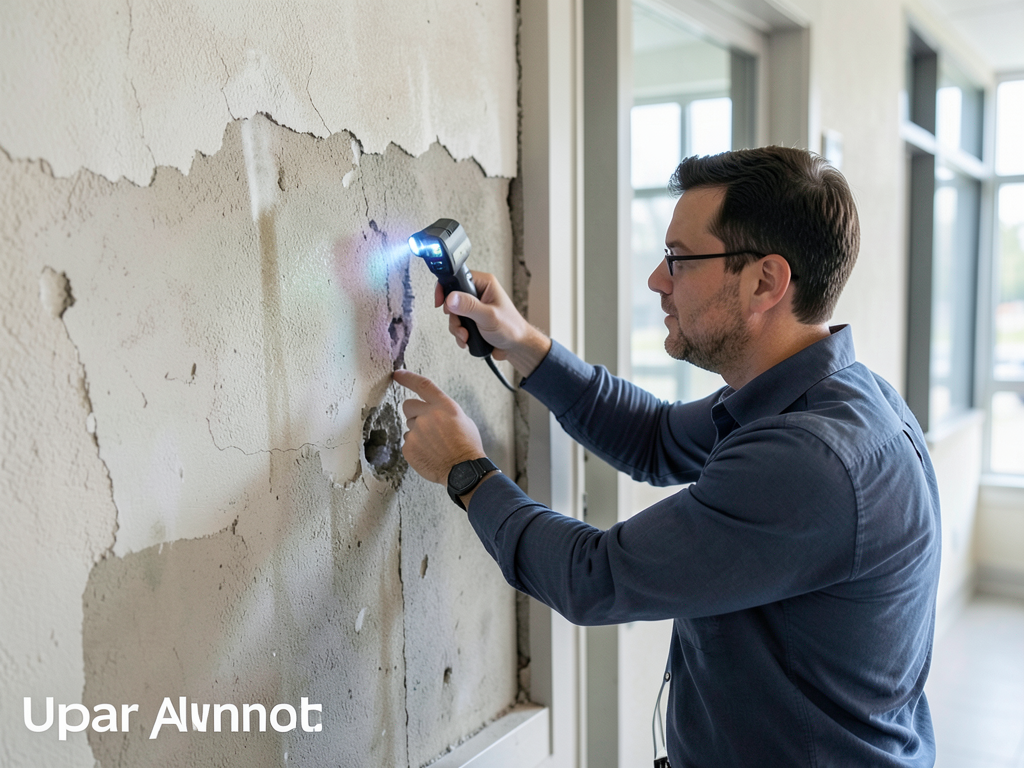
How to Spot Secondary Water Damage in Your Upper Albany Multi-Family Property
Secondary water damage occurs when moisture lingers in building materials after the initial leak or flood, creating hidden hazards that can destroy your Upper Albany property from the inside out. This type of damage happens when humidity levels remain elevated, allowing moisture to migrate into previously dry materials like drywall, wood framing, and insulation. In Hartford’s humid climate, this process accelerates rapidly, turning a simple pipe leak into a multi-unit mold infestation within 48 hours. Professional Water Extraction and Drying for Downtown Hartford Office Buildings.
The key difference between primary and secondary damage lies in the moisture source. Primary damage comes directly from the initial water event, while secondary damage results from prolonged exposure to elevated humidity levels. This distinction matters because secondary damage often goes unnoticed until it’s severe, making early detection critical for Upper Albany property owners managing multi-family buildings. Office Building Water Restoration.
Common Signs of Secondary Water Damage in Hartford Properties
Upper Albany’s historic multi-family buildings, many constructed before modern moisture barriers, show specific warning signs that property managers must recognize immediately. These indicators often appear gradually, making them easy to dismiss until the damage becomes extensive and expensive to repair. EPA Mold Resources.
Musty Odors represent the first and most common sign of secondary damage. When moisture levels in building materials exceed 16%, microbial growth begins, releasing volatile organic compounds that create that distinctive damp smell. This odor concentrates in basements, utility closets, and wall cavities where air circulation is limited.
Peeling or Bubbling Paint indicates moisture trapped between the paint layer and the substrate. In Upper Albany’s older buildings, this often appears on plaster walls that absorbed moisture from adjacent wet areas. The paint loses adhesion as the moisture content rises, creating visible blisters or peeling sections.
Cupping or Warping of Wood Floors develops when moisture migrates upward through subflooring. Hardwood planks absorb water from below, causing edges to rise higher than the center. This creates an uneven surface that can trip tenants and indicates moisture levels above 12% in the wood.
Visible Mold Growth appears as black, green, or white spots on walls, ceilings, or around windows. In Upper Albany’s older buildings, mold commonly grows in corners where cold exterior walls meet warm interior air, creating condensation points. Any visible mold indicates moisture levels high enough to support active growth.
Staining or Discoloration on ceilings or walls often signals water migration through building assemblies. These stains may appear far from the original leak source as moisture travels along pipes, electrical conduits, or structural members before finding an exit point.
The Science Behind Secondary Damage in Hartford’s Climate
Hartford’s climate creates perfect conditions for secondary water damage throughout the year. The city experiences average relative humidity levels between 65-75% during summer months, well above the 60% threshold where mold growth accelerates. These conditions, combined with Upper Albany’s aging building stock, create a high-risk environment for moisture-related problems.. Read more about Why Your AC Is Leaking Water Inside Your Clay-Arsenal Apartment.
Psychrometric Principles explain why secondary damage occurs. When air contains more moisture than materials can hold in equilibrium, water vapor migrates from areas of high concentration to low concentration. In Hartford’s humid summers, outdoor air constantly tries to equalize with drier indoor spaces, driving moisture through building envelopes.
Hygroscopic Materials in Upper Albany buildings absorb and release moisture based on ambient conditions. These include plaster, wood framing, drywall paper facing, and even concrete. Once these materials absorb moisture, they release it slowly, maintaining elevated humidity levels that perpetuate the damage cycle.
Moisture Migration Patterns follow predictable paths in multi-family buildings. Water vapor moves through wall cavities, under flooring, and through ceiling assemblies via diffusion and air movement. In Upper Albany’s older buildings, lack of vapor barriers allows moisture to travel freely between units, potentially affecting multiple tenants from a single source.
The 24-48 Hour Timeline: What Happens When You Delay
Understanding the progression of secondary damage helps Upper Albany property managers make critical decisions about when to call professionals. Each hour of delay increases both the scope of damage and the remediation cost.
Hours 0-24: Initial moisture begins migrating into adjacent materials. Drywall paper facing absorbs water, wood framing reaches critical moisture content, and humidity levels in affected areas rise above 60%. At this stage, professional drying equipment can often prevent permanent damage.
Hours 24-48: Microbial growth begins in materials with moisture content above 16%. Mold spores, always present in indoor air, find the elevated humidity and organic materials they need to establish colonies. Musty odors become noticeable, and visible staining may appear on surfaces.
Hours 48-72: Structural damage accelerates as wood materials reach 20% moisture content. Warping, splitting, and loss of structural integrity become likely. Mold colonies expand rapidly, potentially affecting multiple building assemblies. Insurance companies often consider this timeframe when determining coverage eligibility.
Days 3-7: Permanent damage becomes likely in many materials. Hardwood floors may cup beyond repair, drywall loses structural integrity, and mold contamination requires complete removal rather than cleaning. The cost of restoration increases exponentially with each day of delay.
Upper Albany’s Unique Vulnerability Factors
Upper Albany’s multi-family buildings face specific challenges that accelerate secondary damage. The neighborhood’s architectural characteristics, combined with Hartford’s climate, create conditions where moisture problems escalate rapidly.
Historic Construction Methods used in Upper Albany’s pre-1950 buildings lack modern moisture management features. Balloon framing allows moisture to travel freely between floors, while plaster walls absorb significant moisture before showing visible signs of damage.
Basement Construction in Upper Albany typically involves stone or brick foundations without proper waterproofing. These materials are highly porous, allowing groundwater to migrate through foundation walls during heavy rains or rapid snowmelt, which are common in Connecticut’s climate.
Shared Utility Systems in multi-family buildings create complex moisture pathways. A leak in one unit can affect several others through shared wall cavities, ceiling assemblies, and floor structures. This interconnectedness means secondary damage often appears in units distant from the original water source.
Connecticut State Building Code requirements for moisture management in existing buildings (Section 13-54a-1 et seq.) emphasize the importance of addressing both primary and secondary damage. The code requires property owners to maintain buildings in a manner that prevents moisture accumulation and mold growth, making timely intervention legally necessary.
Professional Detection Methods We Use
At Crestline Water Damage Restoration, we employ specific diagnostic tools to identify secondary damage that property owners cannot see. These methods reveal moisture levels and contamination patterns that determine the appropriate restoration approach.
Moisture Meters measure the actual moisture content in materials. We use penetrating meters for wood framing and non-penetrating meters for finished surfaces. Readings above 16% in wood or 12% in drywall indicate conditions supporting mold growth.
Infrared Thermography detects temperature differences caused by moisture presence. Wet materials conduct heat differently than dry materials, creating thermal patterns visible through infrared cameras. This technology reveals hidden moisture in walls, ceilings, and floors without destructive testing.
Relative Humidity Monitoring tracks ambient moisture levels in affected areas. We establish baseline readings in unaffected areas, then compare them to potentially damaged spaces. Differences greater than 10% relative humidity indicate active moisture migration.
Air Quality Testing measures mold spore concentrations and identifies specific species present. Elevated spore counts, particularly of species like Stachybotrys or Chaetomium, indicate active mold growth requiring immediate remediation.
Prevention Strategies for Multi-Family Property Managers
Upper Albany property managers can implement specific strategies to prevent secondary damage from becoming a recurring problem. These approaches focus on moisture control, early detection, and rapid response when issues arise.
Humidity Control Systems maintain relative humidity between 30-50% year-round. This range prevents both mold growth and excessive drying that can damage wood materials. Commercial dehumidifiers in basements and utility areas provide continuous moisture control.
Regular Inspections should include moisture meter readings in high-risk areas every 90 days. Focus on basements, utility closets, and areas near previous water events. Document readings to identify trends before visible damage appears.
Tenant Education programs teach residents to recognize early warning signs. Provide information about proper ventilation, the importance of reporting water spots immediately, and the risks of ignoring musty odors.
Emergency Response Protocols establish clear procedures for addressing water events. This includes immediate water source shutdown, professional assessment within 24 hours, and documented communication with all affected tenants.
When to Call Professionals: The Critical Decision Points
Upper Albany property managers often struggle with when to call restoration professionals versus handling issues internally. Understanding these decision points prevents costly delays and protects both property and tenants.
Call Immediately if you detect musty odors in multiple units, see visible mold growth, or have had any water event within the past 72 hours. These situations indicate active moisture problems requiring professional equipment and expertise.
Schedule Professional Assessment if humidity levels exceed 60% in any area, if you notice cupping floors or peeling paint, or if previous water events show signs of recurrence. Early professional intervention costs less than waiting for visible damage.
Emergency Response Required for Category 3 water events (sewage backups), standing water affecting multiple units, or situations where tenant health is at risk. These scenarios require immediate professional intervention to prevent widespread contamination.
Restoration Process for Secondary Damage
When secondary damage occurs in Upper Albany multi-family properties, professional restoration follows a specific process designed to address both visible and hidden moisture problems. This systematic approach ensures complete drying and prevents recurrence.
Initial Assessment involves moisture mapping, air quality testing, and damage documentation. We identify all affected areas, not just visible damage, using thermal imaging and moisture meters to create a comprehensive drying plan.
Containment Setup prevents cross-contamination between units. We establish negative air pressure in affected areas, seal HVAC vents, and create containment barriers to protect unaffected spaces during remediation.
Drying Strategy employs industrial dehumidifiers, air movers, and specialized drying chambers. We monitor progress daily using moisture meters, adjusting equipment placement and run times based on material moisture content readings.
Final Verification confirms all materials have returned to safe moisture levels. We provide documentation showing pre- and post-drying conditions, air quality test results, and recommendations for preventing future moisture problems.
Insurance Considerations for Hartford Property Owners
Secondary damage claims in Upper Albany multi-family buildings often face specific challenges under Connecticut insurance policies. Understanding these issues helps property managers navigate the claims process more effectively.
Neglect Clauses in many policies exclude damage resulting from failure to maintain the property. This means secondary damage that develops over weeks or months may not be covered if the original water event could have been addressed sooner.
Business Interruption Coverage becomes critical for multi-family properties. When secondary damage requires tenant relocation or unit closure, this coverage helps offset lost rental income during restoration.
Documentation Requirements for secondary damage claims are extensive. Insurance companies require proof of the original water event, documentation of response times, and evidence that professional restoration was initiated promptly.
Connecticut Insurance Department regulations (Section 38a-53) require insurers to handle claims in good faith, but property owners must still demonstrate reasonable care in property maintenance to receive full coverage for secondary damage.
Cost Factors in Secondary Damage Restoration
The cost of addressing secondary water damage in Upper Albany multi-family buildings varies significantly based on several factors. Understanding these variables helps property managers budget appropriately and make informed decisions about restoration approaches.
Extent of Contamination drives the largest cost differences. Surface mold on non-porous materials costs far less to remediate than mold embedded in porous materials or affecting HVAC systems. Category 3 water events requiring full containment and disposal multiply restoration costs.
Building Construction Type affects restoration complexity. Plaster walls require different drying techniques than drywall, and historic materials may need specialized handling to preserve architectural integrity while ensuring complete moisture removal.
Occupancy Status impacts restoration scheduling and costs. Vacant units allow more aggressive drying approaches, while occupied buildings require containment and work scheduling that minimizes tenant disruption.
Insurance Coverage ultimately determines out-of-pocket costs. Properties with comprehensive coverage and documented maintenance histories typically see 70-80% of restoration costs covered, while those with limited coverage or neglect issues may pay the full amount.
Upper Albany Case Study: Multi-Unit Secondary Damage
A recent secondary damage incident in an Upper Albany three-story walk-up illustrates how quickly problems can escalate in Hartford’s climate. A small pipe leak in a second-floor bathroom went unnoticed for five days during a humid July period.
The initial leak created primary damage in the bathroom, but secondary damage spread to the first-floor ceiling below and the third-floor wall adjacent to the plumbing chase. By the time tenants reported musty odors, mold had established in all three units, requiring complete remediation of affected areas.
Professional intervention within 24 hours of discovery limited total restoration costs to $18,000 instead of the $45,000 it would have cost if delayed another week. The property manager’s insurance covered 75% of costs due to documented maintenance records and prompt professional response.
This case demonstrates why Upper Albany property managers must understand secondary damage patterns and maintain relationships with qualified restoration professionals before emergencies occur.
Frequently Asked Questions
How can I tell if my Upper Albany building has secondary water damage?
Look for musty odors, peeling paint, cupping wood floors, visible mold spots, or unexplained staining on walls and ceilings. These signs often appear gradually and may affect units distant from the original water source.
How quickly does secondary damage occur in Hartford’s climate?
In Hartford’s humid summers, secondary damage can begin within 24-48 hours of a water event. Mold growth accelerates when relative humidity exceeds 60%, which occurs frequently during summer months in Upper Albany’s older buildings.
Is secondary water damage covered by insurance in Connecticut?
Coverage depends on your specific policy and how quickly you respond to the initial water event. Many policies exclude damage resulting from neglect, so prompt professional intervention is crucial for maintaining coverage eligibility.
What should I do if I suspect secondary damage in my multi-family property?
Immediately document any visible signs with photos, measure humidity levels in affected areas, and contact a professional restoration company. Do not attempt extensive cleaning yourself, as this can spread contamination and complicate insurance claims.
How much does secondary damage restoration typically cost in Upper Albany?
Costs range from $2,000 to $50,000 depending on the extent of contamination, building construction, and required remediation methods. Early intervention typically costs 60-70% less than addressing problems that have progressed for weeks.
- Conduct Visual Inspection
Walk through all units looking for musty odors, peeling paint, cupping floors, and visible mold spots. Pay special attention to basements, utility closets, and areas near previous water events.
- Measure Humidity Levels
Use a hygrometer to check relative humidity in suspect areas. Readings above 60% indicate conditions supporting secondary damage and mold growth.
- Check for Moisture Migration
Look for staining patterns that suggest water traveled along building assemblies. Check ceilings below bathrooms and walls adjacent to plumbing chases.
- Document and Assess
Take photos of any suspicious signs, note the location and extent of damage, and determine if the problem affects multiple units or appears to be spreading.
Secondary water damage in Upper Albany multi-family properties represents a serious threat to both building integrity and tenant health. Hartford’s humid climate accelerates moisture migration and mold growth, turning small water events into major restoration projects within days. Property managers who understand the warning signs, recognize the unique vulnerabilities of historic construction, and maintain relationships with qualified restoration professionals can prevent minor issues from becoming catastrophic losses.
The key to managing secondary damage lies in early detection and rapid professional intervention. By understanding the 24-48 hour timeline for mold establishment, recognizing the specific signs of moisture problems in plaster and wood materials, and implementing preventive humidity control measures, Upper Albany property owners can protect their investments and ensure tenant safety.
Don’t wait until musty odors fill your building or tenants report health concerns. If you notice any signs of secondary water damage in your Upper Albany property, call (860) 743-9993 today for professional assessment and restoration. Our team understands Hartford’s unique climate challenges and the specific needs of multi-family buildings in the Upper Albany area. Early intervention saves money, protects tenant health, and preserves your property’s value.
Pick up the phone and call (860) 743-9993 before the next humid summer day turns a small leak into a major mold problem. Your tenants, your building, and your insurance company will thank you for acting quickly. For more information, visit IICRC S500 Standard.
You may also find this helpful. Why Your Washing Machine Hose is a Ticking Time Bomb for Your West Hartford Laundry Room.
{
“@context”: “https://schema.org”,
“@type”: “BlogPosting”,
“headline”: “How to Spot Secondary Water Damage in Your Upper Albany Multi-Family Property”,
“description”: “Learn to identify hidden moisture damage in Upper Albany multi-family buildings before it causes mold, structural rot, and costly repairs. Call (860) 743-9993 for inspection.”,
“wordCount”: 2729,
“datePublished”: “2026-03-18T10:00:00.000Z”,
“dateModified”: “2026-03-18T10:00:00.000Z”,
“inLanguage”: “en-US”,
“mainEntityOfPage”: {
“@type”: “WebPage”,
“@id”: “https://crestlinewaterdamagerestorationhartford.com”
},
“publisher”: {
“@type”: “LocalBusiness”,
“name”: “Crestline Water Damage Restoration Hartford”,
“url”: “https://crestlinewaterdamagerestorationhartford.com”
},
“author”: {
“@type”: “Organization”,
“name”: “Crestline Water Damage Restoration Hartford”,
“url”: “https://crestlinewaterdamagerestorationhartford.com”
},
“image”: {
“@type”: “ImageObject”,
“url”: “https://crestlinewaterdamagerestorationhartford.com/wp-content/uploads/2026/03/how-to-spot-secondary-water-damage-in-your-upper-a-1.png”
}
}
{
“@context”: “https://schema.org”,
“@type”: “LocalBusiness”,
“name”: “Crestline Water Damage Restoration Hartford”,
“url”: “https://crestlinewaterdamagerestorationhartford.com”,
“address”: {
“@type”: “PostalAddress”,
“addressLocality”: “Hartford”
},
“areaServed”: {
“@type”: “City”,
“name”: “Hartford”
}
}
{
“@context”: “https://schema.org”,
“@type”: “FAQPage”,
“mainEntity”: [
{
“@type”: “Question”,
“name”: “How can I tell if my Upper Albany building has secondary water damage?”,
“acceptedAnswer”: {
“@type”: “Answer”,
“text”: “Look for musty odors, peeling paint, cupping wood floors, visible mold spots, or unexplained staining on walls and ceilings. These signs often appear gradually and may affect units distant from the original water source.”
}
},
{
“@type”: “Question”,
“name”: “How quickly does secondary damage occur in Hartford’s climate?”,
“acceptedAnswer”: {
“@type”: “Answer”,
“text”: “In Hartford’s humid summers, secondary damage can begin within 24-48 hours of a water event. Mold growth accelerates when relative humidity exceeds 60%, which occurs frequently during summer months in Upper Albany’s older buildings.”
}
},
{
“@type”: “Question”,
“name”: “Is secondary water damage covered by insurance in Connecticut?”,
“acceptedAnswer”: {
“@type”: “Answer”,
“text”: “Coverage depends on your specific policy and how quickly you respond to the initial water event. Many policies exclude damage resulting from neglect, so prompt professional intervention is crucial for maintaining coverage eligibility.”
}
},
{
“@type”: “Question”,
“name”: “What should I do if I suspect secondary damage in my multi-family property?”,
“acceptedAnswer”: {
“@type”: “Answer”,
“text”: “Immediately document any visible signs with photos, measure humidity levels in affected areas, and contact a professional restoration company. Do not attempt extensive cleaning yourself, as this can spread contamination and complicate insurance claims.”
}
},
{
“@type”: “Question”,
“name”: “How much does secondary damage restoration typically cost in Upper Albany?”,
“acceptedAnswer”: {
“@type”: “Answer”,
“text”: “Costs range from $2,000 to $50,000 depending on the extent of contamination, building construction, and required remediation methods. Early intervention typically costs 60-70% less than addressing problems that have progressed for weeks.”
}
}
]
}
{
“@context”: “https://schema.org”,
“@type”: “HowTo”,
“name”: “How to Spot Secondary Water Damage”,
“step”: [
{
“@type”: “HowToStep”,
“position”: 1,
“name”: “Conduct Visual Inspection”,
“text”: “Walk through all units looking for musty odors, peeling paint, cupping floors, and visible mold spots. Pay special attention to basements, utility closets, and areas near previous water events.”
},
{
“@type”: “HowToStep”,
“position”: 2,
“name”: “Measure Humidity Levels”,
“text”: “Use a hygrometer to check relative humidity in suspect areas. Readings above 60% indicate conditions supporting secondary damage and mold growth.”
},
{
“@type”: “HowToStep”,
“position”: 3,
“name”: “Check for Moisture Migration”,
“text”: “Look for staining patterns that suggest water traveled along building assemblies. Check ceilings below bathrooms and walls adjacent to plumbing chases.”
},
{
“@type”: “HowToStep”,
“position”: 4,
“name”: “Document and Assess”,
“text”: “Take photos of any suspicious signs, note the location and extent of damage, and determine if the problem affects multiple units or appears to be spreading.”
}
],
“image”: “https://crestlinewaterdamagerestorationhartford.com/wp-content/uploads/2026/03/how-to-spot-secondary-water-damage-in-your-upper-a-1.png”
}
{
“@context”: “https://schema.org”,
“@type”: “BreadcrumbList”,
“itemListElement”: [
{
“@type”: “ListItem”,
“position”: 1,
“name”: “Home”,
“item”: “https://crestlinewaterdamagerestorationhartford.com”
},
{
“@type”: “ListItem”,
“position”: 2,
“name”: “Blog”,
“item”: “https://crestlinewaterdamagerestorationhartford.com/blog”
},
{
“@type”: “ListItem”,
“position”: 3,
“name”: “How to Spot Secondary Water Damage in Your Upper Albany Multi-Family Property”
}
]
}
{
“@context”: “https://schema.org”,
“@type”: “Service”,
“serviceType”: “Water Damage Restoration”,
“provider”: {
“@type”: “LocalBusiness”,
“name”: “Crestline Water Damage Restoration Hartford”,
“url”: “https://crestlinewaterdamagerestorationhartford.com”
},
“areaServed”: {
“@type”: “City”,
“name”: “Hartford”
},
“description”: “Learn to identify hidden moisture damage in Upper Albany multi-family buildings before it causes mold, structural rot, and costly repairs. Call (860) 743-9993 for inspection.”
}