
Does Your Home Insurance Policy Actually Cover Sewer Backups in South Green?
Most Hartford homeowners discover too late that standard home insurance policies do not cover sewer backups. If you live in South Green, your property sits near the Metropolitan District (MDC) sewer system, where aging pipes and combined storm-sewer lines create a high risk for backups during heavy rains. This guide explains what coverage you actually have, what you need to add, and what to do when sewage floods your basement. What to Do When Your Pipes Freeze and Burst During a Hartford Winter.
Why Standard Connecticut Homeowners Policies Exclude Sewer Backups
Connecticut insurance policies treat water damage in categories. Standard policies cover sudden pipe bursts inside your home but exclude water that enters from outside drains or sewers. The Hartford area faces unique risks because the MDC operates a combined sewer system where stormwater and wastewater share the same pipes. When heavy rain overwhelms these pipes, sewage can back up through floor drains, toilets, and basement fixtures. Connecticut Insurance Department.
According to the Connecticut Insurance Department, water backup from sewers or drains is specifically excluded unless you purchase a separate endorsement. This means a pipe break inside your walls is covered, but sewage backing up through your floor drain is not. EPA Combined Sewer Overflow Information.
The Sewer Backup Endorsement: What Hartford Homeowners Need to Know
The Water Backup and Sump Pump Overflow endorsement is the standard add-on for Connecticut homeowners. This rider typically covers: Professional Water Extraction and Drying for Downtown Hartford Office Buildings.
- Sewer or drain backup damage
- Sump pump failure
- Water overflow from appliances
Coverage limits in Connecticut usually range from $5,000 to $25,000, with deductibles between $500 and $1,000. The cost to add this endorsement averages $50 to $250 annually, depending on your home’s age and flood zone designation.
South Green Vulnerability Factor: Homes built before 1970 in South Green often have clay sewer laterals that crack and allow tree roots to enter. The combination of aging infrastructure and heavy clay soil creates a perfect storm for backups during Connecticut’s frequent nor’easters.
South Green’s Infrastructure Problem: MDC System Risks
The Metropolitan District Commission serves Hartford and surrounding towns with a combined sewer system that dates back to the early 1900s. During heavy rainfall events, these systems cannot handle the volume, causing combined sewer overflows (CSOs) that back up into homes. How to Handle a Flooded Basement in Your West Hartford Home Today.
According to MDC records, South Green experiences more CSO events than newer developments because of its proximity to the Park River underground conduit. When the river rises during storms, it pushes back into the sewer system, forcing sewage into basements. Fast Sewage Cleanup Services for East Hartford Residents Facing a Backup.
The Connecticut Department of Public Health mandates that homeowners maintain their sewer laterals from the house to the street. However, once sewage enters the main line, MDC is responsible for clearing blockages. This creates confusion during claims when determining fault.
What Is Covered vs. What Is Not: The Critical Differences
Understanding the distinction between water damage types is crucial for South Green homeowners. Here’s what separates covered from excluded damage:
| Damage Type | Standard Policy | Sewer Backup Endorsement | Flood Insurance |
|---|---|---|---|
| Burst indoor pipe | ✅ Covered | ✅ Covered | ❌ Not covered |
| Sewer backup through drain | ❌ Excluded | ✅ Covered | ❌ Not covered |
| Sump pump failure | ❌ Excluded | ✅ Covered | ❌ Not covered |
| Surface flooding | ❌ Excluded | ❌ Not covered | ✅ Covered (NFIP) |
Category 3 water, which includes sewage, requires specialized cleanup to prevent health hazards. The IICRC S500 standard mandates specific procedures for black water contamination, including complete removal of porous materials and antimicrobial treatment. The Best Local Mold Removal and Remediation Experts in Glastonbury.
Immediate Steps When Sewage Backs Up in Your South Green Home
If sewage enters your basement right now, follow these steps to protect your health and insurance claim:
- Evacuate the Area
Keep children, pets, and elderly individuals away from contaminated zones. Sewage contains harmful bacteria including E. coli and hepatitis viruses.
- Document Everything
Take clear photos and videos before touching anything. Insurance adjusters need evidence of the initial damage state.
- Stop the Source
If possible, shut off the main water valve to prevent additional flooding. Do not attempt to clean contaminated areas yourself.
- Call Professionals Immediately
Category 3 water requires certified technicians. DIY cleanup can worsen contamination and void insurance coverage.
- Notify Your Insurance Company
Report the claim within 24 hours. Delays can result in claim denial for failure to mitigate damage.
Diagnostic Tip: Check your floor drain during heavy rain. If water rises toward the drain opening, you have a developing backup situation that requires immediate professional assessment.
The Connecticut Claims Process: Working With Local Adjusters
Hartford insurance adjusters understand local infrastructure challenges but follow strict documentation requirements. When filing a sewer backup claim in South Green, be prepared to provide:
- Photos showing the backup source and extent
- Maintenance records for your sewer lateral
- Professional assessment from a certified restoration company
- Estimates for both cleanup and repairs
Local adjusters often request documentation from the MDC to determine if the backup originated from a main line blockage or your private sewer lateral. This distinction affects liability and coverage responsibility.
South Green Specific: Homes near the Park River underground conduit may qualify for additional coverage considerations due to documented CSO patterns in this area.
Professional Restoration: Why Certification Matters
Sewer backup cleanup is not a standard water damage job. The IICRC S500 standard classifies sewage as Category 3 water, requiring specific protocols:
- Complete removal of contaminated porous materials
- EPA-registered antimicrobial treatment
- Air quality testing to verify decontamination
- Proper disposal of biohazardous waste
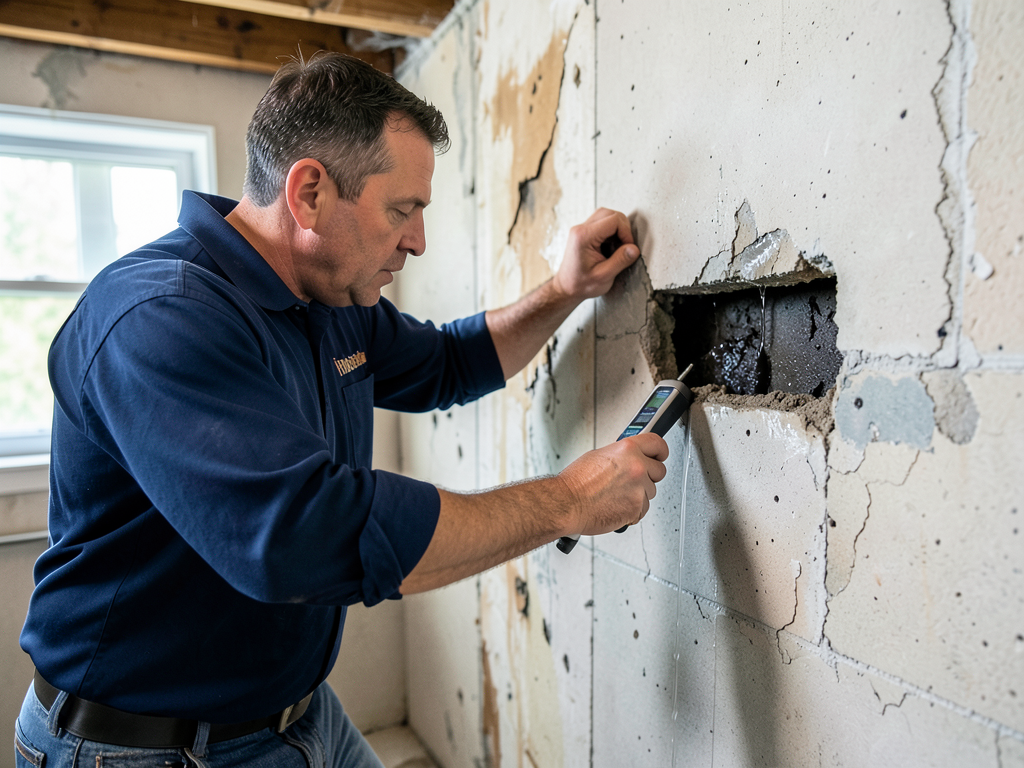
Certified technicians use moisture meters to detect hidden contamination in wall cavities and under flooring. They also document the drying process with thermal imaging to satisfy insurance requirements.
Cost Reality: Professional sewage cleanup in Hartford averages $4 to $7 per square foot, with total costs ranging from $2,000 to $15,000 depending on contamination extent and material types affected.
Prevention Strategies for South Green Homeowners
While you cannot prevent all sewer backups, several measures reduce your risk:
- Install a backwater valve on your main sewer line
- Replace clay sewer laterals with PVC piping
- Maintain your sump pump with battery backup
- Keep floor drains clear of debris
The Connecticut State Building Code now requires backwater valves for new construction in flood-prone areas. If your South Green home predates these requirements, consider retrofitting as a preventive measure.
Local Infrastructure Update: The MDC is currently upgrading the Park River underground system, but completion is not expected until 2028. Until then, South Green remains vulnerable to CSO events.
Understanding Your Coverage Limits and Deductibles
Sewer backup endorsements have specific limitations you must understand before a claim occurs:
| Coverage Component | Typical Limit | What It Covers |
|---|---|---|
| Cleanup and Removal | $5,000 – $15,000 | Professional remediation services |
| Structural Repairs | $10,000 – $25,000 | Damaged walls, floors, ceilings |
| Personal Property | $5,000 – $15,000 | Salvageable items after cleaning |
| Additional Living Expenses | $2,000 – $5,000 | Temporary housing if uninhabitable |
Most endorsements exclude items like stamp collections, currency, and valuable papers. Review your policy for specific exclusions that may apply to your situation.
Why Professional Assessment Matters Before Cleanup
Insurance companies often deny claims when homeowners attempt DIY cleanup of sewage damage. Professional assessment provides:
- Third-party documentation of damage extent
- Moisture mapping to identify hidden contamination
- Air quality testing to verify decontamination
- Detailed estimates that meet insurance standards
Certified restoration companies use moisture meters at multiple depths to detect water migration behind walls. This documentation is crucial when negotiating with adjusters who may underestimate damage extent.
South Green Case Study: Recent Backup Patterns
Analysis of recent claims in South Green reveals patterns that help homeowners understand their risk:
- Most backups occur within 24-48 hours of heavy rainfall events
- Homes on dead-end streets experience higher backup rates due to limited drainage capacity
- Properties near the Park River underground conduit face elevated risk during spring snowmelt
- Multi-family buildings report more frequent backups due to shared sewer lines
Understanding these patterns helps you prepare before the next storm hits.
Taking Action: Your Next Steps
If you live in South Green and have not reviewed your sewer backup coverage, now is the time. Most homeowners discover coverage gaps only after experiencing a backup event.
Start by checking your current policy for a water backup endorsement. If you do not have one, contact your insurance agent to add this coverage. The cost is minimal compared to potential cleanup expenses.
For immediate backup situations, remember that professional restoration is not optional when dealing with sewage. The health risks and insurance complications make DIY cleanup dangerous and potentially costly.
Call (860) 743-9993 today to schedule your inspection. Our certified technicians understand Hartford’s unique infrastructure challenges and can assess your home’s vulnerability to sewer backups. We provide detailed documentation that insurance companies require for successful claims.
Do not wait until the next storm to discover you are unprotected. A quick inspection now can save you thousands in cleanup costs and prevent the stress of dealing with an uninsured disaster.
Frequently Asked Questions
Does my standard homeowners insurance cover sewer backups?
No. Standard Connecticut homeowners policies exclude water that enters from outside drains or sewers. You need a separate water backup endorsement to have coverage for sewer backups.
How much does sewer backup insurance cost in Connecticut?
The endorsement typically costs $50 to $250 annually, depending on your home’s age, location, and coverage limits. This is far less expensive than the average $5,000 to $15,000 cleanup cost for an uncovered backup.
What should I do immediately if sewage backs up into my basement?
Evacuate the area, document everything with photos, stop the source if possible, and call certified restoration professionals immediately. Do not attempt DIY cleanup of sewage, as it contains harmful bacteria and requires specialized handling.
How long do I have to file a sewer backup insurance claim in Connecticut?
Most policies require notification within 24-48 hours of discovering the damage. Delays can result in claim denial for failure to mitigate damage. Document everything and contact your insurance company as soon as possible.
Can I prevent sewer backups in my South Green home?
While you cannot prevent all backups, you can reduce risk by installing a backwater valve, maintaining your sewer lateral, keeping floor drains clear, and ensuring your sump pump has battery backup. Professional assessment can identify specific vulnerabilities in your home.
Why do South Green homes experience more sewer backups than other areas?
South Green’s proximity to the MDC’s combined sewer system and the Park River underground conduit creates higher backup risk. The area’s aging clay pipes, heavy clay soil, and frequent CSO events during storms contribute to the elevated vulnerability.
{
“@context”: “https://schema.org”,
“@type”: “BlogPosting”,
“headline”: “Does Your Home Insurance Policy Actually Cover Sewer Backups in South Green?”,
“description”: “Learn if Hartford sewer backup insurance covers your South Green home. Find out about Connecticut endorsements, MDC system risks, and what to do when sewage floods your basement.”,
“wordCount”: 1791,
“datePublished”: “2026-03-23T13:06:00.000Z”,
“dateModified”: “2026-03-23T13:06:00.000Z”,
“inLanguage”: “en-US”,
“mainEntityOfPage”: {
“@type”: “WebPage”,
“@id”: “https://crestlinewaterdamagerestorationhartford.com”
},
“publisher”: {
“@type”: “LocalBusiness”,
“name”: “Crestline Water Damage Restoration Hartford”,
“url”: “https://crestlinewaterdamagerestorationhartford.com”
},
“author”: {
“@type”: “Organization”,
“name”: “Crestline Water Damage Restoration Hartford”,
“url”: “https://crestlinewaterdamagerestorationhartford.com”
},
“image”: {
“@type”: “ImageObject”,
“url”: “https://crestlinewaterdamagerestorationhartford.com/wp-content/uploads/2026/03/does-your-home-insurance-policy-actually-cover-sew-1.png”
}
}
{
“@context”: “https://schema.org”,
“@type”: “LocalBusiness”,
“name”: “Crestline Water Damage Restoration Hartford”,
“url”: “https://crestlinewaterdamagerestorationhartford.com”,
“address”: {
“@type”: “PostalAddress”,
“addressLocality”: “Hartford”
},
“areaServed”: {
“@type”: “City”,
“name”: “Hartford”
}
}
{
“@context”: “https://schema.org”,
“@type”: “FAQPage”,
“mainEntity”: [
{
“@type”: “Question”,
“name”: “Does my standard homeowners insurance cover sewer backups?”,
“acceptedAnswer”: {
“@type”: “Answer”,
“text”: “No. Standard Connecticut homeowners policies exclude water that enters from outside drains or sewers. You need a separate water backup endorsement to have coverage for sewer backups.”
}
},
{
“@type”: “Question”,
“name”: “How much does sewer backup insurance cost in Connecticut?”,
“acceptedAnswer”: {
“@type”: “Answer”,
“text”: “The endorsement typically costs $50 to $250 annually, depending on your home’s age, location, and coverage limits. This is far less expensive than the average $5,000 to $15,000 cleanup cost for an uncovered backup.”
}
},
{
“@type”: “Question”,
“name”: “What should I do immediately if sewage backs up into my basement?”,
“acceptedAnswer”: {
“@type”: “Answer”,
“text”: “Evacuate the area, document everything with photos, stop the source if possible, and call certified restoration professionals immediately. Do not attempt DIY cleanup of sewage, as it contains harmful bacteria and requires specialized handling.”
}
},
{
“@type”: “Question”,
“name”: “How long do I have to file a sewer backup insurance claim in Connecticut?”,
“acceptedAnswer”: {
“@type”: “Answer”,
“text”: “Most policies require notification within 24-48 hours of discovering the damage. Delays can result in claim denial for failure to mitigate damage. Document everything and contact your insurance company as soon as possible.”
}
},
{
“@type”: “Question”,
“name”: “Can I prevent sewer backups in my South Green home?”,
“acceptedAnswer”: {
“@type”: “Answer”,
“text”: “While you cannot prevent all backups, you can reduce risk by installing a backwater valve, maintaining your sewer lateral, keeping floor drains clear, and ensuring your sump pump has battery backup. Professional assessment can identify specific vulnerabilities in your home.”
}
},
{
“@type”: “Question”,
“name”: “Why do South Green homes experience more sewer backups than other areas?”,
“acceptedAnswer”: {
“@type”: “Answer”,
“text”: “South Green’s proximity to the MDC’s combined sewer system and the Park River underground conduit creates higher backup risk. The area’s aging clay pipes, heavy clay soil, and frequent CSO events during storms contribute to the elevated vulnerability.”
}
}
]
}
{
“@context”: “https://schema.org”,
“@type”: “HowTo”,
“name”: “Emergency Sewage Backup Response”,
“step”: [
{
“@type”: “HowToStep”,
“position”: 1,
“name”: “Evacuate the Area”,
“text”: “Keep children, pets, and elderly individuals away from contaminated zones. Sewage contains harmful bacteria including E. coli and hepatitis viruses.”
},
{
“@type”: “HowToStep”,
“position”: 2,
“name”: “Document Everything”,
“text”: “Take clear photos and videos before touching anything. Insurance adjusters need evidence of the initial damage state.”
},
{
“@type”: “HowToStep”,
“position”: 3,
“name”: “Stop the Source”,
“text”: “If possible, shut off the main water valve to prevent additional flooding. Do not attempt to clean contaminated areas yourself.”
},
{
“@type”: “HowToStep”,
“position”: 4,
“name”: “Call Professionals Immediately”,
“text”: “Category 3 water requires certified technicians. DIY cleanup can worsen contamination and void insurance coverage.”
},
{
“@type”: “HowToStep”,
“position”: 5,
“name”: “Notify Your Insurance Company”,
“text”: “Report the claim within 24 hours. Delays can result in claim denial for failure to mitigate damage.”
}
],
“image”: “https://crestlinewaterdamagerestorationhartford.com/wp-content/uploads/2026/03/does-your-home-insurance-policy-actually-cover-sew-1.png”
}
{
“@context”: “https://schema.org”,
“@type”: “BreadcrumbList”,
“itemListElement”: [
{
“@type”: “ListItem”,
“position”: 1,
“name”: “Home”,
“item”: “https://crestlinewaterdamagerestorationhartford.com”
},
{
“@type”: “ListItem”,
“position”: 2,
“name”: “Blog”,
“item”: “https://crestlinewaterdamagerestorationhartford.com/blog”
},
{
“@type”: “ListItem”,
“position”: 3,
“name”: “Does Your Home Insurance Policy Actually Cover Sewer Backups in South Green?”
}
]
}
{
“@context”: “https://schema.org”,
“@type”: “Service”,
“serviceType”: “Water Damage Restoration”,
“provider”: {
“@type”: “LocalBusiness”,
“name”: “Crestline Water Damage Restoration Hartford”,
“url”: “https://crestlinewaterdamagerestorationhartford.com”
},
“areaServed”: {
“@type”: “City”,
“name”: “Hartford”
},
“description”: “Learn if Hartford sewer backup insurance covers your South Green home. Find out about Connecticut endorsements, MDC system risks, and what to do when sewage floods your basement.”
}