
The Real Difference Between Surface Mold and Structural Water Damage in Rocky Hill
Water damage in your Rocky Hill home can hide in plain sight. A dark patch on the ceiling might be a simple water stain from a past leak, or it could be a growing colony of mold feeding on moisture trapped inside your walls. The difference matters because one is a cosmetic issue and the other can destroy your home’s structure and harm your family’s health. Professional Water Extraction and Drying for Downtown Hartford Office Buildings.
Connecticut’s humid summers and freezing winters create perfect conditions for both problems. When snow melts against your foundation or a pipe bursts in January, moisture seeps into porous materials. If that moisture stays longer than 48 hours, microscopic mold spores already present in the air begin multiplying into visible colonies. The clock starts ticking the moment water touches drywall or wood.. Read more about Repairing Water Damaged Drywall vs Plaster in Historic Hartford Homes.
Surface mold appears as fuzzy or slimy patches in colors ranging from white to black. It grows on top of materials and can often be cleaned if caught early. Structural water damage works differently. It soaks deep into wood, drywall, and insulation, weakening the material’s integrity. You might see peeling paint, warped floors, or soft spots in walls that indicate rot has set in.. Read more about How to Spot Secondary Water Damage in Your Upper Albany Multi-Family Property.
The health risks differ too. Surface mold can trigger allergies and respiratory issues, especially for children and elderly residents. Black mold varieties like Stachybotrys chartarum produce mycotoxins that can cause serious illness. Structural damage creates a different hazard. Rotted support beams or compromised floor joists can fail suddenly, creating safety risks that go beyond health concerns.
Insurance coverage in Connecticut adds another layer of complexity. Most policies cover sudden water damage from burst pipes or appliance failures. However, they often exclude mold damage that results from long-term neglect or gradual leaks. This means catching the problem early can save you thousands in repair costs. EPA Mold Resources.
Rocky Hill’s location in the Connecticut River Valley creates unique vulnerabilities. The area’s high clay content soil drains poorly, allowing water to pool around foundations. Many homes built in the 1960s and 1970s have concrete block foundations that crack over time, creating entry points for groundwater. Add in the freeze-thaw cycles that cause pipes to expand and contract, and you have a recipe for water intrusion. What to Do When Your Pipes Freeze and Burst During a Hartford Winter.
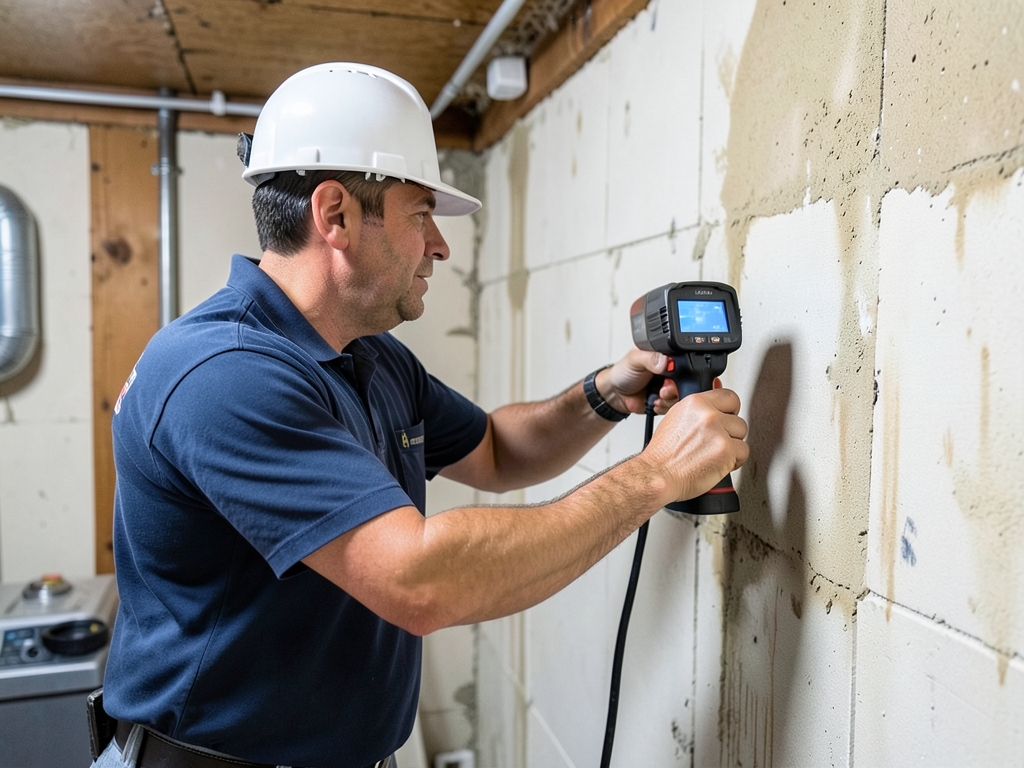
Professional assessment becomes critical when you notice persistent musty odors, visible discoloration that spreads over weeks, or soft spots in flooring. These signs indicate moisture has penetrated beyond surface level. A certified technician uses moisture meters and thermal imaging to detect hidden damage behind walls and under floors.. Read more about Signs Your North Albany Rental Has Hidden Water Damage Behind the Walls.
Understanding the difference between these two problems helps you make informed decisions about when to call for help. Surface mold on a bathroom ceiling might be a DIY cleaning project. Water damage that has compromised structural elements requires immediate professional intervention to prevent further deterioration and protect your family’s safety.. Read more about What Happens if You Wait Too Long to Fix a Small Bathroom Leak in New Britain?.
Visual Identification Guide: Surface Mold vs. Structural Water Damage
Knowing what to look for can save you time and money. Here’s how to distinguish between surface mold and deeper structural water damage:
| Characteristic | Surface Mold | Structural Water Damage |
|---|---|---|
| Appearance | Fuzzy, slimy, or powdery patches in various colors | Staining, peeling, bubbling, or warping of materials |
| Growth Pattern | Spreads outward from a central point | Follows water path, often in streaks or rings |
| Texture | Soft, sometimes slimy to touch | Hard, brittle, or spongy depending on material |
| Depth | Surface only, wipes off with cleaner | Penetrates materials, cannot be wiped clean |
| Odor | Musty, earthy smell | Damp, musty, or rotten smell |
| Common Locations | Bathrooms, basements, window sills | Under sinks, behind appliances, in wall cavities |
| Urgency Level | Medium – clean within days | High – address within hours |
The Critical 48-Hour Window: When Water Becomes Mold
Time matters more than you think. Within 24 to 48 hours of water exposure, dormant mold spores begin active growth. This biological timeline creates a narrow window for intervention.
Stage 1 (0-24 hours): Water saturates porous materials. Drywall wicks moisture upward, wood absorbs water, and insulation becomes waterlogged. At this point, you might see water stains but no mold growth.
Stage 2 (24-48 hours): Mold spores activate. They need moisture, oxygen, and organic material to grow. Your home provides all three. The first signs might be a musty odor or slight discoloration.
Stage 3 (48+ hours): Active mold colonies form. These can spread across surfaces and release spores into the air. The longer moisture remains, the more extensive the damage becomes.
Connecticut’s climate accelerates this process. Summer humidity keeps materials damp longer. Winter conditions can trap moisture behind walls when heating systems create temperature differentials. The Connecticut River Valley’s poor drainage means water often sits against foundations longer than in other areas.. Read more about Managing Humidity and Preventing Mold Growth During a Hot Connecticut Summer.
Professional water damage restoration follows strict protocols based on this timeline. Class 1 water damage involves minimal moisture absorption. Class 2 affects entire rooms. Class 3 saturates materials from overhead sources. Class 4 involves specialty drying situations with materials like hardwood or concrete.
The IICRC S500 standard for water damage restoration emphasizes rapid response. Their guidelines state that Category 1 clean water becomes Category 2 gray water after 48 hours and Category 3 black water after 72 hours if left untreated. This progression affects both health risks and insurance coverage. IICRC S500 Standard.
Health Risks and Structural Impact: Different Dangers Require Different Responses
Surface mold primarily affects respiratory health. Common symptoms include coughing, sneezing, itchy eyes, and skin irritation. People with asthma or allergies often experience more severe reactions. Children and elderly residents face higher risks due to developing or compromised immune systems.
Structural water damage creates different hazards. When wood rot sets in, it loses 60-80% of its strength. A beam that should support 1,000 pounds might only handle 200 pounds after water damage. This creates collapse risks that can injure or kill. How to Handle a Flooded Basement in Your West Hartford Home Today.
The Connecticut Department of Public Health tracks mold-related health complaints in Hartford County. Their data shows increased respiratory issues in homes with visible mold growth, particularly during humid summer months when spore counts peak.
Structural damage also creates perfect conditions for mold growth. Wet wood and drywall provide food sources for mold colonies. Once established, mold can spread through wall cavities via air ducts and plumbing chases. What starts as a simple leak can become a widespread contamination problem.
Professional remediation addresses both issues. For surface mold, technicians use HEPA vacuums and antimicrobial treatments. For structural damage, they remove compromised materials, treat remaining surfaces, and rebuild with moisture-resistant products. The process requires different tools, techniques, and safety protocols.
Insurance Coverage in Connecticut: What Your Policy Actually Covers
Connecticut homeowners often discover too late what their insurance covers. Standard policies typically cover sudden, accidental water damage. A pipe bursting while you’re home qualifies. A slow leak that damages your ceiling over months usually doesn’t.
Mold coverage presents additional complications. Many Connecticut policies have specific mold exclusions or coverage limits, often capped at $5,000 to $10,000. This amount rarely covers full remediation costs, which can exceed $15,000 for extensive damage.
The Connecticut Insurance Department requires insurers to offer optional mold coverage endorsements. These cost extra but provide better protection. Without them, you might pay out-of-pocket for mold remediation even when water damage itself was covered.
Documentation becomes crucial for successful claims. Take photos immediately after discovering damage. Keep receipts for emergency repairs. Save all communication with your insurance company. Professional restoration companies often work directly with insurers, providing the documentation they need.. Read more about How to Save Your Furniture After a Major Pipe Leak in Your Farmington Condo.
Commercial properties face different standards. Business interruption coverage can help if water damage forces temporary closure. However, many commercial policies have higher deductibles and stricter documentation requirements.
Understanding your coverage before disaster strikes helps you make better decisions when time matters most. Know your policy limits, understand your deductibles, and keep your insurance company’s emergency contact information readily available.
Rocky Hill-Specific Considerations: Local Factors That Increase Risk
Rocky Hill’s geography creates specific vulnerabilities. The town sits in the Connecticut River Valley where the river’s historic floodplain affects soil composition and drainage patterns. Many homes built before 1980 lack modern moisture barriers and drainage systems.
The area’s high clay content soil drains poorly. Water from heavy rains or snowmelt sits near foundations rather than percolating away. This hydrostatic pressure forces moisture through basement walls and floors. Homes on slopes face additional risks as water flows downhill toward foundations.
Rocky Hill’s housing stock includes many 1960s and 1970s ranches with concrete block foundations. These foundations crack over time, especially when Connecticut’s freeze-thaw cycles cause expansion and contraction. Even hairline cracks allow significant water intrusion during heavy rains.
The town’s proximity to the Connecticut River means some areas have higher water tables. Homes in these zones face constant moisture pressure from below. Sump pumps become essential but can fail during power outages or when overwhelmed by excessive water.
Local building codes have evolved to address these issues. Current Connecticut State Building Code requires moisture barriers and proper drainage for new construction. However, many existing homes predate these requirements, leaving them vulnerable to water intrusion. The Best Local Mold Removal and Remediation Experts in Glastonbury.
Seasonal factors compound these risks. Spring snowmelt combined with April showers can overwhelm drainage systems. Summer thunderstorms can dump inches of rain in hours. Fall leaves can clog gutters and downspouts. Winter freeze-thaw cycles cause ice dams that force water under roof shingles.
Professional Assessment: When to Call for Expert Help
DIY assessment works for obvious surface mold on bathroom tiles. But hidden damage requires professional tools and expertise. Here’s when to call for help:
Call immediately if you notice: persistent musty odors that don’t go away with cleaning, visible mold growth covering more than 10 square feet, soft or spongy areas in floors or walls, water stains that grow larger over time, or recent water events like burst pipes or flooding.
Professional assessment includes moisture mapping with specialized meters that detect water in wall cavities. Thermal imaging cameras reveal temperature differences that indicate moisture presence. Borescopes allow visual inspection of wall cavities without destructive testing.
Technicians follow IICRC S500 protocols for assessment. They classify water damage by source and contamination level. Category 1 water comes from clean sources like broken supply lines. Category 2 contains significant contamination from sources like washing machine overflow. Category 3 is grossly contaminated water from sewage or flooding. Fast Sewage Cleanup Services for East Hartford Residents Facing a Backup.
The assessment process includes checking for hidden damage in areas you might not consider. Behind baseboards, under flooring, inside wall cavities, and in crawl spaces often hide extensive damage. Professional assessment prevents costly surprises during remediation.
Time matters during assessment. The longer you wait, the more damage spreads and the more expensive remediation becomes. Professional assessment typically costs $200-$500 but can save thousands by catching problems early.
Professional Remediation Steps: What to Expect When You Call for Help
Professional remediation follows a systematic process that addresses both immediate damage and long-term prevention. Here’s what happens when you call for help:
- Emergency Contact and Assessment
Available 24/7, technicians arrive within hours to assess damage scope and create a remediation plan.
- Water Extraction
Using truck-mounted pumps and industrial vacuums, technicians remove standing water to prevent further absorption.
- Drying and Dehumidification
High-powered air movers and dehumidifiers reduce moisture content in materials to safe levels, typically below 15% for wood.
- Demolition and Removal
Compromised materials like wet drywall, insulation, and carpet padding are removed to prevent mold growth.
- Cleaning and Sanitizing
Affected areas are cleaned with antimicrobial treatments to kill existing mold and prevent future growth.
- Restoration and Reconstruction
Repairs might include replacing drywall, installing new flooring, or rebuilding damaged structural elements.
The entire process typically takes 3-7 days depending on damage extent. Emergency services cost more but prevent further damage. Standard remediation rates range from $1,000 to $6,000 for residential properties.
Commercial properties require different approaches. Larger spaces need more equipment and manpower. Business interruption concerns mean faster timelines. Insurance documentation requirements are more extensive.
Professional remediation includes final testing to ensure moisture levels return to normal and no active mold remains. This verification step provides documentation for insurance claims and peace of mind for property owners.
Prevention Strategies: Protecting Your Rocky Hill Home from Future Damage
Prevention costs less than remediation. Here are strategies specific to Rocky Hill’s conditions:
Foundation protection starts with proper grading. Soil should slope away from your foundation at 1 inch per foot for at least 6 feet. Extend downspouts at least 5 feet from your foundation. Clean gutters twice yearly to prevent overflow.
Basement waterproofing options range from simple sealants to comprehensive exterior drainage systems. Interior sealants cost $1,000-$3,000 but only address symptoms. Exterior waterproofing costing $5,000-$15,000 prevents water from reaching your foundation.
Plumbing maintenance prevents many water damage incidents. Insulate pipes in unheated areas to prevent freezing. Check supply lines annually for wear. Know where your main water shutoff valve is located and test it yearly.
Roof maintenance prevents water intrusion from above. Replace missing shingles immediately. Clean gutters before fall leaf drop and again in spring. Check flashing around chimneys and vents annually.
Humidity control reduces mold growth risk. Use dehumidifiers in basements during summer months. Vent bathrooms and kitchens to the exterior. Fix plumbing leaks promptly.
Smart home technology provides early warning. Water leak detectors cost $30-$100 and can alert you to problems before major damage occurs. Some systems automatically shut off water when leaks are detected.
Frequently Asked Questions
How can I tell if a dark spot on my ceiling is mold or just a water stain?
Water stains typically appear as yellow or brown rings that don’t change size. Mold grows as fuzzy or slimy patches that spread over time and may change color. If the spot smells musty or grows larger over weeks, it’s likely mold requiring professional assessment.
How long does it take for mold to grow after water damage?
Mold can begin growing within 24-48 hours of water exposure under ideal conditions. The process accelerates in warm, humid environments like Connecticut summers. That’s why rapid water removal is critical for preventing mold growth.
Will my homeowners insurance cover mold remediation?
Standard policies often exclude mold or limit coverage to $5,000-$10,000. Sudden water damage from covered events like burst pipes may be covered, but resulting mold might not be. Review your policy and consider adding mold coverage endorsement.
Can I clean surface mold myself or do I need a professional?
Small areas under 10 square feet on non-porous surfaces can be cleaned with proper safety equipment. Larger areas, porous materials like drywall, or mold in HVAC systems require professional remediation to prevent spread and ensure complete removal.
How much does professional water damage remediation cost?
Costs range from $1,000 to $6,000 for typical residential damage, depending on extent and materials affected. Emergency services cost more but prevent further damage. Commercial properties typically cost more due to larger areas and faster timelines.
Take Action Before Small Problems Become Big Disasters
Water damage and mold don’t wait for convenient times to appear. A small leak today can become a major structural problem tomorrow. The difference between a $200 repair and a $20,000 renovation often comes down to how quickly you respond.
Rocky Hill’s unique geography and housing stock create specific vulnerabilities that require local expertise. Our technicians understand how the Connecticut River Valley’s clay soil, freeze-thaw cycles, and historic housing stock affect water damage patterns. We bring this local knowledge to every assessment and remediation project.
Don’t gamble with your home’s structure or your family’s health. If you notice signs of water damage or mold growth, call (860) 743-9993 today. Our certified technicians provide 24/7 emergency response and work directly with your insurance company to streamline the claims process.
Pick up the phone and call (860) 743-9993 before the next storm hits. Every hour you wait allows water damage to spread deeper into your home’s structure, making repairs more expensive and complicated. We’ll assess your situation, explain your options clearly, and get your home back to normal as quickly as possible.
Your home protects your family. Let us protect your home. Call (860) 743-9993 now for your free assessment and take the first step toward a dry, safe, and healthy home. For more information, visit CDC Mold Information.
You may also find this helpful. The Best Ways to Ventilate Your Attic and Avoid Winter Ice Dams in Hartford.
{
“@context”: “https://schema.org”,
“@type”: “BlogPosting”,
“headline”: “The Real Difference Between Surface Mold and Structural Water Damage in Rocky Hill”,
“description”: “Learn to identify surface mold vs. structural water damage in Rocky Hill homes. Get expert insights on health risks, insurance coverage, and when to call a professional.”,
“wordCount”: 2734,
“datePublished”: “2026-03-09T15:37:00.000Z”,
“dateModified”: “2026-03-09T15:37:00.000Z”,
“inLanguage”: “en-US”,
“mainEntityOfPage”: {
“@type”: “WebPage”,
“@id”: “https://crestlinewaterdamagerestorationhartford.com”
},
“publisher”: {
“@type”: “LocalBusiness”,
“name”: “Crestline Water Damage Restoration Hartford”,
“url”: “https://crestlinewaterdamagerestorationhartford.com”
},
“author”: {
“@type”: “Organization”,
“name”: “Crestline Water Damage Restoration Hartford”,
“url”: “https://crestlinewaterdamagerestorationhartford.com”
},
“image”: {
“@type”: “ImageObject”,
“url”: “https://crestlinewaterdamagerestorationhartford.com/wp-content/uploads/2026/03/the-real-difference-between-surface-mold-and-struc-1.png”
}
}
{
“@context”: “https://schema.org”,
“@type”: “LocalBusiness”,
“name”: “Crestline Water Damage Restoration Hartford”,
“url”: “https://crestlinewaterdamagerestorationhartford.com”,
“address”: {
“@type”: “PostalAddress”,
“addressLocality”: “Hartford”
},
“areaServed”: {
“@type”: “City”,
“name”: “Hartford”
}
}
{
“@context”: “https://schema.org”,
“@type”: “FAQPage”,
“mainEntity”: [
{
“@type”: “Question”,
“name”: “How can I tell if a dark spot on my ceiling is mold or just a water stain?”,
“acceptedAnswer”: {
“@type”: “Answer”,
“text”: “Water stains typically appear as yellow or brown rings that don’t change size. Mold grows as fuzzy or slimy patches that spread over time and may change color. If the spot smells musty or grows larger over weeks, it’s likely mold requiring professional assessment.”
}
},
{
“@type”: “Question”,
“name”: “How long does it take for mold to grow after water damage?”,
“acceptedAnswer”: {
“@type”: “Answer”,
“text”: “Mold can begin growing within 24-48 hours of water exposure under ideal conditions. The process accelerates in warm, humid environments like Connecticut summers. That’s why rapid water removal is critical for preventing mold growth.”
}
},
{
“@type”: “Question”,
“name”: “Will my homeowners insurance cover mold remediation?”,
“acceptedAnswer”: {
“@type”: “Answer”,
“text”: “Standard policies often exclude mold or limit coverage to $5,000-$10,000. Sudden water damage from covered events like burst pipes may be covered, but resulting mold might not be. Review your policy and consider adding mold coverage endorsement.”
}
},
{
“@type”: “Question”,
“name”: “Can I clean surface mold myself or do I need a professional?”,
“acceptedAnswer”: {
“@type”: “Answer”,
“text”: “Small areas under 10 square feet on non-porous surfaces can be cleaned with proper safety equipment. Larger areas, porous materials like drywall, or mold in HVAC systems require professional remediation to prevent spread and ensure complete removal.”
}
},
{
“@type”: “Question”,
“name”: “How much does professional water damage remediation cost?”,
“acceptedAnswer”: {
“@type”: “Answer”,
“text”: “Costs range from $1,000 to $6,000 for typical residential damage, depending on extent and materials affected. Emergency services cost more but prevent further damage. Commercial properties typically cost more due to larger areas and faster timelines.”
}
}
]
}
{
“@context”: “https://schema.org”,
“@type”: “HowTo”,
“name”: “Professional Water Damage Remediation Process”,
“step”: [
{
“@type”: “HowToStep”,
“position”: 1,
“name”: “Emergency Contact and Assessment”,
“text”: “Available 24/7, technicians arrive within hours to assess damage scope and create a remediation plan.”
},
{
“@type”: “HowToStep”,
“position”: 2,
“name”: “Water Extraction”,
“text”: “Using truck-mounted pumps and industrial vacuums, technicians remove standing water to prevent further absorption.”
},
{
“@type”: “HowToStep”,
“position”: 3,
“name”: “Drying and Dehumidification”,
“text”: “High-powered air movers and dehumidifiers reduce moisture content in materials to safe levels, typically below 15% for wood.”
},
{
“@type”: “HowToStep”,
“position”: 4,
“name”: “Demolition and Removal”,
“text”: “Compromised materials like wet drywall, insulation, and carpet padding are removed to prevent mold growth.”
},
{
“@type”: “HowToStep”,
“position”: 5,
“name”: “Cleaning and Sanitizing”,
“text”: “Affected areas are cleaned with antimicrobial treatments to kill existing mold and prevent future growth.”
},
{
“@type”: “HowToStep”,
“position”: 6,
“name”: “Restoration and Reconstruction”,
“text”: “Repairs might include replacing drywall, installing new flooring, or rebuilding damaged structural elements.”
}
],
“image”: “https://crestlinewaterdamagerestorationhartford.com/wp-content/uploads/2026/03/the-real-difference-between-surface-mold-and-struc-1.png”
}
{
“@context”: “https://schema.org”,
“@type”: “BreadcrumbList”,
“itemListElement”: [
{
“@type”: “ListItem”,
“position”: 1,
“name”: “Home”,
“item”: “https://crestlinewaterdamagerestorationhartford.com”
},
{
“@type”: “ListItem”,
“position”: 2,
“name”: “Blog”,
“item”: “https://crestlinewaterdamagerestorationhartford.com/blog”
},
{
“@type”: “ListItem”,
“position”: 3,
“name”: “The Real Difference Between Surface Mold and Structural Water Damage in Rocky Hill”
}
]
}
{
“@context”: “https://schema.org”,
“@type”: “Service”,
“serviceType”: “Water Damage Restoration”,
“provider”: {
“@type”: “LocalBusiness”,
“name”: “Crestline Water Damage Restoration Hartford”,
“url”: “https://crestlinewaterdamagerestorationhartford.com”
},
“areaServed”: {
“@type”: “City”,
“name”: “Hartford”
},
“description”: “Learn to identify surface mold vs. structural water damage in Rocky Hill homes. Get expert insights on health risks, insurance coverage, and when to call a professional.”
}