
Can Your Avon Home’s Hardwood Floors Be Saved After Water Damage?
When water floods your Avon home’s hardwood floors, every minute counts. The Farmington Valley’s high humidity and seasonal temperature swings create perfect conditions for wood to warp permanently if not addressed immediately. This guide explains exactly what happens to your floors, what emergency steps you can take, and when professional restoration can save your investment. Professional Water Extraction and Drying for Downtown Hartford Office Buildings.
Hardwood flooring represents a significant investment in Avon homes, particularly in the historic Farmington Village and Avon Old Farms areas where classic oak and maple flooring adds character and value. When water damage strikes from a burst pipe, appliance leak, or storm flooding, understanding the science behind wood moisture content becomes critical to saving your floors.. Read more about Why Your Parkville Kitchen Floor is Buckling (And How to Check the Dishwasher).
Immediate Steps: What to Do When Your Avon Home Floods
Water spreads faster than you think. Within 24 hours, moisture can penetrate deep into wood fibers, causing irreversible damage. Here’s what to do immediately:
- Stop the Water Source
Turn off the main water valve if you have a burst pipe. For appliance leaks, unplug the device and shut off its water supply line. Every second of continued water flow increases damage exponentially.
- Remove Standing Water
Use towels, mops, or a wet vacuum to remove surface water. For Avon homes with finished basements, water can travel through floor vents and affect multiple rooms. Act quickly but avoid walking on wet areas more than necessary.
- Increase Air Circulation
Open windows and doors to promote airflow. Use fans if electricity is safe. The Farmington Valley’s naturally high humidity means outdoor air might not help much, but any circulation prevents water from pooling in floor seams.
- Document the Damage
Take photos of all affected areas before moving anything. This documentation helps with insurance claims and helps restoration professionals assess the scope of damage when they arrive.
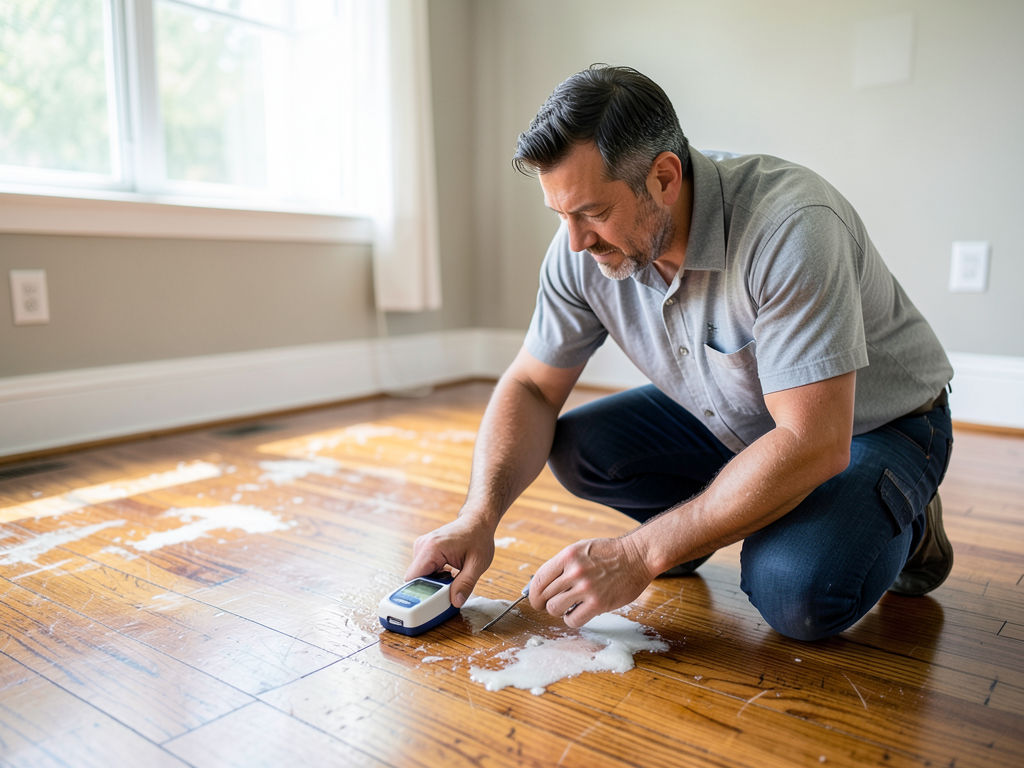
Professional Wood Floor Drying Process
Professional restoration goes far beyond surface drying. The process requires specialized equipment and understanding of wood’s equilibrium moisture content (EMC). Here’s what happens when experts arrive:
Step one involves moisture mapping using professional-grade moisture meters. These devices measure moisture content at different depths within the wood. For oak flooring common in Avon homes, the target moisture content is typically 6-9%, but this varies by season and local conditions. The Best Local Mold Removal and Remediation Experts in Glastonbury.
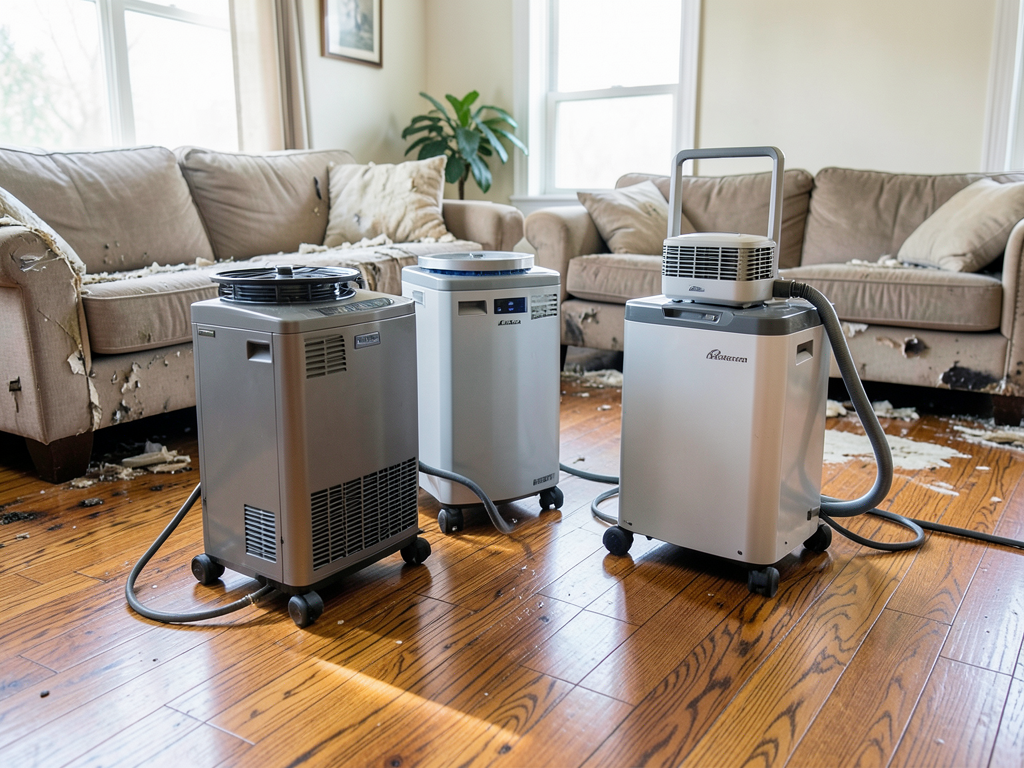
Industrial dehumidifiers then create a controlled drying environment. Unlike household dehumidifiers, commercial units can remove 20-30 gallons of water per day from the air. The goal is to create a vapor pressure differential that pulls moisture from the wood without causing additional stress.
Subfloor assessment follows. Many Avon homes, especially those built before 2000, have plywood subfloors that absorb water like sponges. If the subfloor remains wet, the hardwood will continue to absorb moisture from below, causing recurring problems even after surface drying.
Temperature control plays a crucial role. Wood dries best between 70-90°F. Too cold and the process stalls; too hot and you risk surface checking or additional warping. Professional restorers use infrared thermometers to monitor floor surface temperature throughout the process.
Identifying Types of Damage: Cupping, Crowning, and Buckling
Not all water damage looks the same. Understanding what you’re seeing helps determine if restoration is possible or if replacement is necessary.
Cupping occurs when moisture enters the bottom of wood boards faster than it escapes from the top. The edges of boards rise while the center stays relatively flat, creating a concave appearance. This is the most common form of water damage in Avon homes because groundwater and basement moisture often affect the underside of flooring first.
Crowning is the opposite problem. When the top surface of wood dries faster than the bottom, the center of boards rises while edges stay lower. This often happens when homeowners sand cupped floors before they’re completely dry, removing the raised edges and leaving the wetter center to expand upward.
Buckling represents severe damage where entire boards lift completely from the subfloor. This happens when moisture content differences between the top and bottom of boards exceed the wood’s structural limits. Buckling often requires board replacement rather than restoration.
Separation between boards indicates extreme moisture content changes. Wood naturally expands and contracts, but excessive moisture causes permanent gaps that won’t close when humidity returns to normal levels. EPA Mold Information.
The severity of damage depends on several factors unique to Avon. The area’s clay-rich soil, common throughout the Farmington River Valley, affects how water moves through foundations. Homes built on slopes near Talcott Mountain may experience different moisture patterns than those in the river valley.
Why Choose a Hartford-Based Specialist for Avon Restoration?
Local knowledge matters when restoring water-damaged hardwood floors. Hartford-based specialists understand the specific challenges Avon homes face, from the area’s freeze-thaw cycles to the unique characteristics of local building materials. What to Do When Your Pipes Freeze and Burst During a Hartford Winter.
Response time is critical. A Hartford-based team can typically reach most Avon locations within 20-30 minutes, which is essential when every minute of water exposure increases damage severity. The I-84 corridor provides direct access from Hartford to Avon, allowing rapid deployment of equipment and personnel.
Insurance claim experience is another crucial factor. Hartford restoration specialists regularly work with Connecticut insurance carriers and understand the documentation requirements specific to the state. They know how to document damage thoroughly and communicate effectively with adjusters who may be based in Hartford or nearby cities.
Understanding local building codes is essential for proper restoration. Connecticut’s building code requirements for moisture barriers and ventilation differ from national standards. A Hartford-based specialist knows these requirements and ensures restoration work meets all local standards. Office Building Water Restoration.
Seasonal expertise matters significantly. The Farmington Valley experiences dramatic seasonal humidity swings that affect wood flooring differently than coastal areas. A local specialist understands how to account for these variations during the drying process.
Insurance Claims Assistance for Water Damage in Connecticut
Navigating insurance claims for water damage restoration can be overwhelming, especially when you’re dealing with the stress of damaged hardwood floors. Understanding what’s covered and how to document damage properly makes the process much smoother.
Most homeowners insurance policies in Connecticut cover sudden and accidental water damage, such as burst pipes or appliance failures. However, they typically exclude damage from gradual leaks or flooding from external sources. This distinction is crucial for Avon homeowners, as many homes near the Farmington River may face different coverage scenarios than those in higher elevations.
Professional restoration companies document damage using moisture mapping reports, thermal imaging, and detailed photographs. This documentation creates a clear record of damage extent and helps justify restoration costs to insurance adjusters. The documentation should include moisture readings from unaffected areas to establish baseline conditions.
Working with a restoration specialist who has experience with Connecticut insurance carriers can significantly streamline the claims process. These professionals understand common adjuster concerns and can provide the specific documentation insurance companies require for approval.
Cost factors to consider include the extent of damage, type of hardwood, and whether subfloor replacement is necessary. Professional restoration typically costs less than complete floor replacement, but the exact cost depends on the specific circumstances of each job.
Preventing Future Water Damage in Your Avon Home
After experiencing water damage, many homeowners want to prevent future incidents. Several strategies can help protect your hardwood floors from future water damage.
Regular plumbing inspections can identify potential problems before they cause major damage. Pay special attention to washing machine supply lines, dishwasher connections, and refrigerator water lines, as these are common sources of leaks in Avon homes.
Installing water sensors near appliances and in basement areas provides early warning of leaks. Modern smart home systems can send alerts to your phone when moisture is detected, allowing you to address problems before they cause extensive damage.
Proper humidity control throughout the year helps prevent wood movement that can make floors more vulnerable to damage. Using dehumidifiers during humid summer months and humidifiers during dry winter months maintains more stable conditions for your hardwood floors.
Regular floor maintenance, including proper cleaning and occasional refinishing, helps maintain the protective finish that prevents water from penetrating wood surfaces. However, avoid excessive moisture when cleaning, as this can actually cause the damage you’re trying to prevent.
When Replacement Makes More Sense Than Restoration
While restoration is often possible, certain situations make complete floor replacement the better option. Understanding these scenarios helps you make informed decisions about your flooring investment.
Extensive mold growth beneath hardwood floors indicates that moisture has been present for an extended period. In these cases, the structural integrity of the wood may be compromised, and mold remediation becomes the priority over floor restoration.
Severe buckling or warping that affects a large percentage of the floor often makes restoration cost-prohibitive. When the damage is too widespread, replacement may be more economical than attempting to restore every affected board.
Older floors that have been refinished multiple times may not have enough material left to sand and refinish after restoration. In these cases, replacement with new flooring might be the only viable option.
Water from contaminated sources, such as sewage backups or flooding from the Farmington River, may require complete floor replacement due to contamination concerns. The cost of thorough cleaning and sanitization often exceeds replacement costs in these situations. Fast Sewage Cleanup Services for East Hartford Residents Facing a Backup.
The Science Behind Wood Floor Restoration
Understanding the science behind wood floor restoration helps explain why professional techniques work when DIY methods fail. Wood is hygroscopic, meaning it constantly exchanges moisture with its environment.
The equilibrium moisture content (EMC) of wood varies by species and local climate conditions. In the Farmington Valley, where humidity levels fluctuate significantly between seasons, wood floors experience constant expansion and contraction. Professional restorers understand these patterns and use them to guide the restoration process.
Moisture movement in wood follows specific patterns. Water moves from areas of high concentration to areas of low concentration through both the wood’s cell structure and along its surface. Professional drying techniques take advantage of these movement patterns to remove moisture efficiently without causing additional damage.
The relationship between temperature, humidity, and drying rate is critical. Too rapid drying can cause surface checking or additional warping, while too slow drying allows mold growth to establish. Professional restorers use psychrometric principles to create optimal drying conditions.
Different wood species respond differently to moisture exposure. Oak, common in Avon homes, is relatively stable but can still warp significantly when exposed to water. Maple and cherry are more dimensionally stable but may show damage differently than oak.
Frequently Asked Questions
How long does it take to dry water-damaged hardwood floors?
Professional drying typically takes 3-7 days depending on the extent of damage, wood species, and environmental conditions. Rushing the process can cause additional damage, so patience is essential for successful restoration.
Can I save my floors if they’re already cupped?
Cupped floors often can be saved if addressed quickly and dried properly. The key is identifying and stopping the moisture source, then allowing the wood to dry slowly and evenly. Professional assessment determines if restoration is possible.
Will my insurance cover water-damaged hardwood floors?
Most homeowners insurance policies cover sudden and accidental water damage to hardwood floors. However, coverage depends on the water source and your specific policy terms. Professional restoration companies can help document damage for insurance claims.
How can I tell if my floors need professional restoration?
Signs that indicate professional help is needed include cupping, crowning, buckling, or separation between boards. If you notice any of these issues after water exposure, professional assessment can determine if restoration is possible.
What’s the difference between restoration and refinishing?
Restoration involves drying and stabilizing water-damaged floors, while refinishing involves sanding and applying new finish to improve appearance. Restoration must be completed before refinishing can occur, and not all water-damaged floors can be successfully refinished.
How much does hardwood floor restoration cost?
Costs vary widely based on damage extent, wood type, and whether subfloor work is needed. Professional assessment provides accurate estimates, but restoration typically costs less than complete floor replacement when successful.
Can I walk on water-damaged floors while they’re drying?
Avoid walking on wet or damaged floors as much as possible. Walking on wet wood can cause additional damage and may be unsafe if the floor structure is compromised. Follow professional guidance about when it’s safe to resume normal use.
How do I prevent mold growth after water damage?
Rapid moisture removal is the best prevention. Professional drying equipment can remove moisture before mold has time to establish. If mold is already present, professional remediation may be necessary before restoration can proceed.
Call (860) 743-9993 Today to Save Your Hardwood Floors
Don’t wait another hour if your Avon home’s hardwood floors have water damage. Every minute of delay increases the risk of permanent warping and mold growth. Our Hartford-based team understands the unique challenges Farmington Valley homes face and can respond quickly to your emergency.
We’ll assess your damage, explain your options clearly, and work directly with your insurance company to ensure proper documentation and coverage. Our professional restoration process uses industrial-grade equipment and proven techniques to maximize your chances of saving your valuable hardwood floors.
Pick up the phone and call (860) 743-9993 now. Whether it’s 2 PM or 2 AM, we’re ready to help Avon homeowners protect their flooring investments and restore their homes to pre-damage condition.
Don’t let water damage destroy your hardwood floors. Call (860) 743-9993 today for professional water damage restoration that understands Avon’s unique environmental conditions and building characteristics. For more information, visit IICRC Standards.
{
“@context”: “https://schema.org”,
“@type”: “BlogPosting”,
“headline”: “Can Your Avon Home’s Hardwood Floors Be Saved After Water Damage?”,
“description”: “Expert water damage restoration for Avon hardwood floors. Learn how cupping, crowning, and buckling affect your floors and what emergency steps can save them.”,
“wordCount”: 2283,
“datePublished”: “2026-02-26T10:13:00.000Z”,
“dateModified”: “2026-02-26T10:13:00.000Z”,
“inLanguage”: “en-US”,
“mainEntityOfPage”: {
“@type”: “WebPage”,
“@id”: “https://crestlinewaterdamagerestorationhartford.com”
},
“publisher”: {
“@type”: “LocalBusiness”,
“name”: “Crestline Water Damage Restoration Hartford”,
“url”: “https://crestlinewaterdamagerestorationhartford.com”
},
“author”: {
“@type”: “Organization”,
“name”: “Crestline Water Damage Restoration Hartford”,
“url”: “https://crestlinewaterdamagerestorationhartford.com”
},
“image”: {
“@type”: “ImageObject”,
“url”: “https://crestlinewaterdamagerestorationhartford.com/wp-content/uploads/2026/03/can-your-avon-home-s-hardwood-floors-be-saved-afte-1.png”
}
}
{
“@context”: “https://schema.org”,
“@type”: “LocalBusiness”,
“name”: “Crestline Water Damage Restoration Hartford”,
“url”: “https://crestlinewaterdamagerestorationhartford.com”,
“address”: {
“@type”: “PostalAddress”,
“addressLocality”: “Hartford”
},
“areaServed”: {
“@type”: “City”,
“name”: “Hartford”
}
}
{
“@context”: “https://schema.org”,
“@type”: “FAQPage”,
“mainEntity”: [
{
“@type”: “Question”,
“name”: “Why Choose a Hartford-Based Specialist for Avon Restoration?”,
“acceptedAnswer”: {
“@type”: “Answer”,
“text”: “Local knowledge matters when restoring water-damaged hardwood floors. Hartford-based specialists understand the specific challenges Avon homes face, from the area’s freeze-thaw cycles to the unique characteristics of local building materials. What to Do When Your Pipes Freeze and Burst During a Hartford Winter.”
}
},
{
“@type”: “Question”,
“name”: “How long does it take to dry water-damaged hardwood floors?”,
“acceptedAnswer”: {
“@type”: “Answer”,
“text”: “Professional drying typically takes 3-7 days depending on the extent of damage, wood species, and environmental conditions. Rushing the process can cause additional damage, so patience is essential for successful restoration.”
}
},
{
“@type”: “Question”,
“name”: “Can I save my floors if they’re already cupped?”,
“acceptedAnswer”: {
“@type”: “Answer”,
“text”: “Cupped floors often can be saved if addressed quickly and dried properly. The key is identifying and stopping the moisture source, then allowing the wood to dry slowly and evenly. Professional assessment determines if restoration is possible.”
}
},
{
“@type”: “Question”,
“name”: “Will my insurance cover water-damaged hardwood floors?”,
“acceptedAnswer”: {
“@type”: “Answer”,
“text”: “Most homeowners insurance policies cover sudden and accidental water damage to hardwood floors. However, coverage depends on the water source and your specific policy terms. Professional restoration companies can help document damage for insurance claims.”
}
},
{
“@type”: “Question”,
“name”: “How can I tell if my floors need professional restoration?”,
“acceptedAnswer”: {
“@type”: “Answer”,
“text”: “Signs that indicate professional help is needed include cupping, crowning, buckling, or separation between boards. If you notice any of these issues after water exposure, professional assessment can determine if restoration is possible.”
}
},
{
“@type”: “Question”,
“name”: “What’s the difference between restoration and refinishing?”,
“acceptedAnswer”: {
“@type”: “Answer”,
“text”: “Restoration involves drying and stabilizing water-damaged floors, while refinishing involves sanding and applying new finish to improve appearance. Restoration must be completed before refinishing can occur, and not all water-damaged floors can be successfully refinished.”
}
},
{
“@type”: “Question”,
“name”: “How much does hardwood floor restoration cost?”,
“acceptedAnswer”: {
“@type”: “Answer”,
“text”: “Costs vary widely based on damage extent, wood type, and whether subfloor work is needed. Professional assessment provides accurate estimates, but restoration typically costs less than complete floor replacement when successful.”
}
},
{
“@type”: “Question”,
“name”: “Can I walk on water-damaged floors while they’re drying?”,
“acceptedAnswer”: {
“@type”: “Answer”,
“text”: “Avoid walking on wet or damaged floors as much as possible. Walking on wet wood can cause additional damage and may be unsafe if the floor structure is compromised. Follow professional guidance about when it’s safe to resume normal use.”
}
},
{
“@type”: “Question”,
“name”: “How do I prevent mold growth after water damage?”,
“acceptedAnswer”: {
“@type”: “Answer”,
“text”: “Rapid moisture removal is the best prevention. Professional drying equipment can remove moisture before mold has time to establish. If mold is already present, professional remediation may be necessary before restoration can proceed.”
}
}
]
}
{
“@context”: “https://schema.org”,
“@type”: “HowTo”,
“name”: “Emergency Water Damage Steps”,
“step”: [
{
“@type”: “HowToStep”,
“position”: 1,
“name”: “Stop the Water Source”,
“text”: “Turn off the main water valve if you have a burst pipe. For appliance leaks, unplug the device and shut off its water supply line. Every second of continued water flow increases damage exponentially.”
},
{
“@type”: “HowToStep”,
“position”: 2,
“name”: “Remove Standing Water”,
“text”: “Use towels, mops, or a wet vacuum to remove surface water. For Avon homes with finished basements, water can travel through floor vents and affect multiple rooms. Act quickly but avoid walking on wet areas more than necessary.”
},
{
“@type”: “HowToStep”,
“position”: 3,
“name”: “Increase Air Circulation”,
“text”: “Open windows and doors to promote airflow. Use fans if electricity is safe. The Farmington Valley’s naturally high humidity means outdoor air might not help much, but any circulation prevents water from pooling in floor seams.”
},
{
“@type”: “HowToStep”,
“position”: 4,
“name”: “Document the Damage”,
“text”: “Take photos of all affected areas before moving anything. This documentation helps with insurance claims and helps restoration professionals assess the scope of damage when they arrive.”
}
],
“image”: “https://crestlinewaterdamagerestorationhartford.com/wp-content/uploads/2026/03/can-your-avon-home-s-hardwood-floors-be-saved-afte-1.png”
}
{
“@context”: “https://schema.org”,
“@type”: “BreadcrumbList”,
“itemListElement”: [
{
“@type”: “ListItem”,
“position”: 1,
“name”: “Home”,
“item”: “https://crestlinewaterdamagerestorationhartford.com”
},
{
“@type”: “ListItem”,
“position”: 2,
“name”: “Blog”,
“item”: “https://crestlinewaterdamagerestorationhartford.com/blog”
},
{
“@type”: “ListItem”,
“position”: 3,
“name”: “Can Your Avon Home’s Hardwood Floors Be Saved After Water Damage?”
}
]
}
{
“@context”: “https://schema.org”,
“@type”: “Service”,
“serviceType”: “Water Damage Restoration”,
“provider”: {
“@type”: “LocalBusiness”,
“name”: “Crestline Water Damage Restoration Hartford”,
“url”: “https://crestlinewaterdamagerestorationhartford.com”
},
“areaServed”: {
“@type”: “City”,
“name”: “Hartford”
},
“description”: “Expert water damage restoration for Avon hardwood floors. Learn how cupping, crowning, and buckling affect your floors and what emergency steps can save them.”
}