menu

Cupping or Buckling Wood Floors in Hartford – Expert Moisture Diagnosis and Structural Drying to Save Your Investment

When hardwood floors warp, cup, or lift from hidden water damage, you need precision moisture mapping and controlled drying protocols to restore structural integrity before permanent deformation sets in.

Slider Image 1
Slider Image 2
Slider Image 3
Slider Image 4
Slider Image 5
Slider Image 7
Slider Image 8
Slider Image 9
Slider Image 10
Slider Image 11

Why Hartford Hardwood Floors Buckle and Cup More Than You Think

You walk into your dining room and notice the floorboards feel uneven underfoot. Within days, you see lifting floorboards near the exterior wall or peaking hardwood joints down the hallway. This is not cosmetic. This is structural failure driven by moisture infiltration.

Hartford's climate creates the perfect storm for warped hardwood flooring. High summer humidity combines with freeze-thaw cycles that cause foundation micro-shifts and plumbing stress. The Connecticut River valley traps moisture, especially in neighborhoods like Frog Hollow and Asylum Hill where older homes have crawl spaces prone to groundwater seepage. Add in aging cast iron drain lines common in pre-1960 construction, and you have a recipe for chronic moisture exposure.

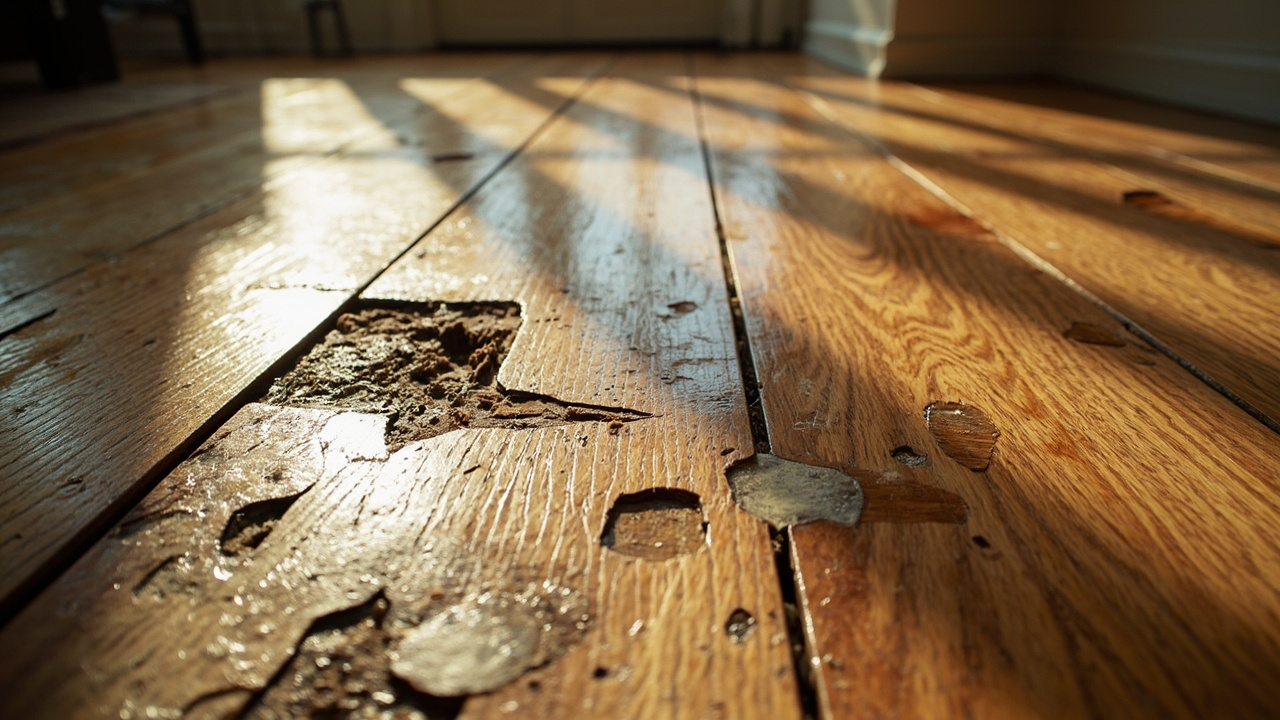
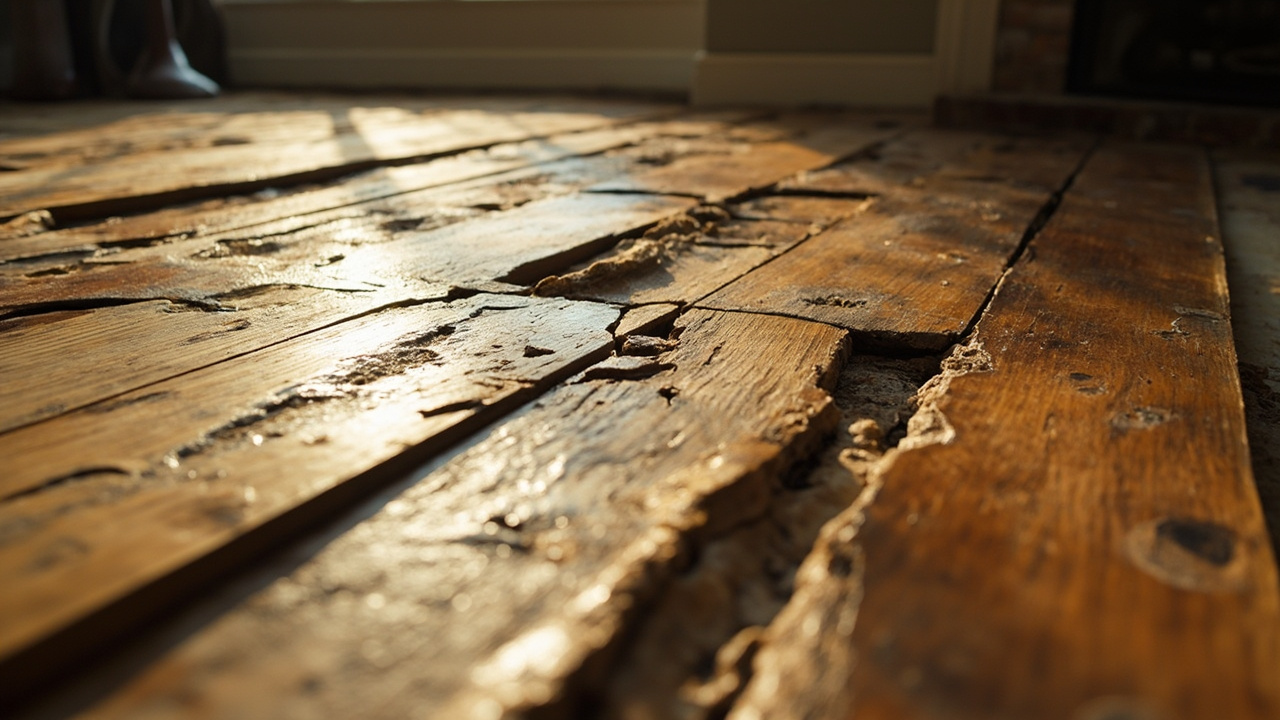
Wood is hygroscopic. It absorbs moisture from the air and surrounding materials. When subfloor moisture levels exceed 12 percent, swollen wood planks expand laterally. If the expansion has nowhere to go, the planks push upward, creating cupping along the edges or full buckling across entire sections. You may also see raised wood floor edges where planks have delaminated from the subfloor entirely.

The mistake most homeowners make is assuming the floor will flatten once it dries. It will not. Once wood fibers compress and deform, the damage is locked in unless you address the moisture source and stabilize the environment quickly. Waiting turns a reversible problem into a total replacement job.

You need to know where the water is coming from, how deep it has penetrated, and what drying strategy will prevent permanent warping.

Why Hartford Hardwood Floors Buckle and Cup More Than You Think
How We Reverse Moisture Damage Before It Becomes Permanent

How We Reverse Moisture Damage Before It Becomes Permanent

Restoring cupped or buckled hardwood floors is not about pointing fans at the surface. It requires subsurface moisture mapping, controlled drying rates, and equilibrium monitoring to bring wood moisture content back to ambient levels without cracking or further deformation.

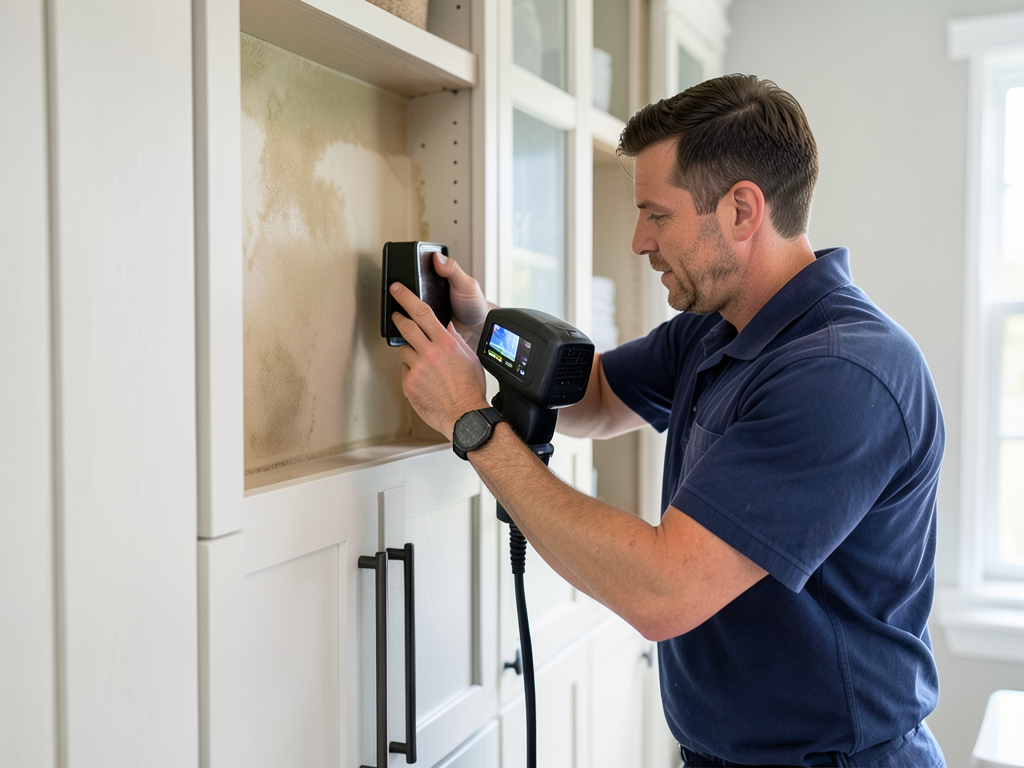
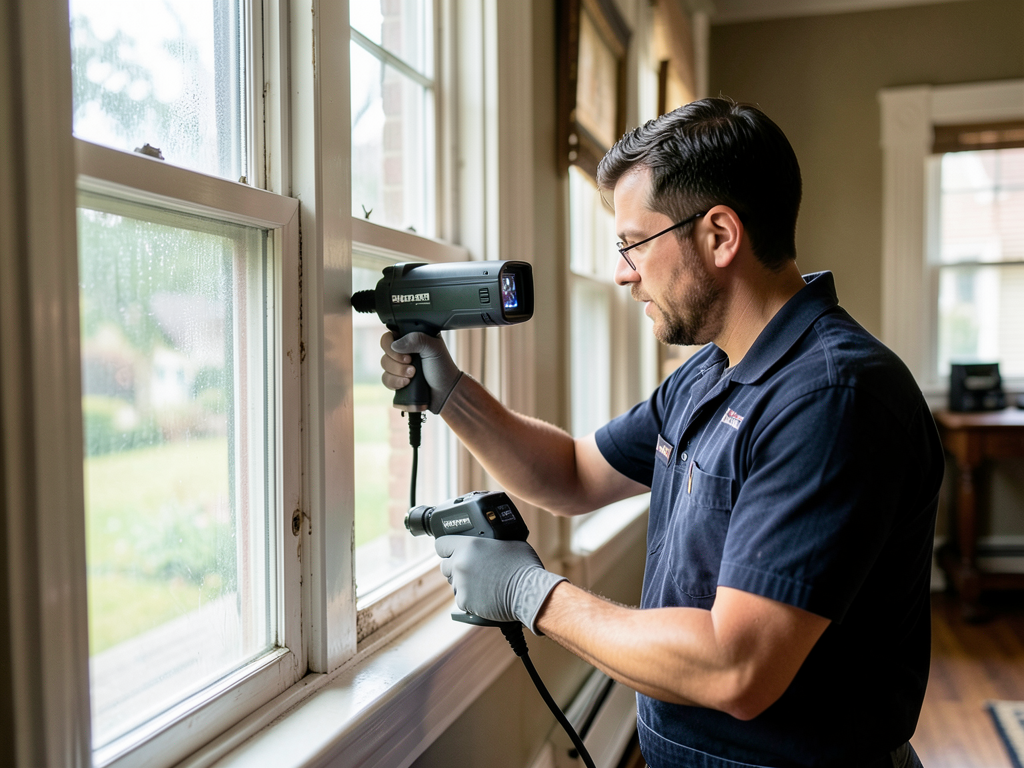
We start with thermal imaging and pin-type moisture meters to map the affected zone. Cupping usually signals top-side moisture exposure, such as a dishwasher leak or roof drip. Buckling indicates subfloor saturation, often from slab moisture, crawl space humidity, or pressurized plumbing leaks. Identifying the vector tells us where to intervene.

Next, we deploy low-grain refrigerant dehumidifiers and axial air movers in a controlled drying chamber setup. The goal is to extract moisture from the wood at a rate slow enough to prevent surface checking but fast enough to stop microbial colonization. We monitor daily moisture readings at multiple depths using thermo-hygrometers and document the drying curve until equilibrium moisture content matches the ambient environment, typically 6 to 9 percent in Hartford's interior conditions.

If subfloor materials like oriented strand board or plywood have also absorbed moisture, we use injectidry systems or floor mat drying systems to pull moisture from below without removing the hardwood. This saves the floor if we catch it within 48 to 72 hours of saturation.

For severe buckling where fasteners have lifted or tongue-and-groove joints have separated, we coordinate with flooring contractors to determine whether localized board replacement or full refinishing after stabilization is the correct path. We do not guess. We measure, document, and restore based on material science.

What Happens When You Call About Warped Floors

Cupping or Buckling Wood Floors in Hartford – Expert Moisture Diagnosis and Structural Drying to Save Your Investment
01

Moisture Source Identification

We trace the moisture back to its origin using thermal imaging, moisture meters, and visual inspection of plumbing, HVAC drainage, and building envelope penetrations. Identifying whether the water is coming from above, below, or laterally determines the extraction method. We document moisture gradients across the affected area to map the saturation footprint and prioritize drying zones.
02

Controlled Structural Drying

We establish a drying chamber using commercial dehumidifiers and air movers calibrated to your floor type and subfloor composition. Drying too fast causes surface cracking. Drying too slow allows mold colonization. We adjust airflow, temperature, and humidity levels daily based on moisture readings taken at multiple depths. You see measurable progress every 24 hours, documented in a drying log that tracks moisture content toward equilibrium.
03

Final Stabilization Verification

Once wood moisture content reaches ambient levels and holds stable for 48 hours, we perform a final inspection to assess whether cupping has reversed or whether localized sanding and refinishing is needed. We provide a moisture report and photographic documentation for your records and insurance claim. The floor is cleared for refinishing or reinstallation of baseboards and transitions only after verified dry-down to prevent rebound moisture issues.

Why Hartford Homeowners Trust Local Expertise for Floor Restoration

You cannot fix warped hardwood floors with YouTube advice and a box fan. You need someone who understands how Hartford's older housing stock responds to moisture, what subfloor materials were used in different construction eras, and how to work within the constraints of historic district properties where invasive demo is restricted.

Crestline Water Damage Restoration Hartford has restored floors in Dutch Point condos, Victorian homes in the West End, and mid-century ranches in Blue Hills. We know that homes built before 1950 often have no vapor barrier under hardwood, making them vulnerable to seasonal ground moisture. We know that properties near Bushnell Park or along the Park River corridor deal with higher ambient humidity and need year-round dehumidification strategies.

We also understand Hartford's building inspection requirements. If your floor damage is part of a larger water intrusion claim, you need documentation that meets municipal code standards for structural drying and mold remediation. We provide third-party verification reports that satisfy insurance adjusters and building officials.

You will not get cookie-cutter service. Every floor has a different wood species, finish type, subfloor composition, and moisture history. Red oak responds differently to moisture than maple. Site-finished floors require different handling than prefinished click-lock planks. We adjust our drying protocols to your specific floor assembly.

We also coordinate with local flooring contractors who specialize in historic hardwood restoration, so if your floor needs refinishing after drying, you are not left scrambling for referrals. We manage the entire process from water extraction to final sanding, ensuring continuity and accountability.

You get transparent communication, documented progress, and a team that knows Hartford inside and out.

What to Expect When You Call About Buckled Floors

Emergency Response Timeline

We dispatch within two hours of your call for active water intrusion situations. If you discover cupping or buckling after the water has stopped, we still prioritize same-day or next-day assessment. The longer saturated wood sits, the lower your chance of reversing the damage. Our technicians arrive with moisture detection equipment and begin mapping the problem immediately. You receive a verbal assessment on-site and a written drying plan within 24 hours. Emergency calls are answered 24/7 at (860) 743-9993.

Comprehensive Moisture Assessment

We do not eyeball the problem. We measure it. Our technicians use calibrated pin-type and pinless moisture meters to assess wood moisture content at multiple points across the affected area. Thermal imaging identifies hidden moisture pockets in walls, subfloors, and adjacent framing. We test subfloor materials separately to determine if moisture has migrated below the hardwood. You receive a moisture map showing saturation levels, affected square footage, and projected drying time. This documentation is critical for insurance claims and contractor coordination.

Restored or Replaced Based on Data

Our goal is to save your floor whenever possible. If we dry the wood before permanent deformation occurs, cupping often reverses naturally as moisture content equalizes. Buckling caused by edge swell may require fastener reinforcement or localized board replacement. If the damage is too severe, we tell you upfront. You will not pay for drying services if the floor is already beyond salvage. We provide clear guidance on whether refinishing, partial replacement, or full reinstallation is the right path forward based on measured outcomes, not sales quotas.

Post-Restoration Monitoring and Prevention

After drying, we provide a final moisture content report and recommend humidity control strategies to prevent recurrence. Many Hartford homes need crawl space encapsulation, sump pump installation, or whole-home dehumidification to maintain stable interior conditions. We offer follow-up moisture checks at 30 and 90 days to ensure your floors remain stable. If cupping reappears, it signals an unresolved moisture source, and we will return to identify it. You also receive guidance on refinishing timelines and flooring contractor coordination to ensure the restoration is completed correctly.

Frequently Asked Questions

You Have Questions,
We Have Answers

What is the difference between wood buckling and cupping? +

Cupping happens when the edges of wood planks rise higher than the center, creating a concave shape. This occurs when moisture absorbs into the bottom of the board faster than the top. Buckling is more severe. The entire plank lifts away from the subfloor, sometimes breaking fasteners. Buckling results from extreme moisture saturation or prolonged water exposure. Hartford homes with basement flooding or leaking foundations often see both issues. Cupping is a warning sign. Buckling is structural failure. Both need immediate attention to prevent permanent damage.

What does a buckled hardwood floor look like? +

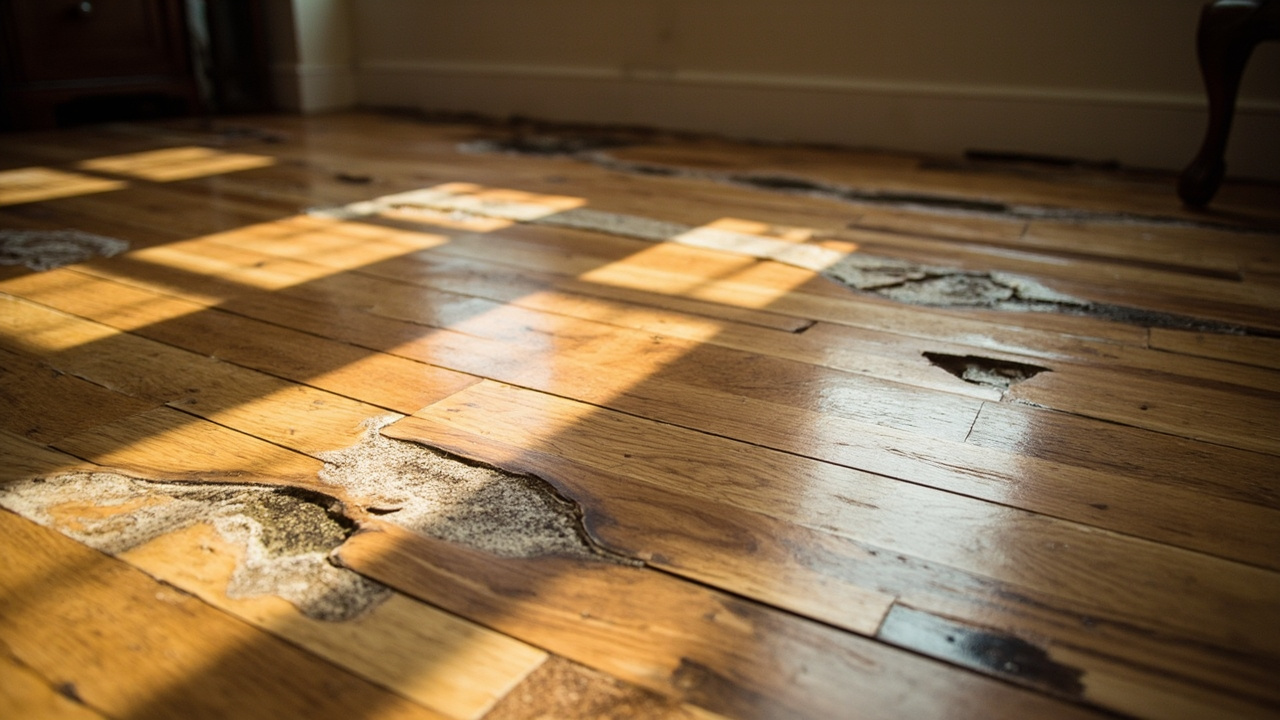
A buckled floor shows visible lifting and separation from the subfloor. Planks may peak in the middle of a room or along walls. You will see gaps underneath when you look at the edges. The floor feels unstable when you walk on it. Some boards crack or splinter under pressure. In Hartford homes, buckling often follows basement water intrusion or pipe bursts. The damage is dramatic and cannot be ignored. Buckled floors require professional assessment. The subfloor beneath may also be compromised and need replacement.

What does cupping look like on a wood floor? +

Cupped wood floors have edges that curl upward, creating a U-shape across each plank. Run your hand perpendicular to the boards. You will feel ridges along the seams. The surface looks wavy or washboard-like. Light hits the floor unevenly because of the height differences. In Hartford, cupping often appears after humid summers or undetected plumbing leaks. The wood absorbs moisture from below while the surface stays drier. Early-stage cupping is subtle. Advanced cupping is obvious and damages the finish as boards rub together.

Will cupped hardwood flatten out? +

Sometimes. If you catch cupping early and remove the moisture source, floors may flatten as they dry. This process takes weeks or months. Hartford homes need proper dehumidification during drying. However, if the wood stays wet too long, the fibers compress and lock into the cupped shape. Finishing compounds crack. The wood loses its ability to return to flat. Professional moisture testing determines if natural flattening is possible. Forced drying with heat often makes cupping worse. Patience and controlled drying conditions are necessary.

Can cupped hardwood floors be repaired? +

Yes, but the approach depends on severity. Light cupping may resolve with drying and humidity control. Moderate cupping often requires sanding after the wood fully dries and stabilizes. This takes months in Hartford's variable climate. Severe cupping needs plank replacement. A professional evaluates moisture content before any repair begins. Sanding cupped wood too early traps moisture and causes the problem to return. The subfloor and moisture barrier must also be assessed. Repair without fixing the source of water intrusion wastes money. Address the cause first.

Will buckled hardwood floors go back to normal? +

Rarely. Buckling means the wood absorbed so much water that it expanded beyond the available space and broke free from the subfloor. Even after drying, buckled planks stay warped. The fasteners are compromised. The subfloor may be damaged or rotted. Hartford homes with buckled floors need plank replacement and subfloor inspection. Trying to press buckled boards back down fails because the wood changed shape permanently. A water damage professional must dry the structure completely before any flooring repair begins. Ignoring buckled floors risks mold growth beneath.

How to tell if a floor is buckling? +

Walk across the floor. Buckling feels spongy or unstable underfoot. You may hear hollow sounds or cracking noises. Look for planks that lift at the edges or peak in the center. Check for gaps between the floor and baseboards. Shine a flashlight along the floor at a low angle. Shadows reveal uneven surfaces. In Hartford homes, buckling often starts near water sources like bathrooms, kitchens, or exterior walls. Measure the floor with a straightedge. Any lifting beyond minor gaps indicates buckling and needs immediate professional evaluation.

How much does it cost to fix a buckled floor? +

Costs vary widely based on damage extent and subfloor condition. Minor buckling in a small area may cost a few hundred dollars for drying and minor repairs. Extensive buckling requiring plank replacement, subfloor repair, and refinishing runs into thousands. Hartford homes with old subflooring or complicated floor plans increase labor costs. Water damage restoration comes first. Flooring repair follows. Insurance may cover water-related buckling depending on the cause. Get a professional inspection before budgeting. Drying costs alone can surprise homeowners if mold remediation becomes necessary.

Is hardwood floor cupping normal? +

No. Cupping signals a moisture problem. Wood floors naturally expand and contract with seasonal humidity changes, but cupping means moisture imbalance. Hartford's humid summers can cause minor seasonal movement, but true cupping indicates water intrusion from below. Common causes include crawlspace moisture, concrete slab vapor, plumbing leaks, or improper installation without a moisture barrier. If you see cupping, investigate immediately. Small amounts of cupping can progress quickly. The longer wood stays cupped, the less likely it will flatten. Normal seasonal gaps between planks are not cupping.

Can you fix cupped wood? +

Yes, if you act fast. Stop the moisture source first. Dry the area with dehumidifiers and fans. Monitor moisture levels with a meter. Once the wood stabilizes at normal moisture content, assess the damage. Light cupping may disappear. Moderate cupping requires sanding after full stabilization, which takes months in Hartford's climate. Severe cupping needs replacement. Never sand cupped wood while it is still wet. You will remove too much material and create low spots. Professional restoration ensures proper drying and prevents recurring damage. Fix the water source or cupping returns.

Why Hartford's Humidity and Aging Infrastructure Make Floor Buckling a Persistent Problem

Hartford sits in the Connecticut River valley where summer humidity regularly exceeds 70 percent and winter heating cycles create extreme indoor dryness. This seasonal swing causes hardwood floors to expand and contract repeatedly, weakening tongue-and-groove joints and fastener integrity. Older homes in neighborhoods like Barry Square and Behind the Rocks often have uninsulated crawl spaces or dirt basements where ground moisture wicks into floor joists year-round. Add aging cast iron plumbing and you have chronic low-grade moisture exposure that leads to cupping, peaking hardwood joints, and eventual structural failure.

Crestline Water Damage Restoration Hartford understands how local construction methods and climate patterns interact to create floor damage. We have worked in homes built during every era of Hartford's development, from Victorian-era properties with no subfloor vapor barriers to 1970s split-levels with slab-on-grade moisture issues. We know which neighborhoods have high water tables, which streets have aging municipal water mains prone to pressure surges, and which building materials respond best to controlled drying. Local expertise matters because your floor is not generic, and neither is the water problem causing it.

Water Damage Restoration Services in The Hartford Area

Crestline Water Damage Restoration Hartford is strategically located to provide rapid and reliable service across the entire Hartford region and its surrounding communities. We invite you to view our service map to confirm that your property falls within our guaranteed service area, ensuring that a professional water damage expert is never far away when you need us most. We pride ourselves on the capability to reach your location quickly, a crucial factor in successful, timely mitigation and restoration.

Address:
Crestline Water Damage Restoration Hartford, 1916 Broad St, Hartford, CT, 06114

Additional Services We Offer

Our news updates

Latest Articles & News from The Blogs

Managing Winter Window Condensation to Prevent Rot in Your Northeast Hartford Victorian Winter condensation on your Northeast Hartford Victorian windows…

Managing Winter Window Condensation to Prevent Rot in Your Northeast Hartford Victorian

Managing Winter Window Condensation to Prevent Rot in Your Northeast Hartford Victorian Winter condensation on your Northeast Hartford Victorian windows…

Why Replacing Your Carpet Padding is Critical After a Leak in Your Bristol Home

Why Replacing Your Carpet Padding is Critical After a Leak in Your Bristol Home \n\n When water seeps into your…

Dealing with Water Damage in Your Mudroom Caused by Tracked-In Snow in West Hartford

Dealing with Water Damage in Your Mudroom Caused by Tracked-In Snow in West Hartford When melting snow from winter boots…

Contact Us

Warped hardwood does not fix itself. Call Crestline Water Damage Restoration Hartford at (860) 743-9993 for same-day moisture assessment and controlled structural drying. We answer 24/7 and deploy immediately to save your floors.